

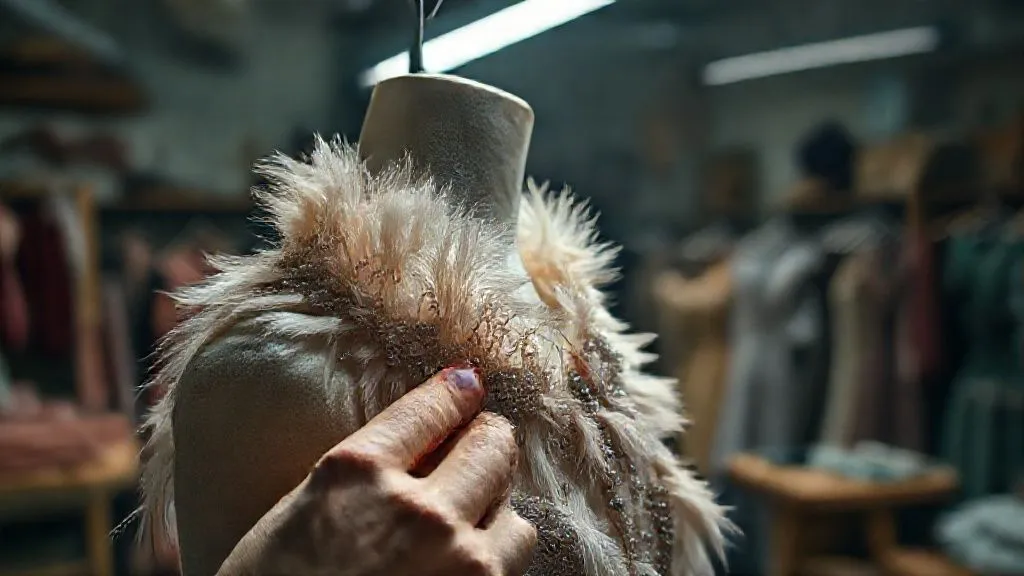
How to Reinforce Fragile Wearable Art for Stage Performance?
For over two decades in the demanding world of costume design and wearable art, I've witnessed the exhilarating highs of a flawless stage debut and the crushing lows of a structural failure mid-performance. There’s a particular sting when a meticulously crafted piece of wearable art, designed to captivate and tell a story, succumbs to the rigors of movement, quick changes, or even just the subtle vibrations of a stage. It's not just a costume; it's an extension of the performer, a living sculpture, and its integrity is paramount to the artistic vision.
The inherent paradox of wearable art for stage is its often breathtaking fragility. We push boundaries with unconventional materials – glass, paper, dried botanicals, intricate beadwork, delicate plastics – all chosen for their aesthetic impact, yet inherently vulnerable. When these pieces are subjected to the dynamic environment of a live performance, with its intense lighting, rapid movements, and often multiple wearers, their very existence hangs precariously. The artist’s heart sinks with every dropped bead or torn seam, knowing the magic can be broken in an instant.
But fear not, fellow creators. This isn't an insurmountable challenge. Through years of trial and error, collaborating with engineers, performers, and material scientists, I've developed and refined systematic approaches to tackle this very problem. In this definitive guide, I will share not just techniques, but a mindset – a framework that empowers you to design and execute wearable art that not only mesmerizes but also endures the spotlight. We'll explore strategic material choices, advanced reinforcement methods, and crucial testing protocols to ensure your fragile masterpieces stand strong.
Understanding the Unique Demands of Wearable Art on Stage
The Paradox of Beauty and Durability
Wearable art occupies a fascinating space between fashion, sculpture, and performance. Unlike traditional costumes, which prioritize comfort and durability within established textile norms, wearable art often prioritizes conceptual expression and visual spectacle, frequently employing materials not typically associated with clothing. This leads to a fundamental tension: how do we maintain the ethereal quality of a piece made from, say, spun sugar or delicate lace, while ensuring it can withstand the physical demands of a stage performance?
"The true test of wearable art isn't just its initial beauty, but its resilience under pressure – its ability to move, breathe, and perform alongside the artist without compromise."
Consider the forces at play: gravity, acceleration, torsion, shear, and friction. A performer's every jump, spin, or dramatic gesture translates directly into stress on the costume's structure. Audience proximity also plays a role; imperfections that might be forgiven in a distant gallery piece become glaring flaws under the unforgiving scrutiny of stage lights and a live audience. This demands a proactive approach to structural integrity from the very first sketch.
The Foundational Principles of Structural Integrity
Layering and Substructure: The Hidden Strength
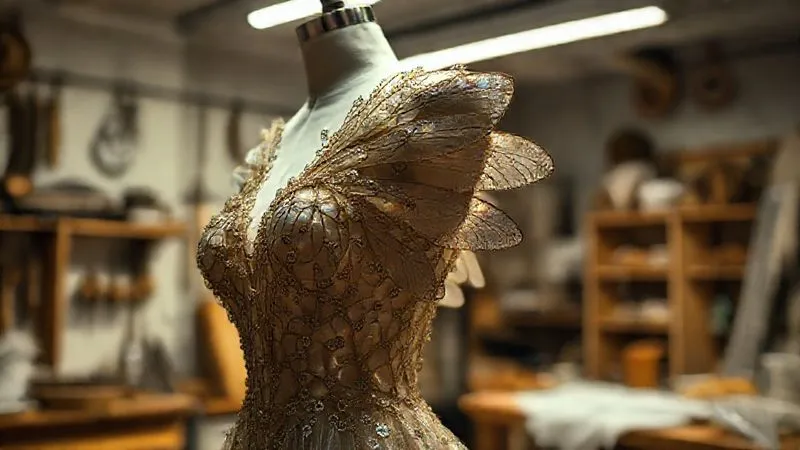
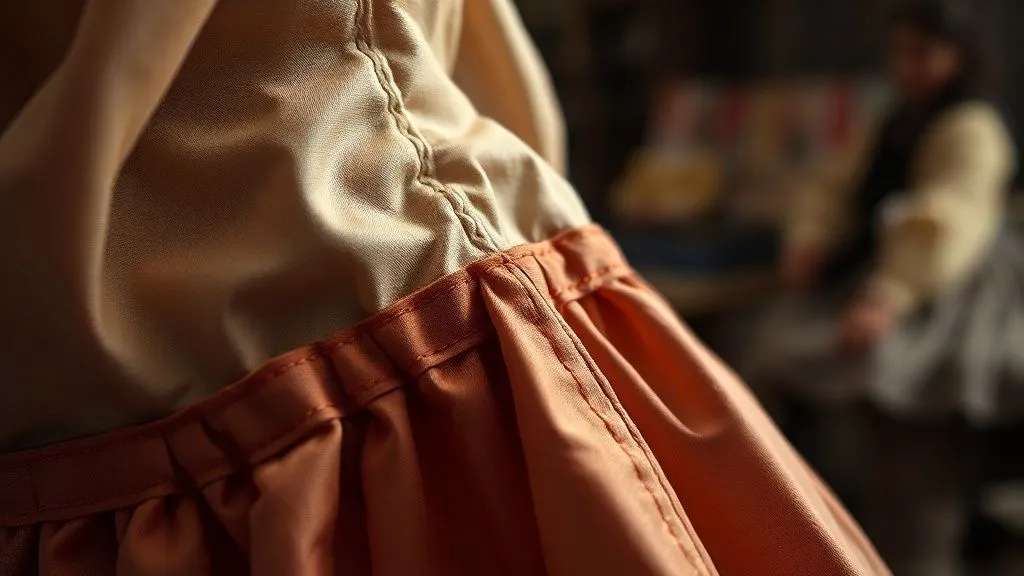
The secret to reinforcing fragile wearable art often lies not in making the visible parts stronger, but in building a robust, often invisible, substructure. Think of it like architecture: a beautiful facade relies on an expertly engineered internal framework. This internal scaffolding distributes stress, bears weight, and provides anchor points for delicate external elements.
- Load Distribution: Avoid concentrating stress in one small area. Spread the load across a larger surface or through multiple attachment points.
- Flexibility vs. Rigidity: Determine where the piece needs to move with the body and where it needs to hold its shape. Strategic integration of both flexible and rigid elements is key.
- Material Compatibility: Ensure that your reinforcement materials are compatible with the original art materials, both chemically (to prevent degradation) and aesthetically (to remain invisible or seamlessly integrated).
- Anticipatory Design: Envision every potential movement and interaction the piece will undergo on stage and design reinforcements to mitigate those specific stresses.
Strategic Material Selection for Reinforcement
Choosing the right reinforcement material is a critical step. It’s not a one-size-fits-all solution; the choice depends entirely on the original materials, the desired aesthetic, and the expected performance demands. Here are some categories and examples I frequently turn to:
Textile-Based Reinforcements
These are often the first line of defense, adding strength without significantly altering the drape or feel of fabric-based wearable art.
- Heavy-Duty Interfacing & Fusible Webbing: These can add significant body and stability to delicate fabrics, preventing tears and stretching. I often use multiple layers of iron-on interfacing for paper-thin silks or fragile lace.
- Buckram & Crinoline: For structured elements like collars, cuffs, or sculptural protrusions, buckram provides excellent stiffness and shape retention. Crinoline offers lighter, more flexible volume.
- Ripstop Nylon or Strong Netting: When working with very open-weave or delicate textiles, a hidden layer of ripstop nylon or a strong, fine-mesh netting can act as an invisible safety net, distributing tension and preventing catastrophic tears.
- Dense Canvas or Twill: For high-stress areas like shoulder seams or waistbands, a lining of sturdy canvas or twill can provide the necessary backbone.
Rigid & Semi-Rigid Supports
When the wearable art demands a specific, unyielding form, or needs to withstand significant impact, these materials come into play.
- Boning (Steel, Spiral, Plastic): Essential for corsetry, structured bodices, or any element requiring a crisp, defined line. Steel boning offers maximum rigidity, while spiral steel and plastic boning provide more flexibility.
- Wire Armatures: Lightweight aluminum or galvanized steel wire can be shaped into complex forms, then integrated internally or externally. Gauge is crucial – too thin, and it bends; too thick, and it's heavy and bulky.
- Thermoplastics (e.g., Worbla, Fosshape, Wonderflex): These moldable plastics become pliable with heat and harden when cool, allowing for custom-fit, lightweight, and incredibly strong structural elements. They can be painted, sanded, and easily integrated.
- Lightweight Metals (Aluminum Strips, Thin Brass): For very precise, strong, and thin structural needs, carefully shaped metal strips can be a solution, though they require specialized tools and skills.
- Carbon Fiber Rods/Sheets: The ultimate in strength-to-weight ratio. While more expensive and requiring specific handling, carbon fiber can provide unparalleled rigidity for large, unsupported structures. For further technical specifications on advanced materials, consult journals such as Materials Science and Engineering: A.
Adhesives & Coatings
These are the binders and protectors, often used in conjunction with other reinforcements.
- Fabric Glues (e.6000, Fabri-Tac): For securing embellishments or bonding dissimilar materials where stitching is impossible. Always test on a scrap piece first for drying time, flexibility, and visibility.
- Resins (Epoxy, Polyurethane): For hardening delicate materials like paper, lace, or even organic elements. Clear resins can create a protective, durable shell.
- Clear Sealants/Sprays (e.g., Mod Podge, Acrylic Sealants): Provides a protective, often water-resistant, layer over painted or delicate surfaces, preventing flaking or minor damage.
| Reinforcement Type | Best Use Case | Pros | Cons |
|---|---|---|---|
| Heavy-Duty Interfacing | Adding body to delicate fabrics, preventing stretching | Lightweight, flexible, invisible | Limited structural support, can stiffen drape |
| Steel Boning | Structured bodices, rigid forms | Maximum rigidity, defined lines | Heavy, can restrict movement, visible if not well-integrated |
| Thermoplastics (Worbla) | Custom-fit sculptural elements, complex shapes | Lightweight, moldable, strong, paintable | Requires heat gun, can be costly, learning curve |
| Ripstop Nylon (hidden layer) | Invisible tear prevention for open-weave fabrics | Very strong, lightweight, breathable | Can be challenging to integrate seamlessly, minor stiffness |
| Epoxy Resin | Hardening delicate organic materials, protective coating | Creates strong, durable shell, clear finish | Irreversible, can be brittle, requires ventilation, chemical handling |
Advanced Techniques for Delicate Components
Securing Embellishments: Beads, Sequins, and Glass
A cascade of beads or shimmering sequins can transform a costume, but they are often the first elements to fail. I've learned that patience and precision here pay dividends.
- Backing Fabric: Always apply embellishments to a stable, reinforced backing fabric, not directly onto a sheer or delicate outer layer. A layer of organza or heavy-duty netting can be your best friend.
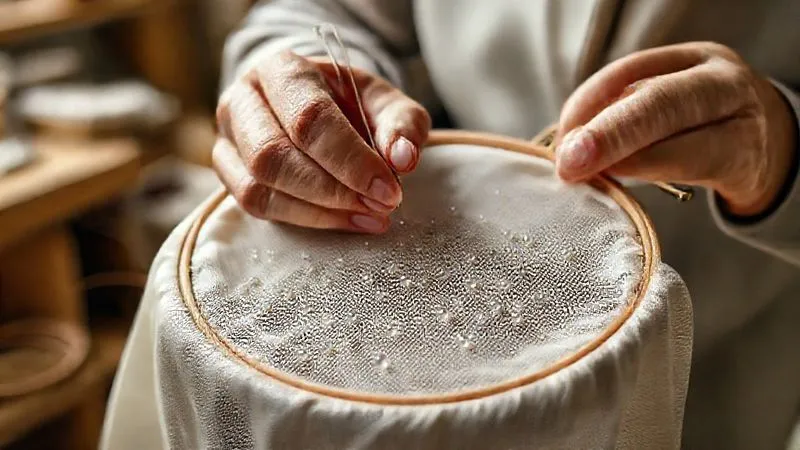
- Double Threading & Waxing: Use strong, waxed thread (e.g., Gutermann extra strong, Nymo beading thread). Double-threading individual beads or small clusters significantly increases their security.
- Anchor Points: Instead of one continuous line of stitching, create regular anchor points where the thread is secured to the base fabric. This prevents a single break from unraveling an entire section.
- Interlocking Stitches: For sequins, overlap them slightly and use an interlocking stitch pattern, catching the edge of the previous sequin with each new one.
- Invisible Wire/Fishing Line: For very delicate, lightweight elements that need to appear suspended, fine monofilament fishing line can offer surprisingly strong, near-invisible support.
Reinforcing Paper, Cardboard, and Organic Materials
These unconventional materials require creative, often chemical, reinforcement.
- Lamination & Layering: For paper-based art, laminate with thin plastic films or layer with fabric interfacing. Multiple layers of paper, bonded with flexible glue, create surprising strength.
- Internal Armatures: Conceal lightweight wire or plastic armatures within paper or cardboard structures to provide internal support.
- Clear Sealants: Products like Mod Podge (flexible varieties), clear acrylic sealants, or even thin layers of flexible resin can dramatically increase the durability and moisture resistance of paper and dried botanicals without altering their appearance too much. Always test on a scrap first.
Engineering for Movement: Flexibility vs. Rigidity
A static sculpture can be entirely rigid, but wearable art must accommodate the human form in motion. This means understanding where to allow flexibility and where to demand rigidity. The interplay between these two is where true costume engineering shines.
The Art of Articulation Points
Consider the natural hinge points of the body: shoulders, elbows, knees, hips. Any wearable art piece that crosses these joints must either be segmented or incorporate flexible materials at these points. Ignoring this will lead to immediate failure or restrict the performer’s movement, compromising the artistic intent.
"Designing for movement isn't just about preventing breakage; it's about empowering the performer to embody the art fully, without physical restriction or fear of damage."
For rigid structures that need to move, explore options like:
- Hidden Elastic Cording: Can connect rigid segments, allowing for expansion and contraction.
- Fabric Hinges: Strong, flexible fabric tabs sewn between rigid plates can create durable, low-profile hinges.
- Ball-and-Socket Joints (Miniature): For intricate, sculptural elements that need multi-directional movement, miniature, lightweight ball-and-socket joints can be incredibly effective, often sourced from doll-making or model-building supplies.
Pre-Performance Testing and Maintenance Protocols
Even the most meticulously reinforced piece needs to be tested under real-world conditions. This stage is non-negotiable.
The Dress Rehearsal as a Stress Test
Dress rehearsals are not just for choreography; they are your ultimate stress test for wearable art. Observe every movement, every quick change, every interaction with props or other performers. Video recording these rehearsals can reveal subtle stresses you might otherwise miss.
- Perform Full Range of Motion: Ensure the performer executes every movement, jump, spin, and pose planned for the show.
- Simulate All Interactions: If the piece interacts with other costumes, props, or set pieces, test these interactions repeatedly.
- Quick Change Drills: Practice all quick changes at full speed to identify weak points in fastening systems or areas prone to snagging.
- Lighting Check: Observe the piece under stage lighting. Sometimes, the heat from lights can affect certain materials or adhesives.
- Post-Rehearsal Inspection: Conduct a thorough, detailed inspection immediately after each rehearsal, looking for any signs of stress, fraying, loosening, or cracking.
On-Site Repair Kits and Contingency Planning
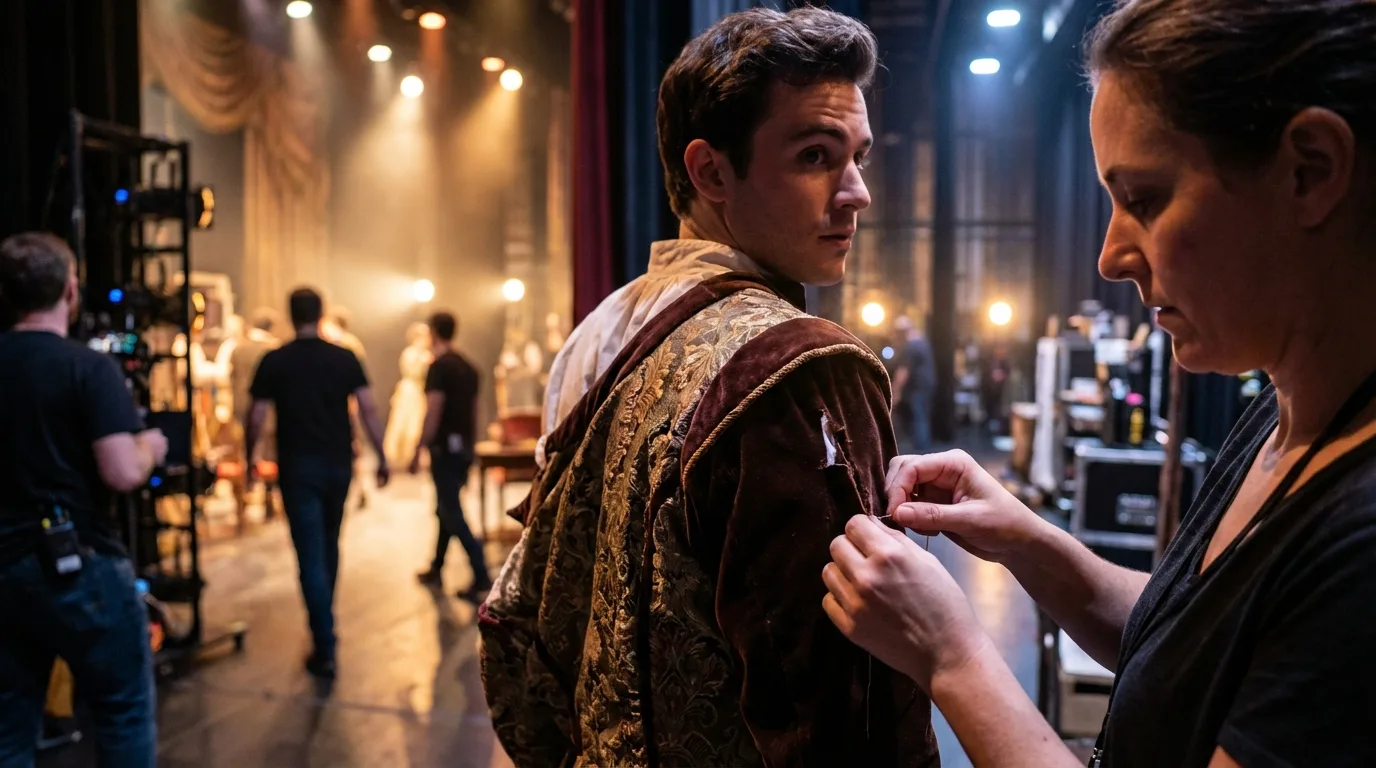
No matter how well you reinforce, accidents happen. A well-stocked, easily accessible repair kit is essential for any stage production involving fragile wearable art.
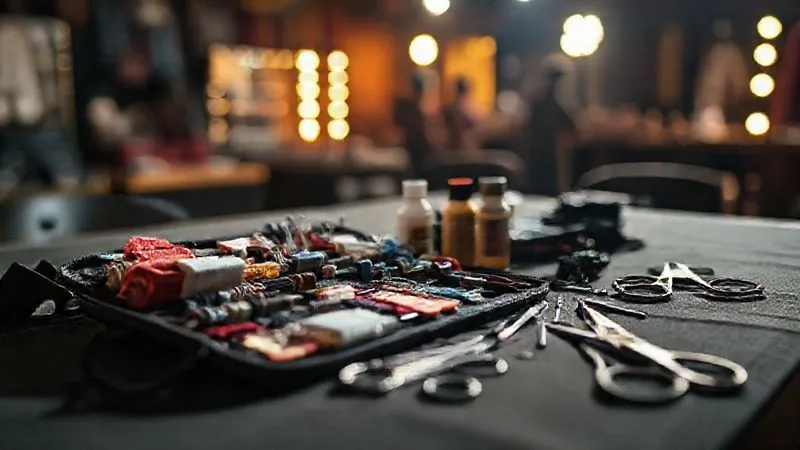
- Essentials: Heavy-duty needles, strong thread (black, white, clear), fabric glue, hot glue gun (with high-temp glue sticks), safety pins, small pliers, wire cutters, spare bits of common reinforcement materials (interfacing, small wire pieces).
- Material-Specifics: If your art uses unique elements like specific beads, small plastic pieces, or specialized fasteners, include spares.
- Trained Personnel: Ensure at least one person backstage is familiar with the construction of the wearable art and trained in basic repairs.
Case Study: The 'Chrysalis' Project's Journey to Durability
Case Study: How The 'Chrysalis' Project Mastered Stage Durability
A few years ago, I consulted on a contemporary dance piece called 'Chrysalis.' The lead performer's costume was a breathtaking, multi-layered wearable art piece designed to evoke the delicate wings of a moth, constructed primarily from heat-treated organza, fine wire, and hundreds of individually applied, iridescent plastic scales. Initially, during early rehearsals, the scales were detaching with every dramatic arm movement, and the organza wings were tearing at the shoulder seams.
By implementing a multi-pronged reinforcement strategy, we transformed its fragility into resilience. First, we installed a lightweight, flexible internal armature of carbon fiber rods within the organza wings, anchoring them to a hidden harness worn by the dancer. This provided structural integrity without restricting movement. Second, for the iridescent scales, instead of individual glue points, we created small, interconnected clusters of scales, each group stitched onto a hidden layer of ripstop nylon that was then sewn to the organza. Finally, all high-stress seams, particularly at the shoulders and where the wings attached to the bodice, were reinforced with multiple layers of heavy-duty interfacing and a hidden grid of thin, strong fishing line, distributing the tension across a wider area. The result? The 'Chrysalis' costume not only survived a grueling national tour but looked pristine for every single performance, allowing the dancer to fully embody the fragility and strength of the moth's transformation.
Collaborative Design: Involving Performers and Technicians
Feedback Loops for Optimal Design
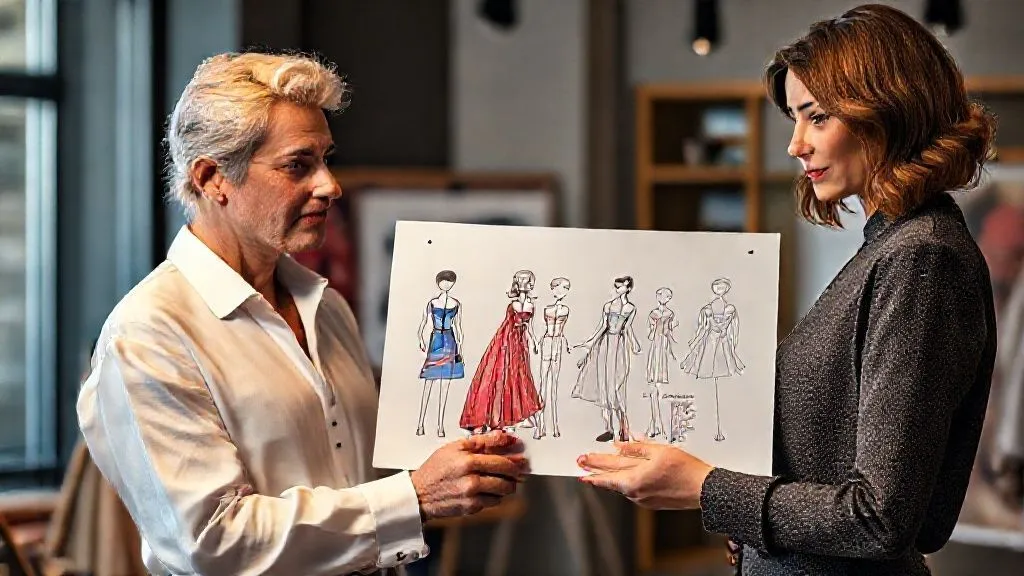
The most effective reinforcement strategies often emerge from a collaborative process. I always advocate for bringing performers, choreographers, and stage technicians into the design conversation early. Their insights into movement patterns, interaction with props, and backstage logistics are invaluable. A performer can tell you exactly where a seam will chafe or where a rigid element will impede a critical movement. Technicians can advise on quick-change feasibility and lighting considerations. This iterative feedback loop is crucial for creating wearable art that is both stunning and stage-ready.
As Seth Godin, the renowned marketing guru, often says about product design, "Don't find customers for your products, find products for your customers." In our case, don't find performers for your art; design your art for your performers and the stage environment. This perspective shifts the focus from purely aesthetic creation to a holistic, functional design process. For further reading on collaborative design processes, I recommend exploring resources from design thinking practitioners like IDEO or academic papers on human-centered design, such as those found in journals like Design Issues.
Longevity and Storage: Beyond the Stage
The life of reinforced wearable art extends beyond its stage debut. Proper handling and storage are crucial for its longevity. Always store pieces in a way that supports their internal structure, preventing sagging or crushing. Use custom-fitted mannequins, padded hangers, or acid-free boxes. Environmental controls – temperature, humidity, and light – are also vital, especially for organic or chemically treated materials. Think of these pieces as museum artifacts; their preservation requires careful consideration.
Frequently Asked Questions (FAQ)
Q: How much added weight is acceptable when reinforcing wearable art for performance? A: This is highly dependent on the performer and the nature of the piece. Generally, aim for the absolute minimum necessary. Even a few extra ounces can significantly impact a dancer's agility or comfort over a long performance. Always test the reinforced piece with the performer to gauge their comfort and mobility. Sometimes, a slightly heavier but more durable piece is preferable to a lighter one that fails.
Q: Can I reinforce an already finished piece of wearable art, or does it need to be integrated during construction? A: While it's always ideal to integrate reinforcement during the initial design and construction phases, it is often possible to reinforce an existing piece. This usually involves carefully opening seams, adding internal structures, or applying external (but aesthetically integrated) supports. It requires more delicate work and a thorough understanding of the original construction, but it's certainly feasible for many pieces.
Q: What if the reinforcement changes the aesthetic or drape of the original design? A: This is a common concern and a balancing act. The goal is often 'invisible' reinforcement. Techniques like using clear threads, transparent films, internal armatures, or color-matched backings can minimize visual impact. For drape, choosing flexible reinforcements like interfacing or strategically placed elastic allows the material to move naturally while adding strength. Sometimes, a slight alteration in aesthetic is a necessary compromise for stage-worthiness.
Q: What are the best practices for quick costume changes involving heavily reinforced wearable art? A: For quick changes, focus on robust, easy-to-operate fastening systems. Large, strong snaps, industrial-strength Velcro, or heavy-duty zippers are often preferred over delicate hooks-and-eyes or intricate lacings. Design the reinforcement to handle the stress of rapid pulling and tugging. Ensure that all attachment points are exceptionally strong, and that the garment can be donned and doffed with minimal manipulation of fragile parts. Pre-performance practice of quick changes is paramount.
Q: Are there eco-friendly or sustainable options for reinforcing wearable art? A: Absolutely! The field is constantly evolving. Look for natural fibers like hemp buckram or organic cotton interfacing. Consider bio-plastics or recycled plastics for rigid supports. Experiment with natural glues or starch-based stiffeners. Durability itself is a form of sustainability, as it extends the life of the artwork. When sourcing, prioritize suppliers with strong environmental commitments. Researching innovations in sustainable materials, perhaps through organizations like the Ellen MacArthur Foundation, can provide valuable insights.
Key Takeaways and Final Thoughts
Mastering how to reinforce fragile wearable art for stage performance is a journey of continuous learning, combining artistic vision with practical engineering. It demands a proactive mindset, careful material selection, and rigorous testing. Remember these core principles:
- Start Early: Integrate reinforcement into the initial design phase, not as an afterthought.
- Understand Your Materials: Know the strengths and weaknesses of both your art materials and your reinforcement materials.
- Build a Substructure: Often, the strongest support is hidden beneath the surface.
- Engineer for Movement: Balance rigidity with flexibility, anticipating the performer's every gesture.
- Test Relentlessly: Rehearsals are your laboratory; use them to identify and rectify weak points.
- Collaborate Widely: Engage performers and technicians for invaluable real-world insights.
Creating wearable art for the stage is an act of courage and boundless imagination. Don't let the fear of fragility hold back your boldest visions. By embracing these reinforcement strategies, you can ensure your breathtaking creations not only captivate audiences but also withstand the demanding spotlight, allowing your artistry to shine, performance after performance. The stage awaits your durable masterpieces.
Recommended Reading
- 7 Smart Casual Outfits: Crafting Impactful Looks for Male Professionals
- 5 Design Principles: Discreetly Integrating Orthotics in High-Fashion Footwear
- Unlock Comfort: 7 Steps to Find Specialized Joint Support Activewear
- Unlock Camera Confidence: The Ultimate Guide to Posing for Fashion Bloggers
- 7 Proven Strategies: Boost Stagnating TikTok Fashion Growth Now!


Your email address will not be published. Required fields are marked *