

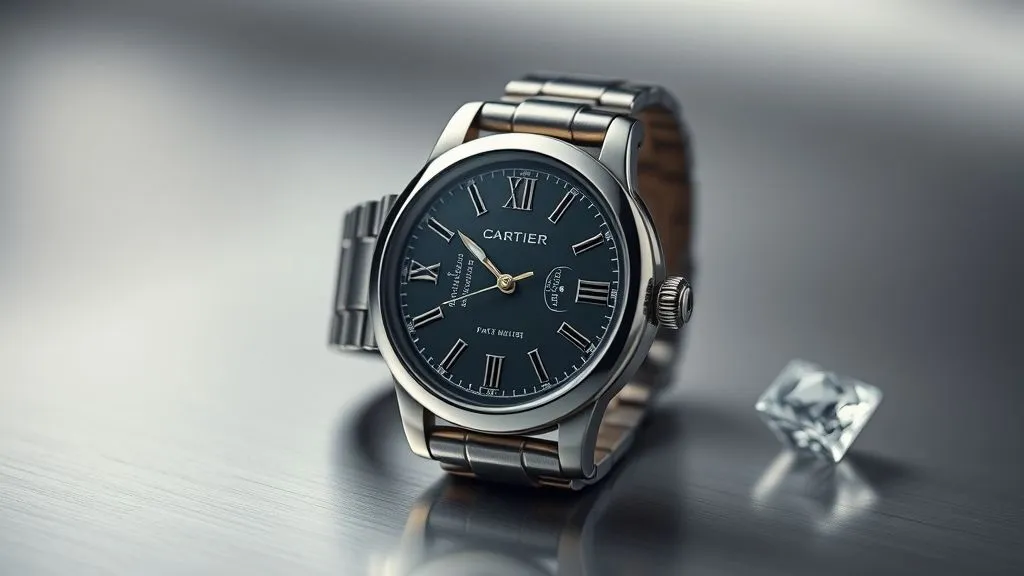
How to Refresh Classic Accessories to Appeal to Modern Luxury Buyers?
For over 15 years in the high-end accessories market, I've observed a common pitfall: brands with incredible heritage and iconic pieces often struggle to connect with the evolving sensibilities of the modern luxury buyer. They cling to tradition, fearing innovation might dilute their essence, only to find their once-coveted classics gathering dust in a rapidly shifting landscape.
The challenge isn't about abandoning the past; it's about understanding that today's affluent consumer seeks more than just prestige or price tag. They demand authenticity, sustainability, personalization, and a narrative that resonates with their values. The classic accessories, while inherently valuable, often miss this contemporary pulse, leading to a disconnect with a demographic eager for meaningful luxury.
In this definitive guide, I will share actionable frameworks, real-world insights, and expert strategies to bridge that gap. We'll explore how to breathe new life into your brand's heritage, ensuring your classic accessories not only retain their timeless appeal but also captivate and convert the discerning modern luxury buyer. Prepare to transform your approach and unlock unprecedented market potential.
Understanding the Modern Luxury Buyer: Beyond Opulence
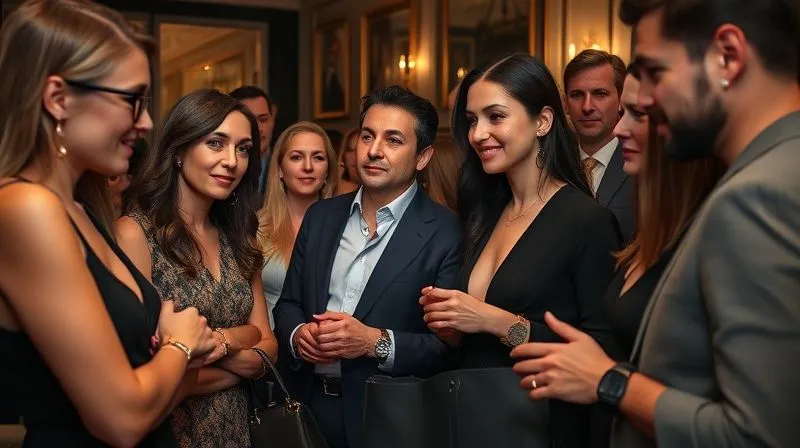
The modern luxury buyer is a complex, multi-faceted individual. They are often younger, globally aware, and digitally native. Their definition of luxury has evolved from conspicuous consumption to something far more nuanced: experiential, ethical, and exclusive. They're not just buying an item; they're investing in a story, a philosophy, and a personal statement.
In my experience, many brands misinterpret 'modern' as 'trendy.' This is a critical error. Modern luxury buyers appreciate enduring quality and design, but they also want it to align with their contemporary values. They research brands thoroughly, scrutinizing everything from ethical sourcing to environmental impact. According to a Deloitte study on the global luxury market, Gen Z and Millennials are increasingly influential, prioritizing purpose-driven brands and personalized experiences.
Expert Insight: "The new luxury isn't about what you own, but what you experience, how it makes you feel, and the values it represents."
To truly appeal, you must understand their motivations: status is still a factor, but it's now often expressed through understated elegance, unique finds, and alignment with social good. They seek pieces that reflect their individuality and tell a compelling story, not just a label.
The Art of Subtle Reinterpretation: Design Evolution
Refreshing classic accessories doesn't mean a radical overhaul. It means a thoughtful, subtle reinterpretation that respects the original design while infusing it with contemporary relevance. This is where true artistry meets commercial acumen.
How to Approach Design Reinterpretation:
- Material Innovation: Explore new materials or sustainable alternatives that enhance durability, reduce environmental impact, or offer a novel tactile experience. Think recycled metals, ethically sourced leathers, or innovative composites.
- Color Palette Updates: Introduce seasonal or limited-edition colorways that resonate with current fashion trends, without straying too far from the brand's core identity. Muted tones, unexpected pastels, or bold, jewel-like hues can create fresh appeal.
- Proportional Adjustments: Sometimes, a slight change in size, strap length, or a buckle's dimension can modernize a piece dramatically. A slightly oversized watch face or a more compact handbag can feel entirely new.
- Functional Enhancements: Integrate modern functionality discreetly. For instance, a classic handbag could feature an internal padded compartment for a tablet, or a watch could incorporate subtle smart features without altering its analog aesthetic.
- Minimalist Refinement: Strip away unnecessary embellishments. Modern luxury often champions 'less is more.' A cleaner line or a simplified logo application can speak volumes.
Case Study: 'Heritage Timepiece Reimagined'
The Challenge: 'Chronos Legacy,' a fictional Swiss watchmaker with a 150-year history, found its iconic 'Navigator' pilots' watch, beloved for its robust mechanics and historical accuracy, was struggling to attract buyers under 45. Its traditional aesthetic felt dated, and its high price point wasn't justified by perceived modern relevance.
The Solution: Chronos Legacy embarked on a 'Navigator Reimagined' project. They introduced the 'Navigator S' (for 'Sustainable' and 'Sleek'). They retained the original case shape but utilized a new, lighter titanium alloy. The dial was redesigned with a slightly cleaner, more minimalist font for the numerals and hands, and a subtle, deep blue gradient replaced the traditional matte black. Crucially, they partnered with an innovative textile company to create straps from recycled ocean plastic, offering them in limited-edition colorways. They also integrated a discreet, custom-designed quick-release spring bar system for easy strap changes, appealing to personalization.
The Result: The 'Navigator S' saw a 40% increase in sales to buyers aged 30-45 within its first year. The new materials and sustainable straps resonated strongly with the target demographic, and the subtle design refinements made it feel both classic and contemporary. It was perceived as a thoughtful evolution, not a betrayal of heritage.
Embracing Sustainable Luxury: A Core Modern Value
Sustainability is no longer a niche concern; it's a fundamental expectation for modern luxury buyers. They are acutely aware of their consumption's impact and seek brands that demonstrate genuine commitment to ethical practices. This extends from sourcing raw materials to manufacturing processes and packaging.
From my vantage point, brands that genuinely integrate sustainability into their core values, rather than treating it as a marketing buzzword, are the ones that truly thrive. This means transparency, traceability, and tangible actions. Consider these avenues:
- Ethical Sourcing: Ensure your metals, gemstones, leathers, and other materials are sourced responsibly, free from conflict, and with fair labor practices. Certifications like the Responsible Jewellery Council (RJC) can build significant trust.
- Circular Economy Principles: Explore repair programs, refurbishment services, or even buy-back initiatives for your classic pieces. This not only extends product life but also creates a valuable secondary market and strengthens brand loyalty.
- Eco-Conscious Manufacturing: Invest in processes that minimize waste, reduce energy consumption, and use non-toxic chemicals. Communicate these efforts clearly to your audience.
- Sustainable Packaging: Move away from excessive, non-recyclable packaging. Opt for recycled, biodegradable, or reusable materials that reflect your brand's commitment.
Expert Insight: "Sustainability isn't a trend; it's the new benchmark for luxury. Authenticity in this space builds enduring trust and loyalty."
Crafting a Compelling Narrative: Storytelling in the Digital Age
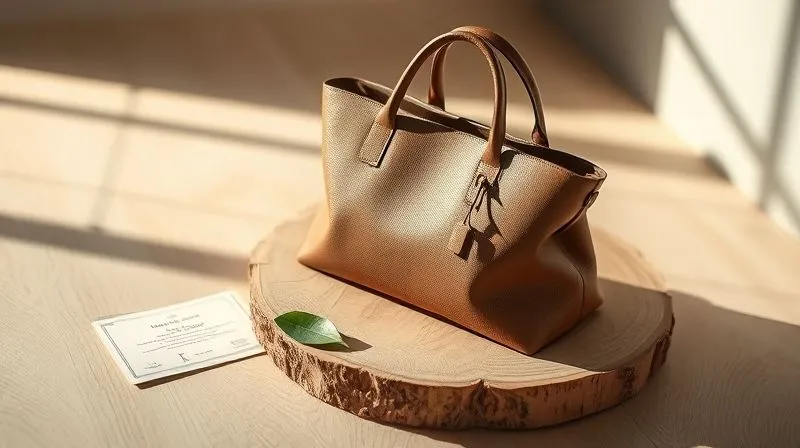
Every classic accessory has a story, but how you tell that story matters immensely to the modern luxury buyer. They crave connection and meaning. Simply stating 'established in 18XX' isn't enough; you need to weave a rich tapestry that highlights the heritage, craftsmanship, and emotional resonance of each piece.
Elements of a Powerful Narrative:
- The Artisan's Journey: Introduce the skilled hands behind the creation. Show videos of craftsmen at work, discuss their techniques, and highlight the dedication involved. This humanizes the product.
- Historical Significance Reimagined: Connect the classic piece to relevant historical moments or cultural shifts, but then explain its modern relevance. How does its design philosophy still speak to today's world?
- The "Why" Behind the Design: Explain the original designer's inspiration, the challenges overcome, and the enduring principles that make the design timeless.
- Customer Stories: Feature real customers who cherish and style your classic pieces in modern ways. This creates aspirational and relatable content.
- Digital Storytelling: Utilize high-quality video, interactive web experiences, and engaging social media content to bring these stories to life. A well-produced short film about a piece's journey from concept to creation can be incredibly powerful.
As marketing guru Seth Godin often says, "People don't buy goods and services. They buy relations, stories, and magic." Your narrative is the magic that transforms a classic item into a modern luxury desire.
Personalization and Exclusivity: The New Bespoke
The modern luxury buyer values individuality above all. They want pieces that feel unique to them, not mass-produced status symbols. This shift has propelled personalization and exclusivity to the forefront of luxury marketing. It's not just about having a classic; it's about having *their* classic.
Strategies for Personalization and Exclusivity:
- Made-to-Order or Customization Services: Offer options for bespoke materials, unique engravings, or personalized color combinations. This could be as simple as choosing a custom strap for a watch or an initial monogram on a handbag.
- Limited Editions & Collaborations: Release highly curated, limited-edition versions of classic pieces. These create a sense of urgency and exclusivity. Collaborations with contemporary artists, designers, or even other luxury brands can inject fresh energy.
- Clienteling and Private Appointments: Provide an elevated, one-on-one shopping experience. Understand your client's preferences and offer tailored recommendations or early access to new collections.
- Membership Programs: Create exclusive clubs or loyalty programs that offer unique benefits, special access, or personalized services to your most valued clients.
| Personalization Tier | Offerings | Impact on Buyer |
|---|---|---|
| Entry-Level | Engraving, Strap/Color Options | Sense of ownership, unique touch |
| Mid-Tier | Limited Edition Runs, Material Upgrades | Exclusivity, collector's value |
| High-Tier | Bespoke Design, Bespoke Materials, Private Commissions | Ultimate individuality, heritage connection |
Leveraging Digital Experience & Community Building
Even for classic luxury, the digital realm is no longer just a storefront; it's a vital extension of the brand experience. Modern luxury buyers are digitally fluent and expect seamless, immersive online interactions. Moreover, they seek connection with like-minded individuals and the brand itself.
Building Digital Presence and Community:
- Immersive E-commerce: Your website must be a digital atelier. High-resolution imagery, 360-degree views, augmented reality (AR) try-ons, and detailed product narratives are essential.
- Engaging Social Media: Go beyond product shots. Share behind-the-scenes content, artisan stories, styling tips, and interactive polls. Encourage user-generated content (UGC) by showcasing how customers integrate your classics into their modern lives.
- Online Communities: Foster a sense of belonging. This could be through exclusive online forums, private social media groups, or virtual events where collectors and enthusiasts can connect.
- Personalized Digital Communication: Utilize CRM data to send targeted emails, offer personalized recommendations, and celebrate milestones (e.g., anniversary of a purchase).
- Virtual Experiences: Host online masterclasses, virtual tours of your workshops, or digital trunk shows. These offer exclusivity and education from anywhere in the world.
The digital experience should feel as luxurious and personal as an in-store visit. It's about creating a holistic ecosystem where the brand and its community thrive.
Strategic Collaborations: Bridging Heritage and Hype
To truly refresh classic accessories and appeal to a modern luxury audience, sometimes you need to step outside your traditional comfort zone. Strategic collaborations can be a powerful tool to introduce your heritage brand to new demographics and inject contemporary relevance.
Types of Impactful Collaborations:
- Artist Collaborations: Partner with a renowned contemporary artist to reinterpret a classic piece or design a limited-edition series. This brings an artistic, avant-garde edge.
- Designer Collaborations: Work with a cutting-edge fashion designer to create a capsule collection that fuses your classic aesthetic with their modern vision. This can generate significant fashion buzz.
- Cultural Collaborations: Engage with cultural institutions, museums, or even high-profile influencers who embody the modern luxury lifestyle. This can lend credibility and expand reach.
- Technology Collaborations: Explore partnerships with tech innovators to subtly integrate smart features or advanced materials, as seen with luxury brands partnering with tech giants for smartwatches.
The key is to select partners whose values align with your brand, ensuring the collaboration feels authentic and elevates both parties. A well-executed collaboration can create significant hype, capture media attention, and introduce your classics to a younger, trend-conscious luxury consumer without compromising your heritage.
Pricing and Positioning: Value Perception in the Evolving Market
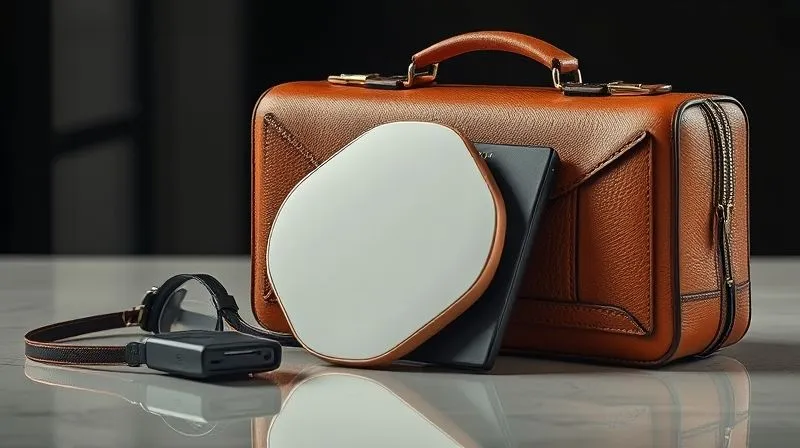
Pricing luxury accessories is an art, not a science. For classic pieces, it's about balancing perceived heritage value with modern market expectations. The modern luxury buyer is discerning; they expect value for money, but 'value' is increasingly defined by more than just material cost.
Rethinking Pricing and Positioning:
- Value Communication: Clearly articulate the craftsmanship, material quality, ethical sourcing, and design legacy that justify the price. Don't assume buyers understand the inherent value; educate them.
- Tiered Offerings: Consider introducing different tiers of your classic pieces. A 'Heritage Edition' might be a faithful, meticulously restored original, while a 'Contemporary Reinterpretation' could be a modernized version at a slightly different price point, appealing to different segments.
- After-Sales Service as Value: Emphasize the long-term investment. Offer exceptional repair services, warranties, and authentication. This builds trust and justifies a higher price point by promising longevity.
- Experience-Based Pricing: For bespoke or highly personalized versions, the price can reflect not just the item but the unique design journey and the exclusivity of the creation process.
Expert Insight: "Price is a reflection of value. Ensure your narrative and brand experience consistently reinforce the extraordinary value of your classic accessories."
Your pricing strategy must align with your brand's positioning as a purveyor of enduring quality and relevant luxury. It's about establishing a clear value proposition that resonates with the modern buyer's evolving definition of worth.
| Strategy | Action | Desired Outcome |
|---|---|---|
| Value Communication | Highlight craftsmanship, heritage, ethical sourcing | Justify price, enhance perceived value |
| Tiered Offerings | Introduce 'Heritage' vs. 'Contemporary' editions | Appeal to diverse buyer segments, expand market |
| After-Sales Service | Offer comprehensive repair, warranty, authentication | Build trust, reinforce long-term investment |
| Experience-Based Pricing | Price bespoke items based on design journey, exclusivity | Reflect unique value, attract high-net-worth clients |
Frequently Asked Questions (FAQ)
Question: How can a heritage brand ensure its classic accessories don't alienate traditional buyers while appealing to modern ones? The key lies in careful segmentation and communication. You can maintain a 'Heritage Collection' that remains true to original designs for purists, while simultaneously launching 'Reinterpreted' or 'Contemporary Classic' lines. The marketing for each should be distinct, yet cross-referenced, emphasizing the shared brand DNA. Transparency about the evolution, rather than a radical shift, is crucial.
Question: Is it necessary to completely redesign classic pieces, or are subtle changes enough? In my experience, subtle changes are often more effective and safer. Radical redesigns risk alienating your core audience and diluting brand identity. Focus on material upgrades, minor proportional adjustments, color palette refreshes, and functional enhancements that complement, rather than overwrite, the original design. The goal is evolution, not revolution.
Question: How important is digital marketing for classic luxury accessories, given their traditional appeal? Extremely important. Modern luxury buyers, regardless of age, are digitally native. They discover, research, and often purchase luxury items online. A sophisticated digital presence – including an immersive website, engaging social media, and personalized email marketing – is non-negotiable for reach, engagement, and conversion. It's where your brand story truly comes alive for new generations.
Question: How can a brand effectively communicate its sustainability efforts without sounding disingenuous or 'greenwashing'? Authenticity and transparency are paramount. Provide clear, verifiable information about your sourcing, manufacturing processes, and certifications. Share real stories of your ethical practices, rather than just generic statements. Partner with reputable third-party organizations for audits and certifications. Be honest about challenges and ongoing efforts, demonstrating a commitment to continuous improvement.
Question: What role do limited editions and collaborations play in refreshing classics, and how often should they be introduced? Limited editions and collaborations are powerful tools to generate buzz, introduce novelty, and attract new audiences. They create a sense of urgency and exclusivity. However, they should be introduced strategically and sparingly – perhaps 1-2 significant collaborations or limited editions per year. Overuse can dilute their impact and make them feel less special. Each collaboration should have a clear purpose and a strong narrative connection to your brand's values.
Key Takeaways and Final Thoughts
- Understand the Evolving Buyer: Modern luxury demands authenticity, sustainability, personalization, and compelling narratives.
- Embrace Subtle Reinterpretation: Evolve classic designs through material innovation, color updates, and functional enhancements, not radical overhauls.
- Prioritize Sustainability: Integrate ethical sourcing and eco-conscious practices authentically into your brand's core.
- Master Digital Storytelling: Use immersive online experiences and engaging content to convey your brand's rich heritage and modern relevance.
- Offer Personalization: Cater to individual desires through bespoke options, limited editions, and exceptional clienteling.
- Strategic Partnerships: Leverage collaborations to bridge heritage with contemporary culture and reach new audiences.
Refreshing classic accessories for the modern luxury buyer is not about abandoning your legacy; it's about intelligently evolving it. It requires a deep understanding of today's affluent consumer, a commitment to thoughtful innovation, and the courage to tell your story in new, compelling ways. By embracing these strategies, you won't just preserve your brand's heritage; you'll ensure its enduring relevance and prosperity for generations to come. The future of classic luxury is bright, for those willing to adapt and inspire.
Recommended Reading
- 7 Pro Hacks: Capture Unique Street Style at Crowded Fashion Week
- Unlock Your Best Look: Discover the Most Flattering Classic Vintage Silhouettes
- 7 Strategies to Scale Circular Textile Production Without Prohibitive Costs
- 7 Crucial Reasons Your Beauty Influencer Sales Are Flatlining
- Why Luxury Kids' Occasion Wear Returns SOAR? 5 Fit Fixes

Your email address will not be published. Required fields are marked *