


How to Reconcile Durability with Ultimate Softness in Kids' Wear?
For over 15 years in the dynamic world of kids' fashion, I've witnessed a persistent and often frustrating dilemma for both parents and designers: the quest to create or find clothing that is both exquisitely soft against a child's delicate skin and robust enough to withstand the relentless rigors of playtime, countless washes, and inevitable tumbles. It's a balancing act that many believe is impossible, leading to compromises that satisfy neither requirement.
The problem is clear: parents crave the cloud-like comfort for their little ones, especially for babies and toddlers, but they also need garments that don't fall apart after a few wears. This often results in a cycle of buying cheap, soft clothing that quickly degrades, or opting for durable but often stiff and less comfortable alternatives. This trade-off is not just inconvenient; it's a significant pain point in the kids' wear market.
But what if I told you that this reconciliation isn't just a pipe dream? In this comprehensive guide, I will share my expert insights and actionable frameworks, drawing from years of industry experience, to show you precisely how to achieve that elusive synergy of ultimate softness and unwavering durability in kids' wear. We'll dive into fabric science, design innovations, and sustainable practices that make this possible, ensuring your children's clothes are truly built to last and love.
Understanding the Core Conflict: Fibers & Weaves
To truly reconcile durability with softness, we must first understand the fundamental properties of textile fibers and how they are constructed. In my experience, many brands and consumers focus solely on the 'hand-feel' without considering the underlying structure that dictates longevity. It's like judging a car purely by its seat comfort without looking at the engine or chassis.
Natural Fibers: The Softness Stars
Natural fibers like cotton, bamboo, and merino wool are renowned for their incredible softness, breathability, and comfort. Cotton, especially organic varieties, is a perennial favorite for its gentle touch. Bamboo viscose offers a silky drape and exceptional softness, while merino wool provides warmth without scratchiness, boasting natural elasticity.
However, the very qualities that make them soft can sometimes compromise their durability. Cotton, while strong when dry, can weaken when wet. Bamboo, though soft, can be prone to pilling or stretching if not properly processed. Merino, while resilient, can be delicate if not cared for correctly.
Synthetic Fibers: The Durability Dynamos
On the other end of the spectrum, we have synthetic fibers such as polyester, nylon, and spandex. These are engineered for strength, abrasion resistance, quick-drying properties, and often, stretch. They excel in outerwear, activewear, and any garment requiring high performance and longevity.
The challenge with synthetics traditionally has been their lack of natural softness and breathability. They can feel less pleasant against the skin and are often perceived as less 'natural' or 'cozy' than their plant-based counterparts. However, advancements in textile technology are rapidly changing this perception.
Blends & Weaves: The Smart Compromise
The reconciliation often lies in strategic blending and innovative weaving. Combining natural and synthetic fibers allows us to harness the best of both worlds. For instance, a cotton-polyester blend can offer the softness of cotton with the enhanced durability and shape retention of polyester. A touch of spandex can add crucial stretch without significantly altering the primary fiber's feel.
Expert Insight: "The magic isn't just in the fiber itself, but in how it's engineered and woven. A tightly woven, high-thread-count cotton can be surprisingly durable, while a loosely knit synthetic might pill quickly. It's all about the synergy."
Understanding these foundational differences is the first critical step. It informs every subsequent decision, from material sourcing to garment construction.
Innovative Fabric Technologies: Beyond the Basics
The textile industry is not static; it's a hotbed of innovation. I've seen incredible advancements over the years that directly address the durability-softness paradox. We're no longer limited to basic cotton or coarse synthetics.
Enhanced Natural Fibers
Modern processing techniques are transforming natural fibers. Consider **mercerized cotton**, which undergoes a chemical treatment to increase its strength, luster, and dye uptake, making it more durable without sacrificing its inherent softness. Another example is **Tencel™ Lyocell**, a regenerated cellulose fiber derived from wood pulp. It boasts exceptional softness, breathability, and strength, often surpassing cotton in both durability and drape. According to Lenzing, the producer of Tencel, its fibers are known for their long-lasting softness and resistance to pilling. Learn more about Tencel's properties here.
Performance Synthetics with Soft Touches
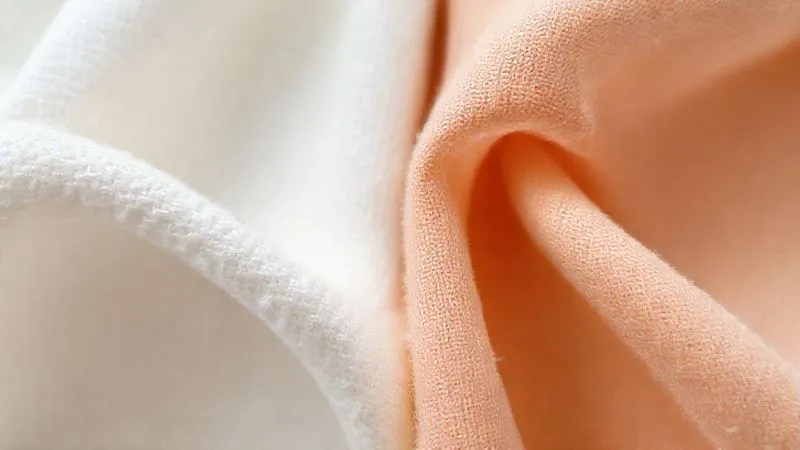
Synthetics are also evolving rapidly. Microfiber technology has allowed for incredibly fine polyester and nylon filaments, which can be woven into fabrics that feel surprisingly soft and luxurious, often mimicking the hand-feel of natural fibers. Furthermore, new dyeing and finishing processes can impart a 'peached' or 'brushed' surface to synthetics, enhancing their tactile comfort. These advancements mean that a highly durable synthetic fabric can now offer a much softer touch than its predecessors, blurring the lines between traditional fiber categories.
The Art of Construction: Design for Longevity & Comfort
Beyond the fiber itself, the way a garment is constructed plays an equally crucial role in its durability and how it feels to wear. A perfectly soft fabric can be undermined by poor stitching, just as a robust fabric can be made uncomfortable by ill-fitting design. In my work, I've always emphasized that design is not just aesthetics; it's engineering.
Seam Strength and Stitching Techniques
The strength of a garment often comes down to its seams. For kids' wear, I strongly advocate for techniques like **flatlock seams** or **overlock stitching** with multiple threads. Flatlock seams reduce bulk and prevent chafing, enhancing comfort, while also being incredibly strong. Overlock stitches, especially 5-thread safety stitches, provide a durable, stretchable seam that can withstand tugging and pulling far better than a simple single-needle stitch.
Consider the thread itself: using high-quality polyester or nylon threads, even with natural fabrics, can significantly boost seam durability. These threads are stronger and more resistant to abrasion and chemical degradation from detergents than traditional cotton threads.
Reinforced Stress Points
Kids are tough on clothes, and certain areas bear the brunt of their activities. Knees, elbows, and crotch areas are notorious for wearing out first. Smart design incorporates reinforcement in these stress points without adding bulk or stiffness.
- Double-layering: Adding an extra layer of fabric, especially in high-wear zones like knees, can dramatically extend life.
- Bar-tacks: Small, dense stitches used at the ends of pocket openings, belt loops, and zipper flies prevent tearing.
- Gussets: Diamond or triangular fabric inserts in the crotch or underarms provide extra room for movement, reducing stress on seams and preventing rips, while also making the garment more comfortable for active play.
These design considerations, when combined with soft, durable fabrics, create garments that truly last while maintaining maximum comfort.
Sustainable Choices: Durability as an Eco-Imperative
In my view, durability in kids' wear isn't just about saving money or hassle; it's a crucial component of sustainable fashion. The faster clothes wear out, the more often they need replacing, leading to increased consumption, waste, and environmental impact. As the Ellen MacArthur Foundation consistently highlights, moving towards a circular economy in fashion requires designing for longevity.
The Lifecycle of Kids' Clothing
Think about the journey of a child's garment. From raw material extraction to manufacturing, transportation, retail, and finally, disposal. Each step has an environmental footprint. When a garment is durable, its usable life is extended, meaning its environmental cost is spread over a longer period, reducing the need for new production. This is particularly relevant for kids' clothes, which are often outgrown before they are worn out, but if they fall apart first, they never even get the chance to be passed down.
Choosing Brands Committed to Quality
As a consumer, I always advise looking for brands that explicitly communicate their commitment to durability and quality. This often translates into transparency about their materials, manufacturing processes, and even their repair or take-back programs. Investing in fewer, higher-quality, and more durable items reduces overall consumption and waste.
Consider this comparative overview of common kids' wear fabrics:
| Fabric Type | Softness Rating (1-5) | Durability Rating (1-5) | Common Use | Best For |
|---|---|---|---|---|
| Organic Cotton (Jersey) | 5 | 3 | Baby bodysuits, T-shirts | Everyday comfort, sensitive skin |
| Cotton-Polyester Blend | 4 | 4 | Play clothes, hoodies | Active kids, frequent washing |
| Tencel™ Lyocell | 5 | 4 | Dresses, lightweight pants | Breathability, luxurious feel, strength |
| Merino Wool (Fine Gauge) | 4 | 3.5 | Base layers, sweaters | Temperature regulation, natural elasticity |
| Recycled Polyester Fleece | 3.5 | 5 | Jackets, outdoor wear | Warmth, abrasion resistance |
The Role of Care: Maximizing Longevity Without Compromising Softness
Even the most perfectly designed and manufactured garment can have its life cut short by improper care. This is a common oversight I've observed; consumers often don't realize how much control they have over their clothing's lifespan and continued softness. Correct care is not just about cleanliness; it's about preservation.
Here are actionable steps to maintain both durability and softness:
- Read the Care Label Religiously: This seems obvious, but it's often ignored. The manufacturer provides specific instructions because they understand the fabric's composition and best care practices.
- Wash in Cold Water: Hot water can degrade fibers, cause shrinkage, and fade colors over time. Cold water is gentler on fabrics and significantly reduces energy consumption.
- Use Gentle Detergents: Harsh chemicals, optical brighteners, and excessive bleach can break down fabric fibers, leading to weakening and a rougher feel. Opt for mild, eco-friendly detergents.
- Avoid Overloading the Washer: Clothes need space to move freely. Overloading can cause excessive friction between garments, leading to abrasion and pilling, and prevents thorough cleaning.
- Line Dry or Tumble Dry Low: High heat in dryers is a fabric killer. It can shrink clothes, damage elastic, and make fabrics stiff. Line drying is ideal, but if using a dryer, opt for the lowest heat setting or air-fluff. Dryer balls can help maintain softness and speed up drying.
- Turn Garments Inside Out: For printed items, denim, and anything prone to pilling, turning them inside out before washing and drying protects the outer surface and prolongs its appearance and feel.
Following these simple steps can significantly extend the life of your kids' clothes, keeping them soft and wearable for longer. For detailed fabric care guidelines, I often refer to resources like the Textile Affairs Care Guide.
Case Study: 'CloudNine Apparel' - A Breakthrough in Blends
Let me share a fictional but realistic case study that illustrates how these principles come together. 'CloudNine Apparel,' a startup I advised a few years back, faced the classic dilemma: their initial line of baby sleepwear, made from 100% organic cotton jersey, was incredibly soft but suffered from rapid wear and tear, especially around the knees and cuffs. Parents loved the feel but complained about the garments wearing out after just a few months.
Their challenge was to maintain the 'cloud-like' softness that was their brand's signature while drastically improving durability. I guided them through a process that involved:
- Material Innovation: We explored a blend of 70% organic cotton, 25% Tencel™ Lyocell, and 5% spandex. The Tencel™ boosted strength and pilling resistance while maintaining softness, and the spandex provided crucial stretch and shape retention, preventing bagging and stretching out.
- Construction Overhaul: They adopted flatlock seams for all inner leg and arm seams to reduce chafing and increase seam strength. All cuffs and necklines were reinforced with a double-layer binding and a specific elastic that offered resilience without feeling tight.
- Strategic Reinforcement: For their popular crawler pants, we subtly integrated a second, thinner layer of the same blend fabric into the knee area, creating an invisible, yet highly effective, reinforcement.
The results were transformative. Within a year, CloudNine Apparel reported a 60% reduction in customer complaints related to durability. Their customer reviews consistently highlighted how the new collection was 'surprisingly resilient' while still being 'unbelievably soft.' This success allowed them to increase their price point slightly, reflecting the added value, and significantly boost customer loyalty and repeat purchases.
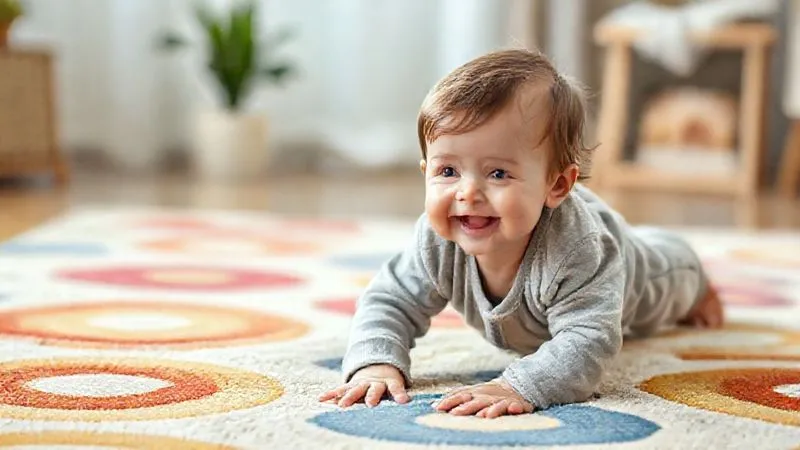
CloudNine's Philosophy: "We realized that true comfort isn't just about the initial touch; it's about the lasting comfort of knowing the clothes will withstand every adventure, wash after wash. Durability became an extension of our softness promise."
Testing for Excellence: Ensuring Both Attributes Deliver
For brands, rigorous testing is non-negotiable. For parents, knowing what to look for is key. I've always stressed that you can't manage what you don't measure. In the quest for durable softness, testing provides objective data.
Lab Testing vs. Real-World Trials
In the industry, we rely on a battery of tests:
- Pilling Resistance: Using a pilling box or ICI pilling tester to simulate surface abrasion.
- Abrasion Resistance: Martindale or Taber abrasion tests measure how well a fabric withstands rubbing.
- Tear Strength: Elmendorf tear test measures the force needed to propagate a tear.
- Bursting Strength: Ball burst test measures the force required to rupture a fabric, crucial for knits.
- Dimensional Stability: Repeated washing and drying cycles to check for shrinkage or stretching.
- Hand-Feel Assessment: While subjective, trained textile experts can consistently evaluate softness.
However, lab tests tell only part of the story. Real-world wear trials, involving actual children wearing prototypes, provide invaluable feedback on comfort, fit, and how the garment truly performs under real play conditions. This blend of scientific data and practical experience is what truly refines a product.
What to Look for as a Parent/Buyer
As a consumer, you don't have a lab, but you can still make informed choices:
- Check Fabric Composition: Look for blends that balance natural comfort with synthetic strength (e.g., cotton-Tencel, cotton-poly with spandex).
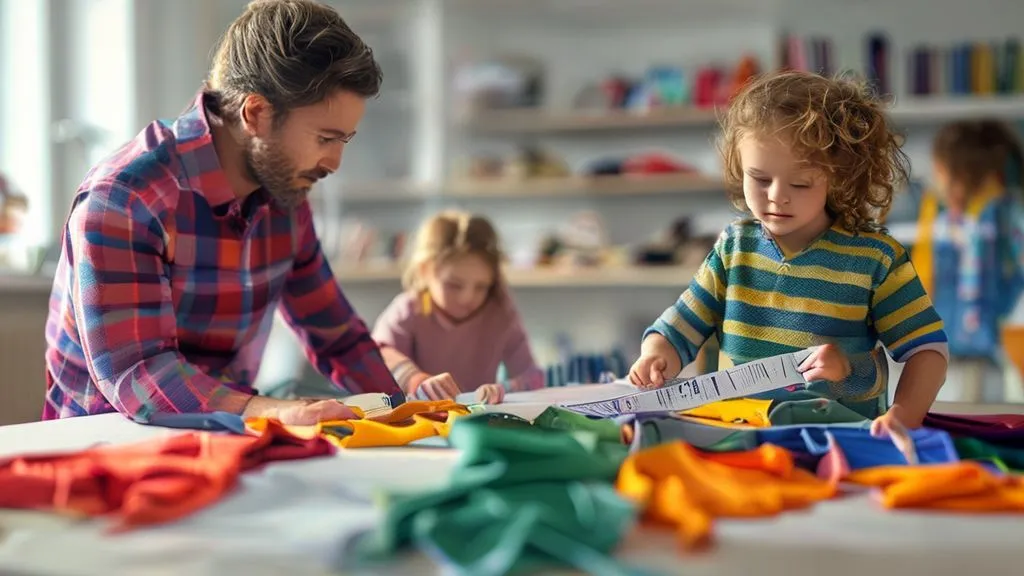
- Examine Stitching and Seams: Are seams flat and even? Do they look strong? Tug gently at them.
- Feel the Fabric: Does it feel dense enough to be durable, yet soft? Very thin fabrics, even if soft, might not last.
- Look for Reinforcements: Do knees, elbows, or crotch areas appear to have extra strength or layers?
- Read Reviews: Pay attention to comments on both softness and how well the garment holds up over time and washes.
Understanding textile testing standards can further empower your choices. Organizations like ASTM International publish standards for textile performance.
Future Trends: The Horizon of Hybrid Fabrics
The future of kids' wear, and indeed all apparel, is moving towards increasingly sophisticated hybrid fabrics. I foresee an era where the line between natural and synthetic blurs even further, driven by both performance demands and sustainability imperatives. Innovations are focusing on:
- Bio-synthetics: Materials derived from renewable biological resources, offering the performance of synthetics with a reduced environmental footprint. Think plant-based polyesters.
- Smart Textiles: Fabrics with embedded functionalities, such as temperature regulation, moisture-wicking, or even health monitoring, all while maintaining a soft and durable hand-feel.
- Recycled and Upcycled Fibers: The continued improvement of recycling technologies to create high-quality, soft, and durable fibers from post-consumer waste, reducing reliance on virgin resources.
- Advanced Finishing: Non-toxic, environmentally friendly finishing treatments that enhance properties like water repellency, stain resistance, or even anti-microbial features without compromising softness or breathability.
These developments promise a future where the reconciliation of durability and ultimate softness in kids' wear isn't just a challenge to be overcome, but a standard expectation. The industry is constantly evolving, and staying abreast of these innovations is key for anyone involved in designing or purchasing children's clothing. For deeper dives into textile innovation, I often consult academic journals and research from institutions like the Fashion Institute of Technology's Sustainable Fashion program.

Here's a glimpse into potential future fabric types:
| Future Fabric Type | Expected Properties | Application in Kids' Wear |
|---|---|---|
| Bio-Polyethylene (Bio-PE) | Lightweight, durable, water-resistant, soft hand-feel, derived from sugarcane | Outerwear, rain gear, play pants |
| Algae-based Fibers | Soft, breathable, biodegradable, vibrant colors from natural pigments | Everyday wear, sleepwear, sensitive skin garments |
| Recycled Cotton-Hemp Blends | Extremely durable, soft after washing, eco-friendly, excellent breathability | Jeans, jackets, sturdy play clothes |
| Spider Silk Mimicry (Lab-grown) | Unparalleled strength-to-weight ratio, extreme elasticity, natural feel | High-performance activewear, protective layers, premium basics |
Frequently Asked Questions (FAQ)
Is organic cotton always more durable than conventional cotton? Not inherently. While organic cotton is grown without harmful pesticides and chemicals, its durability largely depends on the fiber length and how it's spun and woven. Longer staple organic cotton (like Pima or Supima) will be more durable than shorter staple varieties. The 'organic' label primarily refers to the cultivation process, not necessarily the inherent strength of the fiber itself, though better processing often accompanies organic certifications.
How do I know if a "soft" fabric will actually last? Beyond the initial feel, look for signs of quality. Hold the fabric up to the light; a very thin, transparent weave might be soft but less durable. Check for tight, even stitching. Read product descriptions for details on fiber blends and construction techniques. Brands committed to durability will often highlight these features. Also, consider the fabric's weight; generally, a slightly heavier fabric for its type will offer more longevity.
Are there specific certifications to look for in durable, soft kids' wear? Yes, several. For softness and safety, certifications like GOTS (Global Organic Textile Standard) for organic fibers and OEKO-TEX Standard 100 for harmful substance testing are excellent indicators. While not directly for durability, brands adhering to these standards often have better overall quality control. For durability, look for brands that specify their testing against industry standards (e.g., Martindale abrasion test results) or offer guarantees.
Can I make existing clothes softer without weakening them? Yes, often. Repeated washing with a mild detergent and fabric softener (used sparingly and chosen carefully to avoid irritating chemicals) can help. Tumble drying with wool dryer balls on a low setting can also fluff up fibers and improve softness. Avoid harsh bleaches or over-drying on high heat, as these can stiffen and weaken fabrics. For natural fibers, a vinegar rinse in the wash can also help restore softness and remove detergent residue.
What's the environmental impact of choosing more durable kids' clothes? The environmental impact is significantly positive. By extending the lifespan of a garment, you reduce the demand for new production, which in turn saves water, energy, and reduces chemical use and waste. Durable clothing is more likely to be passed down, recycled, or upcycled, rather than quickly ending up in landfills. It's a cornerstone of sustainable consumption, aligning with circular economy principles by maximizing the value of resources already used.
Key Takeaways and Final Thoughts
The journey to reconcile durability with ultimate softness in kids' wear is a multifaceted one, requiring a deep understanding of materials, design, and care. It's a challenge I've seen many brands grapple with, but it's absolutely achievable with strategic thinking and a commitment to quality.
- Strategic Blending is Key: Combine natural and synthetic fibers thoughtfully to harness the best properties of each.
- Innovative Technologies Matter: Leverage enhanced natural fibers and soft-touch synthetics for superior performance.
- Construction is Critical: Strong seams, reinforced stress points, and smart design prevent premature wear and enhance comfort.
- Sustainable Mindset: Durability is an eco-imperative; choosing quality over quantity benefits both your child and the planet.
- Proper Care Extends Life: Simple washing and drying practices can significantly prolong a garment's softness and longevity.
As an industry specialist, I firmly believe that parents and children deserve clothing that doesn't force a compromise between comfort and resilience. By applying these expert strategies, you can confidently choose or create kids' wear that stands up to every adventure, feels wonderfully soft against the skin, and contributes to a more sustainable future. Embrace the blend of science and design, and you'll unlock the true potential of children's fashion.

Recommended Reading
- Unlock All-Day Comfort: The Ultimate Guide to Business Casual Shoes for Men Who Stand
- Mastering Realistic Digital Twins for Virtual Fashion Showcases: A 7-Step Guide
- Mastering 19th-Century Patterns: 7 Keys to Modern Body Adaptation
- 7 Steps to Vet Eco-Friendly Shoe Suppliers & Avoid Greenwashing Risks
- 7 Smart Moves: Elevate Your Casual Menswear Style Beyond Basics


Your email address will not be published. Required fields are marked *