


How to Protect Digital Fashion Intellectual Property Effectively?
For over 15 years in the fashion technology space, I've witnessed firsthand the seismic shifts that have redefined creativity and commerce. From early CAD designs to today's hyper-realistic digital garments, the industry's evolution has been breathtaking. Yet, with every leap forward, a new frontier of challenges emerges, none more pressing than safeguarding the intellectual property of our digital creations.
The allure of digital fashion – its boundless creativity, sustainability potential, and global reach – is undeniable. However, this nascent realm is also a wild west for intellectual property (IP). Designers and brands pour countless hours, resources, and innovation into crafting unique virtual garments, only to face the constant threat of unauthorized replication, appropriation, and outright theft. The pain of seeing your unique vision diluted or profited from by others, without consent or credit, is a silent epidemic in the metaverse.
This comprehensive guide isn't just a list of facts; it's a strategic framework built from years of industry experience. I'll walk you through the essential pillars and actionable steps on how to protect digital fashion intellectual property effectively, from leveraging cutting-edge blockchain solutions to establishing robust legal safeguards. By the end, you'll possess the insights and tools to fortify your digital assets and ensure your creative legacy endures.
Understanding the Unique Digital Fashion IP Landscape
Before we dive into protection strategies, it's crucial to grasp the distinct characteristics of digital fashion IP. Unlike physical garments, which have established legal precedents, virtual assets operate in a more ambiguous territory. In my experience, many brands mistakenly apply traditional IP thinking directly to the digital realm, leading to critical vulnerabilities.
Digital fashion encompasses a broad spectrum of creations, including 3D models, textures, animations, augmented reality filters, and even the underlying code. Each component may have different levels of protectability under existing copyright, trademark, and patent laws. The challenge intensifies when considering the global, borderless nature of the metaverse, where traditional jurisdictional boundaries often blur.
Expert Insight: "The digital fashion IP landscape is less about what is protected and more about how you prove and enforce that protection in a rapidly evolving, decentralized environment."
A key differentiator is the concept of scarcity and ownership in a digital context. While a physical garment exists as a tangible item, a digital file can be replicated infinitely. This is where technologies like NFTs come into play, attempting to reintroduce scarcity and verifiable ownership. However, an NFT itself doesn't automatically confer copyright; it primarily represents ownership of a specific digital token linked to a digital asset.
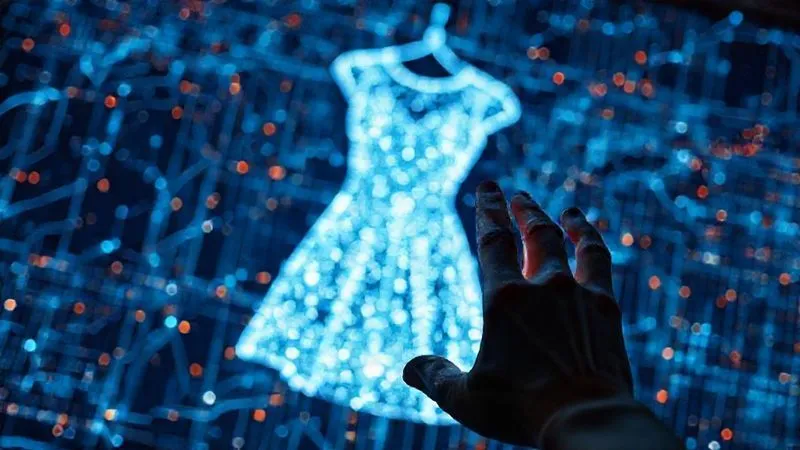
Leveraging Blockchain and NFTs for Ownership Verification
Blockchain technology, particularly Non-Fungible Tokens (NFTs), has emerged as a powerful tool in the arsenal for how to protect digital fashion intellectual property effectively. While not a magic bullet, NFTs offer verifiable proof of ownership and a transparent transaction history, crucial in a world of easily duplicated digital files.
The Role of NFTs in Digital Fashion IP
When a digital fashion item is minted as an NFT, it creates a unique, immutable record on a blockchain. This record typically includes metadata pointing to the digital asset itself, details about its creator, and a history of all subsequent owners. This transparency can deter unauthorized claims of ownership and provide a clear chain of title.
- Minting with Care: Ensure the NFT contract clearly specifies what rights are being transferred to the buyer (e.g., ownership of the token, limited usage rights for the digital asset, or full commercial rights). I've seen countless disputes arise from ambiguous terms.
- Metadata Integrity: The metadata associated with your NFT is paramount. It should contain comprehensive details about the creator, creation date, and any specific terms of use. This acts as a digital fingerprint for your creation.
- Choosing the Right Blockchain: Different blockchains offer varying levels of security, decentralization, and cost. Research platforms like Ethereum, Polygon, or Flow, considering their community, infrastructure, and suitability for fashion assets.
However, it's vital to remember that an NFT typically represents ownership of the *token* linked to the digital asset, not necessarily the underlying copyright of the artwork itself. Designers must explicitly define what rights are granted to the NFT holder through licensing agreements, often embedded directly within the smart contract or linked externally.
Blockchain for Authenticity and Supply Chain Tracking
Beyond NFTs for individual assets, blockchain can also enhance the overall integrity of a digital fashion brand's supply chain. This is particularly relevant for collaborations or when digital assets are used in various metaverse platforms. By tokenizing components or design stages, brands can track the provenance of their creations, ensuring authenticity and reducing the risk of unauthorized modifications or derivatives.
| Strategy | Benefit | Limitation |
|---|---|---|
| NFT Minting | Verifiable ownership, immutable record | Does not automatically confer copyright |
| Smart Contracts | Automated rights management, royalty distribution | Complexity in drafting, legal enforceability in nascent stages |
| Blockchain Supply Chain | Provenance tracking, authenticity verification | Cost of implementation, interoperability challenges |
Strategic Licensing and Partnership Agreements
In the interconnected world of digital fashion, collaboration is key. However, without robust licensing and partnership agreements, your IP can quickly become vulnerable. This is where a proactive, rather than reactive, approach to legal documentation truly shines. I've guided numerous brands through these complexities, and the devil is always in the details.
Crafting Ironclad Licensing Deals
When you allow another entity – be it a metaverse platform, a game developer, or another designer – to use your digital fashion assets, a clear licensing agreement is non-negotiable. This document should explicitly define:
- Scope of Use: What specific uses are permitted (e.g., in-game avatar wear, AR filter, commercial advertising)?
- Territory: Is the license global or restricted to certain regions? For digital, this often means 'worldwide.'
- Duration: Is the license for a fixed term, perpetual, or tied to specific events?
- Exclusivity: Is the license exclusive (only the licensee can use it) or non-exclusive (you can license to others)?
- Royalties & Payment Terms: How and when will you be compensated? This is crucial for ongoing revenue streams from digital assets.
- IP Ownership: Reiterate that you retain all underlying IP rights, and the licensee only has usage rights.
According to a recent report by the World Intellectual Property Organization (WIPO), clear licensing frameworks are becoming increasingly vital for creators in the digital economy, emphasizing the need for adaptable legal instruments that can keep pace with technological advancements. WIPO's work on copyright and digital technologies provides valuable context.
Navigating Partnership and Collaboration Agreements
Digital fashion frequently involves co-creation. Whether it's a fashion house partnering with a digital artist or a brand collaborating with a metaverse platform, the ownership of newly created IP must be established upfront. I've seen partnerships dissolve over vague understandings of who owns what, leading to costly legal battles.
A well-drafted partnership agreement should address:
- Contribution Definitions: Clearly outline what each party brings to the table (e.g., brand identity, 3D modeling, marketing).
- Joint Ownership vs. Exclusive Rights: Determine if IP is jointly owned, or if one party retains exclusive rights with the other receiving a license.
- Revenue Sharing: How will profits from the co-created assets be distributed?
- Exit Clauses: What happens to the IP if the partnership ends? This is often overlooked but incredibly important.
Robust Legal Frameworks and Contracts
While blockchain provides technical solutions, traditional legal frameworks remain the bedrock for how to protect digital fashion intellectual property effectively. Engaging with experienced legal counsel specializing in IP and digital assets is not an expense; it's an investment.
Copyright and Trademark Registration
Registering your digital fashion designs for copyright protection, where applicable, provides a strong legal basis for enforcement. In many jurisdictions, copyright automatically subsists upon creation, but registration offers stronger remedies in case of infringement. Similarly, registering your brand's name, logos, and unique digital iconography as trademarks prevents others from confusingly similar branding in the metaverse.
- Copyright Digital Designs: Consult with an IP lawyer to understand which aspects of your digital fashion (e.g., unique 3D models, textures, animations) are eligible for copyright registration in key jurisdictions.
- Trademark Your Brand Identity: Register your brand name, logos, and unique visual elements not just for physical goods, but also for virtual goods and services (e.g., under Nice Class 9 and 41 for digital goods and entertainment services).
- Design Patents (Where Applicable): For highly unique and functional aspects of a digital garment's design (e.g., a novel digital closure mechanism), design patents might offer an additional layer of protection, though this is less common for aesthetic fashion.
Smart Contracts and Their Legal Validity
The rise of smart contracts, self-executing contracts with the terms of the agreement directly written into lines of code, offers fascinating potential. However, their legal enforceability is still evolving across jurisdictions. While they can automate aspects of IP management (like royalty distribution), they don't replace traditional legal contracts entirely.
Expert Insight: "View smart contracts as powerful enforcement tools for *pre-existing* legal agreements, not as standalone legal documents. A well-drafted legal contract provides the context and enforceability that code alone cannot yet guarantee."
It's crucial to ensure that any smart contract you deploy aligns perfectly with your traditional legal agreements, and that your legal counsel has reviewed both. The intersection of code and law is complex, and errors can have significant consequences.
Monitoring and Enforcement Strategies
Having strong IP rights is only half the battle; the other half is actively monitoring for infringement and taking decisive action when it occurs. In the fast-paced digital realm, delays can be costly. As Seth Godin often says, "The cost of being wrong is less than the cost of doing nothing." This applies directly to IP enforcement.
Digital Fingerprinting and Watermarking
Implementing digital watermarks or unique identifiers within your digital fashion assets can help track their usage and identify unauthorized copies. These can be visible or invisible and can embed metadata that links back to the original creator and ownership information. While not foolproof, they provide valuable evidence in infringement cases.
Leveraging AI and Automated Monitoring Tools
Manually scouring the metaverse for infringements is a Herculean task. Fortunately, AI-powered tools are emerging that can help. These tools can:
- Scan various metaverse platforms, NFT marketplaces, and social media for visual similarities to your registered designs.
- Identify unauthorized minting of NFTs that mimic your creations.
- Track the spread of pirated digital assets.
Companies like MarqVision and Red Points are developing sophisticated solutions for digital asset protection. Understanding and utilizing these technologies is a significant step in how to protect digital fashion intellectual property effectively.
Case Study: How AuraVerse Secured Its Digital Collections
Case Study: How AuraVerse Secured Its Digital Collections
AuraVerse, a pioneering digital fashion brand known for its intricate, animated virtual gowns, faced a persistent challenge of unauthorized replicas appearing on lesser-known metaverse platforms and NFT marketplaces. Their initial strategy relied heavily on manual monitoring and reactive cease-and-desist letters, which proved inefficient and often too late as pirated items were already being traded.
Recognizing the need for a more robust approach, AuraVerse consulted with IP specialists and implemented a multi-pronged strategy. First, they began embedding unique, invisible digital watermarks into every 3D model and texture file of their new collections. These watermarks contained encrypted creator metadata. Second, they subscribed to an AI-powered IP monitoring service that continuously scanned major and emerging digital platforms for visual matches and unauthorized NFT mints of their designs.
Within six months of implementing this strategy, AuraVerse saw a dramatic reduction in new infringement cases. The AI system proactively identified hundreds of instances, allowing AuraVerse's legal team to issue targeted takedown notices supported by irrefutable watermarking evidence. Furthermore, the brand started leveraging the immutable ledger of blockchain to publicly register their core designs, making it easier to demonstrate prior art. This proactive stance not only protected their revenue but also solidified their reputation as a brand serious about its creative integrity.
Takedown Notices and Legal Action
When infringement is identified, prompt action is essential. This typically involves:
- Cease and Desist Letters: A formal legal notice demanding the infringer stop their unauthorized activity.
- Platform Takedown Requests: Most metaverse platforms and NFT marketplaces have IP infringement policies. Utilize their reporting mechanisms to request the removal of infringing content.
- Litigation: If other methods fail, legal action may be necessary. This can be complex and costly, but sometimes unavoidable to protect your valuable IP.
As a reminder, documentation is key. Keep meticulous records of your creation process, ownership, and any evidence of infringement. This builds a strong case should legal action be required. Forbes often highlights the evolving legal landscape in the metaverse, providing valuable insights.
Educating Your Team and Community
One of the most overlooked aspects of how to protect digital fashion intellectual property effectively is internal education and community engagement. Your team and your loyal community can be your first line of defense against IP theft.
Internal IP Best Practices for Your Team
Every member of your team, from designers to marketing specialists, needs to understand the importance of IP protection. This means:
- Confidentiality Agreements: Ensure all employees and contractors sign comprehensive NDAs.
- Secure File Management: Implement strict protocols for storing and sharing digital design files.
- IP Awareness Training: Conduct regular training sessions on what constitutes IP, how to protect it, and how to identify potential infringement.
- Clear Attribution: Encourage proper attribution for all creative contributions to avoid internal disputes.
Engaging Your Digital Community
Your community of fans and collectors can be powerful allies. Educate them on what genuine digital fashion from your brand looks like, how to verify authenticity (e.g., checking NFT contract addresses), and encourage them to report suspicious activity. Empowering your community turns them into brand advocates and IP guardians.
I've seen brands successfully implement 'bounty' programs where community members who identify genuine infringements are rewarded. This fosters a sense of shared ownership and vigilance. Building a strong, informed community is an invaluable, often underutilized, IP protection strategy.
Future-Proofing Your Digital Fashion IP Strategy
The digital fashion landscape is not static; it's a rapidly evolving frontier. Therefore, your IP protection strategy cannot be a one-time setup. It requires continuous adaptation and foresight. This is a lesson I’ve learned repeatedly: what works today might be obsolete tomorrow.
Staying Abreast of Technological Advances
New technologies, from advanced AI design tools to novel blockchain implementations, are constantly emerging. Keep a close eye on these developments. Could a new encryption method offer better security? Will a new metaverse platform require different IP considerations? Subscribing to industry newsletters, attending relevant conferences, and engaging with legal tech experts are crucial for staying informed.
Advocacy for Evolving IP Laws
The legal frameworks governing digital assets are still catching up with technological innovation. As an industry specialist, I believe it's vital for brands and creators to advocate for clearer, more robust IP laws that specifically address the nuances of digital fashion and the metaverse. Participating in industry groups and providing feedback to legislative bodies can help shape a more secure future for all.
The future of digital fashion IP will likely involve a hybrid approach, blending traditional legal mechanisms with cutting-edge technological solutions. The key is flexibility and a willingness to adapt your strategies as the digital world continues to redefine itself. Harvard Business Review often features articles on innovation and intellectual property, offering a broader business perspective.
Frequently Asked Questions (FAQ)
Q: Does owning an NFT of a digital garment mean I own the copyright? A: Not automatically. Owning an NFT typically signifies ownership of the unique token linked to the digital asset, not the underlying copyright. The creator usually retains copyright unless explicitly transferred via a separate legal agreement or specified in the NFT's terms. Always check the terms of sale.
Q: Can AI-generated fashion designs be copyrighted? A: This is a complex and evolving area. In many jurisdictions, copyright requires human authorship. If an AI creates a design independently, its copyright status is ambiguous. However, if a human significantly guides or modifies the AI's output, that human contribution might be protectable. It's crucial to document the human input.
Q: What if my digital fashion is copied in a metaverse platform based in a different country? A: The global nature of the metaverse presents significant jurisdictional challenges. Your IP rights are generally territorial. However, international treaties (like the Berne Convention for copyright) can offer some protection. Enforcement often involves leveraging the platform's terms of service and potentially pursuing legal action in the infringer's jurisdiction or your own, depending on the specific circumstances and legal advice.
Q: How can I prove I created a digital fashion piece first? A: Maintain meticulous records. This includes timestamped design files, version histories, blockchain minting records, publicly dated publications of your work, and records of communication with collaborators. Early registration of copyright or design patents also provides strong evidence of prior creation.
Q: Are digital fashion patterns or templates protectable? A: Yes, if they demonstrate sufficient originality. A unique 3D pattern or a novel digital template could be protected by copyright. If the pattern has a functional aspect that is new and non-obvious, it might even be eligible for a design patent in some cases. It depends on the specific elements and the level of creative input.
Key Takeaways and Final Thoughts
Protecting your digital fashion intellectual property effectively isn't a singular action; it's an ongoing, multi-faceted strategy. As a veteran in this space, I've seen that success hinges on a blend of technological savvy, legal diligence, and proactive community engagement. Here are the critical takeaways:
- Embrace a Hybrid Approach: Combine cutting-edge blockchain solutions like NFTs with traditional legal frameworks (copyright, trademark, robust contracts).
- Be Proactive, Not Reactive: Implement preventive measures like digital watermarking and clear licensing agreements from the outset.
- Educate and Empower: Ensure your team is IP-aware, and leverage your community as advocates and vigilant eyes.
- Monitor Relentlessly: Utilize AI-powered tools to scan for infringements and act decisively with takedown notices or legal action.
- Stay Agile: The digital frontier is always moving. Continuously adapt your strategies to new technologies and evolving legal landscapes.
The future of fashion is undeniably digital, and with it comes an incredible opportunity for innovation and creativity. By understanding and implementing these comprehensive IP protection strategies, you're not just safeguarding your assets; you're building a foundation of trust, ensuring fair compensation for your genius, and contributing to a more ethical and sustainable digital fashion ecosystem. Your vision deserves to be protected.
Recommended Reading
- How to Curate a Cohesive Luxury Fragrance Collection for Your Brand
- Uncover the Truth: Ethical Fashion Influencer Practices Explained for a Better World
- Courtroom Comfort: 7 Formal Shoes for Lawyers to Beat Foot Fatigue
- Numbness from Compression Gear? 7 Expert Fixes for Extended Training
- 7 Critical Strategies: Preventing Luxury Shoe Counterfeiting Effectively


Your email address will not be published. Required fields are marked *