

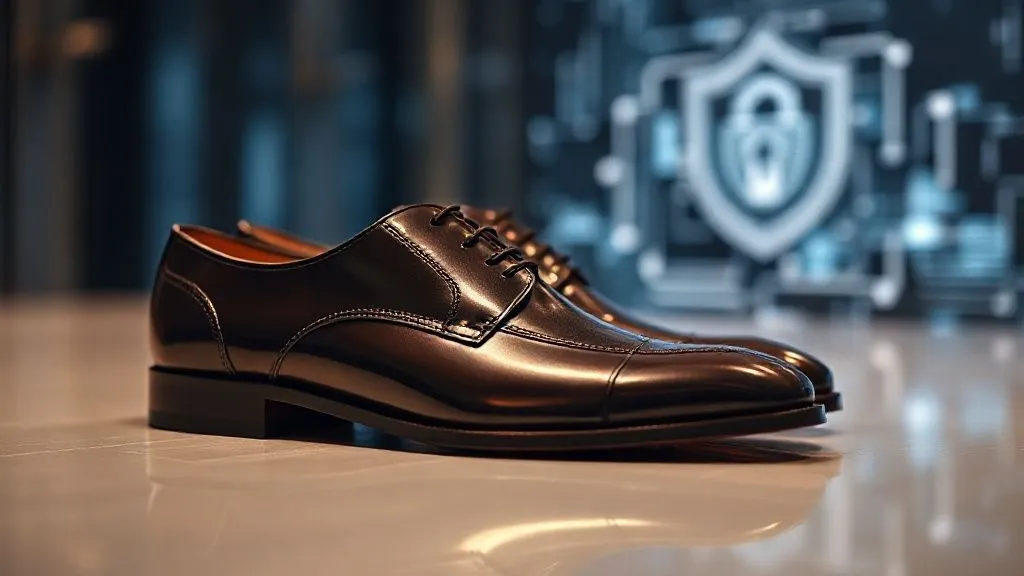
What strategies prevent luxury shoe counterfeiting effectively?
For over two decades in the luxury footwear industry, I've witnessed firsthand the devastating impact of counterfeiting. From the hidden workshops churning out convincing fakes to the sophisticated online networks distributing them globally, this isn't just a nuisance; it's an existential threat to brand integrity, consumer trust, and ultimately, the very value of luxury itself.
Many brands, even established ones, often underestimate the evolving sophistication of counterfeiters, reacting rather than proactively building robust defenses. This reactive stance leads to significant financial losses, reputational damage, and a dilution of the exclusivity that defines luxury.
In this definitive guide, I will share the seven critical, actionable strategies I've seen successfully implemented by leading luxury footwear brands. We'll move beyond generic advice to explore detailed frameworks, cutting-edge technologies, and expert insights that genuinely answer: What strategies prevent luxury shoe counterfeiting effectively? My goal is to equip you with the knowledge to build an impregnable defense against fakes, safeguarding your legacy and future.
Unpacking the Counterfeit Threat: Why It's More Complex Than Ever
The landscape of luxury shoe counterfeiting has transformed dramatically. Gone are the days of easily identifiable, shoddy knock-offs. Today's counterfeiters operate with alarming precision, often replicating designs, materials, and even packaging with near-perfect accuracy. This evolution is fueled by advancements in manufacturing technology, globalized supply chains, and the anonymity offered by e-commerce platforms and social media.
The global trade in counterfeit and pirated goods is a multi-billion dollar industry, with luxury footwear being a prime target due to its high profit margins and desirability. It's not just about lost sales; it's about the erosion of brand equity, the damage to consumer perception, and the potential legal liabilities associated with unsafe or unregulated products. Consumers, often unknowingly, become complicit, further blurring the lines of authenticity.
"Counterfeiting isn't merely theft of intellectual property; it's a direct assault on the narrative, craftsmanship, and emotional connection that define luxury. It's an insidious poison that devalues the authentic experience."
Understanding the multi-faceted nature of this threat – from dark web marketplaces to legitimate-looking e-commerce sites – is the first step in formulating an effective counter-strategy. It requires a holistic approach that integrates technology, legal prowess, supply chain vigilance, and consumer empowerment.
Strategy 1: Fortifying Your Supply Chain with End-to-End Visibility
In my experience, a brand's vulnerability often begins deep within its supply chain. Counterfeiters frequently exploit weak links, from unauthorized production in partner factories to the diversion of authentic components or finished goods. Achieving end-to-end visibility is paramount to preventing luxury shoe counterfeiting effectively.
This involves meticulous vetting of every supplier, subcontractor, and logistics partner, ensuring they adhere to stringent security protocols. It's not enough to simply trust; you must verify, audit, and monitor continuously. Any loophole in the chain can be a gateway for fakes.
- Rigorous Supplier Auditing & Contracts: Implement a robust auditing program that goes beyond initial checks. Conduct unannounced inspections, verify production quantities against orders, and ensure all contracts include strict anti-counterfeiting clauses with severe penalties for non-compliance.
- Secure Packaging & Tamper-Evident Seals: Utilize packaging that is difficult to replicate and incorporates tamper-evident features. This could include custom security tapes, unique serialization on boxes, or integrated holograms that are destroyed upon opening.
- Advanced Tracking & Tracing Solutions: Deploy technologies like RFID (Radio-Frequency Identification) or NFC (Near Field Communication) tags at various stages of production and distribution. These allow for real-time tracking of individual items, verifying their journey from factory to retail, and instantly flagging any anomalies. For more insights on supply chain resilience, consider exploring resources from experts like Harvard Business Review on Supply Chain Resilience.
By making your supply chain a fortress, you significantly reduce the opportunities for counterfeiters to infiltrate your production or distribution networks. This proactive defense is a cornerstone of what strategies prevent luxury shoe counterfeiting effectively.

Strategy 2: Leveraging Advanced Product Authentication Technologies
Beyond securing the supply chain, the product itself must carry its own verifiable identity. Modern authentication technologies offer powerful tools to confirm legitimacy, both for brands and consumers. These solutions are key to answering what strategies prevent luxury shoe counterfeiting effectively at the point of sale and beyond.
The goal is to make it incredibly difficult and expensive for counterfeiters to replicate the authentication features, while making it easy and reliable for legitimate verification. This often involves a multi-layered approach, combining overt (visible) and covert (hidden) security elements.
Case Study: How 'Aethelred Footwear' Authenticated Their Premium Line
Aethelred Footwear, a rising luxury sneaker brand, faced a surge in high-quality fakes undermining their limited-edition releases. By integrating NFC (Near Field Communication) chips into the tongue of each shoe, linked to a secure blockchain ledger, they empowered customers. Scanning the chip with a smartphone immediately brought up the shoe's unique production history, authenticity certificate, and ownership transfer records. This system, combined with a unique holographic seal on the shoebox, reduced reported counterfeits by 60% within the first year and significantly boosted consumer confidence in their brand's authenticity guarantee.
Technologies to consider:
- Blockchain-based Authentication: Provides an immutable, decentralized ledger for each product's journey and ownership. Each luxury shoe can be assigned a unique digital ID, recorded on the blockchain, verifying its origin and authenticity.
- NFC/RFID Tags: Embedded chips that can be scanned by smartphones or dedicated readers to access product information, verify authenticity, and even engage with exclusive brand content.
- Holograms & Security Labels: Advanced holographic designs, often with micro-text or kinetic effects, that are exceptionally difficult to replicate.
- Micro-engraving & DNA Tagging: Covert features involving microscopic markings or proprietary synthetic DNA applied to materials, invisible to the naked eye but verifiable with specialized equipment.
The implementation of such technologies not only deters counterfeiters but also provides a powerful marketing tool, reinforcing the brand's commitment to authenticity. For a deeper dive into how technology is shaping brand protection, articles on platforms like Forbes' coverage of blockchain in luxury can be invaluable.
| Technology | Pros | Cons | Complexity |
|---|---|---|---|
| Blockchain (Product ID) | Immutable, transparent, decentralized, secure ownership transfer. | Initial setup cost, consumer education required. | High |
| NFC/RFID Tags | Easy consumer verification, real-time tracking, brand engagement. | Can be tampered with if not secured properly, tag cost. | Medium |
| Holograms/Security Labels | Visible deterrent, relatively low cost per unit. | Can be replicated with advanced tech, static info. | Low-Medium |
| Micro-engraving/DNA Tagging | Highly covert, extremely difficult to replicate. | Requires specialized equipment for verification, not consumer-facing. | High |
Strategy 3: Robust Intellectual Property (IP) Protection & Enforcement
Legal muscle is an indispensable part of what strategies prevent luxury shoe counterfeiting effectively. Without a strong portfolio of intellectual property rights, brands are left vulnerable and powerless against infringers. This isn't just about reacting to fakes; it's about building a legal bulwark.
Proactive registration of your IP is the foundation. This includes trademarks for your brand name, logos, and distinctive product features, as well as design patents for unique shoe silhouettes or patterns. Copyright can protect original textile prints or marketing materials. Once registered, these rights provide the legal standing to pursue counterfeiters aggressively.
- Comprehensive IP Registration: Ensure all distinctive elements of your luxury shoes – from the sole pattern to unique stitching or hardware – are registered in all key markets where you operate or where counterfeits originate. This includes national and international trademark and design patent applications.
- Vigorous Legal Enforcement: Employ a legal team specializing in IP law to issue cease and desist letters, pursue injunctions, and file lawsuits against manufacturers, distributors, and sellers of counterfeit goods. This sends a clear message that infringement will not be tolerated.
- Customs Seizure Programs: Work with customs authorities in various countries to train their officers on how to identify your authentic products versus fakes. Implement recordation of your IP rights with customs agencies, empowering them to seize counterfeit shipments at borders, preventing them from entering the market.
"Your intellectual property is the blueprint of your brand's identity and innovation. Without aggressive protection and enforcement, you're handing that blueprint to your adversaries."
Engaging actively with law enforcement agencies and participating in anti-counterfeiting coalitions can also amplify your efforts, leading to larger raids and dismantling of organized counterfeit networks. This legal framework is a non-negotiable component of effective luxury brand protection.
Strategy 4: Digital Brand Monitoring and Takedown Campaigns
The digital realm is both a blessing and a curse for luxury brands. While it offers unprecedented reach, it also provides a fertile ground for counterfeiters. Effective digital brand monitoring and swift takedown campaigns are crucial for what strategies prevent luxury shoe counterfeiting effectively in the online space.
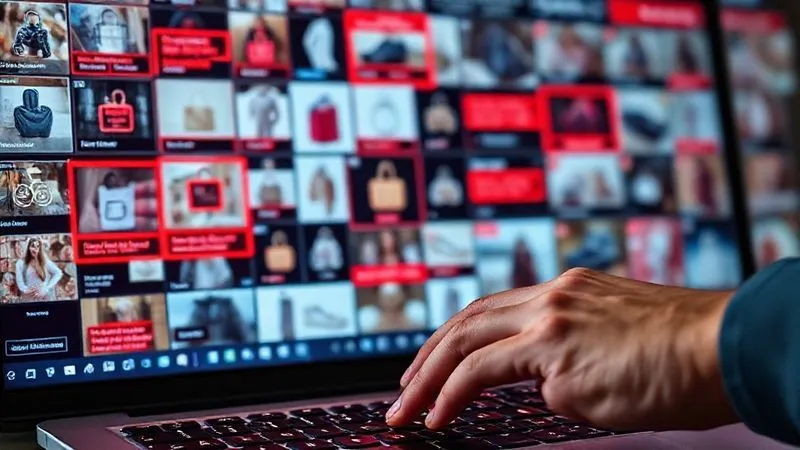
Counterfeiters leverage e-commerce platforms, social media, and even dedicated fake websites to sell their illicit goods. Without constant vigilance, these channels can quickly erode your brand's reputation and divert sales from legitimate channels. It's a continuous battle that requires sophisticated tools and rapid response.
- Automated Online Monitoring: Utilize AI-powered brand protection software that scans thousands of online marketplaces (Amazon, eBay, Alibaba, etc.), social media platforms (Instagram, Facebook, TikTok), and search engine results for unauthorized listings of your products. These tools can identify suspicious keywords, images, and seller behaviors.
- Rapid Takedown Procedures: Establish streamlined processes for issuing takedown notices to platform administrators once counterfeit listings are identified. Many platforms have IP protection programs that facilitate this, but quick action is essential before sales are made and listings proliferate.
- Domain Name Protection: Monitor and register domain names that are similar to your brand to prevent cybersquatting and the creation of fake brand websites. This proactive measure prevents counterfeiters from establishing seemingly legitimate online storefronts.
The speed of response is critical. The longer a counterfeit listing remains active, the more damage it can inflict. Investing in dedicated brand protection agencies or in-house teams with expertise in digital enforcement is a wise decision. For further reading on combating online fraud, sources like the FTC's guidance on avoiding scams can offer broader context on digital threats.
Strategy 5: Empowering Consumers with Education and Verification Tools
Consumers are often the unwitting victims of counterfeiting, and they can also be your most powerful allies. Empowering them with the knowledge and tools to identify fakes is a highly effective strategy for what strategies prevent luxury shoe counterfeiting effectively.
Many consumers genuinely want to buy authentic products but lack the expertise to distinguish them from high-quality fakes. By providing clear, accessible information and verification methods, you not only protect your customers but also strengthen their loyalty and trust in your brand.
- "How to Spot a Fake" Guides: Publish detailed guides on your official website and social media channels, highlighting specific details unique to your authentic products. This could include stitching patterns, material textures, serial number locations, packaging nuances, and official branding elements.
- Official Verification Apps/Platforms: Develop user-friendly mobile apps or web platforms where customers can input serial numbers, scan QR codes, or use NFC readers embedded in your products to instantly verify authenticity.
- Responsive Customer Service: Train your customer service team to handle authenticity inquiries with expertise and empathy. Provide clear channels for customers to report suspected fakes and offer guidance on how to avoid them.
When consumers are educated, they become a vital line of defense, reducing demand for fakes and reporting suspicious sellers. This community engagement transforms passive buyers into active brand protectors, reinforcing the value of genuine luxury.
| Verification Method | Ease of Use | Reliability | Consumer Benefit |
|---|---|---|---|
| Official Brand Website/QR Code Scan | High | High | Instant verification, direct brand engagement |
| NFC/RFID App Scan | Medium | High | Tap-and-verify, rich product data access |
| Visual Inspection (Brand Guides) | Medium | Medium-High | Empowers self-identification, builds product knowledge |
| Customer Service Inquiry | Medium | High | Personalized support, reporting mechanism |
Strategy 6: Fostering Cross-Industry Collaboration and Information Sharing
The fight against luxury shoe counterfeiting is not a battle any single brand can win alone. Counterfeit networks are global, sophisticated, and often interconnected. Therefore, collaboration and information sharing across the industry are crucial components of what strategies prevent luxury shoe counterfeiting effectively.
By pooling resources, sharing intelligence, and coordinating efforts, luxury brands can achieve a collective impact far greater than individual initiatives. This collaboration can take many forms, from formal associations to informal intelligence networks.
- Industry Associations & Alliances: Actively participate in anti-counterfeiting organizations and luxury brand alliances. These platforms facilitate the sharing of best practices, legal strategies, and intelligence on emerging threats and counterfeit operations.
- Government & Law Enforcement Partnerships: Work closely with national and international law enforcement agencies (e.g., Interpol, Europol, FBI) to provide them with information about counterfeit networks. Your expertise on product authenticity can be invaluable in their investigations and raids.
- Data Sharing & Threat Intelligence: Establish secure channels for sharing anonymized data on counterfeit sightings, common infringement tactics, and identified perpetrators with other luxury brands. This collective intelligence can help identify larger patterns and target key players in the counterfeit ecosystem.
"In the face of a shared adversary, collective vigilance and coordinated action amplify every brand's defense. The strength of the luxury industry lies in its unity against illicit trade."
These collaborative efforts not only lead to more successful enforcement actions but also contribute to a stronger overall deterrent against counterfeiting, making the entire luxury market a less attractive target for illicit activities. It demonstrates a unified front against those who seek to undermine genuine craftsmanship.
Strategy 7: Designing for Authenticity and Anti-Counterfeiting
The most forward-thinking approach to what strategies prevent luxury shoe counterfeiting effectively actually begins at the design stage. By integrating anti-counterfeiting features directly into the product's design, brands can make replication more challenging, more expensive, and ultimately, less profitable for counterfeiters.
This goes beyond simply adding a tag; it involves a thoughtful consideration of materials, construction, and unique identifiers that are difficult for illicit manufacturers to source, replicate, or apply with convincing accuracy. It's about building authenticity into the very DNA of the shoe.
- Proprietary Materials & Components: Utilize materials, leathers, or hardware that are exclusive to your brand and difficult for counterfeiters to procure. This could include custom-designed soles, unique alloys for buckles, or specially treated leathers.
- Intricate & Unique Craftsmanship: Incorporate highly complex stitching patterns, unique construction methods, or specific artisan techniques that require specialized skills and machinery to replicate. The more intricate the detail, the harder it is to fake perfectly.
- Covert Design Elements: Integrate subtle, hidden design features that only the brand and trained authenticators know about. This could be a specific number of stitches in an obscure place, a unique pattern on the inside lining, or a micro-embossed logo in an unexpected location.
- Limited Editions & Serialization: For highly coveted items, produce limited runs with unique serialization. This scarcity and individuality make each item more traceable and harder to counterfeit at scale, as each fake would need a unique, convincing serial number.
When a luxury shoe is designed with anti-counterfeiting in mind from its inception, it becomes inherently more secure. This approach raises the bar for counterfeiters, forcing them to invest more resources for a less perfect outcome, ultimately deterring their efforts. It’s a testament to the brand's commitment to protecting its unique identity.

Frequently Asked Questions (FAQ)
Q: How quickly can a brand expect to see results from implementing these anti-counterfeiting strategies? A: While some strategies like rapid online takedowns can show immediate results in reducing visible fakes, a comprehensive approach involving supply chain fortification and IP enforcement is a long-term commitment. Significant, measurable improvements in brand protection and reduced counterfeit incidents typically take 12-24 months to become fully evident as systems are integrated and legal actions progress. It's a marathon, not a sprint.
Q: Is blockchain truly foolproof for luxury authentication, or are there limitations? A: Blockchain offers a highly secure and immutable ledger for product authenticity, making it extremely difficult to tamper with. However, its effectiveness relies on the initial data input – if a fake product is accidentally or maliciously assigned an authentic blockchain ID at the very first step, the system can be compromised. The 'last mile' problem of linking the physical product to its digital identity securely remains a critical point. It's a powerful tool, but not a standalone panacea; it must be part of a multi-layered strategy.
Q: What's the biggest mistake luxury brands make when fighting fakes? A: In my experience, the biggest mistake is underestimating the enemy and adopting a reactive, siloed approach. Brands often focus on one or two strategies (e.g., just online takedowns) without addressing the entire ecosystem of counterfeiting. They also fail to see it as a cross-departmental issue, requiring collaboration between legal, supply chain, marketing, and design teams. A piecemeal approach leaves gaping vulnerabilities.
Q: How can smaller luxury brands implement these strategies without huge budgets? A: Smaller brands can start by prioritizing foundational elements: rigorous IP registration, meticulous supplier vetting, and leveraging accessible digital monitoring tools. Instead of developing proprietary tech, they can partner with specialized third-party brand protection services that offer scalable solutions. Focusing on consumer education and fostering a strong community of loyal, informed customers can also be a cost-effective defense. Strategic partnerships are key.
Q: What role does Artificial Intelligence (AI) play in future anti-counterfeiting efforts? A: AI is becoming increasingly vital. It powers advanced online monitoring, quickly sifting through vast amounts of data to identify suspicious listings, images, and seller patterns that human analysts would miss. AI can also analyze product images for subtle discrepancies indicative of fakes and even predict emerging counterfeit trends. In the future, AI will likely enhance authentication by analyzing unique material 'fingerprints' and refining supply chain anomaly detection, making it an indispensable tool for proactive defense.
Key Takeaways and Final Thoughts
The fight against luxury shoe counterfeiting is a complex, ongoing challenge that demands a strategic, multi-pronged approach. There's no silver bullet, but by integrating the expert-backed strategies we've discussed, brands can build a formidable defense.
- Fortify your supply chain with end-to-end visibility and rigorous vetting.
- Leverage advanced authentication technologies like blockchain and NFC for verifiable product identity.
- Protect and enforce your intellectual property with robust legal frameworks.
- Monitor the digital landscape aggressively with rapid takedown campaigns.
- Empower your consumers through education and accessible verification tools.
- Collaborate across the industry to share intelligence and amplify collective action.
- Design for authenticity by embedding security features into the product itself.
Ultimately, safeguarding your luxury footwear brand against counterfeiting is an investment in your legacy, your reputation, and your future. It requires vigilance, innovation, and a proactive mindset. By embracing these strategies, you're not just fighting fakes; you're actively reinforcing the intrinsic value of genuine luxury, ensuring that the craftsmanship, quality, and exclusivity you stand for remain untarnished for generations to come. The question 'What strategies prevent luxury shoe counterfeiting effectively?' isn't just about protection; it's about preserving the very soul of luxury.
Recommended Reading
- Unlock Profit: 9 Ways to Scale Your Personal Style Blog into a Thriving Business
- Unlock the Future: Do Self-Cleaning Clothes Truly Eliminate Laundry?
- 9 Essential Steps: Prevent Bridal Party Fashion Crises on Your Wedding Day
- Mastering Editorial Spreads: 7 Pillars for Impactful Fashion Storytelling
- Cracking the Code: 7 Ways New Bloggers Land Exclusive Fashion Event Invites

Your email address will not be published. Required fields are marked *