

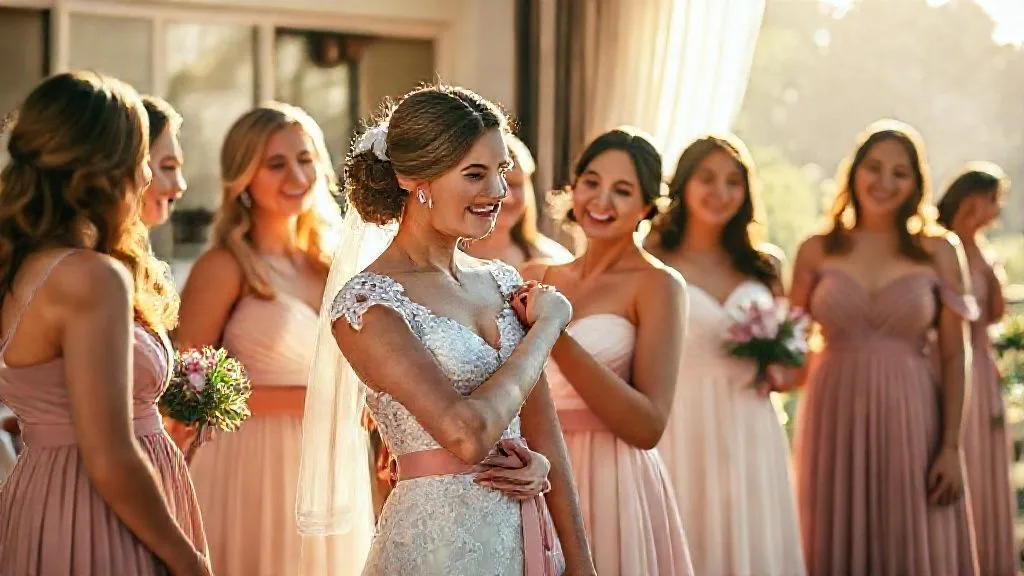
How to Prevent Bridal Party Fashion Crises on Wedding Day?
For over 15 years in the bridal fashion industry, I've had the privilege of witnessing countless magical wedding days. But I've also seen the silent panic, the hurried whispers, and the frantic last-minute fixes when a fashion crisis strikes the bridal party. From ill-fitting gowns to missing accessories, these preventable mishaps can cast a shadow on what should be a day of pure joy.
The truth is, a bridal party fashion crisis isn't just about a misplaced button; it's about the emotional toll it takes on the couple and their closest friends. It disrupts the meticulously planned timeline, adds unnecessary stress, and can even impact the cherished photographs that will last a lifetime. The good news? These crises are almost always avoidable with foresight and strategic planning.
In this definitive guide, I'll share my insider knowledge and proven frameworks on how to prevent bridal party fashion crises on wedding day. We'll delve into actionable steps, real-world insights, and expert advice to ensure your entire bridal party looks and feels their absolute best, creating a harmonious and picture-perfect celebration.
The Foundation: Early Planning & Clear Communication
1. Establish a Cohesive Vision Early On
The journey to a flawless bridal party look begins long before any fabric is chosen. It starts with a clear, shared vision. As an industry specialist, I've learned that ambiguity is the enemy of cohesion.
- Define Your Aesthetic: Work with your partner to articulate the overall wedding aesthetic. Is it black-tie elegant, bohemian chic, rustic charm, or something else entirely? This informs every subsequent decision.
- Create a Digital Mood Board: Use platforms like Pinterest or a shared Google Doc to compile images of dresses, suits, color palettes, fabrics, and accessory styles that align with your vision. Share this with your bridal party from the outset.
- Consider Your Venue & Season: The location and time of year significantly impact attire choices. A velvet gown might be stunning for a winter ballroom wedding but wholly inappropriate for a summer beach ceremony.
- Involve Key Players (Sensibly): While the ultimate decision is yours, getting early input from your maid of honor or best man can help gauge practicalities and preferences, fostering buy-in without losing control of the vision.
2. Set Clear Expectations and Budget Guidelines
Money matters, and open conversations about finances are crucial to prevent misunderstandings and resentment down the line. It's a leading cause of stress, as I've observed repeatedly.

From the moment you ask someone to be in your bridal party, initiate a frank discussion about potential costs. This includes not just attire, but also accessories, alterations, and travel if applicable. Be transparent about what you expect them to cover and what, if anything, you plan to contribute.
"Transparency in financial expectations is the bedrock of a harmonious bridal party. It empowers your friends to make informed decisions and prevents any last-minute sticker shock."
Offer a range of options if possible. For instance, suggest a specific color palette but allow bridesmaids to choose their own dress style within that range and budget, or provide a few recommended suit rental companies for groomsmen. This balance of guidance and freedom is key to managing expectations effectively, as highlighted by expert wedding planners like those at The Knot.
Mastering Attire Selection & Fittings
3. The Dress & Suit Selection Process: Beyond Aesthetics
Choosing the actual garments involves more than just picking pretty colors. It requires strategic thinking about comfort, practicality, and personal fit for each individual.
- Consider Body Diversity: Recognize that your bridal party will have a range of body types. Opt for styles that are universally flattering or allow for variations within a cohesive theme. A-line, empire waist, and wrap dresses are often good choices for bridesmaids. For groomsmen, classic suit styles can be easily tailored.
- Fabric Matters: The fabric impacts drape, comfort, and how it photographs. Think about the weight, breathability, and wrinkle resistance. A delicate chiffon might be beautiful but prone to snags, while a heavy satin might be too warm for an outdoor summer wedding.
- Trial Runs & Swatches: If possible, have your bridal party try on sample sizes or similar styles well in advance. Order fabric swatches to see how colors look in different lighting conditions and against various skin tones.
- Vendor Reputation: Choose reputable bridal boutiques or suit rental companies known for their quality, customer service, and reliable delivery times. Read reviews and ask for recommendations.
As marketing guru Seth Godin often says, "Trust is built in drops and lost in buckets." This applies perfectly to vendor selection; a trusted vendor is invaluable. Remember, comfort is paramount. An uncomfortable bridal party is a distracted bridal party. Prioritize fabrics and cuts that allow for movement and ease throughout the long wedding day.
4. Precision in Sizing and Timely Alterations
This is where many fashion crises begin. Incorrect sizing and rushed alterations are a recipe for disaster. I've seen dresses arrive too small, suits too baggy, and hems unfinished because of poor planning.
Encourage your bridal party to get professionally measured – not just rely on their usual clothing size. Bridal sizing often differs significantly from ready-to-wear. Provide them with specific measurement guides if ordering online.
| Milestone | Timeline | Notes |
|---|---|---|
| Initial Fitting | 3-4 Months Pre-Wedding | Allows for major adjustments and reorders. |
| First Alteration | 6-8 Weeks Pre-Wedding | Address fit, length, and minor style changes. |
| Final Fitting | 2-3 Weeks Pre-Wedding | Check for last-minute adjustments, confirm comfort. |
| Dress Pick-Up | 1 Week Pre-Wedding | Ensure all items are correct and pressed. |
Case Study: How Sarah's Bridal Party Avoided a Seamstress Disaster
Sarah, a bride I worked with, had 8 bridesmaids scattered across different states. Recognizing the potential for sizing issues, she implemented a strict timeline. She mandated that all bridesmaids get professionally measured by a local tailor and submit their measurements by a specific date, 5 months before the wedding. She then ordered the dresses, allowing ample time for shipping.
Once the dresses arrived, each bridesmaid was instructed to schedule an initial fitting 10 weeks out. Sarah also provided a list of recommended tailors in major cities. This proactive approach allowed one bridesmaid, whose dress arrived two sizes too small due to a measurement error, to reorder a new size and still have it altered in time. Without this buffer, it would have been a significant crisis. This resulted in a calm, stress-free final fitting for everyone.
Emphasize the importance of wearing the exact shoes and undergarments they will wear on the wedding day to all fittings. This ensures accurate hem lengths and proper fit. For groomsmen, ensure they try on their full suit ensemble, including shoes and tie, to check for overall fit and comfort. For more detailed advice on alterations, see resources like Brides.com's alteration guide.
The Unsung Heroes: Accessories & Emergency Kits
5. Curating Accessories: The Devil is in the Details
Accessories can elevate an outfit or completely derail it. Consistency here is key to a polished bridal party look.
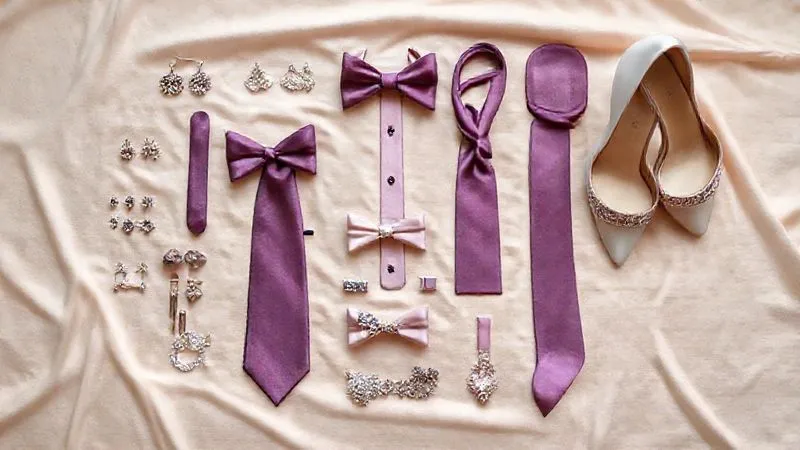
- Shoes: While comfort is crucial, ensure shoes align with the overall aesthetic and color scheme. Consider specifying a color (e.g., nude, silver, black) and heel height range to maintain uniformity.
- Jewelry: Decide if you want to provide specific jewelry or give guidelines (e.g., "delicate gold earrings only"). Too much sparkle or mismatched styles can clash.
- Ties/Bow Ties & Pocket Squares: For groomsmen, specify the exact style and color. Consider providing these items to ensure uniformity and save them the hassle.
- Sashes/Belts: If using, ensure they are the correct length and color for everyone.
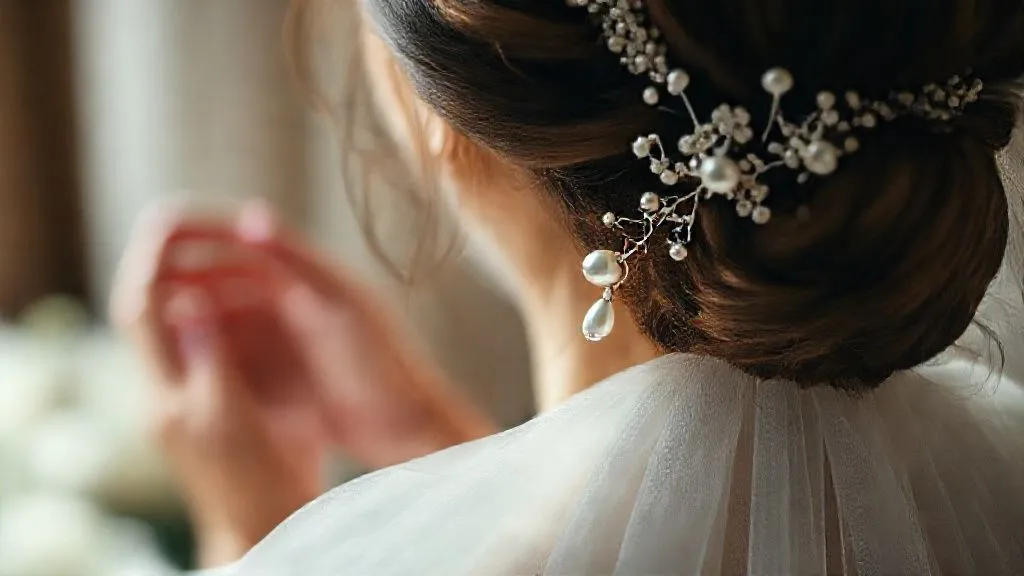
- Hair Accessories: If applicable for bridesmaids, provide clear examples or even supply them.
A common mistake I see is leaving accessories to chance. A quick email with visual examples or even a shared online shopping link can prevent last-minute accessory scrambles.
6. The Wedding Day Emergency Kit: Your Fashion Lifeline
No matter how meticulously you plan, minor mishaps can occur. A well-stocked emergency kit is your best defense against unexpected fashion crises. This isn't just for the bride; a bridal party kit is equally vital.
- Assign Responsibility: Task your maid of honor or a trusted bridesmaid with assembling and carrying this kit.
- Include Essentials: Think about common issues. Static cling, a popped button, a sudden stain, or a blister are all easily fixable with the right tools.
- Personalize: Encourage each bridal party member to also pack a small personal kit with any specific needs (e.g., medication, extra contact lenses).
Here’s a breakdown of what a comprehensive bridal party emergency kit should contain:
| Category | Key Items |
|---|---|
| Sewing & Repair | Mini sewing kit, safety pins, fashion tape, stain remover wipes |
| Beauty & Comfort | Hairpins, hairspray, deodorant, pain relievers, blister pads |
| Quick Fixes | Lint roller, static guard, shoe polish wipes, super glue |
| Personal Essentials | Small snacks, water bottle, phone charger, emergency cash |
This kit is a small investment that pays huge dividends in peace of mind. For a more exhaustive list, resources like Vogue's emergency kit checklist offer excellent suggestions.
Delegation, Logistics & Day-Of Preparedness
7. Designate a Bridal Party Fashion Coordinator
On your wedding day, your focus should be on marrying the love of your life, not on whether a groomsman's tie is crooked. Delegate! This is a crucial step in how to prevent bridal party fashion crises on wedding day.
Identify a responsible, detail-oriented member of your bridal party (often the maid of honor or best man, or even a trusted family friend) to be the designated "fashion coordinator" for the day. This person's role is to:
- Oversee the dressing process for their respective side.
- Ensure everyone has all their attire and accessories.
- Manage the emergency kit.
- Be the point person for any last-minute fashion queries or issues.
- Conduct a final "look check" before photos and the ceremony.
"Delegation isn't a sign of weakness; it's a mark of strategic planning. Empowering a trusted individual to handle day-of fashion ensures you can truly savor every moment."
8. Seamless Logistics: Dressing Locations & Timelines
Chaos often erupts when people are rushed or don't know where to be. Plan the dressing logistics meticulously.
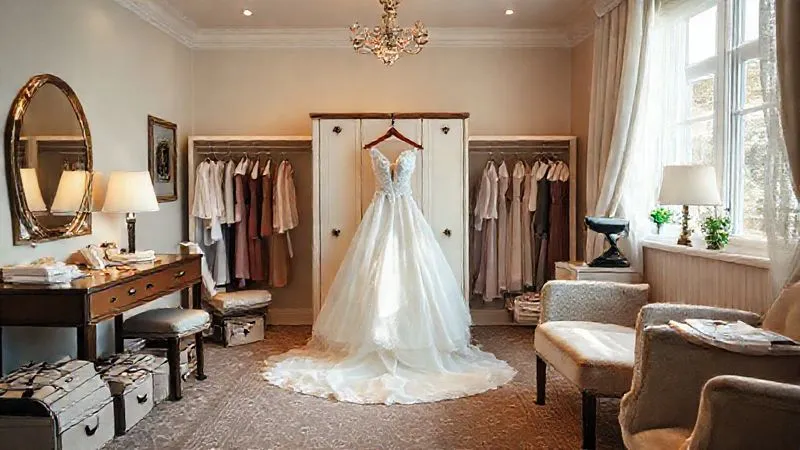
- Designate Dressing Spaces: Ensure there are comfortable, well-lit spaces for both the bride's and groom's parties to get ready. These spaces should have ample mirrors, seating, and hanging areas.
- Create a Detailed Timeline: Work with your wedding planner or coordinator to build a timeline that allocates sufficient time for dressing, hair, makeup, and travel between locations. Share this timeline with everyone involved.
- Steaming/Ironing Station: Plan for a steamer or iron to be available at the dressing locations. Wrinkles are a common last-minute fashion faux pas.
- Food & Drink: Keep your bridal party fed and hydrated. Low blood sugar and thirst can lead to irritability and rushed mistakes.
9. Pre-Ceremony Checks: The Final Review
Just before the first look or ceremony, conduct a final, thorough check of every bridal party member. This is your last line of defense against any overlooked details.
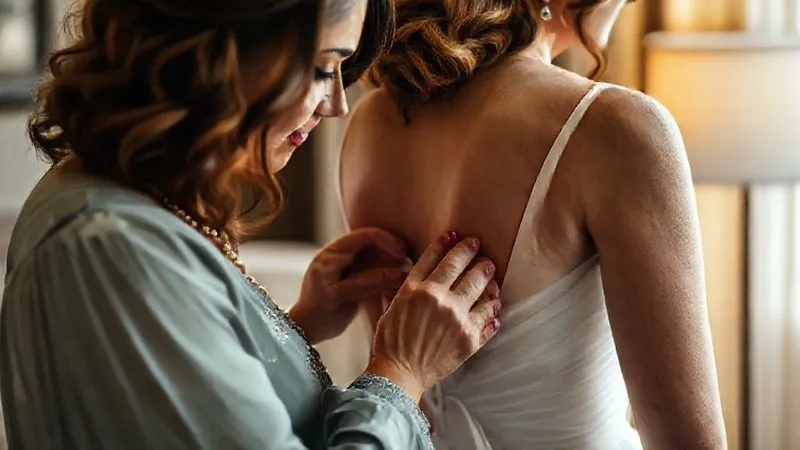
- Hair & Makeup Check: Are all hairpins secure? Is makeup fresh?
- Attire Alignment: Are all buttons fastened, zippers up, sashes tied correctly, and ties straight?
- Accessory Confirmation: Are all earrings, necklaces, cufflinks, and boutonnieres in place?
- Shoe & Sock Check: Are shoes clean? Are socks/stockings appropriate and free of runs?
- Comfort Check: Ask everyone if they feel comfortable and can move freely.
- Lint & Wrinkle Patrol: A quick run-over with a lint roller and a final check for any creases.
This final inspection, often spearheaded by your designated fashion coordinator, ensures that when your bridal party steps out, they do so with confidence and grace, completely free of any fashion worries. It’s the ultimate way to prevent bridal party fashion crises on wedding day.
Frequently Asked Questions (FAQ)
Q: What if a bridesmaid's dress arrives and it's completely the wrong size, too close to the wedding? A: This is a nightmare scenario, but not insurmountable with quick action. First, contact the vendor immediately to see if a replacement can be rushed. If not, explore local options: can a skilled tailor make drastic alterations? Is there a similar dress in the correct size available for rent or purchase at a local boutique? As a last resort, consider a stylish, complementary outfit from her own wardrobe or a department store that matches the color scheme. The key is to act fast and be resourceful, prioritizing comfort and a cohesive look over strict adherence to the original dress.
Q: How do I handle a groomsman who is resistant to the chosen attire or won't get alterations done? A: This requires a delicate balance of firmness and empathy. Start by reiterating the importance of a cohesive look for the wedding photos and the overall aesthetic. Explain that the attire choice reflects the couple's vision for their special day. Offer to help facilitate the alterations process (e.g., finding a tailor, reminding them of appointments). If resistance continues, have a direct, private conversation about the implications. Ultimately, if they refuse to comply, you might need to make a tough decision about their role in the wedding party or adjust your expectations for their attire, but this should be a last resort after all other avenues are exhausted.
Q: Should I pay for my bridal party's attire to avoid fashion crises? A: While it's a generous gesture and certainly helps mitigate financial stress (a common cause of issues), it's not a requirement. Many couples choose to cover certain elements, like accessories or a portion of the cost, but often the bridal party pays for their own attire. The most important thing is transparency and setting clear expectations about costs from the beginning. If you can contribute, it's a wonderful way to ease their burden and ensure everyone can afford the chosen look without compromise.
Q: How can I ensure my bridal party's shoes are comfortable for the entire day? A: Comfort is crucial! Encourage your bridal party to choose shoes they've worn before or to break in new shoes well in advance. Suggest bringing a comfortable pair of flats or sneakers for dancing later in the evening. Provide blister pads, gel inserts, and pain relievers in the emergency kit. If you're providing shoes, opt for styles known for comfort, like block heels or wedges over stilettos, especially for outdoor or long-standing events.
Q: What's the best way to communicate all these details without overwhelming my bridal party? A: Centralized communication is key. Create a dedicated group chat (WhatsApp, GroupMe) or a shared Google Doc/spreadsheet where all key information, timelines, and links are easily accessible. Send out updates periodically, not all at once. Break down information into digestible chunks. Your designated fashion coordinator can also help disseminate information and answer questions, taking some pressure off you. Regular, clear communication prevents confusion and ensures everyone is on the same page.
Key Takeaways and Final Thoughts
Navigating the fashion logistics for your bridal party doesn't have to be a source of stress. As an experienced industry specialist, I've seen firsthand that the secret to preventing bridal party fashion crises on wedding day lies in meticulous planning, open communication, and strategic delegation. By laying a solid foundation, mastering the details of attire and accessories, and preparing for any eventuality, you empower your bridal party to look and feel their absolute best.
- Start Early: A clear vision and budget established months in advance are non-negotiable.
- Communicate Clearly: Transparency about expectations and costs prevents misunderstandings.
- Prioritize Fit: Professional measurements and timely alterations are critical for comfort and appearance.
- Detail-Oriented: Don't overlook accessories; they complete the look.
- Be Prepared: A well-stocked emergency kit is your peace of mind.
- Delegate Wisely: Assign a fashion coordinator to manage day-of logistics.
Remember, your wedding day is about celebrating your love. By taking these proactive steps, you can ensure that your entire bridal party shines, allowing you to fully immerse yourself in the joy of the occasion, confident that every fashion detail is perfectly handled. Here's to a flawless, beautiful, and crisis-free wedding day!
Recommended Reading
- Bride Dislikes Custom Veil? 7 Steps to Save Your Wedding Day Look
- 7 Smart Strategies: Stop Overstocking Fleeting Jewelry Trends in Your Boutique
- 7 Proven Strategies: Minimizing Weight in Large-Scale SFX Costumes
- Mastering Remote Haute Couture: 7 Steps for Perfect Client Fit & Satisfaction
- Apple Picking Perfection: Best Fall Accessories for Your Outfit



Your email address will not be published. Required fields are marked *