

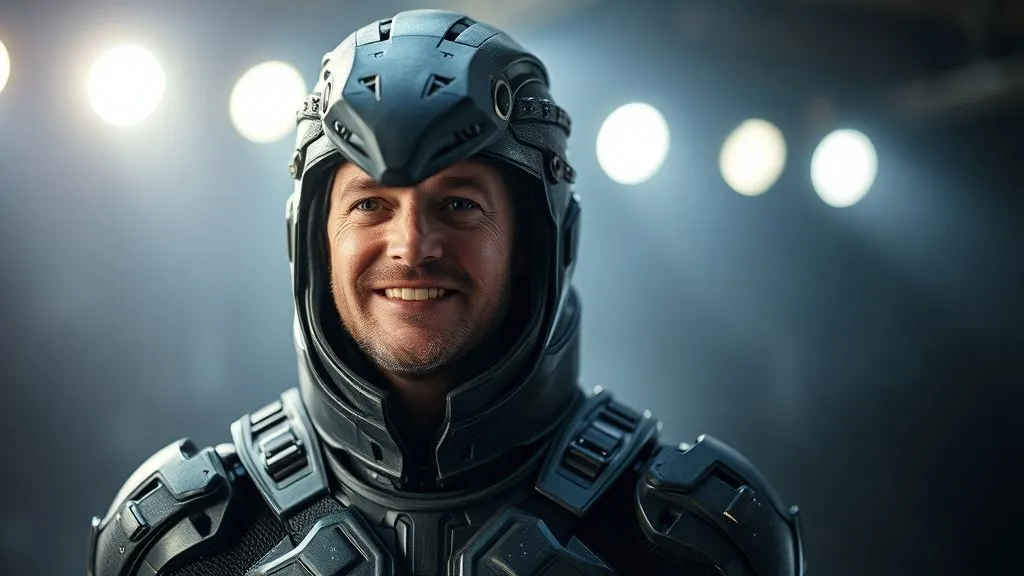
How to Minimize Weight in Large-Scale SFX Costumes for Actor Comfort?
For over 15 years immersed in the intricate world of special effects costume design, I've witnessed firsthand the incredible demands placed on performers. There's a persistent, often agonizing challenge: creating breathtaking, massive SFX costumes that unfortunately weigh a ton. I’ve seen actors pushed to their physical limits, compromising their performance, and in some cases, risking injury, all because the grandeur of the design overshadowed the fundamental need for human comfort and endurance.
The problem is multifaceted. Filmmakers and designers chase spectacle, demanding larger-than-life characters, elaborate creatures, and mechanical marvels. Yet, every ounce added to a costume translates directly into a burden on the actor, impacting their ability to move, emote, and sustain performance over long shooting days. This isn't just about minor discomfort; it's about preventing fatigue, ensuring safety, and ultimately, allowing the performer to truly embody the character without being crushed by it.
This article isn't just a discussion; it's a deep dive into actionable frameworks, cutting-edge material science, and expert design insights I've gathered and implemented throughout my career. You'll discover practical, proven strategies to drastically minimize weight in even the most ambitious large-scale SFX costumes, ensuring your performers can deliver their best work, comfortably and safely. We’ll explore everything from initial concept to final fabrication, providing a roadmap to achieving both stunning visuals and unparalleled actor comfort.
Understanding the Core Challenge: The Physics of Performer Strain
Before we can effectively lighten a costume, we must first understand precisely why it feels so heavy to the performer. It’s not just the static weight; it’s the dynamic forces, the leverage, and the distribution that truly dictate actor comfort. A 50-pound costume might feel like 200 pounds if its weight is poorly distributed or if it restricts natural movement, creating constant resistance.
I always start by analyzing the intended performance. Will the actor be standing still, running, jumping, or engaging in fight choreography? Each scenario presents unique challenges for weight distribution and movement. The human body is a complex lever system, and any added mass far from the body’s center of gravity—like large wings or an oversized headpiece—will exert disproportionate torque on the actor’s joints and muscles, leading to rapid fatigue.
"The true weight of a costume isn't measured on a scale, but in the actor's endurance and the cumulative strain on their body throughout a 12-hour day."
Understanding these biomechanical principles is the cornerstone of effective weight reduction. It informs every subsequent decision, from material selection to the integration of internal support systems. Ignoring this foundational understanding is, in my experience, the quickest path to a brilliant-looking costume that's utterly impractical for a living, breathing performer.
Innovative Material Science: The First Line of Defense
The choice of materials is arguably the single most impactful decision in the quest to minimize weight in large-scale SFX costumes for actor comfort. Gone are the days when designers were limited to heavy resins and bulky foams. Today, advancements in material science offer an incredible palette of lightweight yet durable options.
When I approach a new project, my first question is always: "What's the lightest material that can achieve the desired aesthetic and structural integrity?" This often means looking beyond traditional costume materials. We're talking about aerospace-grade composites, advanced thermoplastics, and specialized foams that were once exclusive to other industries. For example, expanded polyethylene (EPE) and EVA foams are fantastic for bulk and shaping, offering significant weight savings over traditional sculpting clays and rigid plastics. For structural components, carbon fiber and fiberglass composites provide incredible strength-to-weight ratios, allowing for robust frameworks that barely register on the scale.
I've found that layering different materials is also key. A thin, strong shell of vacuum-formed PETG or HIPS can be backed with lightweight foam for volume, rather than building the entire volume from a denser material. For intricate details, 3D printing with lightweight resins like specific photopolymers or even hollow-print structures can create complex forms without adding substantial mass. This strategic material selection is not just about finding lighter alternatives; it's about intelligently combining them to leverage their unique properties.
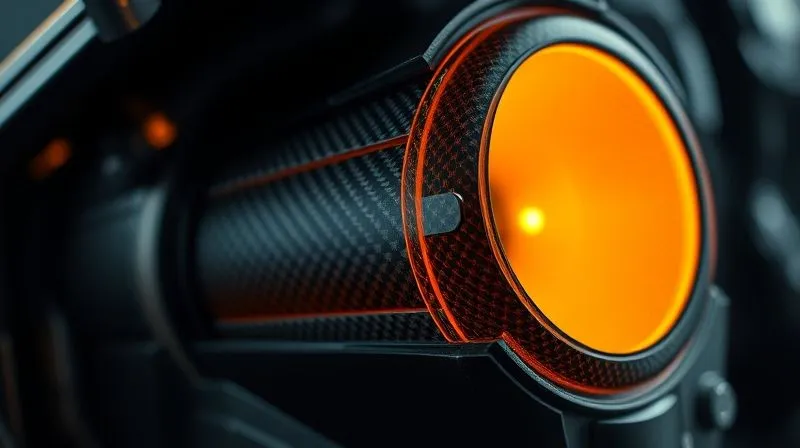
Key Lightweight Material Categories:
- Advanced Foams: Expanded Polyethylene (EPE), EVA foam, Urethane foams. Excellent for volume, carving, and padding.
- Thermoplastics: Worbla, Sintra (PVC foam board), PETG, HIPS. Can be heated and shaped, offering rigid yet thin shells.
- Composites: Carbon fiber, fiberglass, aramid fibers (Kevlar). Ideal for internal structural frameworks where strength is critical.
- Lightweight Resins: Polyurethane resins (low density), specific 3D printing resins. For casting and intricate details.
- Fabrics & Meshes: Ripstop nylon, technical fabrics, breathable meshes. For outer coverings, inner linings, and non-structural elements.
Strategic Design & Engineering: Distributing the Load
Once materials are chosen, the next critical step is intelligent design and engineering, focusing on how the remaining weight is distributed across the actor's body. A heavy costume with excellent weight distribution will always be more comfortable than a lighter one with poor balance. This is where a deep understanding of human anatomy and biomechanics becomes paramount.
I often approach large-scale costumes like a wearable building – every component must be strategically placed and supported. The goal is to transfer as much weight as possible to the strongest parts of the body: the hips, shoulders, and core, rather than relying on the neck or lower back. This often involves integrating internal harnesses, exoskeletons, or load-bearing vests that are separate from the outer aesthetic shell of the costume.
When designing, I consider the center of gravity of the entire costume-actor system. If a costume has massive elements, like wings or a large headpiece, these should ideally be supported from the hips or a robust shoulder harness, with articulating joints that allow for natural movement without shifting the primary load. Think of how a hiking backpack distributes weight—this principle is directly applicable.
Case Study: The 'Gargoyle King' Project
Acme Studios faced the challenge of creating a 'Gargoyle King' costume that needed to be imposing, with large, sweeping wings and a heavy, horned headpiece, yet allow the actor to perform complex fight choreography. Initially, prototypes proved unwieldy, causing immediate neck and back strain. By implementing a multi-point internal harness system that transferred 70% of the wing and headpiece weight directly to the actor's hips and shoulders, rather than the spine, they achieved remarkable results. The wings, while still visually massive, were constructed with carbon fiber spars and vacuum-formed PETG membranes, reducing their individual weight by 40%. This redesign, focusing on both material and load distribution, allowed the actor to perform for 8-hour days with minimal fatigue, a significant improvement over the initial 2-hour limit.
Advanced Fabrication Techniques: Building Lighter, Stronger
Even with the best materials and design, poor fabrication can negate all efforts. Advanced fabrication techniques are crucial to ensuring that every component is built as light and strong as possible. This often means embracing methods that minimize material usage without sacrificing structural integrity.
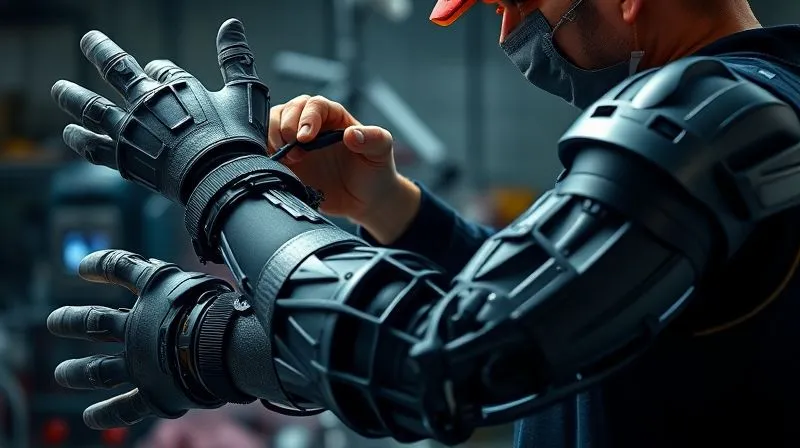
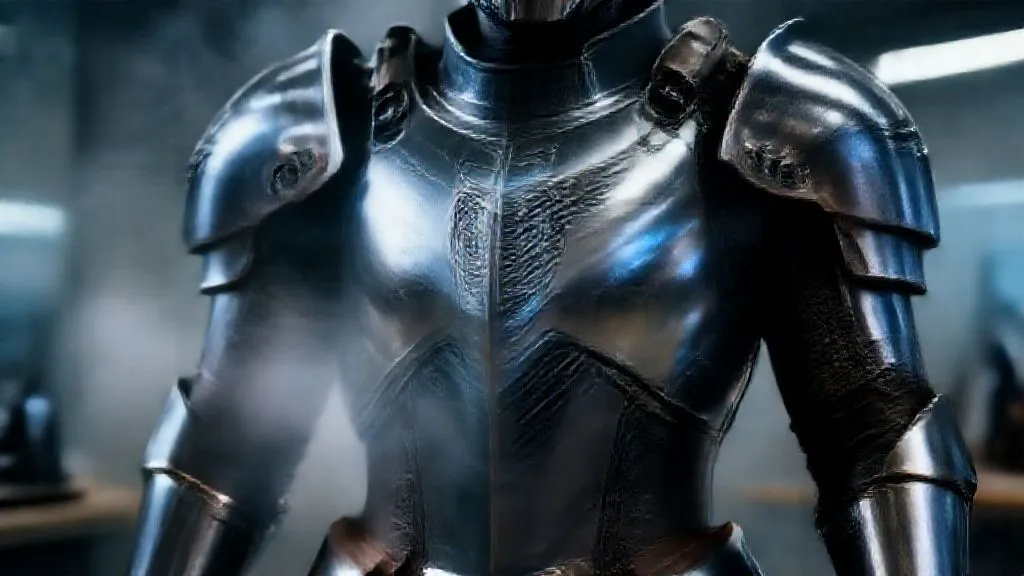
One technique I heavily rely on is **hollow construction**. Instead of solid forms, we build shells. For instance, a creature's head might be sculpted in clay, molded, and then cast in a lightweight resin, but the casting process is carefully controlled to create a hollow, thin-walled piece. Similarly, large limbs or armor pieces can be vacuum-formed from thin plastic sheets over a lightweight internal armature, rather than being sculpted from solid foam or resin.
Another powerful technique is **selective reinforcement**. Instead of uniformly thick and heavy sections, identify areas of high stress and reinforce *only* those areas with stronger, often lighter, materials like carbon fiber strips or strategically placed internal gussets. The rest of the structure can remain thinner and lighter. This 'smart' approach to strength saves significant weight. Precision cutting, often with CNC routers or laser cutters, also ensures minimal material waste and accurate, lightweight parts.
| Technique | Description | Weight Saving Impact | |
|---|---|---|---|
| Hollow Construction | Creating thin-walled shells instead of solid forms for volume. | High, reduces mass by 50-80% for large components. | |
| Selective Reinforcement | Targeting stress points with stronger, lighter materials like carbon fiber. | Moderate to High, optimizes strength without adding unnecessary bulk. | |
| Vacuum Forming | Shaping thin plastic sheets over molds to create lightweight shells. | High, ideal for armor and rigid outer surfaces. | |
| 3D Printing (Optimized) | Using lattice structures or hollow infills for complex geometries. | Moderate, allows for intricate, lightweight details. | |
| Precision Cutting (CNC/Laser) | Accurate cutting of materials to minimize waste and optimize part dimensions. | Low to Moderate, ensures efficiency and precise fit. | Also improves assembly speed. |
Integrated Support Systems: Beyond the Costume's Shell
The costume itself is only one part of the equation. For large-scale SFX creations, an often overlooked but crucial element is the integration of sophisticated internal support systems. These systems are designed to manage the costume's weight and transfer it effectively to the actor's body, independent of the outer aesthetic. I consider them the 'skeleton' or 'exoskeleton' within the costume.
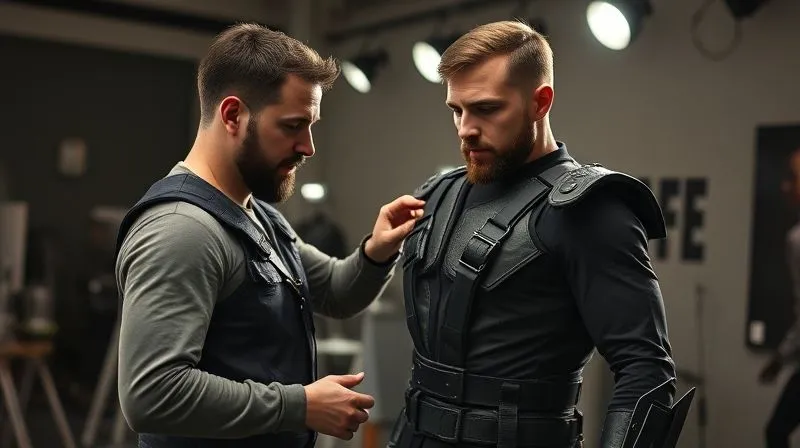
These systems can range from custom-molded chest and back plates to full-body harnesses constructed from durable, breathable webbing and rigid frames. The key is customization. No two actors are alike, and a generic harness will inevitably create pressure points and discomfort. I always advocate for a detailed fitting process where the internal support system is tailored to the actor's unique physique, ensuring even pressure distribution and maximum range of motion.
For costumes with significant appendages like wings or tails, specialized articulated rigs can be integrated. These rigs, often made of lightweight aluminum or carbon fiber, act as a secondary structure, taking the primary load of the appendage and transferring it to the actor's hips or shoulders, often via quick-release mechanisms. This not only reduces direct strain but also allows for more fluid, lifelike movement, enhancing the performance.
Furthermore, consider active support systems. While more complex, pneumatic or servo-driven systems can assist in lifting and articulating heavy costume elements, effectively reducing the perceived weight for the actor. These are typically reserved for the most extreme cases but represent the pinnacle of engineering for actor comfort. For more insights on the impact of physical demands on performers, you can refer to studies on performer biomechanics and injury prevention.
Ergonomics & Actor Collaboration: The Human Factor
In my experience, no amount of material science or engineering can fully compensate for neglecting the human element. Ergonomics – the science of designing equipment and environments to optimize human well-being and overall performance – is absolutely critical. This means designing the costume not just for its visual impact, but for how it interacts with the actor's body in motion.
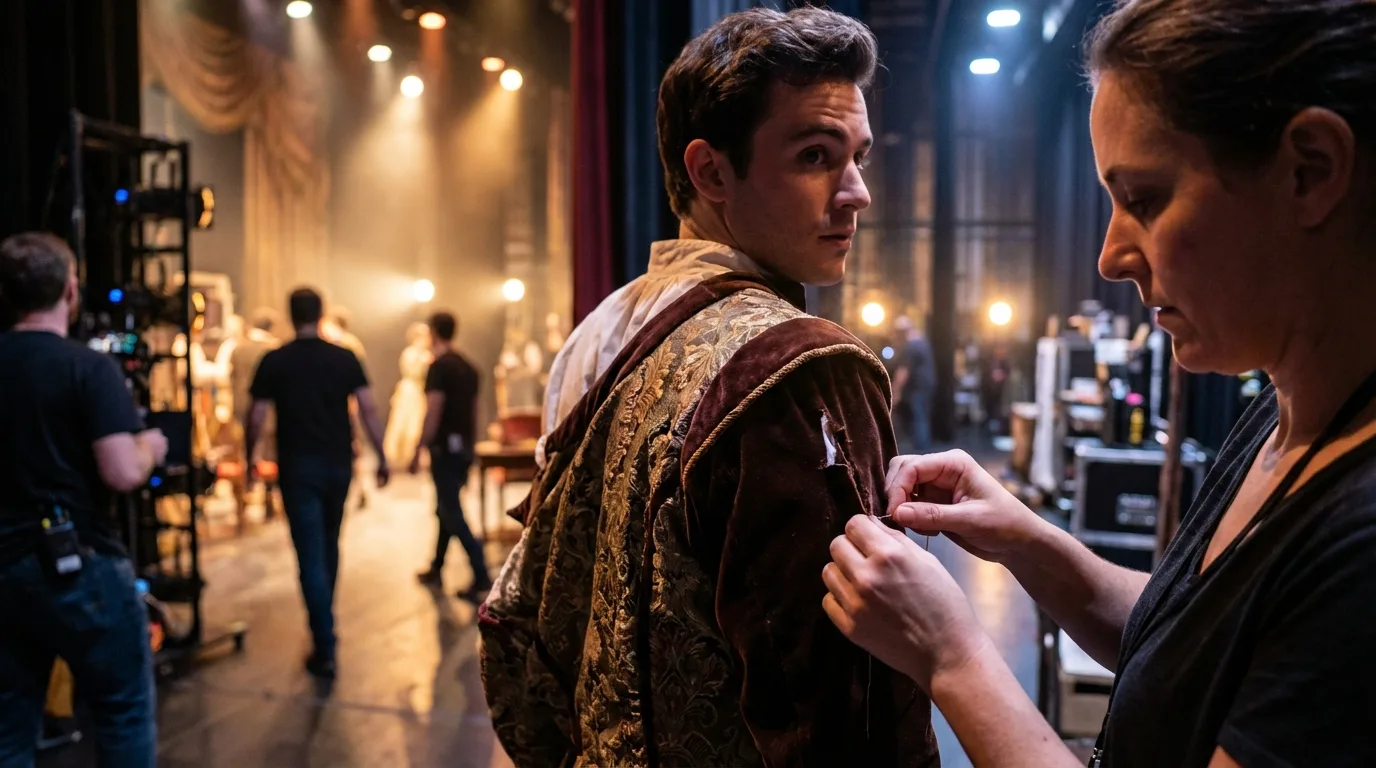
I always involve the actor as early as possible in the design and fitting process. Their feedback is invaluable. What feels heavy? Where are the pinch points? Does it restrict breathing? Can they achieve the required range of motion for their character? Ignoring these questions until the last minute is a recipe for disaster. Regular fittings, test runs, and open communication channels are non-negotiable.
"A costume is not just worn; it is performed in. Its design must facilitate, not hinder, the actor's performance."
Consider the actor's personal comfort needs: hydration systems, cooling vests, and even integrated communication systems can drastically improve endurance. A costume that allows for quick breaks, easy removal, or even a way to sit down without fully doffing it, can make a monumental difference over a long shoot. These seemingly small details contribute significantly to overall actor well-being and, consequently, the quality of their performance.
Maintenance & Longevity: Sustaining Comfort Over Time
Weight reduction isn't a one-time effort; it's an ongoing commitment that extends into the maintenance and longevity of the costume. A costume that starts light can quickly become heavy if not properly cared for or if repairs add unnecessary bulk. This is a lesson I've learned through many productions.
Regular inspection for wear and tear is crucial. Loose screws, worn padding, or damaged structural elements can shift weight distribution, creating new pressure points. When repairs are needed, it's vital to use the same lightweight materials and techniques employed in the original construction. Resist the temptation to patch with heavier, more readily available materials, as these cumulative additions can significantly increase the overall weight.
Furthermore, consider the environmental factors of the shoot. Heat, humidity, and water exposure can all impact material integrity and perceived weight. Designing for breathability and incorporating modular components that can be easily cleaned or replaced contributes to both the costume's lifespan and the actor's sustained comfort. For durable and comfortable costume construction, resources from institutions like the Costume Designers Guild often provide valuable professional insights.
Frequently Asked Questions (FAQ)
Q: Is it always possible to make a large-scale SFX costume truly lightweight? A: While 'truly lightweight' is relative to the scale, it's almost always possible to significantly reduce the perceived and actual weight, making it manageable for the actor. The goal isn't to make a massive creature costume weigh nothing, but to make it feel as light as possible for the performer, distributing its mass intelligently and using advanced materials. Compromises might be necessary between visual fidelity and absolute weight, but smart design minimizes these.
Q: What's the biggest mistake designers make when trying to reduce costume weight? A: The most common mistake is focusing solely on the outer shell's material without considering the internal support structure and weight distribution. A costume can be made from incredibly light materials, but if its mass is concentrated in awkward places or if it lacks a proper internal harness, it will still feel heavy and cumbersome to the actor. Neglecting actor feedback during fittings is also a critical error.
Q: How much extra budget should be allocated for lightweight materials and advanced fabrication? A: While some advanced materials (like carbon fiber) can be more expensive upfront, the long-term benefits in actor performance, safety, and reduced reshoots often justify the investment. I'd suggest allocating an additional 10-20% of the costume budget for R&D into material alternatives and specialized fabrication, especially for hero costumes that will see extensive use. This is a critical investment in production value.
Q: Can 3D printing replace traditional sculpting and casting for large SFX costume parts? A: 3D printing is a powerful tool, especially for intricate details and complex geometries, and it excels at creating lightweight, hollow structures. However, for very large, organic forms, traditional sculpting and molding followed by lightweight casting or vacuum forming can still be more cost-effective and efficient. The best approach often involves a hybrid, using 3D printing for specific components and traditional methods for others.
Q: What are the key considerations for actor safety when designing lightweight costumes? A: Beyond weight, ensure the costume allows for adequate ventilation, visibility, and emergency egress. All internal support systems must be smooth and padded to prevent chafing or pressure sores. Articulated joints should prevent pinching. Crucially, allow for hydration access and, for very enclosed costumes, integrate communication and cooling systems. Always prioritize the actor's physical well-being. Detailed safety guidelines can be found from organizations like SAG-AFTRA.
Key Takeaways and Final Thoughts
Mastering the art of how to minimize weight in large-scale SFX costumes for actor comfort is a blend of scientific understanding, creative problem-solving, and empathetic design. It's about respecting the performer's body while pushing the boundaries of visual spectacle. Here are the critical takeaways:
- Prioritize Biomechanics: Understand how weight affects the human body, focusing on load distribution to the strongest areas.
- Embrace Material Science: Leverage advanced lightweight composites, foams, and thermoplastics for significant weight reduction.
- Engineer Smart: Design internal support systems and harnesses that are custom-fitted and effectively transfer load.
- Fabricate Lean: Utilize hollow construction, selective reinforcement, and precision techniques to build lighter, stronger components.
- Collaborate with Actors: Involve performers early and often, valuing their feedback on comfort and mobility.
- Maintain Diligently: Ensure repairs and upkeep use lightweight methods to prevent cumulative weight gain.
The pursuit of incredible visual effects should never come at the expense of an actor's well-being or performance. By thoughtfully applying these strategies, you're not just building a costume; you're crafting an extension of the performer, enabling them to bring fantastical characters to life with authenticity, comfort, and enduring energy. The future of SFX costume design is light, strong, and deeply empathetic to the human beneath the magic. For further reading on advanced costume technology, consider exploring publications from academic institutions with strong fashion and design programs.
Recommended Reading
- Scaling Haute Couture: 7 Strategies to Preserve Artisan Quality
- Why Does Activewear Retain Odor? 7 Solutions for Freshness
- 7 Steps: How to Ethically Source Rare Materials for Haute Couture
- Ultimate Guide: Best Men's Skincare Routine for Sensitive Skin
- Verify True Sustainability in Vintage: 7 Steps for Ethical Sourcing

Your email address will not be published. Required fields are marked *