

Why does moisture-wicking activewear retain odor after washes?
For over 20 years in the activewear industry, I've had the privilege of witnessing incredible advancements in fabric technology. From cutting-edge moisture-wicking materials to revolutionary compression gear, the strides have been remarkable. Yet, despite all this innovation, one persistent and frustrating problem continues to plague activewear enthusiasts: that stubborn, lingering smell even after a thorough wash.
You’ve invested in high-performance gear designed to keep you dry and comfortable, only to find it developing an unpleasant stench that seems impossible to eradicate. This isn't just an inconvenience; it can undermine your confidence, shorten the lifespan of your expensive apparel, and frankly, make you question your laundry skills. It's a widespread issue, and you're certainly not alone in asking, 'Why does moisture-wicking activewear retain odor after washes?'
As an industry veteran and a keen observer of textile science, I've delved deep into this pervasive problem. In this definitive guide, I’ll pull back the curtain on the science behind the stink, expose common washing mistakes, and equip you with a comprehensive, actionable framework to banish odors for good. You'll gain expert insights, proven techniques, and the knowledge to keep your activewear performing and smelling fresh, workout after workout.
The Science of Stink: Why Synthetics Are Susceptible
To truly solve a problem, you must first understand its root cause. The very properties that make your activewear high-performing also make it a prime breeding ground for odor-causing culprits.
The Bacterial Feast: Microbes & Sweat
Your sweat itself is largely odorless. The real problem begins when bacteria, naturally present on your skin, break down the compounds in your sweat. These compounds include lipids, proteins, and fatty acids, which become a veritable feast for certain microbes. Specifically, studies have highlighted the role of bacteria like *Micrococcus* spp. and *Staphylococcus* spp. in producing the volatile organic compounds responsible for that tell-tale gym smell.
Synthetic fibers like polyester, nylon, and spandex are hydrophobic, meaning they repel water. While this is great for wicking moisture away from your skin, it also means these fibers don't readily absorb water, and more importantly, they don't easily release the oils and sweat residues that bacteria love. These compounds get trapped within the intricate structure of the synthetic fibers, creating a perfect, warm, and moist microenvironment for bacterial proliferation.
Fabric Structure & Odor Trapping
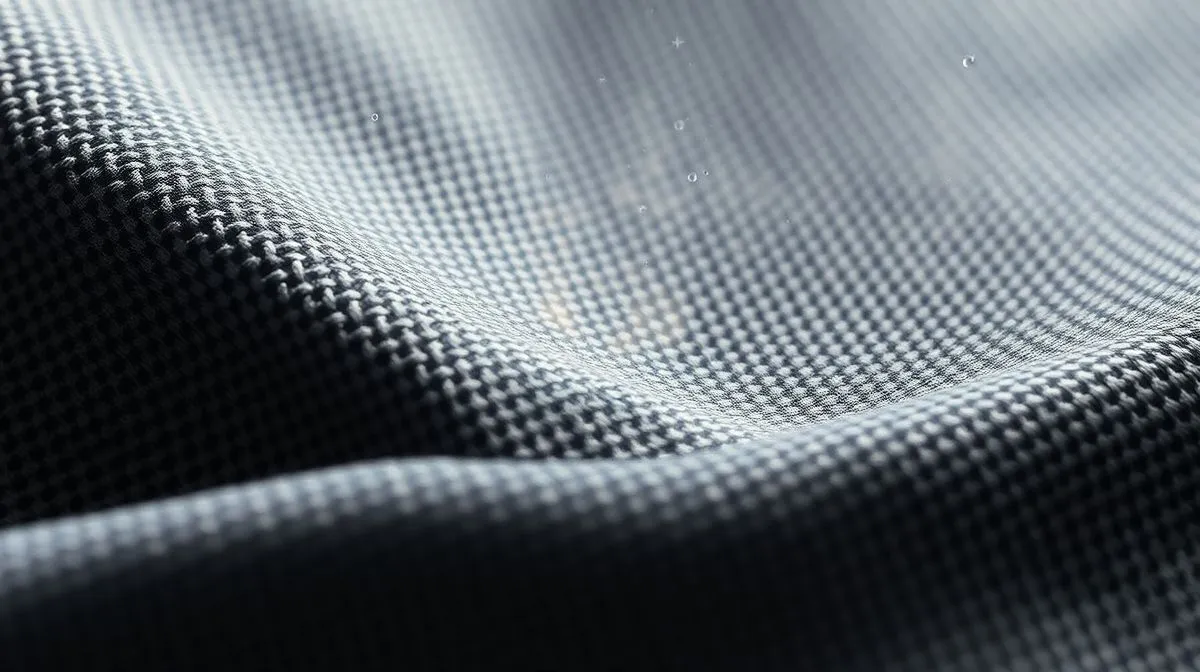
Beyond the chemical composition, the physical structure of synthetic activewear plays a significant role. Many performance fabrics feature tightly woven or knitted structures, designed for durability and flexibility. While beneficial for performance, these dense constructions offer countless microscopic nooks and crannies where bacteria can hide and multiply, shielded from the cleaning action of detergents and water during a wash cycle.
Think of it like a densely populated city with narrow alleyways. It's easy for things to get stuck and harder for the clean-up crew to reach every corner. This is why even after a wash, enough bacteria and their byproducts can remain embedded within the fibers to reactivate and produce odor once the garment becomes damp again.
Expert Insight: "The paradox of performance fabrics is that their exceptional moisture-wicking abilities can inadvertently create ideal conditions for odor-causing bacteria to thrive, making odor retention a persistent challenge."
Common Laundry Mistakes That Make Odor Worse
Often, the problem isn't just the fabric; it's how we care for it. Many common laundry habits, while fine for cotton, are detrimental to synthetic activewear and actively contribute to that lingering stench.
Overloading the Machine & Detergent Misuse
One of the most frequent errors I've observed is simply cramming too many items into the washing machine. An overloaded machine prevents adequate water circulation and detergent distribution. This means your activewear isn't getting thoroughly rinsed, leaving behind sweat residues and detergent film that feed bacteria.
Equally problematic is the misuse of detergent. Using too much can lead to residue buildup, while using too little won't effectively clean the garments. Always follow the detergent manufacturer's recommendations, adjusting for load size and water hardness.
The Hot Water Myth & Fabric Damage
It's a common misconception that hot water is necessary to kill bacteria and remove odors. While hot water can be effective for some fabrics, it's often counterproductive for activewear. High temperatures can actually 'bake in' odors, bonding the sweat compounds more firmly to the synthetic fibers. Moreover, hot water can damage the delicate elastic fibers (like spandex) that give activewear its stretch and shape, leading to premature wear and reduced performance.
Fabric Softeners: A Hidden Enemy
This is a big one. Fabric softeners might make your towels feel fluffy, but they are an absolute no-go for activewear. Fabric softeners work by coating fibers with a waxy or oily residue to make them feel softer. On activewear, this coating does several things:
- Traps Odors: It creates a barrier that locks in odor-causing bacteria and sweat residues, making them harder to wash out.
- Reduces Wicking: It clogs the microscopic pores of the fabric, severely impairing its moisture-wicking capabilities.
- Damages Elasticity: Over time, it can break down the elastic fibers, leading to stretched-out, saggy garments.
Pre-Wash Treatments: Your First Line of Defense
Prevention and pre-treatment are key to breaking the odor cycle. Don't just toss your sweaty gear directly into the wash. A little proactive care goes a long way.
The Vinegar Soak Method
White distilled vinegar is a powerful, natural odor neutralizer. Its acetic acid helps to break down the oils and residues that trap bacteria.
- Fill a Basin: Add one cup of white distilled vinegar to a basin or clean sink filled with cool water.
- Soak Garments: Submerge your activewear completely.
- Soak Time: Let them soak for 30 minutes to an hour, or even overnight for stubborn odors.
- Wring & Wash: Wring out excess water and then proceed with your regular wash cycle.
Baking Soda Power
Baking soda (sodium bicarbonate) is another excellent natural deodorizer. Its alkaline properties help to neutralize acidic odors and absorb smells.
- Pre-Soak Option: Add half a cup of baking soda to a basin of cool water and soak garments for 30-60 minutes.
- In-Wash Boost: For an extra boost, add half a cup of baking soda directly to your washing machine drum along with your detergent.
Enzyme Cleaners: Targeting the Source
For truly persistent odors, an enzyme-based activewear detergent or pre-soak is highly effective. These specialized cleaners contain enzymes (like protease, amylase, and lipase) that are designed to break down the specific organic compounds (proteins, starches, fats) found in sweat and body oils that bacteria feed on. They don't just mask odors; they dismantle the source.
Authoritative Quote: "According to the American Cleaning Institute, enzyme-based detergents are particularly effective at removing protein-based stains and odors, making them ideal for athletic wear." [Source: American Cleaning Institute]
Optimizing Your Wash Cycle for Odor Elimination
Once pre-treated, the actual wash cycle needs to be tailored for activewear's unique needs. This is where many people slip up.
The Right Detergent: Sport-Specific vs. Regular
While regular detergents can clean, sport-specific detergents are formulated with enzymes and surfactants optimized to tackle sweat, body oils, and the specific bacteria that thrive on synthetic fibers. They often rinse cleaner, leaving less residue.
Washing Temperature & Cycle Selection
Always wash activewear in cold water. As I mentioned, hot water can set odors and damage fibers. Use a gentle cycle or the 'sportswear' setting if your machine has one. This minimizes agitation, protecting the integrity of the fabric and its performance features.
Case Study: Sarah's Stinky Yoga Pants Transformation
Sarah, a dedicated yogi, was constantly frustrated that her high-quality yoga pants would develop a distinct, stale odor shortly after she started sweating, even though she washed them diligently. She used hot water, tossed them in with her regular clothes, and always added fabric softener for a 'fresh' feel.
After discovering the insights I've shared, Sarah completely overhauled her laundry routine. She started by pre-soaking her yoga pants in a vinegar solution for 30 minutes immediately after her workout. She then washed them in cold water on a gentle cycle, using a sport-specific detergent and absolutely no fabric softener. She also made sure not to overload her machine.
The results were transformative. Her yoga pants, previously a source of embarrassment, now remained fresh throughout her practice. Not only did the odor vanish, but she also noticed the fabric felt less 'clogged' and performed its wicking function more effectively. This simple shift not only saved her money on replacing prematurely stinky activewear but also significantly enhanced her workout experience.
Drying Done Right: Preventing Re-Contamination
The drying process is just as crucial as the washing, yet it's often overlooked. Improper drying can re-introduce or lock in odors.
Air Drying is Your Best Friend
The high heat of a tumble dryer is the enemy of activewear. Like hot water, high heat can 'bake in' any remaining odors, making them incredibly difficult to remove later. More importantly, it can degrade the elastic fibers (spandex, Lycra) that give activewear its stretch and shape, leading to premature wear and tear.
- Hang Immediately: As soon as the wash cycle is done, remove your activewear from the machine.
- Hang Dry: Hang garments on a line or a drying rack in a well-ventilated area. Avoid direct sunlight for extended periods, as UV can degrade some dyes and fabrics over time.
- Ensure Full Dryness: Make sure garments are completely dry before storing them. Even slight dampness can lead to mildew and a musty smell.
Avoiding Humid Environments
Do not leave damp activewear crumpled in a hamper, gym bag, or even sitting in the washing machine. This creates a warm, moist environment – a perfect incubator for bacteria and mold to flourish, rapidly leading to new odors. If you can't wash immediately, at least hang the items up to air out.
Beyond the Wash: Storage & Maintenance Tips
Your laundry routine is pivotal, but ongoing habits also contribute to odor management and garment longevity.
Prompt Washing is Key
The longer sweaty activewear sits, the more time bacteria have to multiply and embed themselves into the fibers. I always advise clients to wash their activewear as soon as possible after a workout. If you can't do a full wash, at least rinse the items under cold water and hang them to dry before placing them in the hamper.
Ventilation in Your Hamper
Avoid throwing sweaty clothes into a sealed plastic bag or a non-ventilated hamper. This traps moisture and creates a breeding ground for bacteria and mold. Opt for a mesh hamper or one with plenty of airflow.
When to Say Goodbye: Fabric Fatigue
Unfortunately, activewear doesn't last forever. Over time, through repeated washes, wear, and exposure to sweat and body oils, the fabric fibers can break down. When this happens, they lose their structural integrity and their ability to release odors, becoming permanently impregnated with smells. If, despite all your best efforts, a garment consistently smells, it might be time to retire it. This is a natural part of its lifecycle. [Source: The New York Times Wirecutter]
Advanced Solutions & Innovations
The industry is constantly evolving, and new technologies are emerging to combat odor in activewear.
Antimicrobial Fabrics: A Glimpse into the Future
Many newer activewear garments incorporate antimicrobial technologies. These fabrics are treated or woven with substances like silver ions, zinc pyrithione, or chitosan, which inhibit the growth of odor-causing bacteria. While not a complete solution on their own, they offer an additional layer of defense against odor. It's worth noting that the effectiveness and longevity of these treatments can vary.
Ozone Sanitizers & UV Light
For those truly struggling with severe, embedded odors or who want an extra layer of sanitization, devices like ozone generators or UV-C light sanitizers can be considered. Ozone is a powerful oxidizer that can neutralize odors and kill bacteria, while UV-C light effectively destroys microorganisms. These are typically used as supplementary treatments and require careful adherence to safety guidelines. [Source: National Institutes of Health study on UV-C effectiveness]
Frequently Asked Questions (FAQ)
Question: Can I use bleach on activewear to kill bacteria and odors? No, absolutely not. Bleach is extremely harsh and will damage the synthetic fibers, particularly spandex, leading to rapid degradation, loss of elasticity, and discoloration. It can also react with sweat residues to create even more unpleasant smells. Stick to vinegar or enzyme cleaners.
Question: How often should I wash my activewear? Ideally, you should wash activewear after every single use. Even if it feels like you didn't sweat much, bacteria will begin to proliferate on the fabric. Prompt washing prevents odors from setting in and extends the life of your garments.
Question: Do more expensive activewear brands smell less or resist odor better? Not necessarily. While higher-quality brands may use better construction and sometimes incorporate antimicrobial technologies, the underlying synthetic materials are still susceptible to odor. Proper care is paramount, regardless of the brand's price tag. Some premium brands, however, invest more in durable antimicrobial treatments.
Question: What about natural fibers like merino wool? Do they retain odor like synthetics? Merino wool is naturally odor-resistant due to its complex fiber structure and moisture-wicking properties, which make it less hospitable for bacteria. It also has a natural ability to trap odor molecules. While it can still develop an odor over time, it typically resists it far better and longer than synthetic fibers, often requiring less frequent washing.
Question: Why does my activewear smell fine when dry, but bad when it gets wet again? This is a classic sign of deeply embedded bacteria and their metabolic byproducts. When the fabric is dry, these compounds are dormant or less volatile. However, when the fabric gets wet (either from sweat or washing), the moisture reactivates the bacteria or causes the trapped odor molecules to become volatile again, releasing the stench. This indicates that your washing routine isn't fully removing the root cause of the odor.
Recommended Reading
- 7 Smart Strategies: Prevent Historical Inaccuracy in Low-Budget Costumes
- The Ultimate Guide: Repairing Small Tears in Cashmere Gloves Yourself
- AR Virtual Fitting Rooms: How Do They Work? The Ultimate Guide
- 5 Steps: What to Do When a Sustainable Supplier Violates Labor Codes?
- Unlocking Time: How to Identify Authentic Retro Clothing Eras Like a Pro
Key Takeaways and Final Thoughts
- Understand the Enemy: Odor in activewear is primarily caused by bacteria breaking down sweat compounds on synthetic fibers.
- Avoid Common Pitfalls: Steer clear of hot water, fabric softeners, and overloading your washing machine.
- Pre-Treat & Optimize: Use white vinegar or baking soda pre-soaks, and opt for cold water and sport-specific detergents.
- Air Dry Religiously: High heat is detrimental to both odor removal and fabric longevity.
- Be Proactive: Wash activewear immediately after use and ensure proper ventilation during storage.
- Consider Innovations: Explore antimicrobial fabrics or advanced sanitizers for extra defense.
The frustration of asking 'Why does moisture-wicking activewear retain odor after washes?' is real, and it’s a question I’ve heard countless times throughout my career. But as I've shown, with a little scientific understanding and a few targeted adjustments to your laundry routine, you can reclaim the freshness of your favorite gear. By implementing these expert strategies, you're not just solving a laundry problem; you're preserving your investment, enhancing your comfort, and ensuring your activewear performs as brilliantly as you do. Keep pushing your limits, and let your gear support you, not stink up your closet!

Your email address will not be published. Required fields are marked *