


How to Project Executive Authority Through Style Without Looking Dated?
For over two decades in the nuanced world of menswear, particularly in advising high-level professionals, I've observed a recurring dilemma: the aspiration to command respect through appearance often clashes with the fear of appearing antiquated. Many executives, eager to project gravitas and leadership, inadvertently fall into sartorial traps, clinging to outdated styles that whisper "yesteryear" rather than "visionary leader." It's a fine line between timeless elegance and becoming a relic.
The core problem isn't a lack of effort, but often a misunderstanding of what truly constitutes modern executive style. There's a persistent myth that authority demands a rigid, traditional uniform, leading to choices that, while once appropriate, now make one seem out of touch. This disconnect can subtly undermine confidence, impact first impressions, and even hinder career progression in an increasingly dynamic business landscape where perception is paramount.
In this comprehensive guide, I will share the distilled wisdom from my years of experience, providing you with a definitive framework to master your professional image. We'll explore actionable strategies, backed by insights into modern aesthetics and psychological impact, ensuring you learn precisely how to project executive authority through style without looking dated. Expect practical advice, real-world examples, and a strategic blueprint to elevate your presence authentically and powerfully.
The Foundation: Understanding Modern Executive Aesthetics
Modern executive aesthetics are less about flashy trends and more about refined subtlety, precision, and a deep understanding of fit and proportion. It's an evolution from the rigid power suits of the 80s and 90s to a more fluid, yet equally commanding, approach. The goal is to convey competence, trustworthiness, and forward-thinking leadership without appearing ostentatious or stuck in a bygone era.
I've seen countless leaders make the mistake of equating 'expensive' with 'authoritative.' While quality matters, true authority in style stems from intentionality and a keen eye for detail. It's about coherence, making every element of your outfit work in harmony to tell a story of quiet confidence and capability. This means prioritizing garments that offer versatility and longevity, rather than chasing fleeting fashion fads.
"True executive authority in style isn't shouted; it's quietly observed. It's the subtle details that convey competence and a forward-thinking mindset, not the loudest label."
Consider the psychological impact of your clothing. Studies, such as those often cited in publications like Harvard Business Review, consistently show that how we dress influences how others perceive our intelligence, trustworthiness, and leadership potential. A well-dressed individual is often perceived as more organized, disciplined, and capable of handling complex challenges. This isn't vanity; it's strategic communication.
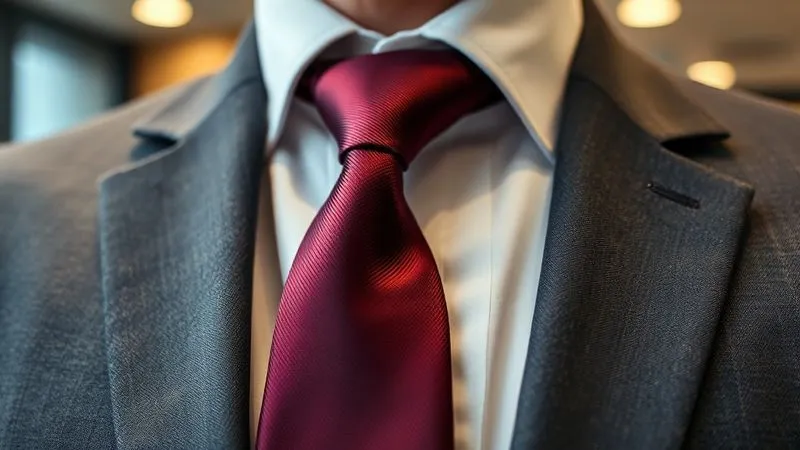
The Power of the Tailored Silhouette: Fit is King (and Modern)
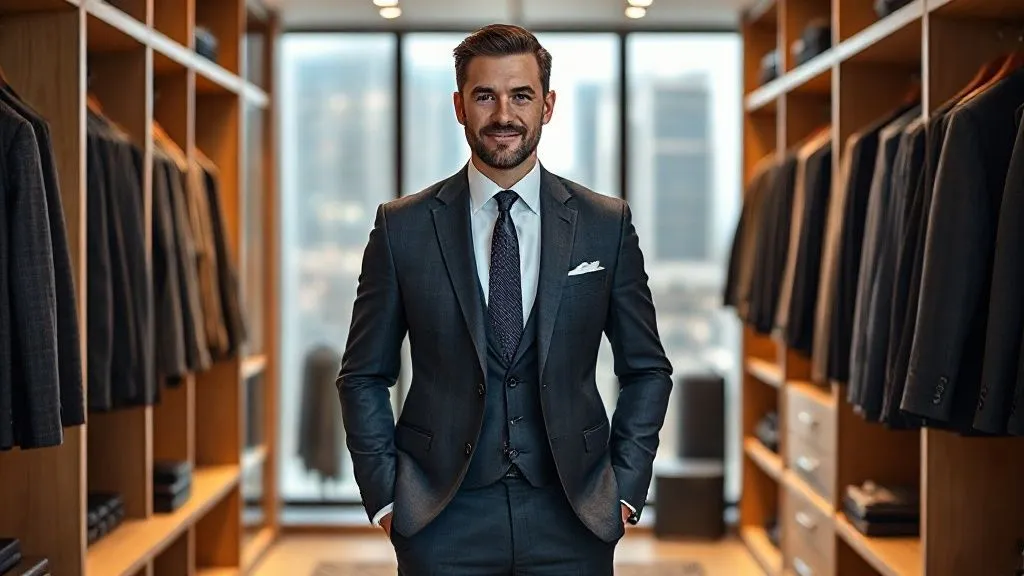
If there's one non-negotiable rule for projecting modern executive authority, it's fit. An ill-fitting garment, no matter how expensive, instantly undermines your presence. Conversely, a perfectly tailored suit or jacket can elevate even a modest ensemble. The modern silhouette is trim but not tight, allowing for ease of movement while accentuating your natural lines.
I often tell my clients that a good tailor is your most valuable business partner. Off-the-rack clothing is designed for the average, but you are not average. A tailor can adjust sleeve lengths, pant breaks, jacket waists, and shoulder seams to create a bespoke feel that communicates precision and attention to detail – qualities highly valued in leadership. This meticulous approach is key to knowing how to project executive authority through style without looking dated.
Key Tailoring Adjustments for a Modern Look:
- Jacket Length: Should cover your seat but not extend too far down your thighs. A modern jacket is slightly shorter than traditional styles, but never cropped.
- Sleeve Length: When standing with arms relaxed, your jacket sleeve should end just where your wrist meets your hand, allowing about a quarter to half-inch of shirt cuff to show.
- Shoulders: The shoulder seam should sit precisely at the edge of your natural shoulder. No wrinkles or divots.
- Trouser Break: Opt for a "no break" or "slight break" – meaning the hem of your trousers barely touches or gently creases the top of your shoes. This creates a longer, leaner, and more contemporary line.
- Waist Suppression: A jacket should gently taper at the waist, creating a subtle V-shape that enhances your physique without being restrictive.
These seemingly small adjustments make an enormous difference in how a garment hangs and, crucially, how you carry yourself. They transform clothing from something you wear into an extension of your professional persona.
Color, Fabric, and Pattern: Subtle Statements of Sophistication
The palette of the modern executive is sophisticated and understated. While classic colors like navy, charcoal, and grey remain foundational, it’s the nuanced shades and textures that truly differentiate. Avoid overly bright or trendy colors for primary garments; instead, use them sparingly in accessories.
Choosing Your Core Wardrobe Colors:
- Navy: Versatile, approachable yet authoritative. A deep, rich navy is often more modern than a stark black.
- Charcoal Grey: Imparts seriousness and gravitas without the starkness of black. Excellent for formal settings.
- Mid-Grey: Lighter and more flexible, suitable for less formal business environments or warmer climates.
- Earthy Tones: Olives, deep browns, and subtle tans can be incorporated into blazers, trousers, or knitwear for a refined, contemporary touch, especially in smart casual settings.
Fabric choice is equally critical. High-quality wools (super 110s-130s), cashmere blends, and fine cottons offer superior drape, comfort, and longevity. Look for subtle textures like birdseye, sharkskin, or a fine herringbone – these add depth and visual interest without being distracting. Avoid overly shiny or synthetic-looking fabrics, which can cheapen an otherwise good outfit.
| Color | Impact | Modern Use |
|---|---|---|
| Navy | Versatile, approachable, authoritative | Core suit, blazer, trousers, knitwear |
| Charcoal Grey | Serious, gravitas, formal | Core suit, formal trousers |
| Mid-Grey | Flexible, approachable, lighter | Blazer, less formal suit, trousers |
| Earthy Tones | Refined, contemporary, relaxed authority | Smart casual blazer, chinos, knitwear |
When it comes to patterns, less is often more. Subtle pinstripes, windowpanes, or checks can add personality, but ensure they are refined and not overwhelming. A good rule of thumb: if you can spot the pattern from across a large room, it might be too bold for consistent executive wear. The goal is sophistication, not distraction, especially when considering how to project executive authority through style without looking dated.
The Art of Accessorizing: Details That Define Authority
Accessories are where your personal style truly shines, and where you can subtly reinforce your authority without resorting to dated clichés. Think of them as punctuation marks for your outfit. The right accessories elevate, while the wrong ones detract.
Essential Executive Accessories:
- Watches: A classic, understated timepiece (leather strap or metal bracelet) speaks volumes about your appreciation for time and precision. Avoid overly flashy or oversized watches.
- Ties: Silk ties in solid colors, subtle patterns (e.g., repp stripe, small foulard), or fine textures are always appropriate. The width should be proportionate to your lapel. A modern tie is typically 2.75 to 3.25 inches wide.
- Pocket Squares: A folded pocket square, ideally in silk or linen, adds a touch of panache. It doesn't need to perfectly match your tie; complementary colors or patterns are often more sophisticated.
- Belts & Shoes: Always match your belt leather to your shoe leather. Invest in high-quality leather shoes – Oxfords, Derbies, or well-polished loafers are excellent choices. Keep them clean and well-maintained.
- Cufflinks: For formal shirts, choose elegant, understated cufflinks. Silver, gold, or mother-of-pearl are timeless.
I've seen executives inadvertently undermine their look with novelty ties or worn-out shoes. These small details are often the first things noticed by discerning eyes. They signal whether you pay attention to detail in all aspects of your life, including your presentation.
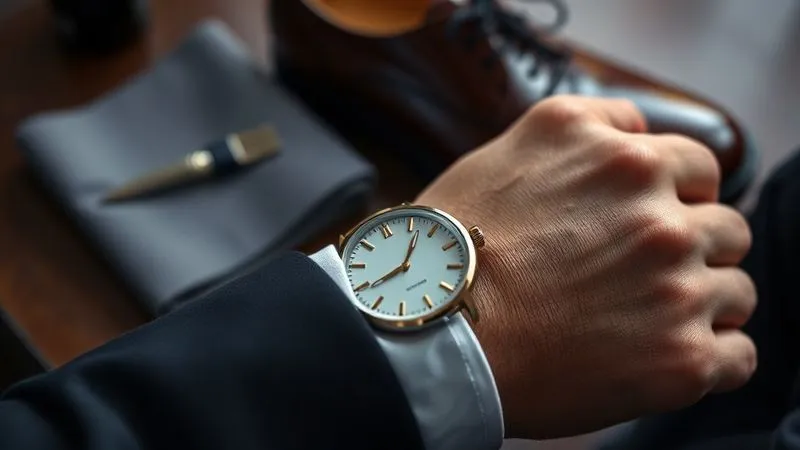
Grooming & Posture: The Unspoken Pillars of Presence
No discussion of executive style is complete without addressing grooming and posture. These are the invisible garments that underpin every outfit, and frankly, they can make or break your ability to project authority. An impeccable suit loses its impact if worn by someone with unkempt hair or a slouching demeanor.
Hair: Keep it neat, well-trimmed, and styled appropriately for your face shape and professional environment. Consult a good barber regularly. Avoid extreme styles or colors that might distract from your message. Facial Hair: If you wear a beard or mustache, ensure it is meticulously groomed, trimmed, and clean. A scruffy beard can convey sloppiness rather than rugged charm in a professional context.
Skin & Hands: Pay attention to basic skincare. A clean, healthy complexion contributes to a vibrant, energetic appearance. Keep your nails trimmed and clean. These small details convey self-care and attention to personal maintenance, which translates to professional diligence.
Posture: Stand tall, shoulders back, head held high. Good posture not only makes your clothes hang better but also immediately communicates confidence, strength, and presence. It's a non-verbal cue that you are ready to lead and take charge. As marketing guru Seth Godin often says, "How you do anything is how you do everything." Your posture is a testament to your overall approach.
These elements are often overlooked, yet they are fundamental to how to project executive authority through style without looking dated. They are the ultimate personal branding tools, always with you, always communicating.
Beyond the Suit: Smart Casual Authority
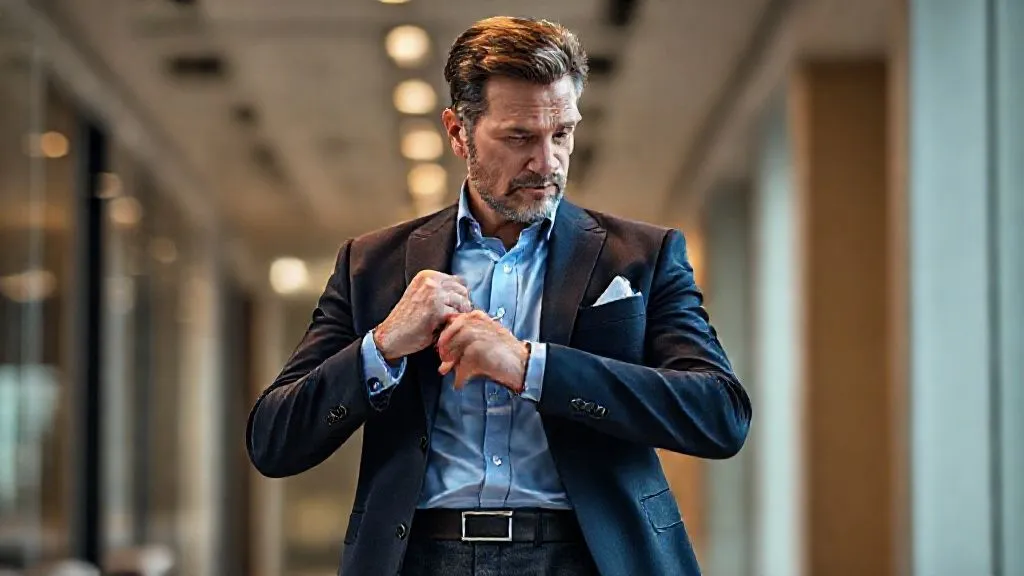
The modern executive environment is increasingly flexible, and your style needs to adapt. "Smart casual" doesn't mean "sloppy." It means intentional, polished casual wear that maintains a sense of authority. This is where many executives falter, confusing comfort with a complete abandonment of sartorial standards.
Mastering Smart Casual:
- Blazers & Sport Coats: Essential. A well-fitting navy or grey sport coat instantly elevates chinos, dark jeans, or tailored trousers. Look for interesting textures like hopsack, tweed, or flannel for added depth.
- Shirts: Collared shirts are still king. Think crisp button-downs, refined polo shirts (especially knitted ones), or even well-fitting denim shirts. Avoid t-shirts unless layered under a blazer in a truly casual, creative environment.
- Trousers: Chinos in versatile colors (khaki, navy, olive, grey) are excellent. Dark, well-fitting, clean jeans (without rips or excessive fading) can also work in appropriate settings. Avoid cargo pants or overly casual shorts.
- Knitwear: Fine-gauge merino wool or cashmere sweaters (crew neck, V-neck, cardigans) can be layered over shirts or worn alone for a sophisticated, comfortable look.
- Footwear: Loafers, Chelsea boots, dress sneakers (clean, minimalist leather), or chukka boots are ideal. Again, quality and cleanliness are paramount.
The key to smart casual authority is maintaining a sense of intentionality. Every item should look chosen, not just thrown on. It's about combining comfort with polish, ensuring that even in a relaxed setting, you still convey your leadership presence. This adaptability is crucial for how to project executive authority through style without looking dated in today's diverse workplaces.
The Digital Executive: Style for the Virtual Stage
In our increasingly remote and hybrid work environments, your style on camera is just as important as in person. The virtual stage presents unique challenges and opportunities for projecting executive authority. What works in a boardroom might be lost or even distracting on a video call.
Optimizing Your Virtual Presence:
- Upper Body Focus: While you should always be fully dressed (just in case you need to stand up!), the focus is on your torso, neck, and head. Invest in quality shirts, blazers, and knitwear that are camera-friendly.
- Color & Contrast: Opt for solid, rich colors that contrast well with your skin tone and background. Avoid busy patterns, which can strobe on camera, and very light colors that might wash you out.
- Background Matters: Ensure your background is tidy, professional, and uncluttered. A simple bookshelf, a clean wall, or a tasteful piece of art can enhance your professionalism. Avoid distracting elements.
- Lighting: Good lighting is paramount. Position yourself facing a window or use a ring light to illuminate your face evenly. Avoid overhead lighting that casts harsh shadows.
- Grooming (Still Key): Your hair, facial hair, and general neatness are even more magnified on camera. Ensure you look as polished as you would in person.
I’ve witnessed countless virtual meetings where a leader’s message was diluted by poor lighting or a distracting outfit. Remember, your virtual presence is often the first, and sometimes only, impression you make on colleagues, clients, and partners. Mastering this aspect is fundamental to how to project executive authority through style without looking dated in the digital age.
Case Study: How Apex Solutions Redefined Virtual Authority
Apex Solutions, a global consulting firm, faced challenges with their senior leadership's virtual presence during the pandemic. Despite their expertise, some leaders appeared less authoritative on camera due to casual attire and poor technical setups. By implementing a firm-wide "Virtual Presence Playbook," which included guidelines on camera-appropriate attire (solid blazers, crisp shirts), optimized lighting, and professional backgrounds, they saw a significant shift. Client feedback improved, internal team confidence rose, and their virtual meetings became more impactful. This strategic focus on visual communication reinforced their executive authority in a purely digital realm.
Curating Your Executive Wardrobe: A Strategic Approach
Building an executive wardrobe isn't about accumulating clothes; it's about curating a versatile, high-quality collection that consistently supports your professional goals. Think of it as an investment in your personal brand. A strategic approach ensures you have the right pieces for every occasion, minimizing decision fatigue and maximizing impact.
Steps to Curate a Modern Executive Wardrobe:
- Audit Your Current Wardrobe: Honestly assess what you have. What fits well? What's outdated? What's missing? Be ruthless in culling items that no longer serve your image.
- Define Your Style Persona: Consider your industry, company culture, and personal brand. Are you a traditional leader, an innovative disruptor, or something in between? Your style should align with this.
- Invest in Core Staples: Focus on foundational pieces first: two to three well-tailored suits (navy, charcoal), several high-quality blazers, crisp dress shirts (white, light blue), versatile trousers, and excellent shoes.
- Embrace Versatility: Choose pieces that can be mixed and matched across different levels of formality. A navy blazer, for instance, works with suit trousers, chinos, or dark jeans.
- Prioritize Quality Over Quantity: A smaller wardrobe of high-quality, well-fitting garments will always project more authority and sophistication than a large collection of mediocre items.
- Regular Maintenance: Just as you maintain your professional skills, maintain your wardrobe. Regular dry cleaning, shoe shining, and minor repairs extend the life and impact of your clothing.
Remember, your wardrobe is a tool. When wielded strategically, it can significantly enhance your ability to communicate competence, confidence, and leadership. It's an ongoing process of refinement and adaptation, ensuring you consistently know how to project executive authority through style without looking dated.
"Your personal style is a continuous conversation. It speaks volumes before you utter a single word, shaping perceptions and influencing outcomes in every professional interaction."
Frequently Asked Questions (FAQ)
Q: Is it necessary to wear a full suit every day to project executive authority? A: Absolutely not. The modern executive landscape is far more nuanced. While a suit remains essential for formal meetings and specific industries, smart casual attire, often involving a blazer, tailored trousers, and a collared shirt, is perfectly acceptable and often preferred for daily wear. The key is intentionality and polish in your choices, ensuring every piece fits perfectly and is of good quality.
Q: How can I incorporate personal style without undermining my authority or looking unprofessional? A: Personal style should be expressed through subtle refinements rather than overt statements. Think about unique tie patterns, interesting pocket squares, a distinctive watch, or a textured blazer. These elements add personality without detracting from your professional image. The goal is to be memorable for your refined taste, not for being eccentric.
Q: What are the biggest mistakes executives make when trying to dress for authority? A: In my experience, the biggest mistakes are ill-fitting clothes, neglecting grooming, wearing outdated items (e.g., baggy suits, overly wide ties), choosing low-quality fabrics, and failing to adapt to the specific context (e.g., wearing a full suit to a casual team building event). These errors signal a lack of attention to detail and can inadvertently diminish perceived competence.
Q: How do I balance comfort with executive style, especially for long days or travel? A: Modern menswear offers excellent solutions for comfort without compromising style. Look for suits and blazers made from performance wools or stretch fabrics that resist wrinkles and allow movement. Invest in high-quality, breathable shirts. For travel, layering is key, and pack items that are versatile and wrinkle-resistant. Comfort should never be an excuse for sloppiness; it should be a design consideration.
Q: Are there any specific brands you recommend for building an executive wardrobe? A: While I don't endorse specific brands directly, I always advise clients to focus on brands known for quality construction, natural fabrics, and a classic-contemporary aesthetic. Look for brands that offer excellent tailoring services or have a strong reputation for fit. Mid-to-high range brands often provide the best value in terms of durability and style. It's about finding what fits your body and your budget while adhering to the principles of quality and fit we've discussed.
Key Takeaways and Final Thoughts
- Fit is Paramount: Invest in tailoring. It transforms your wardrobe and your presence.
- Quality Over Quantity: Fewer, better items make a stronger statement.
- Subtlety is Sophistication: Avoid overt flashiness; let details and refinement speak.
- Grooming and Posture: These 'invisible garments' are foundational to authority.
- Adaptability is Key: Master both formal and smart casual, and don't forget your virtual presence.
- Strategic Accessorizing: Use accessories to add personality and polish without distraction.
Mastering how to project executive authority through style without looking dated is an ongoing journey of awareness and refinement. It's not about adhering to rigid rules, but understanding principles that transcend fleeting trends. By focusing on impeccable fit, quality fabrics, thoughtful accessories, and impeccable grooming, you craft an image that is both commanding and contemporary. Your style is a powerful, non-verbal communication tool; wield it with intention, and you will undoubtedly elevate your presence, influence, and impact in every professional sphere. Embrace this strategic approach, and step forward with confidence, knowing your style truly reflects the visionary leader you are.
Recommended Reading
- 7 Pillars: How Clean Beauty Brands Can Dodge Greenwashing Accusations
- Preserve History: 7 Steps to Safely Restore Fragile Pre-1920s Textiles
- Cracking the Code: How to Consistently Acquire Profitable Hypebeast Drops
- 7 Design Features: Preventing Rapid Wear in Kids' Everyday Apparel
- Crafting Stability: How to Secure Large Wearable Art for Performance



Your email address will not be published. Required fields are marked *