

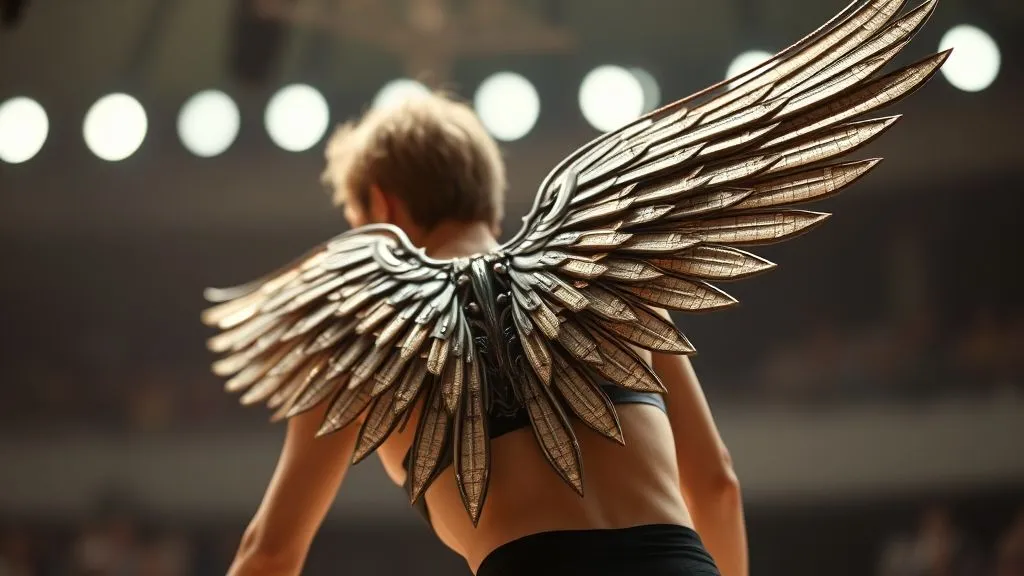
How to Stabilize Large Wearable Art for Active Performance?
For over two decades in costume design and wearable art, I've witnessed the exhilarating moment a piece comes alive on stage, and the heartbreaking instant when an unstable element threatens to derail it all. The vision is grand, the craftsmanship meticulous, but if it can't move with the performer, it becomes a static burden, not a dynamic extension of art. I've seen breathtaking pieces crumble, not from a lack of artistic merit, but from a fundamental misunderstanding of kinetic stability.
The challenge isn't just about attaching something; it's about integrating it seamlessly, ensuring it withstands gravity, centrifugal forces, and the unpredictable kinetics of human movement. Artists pour their souls into these creations, only to face anxiety about whether their masterpiece will endure the performance. The fear of a wing drooping, an appendage swaying wildly, or worse, a structural failure, is a common nightmare for creators and performers alike, diminishing both the impact of the art and the confidence of the wearer.
But fear not. In this definitive guide, I will share the distilled wisdom from years of practical experience and cutting-edge engineering principles. We'll delve into a multi-phase framework, from conceptual design to on-site maintenance, providing actionable strategies, material insights, and advanced attachment techniques on how to stabilize large wearable art for active performance. My goal is to equip you with the knowledge to transform your grand visions into robust, dynamic realities, ensuring your art performs as flawlessly as your performer.
Understanding the Unique Challenges of Kinetic Artistry
Before we dive into solutions, it's crucial to fully grasp the complexities inherent in designing large wearable art for active performance. We're not just creating static sculptures; we're crafting extensions of the human form that must endure vigorous movement, gravity, and often, unexpected forces. This demands a mindset that marries artistic expression with rigorous engineering principles.
The Paradox of Freedom and Constraint
The very essence of active performance is movement – dance, acrobatics, dramatic gestures. Yet, a large wearable art piece often seeks to defy gravity or extend the body in ways that create inherent instability. This is the paradox we must navigate: allowing the performer maximum freedom of movement while imposing the necessary constraints to maintain the art's integrity and stability. It's a delicate balance, where every design choice impacts both aesthetics and physics.
"Wearable art isn't just worn; it performs. It exists in the dynamic interplay between the artist's vision, the performer's body, and the unforgiving laws of physics."
Several factors contribute to this unique challenge:
- Gravity's Relentless Pull: Any mass extending away from the body acts as a lever, amplifying the force of gravity and creating torque. The further out, the greater the leverage and the harder it is to stabilize.
- Performer's Unpredictable Movements: Unlike a static display, a performer's body is a constantly shifting anchor. Jumps, spins, falls, and sudden changes in direction introduce dynamic forces that must be absorbed and redistributed.
- Environmental Factors: Stage lighting can generate heat, causing materials to soften or adhesives to weaken. Wind (from fans or natural sources) can catch large surfaces, turning them into sails.
- Audience Perception of Stability: Even if a piece is technically secure, if it appears wobbly or precarious, it detracts from the performance and creates anxiety for the viewer. Visual stability is almost as important as physical stability.
- Ergonomics and Comfort: A stable piece is useless if it causes pain or restricts the performer's breathing or blood flow. The human body is not a static mannequin; it's a living, breathing, moving organism that must be accommodated. For more on the importance of human factors in design, consider exploring resources on biomechanics in performance. Understanding the biomechanics of movement can provide invaluable insights.
Addressing these challenges requires a holistic approach, starting from the earliest stages of design and continuing through to on-site maintenance. It's about thinking like an engineer, a sculptor, and a choreographer all at once.
Phase 1: Conceptualization & Design – Building Stability from the Blueprint
The foundation of any stable wearable art piece is laid long before materials are cut or frameworks are welded. It begins in the conceptual phase, where critical decisions about form, function, and interaction with the performer are made. This is where you proactively address how to stabilize large wearable art for active performance, rather than retroactively fixing problems.
Prioritizing Weight Distribution and Balance
The single most important principle in stabilizing large wearable art is intelligent weight distribution. Think of the performer's body as the central axis, and your art piece as an extension of their skeletal system. The closer the mass of your art is to the performer's natural center of gravity (CoG), and the more evenly distributed it is, the easier it will be to manage. Any weight that extends far from the body, especially upwards or outwards, will create significant leverage and torque, making the piece feel heavier and more unstable than its actual mass suggests.
When sketching and planning, actively consider:
- Body's Strongest Points: Distribute weight across the shoulders, upper back, hips, and core – these are the body's natural load-bearing areas. Avoid concentrating heavy loads on single points like the neck, lower back, or small joints.
- Symmetry vs. Asymmetry: While asymmetrical designs are visually dynamic, they inherently challenge balance. If designing an asymmetrical piece, consciously counterbalance the weight or build in stronger internal supports on the heavier side.
- Minimizing Cantilevered Elements: Long, unsupported elements that extend far from the body are stability killers. If unavoidable, ensure their internal structure is exceptionally rigid and their attachment point to the main body is robust.
- Center of Gravity Alignment: Strive to keep the combined CoG of the performer and the art piece as low and central as possible. This reduces wobbling and makes the piece feel more integrated.
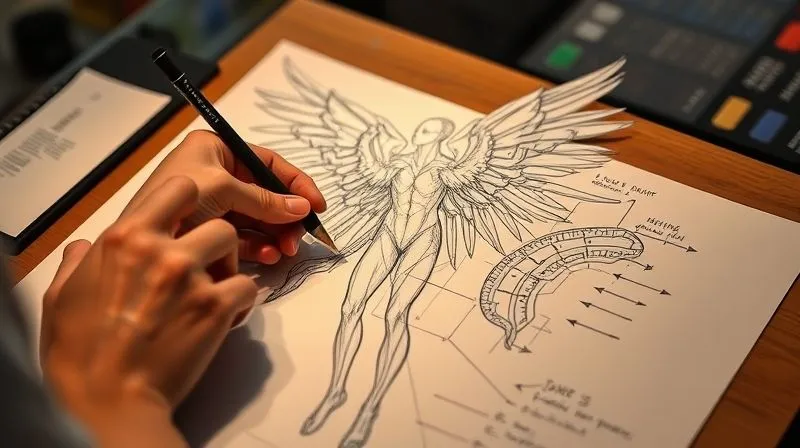
Material Selection: The Foundation of Durability
The choice of materials is not merely aesthetic; it's a critical engineering decision that impacts weight, flexibility, strength, and durability. Selecting the right materials can significantly reduce the overall weight while maintaining structural integrity, directly contributing to how to stabilize large wearable art for active performance.
When evaluating materials, consider these steps:
- Assess Material Properties: Beyond appearance, delve into the technical specifications. Consider the strength-to-weight ratio (how much strength for how little mass), flexibility (does it need to bend or remain rigid?), and fatigue resistance (how well it withstands repeated stress and movement). For example, carbon fiber offers incredible strength at minimal weight, while certain plastics might be lighter but less durable.
- Environmental Resilience: Will the material degrade with sweat, moisture, heat from stage lights, or accidental impacts? Choose materials that can withstand the rigors of performance environments. For instance, some foams absorb moisture, becoming heavier and weaker over time, while sealed composites are impervious.
- Layering Strategy: Often, the most effective approach involves combining different materials. Use rigid, strong materials for the core structural elements, lighter, more flexible materials for volume and form, and soft, breathable materials for areas that contact the performer's skin. This strategic layering optimizes both stability and comfort.
- Test Prototypes: Before committing to expensive or large-scale construction, create small-scale prototypes or material samples. Subject them to simulated stress, bending, and impact to assess their real-world performance. This can reveal unexpected weaknesses or advantages of certain material combinations.
For deeper insights into material science and innovative composites, resources like ScienceDirect's Materials & Design journal can be invaluable for exploring cutting-edge options.
Phase 2: Advanced Structural Engineering – The Skeleton Beneath the Skin
Once the conceptual design and material choices are made, the next critical phase is building the robust internal framework. This 'skeleton' is often unseen but is the absolute backbone of how to stabilize large wearable art for active performance. Without a strong, intelligently designed framework, even the lightest materials will fail under dynamic stress.
Developing a Robust Internal Framework
The internal framework provides the rigid support that distributes weight, resists deformation, and transfers forces to the performer's body. It's where the art of sculpture meets the precision of engineering. Your framework should be strong enough to hold the piece's shape, yet light enough not to overburden the performer.
Common materials and approaches for internal frameworks include:
- Aluminum or Carbon Fiber: These are premium choices for main structural supports. Carbon fiber offers an exceptional strength-to-weight ratio, making it ideal for large, cantilevered elements or pieces requiring extreme rigidity with minimal mass. Aircraft-grade aluminum is also very strong and lighter than steel, often used for internal ribbing and load-bearing components. Both require specialized fabrication techniques.
- PVC or HDPE: For curved, non-load-bearing structural elements, PVC (polyvinyl chloride) or HDPE (high-density polyethylene) pipes and sheets can be excellent. They are lightweight, inexpensive, and relatively easy to shape with heat, making them suitable for creating volume and form without adding excessive weight to the primary load-bearing structure.
- Steel Wire Armature: For intricate, organic shapes that require both malleability and strength, a steel wire armature (e.g., rebar tie wire or galvanized steel wire) can be formed and then reinforced with other materials. It provides a foundational skeleton that can be bent and twisted into complex forms, then secured.
- 3D Printed Components: The advent of 3D printing has revolutionized custom structural elements. You can design and print bespoke connectors, lightweight internal lattices, or even entire rigid frameworks with optimized geometries. Materials like carbon fiber-infused nylon or specialized resins offer incredible strength and precision, allowing for perfect body conformity and robust attachment points.
- Kydex/ABS Plastic: These thermoformable plastics are durable and impact-resistant. They can be heated and molded to create custom body plates, protective shells, or intricate structural curves. While they can be heavier than some composites, their ease of shaping and resilience make them valuable.
Regardless of the materials chosen, the connections within the framework are paramount. Bolted joints, high-strength adhesives, or welding (for metals) must be meticulously executed to ensure the framework acts as a single, cohesive unit.
Case Study: The 'Chrysalis' Project's Structural Triumph
The 'Chrysalis' Project, a large-scale wearable art piece commissioned for a contemporary dance troupe, involved expansive, articulated wings spanning over 8 feet. Early iterations suffered from excessive sway and threatened performer balance, making dynamic movement perilous. The original design relied on a simple aluminum rod frame, which proved insufficient for the kinetic demands of the choreography. The design team, facing a looming deadline and safety concerns, had to quickly re-engineer the core structure.
By implementing a modular carbon fiber spine with strategically placed pivot joints and a custom-molded thoracic plate, the design team drastically improved stability. The spine, weighing less than 5 lbs, was meticulously crafted to conform to the dancer's upper back, distributing the wing's 15 lbs across the performer's shoulders and core. This reduced localized stress and allowed for fluid, controlled movement, even during high-energy lifts and spins. The internal framework was connected using high-strength aerospace-grade bolts, with each joint reinforced to prevent torsion. This engineering approach transformed a potential hazard into a triumph of kinetic design, enabling the dancers to execute complex aerial maneuvers with confidence and grace, showcasing how to stabilize large wearable art for active performance through smart design.
"The true magic in wearable art isn't just what the audience sees, but the invisible engineering that allows it to soar."
Here's a comparison of common frame materials:
| Frame Material | Pros | Cons | Ideal Use |
|---|---|---|---|
| Carbon Fiber | High strength-to-weight, rigid, low fatigue, excellent stiffness | Expensive, complex fabrication, brittle on impact | Primary structural spine, large cantilevered elements, high-performance applications |
| Aircraft Aluminum (6061/7075) | Good strength-to-weight, lighter than steel, weldable, corrosion resistant | Can be heavy if thick, prone to bending if thin, requires specific welding techniques | Internal ribbing, moderate load-bearing structures, general framework |
| Rigid PVC Pipe | Lightweight, inexpensive, easy to shape with heat, readily available | Lower strength than metals/composites, brittle under sudden stress, can sag over time | Non-load-bearing volume, temporary supports, internal shaping for lightweight pieces |
| Kydex/ABS Plastic Sheets | Thermoformable, durable, impact resistant, good for custom body conformity | Can be heavy in larger sections, requires heat forming equipment, limited stiffness compared to composites | Custom body plates, protective shells, intricate structural curves, attachment point reinforcement |
Phase 3: Securement & Attachment Systems – The Performer's Anchor
Even the most perfectly engineered internal framework is useless if it's not securely and comfortably attached to the performer. This phase focuses on the interface between the art and the body, ensuring the connection is robust enough for active performance while allowing for natural movement. This is where your expertise in how to stabilize large wearable art for active performance truly shines through.
Custom Harnesses and Body Mounts
Generic attachment methods rarely suffice for large, dynamic wearable art. Custom-designed harnesses and body mounts are often essential to distribute weight effectively, prevent chafing, and ensure the piece moves as an extension of the performer. Think of these as the 'invisible hands' that hold your art in place.
Key considerations for designing custom attachment systems:
- Full Torso Harness: For very large or heavy pieces (e.g., wings, large backpacks), a mountaineering-style full torso harness is often the gold standard. It distributes weight across the shoulders, chest, and hips, utilizing the body's strongest load-bearing areas. Padding, breathable materials, and adjustable straps are crucial for comfort and a snug fit.
- Integrated Corsetry: For pieces requiring rigid attachment to the torso, especially those that need to maintain a specific silhouette, an integrated corset can provide excellent support. This often involves internal boning and strong, non-stretch fabrics, with the art piece directly bolted or sewn to the corset's reinforced structure.
- Spinal Support Systems: Some designs benefit from a custom backplate molded to the performer's spine and scapulae. The art piece's framework can then be directly attached to this rigid backplate, often seen in theatrical flight rigs or heavy armor. This provides a very stable, unmoving anchor.
- Limb-Specific Mounts: For arm extensions, leg elements, or headpieces, specialized mounts are needed. These must accommodate the full range of motion of the limb without restricting blood flow or causing discomfort. Articulated joints, padded cuffs, and adjustable straps are key here.
- Quick Release Mechanisms: For safety, especially with very large or potentially dangerous pieces, incorporate quick-release buckles or mechanisms that allow the performer to swiftly shed the art in an emergency.
Always ensure that all straps are wide enough to distribute pressure, edges are soft or padded to prevent chafing, and materials are breathable to manage heat and sweat. The harness should feel like a part of the performer, not an external burden.
Dynamic Articulation and Pivot Points
For pieces that need to move or articulate with the performer, strategically placed pivot points are essential. These allow controlled movement without compromising overall stability or creating unwanted sway.
- Ball Joints: Excellent for multi-directional movement, allowing for a natural range of motion. Use high-strength, low-friction ball joints.
- Swivel Points: Ideal for rotational movement, such as elements that need to turn or spin. Ensure they are smooth and free-moving, yet lockable if needed.
- Spring-Loaded Mechanisms: Can assist in movement, returning elements to a neutral position, or absorbing shock. These require careful calibration to match the desired force.
- Hinge Joints: For single-axis rotation, like opening and closing wings. Ensure the hinges are robust and can bear the weight of the articulating part without flexing.
These dynamic elements must be integrated into the internal framework with precision, using strong bolts, pins, or rivets. Over-engineering these points is always better than under-engineering.
For a deeper dive into how the human body moves and interacts with external forces, exploring resources in sports biomechanics can offer valuable insights into designing effective interfaces. Sports Biomechanics studies the mechanics of human movement, providing principles directly applicable to wearable art.
Phase 4: Testing & Refinement – The Dress Rehearsal for Stability
No matter how meticulously a piece is designed and constructed, its true stability can only be confirmed through rigorous testing. This iterative process of testing, observing, and refining is a non-negotiable step in ensuring how to stabilize large wearable art for active performance. It's the critical bridge between theory and practice.
Simulating Performance Conditions
Testing should mimic the actual performance environment as closely as possible. Don't just have the performer stand still; make them move, jump, and interact with their surroundings as they would during the show. This is where you uncover weaknesses that static checks would miss.
- Range of Motion Test: Have the performer execute every planned movement, including jumps, spins, lifts, turns, and floor work. Observe how the art piece behaves during each motion. Does it sway excessively? Does it impede movement? Does it create unexpected leverage points?
- Endurance Test: The performer should wear the piece for the full duration of a performance, plus a buffer time (e.g., an extra 30 minutes). This tests material fatigue, harness comfort, and the overall structural integrity under sustained stress.
- Impact Test (Gentle): Gently simulate accidental bumps or brushes against scenery, other performers, or props. Observe how the piece absorbs these impacts and if any components loosen or shift.
- Environmental Factors: Test under stage lights (heat), in different ambient temperatures, or even with simulated wind (from fans) if the piece has large surfaces. These factors can affect material properties and adhesive strength.
- Audience Perspective: Record the testing sessions from various angles, including audience perspectives. Review the footage to assess visual stability – does the piece appear secure and integrated, or does it look precarious?
Iterative Adjustments and Feedback Loops
Testing is not a one-time event; it's a continuous loop of feedback and refinement. Be prepared to make adjustments, sometimes significant ones, based on what you learn. This is where your expertise as a problem-solver comes to the fore.
- Open Communication: Maintain open, honest communication with the performer. Their comfort, observations, and physical feedback are your most valuable data points. They are experiencing the piece in motion and can pinpoint issues you might not visually detect.
- Document Everything: Keep a detailed log of issues discovered, adjustments made, and the results of those changes. This creates a valuable knowledge base for future projects.
- Small Changes, Big Impact: Sometimes, a minor adjustment – like moving a strap attachment point by an inch, adding a small counterweight, or reinforcing a single joint – can have a dramatic impact on overall stability and comfort.
- Don't Be Afraid to Redesign: If a fundamental flaw is discovered, don't hesitate to revisit earlier design phases. It's better to invest more time in refinement than to risk a performance failure or performer injury.
This iterative process ensures that the wearable art piece is not just stable in theory, but truly robust and integrated for active performance. Here's a pre-performance checklist that can aid in your testing and refinement process:
| Checklist Item | Status | Notes |
|---|---|---|
| Harness fit and comfort | Adjusted/Confirmed | No pinch points, even load distribution across shoulders, back, and hips. Performer reports full comfort and mobility. |
| Art piece CoG alignment with performer | Confirmed | Stable during full range of motion. No excessive sway or unintended movement when performer changes direction. |
| Attachment points integrity | Inspected | All bolts, snaps, buckles, and sewn seams are secure. No fraying, loosening, or signs of stress. Redundant safety clips engaged. |
| Movement fluidity and articulation | Confirmed | All pivot points, hinges, and flexible elements move smoothly without snagging or restricting the performer's intended choreography. |
| Visual stability (no wobble to audience) | Confirmed | Recorded footage shows the piece appears perfectly integrated and stable from various audience perspectives, even during dynamic sequences. |
| Quick release functionality (if applicable) | Tested | Performer can disengage quickly and safely in an emergency situation. Mechanism operates smoothly. |
| Overall weight and fatigue assessment | Approved | Performer can comfortably wear the piece for the entire duration of the show without undue fatigue or strain. |
Phase 5: Maintenance & On-Site Solutions – Ensuring Longevity
Even after a piece has passed rigorous testing, the work isn't over. Active performance environments are demanding, and materials can degrade over time or suffer unexpected damage. Proactive maintenance and a readiness for on-site solutions are crucial for the long-term success and stability of your wearable art.
Pre-Show Inspections and Quick Fixes
Before every performance, a thorough inspection of the wearable art piece and its attachment system is paramount. This quick check can prevent minor issues from escalating into major failures.
- Visual Check: Systematically inspect the entire piece. Look for loose threads, cracked components, worn straps, or any signs of stress on materials. Pay close attention to seams, joints, and areas where different materials meet.
- Stress Point Inspection: Focus on areas of high tension or friction – where the art connects to the harness, where the harness meets the body, or any articulation points. Check bolts for tightness, buckles for secure engagement, and straps for fraying.
- Adhesive Integrity: If adhesives are used, check for any signs of peeling, cracking, or weakening, especially in areas subjected to movement or heat.
- Emergency Kit: Always have a well-stocked emergency repair kit on hand backstage. This should include: zip ties (various sizes), duct tape (gaffer's tape is preferred for stage), strong adhesive (e.g., E6000, hot glue gun), safety pins (heavy-duty), pliers, scissors, spare buckles, extra webbing/straps, and small pieces of the art's primary materials for quick patches.
- Communication with Crew: Ensure stagehands or costume crew are familiar with the piece's attachment points and any specific handling instructions.
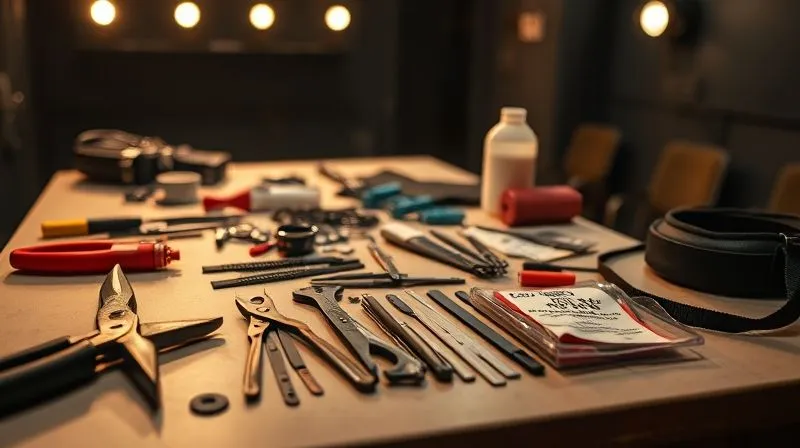
Even with the most meticulous planning for how to stabilize large wearable art for active performance, unforeseen issues can arise. Being prepared for quick, effective fixes can save a performance and prevent damage to your valuable art.
Integrating Ergonomics and Performer Comfort
While the primary focus of this guide is on how to stabilize large wearable art for active performance, it's crucial to remember that the art piece exists in symbiotic relationship with a human being. Neglecting performer comfort and safety can undermine even the most stable design.
Minimizing Strain and Maximizing Mobility
An uncomfortable or painful art piece will not only hinder the performer's ability to execute their movements but can also lead to injury and shorten the lifespan of the performance. Ergonomics – the science of designing for human comfort and efficiency – is paramount.
- Padding and Breathability: All contact points between the art/harness and the body must be adequately padded with breathable, moisture-wicking materials. This prevents chafing, pressure points, and heat buildup.
- Weight Distribution: Reiterate the importance of distributing weight across the body's strongest points (shoulders, upper back, hips) and avoiding concentrated loads on sensitive areas.
- Freedom of Movement: Ensure the art piece, especially its harness, does not restrict the performer's natural range of motion. Test all joints and movements to confirm there's no pulling, snagging, or impedance.
- Adjustability: Harnesses and attachment systems should be easily adjustable to fit different performers or to accommodate subtle changes in body shape due to muscle engagement.
- Balance and Posture: A well-balanced piece should allow the performer to maintain their natural posture without excessive strain or compensatory movements. This reduces fatigue and the risk of long-term injury.
"A truly stable piece of wearable art feels like a second skin, allowing the performer to forget its weight and focus entirely on their craft. It is when the art becomes invisible that its impact is greatest."
By prioritizing performer comfort and integrating ergonomic principles, you not only ensure the longevity and safety of your art but also empower the performer to deliver their best, most expressive work. A performer who is comfortable and secure is a confident performer, and confidence translates directly into a more powerful and captivating artistic statement. For further reading on how physical demands impact performance and well-being, even beyond the stage, resources like the Harvard Business Review on employee fatigue can offer analogous insights into managing physical and mental loads.
Frequently Asked Questions (FAQ)
How do I accurately calculate the center of gravity for a complex, asymmetrical wearable art piece? Calculating the exact CoG for a complex, multi-component piece often involves a combination of theoretical estimation and practical testing. Start by breaking the piece down into simpler geometric shapes, estimating the CoG for each component (or using CAD software for digital models), and then using a weighted average based on their individual mass and position relative to a chosen origin point. For highly irregular physical pieces, a practical method is to suspend the piece from multiple different points (e.g., from two corners, then two other corners) and mark the vertical lines where it hangs level; their intersection is the approximate CoG. Crucially, then fit it on the performer and use tactile feedback and slow movements to fine-tune. Remember, the ultimate goal is to align the combined CoG of the performer and the art as closely as possible to the performer's natural CoG, minimizing external torque.
What are the best methods for concealing attachment points without compromising strength or aesthetics? Concealing attachment points requires a blend of clever design and meticulous execution. Fabric flaps, strategically placed embellishments, or integrated false seams can effectively hide buckles, straps, and hardware. For rigid connections, consider recessed housings within the art piece or the use of strong, yet visually discreet, magnetic closures or snap systems. Color matching and textural blending of the attachment components with the art piece are also key to making them disappear. Sometimes, a well-designed, aesthetically pleasing attachment can even become part of the art itself, transformed from a functional necessity into a deliberate design feature, enhancing the overall aesthetic rather than detracting from it.
How do I account for sweat, body oils, and friction affecting materials and stability during long performances? Sweat and body oils can degrade certain materials, cause slippage, and lead to discomfort or skin irritation. To mitigate this, select moisture-wicking and breathable fabrics for all contact points with the performer's skin. Use non-corrosive metals and water-resistant, flexible adhesives that won't break down with moisture. For areas of high friction, incorporate robust, smooth, and durable materials like neoprene, specialized padding, or smooth, low-friction fabrics that can withstand repeated rubbing without breaking down or causing chafing. Regular cleaning and thorough drying of these contact areas are also vital to prevent material fatigue, bacterial growth, and maintain hygiene. Consider designing removable, washable liners for prolonged use.
Can 3D printing play a significant role in enhancing the structural stability of large wearable art? Absolutely. 3D printing offers unparalleled advantages for creating custom, lightweight, and incredibly strong structural components, directly contributing to how to stabilize large wearable art for active performance. You can design complex internal lattices that optimize strength-to-weight ratios, print custom connectors that perfectly fit unique geometries, or even fabricate entire rigid frameworks tailored precisely to a performer's body. Materials like carbon fiber-infused nylon, high-strength ABS, or specialized resins provide exceptional durability and stiffness. Its ability to iterate quickly on prototypes and produce bespoke, intricate parts makes it an invaluable tool for precision engineering in wearable art, allowing for perfect body conformity, robust attachment points, and optimized weight distribution.
What's the biggest mistake beginners make when trying to stabilize large wearable art? The most common and critical mistake I've observed is underestimating the dynamic forces involved and failing to integrate stability from the very beginning of the design process. Many beginners treat stability as an add-on, attempting to 'fix' a wobbly piece with external straps, excessive padding, or quick repairs after it's largely constructed. True stability is inherent; it's designed into the piece's weight distribution, internal framework, material choices, and attachment methods from the first sketch. Neglecting this foundational, proactive approach leads to heavier, less comfortable, and ultimately less secure pieces that are prone to failure, often requiring costly and time-consuming redesigns later on.
Key Takeaways and Final Thoughts
The journey of creating large wearable art for active performance is an intricate dance between artistic vision and engineering precision. It demands foresight, meticulous planning, and a deep understanding of how form interacts with motion. By adopting the phased approach and expert insights I've shared, you're not just attaching a piece of art to a body; you're forging a symbiotic relationship, empowering your creations to move with grace, power, and unwavering stability. Mastering how to stabilize large wearable art for active performance is not just about preventing failure; it's about unlocking new artistic possibilities.
Let's recap the most critical, actionable advice:
- Design for Dynamic Movement: Stability is not static; it's an active principle integrated from conception, anticipating every twist, jump, and turn.
- Prioritize Weight Distribution: Balance is your best friend. Distribute weight strategically across the performer's strongest points, keeping the combined center of gravity as low and central as possible.
- Invest in Robust Frameworks: The hidden skeleton is as critical as the visible aesthetics. Choose materials and construction methods that withstand dynamic forces.
- Engineer Custom Attachment Systems: Generic solutions rarely suffice for unique wearable art pieces. Tailor harnesses and mounts for optimal comfort, security, and load distribution.
- Test Relentlessly: Simulate real-world performance conditions to uncover weaknesses before they become failures, and be open to iterative adjustments.
- Embrace Ergonomics: Performer comfort and safety are paramount. A piece that causes pain will never be performed to its full potential.
Go forth, design boldly, and let your wearable masterpieces captivate the world, unburdened by instability. Your art deserves to move as freely and powerfully as the vision that birthed it, leaving audiences spellbound by its seamless integration of form, function, and fearless performance.
Recommended Reading
- 7 Strategies: Managing Unrealistic Creative Demands from Fashion Bloggers
- 7 Pro Strategies: Preventing Color Fade on Vibrant Red Hair for Professional Shoots?
- Apple Picking Perfection: Best Fall Accessories for Your Outfit
- 7 Steps to Ensure Structural Integrity for Large-Scale Wearable Art Jewelry
- Best Leggings for Sweaty Workouts: Ultimate Comfort & Performance

Your email address will not be published. Required fields are marked *