

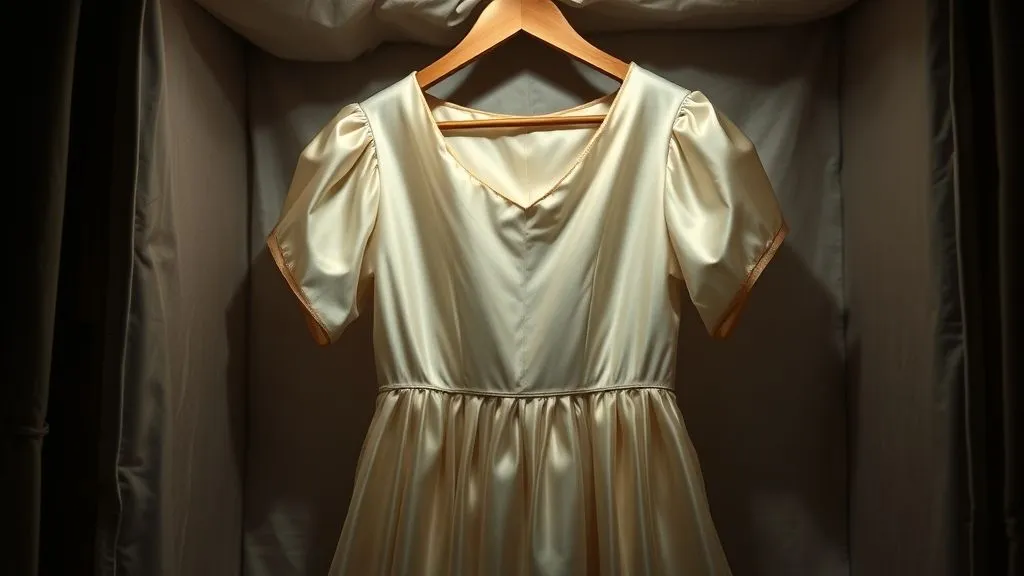
How to Prevent Irreversible Mold Damage in Antique Silk Gowns?
For over three decades in the vintage fashion and textile conservation world, I've witnessed the profound joy of discovering a truly exquisite antique silk gown. Its delicate weave, the hand-stitched details, the stories it holds – it's a treasure. But I've also seen the heartbreak, countless times, when these irreplaceable pieces fall victim to an insidious enemy: mold. It’s a silent destroyer, often unnoticed until the damage is irreversible.
The problem is tragically common. Owners, often with the best intentions, store their precious silks in conditions that inadvertently invite fungal growth. Unlike robust modern fabrics, antique silk, with its protein-based fibers, is incredibly vulnerable. Once mold takes hold, it doesn't just stain; it actively degrades the silk, weakening fibers, causing permanent discoloration, and emitting that tell-tale musty odor that signals a death knell for the garment's integrity.
This isn't just about cleaning; it's about prevention. In this definitive guide, I’ll share the comprehensive strategies, born from years of hands-on experience and deep study, that you need to implement. You'll learn not just what to do, but why, equipping you with the knowledge to safeguard your antique silk gowns from the devastating threat of mold, ensuring their beauty endures for generations to come.
Understanding the Enemy: What is Mold and Why Silk is Vulnerable?
To effectively combat mold, we must first understand it. Mold isn't just dirt; it's a living organism, a type of fungus that thrives in specific conditions. Its spores are ubiquitous, floating invisibly in the air around us, waiting for the right environment to germinate and grow. When these spores land on organic material, like your cherished antique silk gown, and find moisture, warmth, and a food source, they begin to colonize.
The Science of Spores: How Mold Propagates
Mold reproduces by releasing microscopic spores into the air. These spores are incredibly resilient, able to lie dormant for extended periods in unfavorable conditions. When humidity levels rise, typically above 60% Relative Humidity (RH), and temperatures are moderate (between 20-30℃ or 68-86℉), these dormant spores awaken. They then feed on the organic matter, breaking down the silk fibers for nutrients, leaving behind visible growth and often irreparable damage.
Silk's Delicate Composition: Protein Fibers and Hygroscopic Nature
Antique silk is particularly susceptible due to its inherent properties. It’s a natural protein fiber, similar to wool, which makes it an appealing food source for mold. Furthermore, silk is highly hygroscopic, meaning it readily absorbs and retains moisture from the atmosphere. This characteristic, while making silk comfortable to wear, also makes it a prime candidate for mold growth if stored in damp conditions. The very essence of its beauty – its delicate, absorbent nature – becomes its Achilles' heel.

The Golden Rule of Prevention: Climate Control is King
In my experience, the single most critical factor in preventing mold damage to antique textiles is rigorous climate control. You can have the best archival boxes and the most careful handling, but if your environment is wrong, mold will find a way. Managing temperature and humidity is not just a recommendation; it's a non-negotiable requirement for long-term preservation.
Ideal Temperature and Humidity Ranges for Textiles
For antique textiles, including delicate silk gowns, the goal is to create a stable, moderate environment. The ideal temperature range is generally between 18-22℃ (65-72℉). More importantly, the relative humidity (RH) must be maintained consistently between 45-55%. Fluctuations are almost as damaging as consistently high levels, as they cause fibers to expand and contract, weakening them and potentially creating micro-fissures where spores can settle.
Tools of the Trade: Hygrometers and Dehumidifiers
To achieve this stability, you'll need the right tools. A reliable hygrometer is essential – think of it as your early warning system. Place it near your stored gowns and monitor it regularly. If humidity creeps above 55%, a dehumidifier becomes your best friend. For smaller spaces, desiccant packets (like silica gel, replaced or recharged regularly) can offer localized control, but for entire rooms, an electric dehumidifier is necessary. Conversely, in very dry climates, a humidifier might be needed, but this is far less common a concern than high humidity for mold prevention.
Case Study: The Baroness's Ball Gown: A Climate Control Success Story
I recall a client, let's call her Mrs. Albright, who inherited her great-grandmother's 1890s silk ball gown. It was a stunning piece, but she lived in a humid coastal region. Initial storage in an unconditioned attic led to a faint musty smell and microscopic signs of mildew. Acting quickly, I advised her to move the gown to a climate-controlled interior room. We installed a dedicated dehumidifier set to maintain 50% RH and a digital hygrometer for constant monitoring. Within weeks, the musty odor dissipated, and subsequent inspections confirmed no further mold growth. This simple, yet crucial, intervention saved a truly irreplaceable heirloom from certain degradation, proving that proactive climate management is the cornerstone of preservation.
| Environmental Factor | Temperature | Relative Humidity | Light Exposure |
|---|---|---|---|
| Recommendation | 18-22℃ (65-72℉) | 45-55% | Minimal/UV-filtered |
| Why it Matters | Prevents accelerated degradation and insect activity | Prevents mold growth and fiber desiccation | Prevents fading and fiber weakening |
Strategic Storage: Guarding Against the Unseen Threat
Once you've mastered climate control, the next layer of defense lies in how and where you store your antique silk gowns. Proper storage isn't just about keeping them tidy; it's about creating a protective microenvironment that isolates them from potential hazards, including mold spores and environmental fluctuations.
Breathable Barriers: Acid-Free Tissue and Archival Boxes
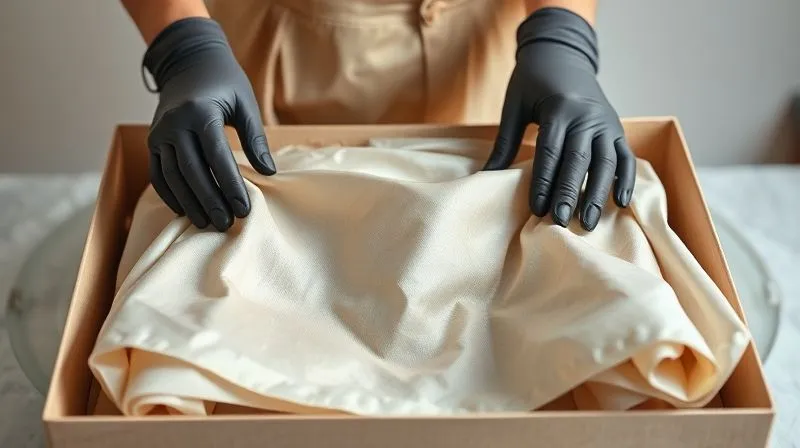
Never store antique silks directly in wooden chests or cardboard boxes, which can be acidic and attract pests. Instead, use archival-quality, acid-free tissue paper to pad folds and stuff sleeves, preventing creasing and allowing air circulation. The gown should then be placed in an archival-quality, acid-free storage box. These boxes are designed to be chemically stable and offer a physical barrier against dust, light, and minor environmental shifts, while still allowing the fabric to “breathe.” Avoid overpacking, as this restricts airflow and increases localized humidity.
The Perils of Plastic: Why It's a No-Go
It's tempting to think plastic garment bags or sealed containers offer superior protection, but for antique silks, they are detrimental. Plastic creates a sealed, non-breathable environment that traps moisture. This trapped moisture, combined with any slight temperature fluctuation, creates the perfect humid microclimate for mold to flourish. I've seen too many gowns ruined by well-meaning owners who encased them in plastic, only to discover a fuzzy green or black horror months later. Always avoid plastic for long-term storage of antique textiles.
Air Circulation and Isolation: Preventing Spread
Even within archival boxes, good air circulation is key. Don't stack boxes too tightly. If hanging is unavoidable (though flat storage is generally preferred for heavy or delicate silks), use padded, archival hangers and breathable cotton garment bags. Ensure the storage area itself has good airflow – don't push furniture flush against walls, especially exterior ones prone to dampness. Isolating garments in their individual archival boxes also prevents any potential mold outbreak from spreading rapidly to other pieces.
- Clean Hands: Always handle antique silk with clean, preferably white cotton gloves, to prevent transferring oils and dirt.
- Assess Condition: Before storage, gently inspect the gown for any existing damage or signs of pests.
- Pad Folds: Use generous amounts of acid-free tissue paper to pad all folds, sleeves, and bodices to prevent sharp creases that can weaken fibers.
- Flat Storage Preferred: For most antique silks, especially heavy or elaborately embellished gowns, flat storage in an archival box is ideal to avoid stress on seams and shoulders.
- Layer Gently: If storing multiple items in one large box (though individual boxes are best), place heavier items at the bottom with acid-free tissue in between layers.
- Label Clearly: Label the outside of the box with the gown's description and date for easy identification without needing to open it frequently.
Vigilance and Routine Inspection: Your First Line of Defense
Even with the best climate control and storage methods, vigilance remains paramount. Mold spores are tenacious, and unforeseen circumstances (a leaky pipe, a power outage affecting your dehumidifier) can quickly change an ideal environment. Regular, gentle inspections are your first and most critical line of defense against irreversible mold damage.
What to Look For: Early Signs of Mold (Musty Smell, Discoloration)
The earliest signs of mold are often olfactory. A faint, earthy, or musty smell emanating from the storage area or the gown itself is a strong indicator. Visually, look for any discoloration: small, fuzzy spots (often green, black, white, or grey), or even a fine, powdery residue. On silk, mold can also appear as faint, irregular stains that seem to spread. Always check hidden areas – under collars, in seams, and lining – as these are often the first places mold takes hold due to trapped moisture.
The Inspection Ritual: How Often, What Tools
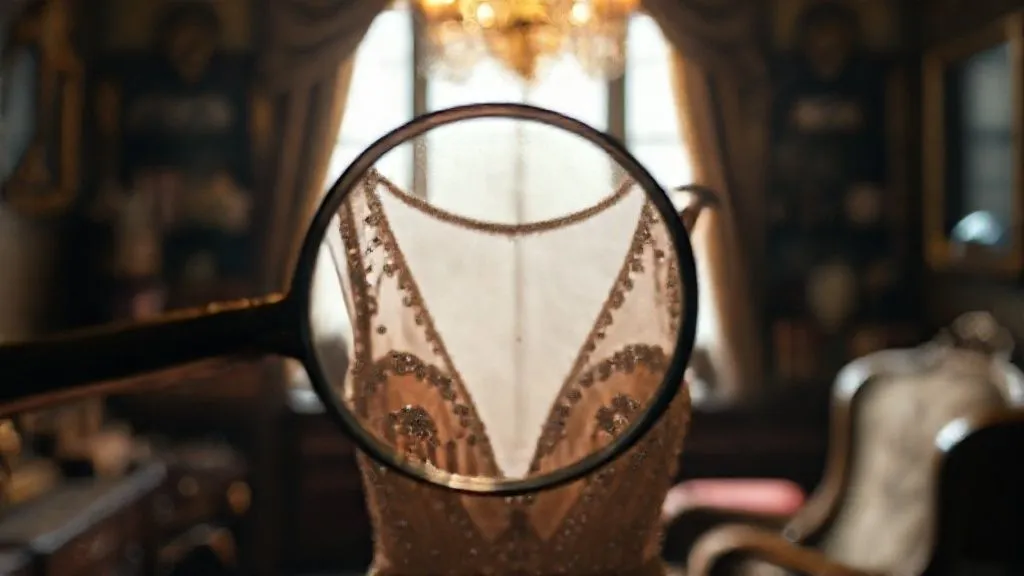
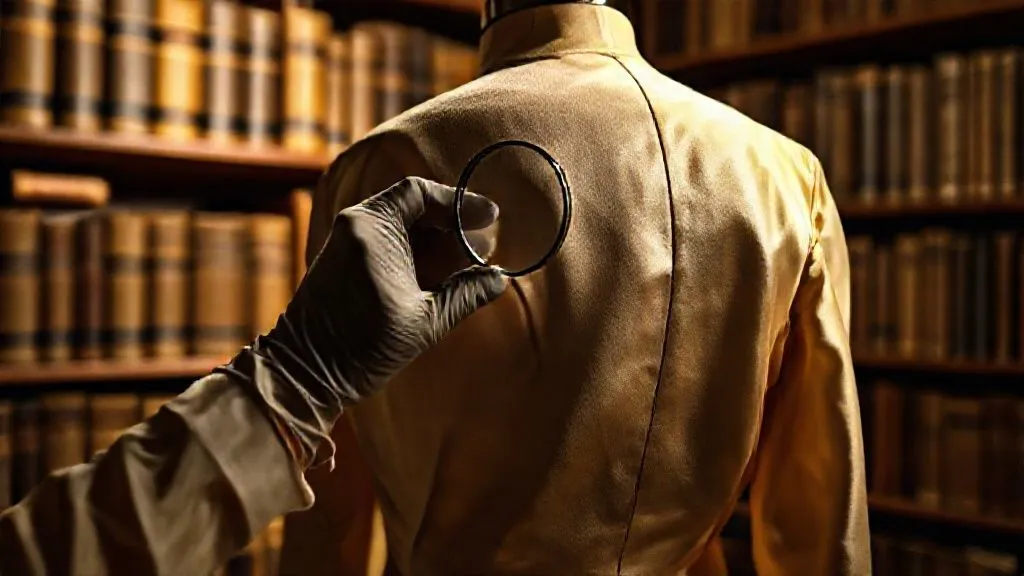
I recommend a thorough inspection of your antique silk gowns at least twice a year, ideally once in spring and once in autumn when environmental conditions tend to shift. When inspecting, wear clean cotton gloves. Gently remove the gown from its box, unfold it carefully, and examine every surface under good, natural light. Use a soft brush (like a camel hair artist's brush) to gently dislodge any dust, and a magnifying glass can help spot early, minute signs of growth. Pay close attention to any changes in texture or stiffness of the fabric.
"Early detection isn't just helpful; it's the only chance you have to intervene before mold inflicts irreversible damage. Procrastination in this arena means inevitable loss."
Emergency Protocol: What to Do if You Suspect Mold
Despite all precautions, sometimes mold happens. The key at this stage is to act quickly, calmly, and correctly. A wrong move can exacerbate the damage or spread spores, putting other textiles at risk. This is where your expert knowledge becomes crucial.
Isolation and Documentation: First Steps
The moment you suspect mold, isolate the affected gown immediately. Gently place it in a separate, clean archival box or wrap it loosely in clean, unbuffered tissue paper. Move it to an isolated area, away from other textiles. Do not try to clean it yourself at this stage. Document what you see: take photographs, note the date, location, and severity of the mold. This documentation will be invaluable for a professional conservator.
When to Call a Professional: The Limits of DIY
For antique silk gowns, especially those with historical significance or sentimental value, I cannot stress this enough: do not attempt DIY mold removal. Silk is incredibly delicate, and improper cleaning methods can cause more damage than the mold itself. Harsh chemicals, excessive moisture, or aggressive scrubbing can weaken fibers, alter dyes, and leave permanent marks. Your best course of action is to consult a professional textile conservator. They have the specialized knowledge, tools, and controlled environments to safely assess and treat mold outbreaks while minimizing further damage. For locating certified professionals, I highly recommend checking resources like the American Institute for Conservation (AIC) Find a Conservator directory.
Advanced Preservation Techniques and Resources
Beyond the foundational steps, there are more specialized techniques and resources available for the serious collector or institution. These methods often involve controlled environments and professional expertise, but it's good to be aware of them.
Specialized Storage Solutions: Custom Mannequins, Inert Gases
For museum-quality pieces or gowns that are frequently displayed, custom-made padded mannequins or forms can provide excellent support, maintaining the garment's shape without stress. These are typically covered in archival cotton. In very rare and specific cases, some institutions use inert gas storage (e.g., argon or nitrogen) to create an oxygen-free environment, effectively halting biological degradation, but this is a highly specialized and expensive method not typically feasible for private collectors.
Further Learning: Reputable Conservation Resources
The world of textile conservation is constantly evolving. Staying informed through reputable sources is vital. Institutions like the Smithsonian Museum Conservation Institute offer invaluable guides and publications. Academic research in textile science also continually provides new insights into material degradation and preservation. For example, understanding the specific environmental factors that lead to fungal growth on protein fibers is a field of ongoing study, and you can often find detailed research through university libraries or journals specializing in conservation science, such as the Smithsonian Museum Conservation Institute or peer-reviewed articles on textile degradation and environmental control like those found in the Journal of the American Institute for Conservation.
The Role of Cleanliness and Handling
While climate control and storage are paramount, everyday practices also play a significant role in preventing mold. The way you handle and prepare your antique silk gowns for storage can introduce contaminants or stress the fabric, making it more vulnerable.
Pre-Storage Cleaning (If Appropriate, by Expert)
Before any long-term storage, the gown should ideally be clean. However, cleaning an antique silk gown is a task for a highly experienced professional conservator only. They can assess the fabric's stability, dyes, and embellishments to determine the safest cleaning method, which might involve gentle surface cleaning or specialized wet or dry processes. Never attempt to wash or dry clean an antique silk gown yourself, as this almost invariably leads to damage. Residual dirt or body oils can also attract pests and provide a food source for mold, so professional cleaning, when deemed safe, is a preventative measure.
Gloves and Gentle Handling
Every interaction with an antique silk gown should be done with extreme care. Always wear clean, white cotton gloves to prevent transferring oils, dirt, and even microscopic mold spores from your hands to the delicate fabric. Handle the gown as little as possible, supporting its weight evenly when moving it. Avoid pulling, stretching, or allowing it to rub against rough surfaces. Gentle handling minimizes stress on the fibers, which can otherwise create weakened areas more susceptible to environmental damage and mold colonization.
Frequently Asked Questions (FAQ)
Q: Can I remove mold from antique silk myself using household remedies? Absolutely not. Attempting DIY mold removal on antique silk with household remedies like vinegar, bleach, or even water can cause irreversible damage such as dye bleeding, fiber weakening, shrinkage, or permanent staining. These materials are too delicate for such treatments. Always consult a professional textile conservator who has the expertise and specialized equipment to handle such fragile items safely.
Q: How does humidity specifically cause mold on silk, and what's the critical threshold? Humidity provides the essential moisture mold spores need to germinate and grow. Silk, being hygroscopic, readily absorbs this atmospheric moisture. When relative humidity (RH) consistently stays above 60-65%, the moisture content in the silk fibers becomes sufficient for mold spores, which are always present in the air, to activate and begin colonizing. Maintaining RH between 45-55% is crucial to keep the fabric too dry for mold growth.
Q: What's the difference between mold and mildew, and does it matter for antique silks? While often used interchangeably, mildew typically refers to specific types of fungi that grow flat and are usually white or gray, often found on surfaces like shower curtains. Mold, on the other hand, can be fuzzy, slimy, or powdery, and comes in various colors (black, green, red, blue). For antique silks, the distinction is less important than the fact that both are fungal growths that will degrade the fabric. Both require professional intervention for removal on delicate textiles.
Q: Are there specific chemicals or materials to avoid near antique silk, besides plastic? Yes, definitely. Avoid storing silk near any acidic materials, which can cause yellowing and embrittlement over time. This includes unbuffered paper, certain woods (especially cedar, which can also stain), and non-archival cardboard. Also, keep silks away from perfumes, mothballs (paradichlorobenzene or naphthalene – they can cause irreversible damage and odor), and direct contact with metals that can corrode and stain the fabric. Always use archival-safe materials.
Q: How often should I air out my antique silk gowns to prevent mold? While good air circulation in the storage area is important, 'airing out' antique silk gowns in open air is generally not recommended as a primary mold prevention strategy. Exposing them to uncontrolled environments, dust, pollutants, insects, and light can introduce more risks than benefits. Instead, focus on maintaining stable climate control within their archival storage environment and conducting gentle, routine inspections. If a gown needs airing due to a slight musty odor, do so briefly in a controlled, dry, and dark environment, then re-box it properly.
Key Takeaways and Final Thoughts
Preserving an antique silk gown is a profound act of caring for history, artistry, and personal heritage. It's a commitment, but one that yields immense satisfaction. The threat of irreversible mold damage is real, but as I've outlined, it is entirely preventable with the right knowledge and consistent application of best practices.
- Climate Control is Paramount: Maintain stable temperatures (18-22℃) and relative humidity (45-55%) using hygrometers and dehumidifiers.
- Strategic, Breathable Storage: Utilize archival-quality, acid-free tissue and boxes. Absolutely avoid plastic.
- Vigilance Through Routine Inspections: Regularly check for early signs like musty odors or faint discoloration.
- Act Quickly and Professionally: Isolate suspected mold and immediately consult a textile conservator; never attempt DIY solutions.
- Gentle Handling and Cleanliness: Always wear gloves and ensure any cleaning is done by an expert.
By embracing these expert strategies, you're not just storing a garment; you're actively safeguarding a piece of the past, ensuring its delicate beauty and historical significance can be appreciated for generations to come. Your dedication to these practices is the true legacy you bestow upon these exquisite textile treasures. Keep learning, stay vigilant, and enjoy the enduring beauty of your antique silk gowns.
Recommended Reading
- Authentic Natural Beauty: 7 Steps to Marketing Without Greenwashing
- 7 Expert Steps: Crafting Cute, Highly Durable Kids' Outfits
- The Definitive Guide: How to Verify if a Fabric is Truly Biodegradable?
- 5 Executive Frame Secrets: Elevate Your Presence with Prescription Glasses
- 7 Proven Strategies: Slash Beauty Returns from Shade Mismatching by 30%


Your email address will not be published. Required fields are marked *