

Mastering Comfort: How to Prevent Foot Pain from Wearing High Heels Daily for Work
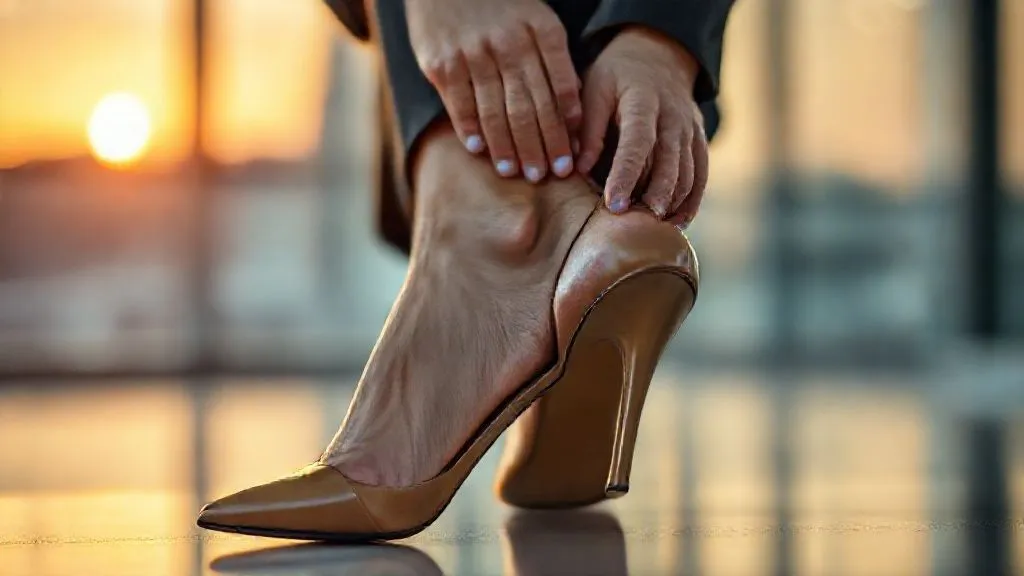
For over 15 years in the high-end footwear industry, I've witnessed countless professional women achieve incredible career heights, yet silently endure a persistent adversary: debilitating foot pain from their daily high heels. It’s a common sacrifice, often seen as an unavoidable part of presenting a polished, authoritative image in the workplace.
This isn't just about discomfort; it's about the tangible impact on concentration, energy levels, and even long-term foot health. The dull ache that starts mid-morning, escalating into a throbbing agony by afternoon, can overshadow your achievements and make the simplest walk to the water cooler feel like a marathon.
But what if I told you it doesn't have to be this way? In this definitive guide, I’ll share my accumulated expertise, offering actionable strategies, insights, and practical frameworks on how to prevent foot pain from wearing high heels daily for work. My goal is to empower you to navigate your professional life with confidence and, most importantly, comfort.
Understanding the Anatomy of High Heel Discomfort
Before we dive into solutions, it's crucial to understand *why* high heels cause pain. It’s a battle against biomechanics, where elegance often comes at the expense of natural foot function.
The Biomechanics of High Heels
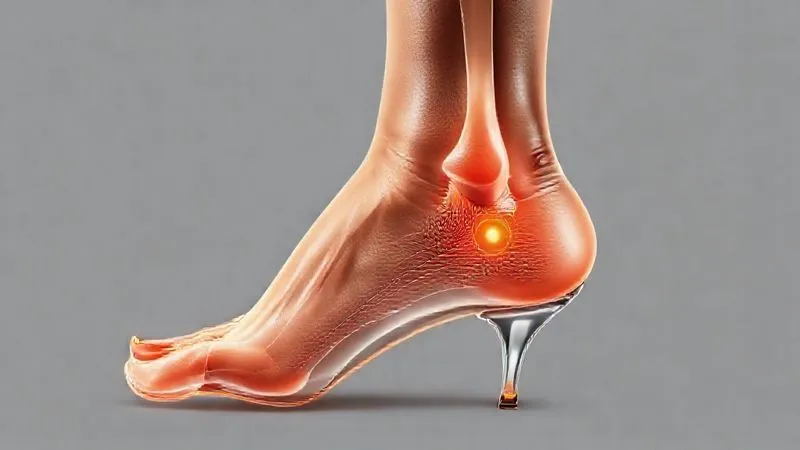
When you slip on high heels, your foot is forced into an unnatural position. The heel is elevated, shifting your body weight significantly forward, typically concentrating 75-90% of your weight onto the ball of your foot and toes. This excessive pressure on the metatarsal bones and the delicate structures of the forefoot is the primary culprit behind much of the pain.
Furthermore, the arch of your foot is often unsupported or unnaturally strained, and your calf muscles are shortened. Over time, this can lead to tightness, reduced flexibility, and a cascade of issues affecting not just your feet, but your ankles, knees, hips, and even your spine.
Common Ailments: From Bunions to Neuromas
The consistent stress from high heels can manifest in various painful conditions. Metatarsalgia, a burning pain in the ball of the foot, is incredibly common due to the concentrated pressure. Bunions, those bony protrusions at the base of the big toe, are often exacerbated or even caused by narrow, pointed toe boxes that compress the toes.
Hammer toes, ingrown toenails, and even Morton's neuroma – a thickening of nerve tissue between the toes – are frequent companions of regular high heel wear. These aren't just minor inconveniences; they are genuine medical conditions that can significantly impair your quality of life.
The Foundation: Choosing the Right High Heels for Daily Wear
The first line of defense against foot pain begins with your choice of footwear. Not all high heels are created equal, especially when it comes to daily wear for work.
Heel Height and Stability
For daily wear, I always advise clients to opt for a more moderate heel height, ideally between 1 to 2.5 inches. Anything higher significantly increases the pressure on your forefoot. Block heels or wedges offer a much larger surface area for stability compared to stilettos, distributing weight more evenly and reducing ankle strain.
Material Matters: Breathability and Flexibility
High-quality, breathable materials like genuine leather or suede are paramount. They conform to your foot over time, reducing friction and allowing for better airflow, which prevents sweat and blistering. Avoid rigid synthetic materials that trap heat and offer no give.
Toe Box and Fit: Avoiding Compression
A common mistake is choosing heels with a severely pointed or narrow toe box. Look for styles with a slightly wider or almond-shaped toe box that allows your toes to splay naturally, even if subtly. Always ensure there's about half an inch of space between your longest toe and the end of the shoe. Your feet swell throughout the day, so try shoes on in the afternoon.
Actionable Steps for Choosing the Right Heels:
- Measure Regularly: Your foot size can change. Have your feet measured annually, especially if you’ve had significant life changes like pregnancy.
- Walk Before You Buy: Don't just stand. Walk around the store for several minutes. Pay attention to any immediate pinch points or instability.
- Inspect the Arch: Ensure the shoe’s arch aligns with your foot’s natural arch. A gap indicates poor support.
- Consider the Pitch: The 'pitch' is the angle of the foot from heel to toe. A less severe pitch (often found in platforms or wedges) can be more comfortable for daily wear.
Strategic Support: Insoles, Orthotics, and Padding
Even the best-chosen high heels can benefit from additional internal support. This is where insoles, orthotics, and targeted padding become indispensable tools in your fight against pain.
Arch Support: The Unsung Hero
Proper arch support is critical for distributing pressure away from the ball of the foot and maintaining the foot's natural alignment. Many high heels lack adequate arch support, leading to overpronation or supination. An over-the-counter arch support insole designed for heels can make a dramatic difference, stabilizing your foot and absorbing shock.
Metatarsal Pads: Relieving Ball of Foot Pressure
For those experiencing burning or aching in the ball of the foot (metatarsalgia), metatarsal pads are a revelation. These small, often gel or foam pads are placed just behind the ball of your foot. They gently lift and separate the metatarsal bones, taking pressure off the nerves and cushioning the area where most high-heel stress occurs.
Custom vs. Over-the-Counter Solutions
While over-the-counter insoles and pads are excellent starting points, persistent pain might warrant a visit to a podiatrist for custom orthotics. Custom orthotics are molded precisely to your foot, offering personalized support that can correct biomechanical imbalances far more effectively than generic inserts. According to the American Podiatric Medical Association (APMA), custom orthotics can significantly reduce pain and improve function for various foot conditions.
| Support Type | Benefit | Best For |
|---|---|---|
| Arch Support Insoles | Distributes pressure, prevents pronation | Flat feet, arch pain |
| Metatarsal Pads | Cushions ball of foot, reduces nerve compression | Metatarsalgia, bunions |
| Heel Liners | Prevents slipping, reduces friction | Loose-fitting heels, blister prevention |
The Power of Prevention: Foot Care Routines and Exercises
Your feet are hardworking machines; they deserve a dedicated maintenance routine. Proactive care can significantly mitigate the daily stress of high heels and prevent minor discomfort from escalating.
Daily Foot Soaks and Massages
A warm foot soak at the end of a long day can do wonders for tired, aching feet. Add Epsom salts for muscle relaxation and swelling reduction. Follow this with a gentle foot massage, focusing on the arches and the balls of your feet. Use a moisturizing lotion to keep skin supple and prevent cracks, which can lead to further discomfort.
Stretching and Strengthening Exercises
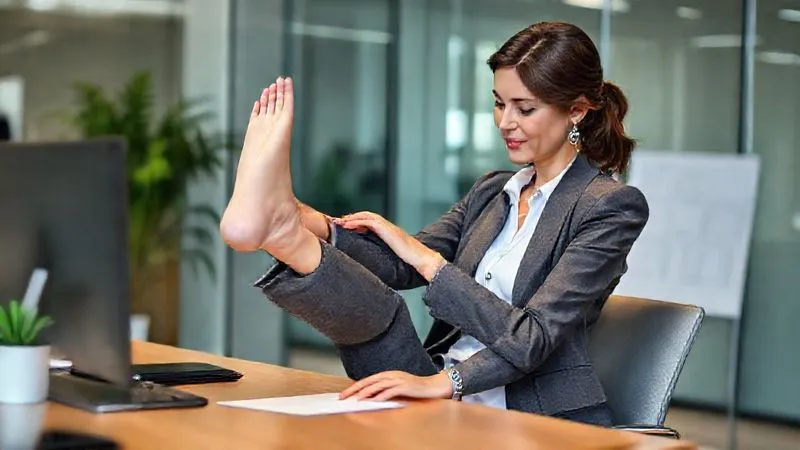
Just like any other part of your body, your feet benefit from regular exercise. Simple stretches can counteract the shortening of calf muscles and Achilles tendons caused by heels. Try calf stretches against a wall or using a stair step. Strengthening exercises, like picking up marbles with your toes or performing toe curls with a towel, build intrinsic foot muscle strength, providing better natural support.
"Treat your feet like the foundation of your entire body. Neglect them, and the ripple effect impacts everything from your posture to your mood. Investing in their care is an investment in your overall well-being."
Workstation Wisdom: Integrating Comfort into Your Day
Your office environment, surprisingly, plays a significant role in managing high heel pain. Smart adjustments to your daily routine can offer substantial relief.
The Desk Shoe Swap: A Game-Changer
This is perhaps the simplest yet most effective strategy. Keep a pair of comfortable, supportive flats or low wedges under your desk. As soon as you sit down, swap out your high heels. This gives your feet a much-needed break from the elevated pitch and pressure, allowing them to relax and recover. Many of my clients swear by this method.
Elevating Your Feet: Circulation and Swelling
When seated, try to elevate your feet slightly using a footrest or a small stool. This simple act improves circulation, reduces swelling, and takes pressure off your lower back. It’s a small adjustment that yields big comfort dividends, especially during long periods of sitting.
Micro-Breaks: Standing and Walking
Avoid prolonged periods of sitting or standing in heels. Take short, frequent breaks to change your posture. Stand up and stretch, walk to a colleague's desk instead of emailing, or take a quick stroll during a phone call. These micro-breaks prevent stiffness and allow your feet to shift weight and stretch.
Case Study: Eleanor's Heel Pain Transformation
Eleanor, a marketing executive at a fast-paced tech company, was notorious for her impeccable style, which always included high heels. However, she secretly battled chronic foot pain, often taking painkillers by lunchtime. After our consultation, she committed to implementing a few key strategies. Her first step was the ‘desk shoe swap,’ keeping stylish but comfortable ballet flats under her desk. She also started incorporating 5-minute foot stretches and calf raises every two hours. Within three weeks, Eleanor reported a dramatic reduction in pain, stating she could finally focus on her work, not her feet. This shift not only improved her physical comfort but also boosted her overall productivity and mood, proving that small, consistent changes can lead to profound results.
Addressing Specific Ailments: When to Seek Professional Help
While prevention and self-care are powerful, there are times when persistent pain signals a deeper issue that requires professional attention. Ignoring these red flags can lead to chronic conditions.
Understanding Persistent Pain: Red Flags
If your foot pain is constant, severe, accompanied by numbness or tingling, or if you notice visible swelling, redness, or changes in foot structure, it's time to seek expert advice. These symptoms could indicate nerve damage, stress fractures, or more advanced conditions that require medical intervention.
When to See a Podiatrist: Bunions, Hammertoes, Neuromas
A podiatrist is a foot and ankle specialist who can accurately diagnose and treat a wide range of conditions. If you suspect you have bunions, hammertoes, plantar fasciitis, or Morton's neuroma, a podiatrist can offer tailored solutions, from specialized orthotics and physical therapy to, in some cases, surgical options. Early intervention can often prevent these conditions from worsening.
Advanced Solutions: Orthotics and Physical Therapy
Beyond over-the-counter aids, a podiatrist can prescribe custom orthotics designed to address your specific biomechanical needs. They might also recommend physical therapy to strengthen foot muscles, improve flexibility, and correct gait issues. These advanced solutions are particularly effective for chronic pain that hasn't responded to home care.
For more detailed information and to find a qualified professional, I highly recommend consulting resources like the American Podiatric Medical Association (APMA).
The Art of the Heel Break: Strategic Shoe Rotation
One of the most overlooked strategies for preventing foot pain is simply not wearing the same pair of high heels every single day. Variety is truly the spice of life for your feet.
Why Rotation is Key for Foot Health
Wearing the same shoes daily, especially high heels, puts repetitive stress on the exact same areas of your feet, ankles, and legs. This constant pressure can lead to localized inflammation, muscle fatigue, and accelerated wear and tear on specific joints. Rotating your footwear allows different muscles to engage and gives stressed areas a chance to recover, much like rotating tires on a car for even wear.
Building a Versatile Work Shoe Wardrobe
Think of your work shoe collection as a strategic wardrobe. It should include a mix of heel heights and styles. Incorporate a few pairs of comfortable, stylish flats, some chic block heels, and perhaps a pair of elegant wedges. This allows you to choose footwear based on your daily schedule – perhaps a lower heel for a day with more walking, and a slightly higher one for a desk-bound meeting.
Embracing Stylish Alternatives: Flats, Wedges, and Block Heels
The notion that professional women must exclusively wear stilettos is outdated. Today's market offers an incredible array of stylish and sophisticated alternatives that don't compromise on professionalism. Elegant loafers, pointed-toe flats, structured wedges, and fashionable block heels can all project an image of confidence and competence, without the accompanying pain. I've seen many fashion-forward executives seamlessly integrate these options into their daily attire, proving that comfort and style can coexist beautifully.

Mindful Walking: Techniques to Reduce Impact
How you walk in your high heels can significantly impact the amount of stress and strain your feet endure. Developing mindful walking techniques can be a powerful tool in your pain prevention arsenal.
Heel-to-Toe vs. Forefoot Strike
When wearing flats, we naturally engage a heel-to-toe stride. In high heels, there's a tendency to walk more on the balls of our feet (forefoot strike). While a full heel-to-toe stride isn't always possible in very high heels, aim for a gentle heel strike followed by a roll through the arch to the ball of the foot, pushing off with your toes. This distributes impact more evenly than landing solely on the forefoot, which puts immense pressure on your metatarsals.
Shortening Your Stride and Posture
Taking shorter, quicker steps in high heels is generally more stable and places less stress on your joints than long, exaggerated strides. Focus on keeping your knees slightly bent and your core engaged. Good posture, with your shoulders back and down, and your head held high, naturally aligns your body and reduces strain on your feet and back. As Harvard Health Publishing often emphasizes, proper walking mechanics are crucial for overall musculoskeletal health.
Engaging Core Muscles for Stability
Your core muscles play a vital role in maintaining balance and stability, especially when wearing high heels. A strong core helps to stabilize your pelvis and trunk, reducing the amount of compensatory strain placed on your ankles and feet. Consciously engage your abdominal muscles as you walk; this not only improves your gait but also enhances your posture, making you appear more poised and confident. This concept aligns with broader principles of mindfulness and body awareness in professional settings, as discussed by experts like those found on Forbes.
| Walking Technique | Benefit | How-To |
|---|---|---|
| Mindful Heel-to-Toe | Distributes impact, reduces forefoot pressure | Land gently on heel, roll through arch, push off with toes |
| Shortened Stride | Reduces impact force, improves balance | Take smaller, quicker steps, avoid overstriding |
| Core Engagement | Stabilizes body, improves posture | Gently engage abdominal muscles, walk tall |
Frequently Asked Questions (FAQ)
Q: Is it bad to wear high heels every day? A: While not inherently 'bad' for everyone, daily high heel wear significantly increases the risk of foot pain, bunions, hammertoes, metatarsalgia, and calf muscle shortening due to unnatural weight distribution and foot positioning. It's crucial to implement preventative strategies and prioritize foot health.
Q: What's the best type of insole for high heels? A: The best insole depends on your specific needs. For general comfort and arch support, look for thin, ¾ length insoles designed specifically for high heels, often made of gel or foam with an integrated arch bump. For ball-of-foot pain, metatarsal pads are highly effective. For persistent or severe issues, custom orthotics from a podiatrist are superior.
Q: How often should I take breaks from wearing heels? A: Ideally, you should take breaks whenever possible. Swapping to flats under your desk is a game-changer. Aim for 5-10 minute breaks every hour or two to stretch your feet and allow them to rest in a more natural position. Even small breaks add up to significant relief.
Q: Can foot exercises really help with heel pain? A: Absolutely. Foot exercises strengthen the intrinsic muscles of your feet, which provide natural support and stability. They also help stretch tight calf muscles and Achilles tendons, counteracting the shortening effect of high heels. Consistency is key for noticeable improvements.
Q: When should I consider giving up high heels entirely? A: If you experience persistent, severe pain that doesn't improve with preventative measures, or if you're diagnosed with a chronic foot condition (like severe bunions, advanced neuroma, or arthritis) that is exacerbated by heels, it might be time to consider reducing or eliminating high heel wear. Consult with a podiatrist for personalized advice.
Key Takeaways and Final Thoughts
Navigating the professional world in high heels doesn't have to mean enduring constant foot pain. My years in the footwear industry have taught me that knowledge, strategic choices, and consistent care are your most powerful allies.
- Choose Wisely: Opt for moderate heel heights, stable block heels, and breathable materials with adequate toe box space.
- Support Internally: Utilize targeted insoles, metatarsal pads, or custom orthotics for crucial internal support.
- Prioritize Foot Care: Integrate daily stretches, massages, and soaks into your routine to maintain foot health.
- Strategize Your Day: Implement desk shoe swaps, elevate your feet, and take micro-breaks to alleviate pressure.
- Diversify Your Wardrobe: Rotate your footwear and embrace stylish, comfortable alternatives like flats and wedges.
- Walk Mindfully: Practice proper gait mechanics and engage your core for better stability and reduced impact.
- Listen to Your Body: Don't hesitate to seek professional help from a podiatrist for persistent or severe pain.
Remember, your feet are your foundation, carrying you through every step of your professional journey. By implementing these expert strategies, you’re not just preventing pain; you’re investing in your long-term health, comfort, and overall well-being. Step forward with confidence, knowing you’ve equipped yourself with the tools to master the art of comfortable high heel wear.
Recommended Reading
- 7 Strategies: Brand Vintage Clothing as a Timeless Investment Piece
- Haute Couture Tailoring: Unveiling Hidden Flaws in Meticulous Work
- Stop the Burn: 5 Pro Strategies for Chafing-Free High-Intensity Training
- 7 Strategies: Crafting Unique Feminine Collections, Ditching Clichés
- Mastering Executive Style: 7 Ways to Adapt Fast Menswear Trends


Your email address will not be published. Required fields are marked *