


How to Adapt Fast Menswear Trends for Executive Style?
For over two decades in the dynamic world of fashion, particularly within menswear, I've observed a consistent, perplexing challenge faced by high-achieving executives. It's not a lack of innate style, but rather the intricate dance of navigating the ever-shifting landscape of trends while simultaneously upholding an unwavering image of authority, trustworthiness, and unparalleled professionalism. I've witnessed countless brilliant minds, formidable in their respective industries, falter when attempting to translate ephemeral runway innovations into enduring boardroom gravitas.
The modern executive finds themselves at a crossroads, caught between the undeniable pull to appear current, innovative, and forward-thinking, and the absolute imperative to project stability, competence, and decisive leadership. Fast fashion trends, characterized by their fleeting nature, sometimes audacious designs, and rapid cycles, often seem fundamentally at odds with the polished, sophisticated, and utterly reliable aesthetic demanded in high-stakes corporate environments. The pervasive fear of appearing either woefully outdated or, far worse, irredeemably unprofessional, creates a significant and often paralyzing style dilemma for many.
This comprehensive guide isn't about advocating for a frantic pursuit of every passing fad. Instead, I'm here to equip you with a strategic, time-tested framework, meticulously honed over my decades in the industry, that empowers you to judiciously and effectively adapt fast menswear trends for executive style without ever compromising your professional integrity or established personal brand. We will delve into genuinely actionable strategies, illuminate real-world examples, and share invaluable expert insights that will fundamentally transform your approach to executive dressing, ensuring you remain not just relevant, but impeccably styled, authoritative, and perpetually ahead of the curve.
Understanding the Executive Aesthetic: Timeless vs. Fleeting
Before we even consider integrating a single trend, it's crucial to understand the bedrock of executive style. It’s a delicate balance between classic foundations and subtle, modern updates. True executive style isn't loud; it's a quiet confidence that speaks volumes.
The Pillars of Executive Style
In my experience, the core of executive dressing rests on three unshakeable pillars: quality, fit, and appropriateness. Quality fabrics, impeccable construction, and enduring design are non-negotiable. A perfectly tailored garment, regardless of its simplicity, communicates attention to detail and respect for one's role. And finally, your attire must always be appropriate for the specific corporate culture and the particular situation you're in. This foundational understanding is key to knowing how to adapt fast menswear trends for executive style successfully.
"Executive style is not about being noticed, but about being remembered for your gravitas and presence. Trends should enhance, not define, this." - Industry Veteran's Maxim
Identifying True Trends vs. Fads
The fashion world is rife with both enduring trends and ephemeral fads. A trend often signifies a broader cultural shift, evolving over several seasons, like the rise of relaxed tailoring or the integration of technical fabrics into formal wear. A fad, conversely, is a short-lived craze, often characterized by extreme silhouettes, loud patterns, or novelty items that quickly lose their appeal. Discerning between the two is paramount for executives. Look for trends that offer longevity and can be subtly integrated without demanding an overhaul of your core wardrobe. Analyze what designers are consistently showing across multiple collections and what is gaining traction in high-end, classic menswear publications, not just fast-fashion outlets.
The Foundation First: Building Your Core Executive Wardrobe
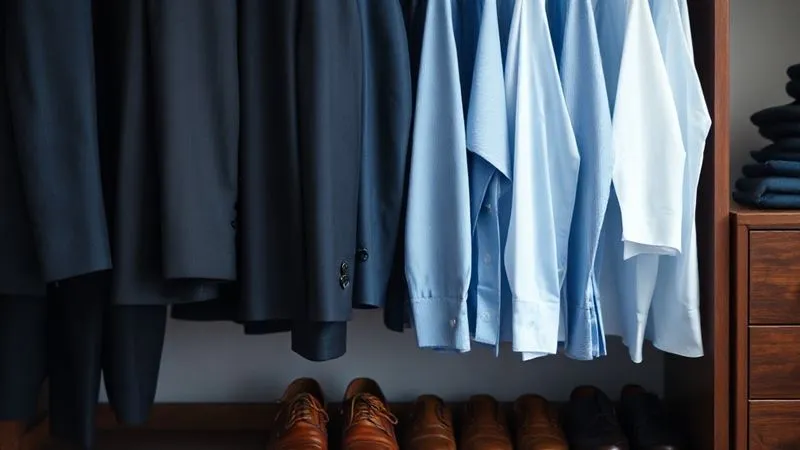
Before you even think about integrating trends, you must ensure your core wardrobe is robust. This is your sartorial anchor, the collection of versatile, high-quality pieces that form the backbone of countless executive outfits. Think of it as your investment portfolio for style – solid, reliable, and always performing.
- The Impeccable Suit: At least two high-quality suits in versatile colors like charcoal grey and navy blue. Ensure they are perfectly tailored.
- Versatile Blazers/Sport Coats: A navy blazer and a grey sport coat are indispensable. They pair effortlessly with trousers, chinos, or even dark denim for smart casual.
- Crisp Dress Shirts: A selection of white, light blue, and perhaps a subtle stripe or check. Focus on high-quality cotton (e.g., Egyptian or Sea Island) and a comfortable fit.
- Tailored Trousers: Wool dress trousers in grey, navy, and perhaps a subtle pattern. Also, well-fitting chinos in neutral tones for business casual.
- Quality Footwear: Polished leather Oxfords, Derbies, and loafers in black and brown. Invest in good shoe trees and regular polishing.
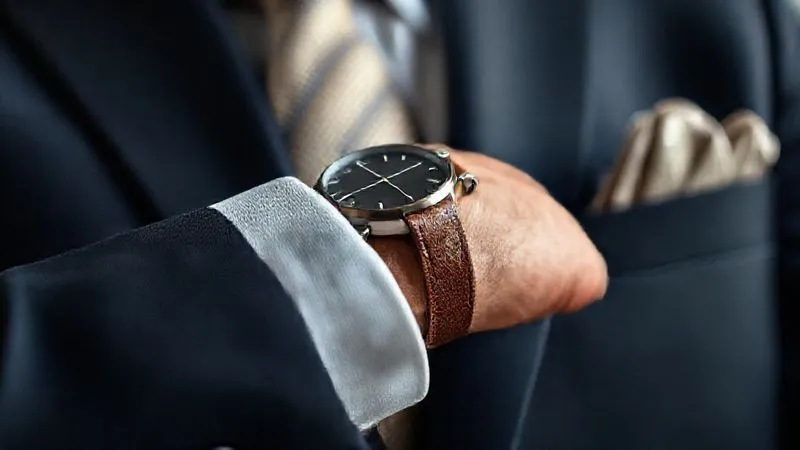
- Understated Accessories: Silk ties, pocket squares, a quality leather belt that matches your shoes, and a sophisticated watch.
Building this foundation ensures that any trend you introduce will have a solid, professional base to complement. It's about having the right canvas before you add the brushstrokes of modernity.
Strategic Integration: Weaving Trends into Your Professional Look
This is where the art of executive trend adaptation truly comes into play. It's about being intentional and subtle, rather than overt. The goal is to appear current and sophisticated, not like you're trying too hard.
The "One-Trend-Per-Outfit" Rule
This is perhaps the most critical guideline for executives. When adapting fast menswear trends for executive style, limit yourself to introducing just one contemporary element per outfit. For instance, if you're experimenting with a wider lapel suit, keep the rest of your ensemble classic. If you're wearing a subtle patterned shirt that's on-trend, pair it with a traditional suit and tie. Overloading an outfit with multiple trends can quickly veer into 'fashion victim' territory, undermining your executive presence.
Focus on Accessories: The Low-Risk Trend Play
Accessories offer the safest and most effective entry point for incorporating trends. They are often less expensive, easier to swap out, and make a statement without dominating your entire look. Think about:
- Ties and Pocket Squares: Experiment with on-trend colors, subtle patterns, or interesting textures (e.g., grenadine silk, knit ties).
- Watches: While a classic timepiece is always in style, a modern minimalist design or a watch with a unique strap material can add a contemporary touch.
- Eyewear: A new frame style can dramatically update your look. Consider bolder acetate frames or sleek metal designs that align with current aesthetics.
- Briefcases/Bags: A modern leather briefcase or a stylish, minimalist tech bag can signal forward-thinking professionalism.
These smaller elements allow you to test the waters of a trend without a significant investment or commitment, making it easier to adapt fast menswear trends for executive style with confidence.
Material Matters: Fabric Choices for Modern Sophistication
The tactile quality and visual appeal of your clothing's fabric are paramount in executive style. Modern trends often feature innovative materials or new interpretations of classic ones. Understanding these can elevate your wardrobe significantly.
Beyond Wool: Exploring Linen, Technical Blends, and More
While wool remains the king of executive suiting, don't shy away from exploring other high-quality fabrics that reflect contemporary trends in comfort and performance. For warmer climates or more relaxed executive settings, consider:
- High-Twist Wool: Offers excellent wrinkle resistance, perfect for travel.
- Linen Blends: A linen-wool or linen-cotton blend provides the breathability of linen with reduced creasing, making it suitable for sophisticated summer suiting or blazers.
- Technical Fabrics: Modern suits and trousers are increasingly incorporating stretch, moisture-wicking, or stain-resistant properties. These performance-oriented fabrics offer enhanced comfort and practicality without sacrificing a polished look. Look for subtle integration in brands known for innovation.
- Cashmere/Merino Wool Blends: For knitwear, these offer luxurious softness and refined texture, perfect for layering under a sport coat.
"The true mark of a discerning executive is not just wearing quality, but understanding the nuance of fabric – its drape, its performance, and its subtle message of sophistication." - Expert Stylist's Insight
These material choices allow you to embrace modern comfort and utility while maintaining an executive aesthetic. They demonstrate an awareness of innovation without being overtly trendy.
Color and Pattern Play: Subtle Statements for the Boardroom
Color and pattern are powerful tools in menswear. While the executive wardrobe is traditionally anchored in neutrals, contemporary trends often introduce new palettes or bolder patterns. The key is judicious application.
Mastering the Art of Tonal Dressing
Tonal dressing – layering different shades of the same color – is a sophisticated trend that works exceptionally well in an executive context. It creates depth and visual interest without being flashy. For instance, pair a navy suit with a lighter blue shirt and a deeper blue tie, or a charcoal suit with a medium grey shirt and a dark grey knit tie. This approach allows you to incorporate subtle color variations that are currently in vogue, maintaining a cohesive and polished look. It’s a nuanced way to adapt fast menswear trends for executive style without resorting to bright, distracting hues.
Introducing Modern Patterns (e.g., subtle checks, micro-prints)
While pinstripes and solids are timeless, modern executive menswear embraces subtle, refined patterns. Consider:
- Micro-Checks/Gingham: For dress shirts, these offer a more contemporary alternative to solid colors, adding texture without being distracting.
- Prince of Wales Check (Glen Plaid): A classic pattern experiencing a resurgence, especially in suits and sport coats. Its intricate yet subtle design is perfect for executive settings.
- Birdseye or Sharkskin Weaves: These textured weaves create a subtle pattern that adds depth to solid suits, giving them a modern edge.
When incorporating patterns, ensure they are subtle and proportionate to your build. A smaller pattern is generally more appropriate for conservative environments. Here's a quick guide to popular executive-appropriate patterns:
| Pattern Type | Best Use | Impact |
|---|---|---|
| Micro-Check | Dress Shirts, Casual Blazers | Subtle texture, modern refinement |
| Glen Pl Plaid (Prince of Wales) | Suits, Sport Coats | Classic with contemporary appeal, sophisticated |
| Birdseye/Sharkskin | Suits, Trousers | Adds depth to solids, understated elegance |
| Subtle Stripe (Pencil/Hairline) | Dress Shirts, Suits | Elongating, traditional yet always current |
The Fit Factor: Why Tailoring is Non-Negotiable for Executives
I cannot stress this enough: the single most impactful factor in elevating your executive style, regardless of trends, is fit. A perfectly tailored garment can make an inexpensive suit look refined, while an ill-fitting designer suit will always look sloppy. This is the ultimate differentiator that allows you to confidently adapt fast menswear trends for executive style.
The Power of a Perfect Silhouette
Modern menswear trends often play with silhouettes – from slightly more relaxed shoulders to tapered trousers. However, for an executive, the silhouette must always remain sharp and flattering. A skilled tailor can adjust off-the-rack garments to fit your unique body shape, ensuring clean lines, appropriate length, and comfortable movement. This customisation is what truly sets executive dressing apart. It signals precision, attention to detail, and a command of one's image.
- Jacket Shoulders: The seam should sit precisely where your shoulder ends. No overhang, no pulling.
- Sleeve Length: Cuff should end where your wrist meets your hand, allowing about half an inch of shirt cuff to show.
- Jacket Length: Should cover your seat and end around the middle of your hand when standing with arms relaxed.
- Trouser Waist: Comfortable, without needing a belt to stay up.
- Trouser Break: A 'no break' or 'slight break' is modern and sharp. Trousers should just kiss the top of your shoes.
- Trouser Width: Tapered, but not tight. Allows for comfortable movement without excess fabric flapping.
Case Study: Elevating 'Executive Casual' for a Tech Leader
From Stuffy to Savvy: John's Transformation
Let me tell you about John, a brilliant CTO at a rapidly growing FinTech startup. John was known for his technical prowess but his wardrobe was stuck in a past decade – ill-fitting, standard-issue suits for formal meetings, and shapeless polos with dad jeans for daily office wear. He wanted to project innovation and leadership, but his style was a disconnect. He came to me seeking advice on how to adapt fast menswear trends for executive style without looking out of place in his dynamic, yet still professional, environment.
My strategy for John focused on strategic integration and fit. First, we addressed his 'executive casual.' Instead of shapeless polos, we opted for high-quality, slim-fit merino wool knit polos in sophisticated shades like forest green and deep burgundy. These were paired with perfectly tailored, modern-cut chinos in charcoal and olive, replacing his baggy jeans. For outerwear, a minimalist, unlined blazer in a subtle sharkskin weave became his go-to, offering structure without formality. We introduced a trend for comfortable yet polished footwear: premium leather sneakers with sleek, minimalist designs, worn with no-show socks.
For more formal presentations, we kept his core navy and grey suits but had them expertly tailored to a contemporary slim fit. The 'trend' here was subtle: a slightly wider lapel on his new navy suit, a textured knit tie in a rich, dark hue, and a geometric-patterned pocket square. The result? John looked significantly more modern, approachable, and authoritative. His team noticed the change, and he reported feeling more confident and aligned with his company's innovative image. He wasn't chasing every trend, but selectively integrating those that enhanced his professional persona.
Leveraging Data: What Industry Reports Say About Executive Image
It's not just about looking good; it's about the tangible impact your image has on your career and how others perceive your competence and leadership. Research consistently underscores the critical role of personal presentation.
According to a study by Harvard Business Review, executive presence accounts for 26% of what it takes to get promoted. This presence isn't just about communication skills; it's significantly influenced by how you present yourself. Similarly, Forbes frequently highlights how personal branding, which includes your sartorial choices, directly impacts your credibility and influence within your industry. Dressing in a way that is current yet authoritative signals that you are attuned to the modern world while remaining grounded in professional excellence.
This isn't vanity; it's strategy. An executive who masters how to adapt fast menswear trends for executive style demonstrates an understanding of both traditional business acumen and contemporary relevance. It suggests adaptability, attention to detail, and a forward-thinking mindset – all traits highly valued in leadership roles. Consider this data compiled from various industry reports on the impact of executive image:
| Aspect of Image | Impact on Perception |
|---|---|
| Professional Attire | Increased competence, trustworthiness, leadership potential |
| Current, Adapted Style | Forward-thinking, innovative, adaptable |
| Impeccable Grooming | Attention to detail, discipline, self-respect |
| Confident Demeanor | Authority, decisiveness, gravitas |
Avoiding Pitfalls: Common Mistakes When Adapting Trends
While the goal is to integrate trends seamlessly, there are common missteps that can undermine your efforts. Being aware of these can save you from sartorial blunders.
Overdoing It: The "Fashion Victim" Trap
The most common mistake I've observed is trying to incorporate too many trends at once, or choosing trends that are simply too bold for an executive environment. This leads to the dreaded 'fashion victim' look – someone who appears to be chasing trends rather than owning their style. Remember the 'one-trend-per-outfit' rule. Your look should be sophisticated and refined, not a billboard for the latest runway show. Subtlety is your greatest asset when you adapt fast menswear trends for executive style.
Ignoring Your Body Type and Personal Brand
Not every trend is for every body type or every personal brand. A trend that looks fantastic on a runway model might not flatter your physique, or it might clash with the established image you've cultivated. Always consider: 'Does this trend enhance my best features?' and 'Does this align with the professional brand I want to project?' If a trend doesn't serve either of these, it's best to politely pass. Authenticity in style is as crucial as authenticity in leadership.
Another crucial mistake is neglecting the context. What works in a creative agency might not fly in a traditional law firm. Always gauge your corporate culture before making significant stylistic shifts. When in doubt, err on the side of classic elegance with a subtle modern twist.
Frequently Asked Questions (FAQ)
How do I know which trends are appropriate for my executive environment? The best way is to observe. Look at what successful leaders in your specific industry and company are wearing. Are they incorporating subtle textures, modern fits, or specific colors? Generally, trends that focus on improved fabric technology, refined silhouettes, or sophisticated color palettes are safer bets than overtly flashy or casual items. Always prioritize quality and fit above all else.
Can I wear sneakers with a suit in an executive setting? This is a nuanced question. In some progressive tech or creative industries, a sleek, minimalist leather sneaker worn with a perfectly tailored suit can be an acceptable 'executive casual' look. However, in more traditional sectors (finance, law), it's generally a definite no. If you're unsure, stick to polished leather dress shoes. If your environment allows, ensure the sneakers are pristine, made of high-quality leather, and complement the suit's color.
How much should I invest in trending pieces? Invest strategically. Your core, timeless wardrobe pieces (suits, blazers, dress shoes) warrant significant investment for their longevity and quality. Trending pieces, especially those that are more ephemeral, should be approached with caution. You can often incorporate trends through more affordable accessories (ties, pocket squares, socks) or mid-range items like a contemporary knit polo. Don't break the bank on a piece that might look dated next season.
What's the role of personal branding in executive style? Personal branding is intrinsically linked to executive style. Your attire is a powerful non-verbal communicator of who you are, what you represent, and your attention to detail. Consistently refined and thoughtfully adapted style reinforces your professional image, builds trust, and positions you as a leader who is both stable and forward-thinking. It helps differentiate you in a competitive landscape, acting as a visual extension of your professional identity.
How often should I update my executive wardrobe to stay current? Rather than a complete overhaul, think of it as continuous, subtle refinement. Your core wardrobe should last for years with proper care. Introduce 2-3 new trending accessories or a single key garment (like a modern-fit blazer or a new pair of contemporary dress shoes) each season or year. This allows for gradual evolution, keeping your style fresh without chasing every fleeting trend. Focus on quality over quantity.
Key Takeaways and Final Thoughts
Mastering how to adapt fast menswear trends for executive style is not about being a fashionista; it's about strategic self-presentation. It's about leveraging the power of contemporary aesthetics to enhance your professional image, signaling that you are a forward-thinking leader who understands the importance of both tradition and innovation. My journey through the menswear industry has consistently reinforced that true style, especially at the executive level, is a blend of confidence, discernment, and meticulous attention to detail.
- Build a Strong Foundation: Invest in high-quality, timeless core pieces first.
- Be Selective with Trends: Choose trends that offer longevity and align with your professional brand.
- Prioritize Fit: Tailoring is non-negotiable for an executive silhouette.
- Use Accessories Wisely: They are your safest and most impactful entry point for trends.
- Understand Context: Always consider your industry and company culture.
- Aim for Subtle Sophistication: Avoid overdoing trends; elegance lies in restraint.
Your executive style is a powerful asset. By thoughtfully integrating modern menswear trends, you don't just dress for success; you embody it. Step forward with confidence, knowing that your sartorial choices are as sharp and strategic as your business acumen. Embrace this journey of refinement, and watch as your enhanced presence opens new doors and strengthens your leadership impact.
Recommended Reading
- 7 Key Challenges Appraising 1920s Designer Clothing & How to Overcome Them
- 5 Proven Strategies: Scaling Daily Fashion Content Without Losing Quality
- Unveiling the Past: How to Achieve Historical Accuracy in 18th-Century Fashion
- Authenticate Vintage Designer Handbags: The Expert's Secret Guide
- 5 Proven Steps: Safely Remove Severe Yellowing from Antique Wedding Dresses



Your email address will not be published. Required fields are marked *