


How to Scale Daily Fashion Content Without Sacrificing Quality?
For over 15 years in the fashion blogging sphere, I've seen countless brilliant creatives hit a wall. They start with passion, produce stunning, high-quality content, and then, as their audience grows, the pressure to post daily or even multiple times a day becomes overwhelming.
This often leads to a painful paradox: the very act of scaling content for growth begins to erode the quality and authenticity that attracted the audience in the first place. You find yourself churning out posts just to meet a schedule, rather than inspiring with genuine style and thoughtful insights.
But what if I told you that scaling your daily fashion content doesn't have to mean compromising on quality? In this definitive guide, I'll share the frameworks, strategies, and expert insights I've honed over years to help you achieve sustainable, high-quality growth without burning out or losing your unique voice.
The Foundation: Auditing Your Current Content Workflow
Before you can effectively scale, you must first understand your current operational baseline. I've found that many bloggers jump straight into 'more content' without truly dissecting where their time and energy are currently going, leading to inefficiencies that only multiply with scale.
A thorough audit isn't just about looking at what you produce; it's about examining the entire lifecycle of a piece of content, from ideation to publication and promotion. This critical first step uncovers hidden bottlenecks and identifies opportunities for optimization that are essential for future growth.
Identifying Bottlenecks
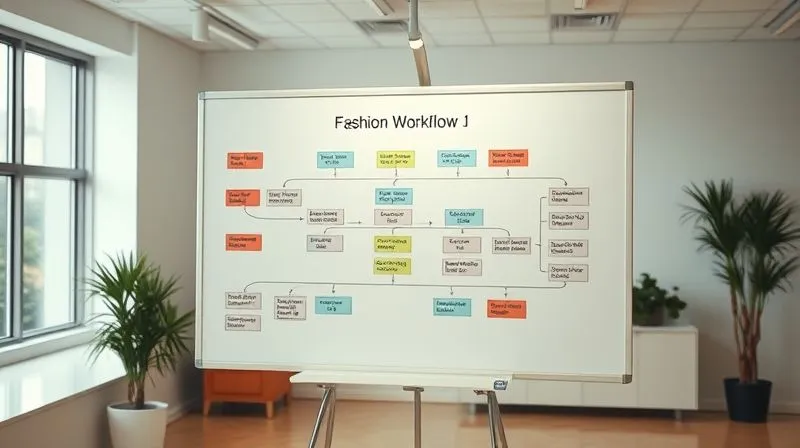
Start by mapping out every single step involved in creating a typical piece of daily fashion content. This includes ideation, trend research, outfit selection, photography, editing, writing, SEO optimization, scheduling, and social media promotion.
Pinpoint areas where you consistently spend too much time, encounter delays, or feel overwhelmed. Is it photo editing? Writer's block? Or perhaps the endless cycle of social media promotion? Be brutally honest with yourself.
Setting Realistic KPIs for Efficiency
Scaling isn't just about quantity; it's about efficient quality. Establish Key Performance Indicators (KPIs) that measure not just output, but also the time and resources invested. For instance, how long does a high-quality outfit post typically take you from start to finish?
Understanding these metrics will provide a benchmark against which you can measure improvements as you implement new strategies. It shifts the focus from 'just get it done' to 'get it done efficiently and excellently.'
- Document Every Step: Create a detailed list of all tasks for a single piece of content.
- Time Tracking: Use a simple timer or app to track how long each task takes for a week.
- Identify Pain Points: Highlight tasks that consistently take longer than expected or cause frustration.
- Analyze Dependencies: Understand how one task impacts the start or completion of another.
- Brainstorm Solutions: For each bottleneck, list potential solutions, tools, or process changes.
“True scalability isn't about working harder; it's about working smarter and eliminating friction points in your creative process.”
Once you have a clear picture of your current workflow, you can strategically introduce changes that will amplify your output without diluting your brand's essence.
Strategic Content Pillars & Theming for Efficiency
One of the most effective ways I've found to scale daily fashion content is through the strategic use of content pillars and thematic planning. This approach provides a robust framework that ensures consistency, reduces decision fatigue, and allows for efficient batch creation.
Instead of waking up each day wondering 'what should I post?', you'll have a pre-defined roadmap that aligns with your brand's core values and audience interests. This predictability is a cornerstone of sustainable content production.
Developing Evergreen Content Categories
Your content pillars are the broad, overarching themes that define your blog. For a fashion blogger, these might include 'Seasonal Style Guides,' 'Wardrobe Essentials,' 'Trend Spotting & Analysis,' 'Sustainable Fashion,' or 'Personal Styling Tips.' These aren't daily topics, but categories under which daily content can fall.
Focusing on evergreen content within these pillars means your posts remain relevant for longer, providing continuous value and reducing the need for constant new ideation. This also significantly boosts your SEO over time.
Batching & Thematic Content Creation
Once your pillars are established, you can plan your content thematically. For example, dedicate a week or a month to 'Autumn Layering Essentials.' During this period, all your daily content—outfit posts, accessory spotlights, styling tips, shopping guides—revolves around this central theme.
This allows for batch creation: shoot all your photos for the theme in one or two dedicated sessions, write multiple related blog posts in a concentrated sprint, and even pre-schedule social media snippets. This approach drastically cuts down on context-switching and boosts productivity.
Case Study: How 'StyleSavvy' Blog Streamlined Content
Consider 'StyleSavvy,' a popular fashion blog that struggled with daily content ideation. Their founder, Anya, felt perpetually behind, constantly scrambling for new outfit ideas. After implementing content pillars like 'Workwear Wonders,' 'Weekend Vibes,' and 'Evening Elegance,' she began thematic planning.
For one month, she focused on 'Workwear Wonders.' She scheduled a single photoshoot day where she captured 15 different work-appropriate outfits. Over the next two weeks, she drafted 10 blog posts, each focusing on a specific aspect of workwear (e.g., '5 Power Blazers,' 'Accessorizing for the Office,' 'Smart Casual Fridays'). This systematic approach reduced her content creation time by 40% and resulted in a more cohesive, valuable series for her audience, leading to a 20% increase in engagement. As Harvard Business Review emphasizes, a clear content strategy is crucial for efficiency and impact.
Leveraging Smart Technology & Automation (Wisely!)
In my journey, I've seen technology evolve from a nice-to-have to an absolute necessity for scaling. However, the key is 'smart' and 'wisely.' Automation should augment your creativity, not replace it. It's about taking the repetitive, time-consuming tasks off your plate so you can focus on the artistic and strategic aspects of your fashion blog.
From content ideation to scheduling and analytics, the right tools can be game-changers. The goal is to streamline your operations, ensuring consistent output without compromising the human touch that defines your brand.
AI-Assisted Content Ideation & Research
Forget staring at a blank screen. AI tools can be incredibly powerful for brainstorming blog post titles, generating topic clusters around your content pillars, or even suggesting LSI keywords for SEO. They can quickly analyze trends and popular queries, giving you a strong starting point for your daily content.
Similarly, for research, AI can swiftly summarize articles, identify key statistics, and help you stay on top of emerging fashion trends, saving you hours of manual digging. Remember, these are assistants—your unique perspective and editorial judgment remain paramount.
Scheduling & Publishing Automation
Once your content is created, automation tools can handle the heavy lifting of scheduling and publishing across your blog and social media channels. Platforms like Buffer, Later, or Hootsuite allow you to pre-plan your posts, ensuring a consistent daily presence even when you're focused on other tasks.
This frees up mental space and guarantees that your meticulously crafted content reaches your audience exactly when it's most impactful, without you having to be glued to your screen 24/7.
| Task Category | Manual Approach | Automated/AI Tool | Time Saved (Est.) |
|---|---|---|---|
| Content Ideation | Brainstorming, manual trend research | ChatGPT, SEMrush Topic Research, Google Trends | 3-5 hours/week |
| Photo Editing | Individual adjustments, repetitive presets | Lightroom presets, AI-powered photo enhancers | 2-4 hours/week |
| Social Media Scheduling | Posting manually to each platform | Buffer, Later, Hootsuite | 1-2 hours/week |
| SEO Optimization | Keyword stuffing, manual link building | Yoast SEO, Rank Math, Surfer SEO | 1-3 hours/week |
“Automation isn't about replacing the human element; it's about empowering the human to be more creative and strategic by offloading the mundane.”
The Art of Repurposing & Atomizing Content
This is arguably one of the most underutilized yet powerful strategies for scaling without sacrificing quality. Instead of constantly creating new content from scratch, learn to extract maximum value from every piece you produce. Think of your core blog posts as a goldmine from which you can continuously extract smaller, valuable nuggets.
Repurposing isn't about lazy rehashes; it's about intelligently transforming your high-quality content into various formats suitable for different platforms and audience preferences. This amplifies your reach and reinforces your message without significant additional effort.
From Blog Post to Micro-Content
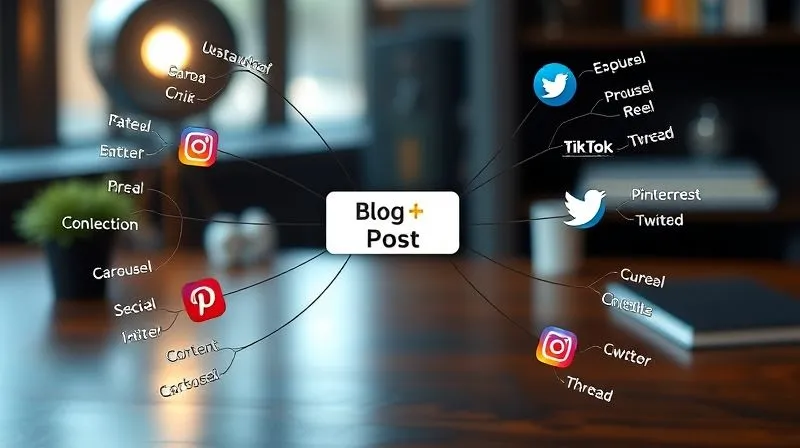
Every in-depth blog post you create can be broken down into dozens of smaller pieces of micro-content. A comprehensive 'Spring Wardrobe Refresh' guide, for instance, isn't just one blog post. It's also:
- 5-7 Instagram carousel posts highlighting key pieces.
- 10-15 Pinterest pins with different outfit combinations.
- A short-form video (Reel/TikTok) demonstrating a quick styling tip.
- A series of Twitter threads on sustainable spring fashion.
- An email newsletter segment summarizing the main points.
Each of these micro-pieces drives traffic back to your main blog post, extending its lifespan and value. It's a highly efficient way to maintain a daily presence across multiple channels.
Cross-Platform Adaptation
Don't just copy-paste. Adapt your content to suit the native format and audience expectations of each platform. A styling tip for an Instagram Reel might be a quick visual demonstration with trending audio, while the same tip on your blog would be a detailed explanation with product links and alternative suggestions.
This thoughtful adaptation ensures that your content feels organic and engaging wherever it appears, maintaining your brand's quality and relevance across your entire digital footprint. As Forbes highlights, repurposing is key to maximizing marketing efforts.
- Identify Core Content: Start with your most valuable, in-depth blog posts.
- Brainstorm Formats: List all possible micro-content formats (images, videos, quotes, infographics, checklists).
- Extract Key Messages: Pull out the most impactful quotes, tips, or statistics.
- Design for Platform: Tailor the visuals, text, and tone for each specific platform.
- Schedule & Promote: Integrate repurposed content into your daily posting schedule.
Building a High-Performing Creative Team (or Outsourcing)
At a certain point, scaling beyond a solo operation becomes inevitable if you want to maintain quality. I've learned that you can only wear so many hats effectively before quality starts to slip. This doesn't necessarily mean hiring full-time employees; smart outsourcing and building a collaborative network can be just as effective.
The key is to delegate tasks that are either time-consuming, outside your core expertise, or can be performed more efficiently by someone else. This allows you to focus on your strengths—your unique fashion vision and brand voice.
Defining Roles & Responsibilities
Start by identifying which parts of your content creation process can be delegated. Do you struggle with photo editing? Hire a freelance editor. Is writing taking up too much time? Consider a ghostwriter or a content assistant. Are you overwhelmed by social media management? A virtual assistant might be the answer.
Clearly define the scope of work, expectations, and deliverables for each role. This clarity prevents misunderstandings and ensures that the outsourced work seamlessly integrates into your workflow.
Effective Collaboration & Feedback Loops
Hiring help is only half the battle; integrating them effectively is the other. Establish clear communication channels and a robust feedback loop. Provide detailed style guides, brand guidelines, and examples of your preferred aesthetic. This ensures that any outsourced work aligns perfectly with your brand voice and quality standards.
Regular check-ins, constructive feedback sessions, and utilizing collaboration tools (like Asana, Trello, or Google Drive) are crucial for maintaining consistency and fostering a productive working relationship. Remember, you're building a team, even if they're remote freelancers.

Quality Control: Maintaining Your Brand Voice & Aesthetic
Scaling can sometimes feel like a runaway train, making it harder to ensure every piece of content meets your exacting standards. This is where robust quality control mechanisms become non-negotiable. Your brand's voice and aesthetic are your unique selling propositions; they must be protected at all costs.
I've always advocated for a proactive approach to quality control, embedding it into every stage of the content creation process rather than just a final check. This ensures consistency and prevents costly rework.
Establishing Brand Style Guides
A comprehensive brand style guide is your bible for maintaining consistency. It should cover not just visual elements (color palettes, typography, photography style, editing presets) but also your brand voice (tone, common phrases, words to avoid, how to address your audience).
This guide serves as a reference for anyone contributing to your content, whether it's an outsourced photographer, a guest writer, or even yourself when you're feeling creatively drained. It ensures that every piece of content feels authentically 'you.' According to Nielsen Norman Group, strong brand guidelines are crucial for user experience and trust.
The Iterative Review Process
Implement a multi-stage review process. This isn't about micromanaging, but about catching potential inconsistencies or errors early. For instance, a writer might submit a draft, which then goes to an editor (you or a freelancer) for tone and clarity, followed by a final check for SEO and visual integration.
For visual content, a similar process applies: initial photo selection, editing, and then a final review against your brand's aesthetic guidelines. This iterative approach ensures that multiple sets of eyes are on the content before it goes live, significantly reducing the risk of quality dips.
| Content Type | Review Stage 1 | Review Stage 2 | Review Stage 3 | Final Approval |
|---|---|---|---|---|
| Blog Post | Outline & Keyword Check | Draft for Tone & Clarity | SEO & Image Integration | Brand Owner |
| Outfit Photoshoot | Concept & Mood Board | Raw Photo Selection | Edited Photo Review (Style Guide Adherence) | Brand Owner |
| Social Media Post | Copy & Hashtag Check | Visual Alignment | Call-to-Action Clarity | Brand Owner |
Data-Driven Optimization for Sustainable Growth
Scaling daily fashion content isn't just about creating more; it's about creating *smarter* content that resonates deeply with your audience and achieves your business objectives. This requires a commitment to data-driven optimization. I've seen too many bloggers create content in a vacuum, relying solely on intuition. While intuition is vital, it must be informed by data.
By regularly analyzing your performance metrics, you can identify what's working, what's not, and where to double down your efforts. This iterative process of creation, measurement, and adjustment is the bedrock of sustainable, high-quality growth.
Monitoring Key Performance Indicators
Beyond vanity metrics, focus on KPIs that truly reflect engagement and conversion. For a fashion blog, this might include:
- Engagement Rate: Comments, shares, likes per post.
- Time on Page: How long readers are spending with your content.
- Bounce Rate: How many visitors leave after viewing only one page.
- Click-Through Rate (CTR): For affiliate links or internal links.
- Conversion Rate: Sales from affiliate links, email sign-ups, product purchases.
- Audience Growth: Followers, subscribers, unique visitors.
These metrics provide a clear picture of how well your scaled content is performing and where there are opportunities for improvement. They help you understand your audience's preferences at a granular level.
A/B Testing & Iteration
Don't be afraid to experiment. A/B test different elements of your daily content. Try varying:
- Headline styles: Question-based vs. benefit-driven.
- Call-to-actions: Direct vs. subtle.
- Image styles: Lifestyle vs. flat lay.
- Post formats: Listicle vs. narrative.
- Publishing times: Morning vs. evening.
Even small, incremental improvements from A/B testing can lead to significant gains in engagement and reach over time. The fashion landscape is constantly evolving; your content strategy should be too. Use these insights to refine your approach and ensure your scaled content is always hitting the mark.

Frequently Asked Questions (FAQ)
How do I avoid sounding repetitive with daily content? The key is thematic planning and leveraging your content pillars. Instead of just 'another outfit post,' frame it within a broader theme, like 'Autumn Layering: The Art of the Trench Coat' or 'Workwear Wednesday: Power Dressing on a Budget.' Repurpose core messages into diverse formats, and always seek fresh angles or updated trends within your established categories. Your unique perspective is what prevents repetition, even with similar subjects.
What's the biggest mistake fashion bloggers make when trying to scale? In my experience, the biggest mistake is prioritizing quantity over quality too quickly. They see the need for more content and immediately drop their standards, believing that 'more is better.' This inevitably leads to audience disengagement, a loss of brand authenticity, and ultimately, burnout. Sustainable scaling always begins with optimizing existing quality and then strategically expanding.
Can AI genuinely help with creative fashion content, or will it make my blog generic? AI is a tool, an assistant, not a replacement for human creativity. It can genuinely help with brainstorming ideas, researching trends, optimizing SEO, and even generating initial drafts of non-core content like social media captions. However, your unique fashion sense, personal stories, and aesthetic judgment are irreplaceable. Use AI to handle the mundane, freeing you up for the truly creative work that defines your brand.
How do I know when it's time to hire help or outsource? You'll know it's time when you consistently feel overwhelmed, your content quality starts to dip, or you find yourself spending too much time on administrative tasks rather than creative ones. If you're routinely missing deadlines or feeling perpetually exhausted, it's a clear signal. Start small, perhaps with a freelance editor or photographer for a specific project, and scale your support team as your needs and budget allow.
Is daily posting always necessary for growth in fashion blogging? Not necessarily 'daily,' but consistent and frequent posting is crucial. The optimal frequency depends on your niche, audience, and capacity. Some blogs thrive with 3-4 high-quality posts a week, while others manage daily. The goal isn't just 'daily' for its own sake, but rather maintaining a consistent presence that keeps your audience engaged without sacrificing the quality that defines your brand. Focus on consistency and value, not just arbitrary numbers.
Key Takeaways and Final Thoughts
- Audit Your Workflow: Understand your current process to identify and eliminate inefficiencies.
- Strategize with Pillars: Use content pillars and thematic planning for efficient, consistent content.
- Leverage Tech Smartly: Employ AI and automation tools to augment your creativity, not replace it.
- Repurpose Relentlessly: Maximize the value of every piece of content by transforming it for various platforms.
- Build Your Team: Delegate effectively through outsourcing or hiring to scale without burnout.
- Guard Your Quality: Implement strong brand guidelines and review processes to maintain your unique voice.
- Optimize with Data: Use analytics to understand what resonates and continuously refine your strategy.
Scaling your daily fashion content without sacrificing quality is not just a dream; it's an achievable reality with the right strategies and mindset. It requires discipline, strategic planning, and a willingness to evolve your processes. By focusing on efficiency, intelligent delegation, and unwavering commitment to your brand's unique aesthetic, you can grow your influence, deepen your connection with your audience, and truly thrive in the dynamic world of fashion blogging. Embrace these principles, and watch your fashion empire expand, one high-quality post at a time.
Recommended Reading
- Unlock All-Day Comfort: The Ultimate Guide to Business Casual Shoes for Men Who Stand
- Unlock Boutique Doors: 7 Strategies to Partner with High-End Bridal Shops
- The Secret Playbook: How to Get Early Access to New Shoe Launches
- 7 Proven Strategies: Stop Bot Scalpers Ruining Limited Streetwear Drops
- The Definitive Guide: How to Verify if a Fabric is Truly Biodegradable?





Your email address will not be published. Required fields are marked *