

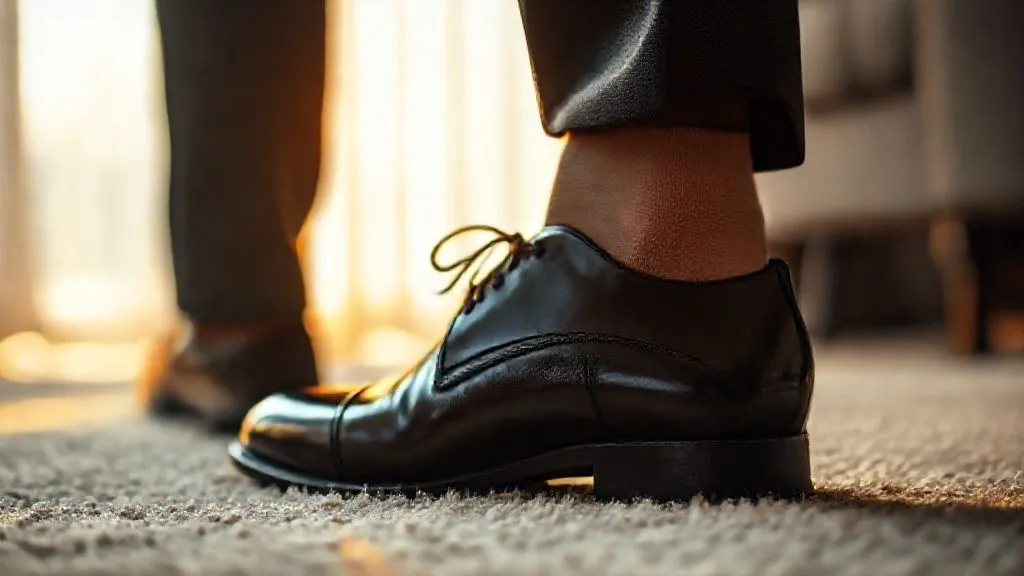
How to Prevent Foot Pain from Formal Shoes on Long Days?
For over two decades in the menswear industry, from bespoke tailoring houses to the bustling floors of luxury footwear boutiques, I've witnessed firsthand a universal truth: a man in discomfort is a man whose confidence is compromised. Countless times, I've seen sharply dressed professionals, poised and articulate in every other aspect, subtly shift their weight, wince with each step, or discreetly kick off a shoe under a conference table. The culprit? Often, it's the very formal shoes designed to complete their impeccable look.
The problem is pervasive and often goes unaddressed until it becomes unbearable. Whether it's a marathon day of client meetings, a wedding celebration stretching late into the night, or a demanding trade show, the elegant facade of a formal shoe can quickly give way to throbbing arches, pinched toes, and an overall sense of misery. This isn't just about minor annoyance; persistent foot pain can impact posture, concentration, and even long-term foot health, leading to conditions like plantar fasciitis, bunions, and hammertoes if left unchecked.
But it doesn't have to be this way. In this definitive guide, I'll share the accumulated wisdom from years of helping men navigate the complexities of formal footwear. We'll move beyond superficial fixes and delve into actionable, expert-backed strategies, from the initial selection process to advanced foot care and lifestyle adjustments, ensuring you can wear your finest shoes with enduring comfort and unshakeable confidence, no matter how long the day stretches. My aim is to equip you with the knowledge to not just alleviate pain, but to prevent foot pain from formal shoes on long days altogether.
Understanding the Anatomy of Discomfort: Why Formal Shoes Hurt
Before we can effectively prevent foot pain, we must first understand its origins. Formal shoes, by their very nature, are often designed with aesthetics and tradition in mind, sometimes at the expense of ergonomic comfort. This isn't to say style and comfort are mutually exclusive, but rather that a conscious, informed effort is required to achieve both.
The Culprits: Construction, Fit, and Materials
The primary reasons formal shoes cause pain can often be traced back to three core elements: their construction, their fit, and the materials used. Many traditional dress shoes feature stiff leather outsoles with minimal built-in cushioning, narrow toe boxes that compress the forefoot and restrict natural toe splay, and a general lack of substantial arch support. The rigid structure, while contributing to their polished look and durability, significantly restricts the natural movement and biomechanics of the foot, leading to fatigue and discomfort over hours.
Poorly fitting shoes are, perhaps, the most common offender. Shoes that are too tight will pinch, rub, and create pressure points, leading to painful blisters, corns, bunions, and even nerve compression. Conversely, shoes that are too loose allow the foot to slide excessively within the shoe, causing friction, instability, and forcing your foot muscles to work harder to grip the shoe. This constant strain leads to muscle fatigue, cramps, and generalized pain, especially in the arches and balls of the feet.
In my experience, many men make the critical mistake of ignoring early signs of discomfort, hoping the shoes will "break in." While some natural conforming of the leather occurs, persistent pinching, rubbing, or pressure points from the first wear are undeniable red flags that often signal a fundamental fit issue that will not simply disappear with time. A truly uncomfortable shoe on day one will likely be an uncomfortable shoe on day 100.
Furthermore, the materials used play a significant role. Lower-quality, stiff leathers or synthetic uppers can be rigid and unforgiving, failing to mold to the foot over time. These materials also often lack breathability, trapping moisture and heat, which can lead to fungal issues, bacterial growth, and increased friction, exacerbating the risk of blisters and general discomfort. Understanding these underlying causes is the first and most crucial step in formulating a comprehensive prevention strategy for how to prevent foot pain from formal shoes on long days.
The Foundation: Choosing the Right Formal Shoes from the Start
The battle against foot pain from formal shoes is won or lost long before you step out the door for a long day. It begins with the initial purchase. Investing time and thought into selecting the right pair is paramount, as a well-chosen shoe minimizes the need for drastic interventions later.
Prioritizing Fit Over Fashion Trends
While a certain style or brand might catch your eye, fit must always be the absolute priority. A shoe that doesn't fit correctly, no matter how stylish or expensive, will inevitably cause discomfort and potentially long-term foot issues. Here’s what I consistently advise my clients:
- Measure Both Feet, Always: Your feet are rarely identical. Always measure both feet professionally and fit the shoe to the larger foot. Shoe size can also change over time due to age, weight, or pregnancy, so don't rely on old measurements.
- Shop in the Afternoon or Evening: Your feet naturally swell throughout the day. Shopping later ensures you account for this expansion, preventing shoes from feeling too tight by evening.
- Always Stand Up and Walk: Never judge fit while seated. Stand up, walk around the store for a few minutes, and pay close attention to any pinching, slipping, or pressure points.
- Ensure Ample Wiggle Room: There should be about a thumb's width (approximately half an inch) between your longest toe and the end of the shoe. Crucially, your toes should be able to wiggle freely and spread naturally, not feel compressed or cramped.
- Secure Heel Grip: A slight, minor slip at the heel is acceptable in new leather shoes as they will mold to your foot, but excessive slipping indicates the shoe is too large, leading to friction and blisters.
- Comfortable Arch Contact: The arch of the shoe should comfortably support the arch of your foot without gapping or pinching. If you have high arches, ensure adequate support; if you have flat feet, look for a more accommodating last.
A common misconception is that all leather shoes will stretch significantly to conform to any foot. While genuine leather does conform to your foot over time, it will not miraculously transform a shoe that is fundamentally too narrow or too short into a comfortable fit. Buy for the fit you need now, not the fit you hope for later. No amount of stretching will correct a truly ill-fitting shoe.
Material Matters: Leather Quality and Breathability
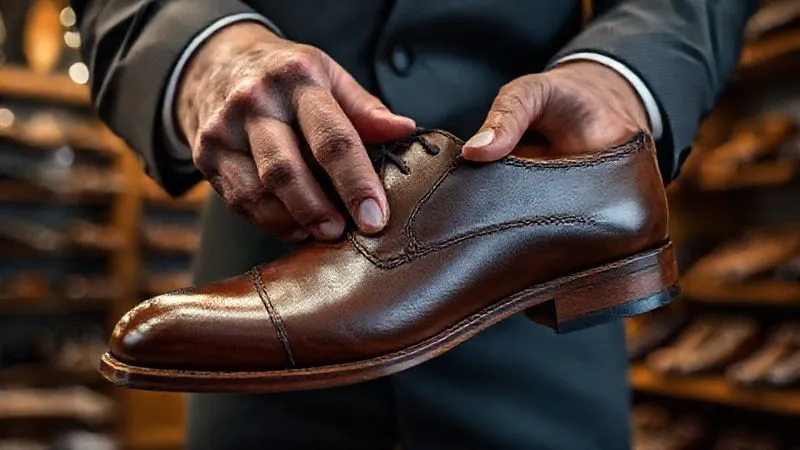
The quality of the leather directly impacts both comfort and longevity. Opt for premium materials like full-grain or top-grain leather. These leathers are more pliable, breathable, and will mold beautifully to your foot's unique shape over time, offering a custom-like fit and reducing friction. Avoid corrected-grain, patent leathers, or synthetic alternatives for daily wear, as they are often stiffer, less breathable, and won't adapt to your foot, leading to increased discomfort. For further reading on leather quality, you might find resources like this Forbes article on premium leather shoes insightful.
Consider the lining as well. A full leather lining is significantly superior to synthetic options, as it naturally wicks away moisture, helps regulate temperature, reduces friction, and allows your feet to breathe, preventing overheating, bacterial growth, and blistering. Look for soft, supple leather linings that feel smooth against your skin.
Sole Searching: Cushioning and Support
While traditional leather outsoles offer a sleek profile and the benefit of resoling, they often lack sufficient cushioning and shock absorption. For long days, I frequently recommend dress shoes with a rubber sole, or a combination sole (leather with a strategically placed rubber insert in the forefoot and heel). High-quality options like Dainite rubber soles or similar proprietary compounds provide excellent grip, superior shock absorption, and enhanced durability without sacrificing too much formality. Always look for shoes with a padded insole or, critically, enough internal volume to comfortably accommodate an aftermarket orthotic without making the shoe too tight.
Strategic Break-In: Don't Skip This Crucial Step
Even the best-fitting, highest-quality formal shoes need a proper break-in period. This isn't just about stretching the leather; it's about allowing the shoe to mold to the unique contours of your foot and for your foot to adapt to the shoe's structure. Rushing this process, or worse, skipping it altogether, is a surefire way to invite pain and regret when you need to prevent foot pain from formal shoes on long days.
The Gentle Art of Breaking In New Formal Footwear
Think of breaking in shoes as a gradual courtship, not a forced marriage. Patience and consistency are your allies. Here’s my recommended approach:
- Short Bursts at Home: Start by wearing your new shoes for an hour or two around the house in the evenings. This allows you to identify any potential pressure points or rubbing in a low-stakes, comfortable environment where you can easily switch shoes.
- Gradual Outdoor Exposure: Once they feel comfortable indoors, gradually introduce them to the outside world. Wear them for short errands, a brief commute, or a less demanding meeting. Slowly increase the duration over several days or even weeks.
- Thick Socks (Initially): During the initial break-in phase, wearing slightly thicker dress socks can help gently stretch the leather and provide an extra layer of cushioning and friction protection.
- Moisturize the Leather: Applying a good quality leather conditioner or balm can help soften the leather fibers, making them more pliable and comfortable faster. This also nourishes the leather, extending its life.
- Listen to Your Feet: If you feel significant discomfort, take them off. Don't push through pain, as this can lead to painful blisters, chafing, and an overall aversion to the shoes. It's better to break them in over several shorter sessions than one long, painful one.
Tools of the Trade: Shoe Stretchers and Conditioners
For stubborn tight spots, such as a narrow toe box or a high instep, a professional shoe stretcher can be a valuable tool. These devices can gently stretch specific areas to relieve pressure. Use them sparingly and always follow the manufacturer's instructions to avoid overstretching or damaging the leather. Additionally, maintaining your shoes with a good quality shoe conditioner or leather balm will keep the leather supple, preventing it from drying out and becoming rigid, which is crucial for ongoing comfort and flexibility.
The Power of Insoles and Orthotics: Your Secret Weapon
Even with the best shoes and a diligent break-in, an aftermarket insole or custom orthotic can be a game-changer for foot pain from formal shoes on long days. They provide customized support, cushioning, and stability that stock insoles often lack, effectively turning a good shoe into a great one for your feet.
Custom vs. Over-the-Counter: Finding Your Perfect Match
The choice between custom orthotics and over-the-counter insoles depends largely on the severity and nature of your pain, as well as any specific foot conditions you may have. Custom orthotics, prescribed by a podiatrist after a thorough biomechanical assessment, are tailored precisely to your foot's unique structure and gait. They offer the highest level of support, correction, and pressure redistribution. While they represent a significant investment, they can provide unparalleled relief for chronic issues and structural imbalances.
Over-the-counter insoles offer a more accessible and cost-effective solution. They come in various designs targeting specific needs: enhanced arch support, extra cushioning, metatarsal padding, or heel stability. Experimentation is often key to finding what works best for your foot type, pain points, and the internal volume of your formal shoes. Look for brands known for their quality and specific support features.
Understanding Different Insole Types for Specific Pains
Different insoles are engineered to address different pain points and provide targeted relief:
- Arch Support Insoles: Ideal for individuals with flat feet, fallen arches, or high arches, these insoles provide structured support to prevent arch collapse or excessive pronation/supination, distributing pressure more evenly across the foot.
- Cushioning Insoles: Primarily designed for shock absorption, these are often made of gel, memory foam, or EVA. They are perfect for reducing the impact on hard surfaces, alleviating general foot fatigue, and providing a softer ride.
- Metatarsal Pads: These small, strategically placed pads are designed to lift and separate the metatarsal bones, relieving pressure and pain in the ball of the foot, which is common in narrow or high-heeled dress shoes.
- Heel Cups/Pads: Providing extra cushioning and stability for the heel, these are beneficial for conditions like heel pain, plantar fasciitis, or Achilles tendonitis, helping to absorb impact and cradle the heel.
| Insole Type | Primary Benefit | Best For | Considerations |
|---|---|---|---|
| Arch Support | Corrects pronation/supination, even pressure distribution | Flat feet, high arches, plantar fasciitis | Requires adequate shoe depth, may feel rigid initially |
| Cushioning/Gel | Shock absorption, reduces impact, general comfort | Hard surfaces, general fatigue, impact reduction | Can compress over time, less structural support, may be bulky |
| Metatarsal Pad | Relieves ball-of-foot pain, reduces pressure on forefoot | Metatarsalgia, bunions, narrow toe boxes | Placement is crucial, may feel unusual initially, usually thin |
| Heel Cup/Pad | Cushions heel, provides stability, absorbs heel strike | Heel pain, plantar fasciitis, Achilles tendonitis | Can alter shoe fit, ensure secure placement, often low profile |
Mastering the Art of Sock Selection: An Unsung Hero
Often overlooked, the humble sock plays a critical, yet often underappreciated, role in preventing foot pain and maintaining comfort, especially when wearing formal shoes for extended periods. It's not just about aesthetics; it's about function.
Material, Thickness, and Moisture-Wicking Properties
The right sock can dramatically reduce friction, wick away moisture, regulate temperature, and provide an essential extra layer of cushioning. Here’s what to look for:
- Merino Wool Blends: Despite its reputation for warmth, merino wool is an exceptional natural fiber for socks. It excels at regulating temperature (keeping feet cool in summer, warm in winter), efficiently wicking moisture away from the skin, and resisting odor due to its antimicrobial properties. Modern merino wool dress socks are surprisingly thin and comfortable.
- Bamboo Blends: Socks made from bamboo fibers are exceptionally soft, breathable, and naturally moisture-wicking and antimicrobial. They offer a luxurious feel and are excellent for sensitive skin.
- High-Quality Cotton Blends: While 100% cotton can absorb moisture and stay wet (which increases friction and promotes blisters), a high-quality cotton blend with synthetics (like nylon or spandex) can offer a good balance of comfort, breathability, and moisture-wicking properties for less intense days. Look for seamless toe construction to prevent irritation.
- Avoid Cheap Pure Synthetics: Inexpensive synthetic socks often don't breathe well, trapping moisture and heat, which significantly increases the risk of blisters, fungal infections, and general discomfort.
The thickness of the sock also matters. A slightly thicker, well-cushioned dress sock can provide an additional buffer against the shoe's rigid structure and absorb impact. Ensure the sock fits well – no bunching, especially around the toes or heel, as this can create pressure points and friction. The right sock is an integral part of how to prevent foot pain from formal shoes on long days.
The Role of Compression Socks for Long Days
For truly long days, especially those involving extensive standing, prolonged sitting, or travel, consider mild compression socks. These aren't just for athletes or those with specific medical conditions; they improve circulation, reduce swelling (edema), and prevent fatigue in your lower legs and feet by gently squeezing the legs, promoting blood flow back to the heart. Look for dress-appropriate styles that offer light to moderate compression (8-15 mmHg or 15-20 mmHg). Research, such as this study on the benefits of compression socks, supports their efficacy in reducing leg fatigue and swelling.
Mid-Day Relief: Practical Strategies for On-the-Go Comfort
Even with the best preparation, long days can test the limits of foot comfort. Having a few discreet, on-the-go strategies can make all the difference in preventing foot pain from formal shoes on long days and ensuring you remain comfortable and focused throughout your commitments.
Stealthy Stretches and Foot Exercises
Don't just sit there! Periodically performing subtle foot and ankle exercises can significantly boost circulation, relieve pressure, and stretch tense muscles without drawing undue attention:
- Ankle Rotations: While seated, lift your foot slightly off the floor and gently rotate your ankle clockwise and counter-clockwise 10 times each. This improves flexibility and circulation.
- Toe Wiggles and Spreads: Discreetly wiggle your toes inside your shoes, attempting to spread them as wide as possible. This helps to improve blood flow, prevent toe compression, and stretch the small muscles in your forefoot.
- Heel-Toe Rock: If standing, gently shift your weight from your heels to your toes and back. This engages different foot muscles, provides a slight stretch to the calves and arches, and subtly massages the soles of your feet.
- Calf Stretches: If you can find a wall or desk, discreetly perform a calf stretch (one foot forward, one back, lean into the wall) to relieve tension that can travel down to your feet and impact your Achilles tendon.
- Foot Roll (if possible): If you have a small, firm ball (like a golf ball or tennis ball) accessible, discreetly rolling your foot over it can provide an excellent self-massage for the arch and heel.
The Shoe Rotation Principle
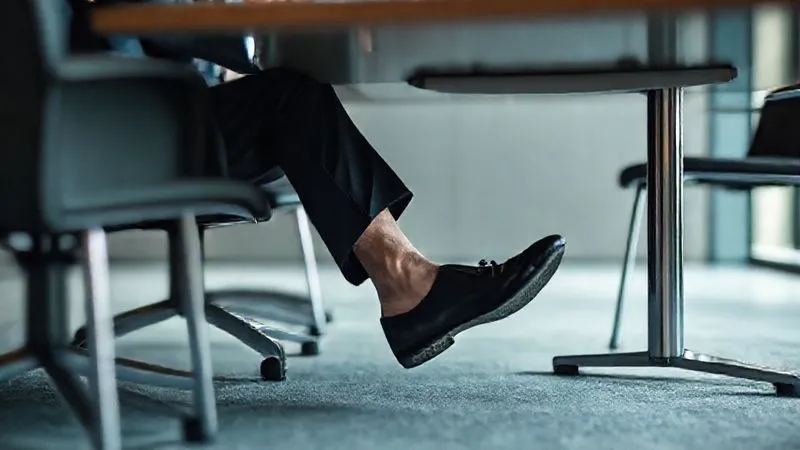
If your schedule permits, rotating your formal shoes is a highly effective, yet often overlooked, strategy. Wearing the same pair every single day doesn't allow the shoes to fully dry out, nor does it allow the cushioning and structure to rebound. Having two or three pairs that you alternate extends their life significantly and, crucially, gives your feet a slightly different fit and pressure points each day, preventing repetitive strain and allowing different foot muscles to engage. This simple principle is one of the most impactful habits I encourage for preventing foot pain from formal shoes on long days.
Case Study: How Apex Legal Found Their Footing
Apex Legal, a prominent law firm renowned for its demanding client representation, faced a silent but significant challenge: their highly-skilled attorneys, often on their feet for depositions, lengthy court appearances, and extensive networking events, reported chronic foot pain and fatigue. This led to decreased focus, irritability, and even a reluctance to engage in crucial networking opportunities after hours. I consulted with their senior partners, who initially believed "pain was just part of the job" for professionals. By implementing a comprehensive, three-step approach I advocated—first, a mandatory shoe-fitting workshop with a certified pedorthist focusing on proper sizing, last shape, and fitting techniques; second, providing a stipend for high-quality, supportive insoles tailored to individual needs; and third, encouraging a 3-pair shoe rotation system combined with brief mid-day foot stretches—Apex Legal saw remarkable improvements. Within six months, self-reported foot pain among attorneys dropped by a staggering 60%, and they reported increased stamina, better overall mood, and enhanced concentration during long workdays. This resulted in a noticeable boost in team morale and, anecdotally, improved client engagement and retention, proving that investing in foot comfort directly translates to sustained professional performance.
Advanced Foot Care and Prevention: Beyond the Basics
Preventing foot pain from formal shoes on long days extends beyond just the shoes themselves. Holistic foot care, consistent attention, and proactive measures are essential for long-term comfort and health.
Regular Foot Massages and Soaks
After a demanding day, treating your feet to some TLC can significantly aid recovery and prevent cumulative pain. A simple foot soak in warm water with Epsom salts can reduce swelling, soothe tired muscles, and promote relaxation. Following with a foot massage, either manual or using a specialized foot massager, can improve circulation, relieve tension in the plantar fascia, and prevent stiffness. Focus on the arches, heels, and the balls of your feet, where most pressure accumulates during long periods of standing or walking in formal shoes.
Addressing Specific Issues: Blisters, Bunions, and Corns
Be proactive about common foot ailments before they escalate. If you're prone to blisters in specific areas, use moleskin, specialized blister patches, or athletic tape in those problem spots *before* they develop. For bunions or corns, which are often exacerbated by ill-fitting formal shoes, consult with a podiatrist for proper management, which might include specific padding, wider-fit shoes, or custom orthotics. Never try to cut or "self-treat" corns or calluses aggressively with sharp objects, as this can lead to infection and more serious complications.
Your feet are the foundation of your entire body, supporting your weight and facilitating every movement. Ignoring persistent pain or recurring issues is akin to ignoring a structural crack in your home's foundation. It will only lead to bigger, more complex problems down the line, affecting your gait, posture, and overall well-being. Listen to what your feet are telling you.
When to Seek Professional Help: Podiatrist Consultation
While this guide offers extensive strategies, there are times when professional medical advice is indispensable. If you experience chronic, severe, or worsening foot pain, numbness, tingling, persistent swelling, changes in foot shape, recurrent ingrown toenails, or any open sores, it's crucial to consult a podiatrist. They can accurately diagnose underlying conditions (e.g., plantar fasciitis, neuroma, tendinitis), provide custom orthotics, offer targeted treatments, and recommend appropriate footwear that goes beyond what general adjustments can achieve. For more information on common foot conditions and when to see a specialist, the American Podiatric Medical Association (APMA) is an excellent resource. Don't hesitate; your long-term foot health and comfort are paramount.
| Foot Issue | Quick Fix/Prevention | When to See a Pro |
|---|---|---|
| Blisters | Moleskin, blister patches, proper sock material, gradual shoe break-in, anti-chafing balm | Large, recurring, infected, or non-healing blisters |
| Corns/Calluses | Pumice stone after soaking, moisturizing, wider shoes, protective pads, proper trimming (by professional) | Painful, deep, recurring despite home care, or if you have diabetes |
| Arch Pain/Plantar Fasciitis | Arch support insoles, stretching (especially calf and plantar fascia), ice, proper footwear, rest | Persistent pain (especially morning pain), limited mobility, pain affecting daily life for more than a few weeks |
| Bunions | Wider toe box shoes, bunion pads, gentle toe stretches, avoid high heels | Increasing pain, significant deformity, inflammation, difficulty walking, conservative treatments fail |
Lifestyle Adjustments: Holistic Approach to Foot Health
The comfort of your feet isn't solely dependent on your shoes; it's intricately linked to your overall health and lifestyle. Adopting a holistic approach can significantly contribute to preventing foot pain from formal shoes on long days and maintaining robust foot health in the long run.
Hydration and Nutrition's Impact on Foot Swelling
Dehydration can contribute to muscle cramps and discomfort, while excessive sodium intake can lead to water retention and swelling in the feet and ankles, exacerbating pressure inside formal shoes. Ensuring adequate daily hydration (drinking plenty of water) and maintaining a balanced diet rich in potassium and magnesium can help manage swelling, prevent muscle cramps, and maintain overall muscle and nerve health in your feet. Conversely, I’ve seen clients significantly reduce their foot fatigue and swelling simply by being more mindful of their daily water intake and reducing processed foods.
The Importance of Posture and Gait
How you stand and walk directly affects the load and distribution of pressure on your feet. Poor posture, such as slouching, rounded shoulders, or uneven weight distribution, can put undue stress on specific areas of your feet, ankles, and even knees. Similarly, an improper gait (the way you walk), such as overpronation or supination, can exacerbate existing foot issues or create new ones. Consciously working on improving your posture and ensuring a balanced, natural stride can alleviate pressure points and reduce strain. A physical therapist or gait analyst can offer personalized guidance if you suspect your posture or gait is contributing significantly to your foot pain, helping you to walk more efficiently and comfortably. For general health and wellness, maintaining good posture is also highlighted by reputable sources like Harvard Health.

Frequently Asked Questions (FAQ)
Question: Can expensive formal shoes guarantee comfort? No, not necessarily. While higher-quality shoes often use better materials, superior construction techniques (like Goodyear welting for durability and resoleability), and more anatomically friendly lasts, the most crucial factor is still the fit for your unique foot shape and biomechanics. An expensive shoe that doesn't fit you well will still cause significant pain. Focus on proper sizing, appropriate last shape, and the ability to comfortably accommodate insoles rather than just the price tag.
Question: How often should I replace my insoles? Over-the-counter insoles typically need replacement every 6-12 months, depending on the frequency of wear, your activity level, and the quality of the insole. Signs of wear include flattening, loss of cushioning, a decrease in support, or if your foot pain returns. Custom orthotics, being more durable and designed for longevity, can last several years (3-5 years is common), but should be checked periodically by your podiatrist for wear, damage, or changes in your foot condition.
Question: Are gel inserts better than foam for formal shoes? It depends on your specific needs and the shoe's internal volume. Gel inserts generally offer excellent shock absorption and cushioning, making them great for impact reduction on hard surfaces. However, they can sometimes be bulkier and may not provide as much structured arch support as some foam or composite insoles. Foam insoles, especially those with memory foam or high-density EVA, can offer a good balance of cushioning and support, and often have a slimmer profile, making them more suitable for the limited space often found in formal shoes. Many people find a combination of both (e.g., a foam insole with gel pads in specific areas) offers comprehensive comfort.
Question: What's the best way to deal with blisters on the go? The best immediate solution is prevention – identify hot spots early and apply a moleskin patch or specialized blister bandage *before* a blister forms. If a blister has already formed, clean the area gently, don't pop it unless it's very large and painful (and then only with a sterilized needle, ensuring you leave the skin flap intact to protect the underlying tissue), and cover it with a hydrocolloid bandage to promote healing and reduce friction. Always carry a small emergency foot care kit with you for long days.
Question: When should I see a podiatrist for formal shoe-related foot pain? You should consult a podiatrist if your pain is persistent, severe, or doesn't improve with home care and footwear adjustments within a few weeks. Other red flags include numbness, tingling, persistent swelling, visible changes in foot shape (like bunions or hammertoes progressing), recurrent ingrown toenails, or if foot pain is impacting your daily activities, sleep, or ability to perform your job effectively. Early intervention from a specialist can prevent minor issues from becoming chronic and debilitating problems.
Key Takeaways and Final Thoughts
Navigating long days in formal shoes without succumbing to debilitating foot pain is entirely achievable, but it requires a proactive, informed, and holistic approach. As someone who has advised countless men on this very challenge, I can confidently say that the solutions lie in a combination of intelligent choices and consistent, attentive foot care. Your formal attire is an investment in your professional image and personal confidence; don't let avoidable foot pain undermine it.
- Start Strong with the Right Fit: Prioritize precise fit, quality materials, and appropriate sole construction when purchasing formal shoes. Never compromise on comfort for style alone.
- Master the Break-In: Never skip the gradual, patient break-in period for new footwear, allowing shoes to conform to your feet naturally.
- Support Your Soles Intelligently: Utilize high-quality insoles or custom orthotics for tailored support and cushioning that addresses your specific foot biomechanics.
- Elevate Your Sock Game: Choose moisture-wicking, breathable, and well-fitting socks made from materials like merino wool or bamboo for optimal comfort and friction reduction.
- Move, Maintain, and Mend: Incorporate mid-day stretches, practice good foot hygiene, rotate your shoes, and address any hot spots or minor issues immediately.
- Listen to Your Body and Seek Expert Help: Pay attention to persistent discomfort. If pain is severe, chronic, or worsening, do not hesitate to consult a podiatrist.
- Embrace Holistic Foot Health: Remember that overall lifestyle factors—hydration, nutrition, and posture—play a significant role in preventing foot pain from formal shoes on long days and ensuring long-term foot well-being.
By integrating these expert strategies into your routine, you'll not only prevent foot pain from formal shoes on long days but also enhance your overall well-being, allowing you to stride through any event, meeting, or celebration with unparalleled comfort, poise, and unwavering assurance. Your feet work tirelessly for you; it's time to treat them with the respect and care they truly deserve.
Recommended Reading
- 5 Proven Steps: Drastically Reduce Hat E-commerce Returns from Poor Fit
- Ethical Silk Scandal: 7 Steps to Rebuild Trust & Supply Chain Integrity
- Scaling Unique Handcrafted Jewelry: 7 Proven Strategies for Growth
- 7 Steps: Evolve Iconic Luxury Fashion Brand Legacies Digitally
- Unlocking the Past: Researching 18th Century Dress Patterns





Your email address will not be published. Required fields are marked *