

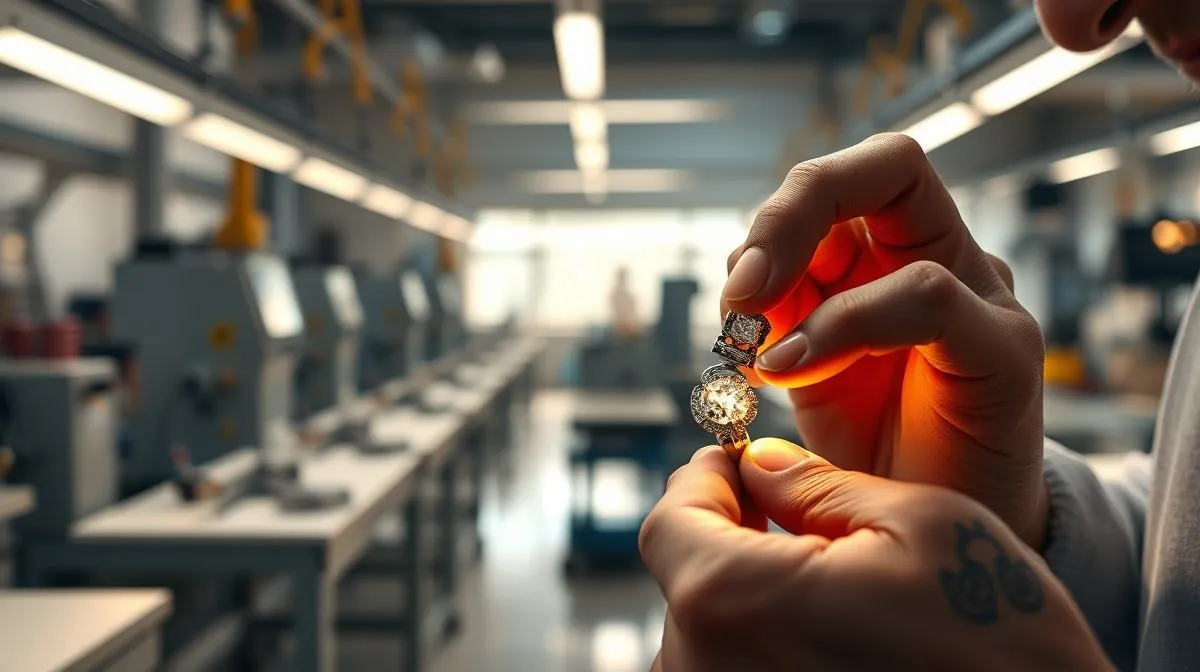
How to Scale Production for Unique Handcrafted Fine Jewelry?
For over two decades in the jewelry design world, I've witnessed countless brilliant artisans create breathtaking, unique pieces. Their skill is undeniable, their passion palpable, yet many hit a frustrating ceiling when demand for their exquisite work begins to outstrip their capacity to produce.
This is the core dilemma for many artisanal brands: how do you grow a business built on individuality and meticulous handcraftsmanship without diluting the very essence that makes it special? The fear of losing that unique touch, of becoming just another mass-market brand, is a very real and valid concern.
In this definitive guide, I will share the strategies, insights, and actionable frameworks I've cultivated from years of experience helping luxury jewelry brands navigate this precise challenge. We'll explore how to scale production for unique handcrafted fine jewelry, not by sacrificing artistry, but by intelligently optimizing every facet of your operation.
The Core Paradox: Artistry vs. Efficiency
The journey from a solo artisan to a thriving, scalable jewelry brand is fraught with a unique tension. Your brand's identity is intrinsically linked to the handcrafted nature of your pieces, the story behind each design, and the personal touch you provide.
However, true business growth demands efficiency, consistency, and the ability to meet increasing market demand. The paradox lies in finding that delicate balance: how do you maintain the soul of your unique handcrafted fine jewelry while embracing production methods that allow you to reach a wider audience?
“Scaling unique handcrafted jewelry isn't about mass production; it's about smart production. It's preserving the artistry while optimizing the mechanics.”
It’s not about choosing between artistry and efficiency, but rather about a masterful blend of both. My experience shows that with the right strategic approach, you can grow your brand without ever compromising the integrity or perceived value of your artisanal creations.
Strategic Planning: Your Blueprint for Expansion
Before you even think about increasing output, a robust strategic plan is paramount. This isn't just a business plan; it's a deep dive into your brand's DNA and market position.
Define Your "Unique" Non-Negotiables
The first critical step is to clearly delineate what aspects of your jewelry absolutely must remain handcrafted. Is it the intricate filigree work, the unique stone setting, or the personalized engraving?
Conversely, identify processes that can be standardized, optimized, or even partially automated without diminishing the perceived value or authenticity. This might include CAD design for initial prototyping, precise metal casting from molds of your original hand-carved wax, or even standardized polishing steps.
Market Analysis and Demand Forecasting
Scaling blindly is a recipe for disaster. You need a clear understanding of your current market and future demand. Who are your customers? What are their purchasing habits? What trends are emerging in the luxury jewelry sector?
According to a report by Deloitte, understanding evolving consumer preferences and leveraging data analytics is crucial for luxury brands to thrive in a competitive landscape. This involves analyzing sales data, customer feedback, and broader industry trends to predict future demand accurately.
- Who is your ideal customer? Go beyond demographics; understand their values.
- What is your current production bottleneck? Is it time, materials, or skilled labor?
- What is your projected demand growth? Base this on real market data, not just hope.
- What is your desired growth rate? Be realistic and set measurable goals.
Streamlining Your Supply Chain and Sourcing
A resilient and efficient supply chain is the backbone of any scalable production. For unique handcrafted fine jewelry, this means meticulous attention to ethical sourcing, material quality, and reliable delivery.
Building Robust Supplier Relationships
Your suppliers are your partners. Cultivate strong, long-term relationships with reputable vendors for precious metals, gemstones, and components. This ensures consistent quality, fair pricing, and preferential treatment during times of high demand or supply chain disruptions.
Look for suppliers who align with your brand's values, especially regarding ethical sourcing and sustainability. Transparency in your supply chain can be a significant selling point for today's conscious consumer.
Inventory Management and Just-In-Time (JIT) Principles
Holding excessive inventory ties up capital and risks obsolescence, especially with fluctuating metal prices. Implementing Just-In-Time (JIT) principles means receiving materials only as they are needed for production, minimizing storage costs and waste.
“Efficient inventory management, akin to Just-In-Time principles, is crucial for preserving capital and agility, especially when scaling a high-value product like fine jewelry.”
While a pure JIT system might be challenging for unique, custom pieces, the underlying philosophy of minimizing excess stock and optimizing material flow is invaluable. Consider a hybrid approach that balances quick access to common materials with JIT for bespoke elements. For more on JIT, consult resources like Investopedia's explanation of Just-In-Time (JIT) inventory.
Mastering Production Workflow: The Artisan's Assembly Line
This is where the magic of scaling handcrafted items truly happens. It's about breaking down complex processes into manageable, repeatable steps without losing the artistic integrity.
Process Mapping and Optimization
Begin by meticulously documenting every step of your jewelry creation process, from design concept to final polish. This is called process mapping. Identify where time is lost, where quality dips, or where bottlenecks occur.
- Document Each Step: Write down every single action involved in creating a piece.
- Measure Time: Clock how long each step takes for different types of jewelry.
- Identify Bottlenecks: Pinpoint where work slows down or piles up.
- Standardize Best Practices: Develop clear, repeatable procedures for common tasks.
- Seek Input: Involve your team in identifying inefficiencies and solutions.
Strategic Automation and Tooling
Automation in fine jewelry doesn't mean sacrificing the handmade touch; it means intelligently leveraging technology to support and enhance your artisans' work. Think of it as empowering craftsmanship, not replacing it.
CAD (Computer-Aided Design) allows for precise, repeatable models and quicker prototyping. 3D printing can create detailed wax models for casting, saving countless hours of hand-carving. Advanced polishing machines can handle initial bulk polishing, allowing artisans to focus on the intricate final touches.
Case Study: How 'Glimmer Designs' Tripled Output with Smart Tech
Glimmer Designs, a bespoke engagement ring specialist, faced a common challenge: demand for their unique settings far outstripped their capacity. Their master jeweler, Elara, was spending 70% of her time on initial wax carving and basic polishing.
By investing in a high-precision 3D printer for wax models (based on Elara's CAD designs) and a professional vibratory tumbler for initial bulk polishing, Glimmer Designs transformed their workflow. Elara could now focus her unparalleled skill on intricate stone setting, delicate finishing, and custom design work. This strategic integration of technology didn't replace Elara; it leveraged her expertise more effectively, enabling the company to nearly triple its monthly output of unique rings while maintaining its signature handcrafted quality.
Quality Control Integration
Quality control should not be an afterthought at the end of the production line. Integrate checks at every critical stage – upon material arrival, after casting, during stone setting, and before final finishing. This proactive approach catches issues early, preventing costly rework and maintaining your brand's impeccable reputation.
Talent & Team Building: Cultivating Craftsmanship at Scale
Your people are your most valuable asset. Scaling requires not just more hands, but more skilled, dedicated hands that understand and embody your brand's commitment to unique artistry.
Training and Skill Transfer Programs
As you grow, you'll need to expand your team. Develop comprehensive training programs to transfer your unique skills and aesthetic vision to new artisans. This could involve apprenticeships, internal workshops, and detailed procedural guides. The goal is to standardize excellence, not just processes.
Consider creating a 'master artisan' pathway within your company, where experienced jewelers mentor new recruits. This fosters a culture of continuous learning and ensures your brand's unique techniques are preserved and passed down. As experts at Harvard Business Review emphasize, a culture of continuous learning is vital for organizational agility and growth.
Delegating with Precision
One of the hardest lessons for many founder-artisans is learning to delegate. You cannot do everything yourself. Identify tasks that can be reliably performed by others without sacrificing quality. This might include: administrative tasks, material preparation, basic assembly, initial polishing, photography, or even specific, less complex design elements.
Focus your own invaluable time and expertise on the highest-value activities: intricate design, complex stone setting, final quality assurance, and strategic business development.
Financial Acumen: Funding Your Growth Sustainably
Scaling requires investment – in equipment, materials, talent, and marketing. Understanding your finances is crucial for sustainable growth.
Cost Analysis and Pricing Strategy
Meticulously track all your costs: raw materials, labor (including your own time), overheads, marketing, and packaging. Ensure your pricing strategy not only covers these costs but also provides a healthy profit margin that allows for reinvestment and future growth.
Don't be afraid to price your unique handcrafted fine jewelry commensurate with its true value and the immense skill involved. Undervaluing your work is a common mistake that stifles growth.
Accessing Growth Capital
As you scale, you may need additional capital. Explore options such as small business loans, lines of credit, grants for artisan businesses, or even seeking angel investors who understand and appreciate the luxury goods market. Present a clear, compelling business plan that outlines your growth potential and how you will use the funds.
“Profits are not just rewards; they are the fuel for sustainable growth. Reinvest wisely to expand capacity and innovation.”
Marketing and Brand Storytelling for Expanded Reach
As you scale production, you also need to scale your reach. Your marketing strategy must evolve to communicate your brand's unique story to a broader audience without losing its intimate appeal.
Authenticity in Storytelling
Your handcrafted nature is your most powerful differentiator. Leverage authentic storytelling through high-quality photography and videography that showcases the process, the passion, and the people behind your unique pieces. Share the journey of a gemstone, the inspiration behind a design, or the meticulous hours of craftsmanship.
This builds an emotional connection with your audience and reinforces the value of your handcrafted fine jewelry, even as your production volume increases.
Leveraging Digital Channels
An optimized e-commerce platform is non-negotiable. Invest in professional photography, detailed product descriptions that highlight the handcrafted elements, and a seamless user experience. Utilize social media platforms like Instagram and Pinterest, which are highly visual and ideal for showcasing jewelry.
Implement targeted digital advertising to reach your ideal luxury consumer. For insights into luxury digital strategy, articles from thought leaders like McKinsey & Company can be invaluable. SEO (Search Engine Optimization) ensures your brand is discoverable when potential customers search for "unique handcrafted fine jewelry" or specific design elements you offer.
Navigating Challenges and Sustaining Momentum
Scaling is not a straight line; it involves continuous adaptation and problem-solving. Anticipating challenges can help you mitigate their impact.
Adapting to Market Shifts
The jewelry market, like any industry, is dynamic. Be agile and willing to adapt your designs, materials, or production methods in response to new trends, economic shifts, or changes in consumer preferences. Continuous market research is key to staying ahead.
Protecting Your Intellectual Property
As your unique designs gain popularity and your brand grows, protecting your intellectual property becomes increasingly important. Register your designs, trademarks, and brand name where appropriate. This safeguards your unique creations from infringement and preserves your brand's distinct identity in the market. Consulting resources like the World Intellectual Property Organization (WIPO) can provide guidance.
Frequently Asked Questions (FAQ)
Question: How do I maintain the "handcrafted" feel when scaling production for unique handcrafted fine jewelry? The key is to define what aspects are truly essential to the 'handcrafted' feel. Some elements, like initial design, intricate stone setting, or bespoke finishing touches, must remain manual. Other processes, such as precise metal preparation, initial polishing, or even creating repeatable wax molds from a master artisan's original, can be supported by technology (like CAD/CAM or 3D printing) without compromising the final piece's artisanal integrity. It's about empowering the artisan, not replacing them, and focusing their skilled hands on the most critical, value-adding steps.
Question: What's the biggest mistake jewelers make when trying to scale? In my experience, the biggest mistake is failing to strategically plan and being unwilling to delegate or embrace smart technology. Many artisans attempt to scale by simply working more hours or hiring more hands without optimizing their processes, leading to burnout, inconsistency, and a loss of profitability. Another common error is underpricing their work, not accounting for the true costs and the value of their unique craftsmanship at a larger scale.
Question: Is automation truly compatible with unique fine jewelry, or will it dilute my brand? Automation, when applied strategically, is highly compatible and can even enhance unique fine jewelry. It's not about factory lines churning out identical pieces. Instead, it's about using tools like CAD for precise design iteration, 3D printing for accurate wax models, or advanced polishing machines for initial stages. These technologies free up the master jeweler's time to focus on the truly unique, intricate, and high-value aspects of the piece, ensuring consistency and precision that might be difficult to achieve purely by hand at volume. It allows you to produce more unique pieces, not just more pieces.
Question: How do I find trustworthy suppliers for ethical materials at scale? Building a network of trustworthy, ethical suppliers requires diligent research and due diligence. Start by looking for suppliers with recognized certifications (e.g., RJC for responsible jewelry, Fairmined, or specific gemological certifications). Ask for their sourcing policies, visit their facilities if possible, and check references. Attend industry trade shows to meet potential partners face-to-face. Building long-term relationships based on trust and transparency is far more valuable than simply seeking the lowest price.
Question: What initial investment is typically needed for scaling a unique handcrafted fine jewelry business? The initial investment can vary significantly based on your current setup and desired scale. It could range from a few thousand dollars for process optimization consulting and minor tool upgrades to tens or hundreds of thousands for new specialized equipment (e.g., high-end 3D printers, laser welders), expanding workshop space, hiring and training new artisans, and launching targeted marketing campaigns. A detailed financial plan, including a thorough cost analysis and projected ROI, is essential to determine your specific investment needs and secure funding.
Recommended Reading
- The Ultimate Guide: How to Pick a Perfume That Lasts All Day on Your Skin
- Uncover the Truth: Ethical Fashion Influencer Practices Explained for a Better World
- Unlock Radiant Skin: Your Ultimate Guide to a Holistic Beauty Routine for Acne
- Uncover the Hidden Impact: How Wartime Rationing Reshaped 1940s Fashion
- 7 Power Dress Strategies: How to Dress for Critical Presentations
Key Takeaways and Final Thoughts
Scaling a unique handcrafted fine jewelry business is a nuanced endeavor, demanding a blend of artistic vision, strategic foresight, and operational excellence. It's not about sacrificing the soul of your brand, but about intelligently expanding its reach and impact.
- Define Your Core: Understand what 'handcrafted' truly means for your brand and protect those elements fiercely.
- Plan Strategically: Use data and foresight to guide your expansion, not just intuition.
- Optimize Workflows: Break down processes, embrace smart technology, and integrate quality control.
- Empower Your Team: Invest in training and delegate effectively to leverage collective talent.
- Manage Finances Prudently: Understand your costs and price for sustainable growth.
- Tell Your Story: Use authentic marketing to connect with customers and reinforce your unique value proposition.
- Stay Agile: Be prepared to adapt to market changes and protect your valuable intellectual property.
The journey to successfully scale production for unique handcrafted fine jewelry is challenging but immensely rewarding. By implementing these expert-level strategies, you can transform your passion into a thriving, enduring legacy, ensuring that your beautiful, unique creations reach and inspire a wider world without ever compromising the artistry at their heart. Your unique touch is your power; learn to amplify it, not diminish it.

Your email address will not be published. Required fields are marked *