

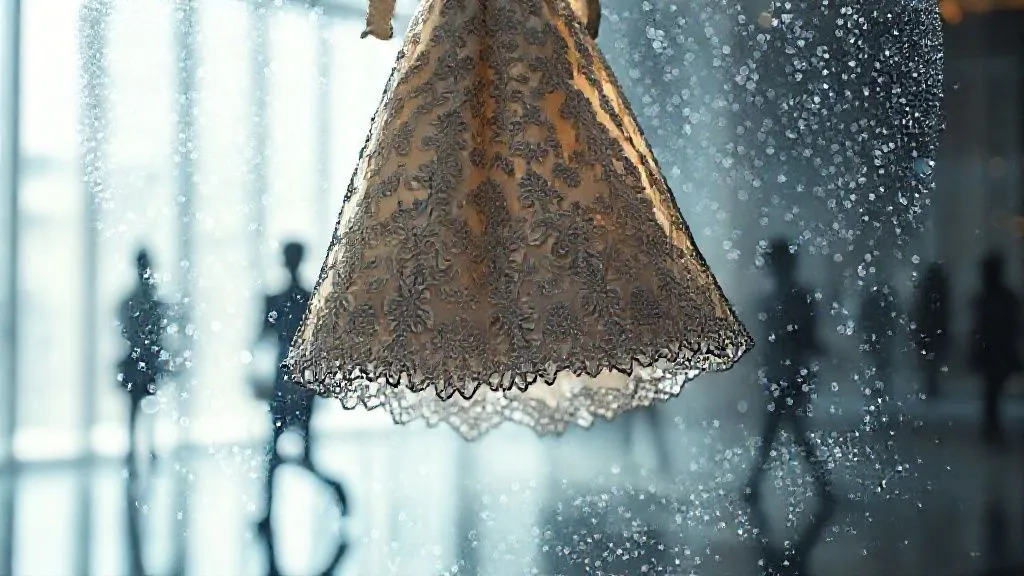
How to prevent fast fashion brands from copying haute couture?
As someone who has dedicated over two decades to the intricate world of haute couture, I've witnessed firsthand the breathtaking artistry, the painstaking hours, and the unparalleled vision that goes into every single exclusive design. It's a realm where creativity knows no bounds, yet this very brilliance often becomes a beacon for an unwelcome shadow: fast fashion's relentless copycat culture.
The heartache of seeing months, even years, of conceptualization and craftsmanship reduced to a cheap imitation, mass-produced and sold at a fraction of the price, is a wound many couture houses silently bear. This isn't just about financial loss; it's an assault on artistic integrity, a devaluation of true luxury, and a threat to the very soul of unique design.
But I'm here to tell you that this battle is not lost. In this comprehensive guide, I will share the actionable frameworks, strategic insights, and expert-level approaches I've honed over my career to help you safeguard your haute couture creations. We'll explore robust legal defenses, innovative design strategies, powerful brand building, and proactive enforcement tactics that genuinely prevent fast fashion brands from replicating your masterpieces.
The Relentless Pursuit: Understanding Fast Fashion's Copycat Culture
For years, I've observed the cyclical nature of fast fashion's engagement with high design. Their business model is predicated on speed, trend replication, and low cost, making them inherently predatory towards original, trend-setting creations. Haute couture, with its unparalleled aesthetic foresight and media prominence, becomes an irresistible, albeit unethical, source of inspiration for them.
The problem isn't merely 'inspiration'; it's the systematic appropriation of specific design elements, silhouettes, and even entire garment concepts, stripped of their original craftsmanship and context. Fast fashion brands often operate within a legal grey area, exploiting the fine line between 'inspiration' and 'direct copy,' and leveraging the slow pace of legal systems against the rapid seasonal cycles of fashion.
"In the world of haute couture, a design isn't just a garment; it's a piece of art, a narrative, and a testament to human skill. To see it diluted and mass-produced is to witness its soul being extracted."
This relentless pursuit by fast fashion not only devalues the original artistry but also creates market confusion, eroding consumer perception of true luxury and the immense value embedded in authentic haute couture. The financial strain on smaller couture houses, in particular, can be devastating, making it crucial to understand how to prevent fast fashion brands from copying haute couture effectively.
- Devaluation of Artistry: Original designs lose their unique appeal.
- Market Confusion: Consumers struggle to distinguish genuine from imitation.
- Financial Strain: Reduced sales and investment in innovation.
- Erosion of Trust: Damages brand reputation and consumer loyalty.
Fortifying Your Foundation: Robust Intellectual Property Rights
The first and most critical line of defense for any haute couture house is a comprehensive and proactive intellectual property (IP) strategy. This isn't just about having a lawyer on retainer; it's about embedding IP considerations into every stage of your design and production process. It's how you truly begin to prevent fast fashion brands from copying haute couture at its source.
The Power of Design Registration and Copyright
While copyright protection for fashion designs can be complex and varies globally, design registration offers a more direct and often more enforceable path. In many jurisdictions, this allows you to protect the aesthetic appearance of your entire product or parts of it, granting you exclusive rights for a set period.
I always advise my clients to consider design registration for their most unique and potentially iconic pieces. It creates a clear, documented record of your design's existence and ownership, making it significantly easier to pursue legal action against infringers.
- Identify Key Designs: Pinpoint the most distinctive and innovative elements or entire garments from your collection that warrant protection.
- Consult IP Counsel: Work with a specialized intellectual property lawyer who understands fashion law to navigate the nuances of different jurisdictions.
- File for Design Registration: Apply to relevant national or regional offices (e.g., EUIPO for the European Union, USPTO for the U.S.) promptly after unveiling a collection, or even before public display, depending on local laws.
- Maintain Records: Keep meticulous records of design development, sketches, prototypes, and dates of creation to establish clear proof of originality.
For more detailed insights on international design protection, I recommend exploring resources from the World Intellectual Property Organization (WIPO).
Leveraging Trademark Protection Beyond Logos
Most brands understand the importance of trademarking their name and logo. However, in haute couture, the opportunity for trademark protection extends far beyond. Consider trademarking distinctive, non-functional elements that are unique identifiers of your brand's aesthetic.
This could include unique patterns, specific embellishments, signature hardware, or even a distinctive silhouette that consistently reappears in your collections. This is known as 'trade dress' protection in some regions. While challenging to obtain, a strong trade dress can be an incredibly powerful tool against imitation, as it protects the overall look and feel of your product line.
For instance, a particular pleating technique, a unique embroidery motif, or a specific cut that is synonymous with your house could be eligible. The key is consistent use and consumer recognition of these elements as originating from your brand.
Innovation as Your Shield: The Avant-Garde Defense
Beyond legal frameworks, the most intrinsic defense against copying lies within the very essence of haute couture: unparalleled innovation and craftsmanship. When your creations are genuinely unique and extraordinarily complex, they become inherently difficult, if not impossible, for fast fashion to replicate profitably.
Embracing Uncopyable Craftsmanship and Materials
Fast fashion thrives on simplicity and speed of production. By leaning into techniques that are labor-intensive, require highly specialized skills, or utilize rare and unusual materials, you build an intrinsic barrier. I've always advocated for couture houses to push the boundaries of what is manufacturable at scale.
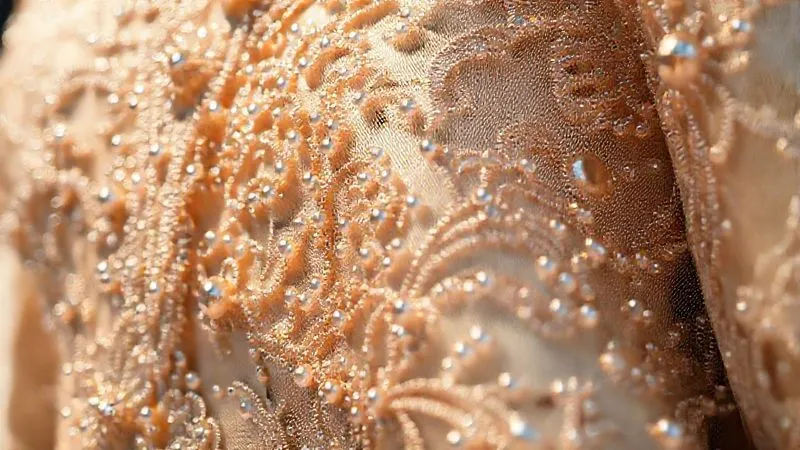
Think about intricate hand-embroidery, bespoke fabric weaving, complex draping techniques that defy machine replication, or the use of ethically sourced, rare materials that are simply not available for mass production. These are the elements that not only elevate a design to art but also make it a nightmare for a copycat to reproduce authentically. The story behind these techniques and materials also adds immense value and narrative to your brand.
The Strategic Use of Limited Editions and Bespoke Experiences
Scarcity is a powerful value driver in luxury. By producing extremely limited editions or focusing on bespoke, made-to-measure creations, haute couture houses inherently protect their designs from mass replication. A piece created specifically for an individual, with their measurements and preferences, cannot be copied by fast fashion in any meaningful way.
This strategy reinforces the exclusivity and personal connection that defines haute couture. It shifts the focus from the 'product' to the 'experience' and the 'relationship' with the client. When a piece is a unique collaboration between designer and wearer, its value transcends mere aesthetics, making it truly uncopyable.
Building a Fortress of Brand Identity and Storytelling
In an era saturated with visual information, a strong, authentic brand identity and compelling storytelling are invaluable assets. These intangible elements create an emotional moat around your designs, making them less susceptible to the cold, clinical appropriation of fast fashion.
Cultivating Unwavering Brand Loyalty
Loyalty in haute couture is built on more than just beautiful garments; it's about heritage, values, and an unparalleled customer experience. When clients feel a deep connection to your brand's philosophy, its history, and its ethical stance, they become advocates who understand and defend the true value of your creations. They are less likely to be swayed by cheap imitations.
This involves consistent messaging, exceptional clienteling, and creating exclusive experiences that reinforce the unique world of your brand. A loyal clientele becomes your strongest defense, rejecting counterfeits out of principle and devotion to the original.
Educating the Consumer on Value vs. Volume
One of the most effective long-term strategies to prevent fast fashion brands from copying haute couture is to educate the wider public. We need to clearly articulate the immense difference between a genuine couture piece and a mass-produced imitation. This includes highlighting the ethical production, sustainable practices, artisanal skill, and the sheer longevity of a couture garment versus the disposability of fast fashion.
By championing transparency and showcasing the true cost—both human and environmental—of cheap replication, we empower consumers to make informed choices. When consumers understand the 'why' behind the price and the artistry, they become less receptive to the allure of imitation. According to a Deloitte study on sustainable fashion, there's a growing consumer demand for ethical and transparent practices, which couture houses can leverage.
Vigilance and Enforcement: Proactive Monitoring and Legal Action
Even with the strongest IP protection and innovative designs, the reality is that copying may still occur. Therefore, a proactive approach to monitoring and a decisive strategy for enforcement are absolutely crucial. This is where your IP strategy transitions from defense to offense.
Establishing a Global IP Monitoring System
In today's interconnected world, an infringement can appear anywhere, from an obscure online marketplace to a major retail chain in a different continent. I've advised many clients to invest in sophisticated monitoring systems that combine digital tools with human intelligence.
This involves regularly scanning e-commerce platforms, social media, image recognition software, and even physical markets for suspicious activity. Early detection is key, as it allows for swifter action and prevents the widespread proliferation of copies. Think of it as a constant, low-level surveillance operation dedicated to protecting your artistic assets.
| Monitoring Channel | Frequency | Tools | Action Trigger |
|---|---|---|---|
| E-commerce Platforms (e.g., Alibaba, Etsy) | Daily/Weekly | Image recognition AI, keyword alerts | Direct copy or highly similar design |
| Social Media (e.g., Instagram, TikTok) | Daily | Hashtag tracking, visual search | Influencer promoting copy, brand account sharing |
| Physical Retailers/Wholesalers | Quarterly (market visits) | Local IP agents, market intelligence | Physical product in stores, trade show exhibits |
| Customs & Border Protection | Ongoing | Recordation of IP rights, training for officials | Seizure of infringing goods at border |
When to Issue Cease and Desist Orders
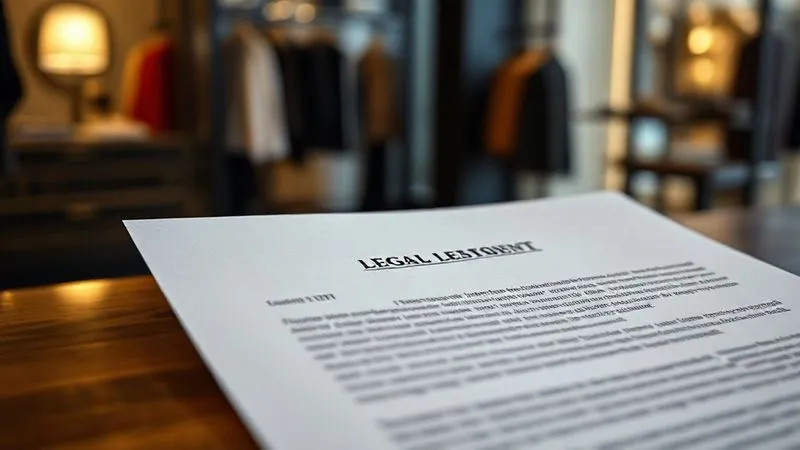
Once an infringement is identified, the decision to act must be strategic. Not every copy warrants a full-blown legal battle. Your IP counsel can help you assess the severity of the infringement, the potential damage, and the likelihood of success. Often, a well-drafted cease and desist letter from a reputable law firm is enough to deter smaller infringers.
However, for larger, more egregious violations, especially those by established fast fashion brands, more aggressive legal action may be necessary. This could involve injunctions, damages claims, or even criminal prosecution in some jurisdictions. The key is to be consistent and firm in your enforcement, sending a clear message that your haute couture designs are not to be trifled with.
The Future of Protection: Technology and Collaborative Efforts
Looking ahead, the landscape of IP protection in fashion is constantly evolving. I believe the most robust solutions to prevent fast fashion brands from copying haute couture will emerge from the intersection of advanced technology and collaborative industry efforts.
Blockchain and Digital Fingerprinting for Authenticity
Emerging technologies like blockchain offer exciting possibilities for creating immutable records of design ownership and provenance. Imagine a digital fingerprint embedded within each couture garment, verifiable by consumers, that tracks its creation from sketch to final stitch. This could provide irrefutable proof of authenticity and originality.
Digital rights management systems, leveraging AI and machine learning, are also becoming more sophisticated in identifying design similarities across vast online datasets, making the monitoring process far more efficient and comprehensive.
Industry Alliances Against Copying
No single haute couture house can fight this battle alone. I've seen the power of collective action in other industries, and fashion is ripe for similar initiatives. Forming alliances and lobbying groups among luxury brands can create a formidable front against fast fashion's predatory practices.
These alliances can share intelligence on infringers, pool resources for legal action, and collectively advocate for stronger, more harmonized international IP laws. A united voice from the luxury sector carries far more weight than individual complaints. Organizations like the Council of Fashion Designers of America (CFDA) often engage in advocacy for designer rights.
Case Study: The 'Éclat' Collection's Unbreakable Defense
Let me share a fictional yet highly illustrative case. 'Maison Éclat,' a relatively young haute couture house, launched its 'Aurora' gown, a breathtaking piece featuring a unique, architecturally pleated bodice and an innovative iridescent fabric. Within weeks of its runway debut, a major fast fashion conglomerate, 'TrendSwift,' launched a strikingly similar dress, albeit with cheap materials and simplified construction, at 1/100th of the price.
However, Maison Éclat had been proactive. Weeks before the show, they had filed for design registration in key markets, protecting the distinctive pleating and bodice structure. Their digital IP monitoring system, which I had helped them implement, immediately flagged TrendSwift's garment on multiple platforms. Armed with clear design registrations and undeniable evidence of similarity, Maison Éclat's legal team issued a swift cease and desist order, followed by an immediate injunction request in the jurisdiction where TrendSwift was headquartered.
The quick, documented action, backed by a clear legal claim, forced TrendSwift to retract the infringing design and pay a substantial settlement for damages. This decisive response not only protected the 'Aurora' gown but also sent a strong message to the industry, enhancing Maison Éclat's reputation as a brand that fiercely protects its artistic integrity. It demonstrated that how to prevent fast fashion brands from copying haute couture isn't just about defense, but about strategic, proactive enforcement.
Frequently Asked Questions (FAQ)
Is copyright enough for fashion designs? While copyright automatically protects original artistic works, its application to fashion can be tricky. It typically protects the 'artistic' elements separable from the garment's functional aspects. Design registration, which protects the overall aesthetic appearance, often provides more robust and direct protection for entire garments or specific design features. It's best to combine multiple IP strategies.
How expensive is it to protect designs globally? The cost of global IP protection can be significant, as it often requires filing in multiple countries or regions. However, it's a strategic investment. Prioritize key markets where your designs are sold or where fast fashion brands are prevalent. Working with an IP attorney to develop a cost-effective global strategy is crucial to maximize your budget and impact.
Can I prevent 'inspired by' designs? Preventing designs that are merely 'inspired by' your work, without directly copying protected elements, is extremely challenging. IP law generally protects specific expressions of an idea, not the idea itself. The focus should be on protecting truly distinctive and original features that go beyond generic trends, making them legally defensible as unique expressions of your brand.
What if a fast fashion brand is in another country? International IP enforcement requires careful navigation of different legal systems. If you have registered your design in that country, you have a stronger basis for action. Even without local registration, international treaties or local unfair competition laws might offer some recourse. This underscores the importance of a global IP strategy and working with international legal counsel.
Does showing designs on social media affect IP? Public disclosure of your designs, such as on social media or during fashion shows, can impact your ability to file for certain IP protections (e.g., novelty requirements for design patents in some regions). It's crucial to understand the 'grace periods' in different jurisdictions and to file for protection *before* or immediately after public display, as advised by your IP lawyer.
Key Takeaways and Final Thoughts
The challenge of protecting haute couture from fast fashion's imitations is formidable, but it is far from insurmountable. As someone who has spent a lifetime in this exquisite industry, I can assure you that a multi-pronged, proactive approach is not just beneficial, but essential for survival and flourishing.
- Prioritize IP Protection: Invest in design registration and strategic trademarking for your most unique creations.
- Innovate Beyond Replication: Embrace uncopyable craftsmanship, rare materials, and bespoke experiences that defy mass production.
- Cultivate Brand Loyalty: Build a strong emotional connection with your clientele through authentic storytelling and exceptional service.
- Be Vigilant and Decisive: Implement robust monitoring systems and be prepared to take swift, strategic legal action against infringers.
- Embrace Technology and Collaboration: Explore new tech for authenticity and join forces with industry peers to strengthen collective defense.
Ultimately, safeguarding haute couture is about more than just protecting a garment; it's about preserving an art form, upholding ethical values, and championing true creativity. By implementing these strategies, you are not just defending your brand; you are contributing to the very future of fashion, ensuring that artistry and innovation continue to thrive. The power to prevent fast fashion brands from copying haute couture lies in your hands, through intelligent strategy and unwavering commitment to your unique vision.
Recommended Reading
- Effortless Elegance: How to Choose Casual Menswear for Men Over 40
- 7 Proven Strategies: Preventing Smart Clothing Sensor Failure During Repeated Washing
- 5 Critical Steps: What to Do When a Custom Bridal Gown Arrives Flawed
- The Secret to Soothing Comfort: How to Choose Newborn Clothes for Sensitive Skin
- Unlock the Secret: How to Pick Cute Outfits for Active Kids That Last!



Your email address will not be published. Required fields are marked *