


How to Prevent Chafing from High-Impact Sports Bras During Marathons?
For over two decades in the activewear industry, I've witnessed countless aspiring marathoners and seasoned ultra-runners alike face a silent, yet excruciating, adversary: chafing. It’s a problem that can derail months of training, turn a triumphant finish into a painful shuffle, and leave lasting physical and psychological scars. I’ve personally experienced the sting of a poorly chosen sports bra turning mile 20 into an unbearable ordeal, and I've advised hundreds of athletes on how to conquer this pervasive issue.
The relentless friction from a high-impact sports bra, exacerbated by sweat and repetitive motion over 26.2 miles, can lead to raw, irritated skin, blisters, and even open wounds. It's not just discomfort; it's a performance inhibitor, a mental drain, and a significant health concern. Many runners feel like it's an inevitable evil of long-distance running, but I’m here to tell you that it absolutely doesn't have to be.
In this definitive guide, I'll draw upon my extensive experience and industry insights to provide you with a comprehensive, actionable framework for preventing chafing from high-impact sports bras during marathons. We'll delve into everything from advanced bra selection and pre-race skin preparation to mid-race management and post-run recovery. You’ll learn expert strategies, understand the science behind chafing, and discover exactly how to ensure your next marathon is chafe-free, allowing you to focus purely on your performance and the joy of the run.
The Anatomy of Chafing: Why It Happens Under Your Sports Bra
Understanding chafing isn't just about applying a balm; it's about dissecting the biomechanics and environmental factors at play. Chafing, medically known as intertrigo, is essentially skin irritation caused by friction, often combined with moisture. During a marathon, your body is a dynamic system: you're sweating profusely, your skin is expanding and contracting, and your sports bra is constantly rubbing against sensitive areas like the rib cage, underarms, and shoulders.
The primary culprits are friction, moisture, and ill-fitting apparel. Your high-impact sports bra is designed to provide crucial support, but this very function can become a source of trouble if not carefully managed. The edges, seams, and straps can dig into the skin, especially as your body swells slightly during prolonged exertion. Sweat, while essential for cooling, acts as a lubricant initially, but as it dries and salt crystals form, it can increase friction and irritation. This creates a vicious cycle where moisture leads to softness, which makes skin more susceptible to friction, leading to damage.
Moreover, individual skin sensitivity plays a significant role. Some runners have naturally more resilient skin, while others are predisposed to irritation. Environmental factors like humidity and heat amplify the problem, turning mild friction into severe chafing. As an industry specialist, I've seen firsthand how runners often overlook these fundamental principles, mistakenly believing that one anti-chafing product fits all scenarios. My advice is always to approach prevention holistically, considering every variable.
The Foundational Fix: Choosing the Right High-Impact Sports Bra
This is arguably the most critical step. A poorly chosen sports bra is like building a house on sand – everything else you do will be compromised. For marathons, "high-impact" doesn't just mean maximum support; it means sustained, comfortable support over many hours. I've seen countless runners grab the first "high-impact" bra they see, only to find it's a torture device by mile 15.
Fit is Paramount: More Than Just a Size
The fit of your sports bra is not just about cup size and band measurement; it's about how it interacts with your body in motion. The band should be snug, providing 80% of the support, but not constricting. You should be able to fit two fingers underneath the band, but no more. The straps should be supportive without digging in, and the cups should fully encapsulate your breasts without gaping or spillage. Remember, your body changes slightly during a long run due to hydration and muscle engagement, so a bra that feels perfect at the start of a short run might pinch later in a marathon.
- Get Professionally Fitted: Don't guess. Visit a specialized running store or activewear boutique that offers professional bra fittings. These experts can assess your needs based on your body shape, breast size, and running style.
- "Run" Test in the Store: Jump, jog, and swing your arms. Does anything rub? Are the straps comfortable? Do you feel secure? Don't be shy; this is a long-term investment in your comfort.
- Consider Encapsulation vs. Compression: While many high-impact bras use compression, encapsulation bras (which separate and support each breast individually) often provide superior comfort and reduce skin-on-skin friction, especially for larger cup sizes. A combination of both is often ideal for marathon distances.
- Check Seam Placement: Seams are notorious chafing culprits. Opt for bras with flatlock seams or, even better, seamless designs in critical friction zones like under the arms, along the band, and at the edges of the cups.
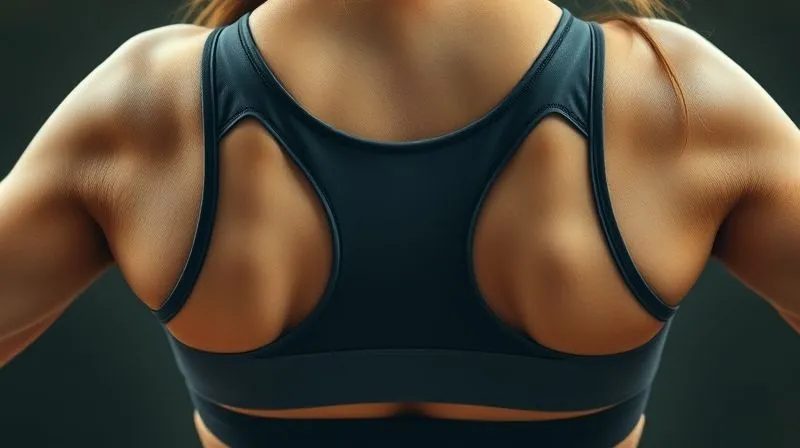
Case Study: How Sarah Conquered Her Marathon Chafing
Sarah, a dedicated marathoner with a B-cup, always struggled with severe chafing under her arms and along her rib cage despite using various balms. Her initial approach was to buy "the strongest" compression bra she could find. After consulting with me, we identified that her bra, while supportive, had thick, unyielding seams and a band that was slightly too tight, creating excessive pressure points. We switched her to an encapsulation-compression hybrid bra with laser-cut edges and flatlock seams, ensuring a perfect, snug but non-restrictive fit. She also opted for a size up in the band and a slightly smaller cup size to get the ideal balance. For her next marathon, she applied her anti-chafing balm strategically, and for the first time, finished completely chafe-free, achieving a personal best she attributed, in part, to her newfound comfort.
Pre-Race Preparation: Your Anti-Chafing Arsenal
Once you’ve nailed the bra selection, your pre-race routine becomes your next line of defense. This isn't just about slapping on some cream; it's a strategic application of preventative measures.
Skin Care and Lubrication: The First Layer of Defense
Your skin needs to be primed. Hydrated, healthy skin is more resilient. Leading up to the marathon, ensure you're drinking plenty of water and moisturizing your skin regularly. On race day, the right lubricant is essential. I've experimented with dozens over the years, and while personal preference plays a role, certain types are consistently superior for marathon distances.
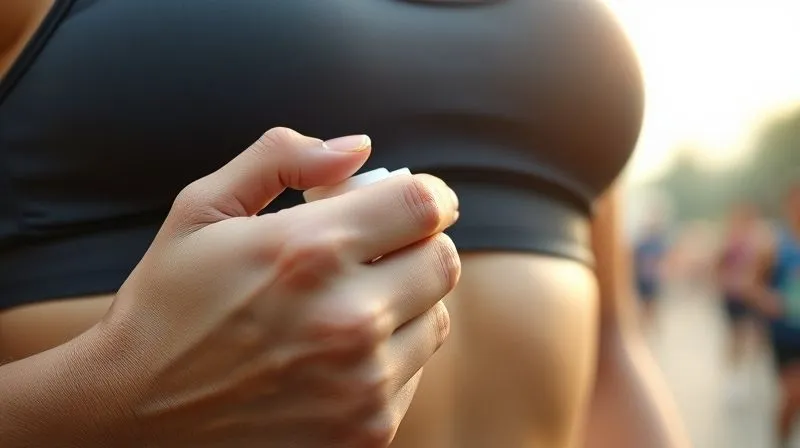
- Anti-Chafing Balms/Sticks: These are my go-to. They create a protective barrier on the skin, reducing friction. Apply generously to all potential hot spots: under the bra band, along the edges of the cups, under the arms, between the breasts, and along the shoulder straps. Don't be shy – a thick, even layer is key.
- Petroleum Jelly: A classic for a reason, but be mindful of its potential to stain technical fabrics. It's highly effective but can feel greasy for some.
- Specialized Creams: Some brands offer creams specifically formulated for runners, often containing ingredients like lanolin or silicone to create a durable, sweat-resistant barrier.
| Product Type | Pros | Cons | Best Use |
|---|---|---|---|
| Anti-Chafing Stick | Easy application, portable, non-greasy, durable barrier | Can be costly, may need reapplication on ultra-long runs | General prevention, targeted areas |
| Petroleum Jelly | Very effective, inexpensive, widely available | Greasy feel, can stain fabrics, less durable barrier | Emergency prevention, highly sensitive areas |
| Specialized Cream | Formulated for runners, sweat-resistant, often nourishing | Can be messy, varying effectiveness by brand, higher cost | Overall body protection, pre-race application |
"Never underestimate the power of a thorough pre-race anti-chafing routine. It's not just about comfort; it's about preserving your mental fortitude and preventing irreversible damage during the race."
Mid-Race Management: Staying Proactive on the Course
Even with the best preparation, a marathon is an unpredictable beast. Conditions can change, sweat rates vary, and sometimes, a hot spot emerges despite your best efforts. This is where proactive mid-race management becomes crucial.
Strategic Reapplication and Troubleshooting
Carrying a small, travel-sized anti-chafing stick or a few single-use packets of cream can be a game-changer. I always advise runners to stash one in their fuel belt or a secure pocket. If you feel even the slightest hint of irritation, act immediately. Don't wait until it becomes a full-blown problem.
- Listen to Your Body: Pay attention to any unusual sensations. A slight tingle can quickly escalate to searing pain.
- Reapply at Aid Stations: Use the opportunity at water stops to quickly reapply balm to known problem areas or any new hot spots. A quick dab can save miles of agony.
- Adjust Your Bra (Carefully): If a strap is digging in, try to subtly adjust its position. If the band feels too tight, sometimes a slight lift and reposition can help redistribute pressure. Be cautious not to cause more friction.
- Hydration is Key: Staying well-hydrated helps regulate body temperature and can reduce the concentration of salts in your sweat, which contributes to irritation.
I've seen runners hobble to the finish line, their spirits crushed by preventable chafing. A quick 30-second stop to address an emerging issue is always better than enduring 10 miles of escalating pain. As Runner's World often emphasizes, race day is about problem-solving, and chafing is a problem that demands your attention.
Fabric Science: Beyond Cotton for Chafing Prevention
The material of your sports bra, and indeed your entire running outfit, is a critical factor. Cotton, while comfortable for everyday wear, is the enemy of marathoners. It absorbs moisture like a sponge, stays wet, and becomes heavy and abrasive against the skin.
The Power of Performance Fabrics
High-performance synthetic fabrics are engineered to manage moisture. Look for materials like polyester, nylon, and spandex blends that are explicitly labeled "moisture-wicking" or "sweat-wicking."
- Moisture-Wicking: These fabrics pull sweat away from your skin to the outer surface of the fabric, where it can evaporate more quickly. This keeps your skin drier, significantly reducing the likelihood of chafing.
- Breathability: Good airflow helps regulate skin temperature and prevents excessive moisture buildup. Look for bras with mesh panels in high-sweat areas.
- Smoothness: The smoother the fabric, the less friction it will generate against your skin. High-quality synthetic blends often have a silky, almost frictionless feel.
- Quick-Drying: Even if you get drenched from rain or sweat, a quick-drying fabric will return to its dry, non-abrasive state much faster than cotton.
When I consult with activewear brands, material innovation is always at the forefront of preventing discomfort. Modern fabric technologies are designed not just for performance but for skin health over prolonged exertion. Always read the care labels and material composition before committing to a bra for marathon use.
Post-Race Care: Healing and Future Prevention
So, you’ve crossed the finish line. Even with the best precautions, sometimes a little irritation might still occur. How you handle post-race care is vital for healing and informing your strategy for the next race.
Immediate Relief and Long-Term Healing
As soon as possible after the race, shower with lukewarm water and a mild, unscented soap. Avoid harsh scrubbing on irritated areas. Gently pat your skin dry, don't rub.
- Cleanse Gently: Use a gentle, pH-balanced cleanser on any raw areas.
- Soothe and Heal: Apply a healing ointment like aloe vera, a gentle moisturizer, or a specialized barrier cream to any chafed skin. Products containing zinc oxide can also be very effective for soothing and promoting healing.
- Avoid Tight Clothing: Let your skin breathe. Wear loose, soft clothing in the hours and days following the race.
- Reflect and Adjust: Take notes. Where did chafing occur? Was it the bra? The lubricant? The weather? This reflective process is crucial for refining your prevention strategy for future long runs and races.
According to dermatologists, proper post-chafing care can significantly reduce healing time and prevent secondary infections. Don't ignore those red spots; treat them with the same dedication you put into your training.
Common Mistakes to Avoid When Preventing Sports Bra Chafing
In my experience, many runners fall into predictable traps. Avoiding these common errors can save you a world of pain and frustration.
- Wearing a Brand New Bra on Race Day: This is a cardinal sin. Always "break in" new sports bras on shorter training runs before committing them to a marathon. This allows the fabric to conform to your body and reveals any potential hot spots.
- Skipping the Lubricant: Some runners believe their bra is "chafe-proof." No bra is entirely impervious to the relentless friction of a marathon. Always use a preventative balm.
- Ignoring Early Warning Signs: As mentioned, a slight itch or tingle is a warning. Address it immediately, rather than pushing through.
- Choosing the Wrong Fabric: Cotton, as discussed, is a no-go. Even some synthetics can be problematic if they aren't truly moisture-wicking or have harsh textures.
- Washing Bras with Fabric Softener: Fabric softeners can clog the pores of technical fabrics, reducing their moisture-wicking capabilities. Always wash activewear with sports-specific detergents or mild, softener-free options.
- Not Testing in Race Conditions: Train in the bra you plan to race in, and ideally, test it during your longest training runs in similar weather conditions to race day.
These seemingly small details often make the biggest difference between a comfortable race and a miserable one. Learning from others' mistakes is a powerful tool.
Advanced Strategies for Chronic Chafers
For those who seem to chafe no matter what, it's time to dig deeper. Sometimes, the solution requires a more nuanced approach, combining several techniques and considering personal physiological factors.
Beyond the Basics: Layering and Taping
If traditional methods aren't enough, consider these advanced tactics:
- Strategic Taping: Medical tape, such as kinesiology tape or specialized athletic tape, can be applied directly to high-friction areas of the skin *before* applying the bra. This creates a smooth, protective layer. Ensure skin is clean and dry for optimal adhesion.
- Thin Base Layers: For extremely sensitive skin, a very thin, seamless, moisture-wicking base layer worn under the sports bra can provide an extra barrier. Look for garments specifically designed for this purpose, often made of merino wool or high-tech synthetics.
- Consider Your Hydration and Electrolytes: Dehydration can lead to more concentrated sweat, increasing salt crystal formation and abrasiveness. Ensure optimal electrolyte balance, as this impacts sweat composition.
- Skin Hardening: While not for everyone, some ultra-runners advocate for a gradual "hardening" of the skin in high-friction areas by gradually increasing exposure to friction, similar to how feet develop calluses. This should be approached with caution and only under expert guidance.
- Dietary Considerations: While not a direct cause, some anecdotal evidence suggests that certain dietary factors might influence skin sensitivity. Maintaining a balanced diet rich in anti-inflammatory foods can support overall skin health.
As research on exercise-induced skin conditions highlights, individual responses vary greatly, and a multi-faceted approach is often the most effective for chronic issues. Don't be afraid to experiment systematically with different combinations until you find what works for you.
Frequently Asked Questions (FAQ)
Q: Can men also get chafing from sports bras, and do these tips apply to them? A: While the term "sports bra" usually refers to female apparel, men who experience chest or nipple chafing from tight tops or vests during marathons can absolutely benefit from these tips. The principles of proper fit, moisture-wicking fabrics, and anti-chafing balms are universal for preventing skin-on-skin or fabric-on-skin friction. Men often experience nipple chafing, for which specific nipple covers or generous balm application are crucial.
Q: How often should I replace my high-impact sports bra for marathons? A: A high-impact sports bra typically has a lifespan of 6-12 months or 30-50 washes, depending on frequency of use and care. The elastic in the band and straps, which provides most of the support, degrades over time. If you notice reduced support, stretching, or persistent chafing in a previously comfortable bra, it's time for a replacement. Think of it as performance gear with a limited effective life.
Q: Are there any natural alternatives to commercial anti-chafing products? A: While some runners use natural oils like coconut oil or shea butter, I advise caution, especially for marathons. These natural options may not provide the same long-lasting, sweat-resistant barrier as purpose-built anti-chafing products. They can also break down faster, become greasy, and potentially stain technical fabrics. For serious marathon prevention, I always recommend tested and proven synthetic balms designed for extreme conditions.
Q: What if I'm between bra sizes? Should I size up or down for marathon comfort? A: This is a common dilemma. For marathon comfort, a slightly snugger fit is generally preferable to too loose, as excess movement causes friction. However, "snug" does not mean "tight" or "constricting." If you're between band sizes, I'd lean towards the smaller band and potentially a larger cup if needed, ensuring the band provides firm, even support without digging in. If between cup sizes, opt for the larger to ensure full encapsulation and prevent spillage or compression that could lead to chafing at the edges. Always try both sizes if possible.
Q: Can my hydration strategy impact chafing? A: Absolutely. While not a direct cause, dehydration can lead to more concentrated sweat, meaning a higher salt content. As this sweat dries, the salt crystals can become abrasive, exacerbating friction. Maintaining optimal hydration and electrolyte balance throughout your training and race can contribute to healthier skin and less irritating sweat, indirectly helping to prevent chafing. Consult a sports nutritionist or your coach for a personalized hydration plan.
Key Takeaways and Final Thoughts
Preventing chafing from high-impact sports bras during marathons isn't about luck; it's about a systematic, informed approach. As an industry veteran, I've seen the transformative power of these strategies in enabling runners to achieve their full potential, free from the agony of skin irritation. This isn't just about comfort; it's about optimizing your performance and truly enjoying the monumental achievement of running a marathon.
- Prioritize Fit: A professional bra fitting and thorough "run test" are non-negotiable.
- Embrace Performance Fabrics: Ditch cotton and choose moisture-wicking, seamless designs.
- Master Pre-Race Lubrication: Generous and strategic application of anti-chafing balms is your primary barrier.
- Stay Proactive Mid-Race: Address any irritation immediately; a quick stop is worth it.
- Heal and Learn: Treat any chafing post-race and use the experience to refine your strategy.
- Avoid Common Mistakes: Never race in a new bra and always test your gear.
Remember, every runner is unique, and what works perfectly for one might need slight adjustments for another. Be patient, be diligent, and empower yourself with knowledge. Your marathon journey deserves to be comfortable, empowering, and chafe-free. Go forth and conquer those miles!
Recommended Reading
- 7 Genuine Strategies: Marketing Empowering Womenswear Authentically?
- 7 Proven Ways to Fix Blurry Runway Photography in Tricky Lighting
- The Ultimate Guide: How to Identify Rare Unique Vintage Clothing Finds
- Unlock Organic Growth: 7 Steps to Leverage Celebrity Social Media for Eyewear Brands
- 7 Proven Steps to Accurately Predict Next Season's Casual Footwear Trends


Your email address will not be published. Required fields are marked *