

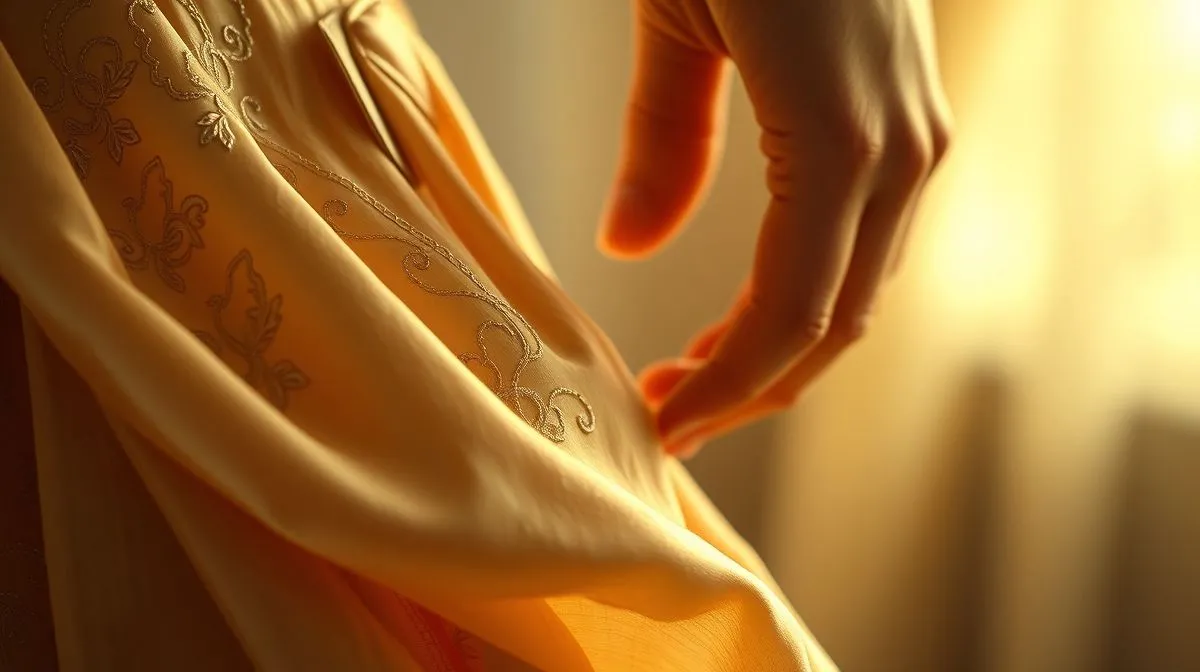
How to Identify Rare Unique Vintage Clothing Finds?
Have you ever stumbled upon an old garment, perhaps tucked away in a dusty attic or amidst racks in a forgotten corner of a thrift store, and wondered if it held a secret value, a forgotten story waiting to be told? There’s a distinct thrill in discovering an item that transcends mere age, an object that carries the whisper of history within its threads.
In a world saturated with fast fashion and fleeting trends, the enduring allure of unique vintage clothing is undeniable. It offers a sustainable alternative, a chance for individual expression, and a connection to eras past. However, separating the truly rare and valuable from mere second-hand items can feel like searching for a needle in a haystack, especially for the untrained eye.
This comprehensive guide will equip you with the knowledge and techniques to confidently identify rare unique vintage clothing finds, transforming you from a casual browser into a discerning treasure hunter. By the end of this reading, you'll understand the intricate details that elevate a garment from 'old' to 'collectible,' enabling you to unearth hidden gems with expertise and precision.
Understanding the Essence of Vintage Clothing
Before diving into the specifics of identification, it’s crucial to establish a foundational understanding of what truly constitutes 'vintage' and 'rare' in the world of fashion. These terms are often used loosely, leading to confusion among enthusiasts and sellers alike.
What Defines 'Vintage'?
Generally, an item of clothing is considered vintage if it is at least 20 years old but less than 100 years old. Items 100 years or older are typically classified as 'antique.' This age criterion is a starting point, but true vintage appeal extends beyond mere chronology. It encompasses items that are representative of a particular era's style, craftsmanship, or cultural significance.
The essence of vintage lies in its ability to evoke a specific period. A dress from the 1950s, for example, isn't just old; it embodies the silhouette, fabrics, and design sensibilities of that decade. Understanding these historical markers is fundamental to appreciating and identifying truly authentic pieces.
The Allure of Rarity and Uniqueness
Rarity in vintage clothing is multifaceted. It can stem from limited production runs, the designer's fame, the garment's historical significance (e.g., worn by a celebrity, part of an iconic collection), or simply its exceptional condition despite its age. Uniqueness, on the other hand, often refers to one-of-a-kind pieces, bespoke tailoring, or highly distinctive designs that stand out from mass-produced items.
The combination of age, authenticity, historical context, and scarcity contributes to an item's rarity and desirability. A truly rare find isn't just old; it's a piece of wearable history that tells a compelling story and possesses an inherent value that transcends fleeting trends.
The Art of Fabric and Construction Analysis
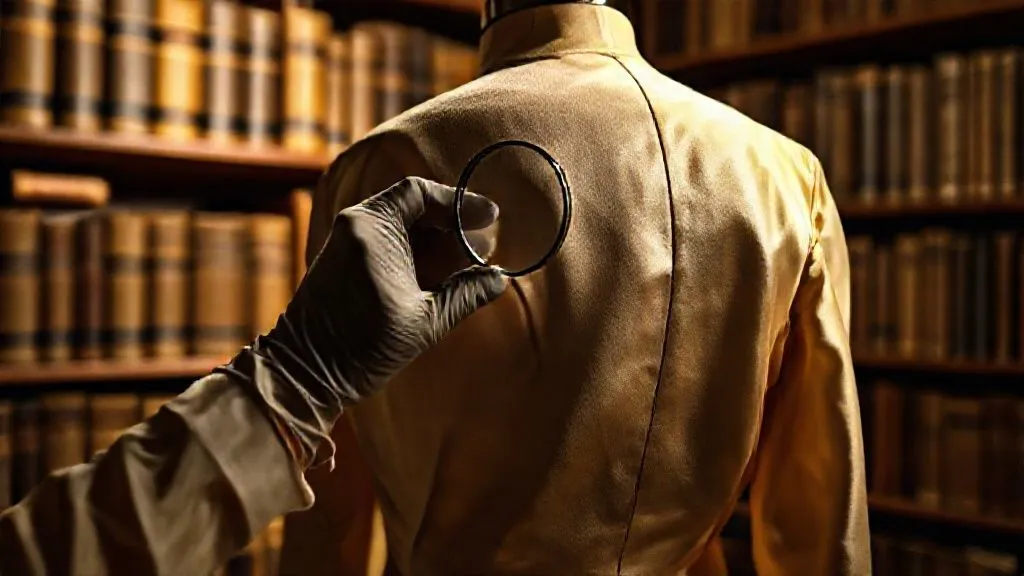
One of the most reliable ways to gauge the age and authenticity of a vintage garment is through a meticulous examination of its fabric and construction. These elements often reveal more than any label ever could, as manufacturing techniques and material availability have evolved significantly over the decades.
Textile Telltales: Natural vs. Synthetic
The type of fabric used provides a strong clue about its age. Before the widespread adoption of synthetic fibers in the mid-20th century, most clothing was made from natural materials like cotton, wool, silk, and linen. The introduction of rayon in the 1920s, nylon in the late 1930s, and polyester in the 1950s marked significant shifts.
- Pre-1950s: Expect to find high-quality natural fibers. Wool might feel heavier and denser than modern equivalents. Silks often have a distinct drape and sheen.
- 1950s-1960s: Rayon blends, early polyesters, and acrylics start appearing. Look for fabrics that mimic natural fibers but might have a slightly different hand-feel.
- Post-1970s: Synthetic blends become dominant. However, high-end vintage from these eras might still feature luxurious natural fabrics.
Furthermore, examine the weave and dye quality. Older textiles often exhibit a craftsmanship that is less common in modern mass production. Hand-loomed fabrics, natural dyes, and intricate weaves can indicate a pre-industrial or early industrial origin.
Stitching and Seam Secrets
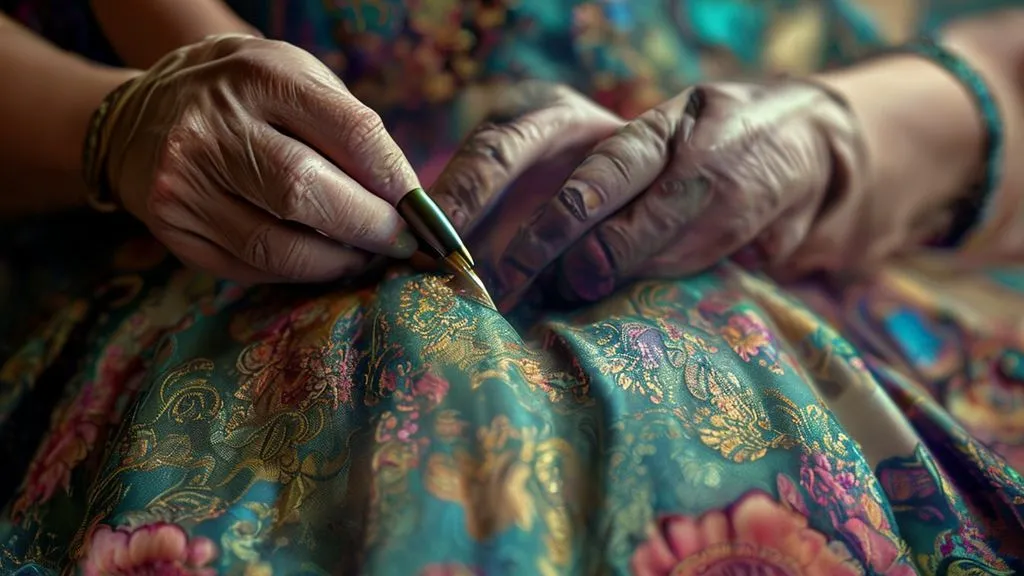
The way a garment is sewn can be a dead giveaway for its age. Early 20th-century garments often feature hand-finishing, even if machine-sewn. Look for:
- Hand-stitched hems and buttonholes: Common before the 1940s, indicating meticulous craftsmanship.
- French seams or flat-felled seams: These enclosed seams were used to prevent fraying before sergers became common, particularly in higher-quality garments.
- Selvage denim: A hallmark of vintage denim (especially pre-1980s Levi's, Lee, Wrangler), identifiable by a clean, finished edge on the inside seam, often with a colored thread.
- Chain stitching: Often found on hems of vintage t-shirts and denim, known for its durability and unique appearance.
The quality and consistency of machine stitching can also provide clues. Earlier machines produced different stitch patterns, and the uniformity of stitches often improved over time with technological advancements.
Hardware and Fastenings as Clues
Zippers, buttons, and snaps undergo continuous evolution, making them excellent dating tools. Certain brands and styles of hardware are specific to particular eras:
- Zippers: Early zippers (pre-1930s) often have large, chunky teeth and different pull tabs (e.g., Hookless Fastener Company, C-Z). Talon was a dominant brand from the 1930s onwards, with distinct pulls and tooth types changing over decades. Conmar and Crown zippers are also indicative of specific periods. Plastic zippers became common in the 1960s.
- Buttons: Bakelite buttons (1920s-1940s), glass buttons, metal buttons, and early plastic buttons all have unique characteristics. Look at the method of attachment and the material.
- Snaps: Early snaps often have distinct markings or brands. Some early snaps were sewn on, while later ones were machine-pressed.
The absence of certain hardware can also be telling. For instance, zippers were not common on women's dresses until the 1930s; before that, garments relied on hooks and eyes, snaps, or buttons.
Decoding Labels and Tags
Labels and tags are often the first place vintage enthusiasts look, and for good reason. They provide crucial information about the manufacturer, materials, and sometimes even the union that produced the garment. However, labels can also be misleading or absent, requiring a deeper dive into other identification methods.
Manufacturer Labels: A Historical Timeline
Brand names and their logos evolve over time. Researching a specific brand's history can help pinpoint the production era. For example, early Levi's tags differ significantly from modern ones, and the presence or absence of certain details (like the 'Big E' on Levi's red tabs) can denote extreme rarity.
Many early 20th-century garments may have no manufacturer label at all, especially bespoke items or those produced by small, local dressmakers. The presence of a designer's name, if recognizable, can also add significant value and aid in dating.
Care Tags and Content Labels: Dating Your Find
Care labels, which specify washing instructions and fabric content, were not legally mandated in the U.S. until the 1970s. Their presence or absence, and the information they contain, can be a strong indicator of age:
- No care tag: Likely pre-1970s.
- Care tag with generic instructions: Early 1970s.
- Detailed care instructions with fabric percentages: Mid-1970s onwards.
Additionally, the way fabric content is listed (e.g., 'Rayon' vs. 'Viscose' or 'Nylon' vs. 'Polyamide') can reflect changing industry terminology.
Union Labels: Pinpointing Production Era
In the United States, union labels from organizations like the International Ladies' Garment Workers' Union (ILGWU) and the Amalgamated Clothing Workers of America (ACWA) were commonly sewn into garments. These labels changed designs over the decades, offering precise dating markers.
- ILGWU labels: Different iterations of the 'Union Made' label (e.g., blue scroll, white with blue border, red, white, and blue) correspond to specific timeframes, generally from the 1900s through the 1990s.
- ACWA/ACTWU labels: Similar to ILGWU, these labels also evolved, providing clues for menswear and other unionized apparel.
Familiarizing yourself with these union label timelines is an invaluable skill for accurately dating American-made vintage clothing. You can find detailed guides on various vintage enthusiast websites or textile history resources.
Silhouettes, Styles, and Eras: A Visual Guide
Fashion is a mirror of society, and silhouettes are perhaps the most striking visual cues to a garment's era. Each decade boasts distinctive shapes, lengths, and design elements that reflect the cultural, economic, and social landscape of the time.
Iconic Silhouettes by Decade
- 1920s: Drop-waisted, straight, 'flapper' dresses. Shorter hemlines, often decorated with beads or fringe.
- 1930s: Longer, bias-cut gowns that hugged the body, emphasizing femininity and elegance. Wider shoulders often achieved with subtle padding.
- 1940s: Wartime utility styles. Broad shoulders, nipped waists, A-line or straight skirts (often knee-length to conserve fabric). Practicality over extravagance.
- 1950s: The 'New Look' introduced by Dior. Full skirts, cinched waists, and defined busts. Also, pencil skirts and wiggle dresses. A return to overt femininity post-war.
- 1960s: Shift dresses, A-line shapes, mini-skirts. Youthful, rebellious, and often geometric designs. Mod fashion with bold colors and patterns.
- 1970s: Bohemian styles (maxi dresses, bell-bottoms), disco glamour (jumpsuits, wide collars, polyester), and punk influences. Diverse and experimental.
- 1980s: Power dressing with strong shoulders, oversized blazers, tight skirts, and vibrant colors. Athletic wear influence.
- 1990s: Minimalism, grunge, and slip dresses. Simpler lines, often monochromatic palettes, and a de-emphasis on overt branding.
Understanding these dominant silhouettes provides an immediate visual framework for dating a garment. However, remember that trends sometimes overlap or are reinterpreted, so combine this knowledge with other identification methods.
Prints, Patterns, and Embellishments
Just as silhouettes change, so do popular prints and embellishments. Art Deco geometric patterns (1920s-30s), patriotic motifs (1940s), polka dots and floral prints (1950s), psychedelic patterns (1960s-70s), and bold abstract prints (1980s) all serve as chronological markers.
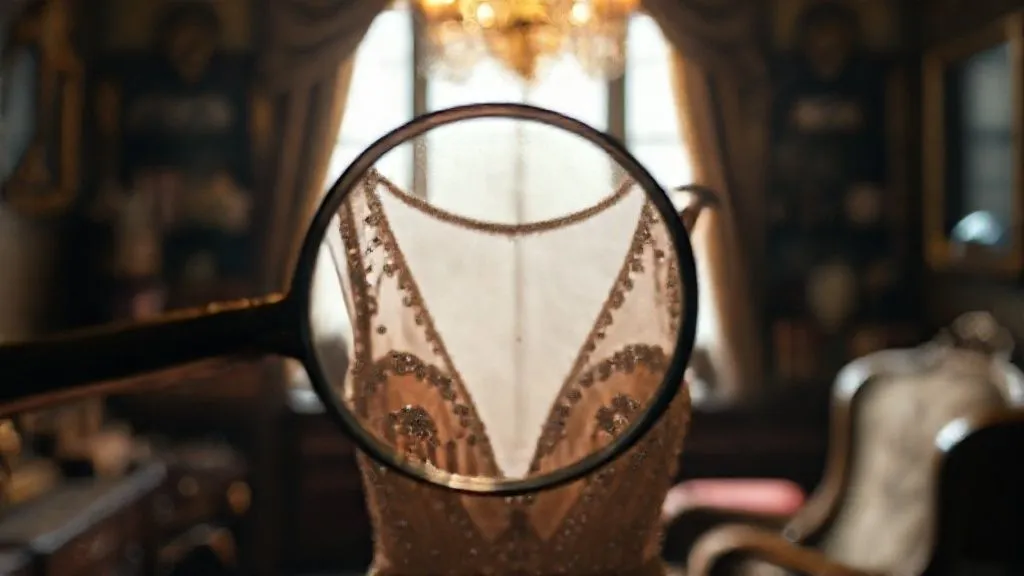
Embroidery, beading, and appliqué techniques also evolve. Hand-beading, for instance, was more common in earlier eras, while machine embroidery became more prevalent later. The quality and style of these embellishments can speak volumes about the garment's age and potential rarity.
Recognizing Designer Signatures
For high-value vintage, recognizing the unique 'signature' of influential designers is paramount. Christian Dior's 'New Look' of the 1940s and 50s, Coco Chanel's iconic tweed suits, or Elsa Schiaparelli's surrealist embellishments are instantly recognizable to a trained eye. Researching the defining characteristics of renowned designers from different eras can turn a simple find into a significant discovery. This requires a deep dive into fashion history, often through museum archives or academic texts, such as those found at institutions like The Metropolitan Museum of Art's Costume Institute.
Assessing Condition and Authenticity
Identifying a truly rare unique vintage clothing find isn't just about age; it's also about its state of preservation and whether it's an authentic piece or a modern reproduction. Condition significantly impacts value, and authenticity is non-negotiable for serious collectors.
The Importance of Condition: Wear vs. Damage
A garment's condition is paramount. Collectors often use terms like 'mint,' 'excellent,' 'very good,' 'good,' and 'fair.' While minor signs of wear are expected with age, significant damage (large tears, irreparable stains, extensive moth holes, crumbling fabric) can drastically reduce value. Assess:
- Fabric integrity: Is it strong or fragile? Are there signs of dry rot, fading, or discoloration?
- Seams and stitching: Are they intact or unraveling?
- Hardware: Are all buttons, zippers, and snaps present and functional?
- Odor: Musty smells can indicate mold or mildew, which are difficult to remove.
A rare item in 'good' condition might still be valuable, but a common item in 'fair' condition is unlikely to hold significant worth. Understanding the difference between expected wear and detrimental damage is key to evaluating a piece accurately.
Spotting Fakes and Reproductions
The market for vintage clothing, especially designer pieces, has attracted counterfeiters. Spotting fakes requires a keen eye and knowledge of authentic details:
- Labels: Compare fonts, stitching, and placement with known authentic labels. Fakes often have sloppy stitching or incorrect typography.
- Construction Quality: Fakes rarely match the original's craftsmanship. Look for cheap materials, uneven stitching, and poor finishing.
- Hardware: Counterfeit zippers, buttons, or snaps often lack the specific brand markings or quality of the originals.
- Fabric: Modern fabrics might be used to mimic older ones, but they often lack the correct weight, drape, or texture.
When in doubt, compare the item to documented authentic pieces from the same era and designer. Resources like Wikipedia's page on vintage clothing can offer a starting point for general historical context, but specialized authentication guides are often necessary for high-value items.
Provenance and Documentation
For truly exceptional or historically significant pieces, provenance (the history of ownership) can dramatically increase value. Original receipts, photographs of the item being worn, or a documented chain of ownership can turn a valuable vintage piece into an invaluable artifact. While rare, discovering such documentation with a garment is the ultimate validation of its uniqueness and authenticity.
Where to Hunt for Vintage Treasures
Knowing how to identify rare unique vintage clothing finds is only half the battle; the other half is knowing where to look. The hunting grounds for vintage treasures are diverse, each offering a unique experience and potential for discovery.
Beyond the Thrift Store: Specialized Boutiques and Markets
While thrift stores and charity shops can yield incredible finds, they are increasingly picked over. For a more curated selection, explore:
- Dedicated Vintage Boutiques: These stores often have knowledgeable staff and higher-quality, authenticated pieces, though prices will reflect this.
- Vintage Fairs and Markets: Events like these bring together multiple vendors, increasing your chances of finding specialized items.
- Estate Sales and Auctions: These can be goldmines for unique, often untouched, vintage items, especially from older estates.
Building relationships with sellers at these venues can also lead to early access to new inventory or specific searches for items you desire.
Online Platforms and Auctions
The internet has revolutionized vintage shopping, offering access to a global inventory. Platforms like eBay, Etsy, Vestiaire Collective, and specialized vintage auction sites (e.g., 1stDibs for high-end) provide vast selections. When shopping online:
- Read descriptions carefully: Look for detailed condition reports and measurements.
- Examine photos closely: Request more if necessary, especially of labels, seams, and any flaws.
- Check seller reviews: Reputable sellers often have a history of accurate descriptions and good customer service.
For deeper historical context on textile production and fashion evolution, resources from institutions like the Victoria and Albert Museum's fashion collection or academic papers on textile history (e.g., from a reputable textile history society like The Textile History Society) can provide invaluable background when researching online finds.
Building a Network: Connect with Fellow Enthusiasts
Joining online forums, social media groups, or local clubs dedicated to vintage fashion can be incredibly beneficial. These communities offer opportunities to learn from experienced collectors, share finds, and even trade or buy directly from other enthusiasts. Networking can open doors to private sales or insider knowledge about upcoming estate sales and events.
Caring for Your Vintage Finds
Once you've successfully identified and acquired a rare unique vintage clothing find, proper care is essential to preserve its value and longevity. These items have already stood the test of time; your role is to ensure they continue to do so.
Storage Best Practices
Improper storage is a leading cause of damage to vintage textiles. Always store vintage clothing:
- Clean: Ensure garments are clean before storage to prevent stains from setting or attracting pests.
- In a cool, dry, dark place: Humidity, heat, and light can degrade fabrics and cause fading.
- Using appropriate hangers/storage: Padded hangers are ideal for delicate items; heavy garments like coats should be hung on sturdy wooden hangers. Fold knitwear to prevent stretching. Use acid-free tissue paper for delicate items.
- Away from pests: Moths and other insects can cause irreparable damage. Cedar blocks or lavender sachets can help deter them naturally.
Cleaning and Preservation Tips
Cleaning vintage clothing requires extreme caution. Always err on the side of caution or consult a professional textile conservator.
- Test in an inconspicuous area: Before attempting any cleaning, test solvents or water on a hidden seam to ensure no discoloration or damage.
- Hand wash or dry clean carefully: Many vintage garments cannot withstand modern machine washing. Delicate items, especially silk or rayon, often require hand washing with gentle, pH-neutral soap or professional dry cleaning.
- Avoid harsh chemicals: Bleach and strong stain removers can permanently damage delicate vintage fibers and dyes.
- Air dry: Never put vintage clothing in a tumble dryer, as heat can cause shrinkage, fading, and damage to delicate fibers.
For truly valuable or fragile pieces, professional textile conservation is highly recommended. These experts have the knowledge and tools to clean and repair items without causing further damage, ensuring your rare finds are preserved for generations.
Frequently Asked Questions (FAQ)
What's the difference between vintage and antique clothing? Generally, vintage refers to clothing 20-99 years old, while antique applies to items 100 years or older. Both terms signify historical significance, but the age range differs.
How much should I expect to pay for a rare vintage item? The price varies wildly based on rarity, condition, designer, historical significance, and demand. Some rare finds can be under $50, while iconic designer pieces or historically significant garments can command thousands or even tens of thousands of dollars. Researching comparable sales is crucial.
Can I restore damaged vintage clothing? Minor repairs like re-stitching seams or replacing missing buttons are often possible. However, significant damage like large tears, extensive fabric degradation, or complex stain removal usually requires the expertise of a professional textile conservator. Attempting DIY repairs on valuable items can decrease their worth.
Are all designer vintage items valuable? Not necessarily. While designer pieces generally hold more value, their worth also depends on the specific design, the collection it belonged to, its condition, and current market trends. A common designer item from a less desirable collection might not be as valuable as a truly rare, unique, and well-preserved non-designer piece.
Recommended Reading
- Best Affordable Streetwear Brands 2024: Your Ultimate Guide to Stylish Savings
- Sparkle Secrets: How to Clean Diamond Jewelry at Home Like a Pro
- Mastering Elegance: Your Ultimate Guide to a Thorough Luxury Fashion Review
- Authenticating Pre-Owned Luxury Handbags: The Ultimate Guide
- The Future of Fashion: How Advanced Materials Will Reshape Clothing Design
Conclusion
The journey to identify rare unique vintage clothing finds is a rewarding blend of historical exploration, meticulous observation, and the thrill of discovery. By understanding the nuances of fabric, construction, labels, and silhouettes, you gain the power to discern true treasures from mere old clothes. Remember that patience, continuous learning, and a passion for fashion history are your greatest assets in this pursuit. Every seam, every button, and every faded label holds a clue, inviting you to uncover the forgotten stories woven into the very fabric of our past. Go forth, explore, and may your next discovery be a truly extraordinary piece of wearable art!

Your email address will not be published. Required fields are marked *