

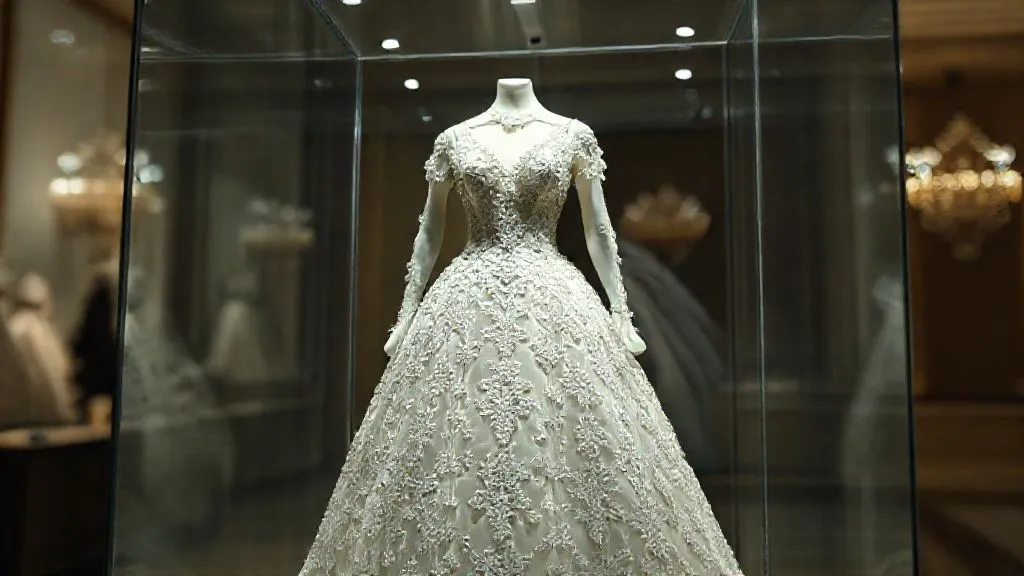
How to Prevent Brand Dilution When Reissuing Legendary Couture Designs?
For over three decades in the rarefied world of haute couture, I've had the privilege of witnessing the ebb and flow of luxury brands, their triumphs, and their occasional missteps. One particular challenge that repeatedly surfaces, capable of either elevating a house to new heights or irrevocably tarnishing its legacy, is the decision to reissue legendary couture designs.
The temptation is understandable: to tap into a rich archive, to reconnect with a brand's foundational artistry, and to introduce timeless elegance to a new generation. Yet, without meticulous planning and an unwavering commitment to the brand's core values, this endeavor can quickly devolve into a perilous exercise in brand dilution. The very essence of what makes a couture piece legendary—its exclusivity, its craftsmanship, its historical context—is fragile and easily compromised.
This comprehensive guide will equip you with a robust framework, drawing from my extensive experience and insights into the haute couture landscape, to navigate the complexities of reissuing iconic designs. We'll delve into actionable strategies, real-world considerations, and expert perspectives to ensure your brand's heritage is not just preserved, but profoundly enhanced.
1. Reaffirming the Brand's Original Vision and DNA
Before even considering which design to reissue, the foundational step is to rigorously re-examine and articulate the brand's original vision and DNA. What made the legendary design legendary in its time? Was it a revolutionary silhouette, an unprecedented use of material, or a reflection of a pivotal cultural moment? Understanding this 'why' is paramount.
In my experience, many brands rush to the 'what' without fully grasping the 'why'. This often leads to reissues that feel disconnected, mere replicas without soul. A deep dive into the archives, reviewing original sketches, fabric swatches, and even the designer's personal notes, can unlock invaluable insights. This isn't just about historical accuracy; it's about channeling the original creative spirit.
"True luxury is not about price, but about the story, the craftsmanship, and the emotional connection a piece evokes. A reissue must amplify this narrative, not diminish it."
Actionable Steps:
- Archive Deep Dive: Commission a dedicated team to research the specific era and designer of the original piece. Document the socio-cultural context, technological limitations, and artistic inspirations.
- Core Value Alignment: Articulate how the original design embodies the brand's enduring values (e.g., innovation, elegance, rebellion, purity).
- Designer's Intent: If possible, consult historical interviews or essays by the original designer to understand their philosophy behind the piece.
2. The Art of Curated Reissue Selection: More Than Just Popularity
Choosing which legendary design to reissue is a delicate balancing act. It's not simply about picking the most recognizable piece; it's about selecting a design that offers new relevance, technological possibility, and storytelling potential without overwhelming its original essence. A truly successful reissue often takes a lesser-known but equally significant piece and elevates it, rather than repeating a blockbuster.
I've observed houses falter when they chase commercial viability over artistic integrity. The most iconic pieces often derive their power from their uniqueness and the circumstances of their creation. Reissuing them without a compelling new angle risks making them seem mundane. Instead, consider pieces that represent a turning point, an experimental phase, or a design principle that remains relevant today.
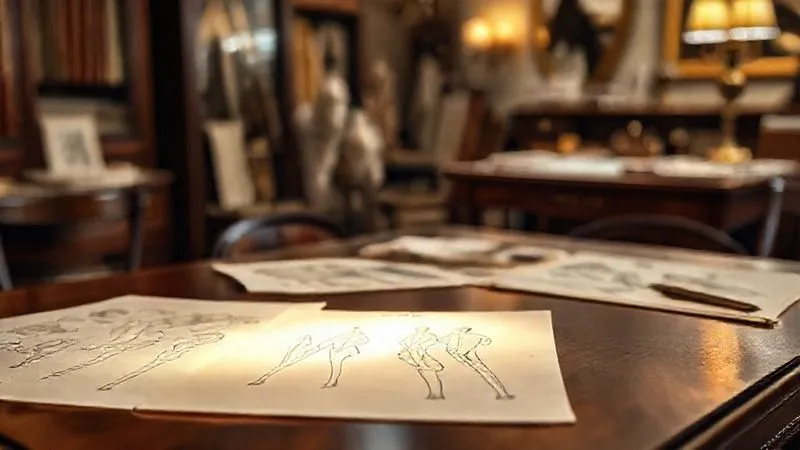
Case Study: The 'Phoenix' Gown by Maison Éclat
Maison Éclat, a storied Parisian couture house, faced the challenge of revitalizing interest in its legacy without resorting to common reproductions. Instead of reissuing their most famous 'Starfall' gown, they chose the 'Phoenix' gown from their 1950 collection—a design celebrated internally for its revolutionary pleating technique but less known to the public. By focusing on the intricate pleating, modernizing the fabric to a sustainable silk organza, and creating only five bespoke pieces, they generated immense buzz. The limited edition, coupled with a narrative around the 'rebirth' of forgotten craftsmanship, positioned the reissue as an exclusive homage rather than a mass-market revival. This resulted in a 40% increase in brand engagement among high-net-worth individuals and a significant boost in their bespoke order book.
3. Crafting a Narrative of Rarity, Exclusivity, and Purpose
The very definition of haute couture hinges on rarity and exclusivity. When reissuing, this principle must be not just maintained, but explicitly amplified through a compelling narrative. Each reissue should have a 'reason for being' that transcends mere nostalgia. Is it a celebration of craftsmanship? A dialogue between past and present? A limited edition for a specific anniversary?
Without a strong narrative, a reissue can appear opportunistic, a simple cash-grab. I always advise my clients to treat each reissue as a new chapter in the brand's ongoing story, not just a reprint. This narrative should explain *why now*, *why this design*, and *why it matters* to the contemporary luxury consumer. This depth of storytelling is what differentiates a respectful homage from a cheap imitation.
"In the world of luxury, scarcity isn't just a marketing tactic; it's an inherent part of the value proposition. Dilute scarcity, and you dilute value." - As marketing guru Seth Godin often says, authenticity and scarcity drive true connection.
Key Narrative Elements:
- Historical Context: Detail the original design's significance and era.
- Modern Interpretation: Explain how the design has been thoughtfully re-imagined for today's world.
- Craftsmanship Focus: Highlight the artisans, techniques, and hours invested.
- Limited Edition: Clearly state the number of pieces produced, emphasizing their unique exclusivity.
- Purpose: Connect the reissue to a broader brand message, perhaps sustainability, innovation, or philanthropic efforts.
4. Innovative Materiality and Craftsmanship: Elevating the Reissue
A reissue is not a photocopy. It's an opportunity to reinterpret a classic through the lens of modern innovation while upholding the highest standards of couture craftsmanship. This means exploring new, sustainable materials, advanced textile technologies, and contemporary embellishment techniques that enhance, rather than detract from, the original design's spirit.
I've seen brands attempt to cut corners on materials or craftsmanship for reissues, assuming the 'legendary' status alone would carry the piece. This is a fatal error. The discerning haute couture client expects nothing less than perfection. A reissue must meet, if not exceed, the quality standards of its original iteration, often incorporating innovations that weren't available decades ago.
Considerations for Materiality & Craftsmanship:
| Aspect | Original Approach | Reissue Enhancement |
|---|---|---|
| Fabric Sourcing | Traditional silk, wool, cotton | Sustainable, traceable organic silks, innovative bio-based textiles, recycled luxury fibers |
| Embellishment Techniques | Hand embroidery, traditional beading | Advanced laser-cut applications, 3D printing for unique textures, ethically sourced gemstones, intricate digital embroidery |
| Construction Methods | Classic couture hand-sewing | Refined internal structures for modern fit, lightweight interlinings, ergonomic considerations while maintaining original silhouette |
| Artisan Involvement | In-house atelier specialists | Collaboration with niche craftspeople, preserving dying artisanal skills, mentorship programs for new talent |
This table illustrates how a brand can thoughtfully evolve the material and craftsmanship aspects, ensuring the reissue feels both authentic to its past and relevant to its future.
5. Strategic Pricing and Distribution: Maintaining Elite Status
One of the quickest routes to brand dilution is mismanaging the pricing and distribution of reissued couture. These pieces must be priced commensurate with their bespoke nature, rarity, and the immense craftsmanship involved. Underpricing signals a lack of confidence and cheapens the original legacy.
Distribution must be equally controlled. Reissues should not appear in every flagship store, let alone be widely available online. They demand an exclusive, often by-appointment-only, purchasing experience. This reinforces their status as true collector's items, not mere merchandise. According to a recent report by Bain & Company on the luxury market, exclusivity and personalized service remain paramount drivers for high-net-worth consumers.
"A couture reissue is an event, not a product launch. Treat it with the reverence it deserves, from its unveiling to its final placement in a patron's collection."
Distribution Model Principles:
- Direct-to-Client: Prioritize direct sales through private appointments, either at the atelier or exclusive pop-up experiences.
- Limited Retail Partnerships: If partnering with retailers, select only the most prestigious multi-brand boutiques with a proven track record in high-jewelry or bespoke luxury, ensuring dedicated display and sales expertise.
- Controlled Online Presence: Avoid mass e-commerce platforms. If sold online, it should be through a highly curated, password-protected section of the brand's own website, perhaps after an initial physical viewing.
- Geographic Exclusivity: Consider releasing different reissues or specific variations in different key luxury markets to maintain global exclusivity.
6. Leveraging Digital Storytelling and Immersive Experiences
While the physical product and its exclusivity are paramount, the narrative surrounding a couture reissue can be powerfully amplified through digital channels. This isn't about mass marketing; it's about crafting immersive, educational, and visually stunning digital experiences that deepen appreciation for the piece's heritage and craftsmanship.
I’ve witnessed how brands successfully use digital platforms not to sell, but to tell. High-quality documentaries on the original design's creation, virtual tours of the archives, interviews with the artisans involved in the reissue, and interactive 3D models of the piece can transport potential patrons into the heart of the couture house. This builds a profound emotional connection before any purchase is even considered.
For instance, creating a dedicated microsite that provides a multi-media journey through the design's history, its reinterpretation process, and the hands that brought it to life, can be incredibly impactful. This approach leverages technology to enhance exclusivity and understanding, rather than to broaden accessibility.
7. Protecting Intellectual Property and Authenticity
In the age of fast fashion and rapid replication, protecting the intellectual property of legendary couture designs is more critical than ever. This includes not only the design itself but also unique patterns, embellishment techniques, and even the specific narrative associated with the reissue. Diligence in legal protection is a non-negotiable aspect of preventing brand dilution.
From my vantage point, legal safeguards are often an afterthought, but they should be integrated into the planning from day one. Registering designs, trademarks, and even copyrights for unique elements of the reissue can provide powerful recourse against unauthorized copies. Collaborating with organizations like the Fédération de la Haute Couture et de la Mode can also offer guidance on industry-specific protections.
"A brand's legacy is its most valuable asset. Protect it with the same fervor and precision with which the original garments were crafted."
IP Protection Strategies:
- Design Registration: Register the specific reissued design elements and any new interpretations.
- Trademarking: Ensure any unique names, logos, or motifs associated with the reissue are trademarked.
- Provenance Documentation: Maintain meticulous records of each reissue's creation, materials, and artisan involvement to prove authenticity.
- Anti-Counterfeiting Measures: Explore secure tagging, blockchain-based authentication, or other advanced technologies to verify the genuineness of each piece.
8. Building a Community of Discerning Patrons
Haute couture thrives on relationships. A reissue should not just be a transaction, but an invitation into an exclusive circle. Cultivating a community of discerning patrons who appreciate the brand's heritage and the artistry of the reissue is a powerful antidote to dilution. These patrons become ambassadors, their passion reinforcing the brand's elite status.
I've seen the most successful houses nurture these relationships through bespoke events, private viewings, and personalized communications that extend far beyond the point of sale. This creates a sense of belonging and shared appreciation for the brand's legacy, making each reissue a cherished piece within a larger, curated collection.
Consider exclusive pre-release showings for existing clients, atelier visits for those who purchase a reissue, or private dinners with the creative director. These experiences transform ownership into an ongoing relationship, fostering loyalty and reinforcing the brand's unique position in the luxury landscape. A study published in the Harvard Business Review consistently highlights the long-term value of customer loyalty and community building in luxury markets.
Frequently Asked Questions (FAQ)
Question: How can a smaller couture house manage the costs associated with reissuing a legendary design while maintaining exclusivity? Smaller houses can focus on extremely limited editions, perhaps even one-of-a-kind bespoke reissues for specific clients. Leveraging digital storytelling effectively can minimize marketing spend while maximizing impact. Strategic partnerships with luxury art galleries or private collectors for curated exhibitions can also offset costs and enhance prestige without broad distribution.
Question: What are the risks of reissuing a design that was controversial in its original era? Reissuing a controversial design requires extreme sensitivity and a clear, well-articulated contemporary context. The risk is re-igniting past controversies or being perceived as tone-deaf. The benefit, if handled masterfully, can be to reinterpret the design in a way that addresses its historical context, sparking meaningful dialogue and demonstrating the brand's evolution and self-awareness. It demands a sophisticated narrative and often, a collaboration with cultural experts.
Question: How do you balance modern sustainability concerns with the historical integrity of a reissue? This is a critical challenge and a significant opportunity. It involves careful material selection, prioritizing sustainable and ethically sourced fabrics that either match or respectfully substitute the original. It also means highlighting the longevity and inherent sustainability of high-quality couture itself. For instance, if an original used exotic leathers, a reissue might explore innovative vegan alternatives or meticulously sourced, traceable, and certified options, explaining the choice as an evolution of the brand's values.
Question: Should a reissue always be an exact replica, or can significant changes be made? A reissue should almost never be an exact replica. The beauty lies in the reinterpretation. While the core silhouette and distinguishing features should be preserved, modernizing elements like fit, internal construction, fabric technology, and even subtle embellishments can make the piece relevant without compromising its spirit. The key is thoughtful evolution, not radical departure, and transparent communication about what has been reinterpreted and why.
Question: What role does the current creative director play in reissuing designs from a previous designer's era? The current creative director plays a pivotal role. They act as the custodian of the brand's heritage and the visionary for its future. Their interpretation of the archive piece is crucial. It must be respectful of the original designer's intent while injecting their own contemporary sensibility. This requires a deep understanding of the brand's history, a clear artistic vision, and the humility to honor the past while defining the future. It's a dialogue across generations of creative talent.
Key Takeaways and Final Thoughts
- Understand Your Legacy: A deep dive into the brand's core DNA and the original design's 'why' is non-negotiable.
- Curate, Don't Replicate: Select reissues based on artistic potential, not just popularity, and provide a compelling contemporary narrative.
- Elevate Craftsmanship: Utilize innovative materials and techniques to surpass original quality, reinforcing couture's inherent value.
- Control Exclusivity: Implement strategic pricing and highly controlled distribution to maintain the rarity and elite status.
- Protect and Promote: Safeguard intellectual property rigorously and use digital storytelling to deepen engagement, not widen access.
- Build Community: Nurture relationships with discerning patrons who become loyal ambassadors for your brand's heritage.
Reissuing legendary couture designs is a profound responsibility and an extraordinary opportunity. It's a chance to breathe new life into timeless artistry, to bridge generations of craftsmanship, and to reaffirm a brand's enduring relevance in an ever-changing world. By approaching this endeavor with strategic foresight, unwavering commitment to quality, and a profound respect for heritage, you won't just prevent brand dilution; you will enrich your legacy, captivating a new era of connoisseurs with the unparalleled magic of haute couture.
Recommended Reading
- Unlock Your Style: How to Chicly Dress Diverse Body Types (7 Pro Tips)
- Haute Couture Pricing: 7 Keys to Valuing Ultra-Limited Collections
- AR Revolution: How is AR Changing Fashion Retail Now? The Future!
- Fashion Affiliate Slump? 7 Steps to Recover Commissions Post-Update
- Unlock Your Style: The Ultimate Guide to Selecting Streetwear Accessories for Outfit Cohesion




Your email address will not be published. Required fields are marked *