

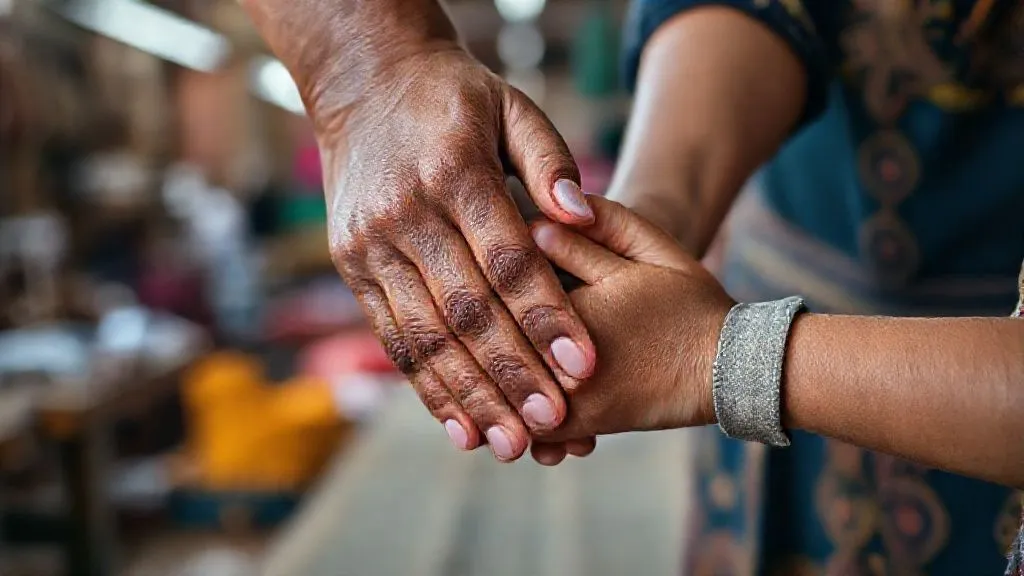
How to Measure Real Social Impact of Empowerment Fashion Lines?
For over fifteen years navigating the intricate world of womenswear, I've witnessed the powerful rise of 'empowerment fashion.' It's a movement I deeply believe in, driven by the desire to create positive change, yet I've also seen its potential diluted by vague claims and a distinct lack of tangible proof.
The challenge isn't just creating beautiful, empowering garments; it's proving that these lines genuinely uplift the women they aim to serve, whether through ethical production, fair wages, skill development, or community investment. Without concrete, verifiable metrics, even the most well-intentioned initiatives risk being dismissed as mere marketing, eroding consumer trust and undermining the very purpose of their existence.
This article will provide a definitive, expert-level framework for how to measure real social impact of empowerment fashion lines. We'll move beyond aspirational platitudes to explore actionable strategies, quantifiable metrics, and robust reporting methods that will allow your brand to demonstrate authentic, transformative change, ensuring your impact is as visible as your designs.
Defining 'Empowerment Fashion' Beyond Slogans
Before we can measure impact, we must first clearly understand what 'empowerment fashion' truly embodies. It's more than just a catchy slogan or a percentage of profits donated; it's a holistic approach to business that places the well-being and agency of women at its core, from seed to stitch to sale.
In my experience, genuinely empowering fashion lines integrate ethical practices throughout their entire supply chain. This includes ensuring fair wages, safe working conditions, opportunities for skill development, and actively promoting gender equality within their operations. It's about creating systems that elevate rather than exploit.
The true power of empowerment fashion lies not just in its aesthetic appeal, but in its ability to foster self-sufficiency, dignity, and agency for the women involved in its creation and consumption. Intentions are a start, but measurable impact is the destination.
Key characteristics of a truly empowering fashion line often include:
- Ethical Sourcing: Prioritizing materials and practices that minimize environmental harm and respect human rights.
- Fair Labor Practices: Paying living wages, offering benefits, and ensuring safe, healthy workplaces.
- Skill Development: Investing in training and education for artisans and workers, fostering long-term career growth.
- Community Investment: Contributing to local infrastructure, education, or healthcare initiatives in production communities.
- Gender Equality: Actively promoting women into leadership roles and ensuring equitable treatment and opportunities.
- Transparency: Openly sharing information about supply chains, production processes, and impact data.
The Peril of Performative Impact: Why Measurement Matters
In today's socially conscious marketplace, consumers are increasingly discerning. They seek brands that align with their values, but they are also wary of 'greenwashing' or 'woke-washing' – superficial gestures lacking genuine substance. The absence of credible impact measurement leaves brands vulnerable to accusations of performative activism.
Without a clear methodology for how to measure real social impact of empowerment fashion lines, brands risk eroding trust, losing customer loyalty, and ultimately, failing to achieve the very change they aspire to create. It's not enough to *say* you empower women; you must be able to *show* it, with data that speaks louder than marketing copy.
As an industry veteran, I've seen countless brands struggle when their noble intentions weren't backed by verifiable proof. This isn't just a PR problem; it's a fundamental challenge to a brand's integrity and long-term viability. According to Harvard Business Review, consumers are increasingly skeptical, demanding concrete evidence of social and environmental claims.
Establishing Your Theory of Change: The Foundation of Impact Measurement
Before you can effectively measure anything, you must first articulate *what* change you intend to create and *how* your fashion line will contribute to that change. This is where a 'Theory of Change' or a 'Logic Model' becomes indispensable. It's your roadmap to impact, clarifying the causal links between your activities and your desired outcomes.
A well-defined Theory of Change moves beyond vague goals like 'empowering women' to specific, measurable objectives. It forces you to think critically about your assumptions and the pathways through which your efforts will lead to tangible social benefits. Without this foundation, your measurement efforts will lack direction and coherence.
Step-by-Step: Crafting Your Impact Logic Model
I always advise brands to develop a simple, clear logic model. Here's how:
- Identify Your Inputs: What resources do you invest? (e.g., capital, raw materials, staff time, training programs).
- Define Your Activities: What actions do you take? (e.g., providing fair wage employment, offering skill-building workshops, investing in community health clinics).
- Determine Your Outputs: What direct, tangible results come from your activities? (e.g., number of women employed, hours of training delivered, number of health checks performed).
- Envision Your Outcomes: What short-to-medium term changes result from your outputs? (e.g., increased income for workers, improved literacy rates, better health for families).
- Articulate Your Impact: What long-term, significant changes do you aim for? (e.g., enhanced economic independence for women, reduced poverty in communities, greater gender equality).
This structured thinking helps you identify the most relevant metrics. As highlighted by the Stanford Social Innovation Review, a robust Theory of Change is crucial for effective social impact initiatives.
Core Metrics for Quantifying Empowerment: Beyond the Balance Sheet
Now, let's dive into the practical aspect of how to measure real social impact of empowerment fashion lines by identifying core metrics. These aren't just numbers; they represent human stories and tangible improvements in people's lives. We need to focus on data that genuinely reflects empowerment, not just operational efficiency.
1. Economic Empowerment Indicators
This is often the most direct and crucial measure of empowerment. It goes beyond simply paying minimum wage to ensuring a living wage and fostering financial stability.
- Living Wage Adherence: Percentage of employees paid a verified living wage for their region.
- Income Growth: Average percentage increase in income for workers year-over-year.
- Savings Rates: Percentage of workers reporting increased savings or access to financial services.
- Asset Ownership: Increase in ownership of assets like land, housing, or business capital among female employees.
- Financial Literacy: Number of workers who have completed financial literacy training.
Measuring the economic uplift is paramount. Consider this comparison of wage impact:
| Metric | Before Empowerment Program | After 12 Months |
|---|---|---|
| Average Monthly Wage (USD) | $150 | $280 |
| Savings Rate Increase | 5% | 25% |
| Access to Micro-loans | 10% | 70% |
2. Skill Development & Education Metrics
True empowerment often stems from enhanced capabilities and knowledge, leading to greater opportunities and self-reliance.
- Training Hours: Total hours of skill-building, vocational, or literacy training provided per worker.
- Literacy & Numeracy Rates: Percentage increase in basic literacy and numeracy among employees.
- Job Advancement: Percentage of workers promoted to higher-skilled or supervisory roles.
- New Skill Acquisition: Number of new, marketable skills learned by employees.
3. Health & Well-being Outcomes
A healthy workforce is a productive and empowered workforce. This area often gets overlooked but is vital for holistic well-being.
- Access to Healthcare: Percentage of workers and their families with access to health services or insurance.
- Workplace Safety Incidents: Reduction in reported workplace accidents or health hazards.
- Maternal Health: Data on safe pregnancies and childbirth for female employees.
- Mental Health Support: Availability and utilization rates of mental health resources.
4. Gender Equality & Leadership Advancement
Empowerment fashion should actively dismantle barriers for women and amplify their voices within the organization and beyond.
- Women in Leadership: Percentage of women in management, supervisory, or executive positions.
- Decision-Making Roles: Percentage of women participating in key decision-making processes.
- Gender Pay Gap: Reduction in the pay gap between genders for equivalent roles.
- Representation: Percentage of women on boards or advisory panels.
5. Community Resilience & Engagement
The ripple effect of an empowering fashion line can extend far beyond its direct employees, positively impacting entire communities.
- Community Project Involvement: Number of workers participating in local community development projects.
- Local Infrastructure Improvements: Contributions to schools, water access, or sanitation in production communities.
- Local Supplier Engagement: Percentage of local businesses engaged as suppliers.
6. Environmental Stewardship (Indirect Empowerment)
While often seen as a separate category, environmental impact directly affects the communities where production occurs, particularly women who are often primary caregivers and resource gatherers.
- Sustainable Material Use: Percentage of materials sourced that are organic, recycled, or low-impact.
- Waste Reduction: Volume or percentage reduction in production waste.
- Water & Energy Efficiency: Reduction in water and energy consumption per garment produced.
- Pollution Reduction: Measures taken to reduce air and water pollution, directly benefiting community health.
7. Consumer & Brand Perception
Ultimately, how consumers perceive your brand's impact is crucial for its success and continued ability to drive change.
- Brand Loyalty: Repeat purchase rates and customer retention attributed to impact messaging.
- Customer Feedback: Positive sentiment and engagement related to social impact initiatives.
- Impact Story Sharing: Number of customers sharing your brand's impact stories organically.
Data Collection Methodologies: Gathering Authentic Insights
Collecting robust data for how to measure real social impact of empowerment fashion lines requires a blend of quantitative and qualitative approaches. Relying solely on one type of data will give you an incomplete picture. You need to gather numbers *and* narratives.
Qualitative vs. Quantitative Data
Quantitative data gives you the 'what' and the 'how much.' This includes surveys with numerical scales, tracking attendance records for training, financial records, and production metrics. It's objective and measurable.
Qualitative data gives you the 'why' and the 'how.' This involves in-depth interviews, focus groups, personal testimonials, and observational studies. It provides context, captures nuances, and reveals the human stories behind the numbers. Combining both offers a powerful, holistic view of impact.
Methods I recommend include:
- Surveys: Regular, anonymous surveys for employees on job satisfaction, well-being, financial security, and perception of opportunities.
- Interviews & Focus Groups: Conducted by independent third parties to gather honest feedback on living conditions, challenges, and the perceived benefits of the fashion line's initiatives.
- Financial Records: Tracking payroll data, benefit disbursements, and investment in community projects.
- Training & Education Records: Maintaining detailed logs of participation, completion rates, and post-training skill assessments.
- Observational Studies: Periodically visiting production sites (with consent) to assess working conditions and employee interactions.
Case Study: The 'Arise & Thrive' Collective
Let me share a fictional, yet realistic, example. The 'Arise & Thrive' Collective, a small ethical fashion brand specializing in hand-embroidered accessories, sought to measure the true impact of their work with a women's artisan group in rural India. They started with their Theory of Change: By providing fair wages and skill training, they aimed to increase economic independence and reduce vulnerability for the women.
To measure this, they implemented a mixed-methods approach. Quantitatively, they tracked monthly income per artisan, savings account contributions, and attendance at weekly literacy classes. Qualitatively, an independent researcher conducted annual one-on-one interviews, asking about changes in household decision-making power, children's school attendance, and overall sense of well-being. After two years, they could report a 60% increase in average monthly income, a 200% increase in savings contributions, and a significant qualitative shift in women reporting greater autonomy in household financial decisions. This comprehensive data allowed them to confidently articulate their real social impact.
Transparency & Reporting: Building Trust with Your Audience
Collecting data is only half the battle; effectively communicating your findings is equally critical. Transparency is the bedrock of trust, especially when discussing how to measure real social impact of empowerment fashion lines. Your audience wants to see the evidence, not just hear the claims.
I strongly advocate for annual impact reports. These don't have to be overly academic or dry; they can be compelling narratives backed by clear data visualizations. Use infographics, charts, and real stories (with consent) to bring your impact to life. Make these reports easily accessible on your website.
Authentic transparency means sharing both your successes and your challenges. No impact journey is perfect, and acknowledging areas for improvement builds far more trust than presenting a flawless, unrealistic picture.
Consider these reporting avenues:
- Annual Impact Reports: Comprehensive documents detailing your Theory of Change, methodologies, key metrics, and findings.
- Website & Social Media: Regularly share smaller updates, testimonials, and behind-the-scenes content that showcases your impact.
- Certifications: Pursue credible third-party certifications like B Corp, Fair Trade, or SA8000. These provide external validation of your ethical practices and commitment to social impact. B Corp certification, for example, is a rigorous standard for social and environmental performance, accountability, and transparency.
- Supply Chain Mapping: Tools like blockchain can offer unprecedented transparency into your supply chain, allowing consumers to trace the journey of their garments and verify ethical practices.
Navigating Challenges in Impact Measurement
Measuring social impact, particularly for how to measure real social impact of empowerment fashion lines, is not without its complexities. It's a continuous learning process, and acknowledging potential hurdles upfront can help you prepare.
- Attribution vs. Contribution: It's often difficult to attribute a specific social change solely to your brand's efforts, as many factors are at play. Focus on demonstrating your *contribution* to positive change.
- Long-term vs. Short-term Impact: True empowerment often takes years to manifest. Balance reporting on immediate outcomes with setting expectations for longer-term goals.
- Data Validity & Reliability: Ensure your data collection methods are robust, unbiased, and consistently applied to yield reliable results.
- Resource Intensity: Impact measurement requires time, expertise, and financial resources. Start small, focus on key metrics, and scale up as your capacity grows.
- Cultural Sensitivity: When working with diverse communities, ensure your measurement approaches are culturally appropriate and respectful, and that data collection benefits the community, not just your brand.
Ultimately, measuring impact is about continuous improvement. It's about learning what works, what doesn't, and how you can refine your strategies to maximize your positive influence. This iterative process is a hallmark of truly responsible and effective empowerment fashion.
Frequently Asked Questions (FAQ)
Question: How do I ensure my data collection is ethical and respects privacy? Detailed answer: Always prioritize informed consent from individuals whose data you collect. Clearly explain how their data will be used and anonymized. If working with vulnerable populations, engage local community leaders and consider third-party ethical review boards. Ensure data storage is secure and complies with privacy regulations like GDPR. Transparency and respect are paramount.
Question: What's the difference between outputs and outcomes in impact measurement? Detailed answer: Outputs are the direct, tangible results of your activities (e.g., '100 women trained,' '500 hours of literacy classes'). Outcomes are the short-to-medium term changes that result from those outputs (e.g., '70% of trained women secured new employment,' 'literacy rates increased by 20% among participants'). Impact is the long-term, systemic change (e.g., 'reduced community poverty,' 'enhanced gender equality').
Question: Can small fashion brands realistically measure social impact? Detailed answer: Absolutely. While resources may be limited, small brands can start by focusing on a few core, highly relevant metrics tied directly to their mission. Use simple surveys, track basic financial data, and gather qualitative stories. Partnering with local NGOs or academic institutions can also provide support. The key is to start, be consistent, and transparent about your efforts.
Question: How often should we report on our social impact? Detailed answer: An annual impact report is a good standard for comprehensive reporting. However, I recommend sharing smaller updates, milestones, and stories throughout the year on your website and social media. This keeps your audience engaged and demonstrates ongoing commitment rather than just a yearly snapshot.
Question: What if our impact isn't as positive as we hoped? Detailed answer: This is a crucial learning opportunity. Authentic impact measurement is about honesty, not just showcasing success. If results aren't as expected, analyze why. Was the Theory of Change flawed? Were activities ineffective? Use the data to adjust your strategies, communicate openly about the challenges, and demonstrate your commitment to continuous improvement. This builds credibility and trust more than hiding unfavorable results.
Key Takeaways and Final Thoughts
Measuring the real social impact of empowerment fashion lines is no longer a 'nice-to-have' but a fundamental imperative for any brand truly committed to making a difference. It's how we move beyond well-intentioned rhetoric to verifiable, transformative change.
- Start with a clear Theory of Change: Define what change you aim for and how you'll achieve it.
- Utilize a blend of metrics: Combine economic, social, and environmental indicators with qualitative insights.
- Prioritize ethical data collection: Ensure consent, privacy, and cultural sensitivity in all your efforts.
- Be transparent in your reporting: Share successes and challenges openly to build trust.
- Embrace continuous learning: Use data not just for reporting, but for ongoing improvement and strategic refinement.
As a veteran in this space, I firmly believe that the future of womenswear, particularly empowerment fashion, lies in its ability to demonstrate genuine, measurable good. By adopting robust impact measurement practices, your brand can not only drive profound social change but also build unwavering trust and loyalty, proving that style and substance can, and must, go hand in hand.
Recommended Reading
- Combat Activewear Odor: 5 Advanced Fabric Technologies Revealed
- Taming the Beast: Solving Inventory Bloat in Slow-Moving Accessory Lines
- The Ultimate Guide: How to Properly Break In New Men's Running Shoes
- Mastering Retention: 7 Strategies for Haute Couture Atelier Artisans
- High-Power Prescriptions: 7 Pro Strategies for Modern Eyewear Style




Your email address will not be published. Required fields are marked *