

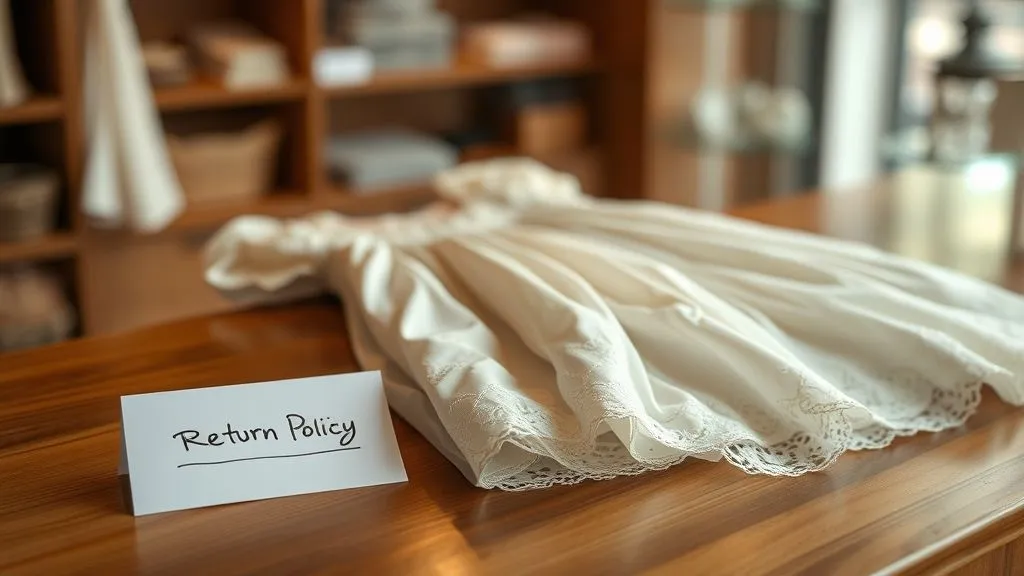
How to Manage Returns of One-Time-Wear Kids' Special Occasion Outfits?
For over 15 years in the dynamic world of kids' fashion, I've seen countless retailers grapple with a unique challenge: the 'one-time-wear' dilemma. It's that beautiful, often expensive, special occasion outfit bought for a single event – a wedding, a christening, a graduation – that frequently finds its way back to the returns counter shortly after. This isn't just a minor inconvenience; it can be a significant drain on resources and customer trust.
The pain points are clear: potential revenue loss, increased operational costs for processing returns, inventory management headaches, and the delicate balance of maintaining customer satisfaction without being taken advantage of. Parents want their children to look their best, but the thought of investing heavily in an outfit for just a few hours can lead to a 'return after use' mentality, impacting your bottom line.
In this definitive guide, I'll share my expert insights and actionable frameworks, drawing from years of industry experience. We'll explore innovative strategies, robust policy adjustments, and customer engagement tactics designed not just to mitigate losses, but to transform this challenge into an opportunity for stronger brand loyalty and sustainable growth. Prepare to uncover practical steps, real-world case studies, and expert advice that will redefine how you manage returns for one-time-wear kids' special occasion outfits.
Understanding the 'One-Time-Wear' Mentality
To effectively address the problem of one-time-wear returns, we must first understand its roots. It's a complex interplay of consumer psychology, economic pressures, and the nature of special occasion wear itself. Parents are often under immense pressure to ensure their child looks impeccable for significant life events, creating a market for exquisite, often high-priced, garments.
The perceived value of these outfits is high for the event, but quickly diminishes afterward, as children rapidly outgrow clothes and the specific occasion passes. This fleeting utility can lead to a rationalization of returning an item once its primary purpose has been served.
The Psychology Behind the Purchase
Parents often invest emotionally in these purchases, envisioning perfect photos and lasting memories. This desire for perfection can override practical considerations, making them less concerned with the longevity of the garment's use. The high cost of special occasion wear, combined with its limited wearability, also fuels the thought process that a return is an economically sound decision.
Identifying High-Risk Categories
Certain types of kids' special occasion outfits are inherently more prone to one-time-wear returns. These include:
- White or light-colored garments: Christening gowns, first communion dresses, or white flower girl dresses are highly susceptible to visible stains and damage.
- Highly embellished items: Dresses with intricate beading, sequins, or delicate lace are often expensive and show signs of wear or damage easily.
- Formal suits and tuxedos: For boys, these are typically worn only for very formal events.
- Specific event-driven outfits: Items explicitly marketed for a wedding, graduation, or a themed party.
In my experience, understanding the psychological drivers behind a purchase is the first step to mitigating return abuse. It's not always malicious; sometimes it's simply a perceived economic necessity by the consumer, especially when coupled with the rapid growth of children.

Crafting a Transparent and Robust Return Policy
Your return policy is your frontline defense against return abuse and a cornerstone of building customer trust. A clear, unambiguous policy sets expectations from the outset, minimizing misunderstandings and deterring opportunistic returns. A vague or overly lenient policy, especially for high-value, low-wear-frequency items, can be a direct invitation for exploitation.
I've seen countless businesses struggle because their policies were either hidden, poorly worded, or inconsistent. Transparency isn't about being punitive; it's about being fair to both your business and your genuine customers.
Key Elements of an Effective Policy
For kids' special occasion outfits, your policy needs specific clauses:
- Shorter Return Window: Unlike everyday wear, a 30-day window for a christening gown is often too long. Consider 5-7 days for these specific items.
- Pristine Condition Clause: Explicitly state that items must be unworn, unwashed, unaltered, free of odors (perfume, smoke, food), and with all original tags securely attached.
- Security Tags: Implement a highly visible, non-re-attachable security tag (e.g., a plastic loop tag) that, if removed, voids the return.
- Proof of Purchase: Always require a receipt or order confirmation.
- Restocking Fee: Consider a modest restocking fee for special occasion items to cover re-inspection and processing costs.
Here are actionable steps to implement a robust policy:
- Clearly define "unworn" and "original condition" with specific examples (e.g., "no visible stains, tears, odors, or signs of alteration").
- Specify a shorter return window for special occasion wear, making it distinct from your general policy.
- Implement a highly visible, non-re-attachable security tag system that, if removed or tampered with, voids the return.
- Detail any non-refundable items or services, such as custom alterations or expedited shipping fees.
- Communicate the policy prominently on product pages, at checkout, in order confirmations, and via a physical tag or card attached to the garment.
| Policy Aspect | Standard Wear | Special Occasion Wear |
|---|---|---|
| Return Window | 30 days | 7 days |
| Condition | Unworn, tags attached | Unworn, tags attached, no signs of wear/stains |
| Restocking Fee | No | Optional (e.g., 10-15%) |
| Tag Requirement | Yes | Yes, non-re-attachable security tag |
According to a recent study by the National Retail Federation, clear and concise return policies significantly reduce return fraud and improve customer satisfaction by setting accurate expectations. For deeper insights into consumer protection laws impacting returns, refer to FTC guidelines on retail practices.
Innovative Solutions: Rental, Resale, and Subscription Models
The traditional retail model, where a customer buys, uses, and then potentially returns, is increasingly being challenged. For kids' special occasion wear, this model is particularly vulnerable to the one-time-wear dilemma. Innovative business models offer compelling alternatives that can mitigate return abuse while opening new revenue streams and appealing to modern consumers' values.
As an industry specialist, I've observed firsthand how embracing these models can transform a challenge into a competitive advantage.
Exploring the Rental Economy for Kids' Wear
A rental service is a direct answer to the one-time-wear problem. Instead of buying, parents can rent a high-quality outfit for a fraction of the purchase price. This model is gaining traction in adult formal wear and is perfectly suited for children's occasion wear.
- Reduces return-after-use incidents: By providing a legitimate, cost-effective alternative to ownership, the incentive for fraudulent returns diminishes significantly.
- Opens up a new revenue stream: A single garment can generate revenue multiple times over its lifespan.
- Promotes sustainability: Appeals to eco-conscious parents looking to reduce textile waste.
- Expands market reach: Attracts customers who might otherwise find your outfits too expensive for a single use.
Partnering for Resale Opportunities
Consider establishing a partnership with reputable children's consignment stores or creating your own 'pre-loved' section. This provides customers with an ethical and convenient option to recoup some of their investment, fostering goodwill and potentially driving repeat business.
Subscription Boxes for Occasion Wear
While less common for one-off items, a subscription model could work for families who attend multiple formal events throughout the year. Imagine a curated box of occasion wear delivered seasonally, allowing for rotations based on need and size. This builds a recurring revenue model and strong customer loyalty.
Case Study: 'Little Luxuries' Boutique's Rental Success
Little Luxuries, a small boutique specializing in children's formal wear, faced a 25% return rate on their premium occasion dresses, many showing subtle signs of wear or having tags re-attached. After implementing a rental service for their top 10% most expensive items, they saw a dramatic shift. Their outright sales return rate for these specific items dropped to under 5%, while the rental program generated an additional 15% in revenue within its first year. This strategy not only minimized losses from worn returns but also attracted a new segment of customers who previously found the outfits too expensive for a single use. It positioned Little Luxuries as an innovative and customer-centric brand, demonstrating a practical approach to how to manage returns of one-time-wear kids' special occasion outfits.
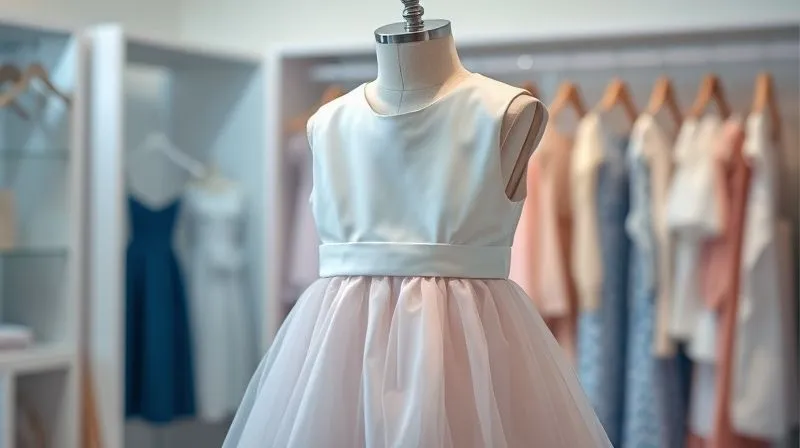
Leveraging Technology for Return Prevention and Management
In today's digital age, technology offers powerful tools to both prevent unwarranted returns and streamline the management of legitimate ones. Embracing these solutions can significantly reduce operational overhead and enhance the customer experience.
I've always advocated for smart technology adoption, not just for efficiency, but as a strategic asset in retail.
AI-Powered Sizing and Fit Guides
One of the primary reasons for returns is incorrect sizing. For children's wear, where sizes vary wildly between brands and children grow rapidly, this is particularly problematic. AI-powered sizing tools, virtual try-on features, or detailed measurement guides with customer reviews can drastically reduce 'wrong size' returns. These tools help parents make more informed decisions, boosting confidence in their purchase.
Digital Authenticity Tags
Consider implementing QR codes or NFC tags that are sewn into the garment or attached to a non-removable security tag. These tags can link to specific product information, care instructions, and crucially, your return policy. They can also track the garment's unique ID, condition history, and even authenticate the product, preventing the return of counterfeit items.
Streamlining the Return Process
While the goal is to prevent abuse, making legitimate returns easy and transparent for customers is crucial for satisfaction. Digital return portals that guide customers through the process, provide pre-paid shipping labels, and offer clear status updates can improve efficiency. This reduces the burden on customer service and ensures consistency in return processing.
As marketing guru Seth Godin often emphasizes, 'people don't buy products, they buy solutions.' Providing technological solutions that address their needs (like accurate sizing) can prevent returns. For more on how technology is reshaping retail, explore Deloitte's insights on retail innovation.
Educating and Engaging Your Customer Base
Beyond policies and technology, fostering a relationship of trust and mutual understanding with your customers is paramount. When customers feel respected and informed, they are more likely to adhere to your policies and become loyal advocates for your brand.
I've found that open communication and genuine engagement can turn potential conflicts into opportunities for strengthening brand loyalty.
Setting Clear Expectations from the Outset
Don't just hide your return policy in the footer of your website. Integrate it into the shopping experience. Use clear banners on product pages for special occasion wear, include a summary during checkout, and attach a physical card to the garment itself. Explain *why* the policy is structured the way it is – for instance, to ensure all children receive pristine, unworn outfits.
Loyalty Programs and Incentives
Reward customers who demonstrate responsible purchasing and returning habits. Offer exclusive discounts on future purchases or rentals for members of a loyalty program. This incentivizes good behavior and builds a sense of community around your brand's values. For example, a customer who consistently makes purchases without returns could earn expedited shipping or early access to new collections.
Building a Community Around Sustainable Practices
Frame responsible purchasing and returning as part of a larger commitment to sustainability. Highlight how your brand is working to reduce waste and encourage customers to be part of that mission. This can involve promoting your rental or resale options as eco-friendly choices. When customers align with your brand's values, they are less likely to engage in practices that undermine them.
The most effective way to manage returns of one-time-wear kids' special occasion outfits isn't always through stricter rules, but through stronger relationships. Engage your customers as partners in your brand's values and they will respect your policies.

Operational Excellence: In-Store and Online Protocols
Even with the best policies and technology, the actual execution of your return process is where the rubber meets the road. Operational excellence ensures consistency, fairness, and efficiency, which are critical for both loss prevention and customer satisfaction.
In my experience, a well-oiled operational machine is the backbone of any successful retail strategy, especially when addressing sensitive issues like returns of special occasion outfits.
Training Staff for Sensitive Return Situations
Your team members are the face of your brand. They need comprehensive training on your return policy, especially for special occasion wear. Empower them to handle tricky situations with empathy, professionalism, and firmness. Role-playing exercises can help them practice communicating policy details while maintaining a positive customer interaction. They should know how to identify signs of wear without being accusatory.
Visual Inspection Checklists
Standardize the return inspection process with a detailed checklist. This ensures consistency across all returns, whether online or in-store. The checklist should include:
- Confirmation of original tags and security seals.
- Inspection for stains (food, drink, dirt), odors (perfume, smoke), and pet hair.
- Checks for tears, snags, loose embellishments, or signs of alteration.
- Verification that the item matches the original purchase (e.g., correct size, color, style).
Data Analysis for Return Patterns
Collect and analyze data on your returns. Which items are returned most frequently? What are the stated reasons? Is there a pattern in the timing of returns (e.g., always right after a major holiday or wedding season)? This data is invaluable for identifying weak points in your product offering, sizing guides, or policy communication. It can also help you pinpoint potential areas of return abuse.
| Return Reason | Frequency (%) | Action |
|---|---|---|
| Wrong Size | 35 | Improve sizing guides, offer fit consultations |
| Didn't Like Style | 20 | Enhance product photography, virtual try-on options |
| Worn/Used | 15 | Stricter policy communication, security tags, rental option |
| Damaged on Arrival | 10 | Improve packaging, quality control |
| Other | 20 | Investigate specific feedback |
Effective return management is not just about policy; it's about efficient execution. Analyzing your return data can reveal underlying issues and opportunities for improvement, as highlighted in numerous Harvard Business Review articles on supply chain and logistics.
The Legal Landscape and Ethical Considerations
Navigating the complexities of returns also means understanding the legal framework and maintaining a strong ethical stance. While protecting your business from abuse is vital, it's equally important to operate within the bounds of consumer protection laws and foster a reputation for fairness.
As a veteran in this industry, I've seen how a single misstep in this area can severely damage a brand's credibility and lead to costly legal battles.
Consumer Protection Laws
Be intimately familiar with consumer protection laws in your operating regions. These laws often dictate minimum return windows, requirements for refunds vs. store credit, and how policies must be communicated. While you can tailor policies for specific product categories like special occasion wear, these must still comply with overarching legal requirements. Ignorance of the law is not a defense, and non-compliance can lead to hefty fines and reputational damage.
Balancing Business Needs with Customer Rights
The goal is to strike a balance. A policy that is overly punitive or difficult to understand can alienate even your most loyal customers. Conversely, a policy that is too lax can invite abuse and erode your profitability. Ethical considerations involve treating every customer fairly, even when denying a return. Clear communication, transparency, and a polite, professional demeanor are crucial, regardless of the outcome.
While protecting your business is crucial, remember that every interaction, including a return, is an opportunity to reinforce your brand's values and build lasting customer relationships. Fairness cultivates loyalty and helps you manage returns of one-time-wear kids' special occasion outfits more effectively in the long run.
It’s a tightrope walk, but one that defines your brand's integrity. For specific legal advice, always consult with a legal professional specializing in retail law. Understanding your obligations ensures your policies are robust and legally defensible, safeguarding your business for the future.
Frequently Asked Questions (FAQ)
Q: How can I differentiate between a genuine return and a 'one-time-wear' abuse?
A: Distinguishing genuine returns from 'one-time-wear' abuse requires a multi-faceted approach. First, implement a highly visible, non-re-attachable security tag that, if removed, voids the return. Second, train staff thoroughly on a visual inspection checklist for signs of wear: subtle stains, odors (perfume, food, smoke), stretched fabric, loose embellishments, or signs of dry cleaning. Third, cross-reference with customer purchase history – repeat offenders might warrant closer scrutiny. Finally, a clear return policy communicated pre-purchase significantly deters abuse.
Q: Are there specific fabrics or styles more prone to one-time-wear returns?
A: Yes, absolutely. Garments made from delicate fabrics like silk, satin, chiffon, or fine lace are often purchased for specific events and are susceptible to damage or perceived 'one-wear' use. Light-colored outfits, especially white or pastels, are also high-risk due to visible staining. Highly embellished items with sequins, beads, or intricate embroidery are also common as they are typically for special occasions and show wear easily. Styles like elaborate ballgowns, tuxedos, or formal communion/christening dresses tend to fall into this category.
Q: What's the best way to communicate a strict return policy without alienating customers?
A: The key is transparency, empathy, and framing. Instead of 'strict,' focus on 'fair and clear.' Communicate the policy prominently on product pages, during checkout, and on the garment itself. Use positive language, e.g., 'To ensure the pristine quality of all our special occasion wear for every child, we uphold a 7-day return policy for unworn items with all tags attached.' Explain the 'why' – it's about maintaining quality for all customers. Consider offering alternatives like a rental program to soften the policy's impact and provide a flexible solution, demonstrating how to manage returns of one-time-wear kids' special occasion outfits thoughtfully.
Q: Should I consider a restocking fee for special occasion outfits?
A: A restocking fee can be a viable strategy, particularly for high-value special occasion outfits. It helps cover the costs associated with processing returns, re-inspection, and potential re-packaging or minor cleaning, which are magnified for delicate items. If you implement one, ensure it's clearly stated in your return policy, both online and in-store, and that it's a reasonable percentage (e.g., 10-15%). It acts as a deterrent for frivolous returns and a fair compensation for your operational efforts. However, weigh it against potential customer perception and local consumer laws, and clearly justify its purpose.
Q: How do smaller boutiques compete with larger retailers on return policies?
A: Smaller boutiques can't always match the lenient return policies of large retailers, nor should they try. Your competitive edge lies in personalized service, unique curation, and building community. Focus on: Exceptional Customer Service (personalized styling, detailed sizing upfront); Unique Inventory (stock items not found everywhere); Clear, Fair Policies (explain *why* your policy is structured this way); Value-Added Services (in-store alterations, styling consultations, small rental collections); Storytelling (emphasize craftsmanship, build emotional connection); and Loyalty Programs (reward best customers with exclusive perks).
Key Takeaways and Final Thoughts
Managing returns of one-time-wear kids' special occasion outfits is undoubtedly complex, but it's a challenge that, when handled strategically, can transform into a profound opportunity. By embracing the insights shared in this guide, you can move beyond simply reacting to returns and instead proactively shape a more resilient and reputable business model.
- Transparency is your strongest defense: Clearly communicate policies across all touchpoints.
- Innovate with alternative models: Explore rental, resale, or subscription options to meet evolving consumer needs.
- Leverage technology: Use AI for sizing, digital tags for authenticity, and streamlined processes for efficiency.
- Educate and engage: Build a community around responsible consumption and foster genuine customer relationships.
- Train your team: Equip staff with the knowledge and empathy to handle return situations consistently and professionally.
- Analyze data: Continuously monitor return patterns to identify root causes and refine your strategies.
This isn't just about protecting your bottom line; it's about elevating your brand, building lasting trust with your customers, and securing its future in a discerning market. By implementing these expert strategies, you won't just mitigate losses; you'll build a more sustainable business, foster deeper customer loyalty, and contribute positively to a more responsible fashion industry. Go forth and transform your return challenges into triumphs!
Recommended Reading
- 8 Pillars: Prevent Clean Beauty Launches Failing in 2024+
- The Definitive Guide: How to Verify if a Fabric is Truly Biodegradable?
- Eco-Friendly Shoes That Last: Find Durable & Sustainable Brands
- Unlock Enduring Professional Impact: 7 Strategic Luxury Fashion Investments
- 5 Proven Ways: Eliminate Persistent Foot Odor from Men's Dress Shoes Instantly?




Your email address will not be published. Required fields are marked *