


How to Manage Evolving Client Demands During Haute Couture Fittings?
For over two decades in the exclusive world of haute couture, I've witnessed firsthand the delicate dance between artistic vision and client desire. The journey from initial concept to a finished custom-made garment is rarely a straight line; it's often a winding path filled with evolving preferences, last-minute inspirations, and the unique personalities of discerning clientele. This dynamic, while exhilarating, presents one of the most significant challenges for any atelier: how to manage evolving client demands during haute couture fittings without compromising design integrity, timeline, or profitability.
The pain point is palpable: a client, perhaps inspired by a new trend or a fleeting thought, requests a significant alteration during a crucial fitting. This isn't a simple hem adjustment; it's a fundamental shift that can ripple through every aspect of the garment's construction, from fabric manipulation to the very silhouette. The pressure to deliver perfection, coupled with the desire to maintain a pristine client relationship, can lead to stress, extended timelines, and unforeseen costs if not managed with precision and diplomacy.
This article isn't just about problem identification; it's about empowerment. Drawing from my extensive experience, I will share actionable frameworks, real-world strategies, and expert insights that will equip you to navigate these complex scenarios. You will learn to anticipate, communicate, and gracefully adapt to evolving client demands, ensuring both exquisite results and enduring client loyalty.
Setting the Foundation: The Initial Consultation as a Strategic Blueprint
The first interaction with a haute couture client is more than just a meeting; it's the genesis of a relationship and the blueprint for managing potential future changes. I've always viewed this stage as the most critical opportunity to set expectations and establish a framework for collaboration.
Mastering the Art of Active Listening
Before a single sketch is made, truly listen. Active listening in haute couture means understanding not just what the client says, but also their underlying desires, their lifestyle, the event, and their personal style narrative. Ask open-ended questions: "How do you envision feeling in this garment?" "What emotions should it evoke?" "What are your non-negotiables, and where is there room for creative interpretation?" Document everything meticulously.
Comprehensive Design Briefing & Expectation Setting
Once you've listened, it's your turn to articulate. Present a detailed design brief that includes sketches, fabric swatches, inspiration images, and a clear description of the proposed garment. Crucially, outline the process: the number of fittings, the timeline, and, most importantly, the points at which major design changes become significantly more complex or costly. This isn't about being rigid; it's about transparency and respect for the intricate craft. According to a Harvard Business Review study on customer-centricity, clear communication from the outset fosters trust and reduces future friction.

Proactive Communication: Building Bridges, Not Walls
Effective communication is the bedrock of managing evolving demands. It’s about creating an open dialogue where the client feels heard, but also understands the implications of their requests.
Establishing Clear Communication Channels
Define how and when communication will occur. Will it be through scheduled calls, specific email threads, or during fittings? Avoid informal texts or last-minute calls that can lead to misinterpretations. I often advise my mentees to establish a 'single point of contact' within the atelier to streamline information flow and avoid conflicting messages.
The Power of Visual References and Mood Boards
Language can be ambiguous, but visuals are universal. Continuously update and share mood boards, detailed sketches, and even digital renders as the design progresses. If a client expresses a new idea, translate it into a visual as quickly as possible. "A picture is worth a thousand words" is particularly true in haute couture, where subtle nuances of silhouette, drape, and embellishment are paramount. This allows for early course correction before significant work is invested.
The Iterative Design Process: Flexibility within Structure
Haute couture is inherently iterative, but this iteration needs a framework. Allowing for flexibility doesn't mean abandoning structure; it means creating designated points for review and adaptation.
Phased Approval Milestones
Break down the garment creation into distinct phases, each with a clear approval milestone. For example: design sketch approval, toile (muslin) fitting approval, fabric selection approval, and finally, the first true fabric fitting approval. At each milestone, obtain explicit client sign-off. This creates natural stopping points where changes can be discussed and implemented most efficiently.
Documenting Every Change: The Golden Rule
This is non-negotiable. Every discussion, every decision, and especially every change request, must be documented. This includes date, time, who was present, the specific change requested, its implications (cost, timeline, design), and the client's approval. I've seen countless disputes avoided simply because a meticulously kept 'Change Log' could be referenced. This protects both the atelier and the client.
"In the realm of custom creation, documentation is not merely administrative; it is an extension of the design itself, a record of the collaborative journey and the guardian of mutual understanding."
| Date | Requested By | Change Description | Impact (Cost/Time) | Approved |
|---|---|---|---|---|
| 2023-10-26 | Client A | Adjust neckline from bateau to V-neck | +£500 / +3 days | Yes |
| 2023-11-02 | Client A | Add delicate lace appliqué to cuffs | +£800 / +5 days | Yes |
| 2023-11-15 | Client A | Slightly reduce train length by 10cm | No significant change | Yes |
Managing Expectations: The Art of Gentle Redirection
Sometimes, client demands push the boundaries of feasibility, aesthetics, or even the garment's original intent. This is where your expertise, diplomacy, and firmness come into play.
Educating Clients on Technical Limitations and Artistic Integrity
Rather than simply saying 'no,' explain why a certain change might not work. "While a deeper V-neck is possible, it would compromise the structural integrity of this particular fabric and silhouette, leading to a less elegant drape." Or, "Adding that specific embellishment might detract from the minimalist beauty we initially envisioned, which truly highlights the fabric's quality." Position yourself as their trusted advisor, not just a technician.
Cost and Timeline Implications of Scope Creep
Be transparent and immediate about the financial and temporal consequences of significant changes. "This alteration will require additional fabric, skilled labor hours, and a recalculation of our production schedule, leading to an additional charge of X and extending the delivery by Y days. Would you like to proceed with this modification under these terms?" This often helps clients re-evaluate the necessity of a change.
Leveraging Technology: Precision and Visualization
Modern technology offers powerful tools to manage evolving demands, allowing for clearer visualization and reduced physical rework.
3D Prototyping and Digital Renderings
Before cutting into precious couture fabric, consider using 3D design software. Programs like CLO3D or Marvelous Designer allow you to create incredibly realistic digital prototypes of garments. This means clients can 'see' and 'try on' a virtual version of their garment, experimenting with changes to silhouette, fabric drape, and embellishment placement without any physical material being cut. This dramatically reduces the risk of dissatisfaction down the line.
Virtual Fittings and Collaborative Platforms
For clients who travel frequently or for initial concept reviews, virtual fittings using 3D models can be invaluable. Collaborative platforms also allow for real-time feedback on designs. As McKinsey's State of Fashion report often highlights, technology integration is becoming crucial for efficiency and client experience in luxury.
The Fitting Session: A Dance of Diplomacy and Skill
The fitting is the crucible where design meets reality. It's where the most critical and often most challenging demands arise. This is where your ability to manage expectations and steer the conversation is paramount.
Structured Fitting Protocols
Every fitting should have a clear agenda. What aspects are being reviewed? What decisions need to be made? Start by reiterating the purpose of the fitting. Focus on one area at a time. For instance, 'Today, we are focusing on the bodice fit and sleeve length. Once we are happy with these, we can move to the skirt volume.' This prevents clients from jumping to disparate issues and helps maintain focus.
The Role of the Atelier Team: A United Front
Ensure your team—the head seamstress, the pattern maker, the embroiderer—is briefed on the client's preferences and any previous discussions. A united front, where everyone understands the design intent and the agreed-upon boundaries, presents a professional and confident image. This also prevents clients from trying to bypass the lead designer to make unauthorized changes with other team members.
"A successful haute couture fitting is not just about precision; it's about orchestrating a symphony of expert hands and discerning eyes, all guided by a shared understanding of the client's vision and the atelier's capabilities."
De-escalation and Resolution: When Demands Become Challenging
Despite all proactive measures, there will be moments when a client's demand is genuinely difficult or unreasonable. How you handle these moments defines your atelier's reputation.
Identifying the Root Cause of Dissatisfaction
Often, a seemingly unreasonable demand is a symptom of an underlying concern. Is the client feeling unheard? Are they insecure about their choice? Did an external opinion influence them? Take a moment to listen empathetically and probe gently. "It sounds like you're feeling uncertain about X. Can you tell me more about what's making you feel this way?" Understanding the root cause allows for a more targeted and satisfactory solution.
Offering Creative Alternatives and Compromises
When a direct request is unfeasible, offer creative alternatives. If a client wants a dramatic change to an already finished silk bodice, perhaps suggest a detachable overlay or a complementary accessory that achieves a similar aesthetic without deconstructing the core garment. Focus on solutions that respect both the client's evolving vision and the integrity of the design and craftsmanship already invested.
Case Study: The 'Duchess Elegance' Gown Transformation
How Atelier Lumina Handled a Major Client Revision
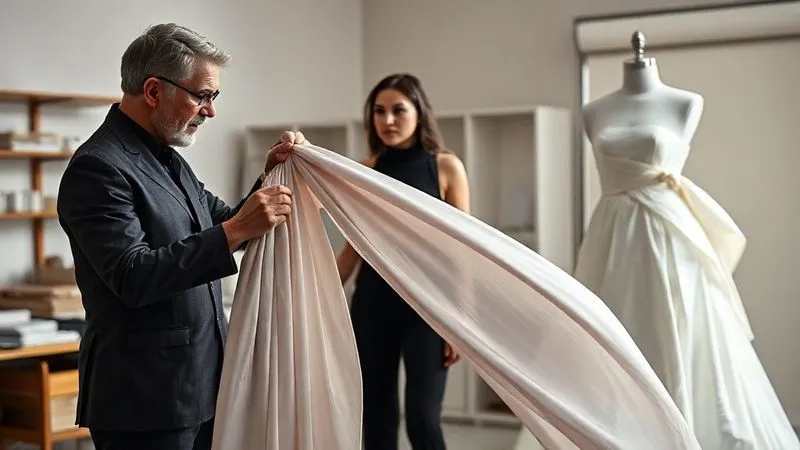
Atelier Lumina, a renowned haute couture house, was commissioned to create a grand evening gown, the 'Duchess Elegance,' for a European royal event. The initial design, approved after extensive consultations, featured a classic A-line silhouette with intricate hand-beading on the bodice. Two fittings in, with the gown nearing completion, the client, Lady Eleanor, requested a significant alteration: she now desired a more dramatic, voluminous skirt with a high-low hemline, inspired by a recent fashion show.
Instead of outright refusal, Head Designer Isabelle Dubois employed several strategies. First, she acknowledged Lady Eleanor's evolving vision with empathy. "I understand the allure of that contemporary silhouette, Lady Eleanor; it is indeed striking." Then, she presented the implications clearly: "To achieve that volume and high-low hem at this stage would require deconstructing the existing skirt, sourcing additional matching fabric (which is rare), and re-patterning, adding an estimated £15,000 and six weeks to the delivery."
Next, Isabelle offered a creative compromise. "What if, instead of altering the core gown, we designed a magnificent, detachable overskirt in a contrasting yet complementary fabric? This would give you the dramatic volume you desire for your grand entrance, which could then be removed to reveal the original elegant A-line for dancing. It would be a transformative two-in-one look, achievable within a more reasonable timeframe and budget." Lady Eleanor was initially hesitant but intrigued by the concept of versatility. Isabelle quickly provided digital renderings of the proposed overskirt, showcasing its seamless integration and dramatic effect. The client was delighted, not only with the creative solution that honored both her evolving taste and the original design but also with the atelier's professionalism and problem-solving prowess. The final gown, with its detachable overskirt, became a talking point at the event, demonstrating Atelier Lumina's ability to adapt and innovate under pressure.
Frequently Asked Questions (FAQ)
How do I handle a client who constantly changes their mind, even after signing off on designs? This requires a firm but empathetic approach. Reiterate the agreed-upon milestones and the financial/timeline implications of further changes. It's crucial to refer back to your meticulously kept change log. Offer a 'final change window' before an absolute cut-off. Sometimes, a client needs to be gently guided towards concluding the design process. You might say, "To ensure the gown is delivered perfectly for your event, we must now lock in the design details. Any further changes will unfortunately incur a significant fee and may delay completion."
What if a client's new demand compromises the artistic integrity of my brand? This is a delicate balance. Your brand's aesthetic is your signature. Explain, as an expert, why the requested change might not align with the garment's original vision or your atelier's signature style. Frame it as a mutual goal to create something truly exceptional. "While that is an interesting idea, for this particular silhouette and the fabric we've chosen, I believe it might detract from the elegant drape we're aiming for, which is a hallmark of our atelier's craftsmanship. Perhaps we could explore a different garment in the future where that element would truly shine?" Sometimes, it's about educating the client on why your expertise is valuable.
How do I charge for significant changes that weren't initially budgeted? Transparency is key. Have a clear clause in your initial contract detailing how scope changes will be handled and billed (e.g., hourly rate for additional design/labor, cost of new materials, recalculation of project fee). As soon as a significant change is requested, provide a written addendum to the contract outlining the new costs and revised timeline, requiring client sign-off before proceeding. This formalizes the process and avoids misunderstandings later.
Is it ever acceptable to decline a client's request? Yes, absolutely. While rare, there are instances where a request is technically impossible, ethically questionable, or would severely compromise your brand's reputation or the quality of the final product. Always communicate your refusal politely, providing clear, professional reasoning. Offer alternatives if possible. Maintaining your professional boundaries and artistic standards is vital for long-term success and respect in the industry.
How do I prevent 'design by committee' if the client brings multiple advisors to fittings? Establish a clear protocol for who makes final decisions. Ideally, communication should be primarily with the client commissioning the garment. If others are present, politely acknowledge their input but gently redirect the final decision-making back to the primary client. "Thank you for your insights. Lady X, what are your final thoughts on this particular detail?" This empowers the client and prevents conflicting opinions from derailing the fitting.
Key Takeaways and Final Thoughts
- Proactive Communication is Paramount: Set clear expectations and boundaries from the very first consultation.
- Document Everything: A meticulous change log is your best defense and reference point.
- Educate and Guide: Position yourself as a trusted expert, explaining limitations and offering creative alternatives.
- Leverage Technology: Utilize 3D rendering and virtual tools to visualize changes before physical execution.
- Maintain Professionalism: Be diplomatic, empathetic, but also firm when necessary to protect design integrity and timelines.
- Structure Fittings: Have a clear agenda for each session to keep discussions focused and productive.
- Empower Your Team: Ensure your atelier acts as a united front, understanding and supporting the design process.
Managing evolving client demands in haute couture is a testament to an atelier's resilience, creativity, and client-relations finesse. It's a skill honed over years, blending artistic vision with pragmatic project management. By embracing these strategies, you're not just creating exquisite garments; you're cultivating enduring relationships built on trust, respect, and a shared passion for unparalleled craftsmanship. Remember, every challenge is an opportunity to showcase your expertise and elevate the client experience to truly extraordinary heights.
Recommended Reading
- Halve Fashion Returns: Your Guide to Accurate Body Scan Data
- Wedding Day Crisis: 7 Immediate Steps to Fix a Bride's Allergic Reaction
- Unlock the Secret: How to Clean & Care for Your Luxury Silk Scarves
- The Ultimate Guide: How to Style a Slip Dress for Every Occasion
- Preserving Haute Couture: 7 Steps to Document Heritage Techniques




Your email address will not be published. Required fields are marked *