


How to manage e-waste from smart garments in a circular economy?
For over 15 years in the fashion technology space, I've witnessed firsthand the incredible innovation driving smart garments, from fitness trackers seamlessly integrated into fabrics to medical monitoring apparel. Yet, amidst this technological marvel, I've also seen a looming shadow: the escalating challenge of e-waste, particularly from these complex, multi-material products.
The convergence of fashion and electronics creates a unique predicament. Traditional textile recycling methods struggle with embedded circuitry, batteries, and sensors, while conventional electronics recycling often damages valuable fibers. This hybrid waste stream is a significant pain point for brands, consumers, and environmentalists alike, threatening to undermine the very sustainability goals many in our industry champion.
This article isn't just about identifying the problem; it's about providing a definitive, expert-led framework for managing e-waste from smart garments within a truly circular economy. We'll explore actionable strategies, innovative technologies, and collaborative approaches that I believe are essential for our industry's sustainable future. You'll gain insights into design principles, recycling advancements, policy mechanisms, and new business models that can transform this challenge into an opportunity.
The Looming E-Waste Crisis in Smart Fashion: A Deeper Dive
The rapid evolution of smart garments presents an unprecedented challenge for waste management. Unlike traditional clothing, these items are a complex cocktail of textiles, plastics, precious metals, rare earth elements, and hazardous substances like lead and mercury found in their electronic components. When these garments reach their end-of-life, their disposal becomes a significant environmental and economic burden.
I've seen estimates suggesting that global e-waste generation is growing at an alarming rate, and smart textiles are poised to contribute substantially to this. The linear 'take-make-dispose' model simply cannot accommodate the intricate material composition of these products. Landfilling smart garments means losing valuable resources, contaminating soil and water with toxic chemicals, and contributing to greenhouse gas emissions.
The economic implications are equally stark. Extracting raw materials for new products is energy-intensive and costly. By failing to recover materials from smart garments, we're not only harming the planet but also missing out on significant economic value that could be recirculated into the economy. As an industry, we must acknowledge that our current trajectory is unsustainable and pivot towards truly circular solutions.
"The circular economy offers a powerful framework for addressing the systemic challenges of waste and pollution, particularly pertinent for complex products like smart textiles."
Embracing Circular Design Principles for Smart Garments
The journey towards managing e-waste from smart garments effectively begins long before the product even hits the market: it starts with design. As an industry veteran, I can confidently say that design for circularity is not just a buzzword; it's the fundamental shift required to mitigate future waste.
Material Selection and Modularity: The Foundation of Circularity
The choice of materials is paramount. Designers must prioritize components that are non-toxic, recyclable, and, ideally, bio-based or biodegradable where electronics are not present. Furthermore, the concept of modularity is a game-changer for smart garments.
- Select Recyclable Textiles: Opt for mono-materials or blends that are easier to separate and recycle. Consider organic cotton, recycled polyester, or innovative bio-based fibers.
- Choose Non-Hazardous Electronics: Work with suppliers to source electronic components free from harmful substances, adhering to standards like RoHS (Restriction of Hazardous Substances).
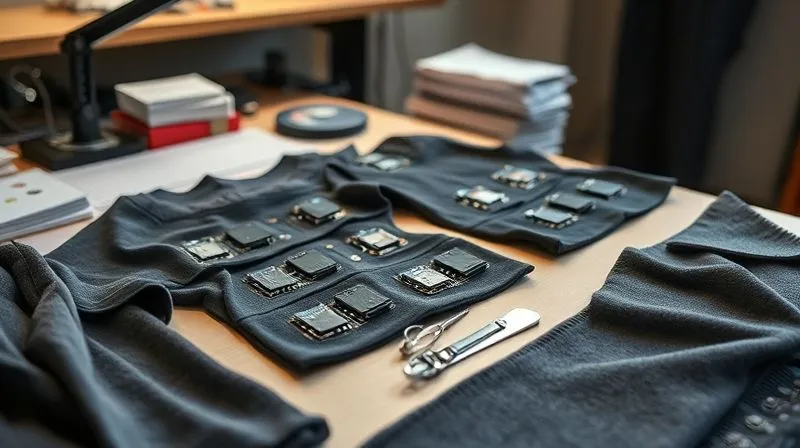
- Design for Modularity: Create garments where electronic components (sensors, batteries, microcontrollers) can be easily detached from the textile base. This allows for separate recycling or even upgrading of electronics, extending the life of the textile.
- Standardize Connectors: Where possible, use standardized, easily accessible connectors for electronic modules to facilitate repair and replacement.
This approach significantly simplifies the end-of-life process. Imagine a smart jacket where the heating elements or biometric sensors can be swapped out or upgraded, giving the textile component a much longer lifespan. It's about designing for longevity and easy separation.
Design for Disassembly and Recyclability: Engineering for End-of-Life
Beyond material selection, the construction of smart garments needs to facilitate their eventual deconstruction. This is where engineering meets aesthetics.
- Minimize Adhesives: Reduce the use of permanent adhesives for attaching electronic components. Opt for mechanical fasteners, zippers, or snap closures that allow for easy removal.
- Incorporate Identification Tags: Embed digital or physical tags that clearly identify material composition and electronic components, aiding in sorting and recycling.
- Design for Repair: Ensure that common points of failure, such as charging ports or specific sensors, are easily accessible for repair, prolonging the garment's functional life.
- Consider Material Compatibility: When different materials must be combined, ensure they are compatible with existing or emerging recycling technologies.
This proactive approach significantly reduces the complexity and cost of recycling, making it economically viable. It's about thinking several steps ahead, from the drawing board to the recycling plant.
Advanced Recycling Technologies for E-Textiles
Once a smart garment has been designed for circularity and reached its end-of-life, the next critical step is effective recycling. This is where cutting-edge technology plays a pivotal role in recovering valuable materials and managing hazardous components.
Mechanical vs. Chemical Recycling Approaches
Recycling smart garments is not a one-size-fits-all solution. Different technologies are being developed to tackle the hybrid nature of e-textiles.
- Mechanical Recycling: This involves physically separating components. For smart garments, this means carefully detaching electronic modules from textiles. The textiles can then be shredded and re-spun into new fibers, while electronics go through standard e-waste mechanical processes (shredding, magnetic separation, eddy current separation). The challenge here is the labor-intensive nature of manual separation if not designed for disassembly.
- Chemical Recycling: This is a more advanced process where materials are broken down to their molecular level. For textiles, this can involve dissolving fibers to regenerate new ones (e.g., polyester depolymerization). For electronics, hydrometallurgy or pyrometallurgy can extract precious metals. The potential here is immense for creating high-quality secondary raw materials, but it requires significant investment and energy.
- Hybrid Approaches: I've seen promising research into hybrid systems that combine mechanical pre-treatment (for component separation) with chemical processes (for material purification). This often yields the best results for complex products.
According to a recent study by Deloitte, advancements in chemical recycling could unlock a significant portion of currently unrecyclable textile waste, offering a pathway for smart garment components that are too intertwined for mechanical separation. The key is investment in R&D and scaling these innovative solutions.
Extended Producer Responsibility (EPR) and Take-Back Schemes
In my experience, effective waste management for complex products like smart garments requires more than just technological solutions; it demands a systemic shift in responsibility. This is where Extended Producer Responsibility (EPR) and robust take-back schemes become indispensable.
EPR policies legally mandate manufacturers to be responsible for the entire lifecycle of their products, from design to end-of-life disposal. For smart garments, this means companies are incentivized to design more recyclable products and establish collection and recycling infrastructure. This shifts the burden from municipalities and consumers back to where the product originates.
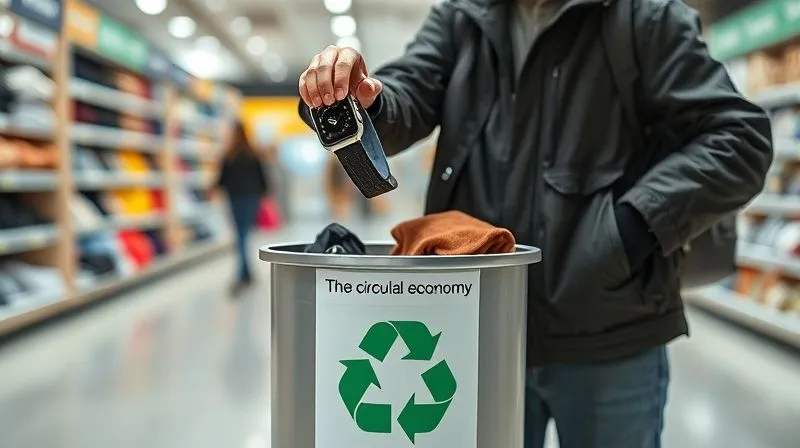
- Mandatory Take-Back Programs: Brands should be required to offer convenient collection points for end-of-life smart garments, either in-store, through mail-back programs, or via partnerships with specialized recyclers.
- Financial Incentives: Governments can introduce eco-fees on smart garments at the point of sale, which then fund the collection, sorting, and recycling infrastructure.
- Performance Targets: Establish clear recycling and material recovery targets for smart garment producers, encouraging continuous improvement in circularity.
As marketing guru Seth Godin often says, "The market rewards those who solve problems." EPR is not just a regulatory burden; it's an opportunity for brands to differentiate themselves as leaders in sustainability and build deeper trust with eco-conscious consumers.
Empowering Consumer Participation
No take-back scheme can succeed without active consumer participation. Education and convenience are key.
- Clear Instructions: Provide clear, easy-to-understand instructions on how and where to return smart garments for recycling.
- Incentivize Returns: Offer discounts on future purchases or loyalty points for returning old items.
- Transparency: Show consumers the positive impact of their returns, demonstrating how materials are recovered and reused.
This creates a virtuous cycle where informed consumers become active partners in the circular economy, helping to manage e-waste from smart garments more effectively.
Innovative Business Models: Rental, Repair, and Remanufacturing
Beyond recycling, true circularity for smart garments involves extending product lifespans and maximizing their utility. This requires a fundamental rethinking of traditional ownership models.
- Product-as-a-Service (PaaS): Instead of selling smart garments, companies can lease them to consumers. This retains ownership with the manufacturer, strongly incentivizing them to design durable, repairable, and upgradable products, as they are responsible for maintenance and end-of-life management. Examples could include subscription services for smart athletic wear or health monitoring garments.
- Repair and Maintenance Services: Brands should establish robust repair services, making it easy and affordable for consumers to fix their smart garments. This can be in-house or through certified third-party repair networks. Providing repair guides and spare parts also empowers consumers.
- Remanufacturing and Refurbishment: For products that can't be simply repaired, remanufacturing involves disassembling, cleaning, inspecting, repairing, and reassembling components to create 'like-new' products. This is particularly relevant for the electronic modules within smart garments, where components can often be salvaged and reused in new devices or garments.
- Upcycling and Creative Reuse: While less about managing e-waste at scale, upcycling initiatives can find new uses for textile components that are separated from electronics, adding value and extending their life in creative ways.
These models shift the focus from volume sales to value retention, inherently reducing waste and resource consumption. They represent a powerful economic incentive for circularity.
Case Study: How ReWear Tech's Circular Success Addressed E-Waste
ReWear Tech, a fictional but realistic startup specializing in smart athletic apparel, faced the challenge of managing e-waste from their integrated fitness trackers. Rather than selling their smart leggings outright, they launched a 'Performance Subscription' model.
Consumers paid a monthly fee for access to the latest smart leggings, which were collected by ReWear Tech after 18 months. The company's design team had focused on modularity, allowing the embedded biometric sensor module to be easily unclipped from the fabric. The textile component was then professionally cleaned, inspected, and if still in excellent condition, offered for re-subscription at a reduced rate. Damaged textiles were sent to a specialized textile recycler.
The electronic modules were sent to ReWear Tech's refurbishment center. Here, batteries were replaced, sensors recalibrated, and software updated. Modules that passed quality checks were integrated into new or refurbished textile components. Modules that failed were disassembled, and their precious metals and rare earth elements were recovered through a partnership with an advanced e-waste recycler.
This resulted in a 70% reduction in new material consumption for their smart leggings line and a 90% recovery rate for electronic components. Their customer satisfaction scores also soared, as consumers appreciated the convenience, continuous access to updated tech, and the brand's clear commitment to sustainability.
Data-Driven Lifecycle Management and Transparency
To truly manage e-waste from smart garments in a circular economy, businesses need granular data and complete transparency across the product lifecycle. Without knowing what materials are where, and how they perform, optimizing for circularity is impossible.
- Digital Product Passports (DPPs): Implement DPPs that provide comprehensive information about a smart garment's materials, manufacturing process, electronic components, repair history, and end-of-life instructions. This data, accessible via a QR code or NFC tag, empowers consumers, recyclers, and regulators.
- Lifecycle Assessment (LCA) Tools: Regularly conduct LCAs to measure the environmental impact of smart garments at every stage, from raw material extraction to disposal. This identifies hotspots for improvement in design and processing.
- Supply Chain Mapping: Gain full visibility into your supply chain to ensure ethical sourcing of materials and responsible manufacturing practices. This includes knowing the origin of electronic components and their constituent elements.
- Material Flow Analysis: Track materials as they move through the circular system – how much is collected, how much is recycled, and what percentage of materials are reincorporated into new products. This data is crucial for continuous optimization.
According to research published by the Ellen MacArthur Foundation, transparency and data sharing are foundational pillars for scaling circular economy initiatives. It's not just about compliance; it's about intelligent resource management.
| Circular Strategy | Key Benefit | KPIs to Track |
|---|---|---|
| Design for Disassembly | Simplified Recycling, Extended Life | Disassembly Time, Material Separation Rate |
| Product-as-a-Service | Reduced Consumption, Higher Utilization | Product Lifespan, % of Refurbished Units |
| Advanced Recycling | Resource Recovery, Pollution Reduction | % Material Recovery, % Hazardous Material Diversion |
| EPR & Take-Back | Increased Collection Rates, Producer Responsibility | % Garments Collected, Consumer Participation Rate |
| Data Transparency | Informed Decisions, Supply Chain Optimization | DPP Adoption, LCA Score Improvement |
Policy, Collaboration, and Standardization
Individual company efforts, while crucial, are often insufficient to drive systemic change. To truly manage e-waste from smart garments at scale, we need robust policy frameworks, cross-industry collaboration, and clear standardization.
- Government Regulation: Policies similar to the EU's Waste Electrical and Electronic Equipment (WEEE) Directive need to be adapted and expanded to specifically address e-textiles. This includes setting clear collection, recycling, and recovery targets.
- Industry Alliances: Competitors must collaborate on pre-competitive issues like developing common recycling infrastructure, sharing best practices for modular design, and funding research into new recycling technologies. Organizations like the Circular Economy for Textiles (CET) initiative are vital.
- Standardization Bodies: There's a critical need for international standards for smart garment design, material labeling, and recyclability assessment. This ensures consistency and facilitates global recycling efforts.
- Research & Development Funding: Governments and industry consortia should invest heavily in R&D for advanced material separation techniques and the development of fully biodegradable or infinitely recyclable electronic components.
I've observed that the biggest breakthroughs often come from collaborative ecosystems where innovation is shared, and risks are pooled. This is especially true for an emerging field like smart garment e-waste, where no single entity has all the answers.
"Collaboration across the value chain – from designers to recyclers – is essential to accelerate the transition to a circular fashion system."

Frequently Asked Questions (FAQ)
What are the biggest challenges in recycling smart garments? The primary challenges stem from their hybrid nature: the inseparable combination of textiles and electronics. This makes traditional recycling methods ineffective for either component. Issues include material separation complexity, the presence of hazardous substances in electronics, and the lack of dedicated infrastructure for e-textile processing. The sheer variety of materials and electronic components further complicates sorting and recovery.
How can consumers contribute to managing e-waste from smart garments? Consumers play a crucial role. First, prioritize purchasing smart garments designed for durability, repairability, and modularity. Second, actively participate in take-back schemes offered by brands or local recycling programs. Third, extend the life of your garments through proper care, repair, and even reselling or donating. Finally, advocate for more sustainable practices from brands and policymakers.
Are there any fully biodegradable smart garments currently available? While significant research is underway, fully biodegradable smart garments, where both textile and electronic components degrade harmlessly, are still largely in the R&D phase. Progress is being made with biodegradable sensors and conductive inks, but integrating durable, functional, and fully biodegradable power sources and microcontrollers remains a major hurdle. Most current 'sustainable' smart garments focus on modularity and material recyclability rather than complete biodegradation.
What role does AI play in smart garment e-waste management? AI can revolutionize e-waste management for smart garments in several ways. AI-powered sorting systems can more accurately identify and separate different materials (textiles, plastics, metals) and electronic components. Machine learning algorithms can optimize disassembly processes, predict product lifespan, and even help design more recyclable products by analyzing material compatibility and end-of-life scenarios. AI can also enhance supply chain transparency and track material flows in a circular system.
How does the cost of circularity compare to traditional linear models for smart garments? Initially, implementing circular economy strategies (e.g., designing for modularity, setting up take-back schemes, investing in advanced recycling) can incur higher upfront costs. However, in the long term, circular models often prove more economically viable. They reduce reliance on virgin raw materials, mitigate waste disposal costs, create new revenue streams through remanufacturing and PaaS models, enhance brand reputation, and future-proof businesses against resource scarcity and stricter environmental regulations. The true cost of the linear model, including environmental externalities, is often underestimated.
Key Takeaways and Final Thoughts
Managing e-waste from smart garments in a circular economy is not merely an environmental imperative; it's a strategic business opportunity for innovation and leadership. As an industry, we must transition from a linear 'take-make-dispose' mindset to a regenerative 'design-use-recover' paradigm.
- Design is Paramount: Prioritize modularity, material selection, and design for disassembly from the outset.
- Technology is Key: Invest in and scale advanced mechanical and chemical recycling solutions for e-textiles.
- Responsibility is Shared: Embrace Extended Producer Responsibility (EPR) and develop robust take-back schemes.
- Business Models Must Evolve: Explore Product-as-a-Service, repair, and remanufacturing to extend product lifespans.
- Data Drives Decisions: Utilize Digital Product Passports and Lifecycle Assessments for transparency and optimization.
- Collaboration is Essential: Work across the industry, with policymakers, and researchers to create systemic change.
The future of fashion technology is not just about smarter garments, but about smarter systems that respect our planet's finite resources. By diligently applying these circular strategies, we can ensure that innovation in smart fashion also paves the way for a truly sustainable and responsible industry. The path ahead requires commitment, creativity, and collaboration, but the rewards – a healthier planet and a more resilient industry – are immeasurable. Let's build that future together.
Recommended Reading
- The Secret to Preserving Vintage Silk Heirlooms: A Home Guide
- 7 Ways to Spot Greenwashing in Textile Suppliers: A Buyer's Guide
- Unveiling the Secrets: What Techniques Elevate Haute Couture Craftsmanship?
- Mastering Progressive Lenses: 5 Ways to Stop Distortion During Public Speaking
- 7 Ways Retailers Adapt Teen Fashion for Micro-Trends & Boost Sales





Your email address will not be published. Required fields are marked *