

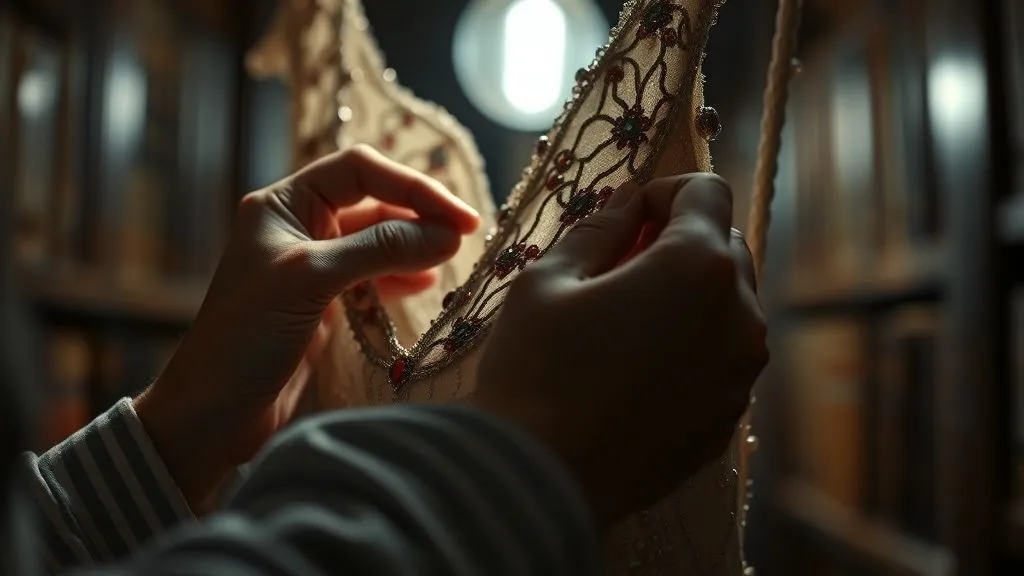
How to identify fake 1920s flapper dress construction details?
For over two decades in the vintage fashion world, I've witnessed the sheer delight of discovering a truly authentic 1920s flapper dress – a wearable piece of history. But I've also shared the heartbreak of enthusiasts who, after investing significant time and money, realize their coveted 'original' is nothing more than a clever, albeit convincing, reproduction. It's a common trap, one that becomes increasingly sophisticated as fakers hone their craft.
The allure of the Roaring Twenties is undeniable, and with that allure comes a booming market for its iconic fashion. Unfortunately, this also fuels a market for fakes. The problem isn't just financial; it's about preserving history, understanding craftsmanship, and honoring the artistry of an era. The pain point for collectors and enthusiasts is real: how do you discern the genuine article from a well-made contemporary imitation?
This article isn't just a list of facts; it's a comprehensive framework forged from years of hands-on experience, countless hours of research, and the wisdom gleaned from handling thousands of vintage garments. I'll guide you through the intricate construction details that serve as undeniable hallmarks of authenticity, equipping you with the expert eye needed to confidently identify fake 1920s flapper dress construction details and make truly informed acquisitions.
Understanding the True Spirit of 1920s Flapper Fashion
Before we delve into the minutiae of construction, it's crucial to grasp the overarching philosophy of 1920s fashion. The flapper era was a rebellion against the restrictive corsetry and elaborate silhouettes of the Edwardian period. Dresses were designed for movement, freedom, and a revolutionary sense of liberation. This spirit is woven into every seam and bead.
The iconic flapper silhouette was characterized by its straight, columnar shape, often with a dropped waist, allowing for ease of dancing – particularly the Charleston. The emphasis shifted from the bust and waist to the hips, creating a boyish, elongated figure. Details like intricate beadwork, fringe, and embroidery were not merely decorative; they enhanced movement and shimmered under the new electric lights of jazz clubs. When examining a dress, always consider if its overall feel and movement align with this fundamental design intent.
Remember that the 1920s was also a period of significant technological advancement, but not all modern conveniences were widely adopted in clothing construction. Understanding the limitations and common practices of the time is your first line of defense against fakes. This foundational knowledge will empower you to look beyond superficial aesthetics and truly understand the garment's historical context.
The Fabric Story: Authentic Materials vs. Modern Imitations
The choice and quality of fabric are often the most telling indicators of a dress's true age. In the 1920s, natural fibers like silk, rayon (then a relatively new 'artificial silk'), chiffon, crepe, and velvet dominated. These materials have distinct characteristics that are difficult to perfectly replicate with modern synthetics.
Common Authentic Textiles
Silk was king, especially silk crepe, chiffon, and satin. Authentic silk has a particular drape, a subtle sheen, and a cool, smooth hand. It often shows signs of age such as minor pulls, subtle discoloration, or a softening of its initial crispness. Rayon, introduced as 'artificial silk,' became popular for its affordability and similar drape. Early rayon, however, differs significantly from today's iterations; it often has a heavier, almost 'wet' feel and can be prone to shattering with age if not stored correctly. Velvet, often silk velvet, was also used for luxurious evening wear, characterized by its deep pile and rich color.
Spotting Synthetic Substitutes
Modern fakes frequently use polyester, nylon, or contemporary rayon blends. These fabrics often have a tell-tale stiffness, an overly uniform weave, or a plastic-like sheen. Polyester, in particular, can feel 'slippery' or 'static-prone' in a way that true vintage silks rarely do. Over time, natural fibers develop a unique patina that synthetics cannot replicate. Look for subtle variations in color, natural slubs in the weave, and a general 'softness' that comes with age. If the fabric feels too perfect, too uniform, or too new, it's a red flag.
Seam Construction: Hand-Stitched Finesse vs. Machine-Made Efficiency
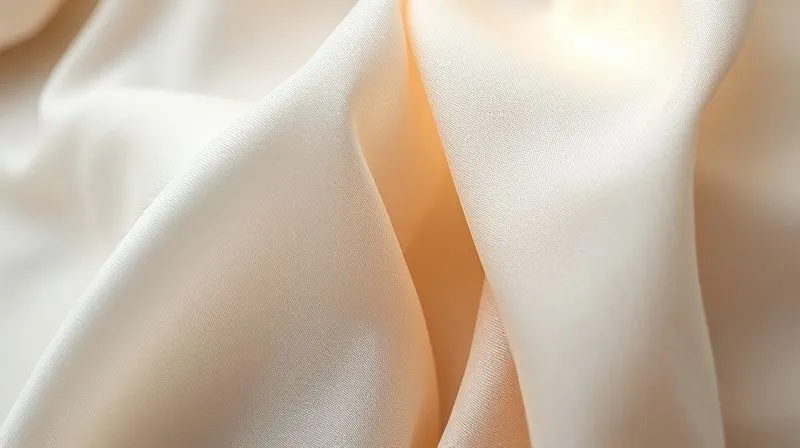
This is where the rubber meets the road for authenticity. The way a garment is stitched reveals volumes about its era. While sewing machines existed in the 1920s, hand-finishing was still prevalent, especially for high-quality garments. Industrial machines also had limitations compared to today's technology.
Identifying Hand-Stitching and Early Machine Stitching
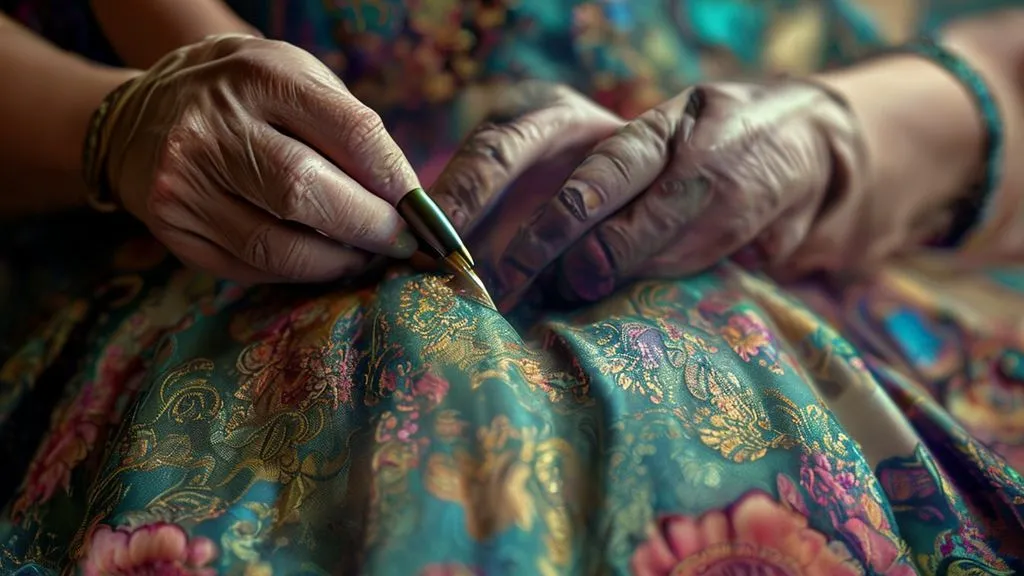
True hand-stitching will exhibit slight irregularities in stitch length and tension. Look for tiny, almost invisible stitches, particularly on delicate hems, linings, and decorative elements. Machine stitching from the 1920s often has a slightly different character than modern machine stitching. Stitches might be less perfectly uniform, and the thread used was typically cotton or silk, which ages differently than modern polyester threads. Examine the seam allowances: they were often finished with French seams (where raw edges are enclosed within another seam) or bound seams (raw edges encased in a strip of fabric) to prevent fraying, especially in unlined garments. Overlocking (serging) as we know it today was not common practice on home or commercial machines for finishing seams until much later.
Expert Insight: The presence of perfectly uniform, tightly machine-serged seams on the interior of a '1920s' dress is an almost certain indicator of a reproduction. True serging, if present, would look much cruder and less refined than modern overlock stitches.
Case Study: The Misidentified 'Heirloom' Gown
I once consulted a client who had inherited what she believed was her great-grandmother's original flapper wedding gown. It was stunning, adorned with intricate beadwork. However, upon closer inspection of the interior seams, I noticed perfectly even, tight machine serging on all raw edges. The thread was a modern synthetic. This immediately raised a red flag. Further examination revealed the delicate silk chiffon was a high-quality polyester blend, and while beautiful, the construction unequivocally marked it as a 1970s or 80s reproduction designed to mimic the 1920s style. This scenario perfectly illustrates why construction details are paramount.
| Feature | 1920s Authentic | Modern Reproduction |
|---|---|---|
| Seam Type | French seams, bound seams, hand-rolled hems, simple machine stitch | Overlock/serged seams, raw edges, zig-zag stitch, synthetic thread |
| Stitch Length/Uniformity | Slightly irregular hand stitches, early machine stitches less perfect | Perfectly uniform machine stitches, often very tight |
| Thread Material | Cotton, silk | Polyester, nylon |
| Hem Finish | Hand-rolled, narrow machine hem, often weighted | Wide, machine-stitched hem, fused hems |
Beadwork and Embellishments: The Art of Deco Adornment
The dazzling beadwork and embellishments are often the first things that capture attention on a flapper dress. However, they are also a common area for deception.
Genuine Glass Beads and Their Patina
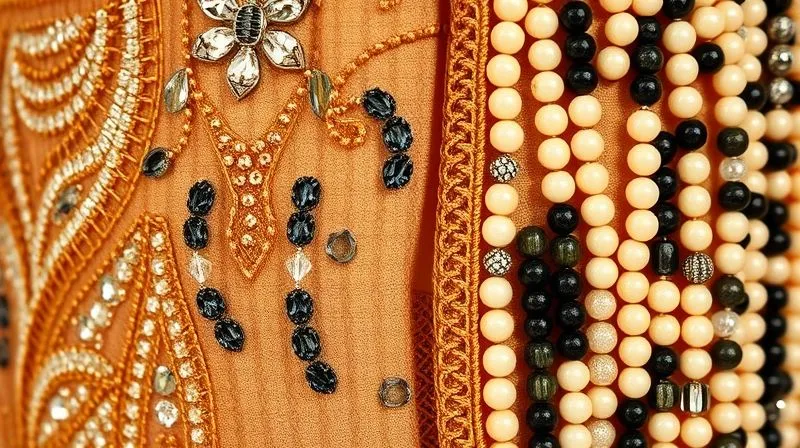
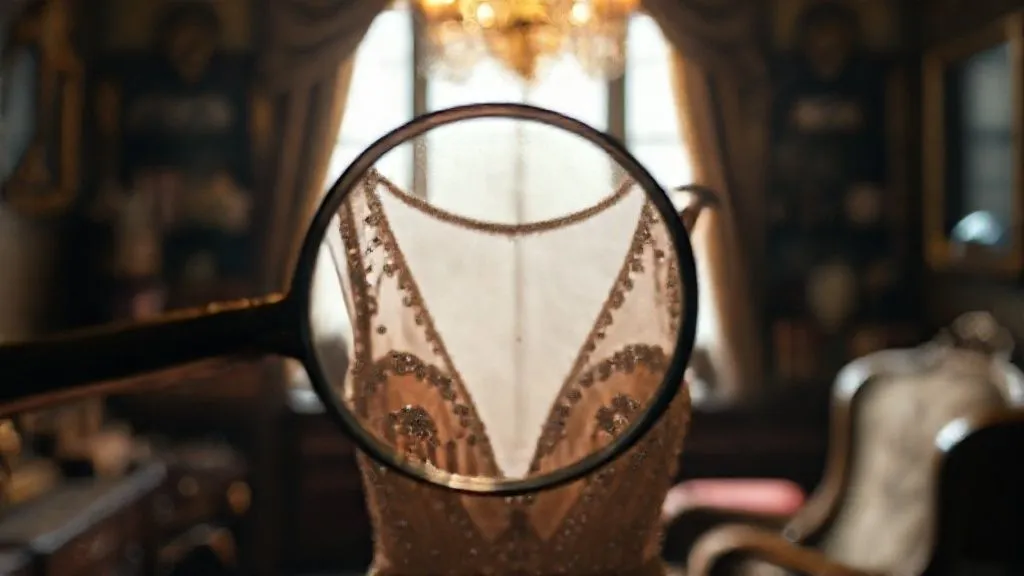
Authentic 1920s dresses were typically adorned with glass beads, seed beads, bugle beads, and sometimes sequins made from gelatin or metal. Glass beads have a specific weight and coldness to them. Over time, they can develop a subtle patina – a slight dullness, minor chips, or even a very fine layer of dust or oxidation that settles into the crevices. Look for variations in bead size and shape, which are common in hand-applied beadwork from that era. The way the beads are attached is also crucial: they were almost always hand-sewn, often in intricate Art Deco patterns, directly onto the fabric or onto a netting that was then applied to the dress.
Modern Plastic Replicas
Modern fakes overwhelmingly use plastic beads and sequins. These are lighter, feel warmer to the touch, and often have a uniform, sometimes cheap-looking, shine. They lack the subtle variations and 'soul' of vintage glass beads. The stitching used to attach them on reproductions can also be machine-done or overly neat, lacking the slight imperfections of true hand-beading. Furthermore, the patterns on fakes might be too geometrically perfect or lack the nuanced design complexity characteristic of authentic Art Deco motifs. As The Metropolitan Museum of Art's costume collection often demonstrates, the quality of embellishment was paramount.
Lining and Understructures: Hidden Clues to Authenticity
What lies beneath the surface can be just as important as what's visible. The lining and internal construction elements offer critical insights.
Lining Materials and Construction
Linings in the 1920s were typically made of silk, rayon, or cotton. They were often cut simply and sewn in by hand or with rudimentary machine stitching. The quality of the lining fabric would generally match the quality of the outer fabric, though it might be a simpler weave. Look for the same seam finishes (French or bound seams) on the lining as on the outer dress, or clean, un-serged raw edges. Sometimes, particularly with sheer dresses, a separate slip was worn underneath rather than an integrated lining. If a dress has a lining, assess its attachment points: is it neatly hand-tacked or machine-stitched in a way that aligns with the era's practices?
Internal Construction Elements
True 1920s flapper dresses rarely had complex internal boning or built-in bras. The silhouette was achieved through the cut of the fabric, often on the bias, and the weight of the embellishments. If you find extensive modern boning, elaborate cups, or a tightly structured internal corset, it's a strong indicator of a modern interpretation rather than an original piece. Minor internal stays might be present to support heavy beadwork or to maintain the shape of a dropped waist, but they would be minimal and constructed with era-appropriate materials like whalebone or cane, not modern plastic boning.
Fastenings and Closures: Zippers, Snaps, and Hooks of the Era
Fastenings are another crucial detail, as their evolution is well-documented.
The Absence of Zippers (Mostly)
The zipper, though invented earlier, only began to see widespread adoption in clothing in the late 1920s and truly took off in the 1930s. Therefore, a dress claiming to be from the early to mid-1920s with a prominent, modern metal or plastic zipper is almost certainly a fake. If a zipper is present on a late 1920s dress, it would be an early, often rudimentary metal zipper, usually with large teeth and a pull that looks distinctly different from contemporary designs. The zipper would likely be placed in an inconspicuous area, often on the side seam, and would be made of metal, not plastic. For more on zipper history, you can consult resources like Smithsonian Magazine's articles on fashion innovations.
Expert Insight: If a '1920s' dress features a nylon coil zipper or a plastic molded-tooth zipper, you can immediately dismiss it as a reproduction. These technologies simply did not exist during the flapper era.
Hooks, Snaps, and Buttons
Most 1920s dresses relied on hooks and eyes, snaps (often covered in fabric), or small buttons for closures. Hooks and eyes would be metal, sometimes with a slight oxidation, and hand-sewn. Snaps would be metal, often with a slightly different 'feel' than modern snaps, and also hand-sewn. Buttons, if present, would be made of shell, glass, Bakelite (late 20s), or fabric-covered and would be attached with era-appropriate stitching. Inspect these closures carefully for signs of age, material, and attachment method. The presence of a modern plastic button on a supposedly vintage garment is a clear giveaway.
Labeling and Provenance: What the Tags (and Lack Thereof) Tell You
Labels in 1920s clothing were not as standardized or common as they are today, but they can still offer valuable clues.
Early Labels and Their Characteristics
Many dresses from the 1920s, especially those made by home seamstresses or smaller dressmakers, might not have any labels at all. If a label is present, it would typically be a simple woven or printed silk or cotton tag, often featuring the dressmaker's name, a department store name (e.g., 'B. Altman & Co.'), or a brand. These labels would be sewn in by hand or with simple machine stitches. Crucially, care labels (e.g., 'Dry Clean Only') or fabric content labels ('100% Silk') were not standard practice until much later in the 20th century. Union labels (e.g., ILGWU) also became common later, though early versions might appear towards the very end of the decade.
The Importance of Provenance
While labels are helpful, provenance – the documented history of ownership – is often a more reliable indicator for high-value pieces. A dress with a documented history, perhaps passed down through a family, with old photographs or written records, gains immense credibility. Without a label, you rely entirely on construction details and material analysis. Be highly skeptical of 'vintage' garments with brand-new, crisp labels that purport to be from the 1920s, especially if they include modern care instructions or fabric compositions.
The Silhouette and Drape: The Unmistakable Fall of a True Flapper Dress
Beyond the individual components, the overall silhouette and how the fabric drapes are crucial for identifying fake 1920s flapper dress construction details. This is often an intuitive feel that develops with experience.
The Signature Dropped Waist
The dropped waist is perhaps the most iconic feature of 1920s flapper dresses. It typically sat around the hip area, creating a long, lean torso. The construction of this dropped waist is important: it wasn't a tight, fitted seam but rather a design element that allowed the skirt portion to hang freely from the hips. Reproductions might mimic this, but often the proportions feel slightly off, or the seam is too rigid, failing to capture the effortless flow of the original.
Movement and Flow
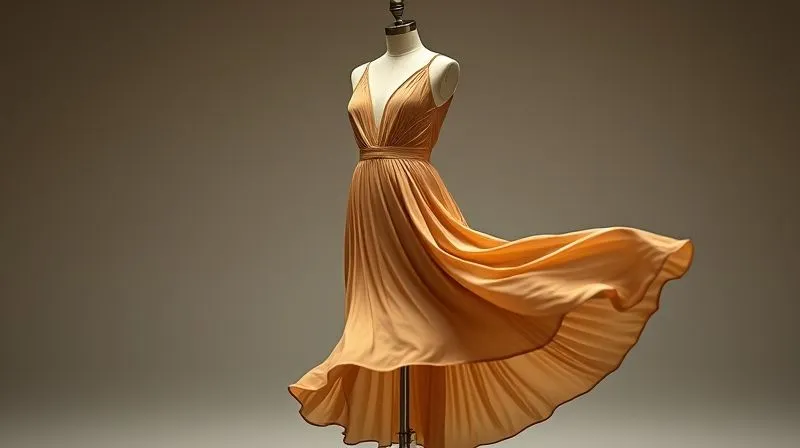
Authentic flapper dresses, especially those made of silk chiffon or crepe, were designed to move with the dancer. They would sway, shimmer, and float. This fluid movement is largely due to the bias cut of many garments, allowing the fabric to stretch and conform to the body while still maintaining a loose fit. Modern synthetics often lack this same graceful drape and can feel stiff or heavy, even when cut similarly. The way the fringe or beadwork swings and catches the light is also part of this movement. If a dress feels rigid or lacks a certain 'life' when moved, it's a sign to investigate further. As fashion historians like those at the Victoria and Albert Museum highlight, the emphasis on movement was revolutionary.
The Patina of Time: How Age Manifests Authenticity
Finally, one of the most reliable indicators is the subtle, almost imperceptible way that genuine vintage items age. This 'patina' is impossible to perfectly replicate.
Distinguishing Wear from Damage
Authentic 1920s dresses will show signs of honest wear, not necessarily damage. This might include: a slight softening of the fabric, minor stress on seams (especially under arms), very subtle fading or discoloration that is uneven and natural, tiny repairs done by hand, or a general 'lived-in' quality. Beads might have a few missing, or the thread holding them might be slightly loose in places. These are not flaws but rather narratives of a garment's life. Be wary of dresses that look 'too perfect' – pristine condition without any sign of age can be a red flag, though not always. Conversely, be wary of dresses with contrived 'aging' like artificially distressed fabrics or deliberately broken beads, which often look unnatural.
The smell can also be a subtle clue. Authentic vintage garments often carry a faint, sometimes musty or 'old fabric' scent, distinct from the chemical smell of new materials or the artificial scent of air fresheners used to mask newness. This is not about being dirty, but about the natural degradation and interaction of fibers with their environment over a century. Trust your senses, and remember that identifying fake 1920s flapper dress construction details is a multi-sensory experience.
Frequently Asked Questions (FAQ)
Are all 1920s dresses hand-stitched? No, not all. Sewing machines were common in the 1920s for primary construction seams. However, hand-finishing was very prevalent, especially on hems, delicate linings, and embellishments. The key is to look for a mix of early machine stitching and hand-finishing, not perfectly machine-serged seams throughout.
How do I tell if beadwork is original or re-done? Original beadwork will typically use glass beads, often with slight inconsistencies and a natural patina. The thread used would be cotton or silk, and attachment would be by hand. Re-done beadwork often uses modern plastic beads, shiny synthetic threads, and might show signs of newer, more uniform stitching over original attachment points or areas where beads were previously missing.
What about dresses with modern zippers? A modern plastic or nylon coil zipper is a definitive sign of a reproduction. While early metal zippers did exist in the late 1920s, they were rare, clunky, and distinct from zippers we see today. If a dress has a zipper, research early zipper types to compare. Most 1920s dresses used hooks & eyes, snaps, or buttons.
Can a dress without a label still be authentic? Absolutely. Many dresses from the 1920s, especially those made by home seamstresses, smaller local dressmakers, or even high-end custom pieces, did not feature prominent labels. In these cases, you must rely entirely on the construction details, fabric analysis, and overall silhouette to determine authenticity. Provenance (documented history) is also incredibly valuable here.
Is rayon always a sign of a fake? No. Rayon, often called 'artificial silk,' was a popular and legitimate fabric in the 1920s. However, early rayon has a distinct feel and drape compared to modern rayon or other synthetics. You need to understand the characteristics of early rayon to properly identify it. If the rayon feels too light, too slippery, or too uniform like modern polyester, it's a red flag.
Key Takeaways and Final Thoughts
Navigating the world of vintage fashion, especially when dealing with iconic pieces like the 1920s flapper dress, requires a sharp eye, a deep understanding of history, and a commitment to meticulous inspection. Identifying fake 1920s flapper dress construction details is an art and a science, honed through experience and careful observation.
- Prioritize Fabric Authenticity: Focus on the feel, drape, and aging of natural fibers like silk and early rayon, distinguishing them from modern synthetics.
- Scrutinize Seam Construction: Look for hand-finishing, French or bound seams, and the absence of modern overlocking.
- Examine Embellishments Closely: Differentiate genuine glass beads with their patina from modern plastic imitations.
- Verify Fastenings: Be highly suspicious of modern zippers; expect hooks, snaps, and period-appropriate buttons.
- Assess the Overall Patina: Understand that authentic pieces will show natural, subtle signs of age and wear, not contrived damage.
- Trust Your Gut (and Knowledge): If something feels 'off,' it probably is. Combine your learned knowledge with your developing intuition.
The journey of identifying authentic vintage isn't just about avoiding fakes; it's about connecting with history, appreciating true craftsmanship, and preserving the legacy of an incredible era. With these insights, I'm confident you'll approach your next vintage find with a newfound expertise, ready to uncover the genuine treasures that await. Happy hunting, and may your vintage discoveries be truly authentic!
Recommended Reading
- Mastering Upcycled Quality: 6 Steps to Profitable Fashion Collections
- Unlocking the Past: Researching 18th Century Dress Patterns
- Client-Ready Business Casual: 7 Ways to Master Your Meeting Attire
- Unlock Your Best Silhouette: How to Style Pear Shape Body for Flattering Looks
- Unlock the Secret: How to Translate Jewelry Sketches into Stunning 3D Designs

Your email address will not be published. Required fields are marked *