

How to Fix Critical Unseen Quality Flaws in Haute Couture Garments?
For over two decades in the rarefied world of haute couture, I've witnessed the breathtaking artistry that goes into creating garments that are, by definition, works of art. Yet, I've also seen the quiet, insidious damage caused by unseen quality flaws – tiny imperfections that can undermine a garment's integrity and, by extension, a maison's reputation.
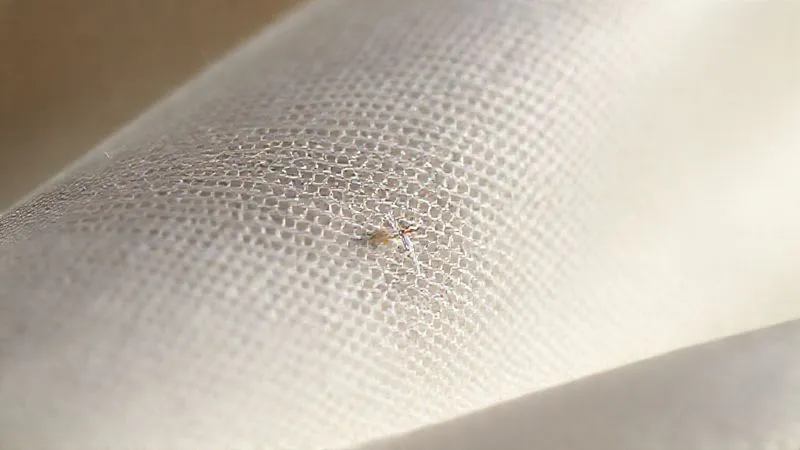
The true challenge in haute couture isn't just creating beauty; it's ensuring that this beauty is flawless at every level, even where the eye cannot easily perceive. These 'unseen flaws' – a minuscule snag in a delicate weave, an imperceptible tension irregularity in a seam, or a subtle dye variation – are the silent saboteurs that threaten the very essence of unparalleled quality.
This article isn't about superficial fixes. It's about a deep dive into the systematic identification, prevention, and meticulous repair of these critical unseen quality flaws. I will share the frameworks, advanced techniques, and a crucial mindset shift that my most successful clients have embraced to achieve true garment perfection.
Understanding the Anatomy of Unseen Flaws in Haute Couture
Before we can fix them, we must first understand the nature of these elusive imperfections. Haute couture operates on a different plane of quality; what might be acceptable in ready-to-wear is a critical failure here.
The Deceptive Nature of Micro-Defects
Unseen flaws aren't always glaring tears or obvious misalignments. Often, they are micro-defects: subtle structural irregularities in the fabric, inconsistencies in hand-embroidery tension, or minute variations in finishing techniques that compromise the garment's longevity and aesthetic over time. These can be categorized into material flaws (e.g., fiber inconsistencies, dye migration), construction flaws (e.g., uneven stitch tension, hidden puckering), and finishing flaws (e.g., residue from pressing, subtle adhesive marks).
I've seen exquisite gowns, perfect to the casual glance, reveal a slight 'give' in a bias-cut seam after only a few wears, or a hand-beaded motif where one tiny bead is subtly misaligned, creating a ripple effect under specific lighting. These are the details that separate truly exceptional couture from merely excellent.
Why Traditional QC Fails for Couture
Traditional quality control methods, often reliant on visual inspection and basic measurements, are simply inadequate for the complexities of haute couture. The sheer value of materials, the intricacy of construction, and the bespoke nature of each piece demand a far more sophisticated approach.
"In haute couture, perfection isn't an aspiration; it's the fundamental expectation. Anything less is a compromise of artistic integrity and client trust."
The limitations of the human eye, coupled with the unique properties of luxury textiles – their delicate nature, subtle sheen, and complex textures – mean that many critical unseen quality flaws slip through conventional checks. This is where we must evolve our inspection protocols.
Mastering the Art of Pre-Production Proactive Flaw Prevention
The most effective way to 'fix' unseen flaws is to prevent them from ever occurring. This proactive approach starts long before a single stitch is made.
Sourcing Excellence: The First Line of Defense
My years of experience have taught me that quality begins with the raw materials. Vetting suppliers for luxury fabrics, embellishments, and findings is paramount. This goes beyond reputation; it requires rigorous testing and certification.
- Supplier Audits: Conduct in-depth audits of material suppliers, examining their own quality control processes, certifications (e.g., OEKO-TEX for textiles, specific ethical sourcing standards), and historical performance.
- Material Batch Testing: Implement a strict protocol for testing samples from every new batch of fabric, thread, and embellishment. This includes tensile strength, colorfastness, drape consistency, and microscopic examination for fiber integrity.
- Traceability Mandates: Demand full traceability of all components, from fiber origin to final delivery. This allows for swift identification and isolation if a material flaw is later detected.
Pattern Perfection: Eliminating Structural Weaknesses
Flaws can be embedded at the design stage. Imperfect patterns can introduce tension points, stress areas, or cutting inaccuracies that manifest as unseen flaws in the finished garment. Modern technology offers powerful preventative tools.
Utilizing advanced 3D garment simulation software allows designers and pattern makers to visualize how fabrics will drape and behave under various stresses before any physical cutting begins. This helps identify potential issues like fabric distortion, unwanted tension, or structural imbalances that might otherwise become critical unseen quality flaws later on. According to a report by the Institut Français de la Mode (IFM), digital prototyping can reduce sample iterations by up to 50%, significantly impacting quality control early in the process.
| Pre-Production Stage | Key Action | Prevention Benefit |
|---|---|---|
| Material Sourcing | Supplier Certification Check | Ensures raw material integrity and ethical sourcing. |
| Pattern Making | 3D Digital Prototyping | Identifies structural flaws and fabric behavior issues early. |
| Cutting | Automated Precision Cutting | Eliminates human error in component shape and size. |
Advanced Inspection Techniques: Beyond the Naked Eye
Even with the best prevention, unseen flaws can emerge. This is where specialized inspection becomes critical. We must move beyond traditional visual checks.
Leveraging Magnification and Specialized Lighting
I always equip my atelier teams with a range of tools that extend human perception. This includes:
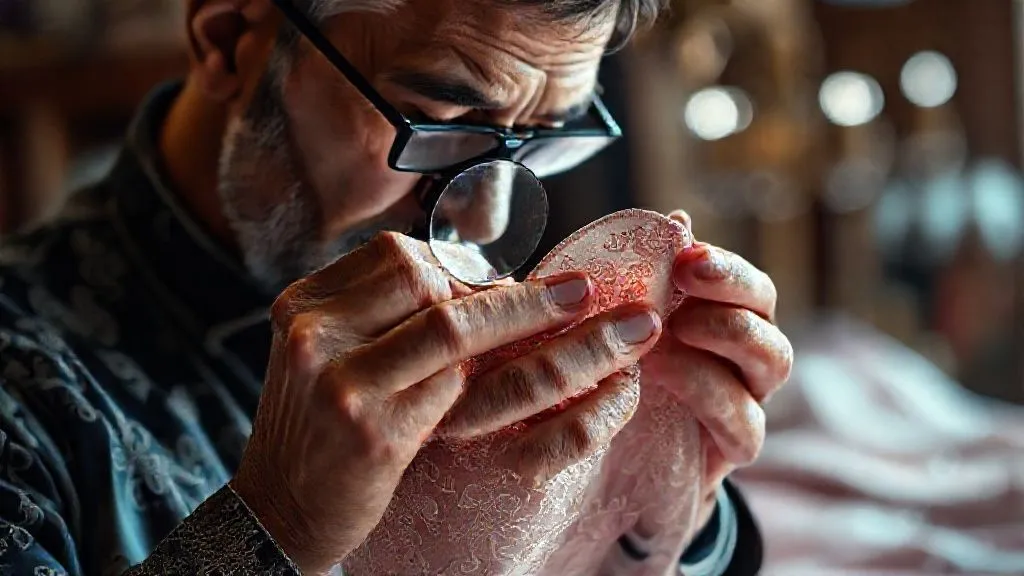
- Jeweler's Loupes (10x-30x magnification): Essential for examining individual stitches, thread integrity, and microscopic fabric damage.
- Shadow-Free Light Boxes: Provide consistent, diffused illumination to reveal subtle surface irregularities, puckering, or dye inconsistencies that harsh direct light might obscure.
- UV and Infrared Lighting: UV light can reveal invisible stains, residues, or repairs made with non-matching materials. Infrared can sometimes expose hidden structural elements or inconsistencies in multi-layered fabrics.
Non-Destructive Testing (NDT) for Delicate Fabrics
Adapting NDT methods from other industries, such as aerospace, can be revolutionary for couture. While full-scale industrial NDT isn't always feasible, scaled-down, fabric-specific applications are emerging.
For instance, specialized ultrasonic scanners can detect variations in fabric density or hidden adhesive application without damaging the material. Micro-X-ray imaging, when carefully calibrated, can reveal the internal structure of intricate embroideries or multi-layered construction, identifying hidden snags or stress points that are otherwise invisible. This is particularly useful for complex garments with significant internal scaffolding or hidden support structures.
Case Study: The 'Whisper Stitch' Flaw Detection
Atelier Lumière, renowned for its intricate bridal wear, faced a recurring, almost imperceptible issue: a slight, uneven tension in their signature 'whisper stitch' on silk organza bodices. This flaw was invisible to the naked eye but could cause a subtle rippling effect under specific lighting angles, compromising the gown's perfect drape. Traditional QC missed it every time.
By implementing a protocol using a combination of a high-magnification digital microscope and a polarized light box, their head artisan discovered the root cause. The digital microscope, connected to a large screen, allowed for collaborative inspection, revealing that certain artisans were subconsciously applying slightly more tension on the return pass of the stitch. The polarized light box highlighted the minute fabric distortion. Once identified, a specific training module was developed, and this critical unseen quality flaw was eradicated, saving the atelier countless hours in rework and preserving their reputation for flawless execution.
The Human Element: Cultivating a Culture of Meticulous Craftsmanship
Technology is a tool, but the human touch, skill, and dedication remain the bedrock of haute couture. Fixing unseen flaws requires an unparalleled commitment from every artisan.
Training the 'Couture Eye': Sharpening Artisan Perception
It's not enough to be skilled; artisans must be trained to proactively seek out perfection. I advocate for specific training modules focused on:
- Micro-Detail Recognition: Workshops using magnified samples of common and rare fabric flaws.
- Tactile Inspection: Training hands to feel for subtle inconsistencies in texture, tension, and drape that eyes might miss.
- Peer Review Sessions: Regular structured exchanges where artisans inspect each other's work under critical conditions, fostering collective improvement and a shared understanding of 'perfection.'
Empowering the Atelier: Ownership and Accountability
Every individual involved in creating a haute couture garment must feel a profound sense of ownership over its quality. This means:
- Decentralized Quality Checks: Empowering artisans to be the first line of defense, conducting rigorous self-checks at each stage of production rather than relying solely on a final QC department.
- Immediate Feedback Loops: Establishing a culture where any detected flaw, no matter how small, is immediately flagged, analyzed, and discussed, leading to swift corrective action and learning.
- Celebrating Perfection: Acknowledging and rewarding exceptional attention to detail and proactive flaw identification reinforces the desired behavior.
Strategic Intervention: Repairing the Unseen Without Compromise
When an unseen flaw is detected, the repair process must be as meticulous and invisible as the original flaw itself. This is where true mastery comes into play.
Micro-Repair Techniques: Blending Flaws into Perfection
Repairing haute couture is an art form. It's not about patching; it's about integration. I've personally overseen repairs that were utterly undetectable even under magnification.
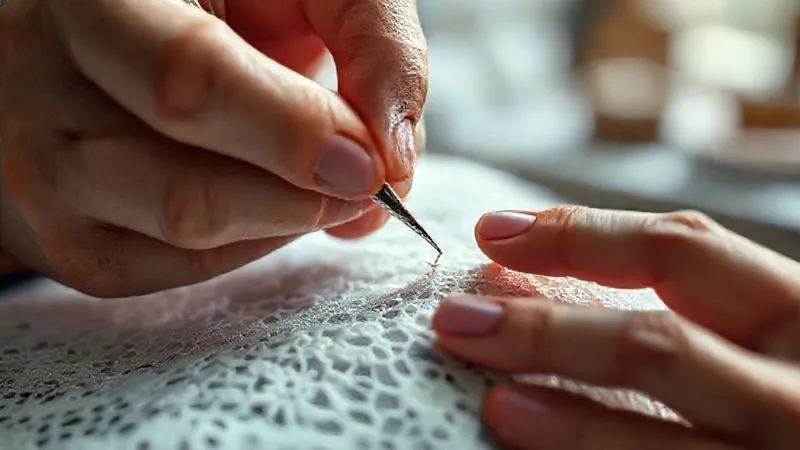
- Fiber Manipulation (Re-weaving): For small snags or pulls, individual fibers can often be carefully manipulated back into place using ultra-fine needles and specialized tools, effectively re-weaving the fabric.
- Invisible Mending: For tiny holes or tears, microscopic threads (often taken from an inconspicuous seam allowance of the same fabric) are used to meticulously re-create the weave, making the repair disappear.
- Dye Spot Correction: Minor dye inconsistencies can sometimes be corrected using highly diluted, precisely applied fabric dyes, requiring an artist's eye for color matching.
Re-Engineering for Resilience: Strengthening Weak Points
Sometimes, a flaw indicates a fundamental weakness in the garment's design or construction. The 'fix' then becomes a re-engineering process to prevent recurrence.
This might involve subtly reinforcing a stress point with an invisible interlining, adjusting a seam allowance to better distribute tension, or modifying a pattern piece to accommodate the natural stretch or bias of a fabric. The goal is to strengthen without altering the garment's intended silhouette or drape. It's a delicate balance of structural integrity and aesthetic purity.
Implementing Robust Post-Production Verification Protocols
The journey to perfection doesn't end when the last stitch is sewn. A final, comprehensive verification is crucial.
Multi-Stage Quality Gates: A Layered Approach
I advocate for a tiered inspection system, ensuring that no stone is left unturned. This includes:
- Final Atelier Inspection: The team leader or head artisan performs a comprehensive review, often involving a 'wear test' or draping on a bespoke mannequin to assess movement and fit.
- Independent QC Review: A dedicated, impartial quality control specialist, often external or from a different department, conducts a final check against a detailed checklist.
- Client Fitting & Approval: The ultimate test. While clients may not detect unseen flaws, their feedback on comfort, drape, and overall satisfaction is invaluable.
Documentation and Traceability: Learning from Every Garment
Every haute couture piece is a learning opportunity. Meticulous documentation of any detected flaws, their root causes, and the repair methods used creates a valuable knowledge base. This includes a 'flaw log' for each garment, detailing its unique challenges and solutions.
This data informs future design, pattern-making, and production processes, ensuring continuous improvement. As Harvard Business Review often emphasizes, continuous learning and adaptation are critical for maintaining excellence in any high-stakes industry.
| Verification Stage | Checklist Items | Outcome |
|---|---|---|
| Final Atelier Inspection | Drape, Seam Integrity (magnified), Embellishment Security | Initial approval or rework initiation. |
| Independent QC Review | Overall Garment Integrity, Hidden Flaw Scan (NDT), Documentation Check | Final quality certification. |
| Client Fitting | Comfort, Movement, Aesthetic Satisfaction | Client approval and feedback capture. |
Embracing Innovation: AI and Digital Tools in Couture QC
The future of haute couture quality control lies in a harmonious blend of unparalleled human skill and cutting-edge technology. Digital innovation is not a threat but an enhancement.
AI-Powered Visual Inspection Systems
While still nascent for the highly bespoke nature of couture, AI is rapidly advancing. Imagine an AI-powered visual inspection system capable of learning from thousands of flawless haute couture garments. This system could then identify microscopic pattern deviations, subtle texture inconsistencies, or minute stitching irregularities that even the most trained human eye might occasionally miss due to fatigue or oversight.
These systems, often using high-resolution cameras and machine learning algorithms, could act as an additional, objective layer of quality assurance, flagging potential critical unseen quality flaws for human artisans to verify and address.

Digital Twin Technology for Proactive Flaw Identification
The concept of a 'digital twin' – a virtual replica of a physical object – holds immense promise. For haute couture, this could mean creating a highly detailed 3D digital model of each garment, incorporating every stitch, fabric property, and embellishment.
Through advanced simulation, this digital twin could be subjected to virtual stress tests, drape analyses, and wear simulations. This allows for the proactive identification of potential stress points or structural weaknesses that might lead to unseen flaws in the physical garment, long before it's even fully constructed. This predictive capability is a game-changer for preventing critical unseen quality flaws.
Building a Legacy of Impeccable Quality: The Long-Term Vision
Achieving and maintaining unparalleled quality in haute couture is an ongoing journey, not a destination. It requires a long-term vision and an unwavering commitment.
Continuous Improvement Loops: Feedback to Design
The insights gained from identifying and fixing unseen flaws must feed back into the design and pattern-making processes. This creates a virtuous cycle of continuous improvement. If a particular fabric consistently shows a specific flaw, it might necessitate a re-evaluation of its use or a modification in handling techniques.
This holistic approach ensures that every challenge becomes an opportunity to refine processes, enhance craftsmanship, and elevate the overall quality standard of the maison.
Client Education and Transparency
While we strive for absolute perfection, educating clients about the extraordinary lengths taken to ensure quality builds trust and appreciation. Transparent communication about the meticulous processes, from material sourcing to multi-stage inspection, reinforces the value and integrity of haute couture.
When clients understand the dedication required to fix critical unseen quality flaws in haute couture garments, their appreciation for the artistry and investment deepens, fostering a stronger, more loyal relationship with the atelier.

Frequently Asked Questions (FAQ)
What is the most common type of unseen flaw in haute couture? While it varies, I often find subtle inconsistencies in fabric tension, particularly in bias-cut or intricately draped garments, and microscopic irregularities in hand-embroidery or embellishment application to be the most prevalent. These are often due to human variability in highly manual processes.
How much does it cost to implement these advanced quality control measures? The initial investment in specialized equipment (magnification tools, lighting, and potentially NDT services) and advanced training can be significant. However, the long-term cost savings from reduced reworks, improved reputation, and enhanced client satisfaction far outweigh these initial expenses. It's an investment in brand integrity.
Can all unseen flaws be completely fixed without leaving any trace? The goal is always complete invisibility. With expert artisans and the right techniques, most micro-flaws can be repaired to an undetectable standard. However, some deep-seated material flaws might require replacing an entire panel, which is why proactive prevention and rigorous material vetting are so crucial.
What role does the client play in detecting unseen flaws? While clients are not expected to be quality inspectors, their feedback during fittings is invaluable. Comfort issues, unexpected pulling, or a garment not sitting 'quite right' can sometimes be indicators of underlying unseen structural flaws that might need further investigation by the atelier.
How do you maintain artisan morale when constantly searching for imperfections? It's about fostering a culture of excellence and shared responsibility, not fault-finding. We emphasize that identifying a flaw is a learning opportunity and a testament to their dedication to perfection. Celebrating successful flaw detection and resolution, and integrating feedback into training, ensures it's a positive, growth-oriented process.
Key Takeaways and Final Thoughts
The pursuit of unparalleled quality in haute couture is a testament to human dedication and artistry. Addressing unseen quality flaws is not merely a technical task; it's a philosophical commitment to perfection.
- Proactive Prevention: Begin with rigorous material sourcing and precise pattern engineering to minimize flaws from the outset.
- Advanced Detection: Employ specialized tools like magnification, unique lighting, and even non-destructive testing to uncover hidden imperfections.
- Masterful Repair: Utilize micro-repair techniques and strategic re-engineering to seamlessly integrate fixes without compromising the garment's integrity.
- Culture of Excellence: Empower and train artisans to be meticulous, fostering a shared ownership of quality at every stage.
- Embrace Innovation: Leverage emerging technologies like AI and digital twins to enhance predictive and detection capabilities.
My hope is that this guide empowers you to not just address, but to truly master the intricate challenge of unseen quality flaws. By embracing these strategies, you can ensure that every haute couture garment you create is not just beautiful, but truly impeccable, upholding the highest standards of luxury and craftsmanship for generations to come.
Recommended Reading
- 5 Swift Steps: How to Spot Moth Larvae Damage in Antique Wool Garments
- Unlock the Secret: How to Properly Clean & Maintain Smart Fabric Garments?
- Pack Suits Wrinkle-Free: 7 Crucial Client Meeting Strategies
- 7 Pillars: Proving Ethical Sourcing & Defeating Greenwashing Claims
- Supplier Ethical Audit Failure? 7 Steps to Remediation & Resilience





Your email address will not be published. Required fields are marked *