

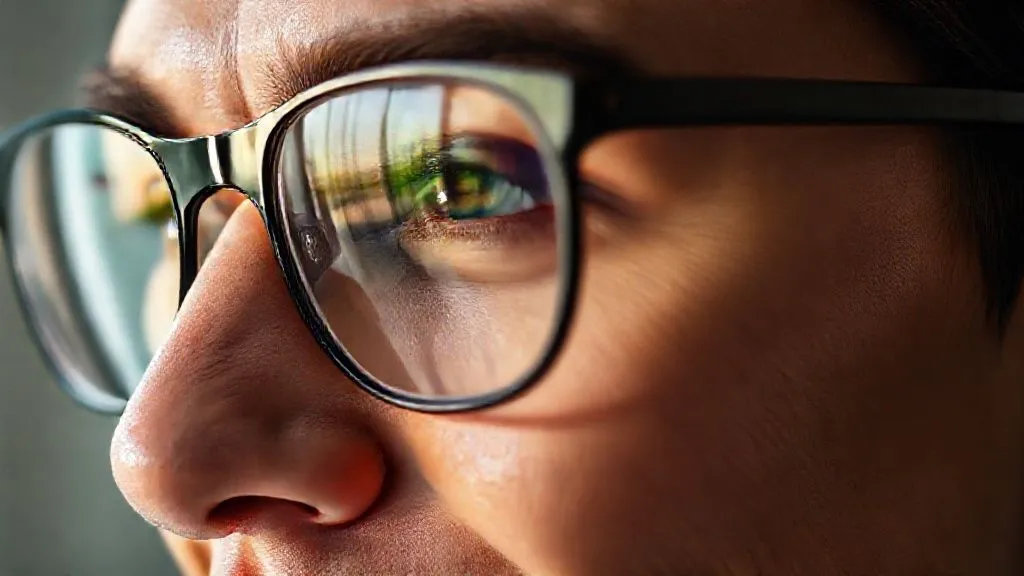
How to ensure high-fashion eyewear delivers perfect vision?
For over two decades in the dynamic world of eyewear fashion, I've witnessed a recurring challenge: the desire for stunning, high-fashion frames often overshadows the critical need for optical precision. It's a mistake I've seen countless times, where individuals invest heavily in designer aesthetics only to find their vision compromised, leading to discomfort, headaches, and ultimately, dissatisfaction.
It's a common misconception that choosing high-fashion eyewear is purely about aesthetics. Many believe that as long as the frames look good, any lens will suffice. This oversight leads to a frustrating experience where visual clarity and comfort are sacrificed at the altar of style. The pain point is real: you want to express your unique style with cutting-edge frames, but you also demand the sharp, comfortable vision essential for daily life.
In this definitive guide, I'll draw upon my extensive experience to provide you with a comprehensive framework for achieving both. I’ll share actionable strategies, insider tips, and expert insights to ensure your high-fashion eyewear not only elevates your style but also delivers perfect, uncompromised vision. We’ll delve into the often-overlooked details that make all the difference, empowering you to make informed choices that blend form and function seamlessly.
The Crucial Intersection: Style, Science, and Sight
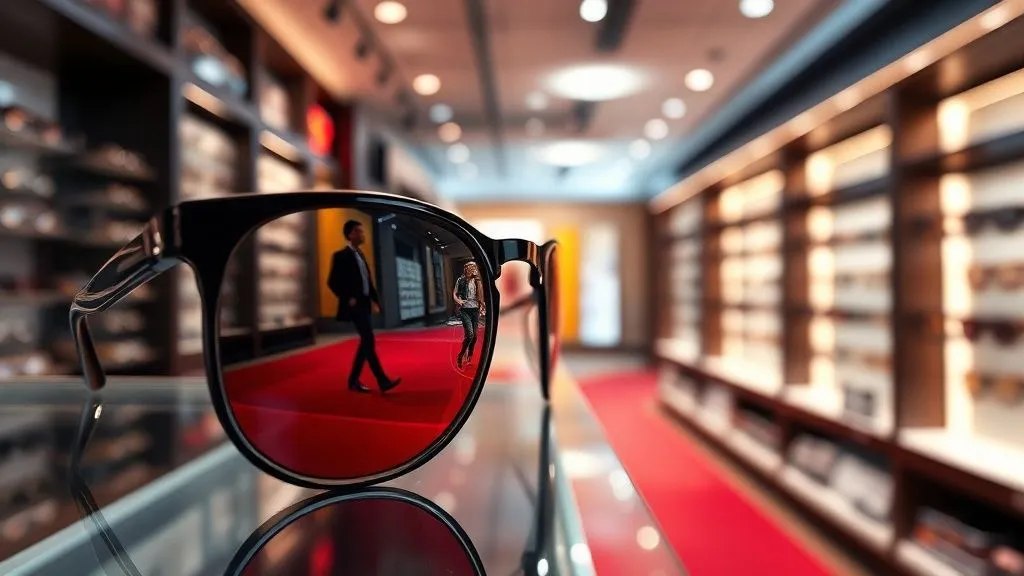
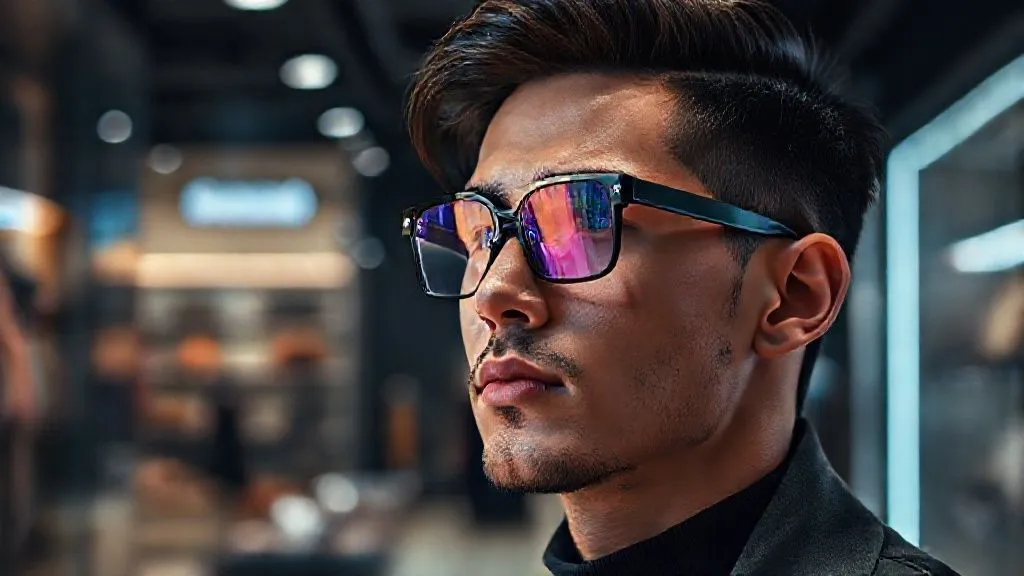
As an industry specialist, I've always championed the idea that eyewear is not merely a medical device or a fashion accessory; it’s both, intertwined. The true art lies in harmonizing the latest trends with cutting-edge optical science. When we talk about high-fashion eyewear, we're discussing frames that are often crafted from premium materials, featuring unique designs and intricate details. But what good is a masterpiece if it doesn't serve its primary purpose?
The challenge is to avoid the pitfall of prioritizing one over the other. I've seen individuals fall in love with a pair of frames that are utterly unsuitable for their prescription or facial structure, leading to optical distortions or discomfort. Conversely, perfectly prescribed lenses in ill-fitting or aesthetically unappealing frames can diminish confidence. The goal is a synergistic relationship where your chosen style enhances your vision, and your vision allows you to fully appreciate your style.
“High-fashion eyewear is more than just a statement; it's an extension of your personal brand, demanding both visual perfection and aesthetic excellence.”
Achieving this balance requires a holistic approach, considering everything from the frame's curvature to the lens's specific properties. It's about understanding that every element plays a role in the overall visual experience. My advice is always to approach eyewear selection as an investment in both your image and your well-being. This foundation is key to understanding how to ensure high-fashion eyewear delivers perfect vision.
Beyond the Frame: Why Lens Choice is Paramount for Perfect Vision
While the frame captures the eye, it's the lens that truly dictates your visual experience. In my career, I've observed that even the most exquisite high-fashion frames can be rendered ineffective if paired with subpar or incorrectly chosen lenses. This is where the science of optics meets the art of eyewear, and understanding this synergy is crucial for perfect vision.
Understanding Lens Materials and Coatings
Modern lens technology offers an incredible array of options, each with specific benefits. The material of your lens impacts its thickness, weight, and optical clarity. For high-fashion frames, especially those with thinner rims or larger designs, material choice is critical:
- High-Index Lenses: Essential for stronger prescriptions, these lenses are thinner and lighter than standard plastic, reducing the 'coke bottle' effect and allowing for more elegant frame choices.
- Polycarbonate & Trivex: These materials are impact-resistant, making them ideal for active lifestyles or for children. They are also lighter than standard plastic, though slightly thicker than high-index for the same prescription.
- Anti-Reflective (AR) Coatings: A non-negotiable for anyone serious about vision. AR coatings eliminate distracting reflections, enhance light transmission, reduce glare (especially at night), and make your eyes more visible through the lenses.
- Blue Light Filters & UV Protection: With increased screen time, blue light filters are becoming standard. UV protection is vital for long-term eye health, often integrated into the lens material itself.
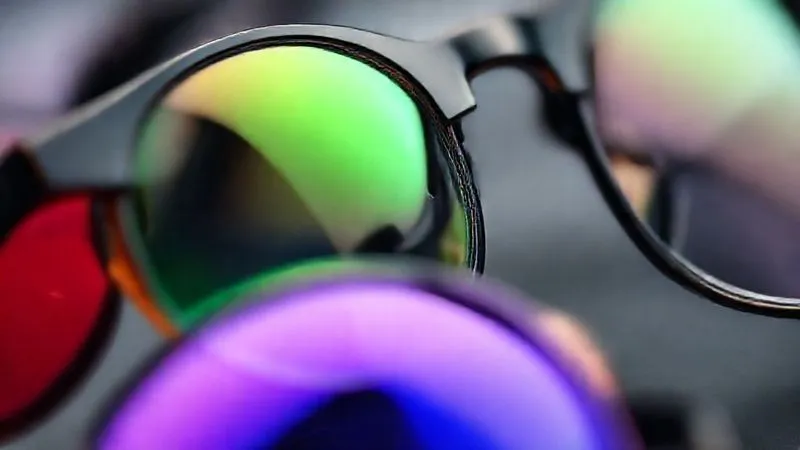
The Power of Progressive and Digital Lenses
For those needing multifocal correction, traditional bifocals can be visually jarring and aesthetically unappealing, especially in high-fashion frames. This is where progressive lenses shine. However, not all progressives are created equal:
- Standard Progressives: Offer a gradual transition between distance, intermediate, and near vision, but can have narrower fields of clear vision and more peripheral distortion.
- Digital Free-Form Progressives: This is where true customization comes in. Unlike standard progressives, digital lenses are optimized point by point on the back surface of the lens using advanced computer-controlled surfacing equipment. This customization takes into account your specific prescription, frame dimensions, and even how the frame sits on your face (pantoscopic tilt, wrap angle, vertex distance).
- Benefits of Digital Lenses: They provide wider fields of view, smoother transitions between focal zones, and significantly reduced peripheral distortion. For high-fashion frames, which might have unique curvatures or larger sizes, digital optimization ensures that your vision is clear and natural across the entire lens surface, regardless of the frame's design. This is paramount to ensure high-fashion eyewear delivers perfect vision.
Choosing the right lens for your designer frames is a complex decision that benefits greatly from expert guidance. My advice is always to discuss your lifestyle, visual needs, and frame choice thoroughly with a knowledgeable optician. They can recommend the optimal lens material, design, and coatings to maximize both your vision and the aesthetic appeal of your chosen frames.
| Lens Material | Pros | Cons |
|---|---|---|
| Standard Plastic (CR-39) | Inexpensive, good optics | Thick, heavy for strong Rx, less impact resistant |
| Polycarbonate | Impact-resistant, thin, light, inherent UV protection | Slightly lower optical clarity than CR-39/Trivex |
| Trivex | Excellent clarity, impact-resistant, light, inherent UV protection | Slightly thicker than polycarbonate for same Rx |
| High-Index (1.67, 1.74) | Very thin & light for strong Rx, good aesthetics | More expensive, can have more chromatic aberration if not high quality |
Precision in Prescription: The Foundation of Flawless Vision
The most critical component of achieving perfect vision through any eyewear, especially high-fashion frames, is an accurate and up-to-date prescription. It might sound obvious, but I've encountered countless situations where individuals try to 'make do' with an old prescription, or worse, one that wasn't precisely measured for their chosen frames. This is a recipe for visual disaster.
Why a Recent Eye Exam is Non-Negotiable
Your eyes change over time, sometimes subtly, sometimes dramatically. An outdated prescription can lead to a host of problems, including:
- Eye Strain and Fatigue: Your eyes work harder to compensate for incorrect power.
- Headaches and Dizziness: Especially common with progressive lenses that aren't precisely matched to your current vision needs.
- Reduced Visual Acuity: Simply put, you won't see as clearly as you should, undermining the very purpose of wearing glasses.
- Wasted Investment: High-fashion frames with the wrong prescription are a costly mistake.
I always advise my clients to get a comprehensive eye examination annually. This isn't just about updating your prescription; it's also about monitoring your overall eye health and detecting potential issues early. For more information on the importance of regular eye exams, you can refer to resources like the American Optometric Association.
The Role of Pupillary Distance (PD) and Optical Center
Beyond the spherical, cylindrical, and axis values, two measurements are absolutely critical for lens fabrication, especially with high-fashion frames that might have unique shapes or sizes:
- Pupillary Distance (PD): This is the measurement, in millimeters, between the centers of your pupils. It ensures that the optical center of each lens is perfectly aligned with the center of your pupils. If the PD is off, even by a millimeter or two, it can cause prismatic effect, leading to eye strain, double vision, or discomfort, particularly with stronger prescriptions.
- Optical Center (OC): This refers to the specific point on the lens where the vision correction is most accurate. For single-vision lenses, the OC should align with your pupil. For progressive lenses, the OC is critical for the seamless transition zones. The optician measures this vertically (segment height) in relation to the frame.
These measurements are not static; they are specific to the frame you choose and how it sits on your face. A skilled optician will take these measurements precisely for your chosen high-fashion frames, ensuring that the optical sweet spot of the lens is exactly where your eye needs it to be. This meticulous attention to detail is fundamental to truly ensure high-fashion eyewear delivers perfect vision.
Frame Fit and Facial Anatomy: Ensuring Comfort and Optical Alignment
The fit of your high-fashion frames is not just about comfort or aesthetics; it profoundly impacts your vision. A poorly fitting frame can cause the lenses to sit at an incorrect angle or distance from your eyes, introducing distortions and compromising the optical integrity of even the best lenses. I've seen many clients mistakenly believe a stylish frame is a stylish frame, regardless of how it conforms to their unique facial structure.
Choosing the Right Frame Shape and Size
Selecting a frame involves more than just liking its look:
- Face Shape Harmony: Different frame shapes complement different face shapes. For example, angular frames often suit round faces, while softer, rounder frames can balance a square jawline.
- Bridge Fit: This is crucial. The bridge of the frame should rest comfortably on your nose without pinching or slipping. If the bridge is too wide, the glasses will slide down; too narrow, and they'll pinch, sitting too high. An improper bridge fit directly affects the vertical alignment of the optical center.
- Temple Length: The arms of the glasses (temples) should extend straight back to your ears and then curve gently around them, holding the frames securely without digging in. If too long or too short, the frames won't sit correctly, causing tilt or slippage.
- Frame Width: The frames should be slightly wider than your face, aligning with your temples. If too narrow, they'll pinch and distort your face; too wide, and they'll slip.
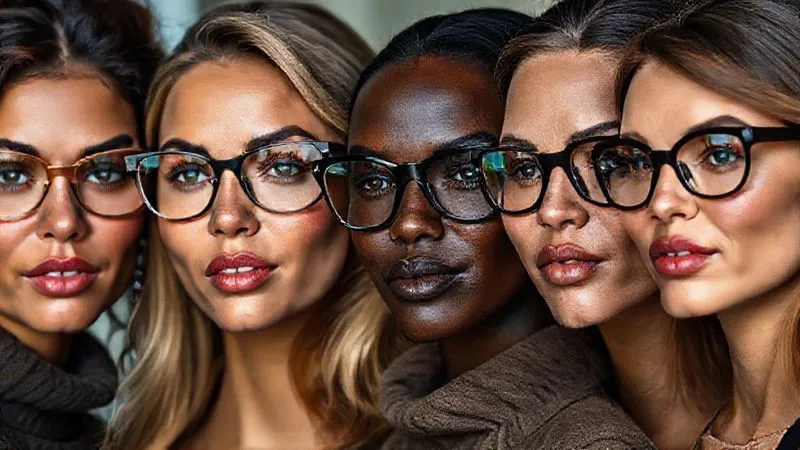
The Importance of Professional Frame Adjustments
Even if you select the perfect frame, it will likely require professional adjustment. Frames are manufactured to general specifications, but every face is unique. A skilled optician will:
- Adjust Temple Arms: To ensure they fit snugly and comfortably behind your ears, preventing slippage.
- Adjust Nose Pads: If your frames have adjustable nose pads, these will be bent to ensure the frames sit at the correct height and distance from your face. For plastic frames, the bridge might need heat adjustment.
- Pantoscopic Tilt: This is the angle at which the bottom of the lenses tilts towards your cheeks. A slight tilt is usually ideal, but too much or too little can affect how you look through the lenses, especially progressives.
- Face Form/Wrap: The horizontal curve of the frames. Some high-fashion frames have a significant wrap. The optician ensures this doesn't introduce unwanted optical distortion, especially with digitally surfaced lenses.
These fine-tuning adjustments are paramount. I cannot overstate how often a seemingly 'unwearable' pair of glasses becomes perfectly comfortable and visually clear after a professional adjustment. This expert touch is a cornerstone of how to ensure high-fashion eyewear delivers perfect vision.
The Expertise of Your Optician: A Non-Negotiable Partnership
In my journey through the eyewear industry, I've come to understand that the most sophisticated frames and advanced lenses are only as good as the professional who brings them together. Your optician is not just a salesperson; they are a vital link in the chain, a skilled artisan and a technical expert whose knowledge can make or break your visual experience. This partnership is non-negotiable for anyone serious about high-fashion eyewear delivering perfect vision.
Identifying a Skilled Optician
How do you find an optician who can truly deliver on the promise of high-fashion eyewear and perfect vision? Look for these qualities:
- Certification and Experience: Seek out opticians who are licensed and have extensive experience, particularly with complex prescriptions and premium eyewear.
- Technical Knowledge: They should be able to explain lens materials, coatings, and designs in detail, and how they relate to your specific needs.
- Measurement Precision: A great optician will take meticulous measurements, including PD, segment height, pantoscopic tilt, and vertex distance, specific to your chosen frames.
- Fashion Acumen: While technical skill is paramount, an optician who also understands current fashion trends can guide you towards frames that truly complement your style and facial features.
- Patient Education: They should take the time to educate you on proper wear, care, and what to expect from your new lenses.
I often tell people that a good optician is like a tailor for your eyes – they custom-fit your vision solution to your unique needs. Don't hesitate to ask questions and seek out recommendations. For further insights on what makes a great optician, industry bodies like the National Academy of Opticianry offer valuable information.
Case Study: Sarah's Designer Dilemma Solved
Sarah, a marketing executive, invested in a stunning pair of oversized, high-fashion cat-eye frames. She loved the look, but after a week, she complained of constant headaches and blurry vision, especially when reading. She was frustrated, believing her expensive frames were simply impractical. When she came to me, I recommended she revisit her optician, who, after a thorough review, identified the issue.
Her previous optician had used a generic PD measurement and hadn't accounted for the unique pantoscopic tilt of her chosen large frames. The optical centers of her progressive lenses were slightly off, causing significant distortion in her reading zone. The skilled optician remeasured meticulously, taking into account the specific frame geometry and Sarah's head posture. They ordered new lenses with precise digital free-form surfacing and performed a custom frame adjustment.
The result? Sarah's headaches vanished, and her vision became crystal clear across all zones. She could finally enjoy her high-fashion frames without compromise. This case perfectly illustrates that even with the best intentions, without expert measurement and adjustment, high-fashion eyewear will not deliver perfect vision.
Maintaining Your Investment: Care Tips for Longevity and Clarity
You've invested time, effort, and resources into selecting high-fashion eyewear that delivers perfect vision. Now, the final step is to protect that investment through proper care and maintenance. Neglecting your glasses can quickly degrade lens clarity, damage coatings, and compromise frame integrity, undoing all the careful steps you've taken to ensure optimal vision.
Proper Cleaning Techniques
This is where many people go wrong. I've seen countless designer frames scratched and smudged due to improper cleaning. Here’s how to do it right:
- Rinse First: Always rinse your glasses under lukewarm running water to wash away dust and debris. This prevents scratching the lenses when you wipe them.
- Use Mild Soap: Apply a tiny drop of pH-neutral dish soap to each lens. Gently rub the lenses and frame with your fingertips. Avoid harsh chemicals, window cleaner, or paper products.
- Rinse Thoroughly: Rinse again under lukewarm water to remove all traces of soap.
- Dry with Microfiber: Gently dry with a clean, soft microfiber cloth specifically designed for eyewear. Avoid paper towels, tissues, or clothing, as these can scratch lenses due to their rough fibers.
Regular, gentle cleaning not only keeps your vision clear but also extends the life of your lens coatings. For more detailed advice on eyewear care, resources from reputable optical manufacturers like ZEISS Vision Care offer excellent guides.
Storage and Handling Best Practices
How you handle and store your high-fashion eyewear is just as important as how you clean it:
- Always Use a Case: When not wearing your glasses, store them in a hard protective case. This prevents them from being crushed, bent, or scratched.
- Avoid Extreme Temperatures: Never leave your glasses in a hot car, on a dashboard, or near extreme heat sources. High temperatures can warp plastic frames and damage lens coatings.
- Handle with Both Hands: Always take your glasses on and off using both hands to prevent bending the frame, which can lead to misalignment and affect vision.
- Don't Wear on Your Head: While fashionable, constantly pushing your glasses up onto your head can stretch the frames and cause them to lose their proper fit.
By following these simple yet crucial care tips, you ensure that your high-fashion eyewear remains in pristine condition, consistently delivering the perfect vision it was designed for. It’s a small effort that yields significant returns in terms of comfort, clarity, and longevity.
Emerging Technologies: The Future of Vision Care Fashion
The intersection of fashion and vision care is a dynamic space, constantly evolving with technological advancements. As an industry veteran, I'm incredibly excited about the innovations that are not only pushing the boundaries of optical performance but also redefining what high-fashion eyewear can be. These emerging technologies promise even greater customization, enhanced clarity, and integrated functionalities that will further ensure high-fashion eyewear delivers perfect vision.
Smart Eyewear and Advanced Lens Features
The concept of 'smart' eyewear is moving beyond novelty into practical application:
- Augmented Reality (AR) Integration: While still in its nascent stages for mainstream fashion, AR glasses are poised to blend digital information seamlessly with your real-world view. Imagine discreet displays showing navigation, notifications, or even real-time language translation, all within stylish frames. The challenge here is integrating the tech without compromising aesthetic appeal or optical quality.
- Self-Adjusting Lenses: Research is ongoing for lenses that can dynamically adjust their focus based on where you're looking, potentially eliminating the need for traditional progressives or even multiple pairs of glasses. This could offer unprecedented visual flexibility within a single, fashionable frame.
- Dynamic Tinting and Polarization: Beyond standard photochromic lenses (which darken in UV light), future lenses might offer instant, electronically controlled tinting or polarization adjustments, allowing wearers to adapt to changing light conditions at the touch of a button or automatically.
- Biometric Sensors: Imagine eyewear that can monitor your vital signs, track your activity, or even detect signs of eye fatigue, all discreetly built into the frame.

“The future of eyewear isn't just about seeing better; it's about seeing smarter, with technology elegantly integrated into designs that enhance both vision and lifestyle.”
These advancements underscore a commitment to holistic vision solutions that prioritize both function and form. As these technologies mature, they will offer even more sophisticated ways to personalize eyewear, ensuring that your high-fashion choices are not just about looking good, but about experiencing the world with unparalleled clarity and convenience. The evolution of precision optics and smart features will continue to redefine how to ensure high-fashion eyewear delivers perfect vision, making the future of eyewear incredibly exciting.
Frequently Asked Questions (FAQ)
Can I use my old prescription for new high-fashion frames? I strongly advise against it. Your eyes change over time, and an outdated prescription will likely lead to eye strain, headaches, and suboptimal vision, regardless of how stylish your new frames are. Always get a recent, comprehensive eye exam before purchasing new eyewear to ensure the prescription is current and accurate for your needs.
How do I know if my high-fashion frames are properly fitted for my vision? Signs of improper fit include constant slippage, pinching on the nose or temples, the frames sitting too high or too low, or if you feel like you're looking over or under the lenses. Visually, you might experience blurriness, distortion, or eye strain, particularly with progressive lenses. A professional optician can assess and adjust the fit to ensure optical alignment.
Are expensive lenses always better for vision in designer frames? Not necessarily 'better' just because they're expensive, but premium lenses often incorporate advanced technologies like digital free-form surfacing, superior anti-reflective coatings, and higher-quality materials (e.g., high-index, Trivex). These features significantly enhance clarity, comfort, and durability, making them a worthwhile investment for high-fashion frames where visual integrity is paramount.
What are the common signs that my eyewear isn't delivering perfect vision? Common signs include persistent eye strain, headaches, blurred vision (especially at certain distances), difficulty adapting to progressive lenses, peripheral distortions, or a feeling that your eyes are working too hard. If you experience any of these, consult your optician to check your prescription, lens type, and frame fit.
Can frame material impact vision quality? While the frame material itself doesn't directly impact the optical quality of the lenses, it can indirectly affect vision by influencing fit, weight, and durability. For instance, very heavy frames can slip, misaligning the optical centers. Frames made from hypoallergenic materials can prevent skin irritation that might make wearing glasses uncomfortable, thus affecting how consistently you wear them and how well you see. The frame's curvature can also influence lens choice, especially for high prescriptions.
Key Takeaways and Final Thoughts
Navigating the world of high-fashion eyewear while demanding perfect vision can seem daunting, but as an industry specialist, I assure you it's entirely achievable with the right knowledge and approach. My core message throughout this guide has been consistent: true elegance in eyewear is a harmonious blend of stunning aesthetics and uncompromised optical performance.
- Prioritize Precision: Begin with an up-to-date, comprehensive eye exam and ensure meticulous measurements for Pupillary Distance and Optical Center.
- Invest in Lenses: Understand that lens material, design (especially digital progressives), and coatings are paramount for clarity, comfort, and visual performance.
- Demand a Perfect Fit: A well-fitting frame is crucial for optical alignment and comfort. Don't underestimate the expertise of a skilled optician for adjustments.
- Partner with an Expert: Your optician is your most valuable ally. Seek out professionals with strong technical skills and fashion acumen to guide your choices.
- Maintain Your Investment: Proper cleaning and careful handling will preserve your eyewear's clarity and longevity.
Remember, your high-fashion eyewear is more than just a style statement; it's a window to the world. By embracing a holistic approach that values both form and function, you not only elevate your personal style but also ensure that your vision remains sharp, comfortable, and truly perfect. Invest wisely, choose meticulously, and wear your high-fashion eyewear with confidence, knowing that you haven't sacrificed an ounce of visual clarity for your impeccable style. Here's to seeing and being seen, perfectly.
Recommended Reading
- Scaling Couture: 7 Pillars to Preserve Uncompromising Atelier Quality
- 5 Proven Ways to Slash Eyewear Returns: A Guide for Optical Retailers
- 5 Critical Steps: Repairing Damaged Movie Costumes During Filming
- Dream Shoes, Real Pain: 7 Expert Fixes for Bridal Foot Discomfort
- How Do Luxury Streetwear Retailers Verify Authenticity? 7 Expert Methods Revealed

Your email address will not be published. Required fields are marked *