

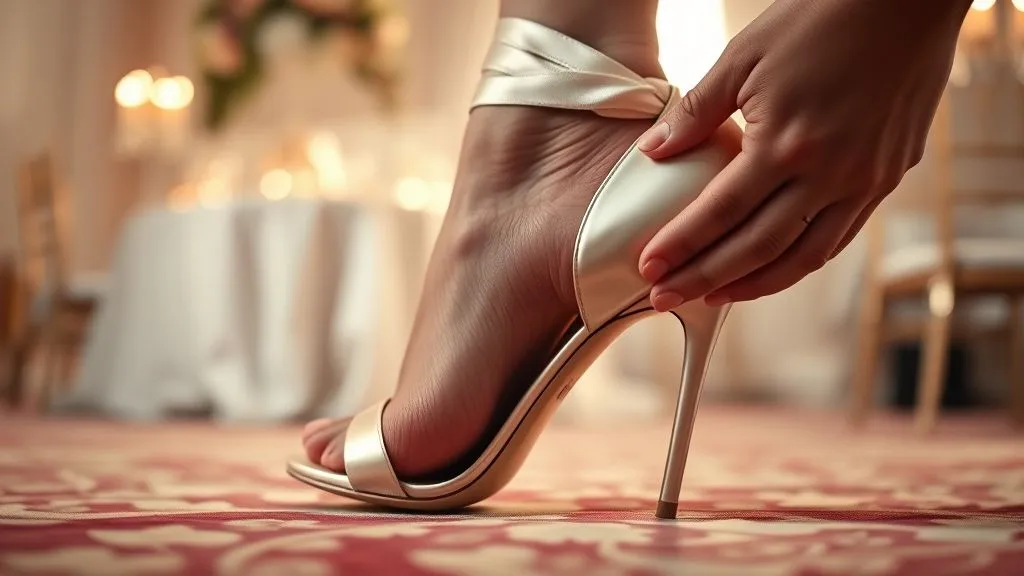
What to do when a bride's dream shoes cause severe foot pain?
As a bridal fashion specialist for over two decades, I’ve witnessed countless brides meticulously planning every detail of their wedding day. From the gown to the veil, every element is chosen to embody perfection. Yet, amidst this beautiful orchestration, one crucial component often becomes an unexpected source of distress: the dream wedding shoes.
It's a scenario I’ve seen play out far too often: the bride, radiant in her gown, suddenly finds her joy overshadowed by excruciating foot pain. Those exquisite heels, chosen for their beauty and elegance, transform from a symbol of glamour into instruments of torture. The vision of dancing the night away fades, replaced by a desperate search for relief, often leading to a painful walk or even an early exit from her own celebration.
This isn't just about physical discomfort; it's about the emotional toll it takes on a day meant for unadulterated joy. But fear not, future brides. In this definitive guide, I will share my accumulated wisdom, actionable strategies, and insider tips to not only prevent but also effectively manage severe foot pain caused by your dream wedding shoes. We’ll explore everything from proactive preparation to emergency on-the-day hacks, ensuring your walk down the aisle and your first dance are as comfortable as they are memorable.
Understanding the Anatomy of Bridal Shoe Discomfort
Before we delve into solutions, it’s crucial to understand why those stunning shoes often turn against us. Bridal shoes, particularly high heels, place unnatural stress on various parts of the foot. It's a combination of design, material, and the sheer duration of wear on a high-stakes day that can lead to significant discomfort.
Common Pain Points
- Ball of the Foot (Metatarsalgia): This is perhaps the most common complaint. High heels shift your body weight forward, concentrating immense pressure on the balls of your feet, specifically the metatarsal bones. This can lead to burning, numbness, and sharp pain, often exacerbated by thin soles or a lack of forefoot cushioning.
- Arches (Plantar Fasciitis): Lack of proper arch support, or conversely, an arch that doesn't match your foot's natural curve, can strain the plantar fascia – the thick band of tissue connecting your heel to your toes. This results in arch pain, especially after prolonged standing.
- Heels (Blisters and Rubbing): New, stiff materials, particularly around the heel counter, can rub relentlessly against the delicate skin of your heels. This often causes painful blisters, chafing, and general soreness, making every step a challenge.
- Toes (Bunions, Hammertoes, and Compression): Pointed toes or narrow toe boxes, common in elegant bridal designs, squeeze the toes together. This exacerbates pre-existing conditions like bunions or hammertoes and causes painful compression, leading to throbbing pain and even nerve irritation.
- Ankles and Calves: Prolonged wear of high heels shortens calf muscles and puts strain on ankle joints, leading to fatigue, soreness, and even instability. The higher the heel, the greater the biomechanical stress on these areas.
The Psychological Impact of Pain
Beyond the physical agony, the psychological impact of foot pain on your wedding day can be profound. I've witnessed brides become visibly distressed, unable to fully engage with their guests or enjoy precious moments like their first dance or mingling during the reception. The constant distraction of pain can steal joy, replacing genuine smiles with grimaces, and confident strides with tentative shuffles. It's a silent battle that no bride should have to fight on her special day. As Dr. Emily Splichal, a highly respected podiatrist and human movement specialist, often emphasizes, "Foot health is foundational to overall well-being and performance, especially on a day when you're literally on your feet for hours. Ignoring foot pain can detract significantly from your ability to be present and enjoy your most cherished moments."
The Proactive Approach: Breaking In Your Dream Shoes (The Right Way)
Prevention is always better than cure, especially when it comes to wedding day comfort. The biggest mistake I see brides make is waiting until the last minute to wear their shoes. Your dream shoes need to become an extension of your feet, not a foreign object. This requires a strategic and consistent breaking-in period.
Start Early: A Non-Negotiable Step
Ideally, you should start breaking in your wedding shoes at least 2-3 months before your wedding day. This gives your feet ample time to adapt and for the shoe materials to soften and mold to your unique foot shape. Don't underestimate this step; it's foundational for preventing severe foot pain. Waiting until the week before is simply asking for trouble.
The 'Sock & Blow Dryer' Method (Use with Caution!)
For genuine leather or suede shoes, a gentle heat treatment can work wonders by relaxing the material and allowing it to stretch. Here's how:
- Put on a thick pair of socks. Wool or athletic socks work best to create volume.
- Squeeze your feet into your wedding shoes. It should feel snug, but not painfully tight.
- Use a blow dryer on a medium heat setting, holding it about 6 inches away, and direct the heat at the tightest areas of the shoes (like the toe box or sides) for 20-30 seconds at a time. While heating, wiggle your toes and flex your feet to encourage stretching.
- Keep the shoes on until they cool completely. This allows the material to set in its new, stretched form.
Important Note: This method is best for genuine leather or suede. Be very careful with delicate fabrics like satin, lace, or embellished shoes, as heat can damage them or melt adhesives. Always test a small, inconspicuous area first, and avoid direct, prolonged heat on any embellishments.
Gradual Wear: Your Feet's Best Friend
This is the safest and most effective method for true comfort adaptation. Wear your shoes around the house for short periods initially – 15-30 minutes. Gradually increase the duration each day, adding 15-minute increments. Walk on different surfaces, practice walking, standing, and even dancing to mimic the varied movements you'll make on your wedding day. This builds endurance for both your feet and the shoes.
- Wear them with your wedding dress: During every dress fitting, wear your actual wedding shoes. This ensures the hemline is perfect and gets your feet accustomed to the full ensemble, including the weight and movement of the gown.
- Practice your walk: If you’re having a formal ceremony, practice walking down an aisle in your shoes. This builds muscle memory, improves your posture, and helps you feel more confident and stable.
- Consider stretching sprays: For leather shoes, specialized shoe stretching sprays can be applied to the interior, then worn with socks to help the material conform more quickly to your foot shape.
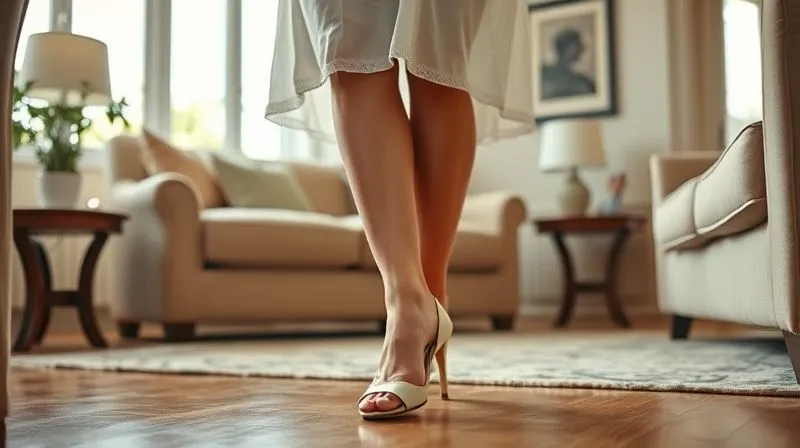
Remember, the goal isn't just to stretch the shoe, but for your foot to become accustomed to the shoe's structure and for the shoe to mold to your foot. As a study published in the Journal of Foot and Ankle Research highlighted, "Footwear comfort is significantly influenced by the interaction between foot morphology and shoe design, emphasizing the importance of a proper fit and adequate break-in period for optimal biomechanical compatibility."
Strategic Comfort Solutions: Inserts, Pads, and Gels
Even with the best breaking-in efforts, some shoes simply need a little extra help to prevent severe foot pain. This is where the world of shoe inserts, pads, and gels becomes your secret weapon. These tiny additions can make a monumental difference in comfort, often without altering the shoe's aesthetic or requiring a complete shoe change.
Cushioning for the Ball of the Foot
Silicone or gel metatarsal pads are invaluable for high heels. They redistribute pressure away from the ball of the foot, preventing that dreaded burning sensation and numbness. Look for slim, discreet options that adhere to the shoe and won't crowd your toes further. Some are designed specifically for high heels, with a tapered shape that fits perfectly into the forefoot area.
Arch Support for Stability
If your shoes lack adequate arch support, specialized arch inserts can provide crucial stability and prevent strain on your plantar fascia. These come in various sizes and rigidity, from soft gel to firmer foam, so choose one that matches your arch type – whether you have high arches, flat feet, or something in between. Proper arch support can also improve overall foot alignment, reducing fatigue.
Heel Grips and Blister Shields
For shoes that slip at the heel or cause rubbing, adhesive heel grips can secure your foot in place, reducing friction and preventing painful chafing. Blister prevention patches or tapes, applied directly to your skin in prone areas (like the back of the heel, sides of toes, or bunions), create a protective barrier. These are often made of hydrocolloid material, which not only prevents blisters but also aids in healing if one has already formed. I always recommend carrying a few extra in your emergency kit.
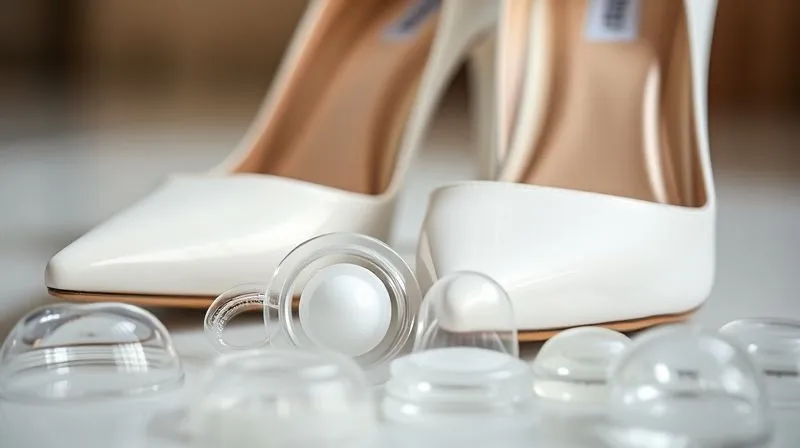
"Don't compromise on comfort for style. With today's innovative solutions, you can have both. It's about smart planning and choosing the right allies for your feet to ensure your wedding day is remembered for joy, not pain."
| Comfort Solution | Benefit | Best For | Material Type |
|---|---|---|---|
| Gel Metatarsal Pads | Redistributes pressure on ball of foot, prevents burning and numbness. | High heels, narrow toe boxes, prolonged standing. | Silicone/Gel |
| Arch Support Inserts | Provides stability, prevents plantar fascia strain, improves alignment. | Lack of natural arch support, high arches, flat feet. | Gel, Foam, Semi-Rigid Plastic |
| Heel Grips | Prevents heel slippage, reduces friction, secures foot in place. | Shoes slightly too big, preventing blisters on heels. | Silicone, Foam, Suede |
| Blister Prevention Tape/Patches | Creates protective barrier on skin, aids healing. | Any area prone to rubbing or blisters (heels, toes, bunions). | Hydrocolloid, Moleskin, Athletic Tape |
When selecting inserts, always consider the shoe's internal volume. You don't want to make an already snug shoe even tighter. Opt for thin, high-quality materials that provide maximum comfort with minimal bulk. It's often a process of trial and error to find the perfect combination for your specific shoes and foot shape.
Professional Intervention: When to Seek Expert Help
Sometimes, even the most diligent DIY solutions aren't enough, and that's perfectly normal. There are professionals whose specialized expertise can be a game-changer for your bridal shoe comfort. Don't hesitate to consult them; it's an investment in your wedding day joy and can save you from severe foot pain.
The Role of a Skilled Cobbler
A good cobbler is a magician when it comes to shoes. They can perform wonders that store-bought products can't, often making subtle adjustments that yield significant comfort improvements:
- Professional Stretching: Cobblers have specialized equipment, like shoe stretchers and form-fitting lasts, to stretch shoes more effectively and evenly than at-home methods. They can target specific areas like the toe box, instep, or width, often increasing comfort by up to half a size. They understand how different materials react to stretching.
- Adding Custom Padding: They can discreetly add custom padding to specific areas inside the shoe, such as under the ball of the foot or around the heel, using professional-grade materials that integrate seamlessly.
- Sole Adjustments: If the sole is too slippery, too hard, or lacks cushioning, they can add thin, non-slip rubber soles for better grip and comfort. They can also shave down or build up certain areas to balance the shoe.
- Strap Adjustments: If straps are digging in or too loose, a cobbler can often adjust them for a more comfortable and secure fit.
When I was working with a bride named Olivia, her exquisite silk heels were just a tad too tight across the forefoot, causing significant pressure. A local cobbler was able to gently stretch them over a few days, making them perfectly comfortable without any damage to the delicate fabric. It was a true testament to their craft, saving her from what could have been severe foot pain.
Consulting a Podiatrist
If you have pre-existing foot conditions (like bunions, hammertoes, severe arch issues, or chronic pain) or if you experience persistent pain even after trying various solutions, a podiatrist can offer invaluable medical advice. Their expertise goes beyond shoe adjustments to address the underlying biomechanics of your foot:
- Assess your foot structure: They can perform a comprehensive biomechanical assessment to identify underlying issues contributing to your discomfort.
- Recommend custom orthotics: If necessary, custom-made orthotics can provide unparalleled support and cushioning, precisely molded to your foot. While they require shoes with enough internal volume, they offer the highest level of personalized comfort and support.
- Suggest pain management: Offer advice on anti-inflammatory measures, corticosteroid injections, or other medical treatments for severe discomfort or specific conditions.
- Footwear guidance: They can provide expert recommendations on shoe styles and features that are best suited for your unique foot health needs.
Remember, a podiatrist's goal is to ensure your long-term foot health, not just wedding day comfort. Their advice can be crucial for preventing chronic issues and ensuring your feet remain healthy beyond the big day. The American Podiatric Medical Association offers excellent resources on finding a qualified podiatrist and understanding common foot conditions.
Emergency On-the-Day Hacks for Instant Relief
Despite all the planning, unforeseen discomfort or even severe foot pain can still strike. This is where your emergency kit and quick thinking come into play. Being prepared for anything will allow you to quickly address issues and get back to enjoying your celebration without missing a beat.
The 'Emergency Kit' Essentials
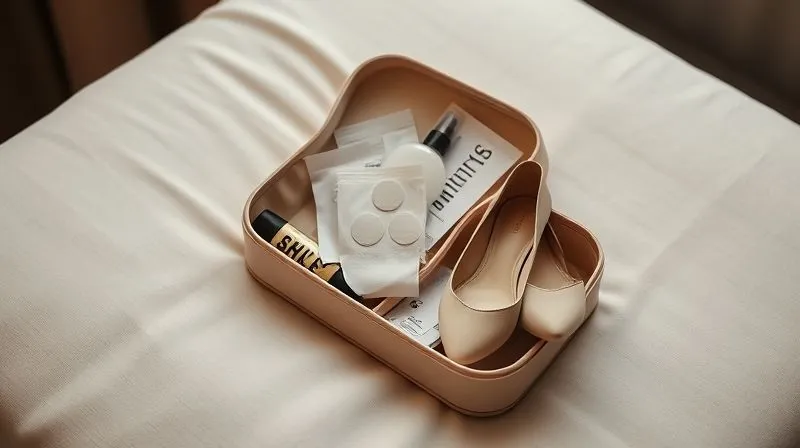
Every bride, bridesmaid, or trusted helper should have a compact, easily accessible emergency kit. Here's what I always recommend for foot-related emergencies:
- Blister Bandages/Compeed: These are non-negotiable. They are designed to cushion, protect, and promote healing of blisters, providing instant relief from friction and pain.
- Moleskin or Athletic Tape: For preventing rubbing in specific spots before blisters even form. Cut small pieces to cover any hot spots.
- Pain Relievers: Over-the-counter options like ibuprofen or acetaminophen can help manage general aches and inflammation quickly.
- Cooling Foot Spray/Gel: A quick spritz or application can offer instant, temporary relief from heat, soreness, and fatigue. Look for options with menthol or peppermint.
- Roll-on Anti-Chafe Stick: Can be applied to skin areas prone to rubbing (like between toes or along the sides of your feet) to reduce friction and prevent irritation.
- Small Pair of Scissors: For precisely cutting tape or moleskin to size.
- Backup Shoes: Absolutely critical. More on this below, but have them easily accessible.
- Small Towel & Wipes: For quick clean-ups or to pat dry feet after a cooling spray.
Strategizing Your Shoe Changes
Don't feel obligated to wear your dream heels for the entire day. Plan strategic shoe changes to maximize comfort and minimize severe foot pain:
- Ceremony & Photos: Wear your gorgeous heels for the most visible parts of the day – the walk down the aisle, the vows, and formal portraits.
- Reception & Dancing: Switch to a comfortable, stylish alternative for the reception. This could be elegant flats, block heels, or even embellished sneakers. Have them hidden and ready for a quick swap.
- During Dinner: If your dress covers your feet while seated, slip off your shoes for a few minutes of glorious relief under the table. No one will ever know!
- Consider a 'shoe basket': For larger weddings, some brides even provide a basket of comfortable, inexpensive flats for guests, encouraging everyone to dance the night away.
Case Study: Sarah's Seamless Shoe Swap
Sarah, one of my recent brides, had fallen head over heels for a pair of stunning, crystal-embellished stilettos. Despite weeks of breaking them in, she knew deep down they wouldn't last her through an entire evening of dancing without causing severe foot pain. Her solution? We planned a seamless shoe swap. For the ceremony and formal portraits, she wore her dream heels, looking absolutely radiant. As guests moved into the reception hall for dinner, Sarah slipped away for a quick refresh. Her maid of honor had a pair of custom-dyed satin block heels waiting – a perfect match for her dress, but offering significantly more stability and comfort. No one even noticed the change until she hit the dance floor with boundless energy, twirling and celebrating without a single wince of pain. This strategic planning allowed her to enjoy every moment, proving that comfort doesn't have to sacrifice style.
Brides.com offers a comprehensive checklist for wedding day essentials, including foot-related items, that every bride should review.
Beyond the Heel: Considering Alternative & Backup Footwear
Let's be honest: not every foot is made for a 4-inch stiletto, especially for 10+ hours. Embracing alternative footwear doesn't mean sacrificing style; it means prioritizing your comfort and enjoyment. This is where innovation in bridal fashion truly shines, offering beautiful solutions to prevent severe foot pain.
Elegant Flats and Block Heels
The market for stylish, comfortable bridal shoes has exploded, moving far beyond basic pumps. Designers now offer exquisite options that provide support without compromising on aesthetics:
- Ballet Flats: Embellished with pearls, crystals, or lace, a beautiful ballet flat can be just as elegant as a heel, especially for a vintage, bohemian, or outdoor wedding. They offer full freedom of movement.
- Block Heels: Offering more surface area for stability, block heels reduce pressure on the ball of the foot and are far easier to walk and dance in, especially on uneven surfaces like grass or cobblestones. They come in various heights and designs, from chunky to sleek.
- Wedge Heels: Similar to block heels, wedges provide a solid base of support and distribute weight more evenly across the entire foot, making them incredibly comfortable for prolonged wear. They can be a great option for adding height without the strain of a stiletto.
- Low Heels/Kitten Heels: A modest heel height (1-2 inches) can still offer an elegant lift without the extreme pressure on the forefoot.
- Stylish Sneakers: For the truly modern and comfort-focused bride, custom-decorated sneakers (think Converse or Keds embellished with glitter, pearls, or embroidery) can be a fun, personal, and supremely practical choice for the reception, allowing you to dance all night.
I often advise brides to choose their backup shoes with as much care as their primary pair. They should complement your dress and overall wedding aesthetic, ensuring a cohesive look even when you make the switch. Think of them as part of your overall bridal ensemble, not just an afterthought.
Custom-Made Comfort
For brides with very specific foot needs, unique foot sizes (e.g., very wide or very narrow), or those who simply desire unparalleled comfort and a truly bespoke experience, custom-made shoes are an option. While a significant investment, they are crafted precisely to your foot's measurements and preferences, guaranteeing a perfect fit and addressing any potential pressure points. This can be particularly beneficial for brides with medical considerations or those who struggle to find off-the-rack shoes that fit comfortably.
"Your wedding day is a marathon, not a sprint. Dress your feet for endurance, not just for the starting line. Prioritizing comfort ensures you can truly savor every single step and dance."
Vogue often features articles on comfortable yet chic wedding shoe options, showcasing how high fashion increasingly integrates practicality and comfort into bridalwear.
Mindset Matters: Managing Stress and Expectations
Beyond the physical remedies, your mental approach to wedding day comfort plays a significant role in preventing and managing severe foot pain. The pressure to be "perfect" can often overshadow the importance of simply enjoying the moment. I've guided many brides through this, emphasizing a crucial shift in perspective.
Prioritizing Your Comfort Over Perceived Perfection
It’s easy to get caught up in the idealized image of the perfect bride, gliding effortlessly in sky-high heels from morning until midnight. But real life isn't a photoshoot. Your guests and, most importantly, your partner, want to see you happy, engaged, and comfortable, not wincing in pain. Give yourself explicit permission to prioritize your well-being. If that means switching to flats for the reception, embrace it with confidence. Your comfort contributes far more to your radiance than any specific heel height.
- Communicate with your partner and bridal party: Let them know your plan for shoe changes or if you anticipate needing a moment to rest your feet. Their support will be invaluable, and they can help facilitate a quick swap or grab your emergency kit.
- Focus on the experience: Remind yourself that the joy of marrying your partner, celebrating with loved ones, and creating lasting memories far outweighs any perceived imperfection of changing shoes. The emotion of the day is what truly matters, not the height of your heel.
- Practice mindfulness: If you feel pain emerging, take a deep breath. Acknowledge the sensation, then gently redirect your focus to the beautiful moments unfolding around you. Sometimes, a mental shift can lessen the perceived intensity of discomfort.
The Power of Presence
When you're constantly distracted by pain, you're not fully present. You miss out on the laughter, the heartfelt conversations, the emotional nuances of your day, and the joy of seeing all your loved ones gathered. By proactively managing potential discomfort, you free yourself to truly immerse in the moment, making your wedding day even more magical and memorable. A relaxed bride is a beautiful bride, inside and out, radiating genuine happiness that no amount of pain can diminish. Your ability to be fully present is the greatest gift you can give yourself and your partner on this special day.
Post-Wedding Foot Care: Recovery and Relaxation
Even with the best preparations and on-the-day hacks, your feet will likely be tired after hours of standing, walking, and dancing. Don't neglect them once the festivities are over! Proper post-wedding foot care is essential for recovery and can prevent lingering discomfort or severe foot pain from turning into a more chronic issue.
Soothing Foot Baths and Massages
Treat your feet to some well-deserved pampering in the days following your wedding:
- Epsom Salt Soak: A warm foot bath with Epsom salts can work wonders. The magnesium sulfate in Epsom salts helps reduce swelling, soothe tired muscles, and draw out toxins. Add a few drops of lavender essential oil for extra relaxation and aromatherapy benefits. Aim for 15-20 minutes.
- Gentle Massage: Use a rich, hydrating foot cream or a soothing massage oil (like arnica oil) to gently massage your feet. Pay particular attention to the arches, balls of your feet, and heels, using circular motions. You can also use a tennis ball or a specialized foot roller to work out tension in the plantar fascia and metatarsals.
- Cold Therapy: For acute pain or swelling, apply ice packs wrapped in a thin towel for 15-20 minutes at a time. This can help reduce inflammation.
Elevate and Rest
One of the simplest yet most effective ways to aid recovery is elevation. Lying down with your feet propped up above your heart helps reduce swelling and encourages healthy circulation, which is crucial for muscle repair. Use pillows to elevate your feet comfortably while you rest. Rest is equally crucial; give your feet a break from restrictive footwear for a day or two post-wedding. Opt for soft, supportive slippers or comfortable sneakers.
| Post-Wedding Foot Care Step | Purpose | Duration | Key Ingredient |
|---|---|---|---|
| Epsom Salt Foot Soak | Reduces swelling, soothes tired muscles, aids detoxification. | 15-20 minutes daily. | Magnesium Sulfate |
| Foot Massage | Relieves tension, improves circulation, promotes relaxation. | Manual massage with cream/oil or using a foot roller/tennis ball. | Arches, ball of foot, heel |
| Cold Therapy/Ice Packs | Reduces inflammation and acute pain. | 15-20 minutes, several times a day. | Wrapped in a thin towel |
| Elevation and Rest | Reduces swelling, aids circulation, allows muscle recovery. | As needed, especially in the first 48 hours. | Feet above heart level |
Think of it as a final, well-deserved act of self-care after a monumental day. Your feet carried you through one of the most important moments of your life; they deserve a little gratitude and TLC. This mindful recovery will ensure you start your married life feeling refreshed and ready for your next adventure.
Healthline provides further insights into general foot pain relief strategies that can be beneficial post-wedding.
Frequently Asked Questions (FAQ)
Q: Is it really necessary to break in wedding shoes, even if they feel comfortable initially? A: Absolutely, it's non-negotiable. Even if shoes feel comfortable for a few minutes in a store, prolonged wear under wedding day conditions (standing for hours, dancing, walking on various surfaces, and potential swelling) can reveal hidden discomfort and pressure points. Breaking them in allows the materials to soften and mold to your foot's unique shape, preventing unexpected pain, blisters, and hotspots. It's the single most effective way to ensure long-term comfort on your big day.
Q: My feet tend to swell throughout the day. How should I account for this when choosing and breaking in shoes? A: This is a very common issue for brides. When trying on and buying shoes, always do so in the late afternoon or evening when your feet are naturally a bit larger due to daily activity. During the breaking-in period, wear them for longer durations, ideally in the evening, to simulate wedding day swelling. Consider shoes with adjustable straps, a slightly wider toe box, or forgiving materials like soft leather. Having a backup pair that is a half-size larger or a wider fit can also be a lifesaver if swelling becomes extreme. Compression socks worn before the wedding day (not on the day itself) can also help manage chronic swelling.
Q: What's the best way to prevent blisters on wedding day? A: Prevention is paramount! Start by breaking in your shoes thoroughly and consistently. Use moleskin or specialized blister prevention tape (like Compeed or sports tape) on any areas prone to rubbing *before* the irritation starts – don't wait for a hot spot to appear. Apply an anti-chafing balm to susceptible spots. Ensure your shoes fit well – not too tight, not too loose. And always, always have high-quality blister plasters (hydrocolloid bandages are excellent) in your emergency kit for any unexpected issues.
Q: Should I choose a different shoe style entirely if my dream shoes are causing severe pain during the break-in period? A: This is a tough but important question that many brides face. If, after significant and consistent effort, professional stretching by a cobbler, and trying various inserts, your dream shoes consistently cause severe pain, it's a strong indicator they might not be the right choice for your wedding day. While emotionally challenging, prioritizing your comfort and ability to enjoy your day is paramount. Consider a beautiful, comfortable alternative – perhaps a lower heel, a block heel, or an elegant flat – for the main event, and keep your "dream" (painful) shoes for photos only, or a very short appearance. Your memories should be of joy, laughter, and dancing, not agony.
Q: Are there any specific materials or brands that are generally more comfortable for bridal shoes? A: Yes, material makes a huge difference in comfort. Genuine leather or high-quality suede tends to be more breathable, flexible, and molds to your foot better than synthetic materials. Look for shoes with padded insoles, a slightly wider, rounded toe box (even if the shoe appears pointed externally), and a stable heel (block or wedge can offer significantly more stability and comfort than a stiletto). Brands known for comfort often incorporate features like gel cushioning, flexible soles, and ergonomic designs. Reading reviews that specifically mention comfort and durability is also a great strategy when researching bridal footwear.
Key Takeaways and Final Thoughts
- Proactive Preparation is Paramount: Start breaking in your shoes months in advance, not days, to allow materials to soften and mold to your feet.
- Embrace Comfort Aids: Don't underestimate the transformative power of insoles, pads, and heel grips – they are your secret weapons against severe foot pain.
- Consult Professionals: A skilled cobbler can expertly stretch and modify shoes, and a podiatrist can provide invaluable medical insights and custom solutions for foot health.
- Always Have a Backup Plan: An emergency kit stocked with blister aids and comfortable alternative shoes are non-negotiable for on-the-day peace of mind.
- Prioritize Your Experience: Your joy, comfort, and ability to be fully present on your wedding day are far more important than any specific shoe style or heel height.
Your wedding day is a once-in-a-lifetime event, a tapestry woven with love, laughter, and unforgettable moments. Don't let severe foot pain unravel a single thread of that joy. By applying the expert strategies I've shared, from meticulous preparation to smart emergency hacks, you can confidently walk down the aisle, dance the night away, and savor every precious second, knowing your feet are supported, comfortable, and ready for whatever the celebration brings. Remember, a comfortable bride is a radiant bride. Step into your future with confidence, grace, and most importantly, pain-free feet, ready to embrace every beautiful moment.
Recommended Reading
- 7 Pro Fixes: What's Stopping Your Fashion Photography from Being Magazine-Ready?
- Master Injury Prevention: 7 Steps to Optimize Athletic Footwear Biomechanics
- Conquering Vegan Footwear Material Sourcing: 7 Expert Strategies
- 5 Ways to Elevate Classic Menswear for Senior Leadership Success
- 7 Proven Strategies: Stop Bot Scalpers Ruining Limited Streetwear Drops


Your email address will not be published. Required fields are marked *