

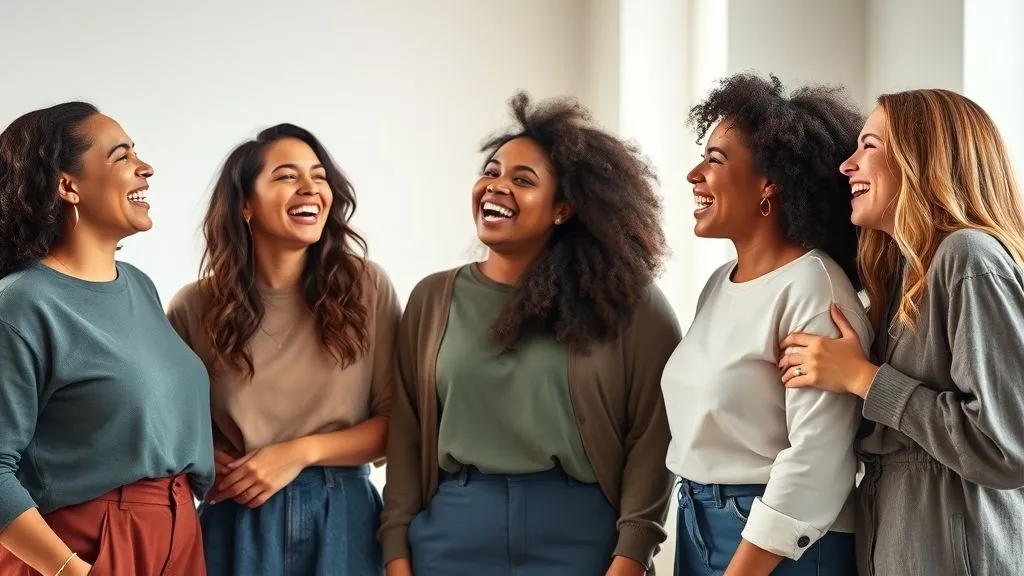
How to Ensure Body-Positive Womenswear Marketing Avoids Tokenism?
For over 15 years in the womenswear industry, I've witnessed firsthand the evolution of marketing—from aspirational ideals to the burgeoning demand for authenticity. What started as a whisper for more diverse representation has grown into a powerful chorus, yet many brands still stumble, often inadvertently, into the trap of tokenism.
The pain point is palpable: consumers are savvier than ever. They can spot a superficial attempt at inclusivity from a mile away, perceiving it as disingenuous and, frankly, insulting. This leads to a loss of trust, a damaged brand reputation, and ultimately, a missed opportunity to connect with a vast, underserved market.
In this definitive guide, I'll share actionable frameworks, expert insights, and real-world strategies to help your brand navigate the complex landscape of body-positive marketing. You'll learn not just to avoid tokenism, but to cultivate genuine inclusivity that resonates deeply with your audience and builds lasting brand loyalty.
The Subtle Traps: Understanding Tokenism in Fashion
Tokenism isn't always overt; often, it's a subtle misstep born from good intentions but poor execution. It's the inclusion of one or two diverse models in a campaign that otherwise adheres to conventional beauty standards, or a single 'plus-size' garment in a collection that offers limited sizing elsewhere.
From my perspective, the core issue lies in treating diversity as a checkbox rather than a foundational principle. Brands might feature a wider range of body types, but if the messaging still subtly promotes an 'ideal' or if the garments themselves aren't thoughtfully designed for different bodies, it falls flat.
"Tokenism in marketing is the illusion of diversity without the substance of inclusivity. It's a quick fix that undermines long-term trust and authenticity." - Industry Specialist Insight
True body-positive marketing requires a holistic approach, where diversity is woven into every fabric of your brand's operations, from design to communication. It’s about creating a world where every body feels seen, valued, and genuinely catered to, not just superficially acknowledged.
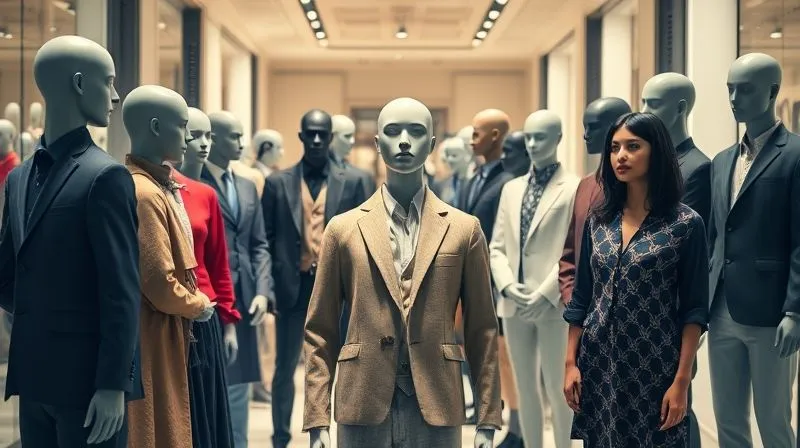
Pillar 1: Beyond Visuals – Authentic Representation from Concept to Campaign
Authenticity begins long before the camera starts rolling. It’s about who is making decisions, who is designing, and whose voices are being heard within your organization. A truly body-positive brand integrates diverse perspectives from the very outset.
Building a Diverse Creative Team
Your team is your brand's heartbeat. If your creative and marketing teams lack diversity, your campaigns will inevitably reflect that narrow perspective. This isn't just about optics; it's about genuine understanding.
- Audit Your Team: Conduct an honest assessment of your current creative, marketing, and design teams. Identify gaps in representation across body types, ethnicities, ages, and abilities.
- Prioritize Inclusive Hiring: Actively seek out and recruit individuals from diverse backgrounds who bring varied lived experiences to the table. This enriches your understanding of the target audience.
- Foster an Inclusive Culture: Ensure your workplace culture encourages open dialogue, respectful challenge, and genuine collaboration among all team members, valuing every perspective.
Case Study: Elevating 'Diverse Threads' Brand Message
Consider 'Diverse Threads,' a mid-sized womenswear brand that initially struggled with its body-positive messaging. Their campaigns featured diverse models, but internal feedback showed a disconnect. After restructuring their creative department to include designers and marketers from a wider range of body types and cultural backgrounds, their subsequent campaigns felt genuinely resonant. They moved from simply showcasing different bodies to telling stories that celebrated the unique experiences of those bodies, leading to a 40% increase in positive social media sentiment and a significant boost in sales among their target demographic.
Pillar 2: Data-Driven Inclusivity – Listening to Your Community
True inclusivity isn't just about what you *think* your audience wants; it's about what they *tell* you they need. Leveraging data—ethically and empathetically—is crucial for understanding your community's desires and concerns.
Leveraging Customer Feedback Ethically
Your customers are your most valuable resource for insights into genuine body positivity. Create accessible channels for them to share their experiences and preferences.
- Direct Surveys & Polls: Regularly conduct surveys asking specific questions about fit, sizing, representation, and brand values. Use inclusive language in your questionnaires.
- Social Listening: Monitor conversations on social media platforms, forums, and review sites. Pay attention to both positive and negative feedback regarding body representation and inclusivity.
- Focus Groups: Organize diverse focus groups to delve deeper into qualitative insights, understanding the nuances of how different body types interact with fashion and marketing.
- Customer Service Insights: Empower your customer service team to log and categorize feedback related to sizing, fit, and representation. This raw data is incredibly valuable.
According to a recent study by Accenture, 83% of consumers prefer to buy from brands that align with their values. This underscores the importance of not just listening, but actively integrating customer feedback into your brand's core strategy.
| Feedback Channel | Impact on Inclusivity | Frequency |
|---|---|---|
| Online Surveys | Identifies broad preferences & pain points | Quarterly |
| Social Media Monitoring | Captures real-time sentiment & emerging trends | Daily |
| Customer Service Logs | Highlights specific product/fit issues | Ongoing |
| Focus Groups | Provides deep qualitative insights & narratives | Bi-annually |
Pillar 3: The Product is the Promise – Designing for All Bodies
Marketing can promise inclusivity, but the product must deliver. If your garments don't genuinely fit, flatter, and empower a diverse range of body types, your marketing efforts will be seen as hollow. This is where the rubber meets the road for how to ensure body-positive womenswear marketing avoids tokenism.
Innovating Fit and Sizing Standards
Traditional sizing charts often fail to account for the incredible diversity of human bodies. Moving beyond a simplistic 'S, M, L' approach is critical.
- Invest in Diverse Fit Models: Work with fit models who represent a broad spectrum of body types, not just scaled versions of a single 'ideal' size. This is non-negotiable for accurate garment development.
- Rethink Grading & Proportions: Understand that larger sizes aren't just 'bigger' versions of smaller sizes; proportions change. Invest in pattern makers who specialize in diverse body geometries.
- Offer Expanded Sizing: Commit to offering a truly inclusive size range (e.g., XXS to 5X or beyond) across your entire product line, not just a select few 'plus-size' items.
- Focus on Fabric & Construction: Choose fabrics with appropriate stretch, drape, and recovery, and employ construction techniques that provide comfort and support for various body shapes.
As a veteran in this space, I've seen brands transform their customer loyalty simply by prioritizing genuine fit for all. It's a significant investment, but one that pays dividends in customer satisfaction and brand reputation.

Pillar 4: Storytelling with Substance – Narrative Over Aesthetics
Authentic body-positive marketing transcends pretty pictures. It's about telling compelling stories that celebrate individuality, resilience, and the joy of self-expression through fashion. This moves beyond simply showing diverse bodies to truly valuing their stories.
Crafting Authentic Brand Narratives
Your brand's narrative should reflect the richness and diversity of the human experience. Move away from generic aspirational messaging.
- Feature Real People, Real Stories: Partner with customers, influencers, and advocates who genuinely embody your brand's values and have authentic stories to share about their relationship with their bodies and your clothing.
- Highlight the 'Why': Explain the intention behind your inclusive designs and marketing. Why is body positivity important to your brand? What problem are you solving for your customers?
- Avoid 'Inspirational Porn': Be wary of campaigns that portray diverse bodies as 'brave' or 'inspirational' simply for existing. True body positivity normalizes and celebrates all bodies without needing to valorize them.
- Use Inclusive Language: Ensure all your marketing copy, website content, and social media posts use respectful, affirming, and non-judgmental language.
"People don't buy what you do; they buy why you do it. And if your 'why' isn't deeply rooted in genuine inclusivity, your 'what' will always feel inauthentic." - Adapted from Seth Godin's philosophy on marketing.
Pillar 5: Partnership Power – Collaborating for Credibility
No brand exists in a vacuum. Strategic partnerships can significantly amplify your body-positive message and lend immense credibility to your efforts, especially when learning how to ensure body-positive womenswear marketing avoids tokenism.
Strategic Alliances with Advocates and Organizations
Aligning with established voices and organizations in the body positivity movement demonstrates a deeper commitment beyond just marketing.
- Collaborate with Body Positivity Advocates: Partner with influencers and activists who have built genuine trust within the body-positive community. Ensure these partnerships are long-term and mutually beneficial, not one-off campaigns.
- Support Non-Profits & Charities: Donate a portion of sales, participate in joint campaigns, or offer resources to organizations dedicated to promoting positive body image and mental health.
- Engage with Academic Researchers: Stay informed about the latest research on body image, consumer psychology, and inclusive design. This demonstrates a commitment to evidence-based practices.
- Co-create Content: Work with partners to develop educational content, workshops, or events that empower consumers and challenge harmful beauty standards.
For example, a partnership with organizations like NEDA (National Eating Disorders Association) or The Body Positive can provide invaluable guidance and lend significant authenticity to your brand's commitment, ensuring your message is well-informed and impactful.
Pillar 6: Consistent Commitment – It’s Not a Campaign, It’s a Culture
Body positivity cannot be a seasonal marketing theme; it must be an intrinsic part of your brand's DNA. A one-off campaign, no matter how well-intentioned, will inevitably be perceived as tokenism if not backed by consistent, long-term commitment.
Internalizing Body Positivity Across All Departments
This commitment must permeate every level of your organization, from the CEO down to the retail associates.
- Leadership Buy-in: Ensure senior leadership champions body positivity as a core brand value and allocates the necessary resources for its implementation.
- Employee Training: Educate all staff—especially customer-facing teams—on inclusive language, diverse body types, and the brand's commitment to body positivity. Provide resources for handling sensitive customer interactions.
- Internal Communications: Regularly share updates, successes, and challenges related to your inclusivity efforts internally. Celebrate diverse voices within your own team.
- Product Development Pipeline: Integrate body-positive considerations into every stage of product development, from initial sketches to final production quality control.
In my experience, brands that truly embody this cultural shift see not only improved external perception but also a more engaged, diverse, and loyal internal team. It creates a positive feedback loop that strengthens the brand from within.

Pillar 7: Measuring Impact Beyond Sales – True Engagement Metrics
While sales are important, relying solely on them to gauge the success of body-positive marketing misses the point. Authentic inclusivity generates different, equally valuable metrics that demonstrate genuine connection and trust. This is critical for how to ensure body-positive womenswear marketing avoids tokenism in the long run.
Defining and Tracking Authentic Success Indicators
Shift your focus to metrics that reflect engagement, sentiment, and community building.
- Sentiment Analysis: Track the emotional tone of social media mentions, reviews, and comments related to your brand's inclusivity efforts. Look for genuine appreciation versus superficial acknowledgement.
- Brand Trust & Reputation Scores: Utilize brand tracking studies to measure consumer perceptions of your brand's trustworthiness, authenticity, and commitment to values.
- Engagement Rate with Inclusive Content: Analyze likes, shares, comments, and saves on content specifically featuring diverse body types and body-positive messaging. High engagement indicates resonance.
- Customer Loyalty & Retention: While not direct, a significant increase in repeat purchases and customer lifetime value among diverse demographics can indicate successful, authentic inclusivity.
- Media Mentions & Features: Monitor mentions in reputable media outlets, especially those focusing on ethical fashion, diversity, and social impact.
As Deloitte insights often highlight, brands that authentically embrace diversity and inclusion often outperform their peers in innovation and market share. Measuring these broader impacts provides a clearer picture of your long-term success.
| Metric Category | Specific KPI | Tracking Method |
|---|---|---|
| Brand Perception | Sentiment Score (Social Media) | AI-driven sentiment analysis tools |
| Community Engagement | Engagement Rate (Inclusive Content) | Social media analytics, website analytics |
| Customer Loyalty | Repeat Purchase Rate (Diverse Segments) | CRM data, purchase history |
| Brand Authority | Media Mentions (Inclusivity Focus) | PR monitoring tools |
Frequently Asked Questions (FAQ)
Q: How quickly can a brand transition from tokenism to genuine body positivity? A: It's a journey, not a sprint. While initial marketing shifts can be implemented relatively quickly (3-6 months), true cultural change and product innovation can take 1-2 years or more. It requires consistent effort and a genuine commitment to evolving. Brands that rush it often fall back into tokenism.
Q: What's the biggest mistake brands make when trying to be body-positive? A: The most common mistake is focusing solely on visual representation without addressing product design, internal culture, or authentic storytelling. They show diverse bodies but don't cater to them, leading to a perception of superficiality. It's like inviting someone to a party but not having enough seats for them.
Q: How can smaller brands with limited budgets approach body-positive marketing authentically? A: Smaller brands actually have an advantage in authenticity. Focus on genuine storytelling with your existing customers, collaborate with micro-influencers who truly align with your values, and prioritize inclusive sizing and fit within your niche. Your passion and direct connection can outweigh large ad spend.
Q: Is it enough to just offer extended sizing? A: While extended sizing is a crucial step, it's not enough on its own. The fit, design, and style for those extended sizes must be equally thoughtful and appealing. Furthermore, your marketing must consistently and authentically feature models who wear those sizes, ensuring they are seen as valued customers, not an afterthought.
Q: How do we handle negative feedback or accusations of tokenism if we're genuinely trying? A: Transparency and humility are key. Acknowledge the feedback, express your commitment to improvement, and communicate the concrete steps you are taking. Don't get defensive; instead, view it as an opportunity to learn and demonstrate your dedication to doing better. Open dialogue builds trust.
Key Takeaways and Final Thoughts
Navigating the landscape of body-positive womenswear marketing requires more than just good intentions; it demands a fundamental shift in perspective and practice. To truly ensure body-positive womenswear marketing avoids tokenism, brands must commit to a holistic, deeply authentic approach.
- Embed Diversity Internally: Start with your team, ensuring diverse voices shape your strategy.
- Listen Actively: Use data and feedback to truly understand your community's needs.
- Design for All: Your product must genuinely serve a wide range of body types.
- Tell Real Stories: Move beyond aesthetics to create narratives that resonate.
- Collaborate Credibly: Partner with established advocates and organizations.
- Maintain Consistency: Body positivity is a continuous cultural commitment, not a fleeting campaign.
- Measure True Impact: Look beyond sales to gauge genuine trust and engagement.
The path to authentic body-positive marketing is challenging but immensely rewarding. By embracing these pillars, your brand won't just avoid the pitfalls of tokenism; it will build a powerful, loyal community, foster genuine connection, and contribute meaningfully to a more inclusive fashion future. The industry, and your customers, are waiting for you to lead the way.
Recommended Reading
- Unlock Hidden Gems: Your Guide to Scouting Unique Fashion Photography Locations
- Unlock Fair Pay: 7 Steps to Calculate & Implement Apparel Living Wages
- Unearthing Obscure Costume Details: A Filmmaker's 7-Step Research Guide
- Broadway Costume Design: The Ultimate Guide to Stage Magic!
- Bride's Skin Reacts? 7 Urgent Steps After Bad Trial Makeup


Your email address will not be published. Required fields are marked *