

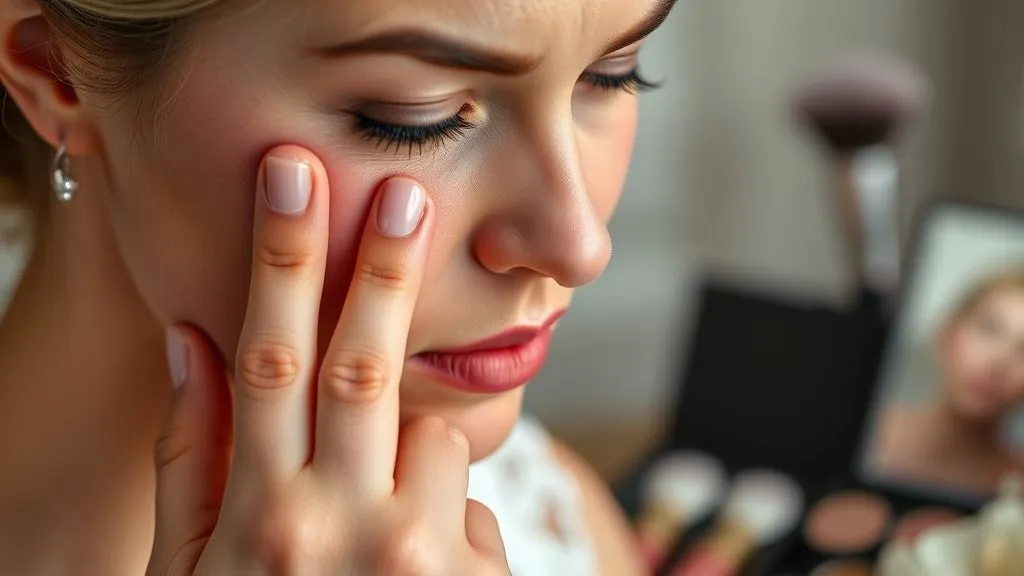
What to do when a bride's skin reacts badly to trial makeup?
After nearly two decades immersed in the world of bridal beauty, I've witnessed firsthand the sheer joy, anticipation, and sometimes, the unexpected hurdles that can arise on the journey to 'I do.' One of the most distressing, yet surprisingly common, issues I've encountered is a bride's skin reacting badly to trial makeup. It’s a moment that can send a ripple of panic through even the calmest of brides.
That sudden redness, itching, or breakout isn't just a cosmetic concern; it's a huge source of anxiety. It can throw a wrench into meticulously planned beauty timelines and leave a bride feeling vulnerable, questioning everything from her chosen artist to her own skin's reliability just weeks or even days before her big day. The panic is real, and it's completely understandable.
But here's the crucial insight I want to share: a bad reaction during a trial isn't a disaster, it's a warning – and an opportunity. In this definitive guide, I'll walk you through an expert-backed protocol, offering actionable steps, preventative measures, and crucial conversations to ensure that even if your skin throws a curveball, your wedding day glow remains absolutely radiant. We'll explore exactly what to do when a bride's skin reacts badly to trial makeup, transforming potential setbacks into confident solutions.
Immediate Action: Calming the Skin & Assessing the Reaction
The moment you notice a reaction, your first priority is to calm your skin and prevent further irritation. This initial response is critical for minimizing discomfort and setting the stage for recovery.
Step 1: Gentle Removal and Soothing
Do not scrub or rub your skin vigorously. Instead, approach the removal process with extreme care.
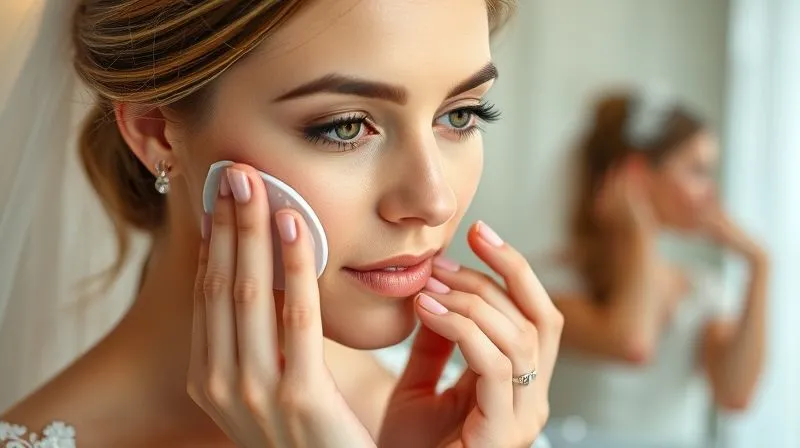
- Gently Remove Makeup: Use a very mild, fragrance-free cleanser or micellar water on a soft cotton pad. Avoid wipes that might contain alcohol or harsh chemicals.
- Cleanse with Lukewarm Water: Follow up with a gentle, hydrating cleanser and lukewarm (not hot) water. Pat your skin dry with a clean, soft towel.
- Apply a Cool Compress: If there's redness or heat, a cool, damp compress (using distilled or filtered water) can help reduce inflammation and discomfort.
- Soothe and Protect: Apply a thin layer of a dermatologist-recommended, fragrance-free moisturizer or a soothing balm designed for sensitive skin. Look for ingredients like ceramides, hyaluronic acid, or colloidal oatmeal.
Understanding the Type of Reaction
Identifying the nature of the reaction can help you and your makeup artist determine the best course of action. While you're not a dermatologist, observing the symptoms provides valuable clues.
- Irritant Contact Dermatitis: This is the most common type, occurring when a substance directly damages the skin. Symptoms often include redness, stinging, burning, itching, and sometimes minor peeling. It usually appears quickly after exposure.
- Allergic Contact Dermatitis: This is an immune response to a specific allergen. It might not appear immediately; sometimes it takes 24-48 hours to develop. Symptoms can be more severe, including intense itching, redness, swelling, blistering, and oozing.
- Breakouts (Acneiform Eruptions): If you see small bumps, pustules, or cysts, it could be a reaction to comedogenic ingredients that clog pores, or an inflammatory response.
"In my extensive experience, many brides confuse simple irritation with a full-blown allergy. While both need attention, understanding the distinction guides our subsequent choices, particularly when it comes to product substitution and professional medical advice. Always treat any reaction with caution and gentleness initially."
Communicating Effectively with Your Makeup Artist
Once your skin is calmer, the next critical step is open and honest communication with your bridal makeup artist. They are your partner in this, and their expertise is invaluable.
Honest and Detailed Feedback
Don't hold back any details, no matter how small they seem. The more information your artist has, the better equipped they'll be to troubleshoot.
- Product List: Request a comprehensive list of every product used during the trial, including primers, foundations, concealers, powders, setting sprays, and even brushes or sponges.
- Reaction Location: Clearly describe exactly where the reaction occurred on your face or neck. Was it localized to one area or widespread?
- Symptoms and Timeline: Explain the symptoms (itching, burning, redness, bumps) and when they started and how they progressed. Photos can be incredibly helpful here.
- Your Usual Routine: Share your regular skincare routine and any known sensitivities you already have. This provides context.
Collaborating on a New Plan
A good bridal makeup artist will be proactive and empathetic. They will want to find a solution that works for you.
- Discuss Alternatives: Work together to identify potential culprits from the product list and explore alternative products. Many artists carry a range of options specifically for sensitive skin.
- Patch Testing Protocol: Agree on a strict patch-testing protocol for any new products. This means applying a tiny amount to an inconspicuous area (like behind the ear or on the inner arm) for 24-48 hours before applying it to your face again.
- Second Trial: Schedule a second, focused trial. This might involve only testing the problematic product category (e.g., a new foundation) or a full re-do with entirely new, hypoallergenic products.
Case Study: Sarah's Bridal Beauty Pivot
Sarah, a bride I worked with last year, experienced significant redness and tiny bumps on her forehead after her first trial. Instead of panicking, she immediately contacted me, sending detailed photos and the product list I had provided. We reviewed the list together, and based on her symptoms, we suspected a specific primer. I suggested a new, silicone-free, hydrating primer known for sensitive skin, along with a mineral-based foundation. We scheduled a second trial, but first, she patch-tested both new products on her inner arm for 48 hours. When no reaction occurred, we proceeded with the full second trial, focusing heavily on prepping her skin. This proactive approach not only resolved the issue but also built immense trust and confidence, ensuring her wedding day makeup was flawless and reaction-free. Sarah walked down the aisle glowing, completely stress-free about her skin.
Consulting a Dermatologist: When Professional Help is Essential
While your makeup artist is a beauty expert, they are not a medical professional. There are specific instances where consulting a dermatologist is not just recommended, but absolutely essential.
Recognizing Severe Reactions
Don't hesitate to seek medical advice if you experience any of the following:
- Severe Swelling: Especially around the eyes or mouth.
- Intense Itching or Pain: That doesn't subside with over-the-counter remedies.
- Blistering or Oozing: These are signs of a more serious allergic reaction or infection.
- Spreading Rash: If the reaction is spreading beyond the initial contact area.
- Difficulty Breathing or Swallowing: Although rare, this indicates a severe systemic allergic reaction and requires immediate emergency medical attention.
Preparing for Your Consultation
To make the most of your dermatologist visit, come prepared with all relevant information.
- Product List: Bring the exact list of makeup products used during the trial.
- Photos: Document the reaction with clear photos taken at different stages.
- Timeline: Note when the reaction started, how it progressed, and any steps you've taken to alleviate it.
- Medical History: Be ready to share your medical history, including any known allergies, existing skin conditions (like eczema or rosacea), and medications you are taking.
A dermatologist can accurately diagnose the type of reaction, prescribe appropriate treatments (like topical steroids or oral antihistamines), and provide guidance on ingredients to avoid. For more information on skin health, you can visit the American Academy of Dermatology website.
"Never try to self-diagnose or treat a severe skin reaction with unverified home remedies. Your wedding day is too important to risk further complications. A dermatologist's expertise is invaluable for peace of mind and effective treatment."
Revising Your Bridal Beauty Product Arsenal
A bad reaction to trial makeup is a clear signal to scrutinize your product choices. This isn't about blaming products, but about finding what truly harmonizes with your unique skin.
Embracing Hypoallergenic and Non-Comedogenic Options
These terms are often used, but understanding what they mean is key to making informed choices.
- Hypoallergenic: Products labeled 'hypoallergenic' are formulated to minimize the risk of allergic reactions. While no product can guarantee zero reactions for everyone, these typically exclude common allergens like fragrance, parabens, and certain dyes.
- Non-Comedogenic: This means the product is formulated not to clog pores, which is crucial for preventing breakouts. It's especially important for foundations, concealers, and primers.
When selecting new makeup, always prioritize these labels, especially for products that cover large areas of your face or are left on for extended periods.
The Power of Ingredient Lists
Become an ingredient detective. Learning to read product labels can empower you to avoid known irritants and allergens. Here are some common culprits to watch out for:
- Fragrance: A leading cause of allergic contact dermatitis. Look for 'fragrance-free' or 'unscented' (though 'unscented' can sometimes mean masking fragrances are used).
- Parabens: While broadly considered safe by many regulatory bodies, some individuals may have sensitivities.
- Formaldehyde-Releasing Preservatives: Such as quaternium-15, DMDM hydantoin, and imidazolidinyl urea.
- Certain Dyes: Especially red dyes (e.g., Red 40, carmine) can be problematic for some. Mineral pigments like iron oxides are generally safer.
- Lanolin: A common allergen derived from sheep's wool, found in some moisturizers and lip products.
- Essential Oils: While natural, many essential oils (lavender, tea tree, citrus oils) can be potent skin irritants or allergens.
This table outlines common irritants and their safer alternatives in bridal makeup:
| Category | Common Use in Makeup | Alternative Suggestion |
|---|---|---|
| Potential Irritant | Foundation, Powder, Spray, Mascara, Lipstick | Fragrance-free formulations, Mineral-based pigments |
| Fragrance | Foundation, Powder, Setting Spray, Lip Gloss | Fragrance-free formulations |
| Parabens | Preservatives in various products | Phenoxyethanol (in moderation), other non-paraben preservatives |
| Certain Dyes (e.g., Red 40, Carmine) | Lipsticks, Blushes, Eyeshadows | Mineral-based pigments (iron oxides, titanium dioxide) |
| Lanolin | Moisturizers, Lip Balms, Some foundations | Plant-derived emollients (shea butter, jojoba oil, squalane) |
| Essential Oils (e.g., Lavender, Citrus) | Primers, Setting Sprays, Skincare | Pure botanical extracts (e.g., chamomile, green tea) or simply omit |
For a deeper dive into specific ingredients and their potential effects, resources like the EWG Skin Deep Database can be incredibly helpful.
Strategic Patch Testing: Your New Best Friend
Patch testing is not just a suggestion; it's a non-negotiable step after a skin reaction, especially when introducing any new product into your bridal beauty routine. This meticulous approach is vital to avoid another adverse event.
The 'Behind-the-Ear' or 'Inner-Arm' Method
This method allows you to test a product on a less visible, but still sensitive, area of your skin.
- Clean Skin: Ensure the area you choose (behind your ear, on your jawline, or the inner forearm) is clean and dry.
- Apply a Small Amount: Apply a tiny, pea-sized amount of the product you want to test.
- Observe for 24-48 Hours: Leave the product on for at least 24 hours, ideally 48 hours. During this time, look for any signs of redness, itching, burning, swelling, or bumps.
- Repeat for All New Products: Do this for every new foundation, primer, concealer, setting spray, and even skincare product you plan to use for your wedding.
Testing All New Products
It's not just about the makeup. Your entire pre-wedding skincare regimen, from cleansers to serums and moisturizers, can contain potential irritants. If you're introducing any new skincare products in the months leading up to your wedding, they too should undergo rigorous patch testing. This comprehensive approach is your best defense.
"Patience is a virtue, especially in bridal beauty. Rushing the patch test process is a common mistake I've seen. Taking an extra 48 hours now can save you weeks of skin distress and immense anxiety closer to your wedding day. Think of it as an investment in your peace of mind."
Pre-Wedding Skincare Regimen Adjustments
Beyond makeup, your daily skincare routine plays a monumental role in the health and resilience of your skin. After a reaction, it's time to simplify and fortify.
Simplifying for Stability
In the weeks and months leading up to your wedding, especially after a reaction, less is often more. Avoid introducing new, active ingredients or complex multi-step routines.
- Gentle Cleansing: Stick to a mild, hydrating cleanser twice daily. Avoid harsh exfoliants, strong acids, or abrasive scrubs that can compromise your skin barrier.
- Hydration is Key: Focus on a rich, fragrance-free moisturizer that supports your skin's barrier function. Well-hydrated skin is more resilient.
- Sun Protection: A broad-spectrum SPF 30+ daily is non-negotiable. Sun exposure can exacerbate sensitivity and inflammation.
- Avoid Experimentation: Now is not the time to try new treatments like chemical peels, microdermabrasion, or aggressive new serums unless specifically recommended and supervised by a dermatologist.
Ingredient Focus: Soothing and Strengthening
When choosing skincare products, look for ingredients known for their calming and barrier-supporting properties:
- Ceramides: These are lipids that help form the skin's barrier, essential for retaining moisture and protecting against irritants.
- Hyaluronic Acid: A powerful humectant that draws moisture into the skin, keeping it plump and hydrated without being heavy.
- Niacinamide (Vitamin B3): Known for its anti-inflammatory properties, it can help reduce redness, improve skin tone, and strengthen the skin barrier.
- Centella Asiatica (Cica): A soothing ingredient that can aid in wound healing and calm irritated skin.
Understanding these ingredients can help you select products that actively work to repair and protect your skin. For further research on specific ingredients, the Paula's Choice Ingredient Dictionary is a reliable resource.
Building a Bridal Beauty Emergency Kit
Even with the most meticulous planning, sometimes unexpected flare-ups can occur. A well-stocked emergency kit provides peace of mind and swift solutions on your wedding day or during pre-wedding events.
Essentials for Peace of Mind
Curate a small kit of indispensable items to address any last-minute skin concerns:
- Gentle Cleanser: A travel-sized, ultra-mild, fragrance-free cleanser for quick touch-ups or a gentle reset.
- Soothing Moisturizer: Your trusted, non-irritating moisturizer to calm dry or irritated patches.
- Over-the-Counter Hydrocortisone Cream (1%): For localized redness or itching, but use sparingly and only after consulting with a medical professional or your dermatologist.
- Oral Antihistamines: Non-drowsy options like loratadine or cetirizine can help alleviate allergic reactions, especially itching and hives. Again, consult your doctor beforehand.
- Soothing Facial Mist: A thermal spring water spray or a mist with calming ingredients like rosewater or aloe can provide instant relief.
- Blotting Papers: To manage shine without disturbing makeup or adding more product.
- Clean Cotton Swabs/Pads: For precise application or gentle clean-up.
Coordination with Your Artist
Ensure your makeup artist is aware of your sensitivities and the contents of your emergency kit. They can help you integrate these items seamlessly into your wedding day beauty routine if needed. This proactive approach minimizes stress and ensures you're prepared for any scenario, reinforcing exactly what to do when a bride's skin reacts badly to trial makeup, even if it's a minor flare-up on the big day.
Managing Stress and Emotional Well-being
The journey to 'I do' can be incredibly stressful, and unfortunately, stress has a profound impact on skin health. A bad trial makeup reaction can amplify this stress, creating a vicious cycle.
The Mind-Skin Connection
As an experienced specialist, I've seen countless times how stress manifests on the skin. When you're stressed, your body releases hormones like cortisol, which can trigger inflammation, exacerbate conditions like acne or eczema, and impair your skin's barrier function. This makes your skin more susceptible to reactions and slows down healing.
Mindfulness and Relaxation Techniques
Prioritizing your mental and emotional well-being is not a luxury; it's a critical component of your bridal beauty regimen. Incorporate stress-reducing practices into your daily routine:
- Deep Breathing Exercises: Even a few minutes of conscious, deep breathing can activate your parasympathetic nervous system, promoting relaxation.
- Light Exercise: Regular physical activity is a powerful stress reliever. Even a brisk walk can make a difference.
- Adequate Sleep: Aim for 7-9 hours of quality sleep per night. Sleep is when your body and skin repair themselves.
- Mindfulness or Meditation: Apps and guided meditations can help calm a racing mind and foster a sense of inner peace.
- Delegate Tasks: Don't try to do everything yourself. Lean on your wedding planner, bridesmaids, and family to alleviate your workload.
Understanding the link between stress and skin health, as detailed by experts in publications like Psychology Today on The Stress-Skin Connection, underscores the importance of a holistic approach to bridal beauty. A calm bride is often a glowing bride, from the inside out.
Frequently Asked Questions (FAQ)
Even with a comprehensive guide, specific questions often arise. Here are answers to some common concerns I hear from brides facing skin reactions.
Question: Can I still wear makeup on my wedding day if I had a bad reaction during the trial?
Detailed answer: Absolutely, in most cases! The key is to identify the culprit, allow your skin to fully recover, and then work with your makeup artist to use only products that have been thoroughly patch-tested and proven safe for your skin. This might involve a completely new product lineup, focusing on hypoallergenic and non-comedogenic options. If the reaction was severe, a dermatologist's clearance is paramount. The trial is precisely for catching these issues, so you can resolve them long before the big day.
Question: How long should I wait between trials if my skin reacted?
Detailed answer: I recommend waiting at least 1-2 weeks, and potentially longer if the reaction was severe or persistent. Your skin needs time to heal completely and return to its normal state before introducing new products or re-testing. Rushing a second trial can lead to further irritation or make it harder to identify the true cause of the initial reaction. During this waiting period, focus on a gentle, soothing skincare routine.
Question: What if my skin reacts to my *own* trusted products suddenly?
Detailed answer: This can be frustrating! Skin sensitivity can change due to various factors like stress, hormonal shifts, environmental changes, or even product reformulations. If your trusted products suddenly cause a reaction, stop using them immediately. Re-evaluate your entire skincare and makeup routine, simplify it, and consider seeing a dermatologist. It might be a temporary sensitivity, or you might need to find new staples.
Question: Should I tell my bridesmaids/guests about my skin issues?
Detailed answer: This is a personal choice. You are not obligated to share details about your skin. However, if you feel comfortable, informing your closest bridesmaids or a trusted family member can provide you with a support system. They can help you manage stress, remind you of your skincare routine, or even help with your emergency kit on the wedding day. Focus on sharing only what makes you feel supported, not more stressed.
Question: Is it possible for a reaction to appear *after* the wedding day?
Detailed answer: Yes, it is possible. Allergic contact dermatitis, in particular, can have a delayed onset, sometimes appearing 24-72 hours after exposure. If you experience a reaction after your wedding, follow the same immediate steps: gently remove makeup, cleanse, soothe, and contact your dermatologist for diagnosis and treatment. Document the products used on your wedding day for your dermatologist.
Key Takeaways and Final Thoughts
The prospect of a skin reaction during your bridal makeup trial can be incredibly daunting, threatening to overshadow the joy of your engagement. However, as an industry specialist, I want to reassure you that this is a manageable challenge, not a catastrophe. It’s an opportunity to fine-tune your approach and ensure your wedding day is truly flawless.
- Act Swiftly and Gently: Immediate, gentle care for your skin is paramount.
- Communicate Openly: Your makeup artist is your partner; honest communication is key to finding solutions.
- Seek Professional Help: Don't hesitate to consult a dermatologist for severe reactions or persistent concerns.
- Prioritize Hypoallergenic Products: Revamp your beauty arsenal with skin-friendly, patch-tested options.
- Embrace Strategic Patch Testing: Every new product, skincare or makeup, should be tested.
- Simplify Skincare: Focus on a gentle, barrier-supporting routine in the lead-up to your wedding.
- Manage Stress: Your emotional well-being directly impacts your skin health; prioritize self-care.
Remember, your wedding day is about celebrating love, and your radiant glow should reflect that inner happiness, not outer irritation. By following these expert-backed steps, you transform a potential setback into a journey of self-discovery and informed beauty choices. You are resilient, and with the right plan, your bridal beauty will shine through, effortlessly and beautifully.
Recommended Reading
- 7 Discreet Fixes for a Groom's Ill-Fitting Rental Tuxedo Crisis
- Mastering Stability: 7 Techniques for Extreme Avant-Garde Couture
- Scaling Vintage: 7 Strategies to Preserve Authenticity & Grow Your Brand
- Stunning Nail Art Ideas for Short Nails at Home: Your Ultimate Guide!
- Navigating Budget Cuts: 7 Smart Strategies for Fashion Photography



Your email address will not be published. Required fields are marked *