

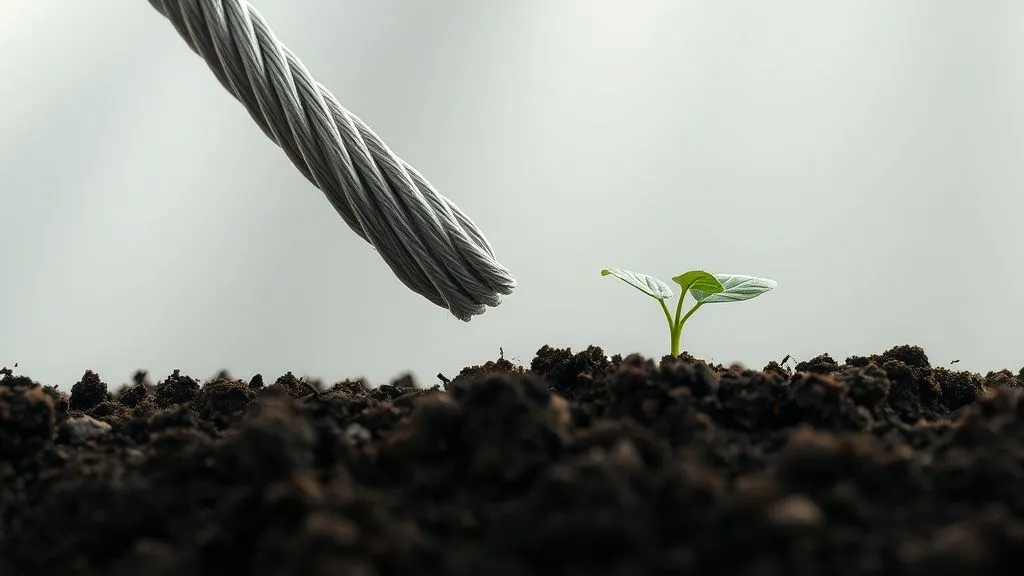
How to Ensure Biodegradable Fabrics Meet Fashion Durability Standards?
For over two decades in the textile innovation space, I've witnessed countless brands grapple with a fundamental paradox: the desire for true sustainability often appears to clash with the non-negotiable demand for durability in fashion. It’s a challenge I’ve seen transform from a niche concern into a mainstream imperative, driven by both consumer demand and environmental urgency.
The pain point is palpable: how can we create garments that return to the earth gracefully, yet withstand the rigors of daily wear, washing, and the expectations of a discerning fashion consumer? The fear of 'flimsy' eco-fabrics is a significant barrier, stalling progress and perpetuating reliance on less sustainable alternatives.
In this definitive guide, I will share my deep insights and actionable frameworks, drawn from years of hands-on experience and industry observation. You’ll learn how to strategically engineer, test, and market biodegradable fabrics that not only meet but exceed contemporary fashion durability standards, ensuring your sustainable vision is both practical and profitable.
Understanding the Core Challenge: The Durability-Biodegradability Paradox
At the heart of the matter lies a fundamental tension: materials designed to break down naturally are, by their very nature, intended to degrade. This intrinsic quality often stands in stark contrast to the fashion industry’s traditional benchmarks for longevity and resilience. I’ve seen this paradox frustrate many innovators.
Traditional synthetic fabrics like polyester and nylon derive their exceptional strength and resistance to degradation from their petrochemical origins and stable polymer structures. Biodegradable alternatives, however, rely on natural polymers or engineered biopolymers that are susceptible to enzymatic or microbial action. This difference is precisely where the challenge of 'How to ensure biodegradable fabrics meet fashion durability standards?' becomes critical.
The true innovation isn't just creating a biodegradable fabric, but engineering one that understands its lifecycle — strong when needed, ephemeral when discarded. This balance is our ultimate goal.
According to a recent report by the Ellen MacArthur Foundation, the average garment is worn just seven to ten times before being discarded, highlighting a systemic issue where durability is often sacrificed for fast fashion cycles. However, for genuinely sustainable fashion, durability isn't just a feature; it's a prerequisite for reducing consumption and waste. We must aim for both.
Key challenges in balancing durability and biodegradability include:
- Intrinsic Material Properties: Many natural fibers, while biodegradable, may lack the inherent tensile strength or abrasion resistance of synthetics.
- Processing Limitations: Aggressive chemical treatments to enhance durability can often compromise biodegradability.
- Consumer Expectations: Bridging the gap between the perceived fragility of 'eco-friendly' and the desired robustness of 'quality fashion.'
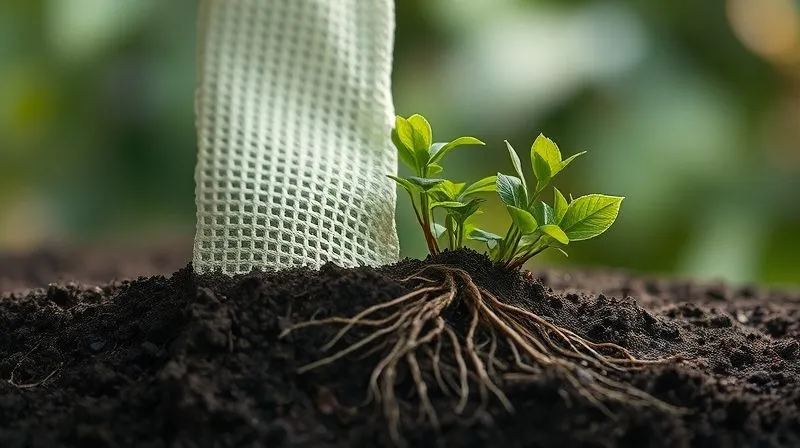
Innovative Fiber Blends: Engineering for Strength and Sustainability
One of the most promising avenues I’ve explored for addressing 'How to ensure biodegradable fabrics meet fashion durability standards?' is the strategic development of innovative fiber blends. This isn't just about mixing fibers; it's about intelligent engineering to leverage the best properties of each component.
By blending natural fibers like **hemp**, known for its exceptional tensile strength and durability, with softer, more comfortable fibers like **organic cotton** or **Tencel (lyocell)**, we can create fabrics that offer both performance and wearability. Hemp, for instance, is naturally resistant to microbial growth and UV light, making it an excellent base for durable biodegradable textiles.
Furthermore, the advent of advanced **bio-based synthetics** like PLA (polylactic acid) and PHA (polyhydroxyalkanoates) opens new possibilities. While these require specific conditions to biodegrade, they can offer strength and performance akin to traditional synthetics when blended with natural fibers. The key is to ensure the entire blend maintains a verifiable biodegradation pathway.
Case Study: Bio-Blend Pioneers and Their Breakthrough
Consider the fictional journey of 'TerraTex Innovations,' a startup I advised. They initially struggled with a 100% organic cotton fabric that, while soft, showed poor abrasion resistance for activewear. By implementing a blend strategy, incorporating 30% **hemp fiber** and 70% long-staple organic cotton, they dramatically improved the fabric's durability. They specifically focused on using longer hemp fibers and optimizing the spinning process. This new blend passed rigorous Martindale abrasion tests (achieving over 30,000 cycles for outerwear) and maintained its natural biodegradability. Their success demonstrated that thoughtful blending can deliver both performance and environmental integrity, directly answering 'How to ensure biodegradable fabrics meet fashion durability standards?'.
The benefits of intelligent fiber blending are clear:
- Enhanced Tensile Strength: Combining fibers with different breaking points.
- Improved Abrasion Resistance: Utilizing fibers known for their hard-wearing qualities.
- Better Hand-Feel: Balancing rougher, strong fibers with softer, comfortable ones.
- Optimized Biodegradation: Ensuring all components are designed for end-of-life.
For deeper insights into the science of textile blends, I highly recommend exploring research from leading institutions. For instance, the Textile Institute often publishes studies on advanced fiber engineering.
Advanced Weaving and Knitting Techniques for Enhanced Resilience
Beyond the choice of fibers, the way those fibers are constructed into a fabric plays an equally critical role in addressing 'How to ensure biodegradable fabrics meet fashion durability standards?'. The weaving and knitting techniques employed can profoundly impact a textile's strength, tear resistance, and overall longevity.
For woven fabrics, techniques like **ripstop weaves** (where thicker, stronger yarns are interwoven at regular intervals) can prevent small tears from spreading, significantly extending garment life. **High-density plain weaves** or **twill weaves** inherently create a tighter, more robust fabric structure compared to loose weaves, offering greater resistance to snags and abrasion.
Durability isn't just about the fiber; it's about the architecture. A well-engineered weave can transform a delicate yarn into a resilient textile, enhancing its functional lifespan without compromising its biodegradability.
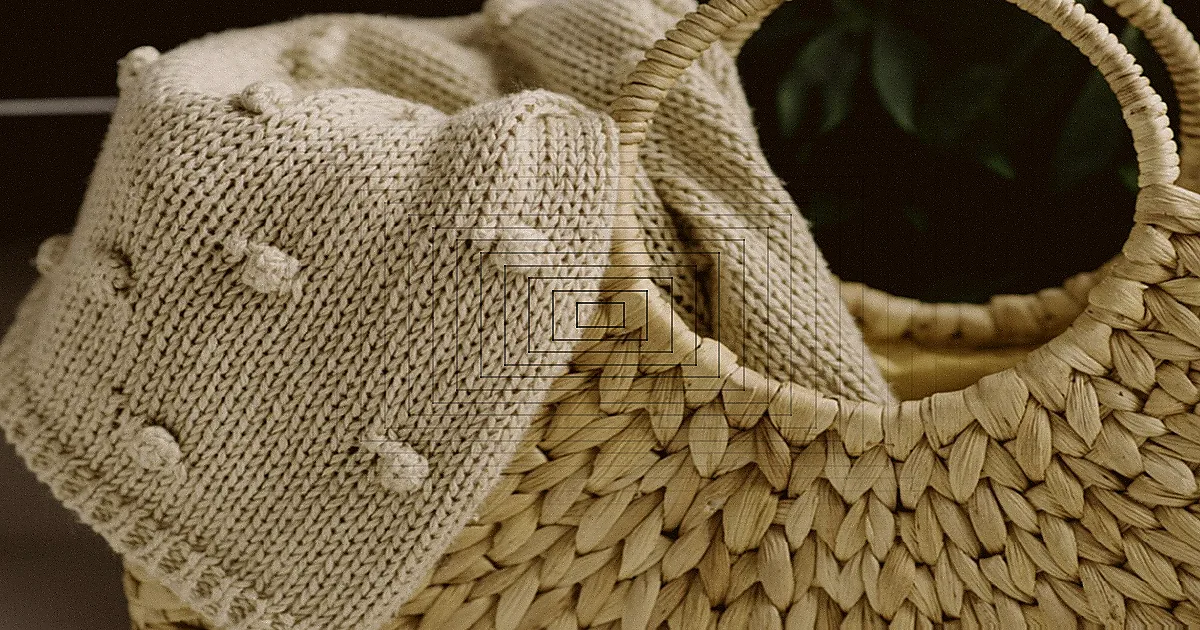
In knitting, techniques such as **interlock knits** or **double knits** provide greater stability and thickness than single jersey knits, making them more resistant to stretching, pilling, and tearing. Reinforcing critical stress points with denser stitches or incorporating elastomeric (biodegradable) yarns can further enhance durability in knitted biodegradable garments.
Consider these design considerations for maximizing fabric resilience:
- Yarn Twist and Ply: Higher twist yarns generally result in stronger fabrics. Using plied yarns (two or more single yarns twisted together) also increases strength.
- Fabric Density: A higher thread count or stitch density often correlates with greater durability and resistance to abrasion.
- Reinforced Seams and Edges: Employing robust stitching methods like flat-felled seams or French seams, and reinforcing stress points like pockets and armholes, prevents premature failure.
- Strategic Fabric Placement: Using more durable biodegradable fabrics in high-wear areas (e.g., knees, elbows) while using softer, more pliable ones elsewhere.
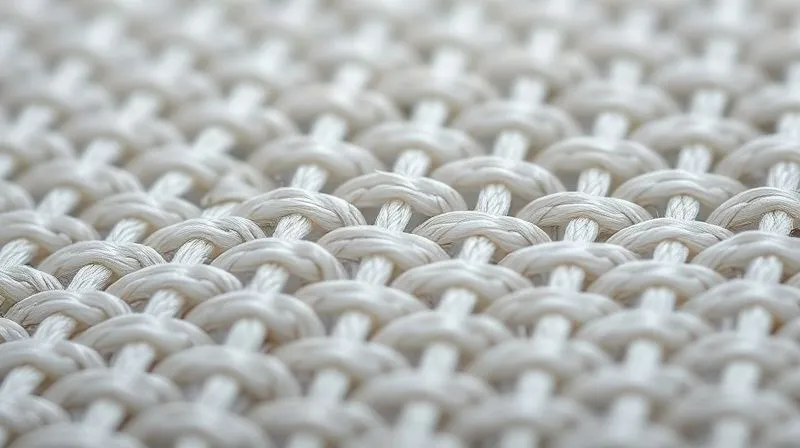
The Role of Bio-Based Coatings and Finishes in Performance
Even with the best fiber blends and construction, enhancing the surface properties of biodegradable fabrics through **bio-based coatings and finishes** is a crucial step in ensuring they meet demanding fashion durability standards. These treatments can impart specific functionalities without compromising the fabric’s end-of-life biodegradability.
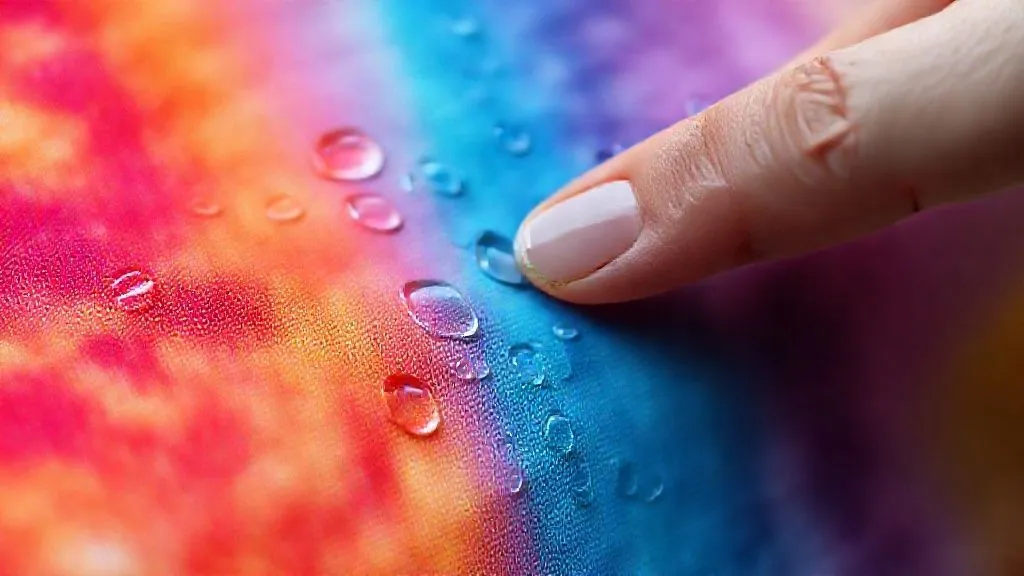
I've seen firsthand how innovative finishes can transform a fabric's performance. For instance, natural waxes derived from plants can provide water repellency, while certain biopolymers or chitosan (derived from crustacean shells, itself biodegradable) can enhance abrasion resistance and even offer anti-microbial properties. The key is to select finishes that are not only effective but also align with the fabric's sustainable profile.
It's important to differentiate between traditional durable water repellents (DWRs) which often contain PFAS chemicals, and newer, more sustainable alternatives. The goal is to use coatings that are either naturally occurring, easily biodegradable, or designed for circularity. This requires a deep understanding of textile chemistry and environmental impact.
The final touch of a bio-based finish is often the invisible guardian of durability, protecting the fabric's inherent structure from external stressors and extending its functional life.
Benefits of integrating appropriate bio-based coatings include:
- Improved Water Resistance: Protecting fibers from moisture, which can weaken some natural materials over time.
- Enhanced Abrasion Resistance: Creating a protective layer that withstands rubbing and friction.
- Anti-Pilling Properties: Reducing the formation of small fiber balls on the fabric surface.
- Stain Repellency: Making garments easier to clean and maintain, thus prolonging their lifespan.
- UV Protection: Shielding fabrics from sun damage, which can degrade colors and fibers.
For more information on the latest advancements in sustainable textile finishes, resources like WGSN often provide excellent trend reports and material innovations.
| Coating Type | Primary Benefit | Biodegradability | Application |
|---|---|---|---|
| Plant-Based Waxes (e.g., Carnauba) | Water Repellency, Softness | High | Outerwear, accessories |
| Chitosan (from shellfish) | Antimicrobial, Abrasion Resistance | High | Activewear, innerwear |
| Bio-Polymer Dispersions (e.g., PLA-based) | Enhanced Strength, Barrier Properties | Moderate (industrial compost) | Technical textiles, reinforcements |
| Algae-Based Dyes & Finishes | Colorfastness, UV Protection | High | All apparel types |
Rigorous Testing Protocols: Beyond Standard Wear and Tear
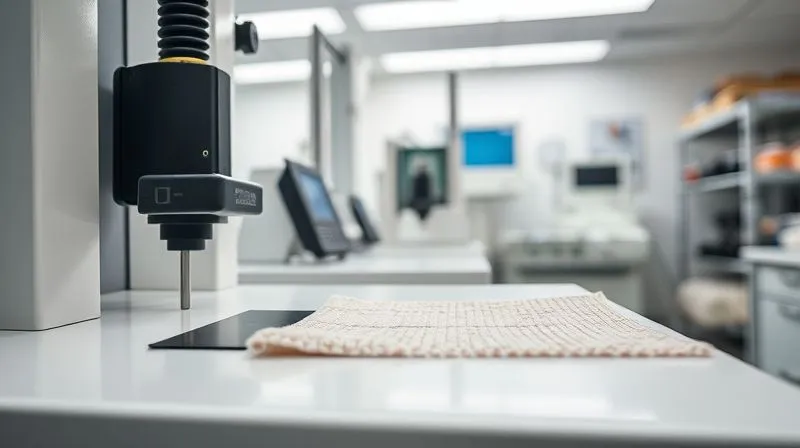
Answering 'How to ensure biodegradable fabrics meet fashion durability standards?' requires moving beyond conventional testing and embracing **rigorous, specialized protocols**. It’s not enough to simply pass basic quality control; we need to anticipate real-world stresses and the unique characteristics of biodegradable materials.
In my experience, a comprehensive testing regime is non-negotiable. This includes:
- Tensile Strength and Tear Resistance: Measuring the force required to break or tear the fabric. Biodegradable fabrics must meet industry-specific minimums for their intended use.
- Abrasion Resistance (e.g., Martindale Test): Simulating wear and tear by rubbing the fabric against an abrasive surface. This is critical for outerwear and high-contact areas.
- Pilling Resistance (e.g., ICI Pilling Box Test): Assessing the fabric's tendency to form pills (small balls of fiber) on its surface, which can quickly make a garment look worn.
- Colorfastness: Testing resistance to fading from washing, light exposure, and rubbing. A durable garment must retain its aesthetic appeal.
- Dimensional Stability: Ensuring the fabric doesn't excessively shrink or stretch after washing and drying cycles.
- Accelerated Aging Tests: Simulating prolonged exposure to environmental factors (UV light, humidity, temperature fluctuations) to predict long-term performance and degradation. This is particularly vital for biodegradable materials.
Early and continuous testing is not a cost; it's an investment in brand reputation and product integrity. Catching durability issues at the fiber or fabric development stage saves immense costs and prevents consumer disappointment later.
I always emphasize the importance of testing in conditions that mimic the garment's intended use. A fabric for outdoor activewear will require different benchmarks than one for a delicate evening gown. Furthermore, understanding how specific biodegradable materials behave under these stresses is paramount. For example, some natural fibers might lose strength when wet, necessitating adjustments in design or finish.
For adherence to global standards, organizations like ASTM International and ISO provide widely accepted testing methodologies for textiles. Integrating these standards, along with specialized tests for biodegradability, creates a holistic assessment.
| Test Category | Specific Test | Relevance to Biodegradability | Typical Standard |
|---|---|---|---|
| Mechanical Strength | Tensile & Tear Strength | Ensures structural integrity before degradation begins, critical for initial use phase. | ASTM D5034, ISO 13934 |
| Surface Durability | Abrasion Resistance (Martindale) | Measures resistance to wear from friction, crucial for functional lifespan. | ASTM D4966, ISO 12947 |
| Aesthetic Durability | Pilling Resistance | Maintains appearance over time, preventing early discard due to visual wear. | ASTM D4970, ISO 12945 |
| Environmental Stability | Colorfastness to Light/Washing | Ensures color retention, indicating material stability under common conditions. | AATCC 16, ISO 105 |
| Lifecycle Performance | Accelerated Aging & Biodegradation | Predicts long-term material behavior and verifies end-of-life degradation. | ASTM D5511, ISO 14855 |
Design for Longevity: A Holistic Approach to Sustainable Fashion
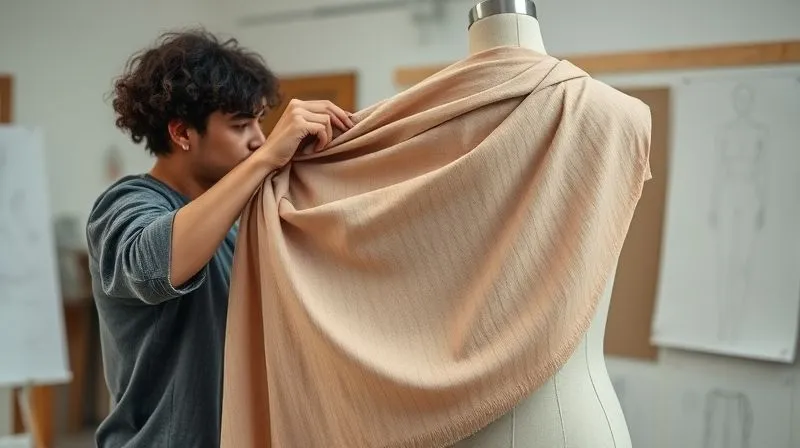
Ensuring biodegradable fabrics meet fashion durability standards isn't solely about material science; it's also profoundly about **design philosophy**. I've often seen beautiful, well-engineered fabrics fail because the garment design didn't account for longevity or repairability. A truly sustainable approach integrates durability from concept to creation.
This means embracing principles of **circular design**, where garments are conceived with their entire lifecycle in mind. It's about creating timeless pieces that transcend fleeting trends, encouraging consumers to value and keep their clothing for longer. This directly reduces the frequency of new purchases, even if the individual garment eventually biodegrades.
The Circular Design Imperative
Designing for longevity means prioritizing:
- Timeless Aesthetics: Creating styles that remain relevant across seasons and years, resisting the urge of fast fashion trends.
- Modularity and Repairability: Designing garments with components that can be easily replaced or repaired. Think reinforced patches, easily re-sewn buttons, or modular elements.
- Ergonomics and Comfort: A comfortable garment is a loved garment, and loved garments are kept longer.
- Versatility: Pieces that can be styled in multiple ways or for various occasions offer more value and extend their utility.
- Quality Construction: Beyond fabric, this includes robust stitching, durable fastenings, and careful finishing that withstands repeated wear and washing.
As I often tell my clients, 'How to ensure biodegradable fabrics meet fashion durability standards?' isn't just about the fabric's inherent strength, but also about the design choices that encourage a longer life in the consumer's wardrobe. A biodegradable fabric that lasts for years before being composted is far more sustainable than a 'durable' synthetic that's discarded after a few months.
Supply Chain Integration and Traceability for Quality Assurance
In my years navigating the complexities of textile innovation, I've learned that even the most cutting-edge biodegradable fabric can fall short on durability if its journey through the supply chain isn't meticulously managed. **Supply chain integration and full traceability** are absolutely vital to consistently answer 'How to ensure biodegradable fabrics meet fashion durability standards?'.
It's not enough to source a certified biodegradable fiber; you must ensure that every subsequent process – spinning, weaving, dyeing, finishing, and garment construction – maintains the integrity and performance characteristics of that material. Inconsistent processing, improper handling, or the introduction of non-biodegradable components at any stage can compromise both durability and sustainability claims.
True quality assurance for biodegradable textiles extends far beyond the lab. It's built on transparent partnerships and a shared commitment to material integrity across every touchpoint of the supply chain.
I advocate for:
- Vertical Integration or Close Partnerships: Working closely with suppliers and manufacturers who understand and specialize in biodegradable materials. This reduces risks associated with mishandling or inappropriate processing.
- Certifications and Standards: Insisting on certifications like GOTS (Global Organic Textile Standard) for organic fibers, Oeko-Tex for harmful substance testing, and Cradle to Cradle for circularity, ensures adherence to strict environmental and social criteria throughout the supply chain.
- Batch Testing: Implementing quality control tests at various stages, not just at the final product. This includes testing yarn strength, fabric integrity post-dyeing, and garment seam strength.
- Digital Traceability Solutions: Utilizing blockchain or other digital platforms to track materials from farm to finished garment, providing unparalleled transparency and accountability.
- Supplier Audits: Regular audits of manufacturing partners to ensure compliance with quality protocols and sustainable practices.
A breakdown in any part of this chain can lead to durability issues, undermining the investment in innovative materials. For example, a harsh dyeing process can weaken natural fibers, impacting the final garment's lifespan. Building robust, transparent supply chains is foundational to delivering on the promise of durable, biodegradable fashion. For further reading on sustainable supply chain management, resources like Harvard Business Review often publish articles on this topic.
Educating Consumers: Shifting Perceptions of Sustainable Durability
Finally, even if we master 'How to ensure biodegradable fabrics meet fashion durability standards?' through scientific and design innovation, our efforts can be undermined if consumers don't understand how to care for or value these garments. **Educating consumers** is a critical, often overlooked, component of ensuring perceived and actual durability.
There's a prevailing misconception that 'eco-friendly' equates to 'delicate.' While this might have been true for early iterations of sustainable textiles, modern biodegradable fabrics are engineered for performance. However, traditional care routines for synthetics often don't apply, and proper care is paramount for longevity.
Consumer education isn't just marketing; it's an extension of our product's durability strategy. By empowering consumers with knowledge, we extend the life of our garments and foster a deeper appreciation for sustainable fashion.
I advise brands to focus on:
- Clear and Concise Care Instructions: Provide detailed, easy-to-understand labels and digital guides. Explain *why* certain care is needed (e.g., 'wash cold to preserve fiber structure').
- Transparency About Material Properties: Be open about the unique qualities of biodegradable fabrics. Explain their strengths and what makes them different from conventional textiles.
- Emphasizing Value Over Volume: Shift the narrative from cheap, disposable fashion to investing in quality, durable, and environmentally responsible garments that last.
- Repair and Maintenance Guidance: Offer tips or even services for repairing garments. This reinforces the idea of longevity and reduces premature disposal.
- Narrating the Biodegradability Story: Explain the end-of-life benefits and how to properly dispose of the garment when its functional life is truly over (e.g., composting instructions).
By actively engaging and educating consumers, we not only ensure the longevity of our biodegradable products in their hands but also cultivate a more conscious and appreciative fashion culture. This collective shift in perception is essential for the long-term success of sustainable textile innovation.
Frequently Asked Questions (FAQ)
Are biodegradable fabrics as strong as traditional synthetics like polyester? With current innovations in fiber blending, weaving techniques, and bio-based finishes, many biodegradable fabrics can now achieve durability comparable to, and in some cases even exceeding, traditional synthetics for specific applications. The key is in the engineering and holistic design, ensuring the fabric is fit for its intended purpose. It's not a blanket 'yes' or 'no,' but a nuanced 'yes, with smart design.'
How do care instructions impact the durability of biodegradable fabrics? Care instructions are absolutely critical. Biodegradable fabrics, particularly those made from natural fibers, can be more sensitive to high heat, harsh detergents, or aggressive washing cycles. Following specific care guidelines (e.g., cold wash, air dry, gentle cycles) significantly extends the garment's lifespan by preserving fiber integrity and finishes. Improper care is a leading cause of premature wear in all textiles, and biodegradable ones are no exception.
What certifications should I look for to ensure both biodegradability and durability? For biodegradability, look for certifications like 'OK Compost INDUSTRIAL' or 'OK Compost HOME' from TÜV Austria, or ASTM D6400/D6868 standards. For durability and overall sustainability, GOTS (Global Organic Textile Standard), Oeko-Tex Standard 100 (for harmful substances), and Cradle to Cradle Certified (for circularity) are excellent indicators of quality and responsible production practices. A combination of these provides the strongest assurance.
Can biodegradable fabrics be recycled before they biodegrade? Yes, many biodegradable fabrics, especially those made from single-origin natural fibers like cotton or linen, can be mechanically or chemically recycled before their end-of-life biodegradation. The challenge lies in infrastructure and ensuring that blends are separable for effective recycling. The ideal scenario is a garment designed for multiple lifecycles (reuse, repair, recycle) before its final, natural return to the earth.
What is the cost implication of using durable biodegradable fabrics compared to conventional textiles? Currently, the initial cost of durable biodegradable fabrics can be higher due to specialized research & development, smaller-scale production, and the use of premium sustainable raw materials. However, this upfront investment is increasingly offset by brand value, consumer demand for sustainability, and the long-term environmental benefits. As technology scales and demand grows, I anticipate costs will become more competitive, making them a viable and attractive option for mainstream fashion.
Key Takeaways and Final Thoughts
The journey to ensure biodegradable fabrics meet fashion durability standards is multifaceted, demanding innovation, strategic design, and a commitment to transparency. It's a challenge I've been deeply invested in, and I firmly believe it's one the fashion industry is ready to conquer.
- Embrace Intelligent Blending: Combine fibers strategically to leverage individual strengths for enhanced performance and wearability.
- Master Textile Architecture: Utilize advanced weaving and knitting techniques to build inherent strength and resilience into the fabric structure.
- Innovate with Bio-Finishes: Apply bio-based coatings and treatments to impart functional properties without compromising biodegradability.
- Implement Rigorous Testing: Go beyond basic quality control with specialized tests that anticipate real-world use and degradation pathways.
- Design for Longevity: Adopt circular design principles, creating timeless, repairable garments that encourage extended wear.
- Ensure Supply Chain Integrity: Build transparent, traceable supply chains that uphold material quality from source to stitch.
- Empower Consumers: Educate your audience on proper care and the true value of durable, biodegradable fashion.
The future of fashion is undeniably sustainable, and durability is its silent, essential partner. By meticulously addressing each of these pillars, we can confidently move towards an era where garments are not only beautiful and responsible but also robust enough to stand the test of time – until their graceful return to nature. This isn't just an aspiration; it's an achievable reality that will redefine the industry for generations to come.
Recommended Reading
- 7 Expert Steps: How to Source Rare Materials for Screen-Accurate Cosplay
- Invisible Mends: 7 Expert Steps for Moth-Eaten Collectible Silk Repair
- How Do Luxury Streetwear Retailers Verify Authenticity? 7 Expert Methods Revealed
- Achieving High-Performance Fabrics: 7 Eco-Friendly Material Strategies
- 7 Steps: Forecast Hair Accessory Trends Before Retail Competitors


Your email address will not be published. Required fields are marked *