


How to Engineer Chafe-Free Activewear Seams for Peak Athlete Performance?
For over two decades in the activewear industry, I've witnessed firsthand the profound impact that seemingly minor design flaws can have on an athlete's performance and, critically, their overall experience. I’ve seen promising designs falter, not due to fabric innovation or fit, but because of a single, overlooked detail: the seam. It’s a silent saboteur, turning peak performance into painful irritation, and ultimately, user dissatisfaction.
The problem of chafing isn't merely an inconvenience; it's a significant barrier to achieving peak athletic performance. When an athlete is constantly distracted by skin irritation, blistering, or discomfort caused by poorly engineered seams, their focus shifts from their sport to their suffering. This directly impacts their endurance, speed, and mental fortitude, transforming what should be a moment of triumph into a test of pain tolerance.
In this definitive guide, I will share the actionable frameworks, cutting-edge textile science, and expert insights that I and my teams have honed over years. You'll learn not just about the 'what' but the 'how' – delving into fabric selection, advanced seam constructions, ergonomic placement, and meticulous quality control to engineer truly chafe-free activewear seams that empower athletes to perform at their absolute best, unhindered by discomfort.
Understanding the Biomechanics of Chafing: More Than Just Friction
To truly engineer chafe-free activewear seams, we must first understand the enemy: chafing itself. It’s a complex interplay of forces, not just simple friction. From my experience, many brands mistakenly focus solely on lubrication or surface smoothness, missing the deeper physiological and mechanical drivers.
The Science of Skin-Textile Interaction
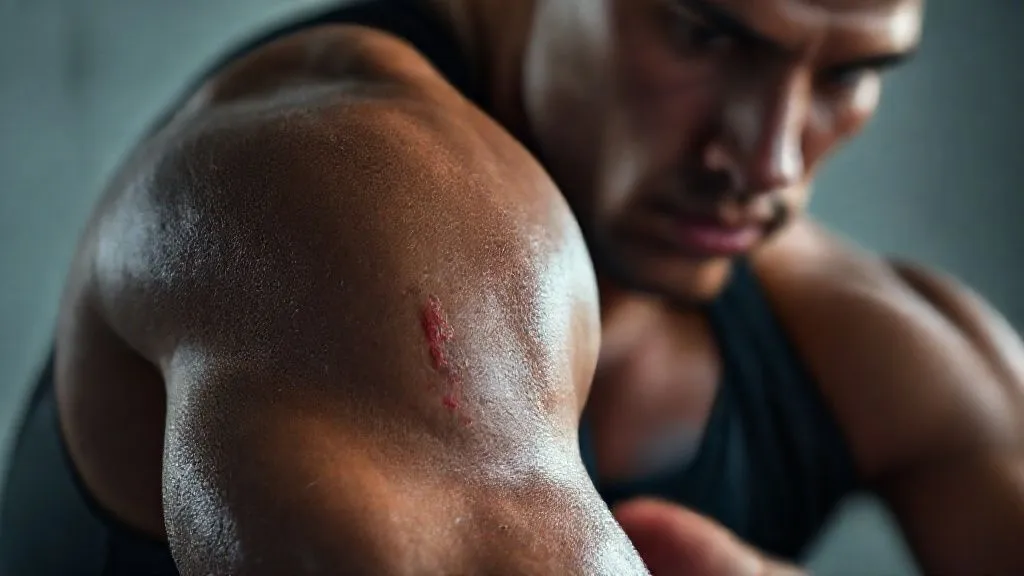
Chafing occurs when skin rubs against skin, or skin rubs against fabric, repeatedly. This friction is exacerbated by three primary factors: moisture, pressure, and repetitive motion. Moisture, whether from sweat or external sources, softens the skin, making it more susceptible to abrasion. Pressure points, often created by ill-fitting garments or bulky seams, concentrate the frictional forces. Repetitive motion, inherent in all athletic activities, provides the constant rubbing that eventually breaks down the skin's protective barrier.
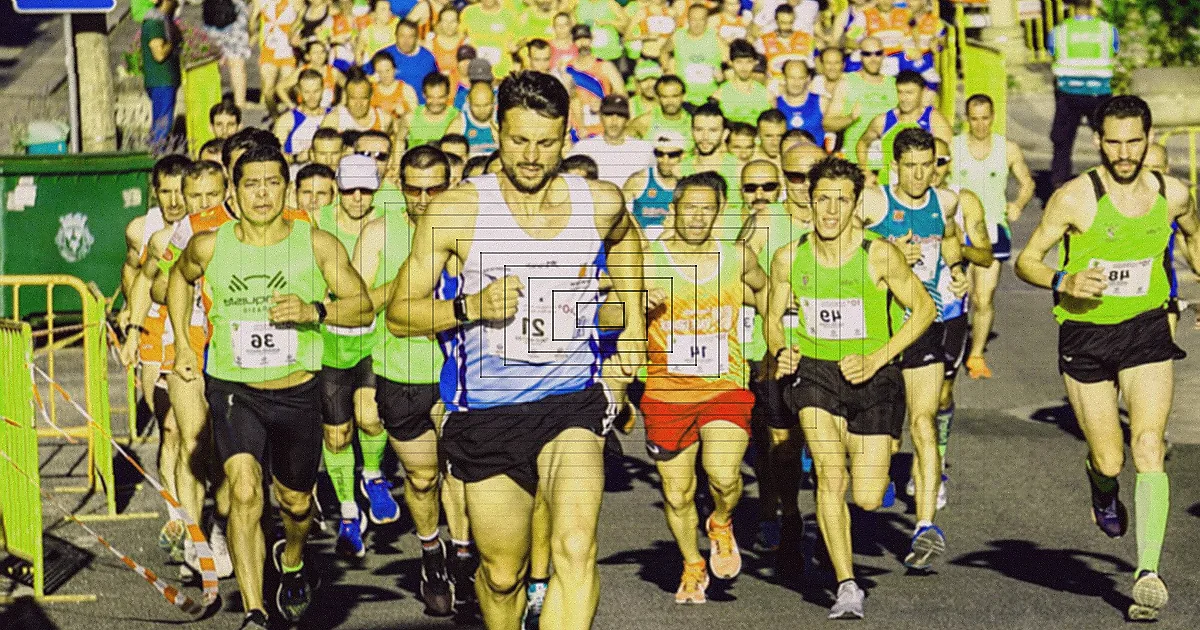
Consider a marathon runner: their thighs rub together, their armpits move against their torso, and their sports bra straps press against their shoulders. Each of these points is a potential hotbed for chafing, especially where seams introduce additional bulk or stiffness. The goal of engineering chafe-free seams is to mitigate these factors at the garment's most vulnerable points.
Fabric Selection: The First Line of Defense Against Irritation
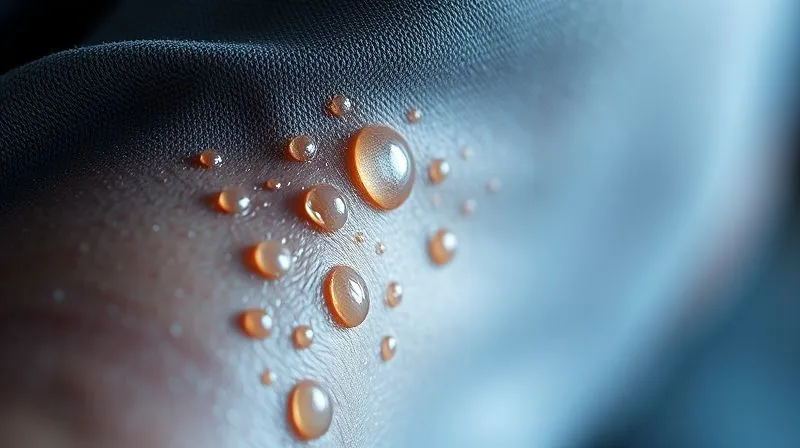
Before a single stitch is made, the choice of fabric lays the foundational groundwork for chafe-free performance. It’s a decision I’ve seen make or break an activewear line. The right material can drastically reduce friction and manage moisture, two critical components in the chafing equation.
Moisture Management and Low-Friction Textiles
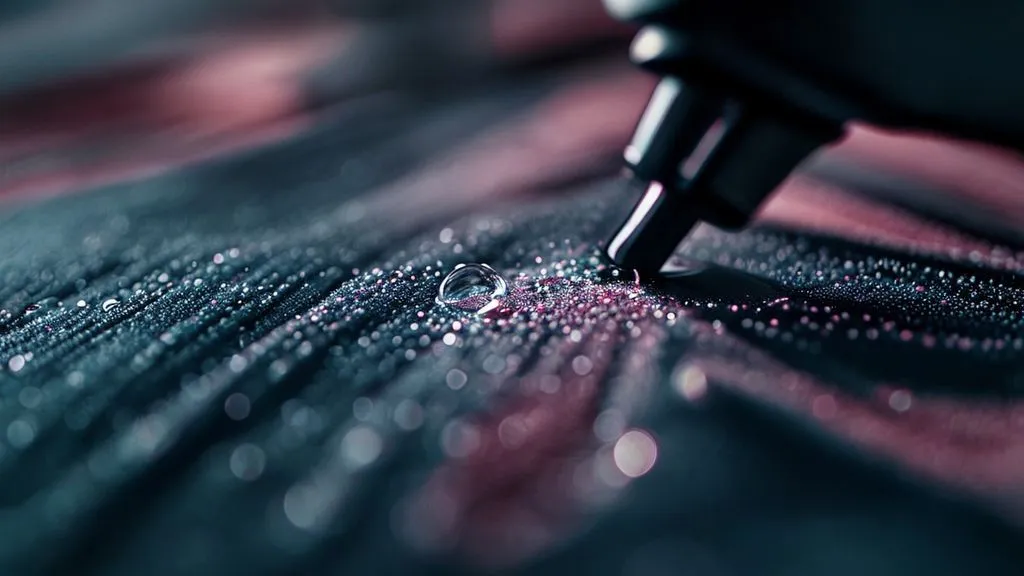
For activewear, moisture-wicking fabrics are non-negotiable. These materials, typically synthetic blends of polyester, nylon, and spandex, are engineered to draw sweat away from the skin's surface and disperse it across the fabric for faster evaporation. This keeps the skin drier and less prone to softening and subsequent irritation. However, not all wicking fabrics are created equal; the fiber structure, weave, and finish all play a role in their effectiveness.
Beyond wicking, the intrinsic friction coefficient of the fabric itself is paramount. Smooth, tightly woven fabrics with a soft hand feel will inherently cause less skin irritation than coarse, textured ones. Materials like high-denier nylon or specific polyester blends, often with a brushed or sanded finish, offer superior glide. While natural fibers like merino wool can offer excellent temperature regulation and odor resistance, their scale-like structure can, in some cases, contribute to friction if not blended or treated appropriately. Always prioritize fabrics that feel exceptionally smooth against the skin, even when wet.
"The battle against chafing is won long before the needle touches the fabric. It begins with an intelligent, data-driven material selection that anticipates the athlete's every movement and environmental condition."
According to a comprehensive study by the Textile Institute, advancements in polymer science have led to synthetic fibers with significantly lower coefficients of friction compared to traditional materials, directly impacting comfort during prolonged activity. This research underscores the importance of staying abreast of material innovations.
Mastering Seam Construction: The Flatlock Revolution and Beyond
This is where the rubber meets the road, or rather, where fabric meets fabric. The method of joining two pieces of textile is arguably the most critical factor in preventing chafing. I've spent countless hours dissecting garments, analyzing stitch formations, and understanding how each construction method impacts the final product's comfort profile.
Flatlock Stitching: The Gold Standard Explained
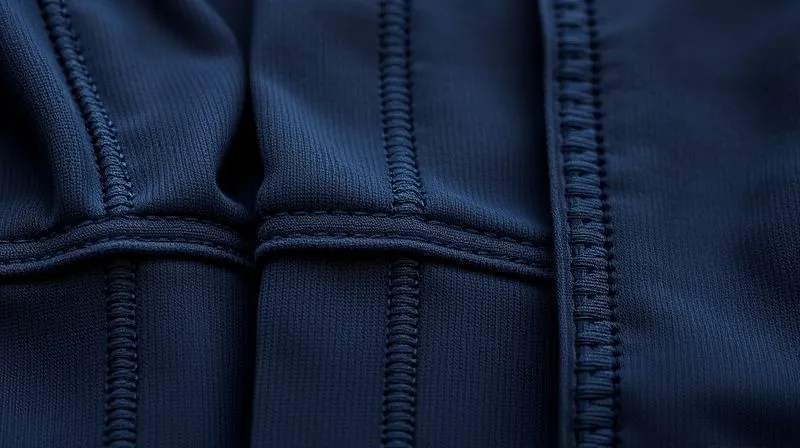
For activewear, the flatlock seam (also known as a "butted" or "lapped" seam) is often considered the gold standard for chafe-free design. Unlike traditional overlock or lockstitch seams, which create a raised ridge where fabric edges are joined, the flatlock seam brings two fabric edges together and stitches them flat against the garment. This creates a smooth, flat profile on both the interior and exterior of the garment, virtually eliminating any raised edges that could cause friction.
The construction typically involves overlapping the fabric edges slightly and then using multiple needles and loopers to create a strong, durable, and most importantly, flat seam. The threads interlock across the fabric edges, pulling them together into a flush finish. This technique is particularly effective in areas of high movement and potential friction, such as inner thighs, armpits, and along the torso.
Beyond Flatlock: Taped, Bonded, and Seamless Technologies
While flatlock is excellent, innovation continues. Other methods offer unique advantages:
- Taped Seams: These involve applying a thin, flexible tape over a traditional seam (often an overlock) to create a smooth, sealed surface. This is common in waterproof or windproof garments but can also be used for comfort in high-friction areas. The tape must be highly elastic and soft to maintain comfort and garment stretch.
- Bonded Seams: Utilizing heat-activated adhesives, bonded seams eliminate stitching altogether. Fabric edges are overlapped, coated with adhesive, and then heat-pressed together. This creates an incredibly flat, lightweight, and smooth joint. The challenge lies in achieving sufficient bond strength without compromising fabric stretch or breathability.
- Seamless Knitting Technology: This revolutionary approach produces entire garments, or significant portions of them, on circular knitting machines. By eliminating traditional cut-and-sew seams, these garments inherently reduce chafing potential. While not entirely "seam-free" (some areas might still require minimal stitching or bonding), the body-mapping capabilities allow for varying compression, breathability, and support without the need for bulky seams.
Choosing the right seam construction depends on the garment's function, desired stretch, and aesthetic. For high-performance activewear, the investment in advanced seam technology is always justified.
Ergonomic Seam Placement: Mapping Movement, Not Just Garment Lines
Even the most advanced flatlock seam can cause chafing if it's placed incorrectly. This is where the art and science of ergonomic design truly converge. In my journey, I've learned that you don't just design seams; you design *around* the athlete's body in motion.
Anatomical Considerations and Pressure Zone Mapping
Effective seam placement requires a deep understanding of human anatomy and biomechanics. We must identify areas of high friction and pressure during specific athletic movements. For instance, in running shorts, inner thigh seams are notorious chafing culprits. In cycling jerseys, shoulder and underarm seams can be problematic due to repetitive arm movements and pressure from straps.
I advocate for detailed pressure zone mapping. This involves analyzing how the body moves and where fabric-on-skin or fabric-on-fabric friction is most likely to occur. The goal is to strategically move seams away from these high-stress zones. This might mean:
- Shifting side seams forward or backward.
- Using raglan sleeves instead of set-in sleeves to move shoulder seams off the top of the shoulder.
- Employing gussets in crotch areas to eliminate a central seam.
- Contouring seams to follow muscle lines, reducing tension and bunching.
Case Study: Apex Athletics' Seam Redesign Success
Apex Athletics, a mid-sized sportswear brand, faced persistent customer complaints about chafing in their popular running tights, particularly around the inner thigh and knee flexion points. Their original design used a standard side seam and a basic inseam. By implementing the ergonomic seam placement principles I've described, they undertook a radical redesign. They eliminated the traditional inseam, replacing it with a contoured, body-mapped panel that moved the seam entirely to the outer thigh, away from the critical friction zone. They also introduced a gusseted crotch with flatlock seams. The result? Customer complaints regarding chafing dropped by an astonishing 70% within six months, leading to a significant boost in customer loyalty and positive reviews. This demonstrated a direct correlation between thoughtful seam engineering and enhanced athlete satisfaction.
For more insights on anatomical design in activewear, I often refer to resources like academic journals on sportswear ergonomics, which provide valuable data on body mechanics during exercise.
Thread Choice and Tension: The Unsung Heroes of Seam Integrity
It's easy to overlook the humble thread, but in the world of chafe-free activewear, it's a critical component. The wrong thread, or incorrect tension, can undermine even the most perfectly placed flatlock seam. I've seen beautifully designed garments fail in testing because of these subtle but significant details.
Selecting the Right Thread for Durability and Comfort
Thread choice isn't just about strength; it's about elasticity, softness, and moisture resistance. For activewear, you generally want a synthetic thread—polyester or nylon—that can withstand the same stresses and moisture as the fabric itself. Textured polyester threads are often preferred for their bulk, softness, and stretch, which contribute to a plush, non-abrasive seam interior. They fill the stitch perfectly, creating a smooth surface. Avoid stiff, monofilament threads or those with rough textures, as they can act like sandpaper against the skin.
Optimizing Stitch Density and Tension for Flex and Flatness
The number of stitches per inch (SPI) and the tension at which the thread is applied are equally vital. Too few stitches, and the seam lacks integrity and can pucker; too many, and it can become stiff and reduce fabric stretch. A balanced SPI, typically between 10-14 for activewear, provides durability without compromising flexibility. More importantly, consistent and appropriate tension ensures the seam lies perfectly flat, without pulling or puckering, which can create micro-ridges that lead to chafing.
Achieving optimal tension requires meticulous machine calibration and skilled operators. It's a continuous process of fine-tuning, especially when working with diverse fabric types that behave differently under tension. This attention to detail is what separates truly high-performance activewear from the rest.
| Thread Type | Key Benefit | Ideal Use |
|---|---|---|
| Textured Polyester | Softness, Stretch, Bulk | Flatlock seams, next-to-skin comfort |
| Spun Polyester | Strength, Durability | General seaming, reinforcement |
| Nylon (Bonded) | High Strength, Abrasion Resistance | Heavy-duty seams, outerwear (less common for next-to-skin) |
| Corespun (Poly/Cotton) | Strength, Smoothness | General apparel, not ideal for high stretch activewear |
Finishing Touches: Reinforcement, Edge Treatment, and Labeling
The journey to a chafe-free seam doesn't end with the stitch. The final details can make a significant difference. From my perspective, neglecting these 'small' elements is a common misstep, often leading to performance issues that could have been easily avoided.
Minimizing Bulk and Maximizing Smoothness
Any additional bulk introduced at the seam can become a pressure point. This includes seam allowances, reinforcement patches, and even the way edges are finished. For instance, while a serged edge can prevent fraying, if the allowance is too wide or the serging too tight, it creates a palpable ridge. Techniques like clean finishing, where seam allowances are trimmed close and then topstitched down, or even laser-cut edges that require no finishing, can significantly reduce bulk.
Reinforcement, when necessary for durability, should be integrated thoughtfully. Instead of bulky patches, consider using high-density bar tacks or internal fusing that adds strength without adding significant mass. Every millimeter of thickness in a high-friction area counts.
The Impact of Labels: A Small Detail, A Big Problem
This is a pet peeve of mine: an otherwise perfectly engineered garment ruined by a scratchy, poorly placed label. Traditional woven labels, especially those sewn into side seams or necklines, are notorious for causing irritation. For performance activewear, I strongly advocate for heat-transfer labels or tagless designs. These print care instructions and branding directly onto the fabric, eliminating any physical tags that could rub against the skin. If a sewn-in label is absolutely necessary, ensure it is ultra-soft, strategically placed in a low-friction zone, and sewn in with flat, soft stitching.
Quality Control and Athlete Testing: The Ultimate Validation
No matter how well you design a seam on paper, its true test lies in the real world, on an actual athlete. This final stage of rigorous testing and iterative refinement is paramount to ensuring your activewear truly delivers on its promise of chafe-free performance.
Rigorous Testing Protocols for Real-World Performance
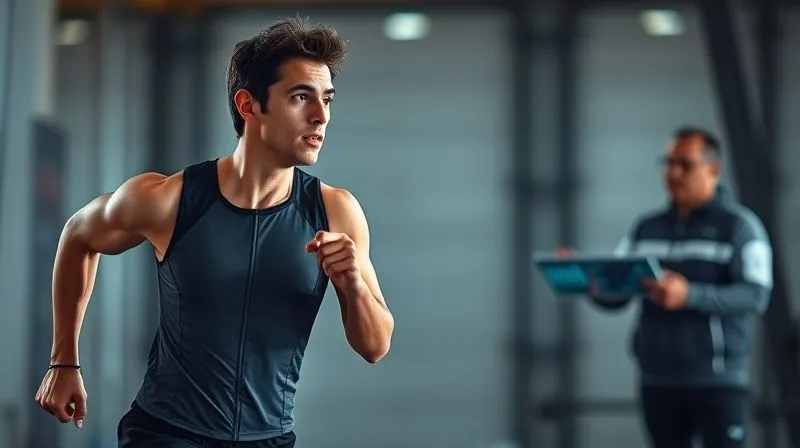
My teams always implement multi-stage testing. It begins in the lab with material friction tests, seam strength analysis, and stretch recovery evaluations. But the real magic happens in the field. We put prototypes through their paces with a diverse group of athletes across various disciplines and conditions. This isn't just about a quick jog; it's about:
- Long-duration wear tests: Marathons, multi-hour cycling, extended training sessions.
- Varied environmental conditions: Hot and humid, cold and dry – conditions that amplify chafing.
- Specific movement patterns: Replicating the exact motions of the target sport to identify micro-friction points.
- Subjective feedback: Detailed questionnaires and interviews with athletes about comfort, irritation, and overall performance impact.
Iterative Design: Listening to the Athlete's Body
Testing is not a one-and-done event. It's an iterative cycle. Feedback from athletes must be meticulously collected, analyzed, and translated into design modifications. Perhaps a seam needs to be shifted by a few millimeters, a different thread used, or a new finishing technique applied. Each iteration brings the garment closer to perfection. This commitment to continuous improvement, driven by genuine athlete insights, is how true performance apparel is born. It's about listening to the body's subtle signals and responding with precise engineering adjustments.
For more on industry best practices in activewear testing, resources like the ASTM International standards for textiles provide excellent guidelines for performance evaluation. Adhering to these rigorous standards builds trust and ensures consistent quality.
Frequently Asked Questions (FAQ)
Is seamless technology truly chafe-free, or are there still potential issues? While seamless knitting significantly reduces the number of traditional cut-and-sew seams, it's not entirely "seam-free." Some areas, like armholes or leg openings, may still require minimal stitching or bonding. Additionally, the transition points between different knit structures in a seamless garment can sometimes create subtle ridges. The key is that these are generally far less abrasive than conventional seams, and the technology allows for incredibly smooth, body-mapped designs. However, meticulous design and quality control are still essential to ensure true chafe-free performance even in seamless garments.
What role do eco-friendly materials play in chafe-free activewear, and are they as effective? Eco-friendly materials, such as recycled polyesters, organic cotton blends, or bio-based synthetics, are increasingly important. Many of these can be engineered to possess excellent moisture-wicking and low-friction properties comparable to conventional synthetics. The challenge often lies in achieving the desired hand-feel and durability while maintaining sustainable practices. Brands like Patagonia and Girlfriend Collective have shown that you can achieve high performance with sustainable materials, but it requires careful sourcing and innovative textile engineering to ensure the eco-friendly options don't compromise on chafe-free comfort.
How does moisture (sweat, rain) specifically exacerbate chafing at the seam level? Moisture is a significant catalyst for chafing. When skin becomes wet, it softens, increasing its susceptibility to friction and abrasion. At the seam level, moisture can accumulate, especially in areas where the seam creates a slight channel or where the fabric isn't effectively wicking. This creates a perpetually damp, high-friction environment. Furthermore, salt crystals from dried sweat can become abrasive particles embedded within the seam, exacerbating irritation. Effective moisture management, not just in the main fabric but specifically at the seam, is crucial to prevent this softening and abrasive effect.
Can existing activewear garments be modified to become more chafe-free? Modifying existing garments for chafe-free performance is challenging but not impossible for minor issues. For example, applying anti-chafing balm or tape can provide temporary relief. For more permanent solutions, a skilled tailor might be able to flatten bulky seams by carefully trimming allowances and topstitching, or by applying soft, flexible seam tape over problem areas. However, these are often superficial fixes. True chafe-free engineering is built into the garment from its inception, making radical modifications difficult without compromising the garment's integrity or fit. It's usually more effective to invest in activewear designed with these principles from the start.
Beyond seams, what's the most critical factor in garment fit for preventing chafing? Beyond seam engineering, the overall fit of the garment is paramount. A garment that is too loose can bunch and create excess fabric that rubs, while one that is too tight can create excessive pressure points and restrict movement, both leading to chafing. The ideal fit provides gentle compression and moves with the body like a second skin, without restricting natural motion or creating wrinkles and folds. Body-mapping, strategic fabric panels, and four-way stretch fabrics are crucial in achieving this optimal balance between support, flexibility, and a chafe-free experience.
Key Takeaways and Final Thoughts
Engineering chafe-free activewear seams for peak athlete performance is not a singular task but a holistic commitment to excellence across every stage of design and production. It demands an understanding of biomechanics, a mastery of textile science, precision in construction, and an unwavering focus on the athlete's experience.
- Prioritize Fabric Selection: Start with advanced moisture-wicking, low-friction materials.
- Master Seam Construction: Embrace flatlock, bonded, or seamless technologies as appropriate.
- Optimize Ergonomic Placement: Map pressure zones and move seams away from high-friction areas.
- Detail in Thread & Tension: Choose soft, elastic threads and maintain perfect stitch density and tension.
- Refine Finishing Touches: Minimize bulk and eliminate irritating labels.
- Validate with Rigorous Testing: Continuously test and iterate based on real-world athlete feedback.
As an industry specialist, I can attest that the investment in these meticulous engineering principles pays dividends in athlete loyalty, brand reputation, and ultimately, the unhindered pursuit of peak performance. By focusing on these details, you're not just selling apparel; you're selling comfort, confidence, and the freedom to achieve more. Let's continue to push the boundaries of what's possible, ensuring that discomfort from chafing becomes a relic of the past for every athlete.
Recommended Reading
- Scale Your Fashion Brand's Repair Program Profitably: 7 Proven Steps
- 5 Critical Steps: Preventing Damage When Fitting Modern Lenses into Vintage Frames
- 5 Breakthrough Strategies: Gripping Flexible Fabrics with Fashion Robots
- 7 Engineering Flaws: Why High-Impact Sports Bras Fail Your Workouts
- 7 Proven Strategies: Maximize Profit Selling Rare 1970s Vintage Apparel

Your email address will not be published. Required fields are marked *