

How to Elevate Business Casual for Senior Leadership Roles?
For over two decades in the menswear industry, I've had the privilege of advising countless professionals, from aspiring managers to C-suite executives, on their personal brand. One recurring challenge I've observed is the nuanced art of business casual, especially as one ascends to senior leadership.
The traditional suit-and-tie paradigm has softened, but this flexibility often leaves senior leaders in a quandary: how do you project authority, competence, and gravitas without appearing stuffy or, worse, underdressed? The line between casual comfort and executive presence can be perilously thin, leading to missed opportunities in perception and influence.
In this definitive guide, I'll share my proven framework for mastering executive business casual. We'll explore actionable strategies, dissect real-world scenarios through mini case studies, and uncover the subtle yet powerful elements that transform an outfit into a statement of leadership. Prepare to refine your wardrobe and elevate your professional image to command the respect you deserve.
Understanding the Nuance: Business Casual vs. Executive Casual
Before we dive into specifics, it's crucial to distinguish between generic business casual and the elevated version required for senior leadership. Standard business casual often implies comfort and neatness – think khakis and a polo.
Executive casual, however, is about intentionality and polish. It maintains the ease of business casual but infuses elements of tailored sophistication, premium materials, and impeccable grooming. It's not just about looking presentable; it's about looking authoritative and inspiring confidence.
The essence of executive casual is not about following a relaxed dress code, but about strategically leveraging comfort to enhance influence and authority. It's about dressing with purpose, not just convenience.
My experience has shown that this distinction is often overlooked, leading senior leaders to blend in when they should be standing out. To truly elevate business casual for senior leadership roles, one must adopt a mindset of strategic presentation.
The Foundation: Quality Over Quantity
When you're at the top, your wardrobe should reflect your status and attention to detail. This means investing in fewer, but significantly higher quality pieces. Fast fashion has no place in an executive's closet.
Premium fabrics like merino wool, cashmere, fine cottons, and silks not only look better but also drape more elegantly and last longer. They convey a sense of discernment and respect for oneself and one's role. This is a non-negotiable step in how to elevate business casual for senior leadership roles.
Investment Pieces: Where to Focus Your Budget
Prioritizing your spending ensures maximum impact. Here are the key areas I always recommend focusing on:
- Tailored Blazers/Sport Coats: Opt for wool, cashmere, or high-quality blends in versatile colors like navy, charcoal, and subtle patterns.
- Premium Trousers: Wool dress trousers, tailored chinos, or refined five-pocket pants in dark, neutral shades. Avoid denim unless it's dark wash, pristine, and perfectly fitted.
- High-Quality Shirts: Crisp button-downs in fine cotton (oxford, poplin, twill), and sophisticated knit shirts (e.g., merino wool polos or fine gauge knits).
- Exceptional Footwear: Polished leather loafers, Oxfords, Derbies, or elegant Chelsea boots. These are often the first thing people notice.
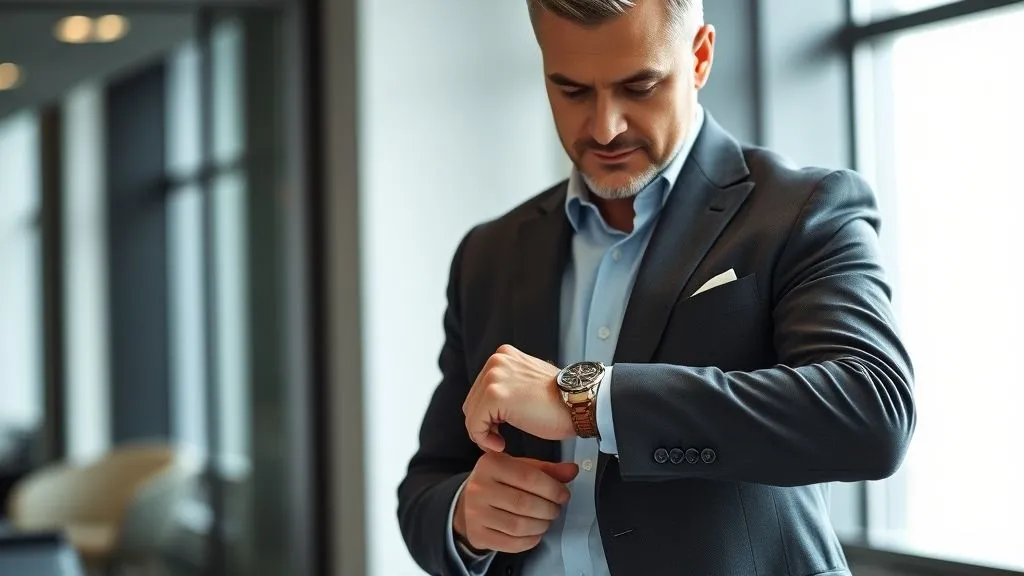
- Subtle Accessories: A classic watch, a high-quality leather belt, and perhaps a sophisticated pocket square.
Mastering the Tailored Fit: The Unsung Hero of Executive Style
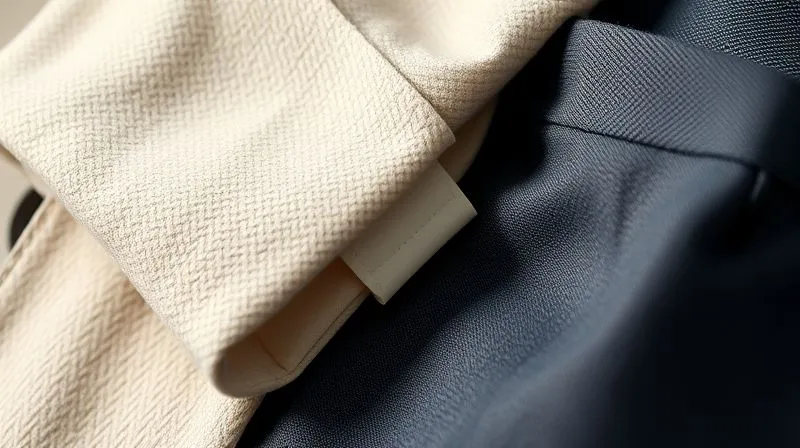
I've seen countless expensive garments lose their impact because of poor fit. A perfectly tailored outfit communicates precision, confidence, and attention to detail – qualities essential for any senior leader. Conversely, ill-fitting clothes can make even the most luxurious items appear sloppy and unprofessional.
The difference between a good suit and a great suit often lies in the tailoring, and the same applies to business casual. Shoulders, sleeve length, trouser break, and jacket waist suppression are critical. This is perhaps the single most impactful way to elevate your professional wardrobe.
The Art of the Alteration: What to Expect
Finding a skilled tailor is as important as choosing quality garments. They are your secret weapon in transforming off-the-rack into custom-fit. Expect them to:
- Adjust jacket sleeves so they hit just above the wrist bone, showing about half an inch of shirt cuff.
- Taper trousers for a clean, modern silhouette without being too tight.
- Hem trousers to the correct length (no puddling at the shoes).
- Take in jackets at the waist to create a flattering V-shape.
A tailored fit is not about vanity; it's about conveying competence. It demonstrates that you pay attention to details, a critical trait for senior leadership. No brand name can compensate for a poor fit.
For more insights on achieving the perfect fit, I often recommend exploring resources like GQ's guide on suit fit, as many principles translate directly to tailored business casual.
Strategic Layering: Adding Depth and Authority
Layering is an art form in executive casual, allowing you to add visual interest, adapt to varying temperatures, and project a multi-dimensional persona. It’s about creating depth and texture through different garments, enhancing your overall silhouette and presence.
A well-chosen blazer or sport coat is the cornerstone, but don't underestimate the power of fine-gauge knitwear (cardigans, V-necks) or even a sophisticated vest. These layers add sophistication and can easily transition from a formal meeting to a more relaxed internal discussion.
Building Versatile Layering Combinations
The key to effective layering is versatility and coordination. Here’s a simple framework:
| Occasion | Base Layer | Mid Layer | Outer Layer | Impact |
|---|---|---|---|---|
| Board Meeting | Light Blue Dress Shirt | Navy Merino V-Neck | Charcoal Wool Blazer | Authoritative, Polished |
| Client Lunch | White Oxford Shirt | Fine-Gauge Cashmere Cardigan | Brown Tweed Sport Coat | Approachable, Sophisticated |
| Internal Strategy Session | Dark Green Polo Shirt | N/A | Navy Cotton Blazer | Confident, Modern |
| Travel/Conference | White Crew Neck T-Shirt | Light Grey Cashmere Sweater | Navy Deconstructed Blazer | Comfortable, Refined |
Remember, each layer should stand on its own, but also complement the others in terms of color, texture, and fit. This thoughtful approach is central to how to elevate business casual for senior leadership roles.
The Power of the Details: Accessories as Statements
Accessories are not mere afterthoughts; they are the exclamation points of your executive style. For senior leaders, they should be subtle, sophisticated, and of impeccable quality. They speak volumes about your discernment without uttering a single word.
Think of accessories as investments in your personal brand. A cheap watch or worn-out belt can undermine an otherwise perfect outfit. Conversely, well-chosen pieces elevate the entire ensemble, demonstrating a keen eye for detail and a commitment to excellence.
Choosing Accessories that Speak Volumes
Here’s how to select accessories that truly enhance your leadership presence:
- The Watch: A classic timepiece with a leather strap or a subtle metal bracelet. Avoid overly flashy or sporty watches in formal business settings.
- The Belt: Always match your belt leather to your shoe leather. Opt for slim, high-quality leather belts with understated buckles.
- Shoes: As mentioned, invest in premium leather shoes. Keep them impeccably polished and in excellent condition. Loafers, Oxfords, Derbies, and Chelsea boots are ideal.
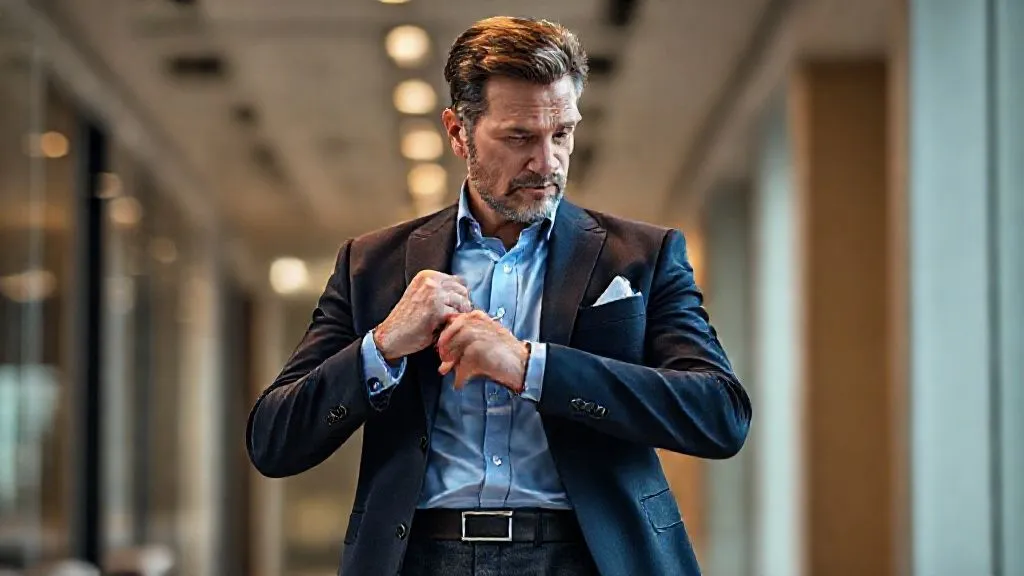
- Pocket Squares: A silk or linen pocket square adds a touch of personality and polish to a blazer. Choose subtle patterns or solid colors that complement your shirt or tie (if worn).
- Eyewear: If you wear glasses, consider frames that are modern, professional, and suit your face shape. They are a significant part of your visual presentation.
True executive presence is often found in the mastery of the small things. Impeccable accessories are not just embellishments; they are indicators of meticulousness and refined taste.
For further inspiration on elevating your accessory game, I often refer to articles like Harvard Business Review's insights on personal branding, which subtly touches on how every element contributes to your overall image.
Color Psychology and Pattern Play for Leadership
Colors and patterns are powerful tools in your executive wardrobe. They can influence perception, convey mood, and subtly communicate your approachability or authority. For senior leadership, the goal is often to project confidence, stability, and intelligence.
While classic neutrals like navy, charcoal, and grey form the backbone of an executive wardrobe, strategic use of accent colors and subtle patterns can add dynamism. Avoid overly bright or distracting colors, and choose patterns that are understated and sophisticated.
Case Study: How Alex Transformed His Image
Alex, a newly promoted VP of Operations, struggled with his business casual. His wardrobe consisted mainly of solid, often ill-fitting shirts and generic chinos. He felt overlooked in executive meetings, despite his competence.
I advised him to pivot to a palette of deep blues, rich grays, and forest greens, complemented by crisp white and light blue shirts. We introduced subtle patterns like windowpane blazers and fine-striped shirts. He started wearing a luxurious merino wool polo under a tailored blazer, paired with dark wool trousers. The change was immediate.
His colleagues and superiors noted his newfound polish. "Alex looks like a VP," one peer commented. This subtle shift in his visual communication, driven by strategic color and pattern choices, significantly boosted his perceived authority and confidence.
Colors are a silent language. For senior leaders, they should speak of confidence, trustworthiness, and sophistication, not distraction or casualness.
When selecting colors, consider the impact. Darker, richer tones generally convey more authority, while lighter tones can suggest approachability. Patterns should be classic – subtle checks, pinstripes, or micro-patterns – to avoid overwhelming the professional aesthetic. This thoughtful approach is key to how to elevate business casual for senior leadership roles.
Grooming and Personal Presentation: The Non-Negotiables
Your attire is only one part of your executive presence. Immaculate grooming and confident personal presentation are equally, if not more, critical. These elements demonstrate self-respect and attention to detail, which are highly valued in leadership roles.
I've often told clients that you can wear the most expensive suit, but if your hair is disheveled or your shoes are scuffed, the entire facade crumbles. Grooming is the unspoken commitment to excellence that underpins your professional image.
Beyond Clothing: The Holistic Approach to Executive Presence
Consider these essential components of executive grooming:
- Hair: A neat, professional haircut that is regularly maintained. It should be clean, styled, and appropriate for your face shape and profession.
- Facial Hair: If you have a beard or mustache, it must be meticulously trimmed and groomed. A clean-shaven look should be smooth and free of irritation.
- Skin Care: Healthy skin projects vitality. A simple routine that includes cleansing, moisturizing, and SPF can make a significant difference.
- Oral Hygiene: Fresh breath and a clean smile are non-negotiable for close-quarter interactions.
- Scent: A subtle, professional fragrance can enhance your presence. Avoid overpowering colognes.
- Posture: Standing tall, with shoulders back and head held high, conveys confidence and authority.
- Hand Care: Clean, neatly trimmed nails are a small but impactful detail.
| Area | Checklist Item | Frequency |
|---|---|---|
| Hair | Clean, styled, regular trims | Weekly/Bi-weekly |
| Facial Hair | Neatly trimmed or clean-shaven | Daily/Every other day |
| Skin Care | Cleanse, moisturize, SPF | Daily |
| Oral Hygiene | Brush, floss, mouthwash | Daily, multiple times |
| Hands/Nails | Clean, trimmed nails | Weekly |
| Scent | Subtle, professional fragrance | Daily (light application) |
As Forbes often highlights, executive presence is a holistic concept that extends far beyond clothing. It’s about projecting an aura of confidence and capability through every aspect of your presentation.
Navigating Dress Codes: Context is King
Even with the most refined wardrobe, understanding the specific context of your environment is paramount. What's appropriate for a tech CEO in Silicon Valley might differ from a finance executive in New York or a manufacturing leader in the Midwest.
My advice is always to observe and adapt. Pay attention to how senior leaders in your organization, industry, and even your key clients dress. This isn't about conformity, but about showing respect for the culture while still expressing your elevated personal brand.
Adapting Your Style for Different Leadership Scenarios
Consider these scenarios:
- Internal Meetings: You might lean slightly more towards comfort, perhaps a fine-gauge knit and tailored chinos with a blazer.
- Client-Facing Engagements: This is where your most polished executive casual comes into play – a crisp shirt, tailored wool trousers, and a premium blazer are essential.
- Industry Conferences: These often allow for more sartorial expression. A subtly patterned sport coat or a unique pocket square can make a statement.
- Casual Fridays (if applicable): Even on a "casual Friday," senior leaders should maintain an elevated standard. Dark, pristine denim with a blazer and quality loafers can work, but avoid t-shirts or athletic wear.
True style for a senior leader is not rigid; it is adaptable. It understands the unspoken rules of engagement and leverages them to enhance influence, never to detract.
The goal is to always be the best-dressed person in the room without appearing ostentatious. It's about being appropriate and authoritative, ensuring your attire supports your leadership message, rather than distracting from it. This nuanced adaptability is a hallmark of how to elevate business casual for senior leadership roles.
Frequently Asked Questions (FAQ)
Question: Can I wear jeans in a senior leadership business casual setting? Generally, yes, but with significant caveats. Dark-wash, impeccably fitted, pristine denim (no rips, fades, or distress) can be acceptable, especially in more relaxed industries like tech or creative fields. Always pair them with a tailored blazer, a high-quality shirt, and polished leather shoes. Avoid jeans for critical client meetings or formal board presentations.
Question: What's the biggest mistake senior leaders make with business casual? The most common mistake is confusing "casual" with "sloppy" or "underdressed." Many leaders fail to invest in quality fabrics, neglect tailoring, or overlook the importance of accessories and grooming. This results in an appearance that lacks authority and impact, diminishing their executive presence.
Question: How do I choose the right shoes for elevated business casual? Focus on quality leather. Loafers (penny, tassel, or horsebit), Oxfords, Derbies, and Chelsea boots are excellent choices. Ensure they are always clean, polished, and in good repair. Avoid sneakers, unless it's a very specific, ultra-modern, high-end leather sneaker in a highly casual industry, and even then, proceed with caution.
Question: Is it okay to wear a polo shirt as a senior leader? Yes, but choose wisely. Opt for polos made from luxurious fabrics like merino wool, Sea Island cotton, or fine-gauge knits. Ensure they have a structured collar that stands well. Pair them with tailored trousers or premium chinos and a blazer for a truly elevated look. Avoid pique cotton polos often associated with golf attire.
Question: How often should I update my executive casual wardrobe? It's not about frequent overhauls, but strategic updates. Focus on replacing worn-out essentials and adding a few key seasonal pieces each year. Quality pieces last, so prioritize longevity. Regularly assess your wardrobe for fit and condition, and address any items that no longer reflect your elevated status or fit your current body shape.
Key Takeaways and Final Thoughts
Mastering executive business casual is a journey of intentionality and refinement. It's about understanding that your wardrobe is a powerful tool for communication, projecting competence, authority, and confidence. To truly elevate business casual for senior leadership roles, remember these critical points:
- Prioritize Quality: Invest in premium fabrics and well-constructed garments.
- Embrace Tailoring: A perfect fit is more impactful than any brand name.
- Layer Strategically: Use blazers, knitwear, and vests to add depth and versatility.
- Mind the Details: Accessories and grooming are the final polish to your executive image.
- Understand Context: Adapt your style to your industry, company culture, and specific scenarios.
Your professional image is an extension of your leadership. By applying these strategies, you're not just dressing better; you're investing in your influence, your credibility, and your success. Step forward with confidence, knowing that your attire perfectly complements the leader you are and aspire to be.
Recommended Reading
- 8 Keys to Authentically Market Haute Joaillerie to UHNW Gen Z
- Mastering Minimalist Fashion Photography: 7 Steps to a Distinctive Aesthetic
- 7 Engineering Flaws: Why High-Impact Sports Bras Fail Your Workouts
- 7 Expert Strategies: Find Professional Fashion Tech That Looks Discreet
- 5 Proven Methods: Reinforcing Delicate Wearable Art for Dynamic Stage Performance



Your email address will not be published. Required fields are marked *