

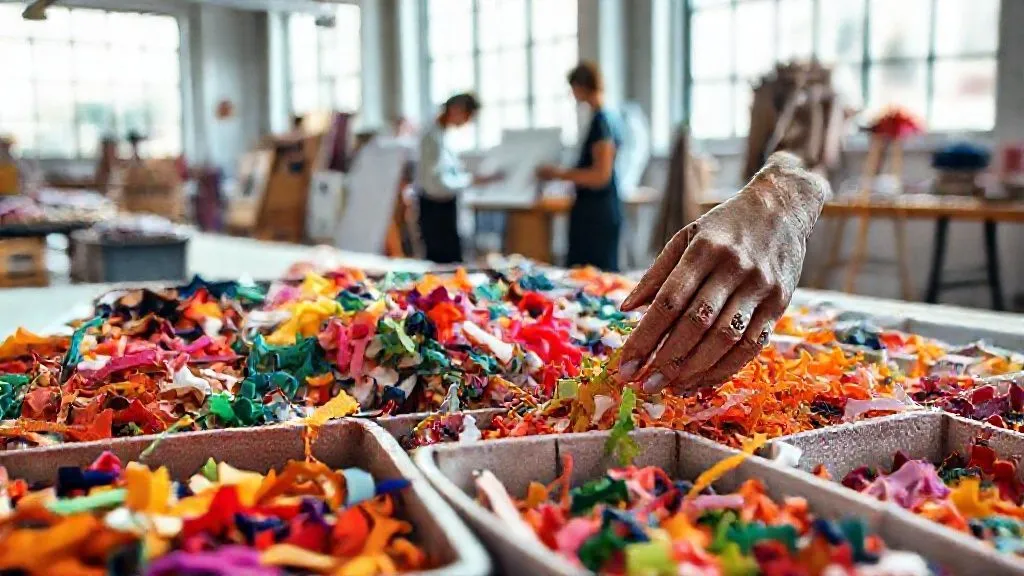
How to efficiently manage textile waste logistics for upcycled brands?
For over two decades in the sustainable fashion industry, I've observed a paradox: brands committed to upcycling, laudable in their mission, often stumble not on design or ethics, but on the intricate, often messy, challenge of textile waste logistics. I've seen promising ventures drown in mountains of unsorted fabric, or miss critical opportunities due to inefficient material flow. It’s a silent killer of potential, turning noble intentions into operational nightmares.
The problem is multifaceted. Unlike traditional fashion, where raw materials are standardized and predictable, upcycled brands deal with an inherent variability that demands a unique logistical playbook. From inconsistent material streams and complex sorting requirements to storage limitations and quality control headaches, the journey from discarded textile to desirable product is fraught with specific logistical hurdles that can overwhelm even the most passionate founders.
In this definitive guide, I will share the strategies, frameworks, and insights I've gathered from years in the trenches, helping upcycled brands not just survive, but thrive. You'll learn how to transform textile waste logistics from a daunting challenge into a competitive advantage, establishing robust systems for sourcing, managing, and transforming discarded textiles into valuable, sustainable fashion statements. We’ll explore actionable steps, real-world examples, and technological solutions to ensure your upcycled brand operates with unparalleled efficiency and impact.
Understanding the Unique Challenges of Upcycled Textile Logistics
Before we dive into solutions, it’s crucial to acknowledge the distinct logistical landscape upcycled brands navigate. This isn't just about moving goods; it's about managing an unpredictable, often heterogeneous, resource stream.
The Inherent Variability of Waste Streams
Unlike virgin materials purchased to exact specifications, textile waste is inherently variable. You might receive a batch of denim one day, a mix of cotton blends the next, and then a collection of industrial off-cuts. This variability impacts everything from storage requirements to processing methods and even the final product design. It demands flexibility, adaptability, and a robust system for material classification.
Space, Storage, and Sorting Dilemmas
Textile waste, especially before processing, can be bulky and require significant space. Traditional warehousing might not be equipped for the sheer volume and diverse nature of materials. Moreover, the critical first step – sorting – is labor-intensive and requires a keen eye for material composition, condition, and potential contaminants. Efficient sorting is the bedrock of successful upcycling, yet it's often underestimated in its logistical complexity.
Quality Control and Material Assessment
Every piece of textile waste tells a story, and not all stories are suitable for upcycling. Assessing material quality, identifying damage, stains, or undesirable fabric blends, and determining its suitability for specific product lines is a continuous challenge. This assessment often requires specialized knowledge and can significantly impact the usable yield from a waste stream.
Step 1: Implementing a Robust Sourcing and Collection Framework
The journey to efficient textile waste logistics begins at the source. How you acquire your materials sets the tone for your entire operation.
Building Strategic Partnerships with Waste Generators
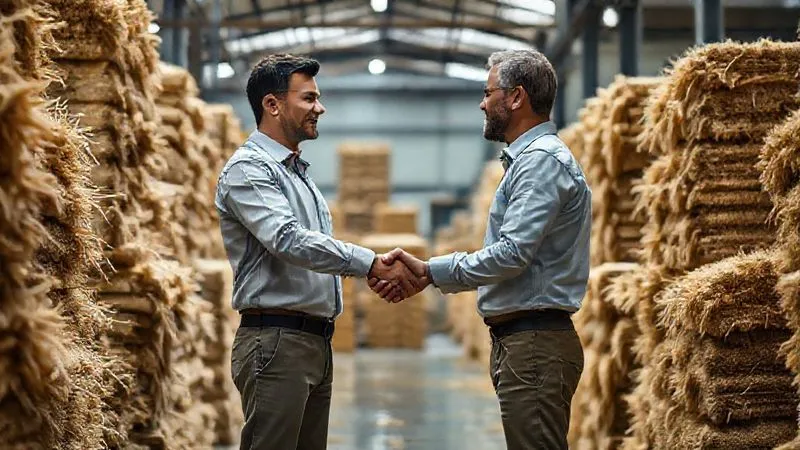
In my experience, relying on ad-hoc collections or public donations often leads to inconsistent supply and quality issues. The most successful upcycled brands forge direct, long-term partnerships with textile manufacturers, garment factories, laundries, or even large retailers. These partnerships offer more predictable waste streams, often pre-sorted to some degree, and can lead to cost efficiencies.
- Identify Potential Partners: Look for businesses generating significant, consistent textile waste relevant to your brand's aesthetic and material needs.
- Define Mutual Benefits: Frame the partnership as a win-win. You provide a sustainable solution for their waste, potentially reducing their disposal costs, and they provide you with materials.
- Establish Collection Protocols: Clearly define collection frequency, packaging requirements (e.g., baled, bagged, separated by type), and transportation logistics.
Establishing Clear Material Specifications
Don't just ask for "textile waste." Be specific. Do you need 100% cotton denim? Pre-consumer cutting scraps? Post-consumer garments of a certain fiber composition? The clearer your specifications, the better the quality of the incoming material and the less sorting you'll have to do in-house. Provide visual guides or samples to your partners.
"The true art of managing textile waste isn't about handling what arrives; it's about strategically shaping what arrives. Proactive sourcing reduces reactive chaos."
According to a report by the Ellen MacArthur Foundation, proactive material management, including strategic sourcing of waste, is fundamental to building circular textile systems, reducing reliance on virgin resources by up to 80% in some cases. Learn more about circular textiles.
Step 2: Mastering Inventory Management for Disparate Materials
Once materials arrive, efficient inventory management is paramount. This isn't just about knowing what you have, but knowing where it is, its condition, and its potential applications.
Categorization and Digital Tracking Systems
Implement a robust system for categorizing incoming materials. This could be by fiber content (cotton, polyester, blends), color, weave, weight, condition (new, gently used, damaged), and potential end-use. Assign unique IDs to batches and use digital inventory management software (even a sophisticated spreadsheet can work initially) to track quantities, locations, and processing status.
- Standardize Naming Conventions: Ensure all team members use the same terms for material types.
- Implement Barcoding/QR Codes: Attach codes to storage bins or bales for quick scanning and inventory updates.
- Track Material Flow: Log when materials enter, are processed, allocated to production, and leave.
Optimizing Storage Solutions
Storage needs to be efficient, safe, and easily accessible. Consider vertical storage solutions to maximize space. Use clear, labeled containers or shelving. Design your storage area to reflect your workflow – materials that are frequently accessed or require immediate processing should be most accessible. Proper ventilation and protection from moisture are also critical to prevent degradation.
| Material Type | Storage Method | Location | Avg. Monthly Inflow (kg) | Avg. Usable Yield (%) |
|---|---|---|---|---|
| Pre-Consumer Denim Scraps | Baled, Palletized | Warehouse Zone A | 1500 | 85% |
| Post-Consumer Cotton T-Shirts | Bagged, Shelved | Warehouse Zone B | 800 | 70% |
| Industrial Polyester Off-cuts | Crated, Stacked | Warehouse Zone C | 500 | 90% |
Step 3: Streamlining Pre-Processing and Preparation
The bridge between raw waste and usable material is efficient pre-processing. This stage often involves manual labor but can be significantly optimized.
Efficient Sorting and Cleaning Protocols
Sorting is the most labor-intensive part. Train your team to quickly identify fiber content (if not pre-sorted), remove non-textile components (buttons, zippers, labels if not desired), and categorize by color, condition, and potential end-use. Implement a multi-stage sorting process: initial rough sort upon arrival, followed by a finer sort before specific product allocation. Invest in good lighting and ergonomic workstations.
Cleaning protocols depend on the material. For post-consumer items, industrial washing is often necessary. For pre-consumer scraps, a simple shake or air blast might suffice. Ensure you have clear guidelines for when and how materials are cleaned, considering water and energy consumption to maintain your sustainable ethos.
Deconstruction and Material Transformation
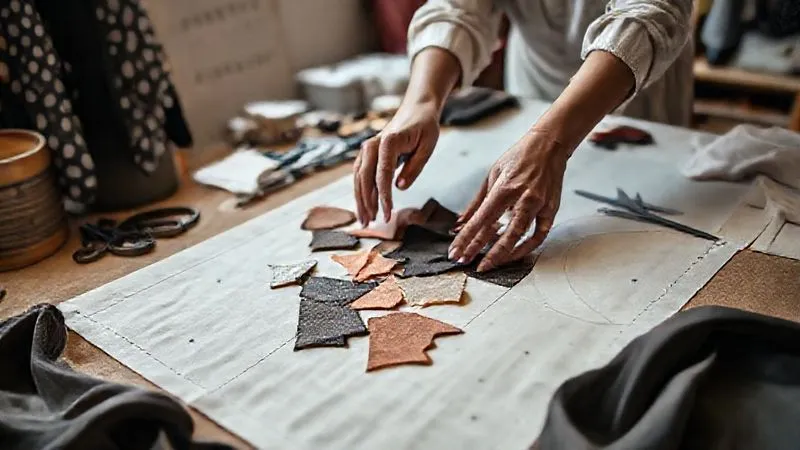
For many upcycled brands, materials need to be deconstructed. This could mean carefully unpicking seams, cutting fabrics into specific shapes, or even shredding textiles for new applications (e.g., insulation or yarn production). Developing standardized operating procedures (SOPs) for these tasks can significantly improve efficiency and consistency. Consider specialized tools or machinery to aid in deconstruction where feasible, balancing initial investment with long-term labor savings.
Step 4: Designing for Logistics: The Upcycled Product Lifecycle
Logistics isn't just about what happens before production; it's intricately linked to how you design your products.
Modular Design Principles
Designing products with a modular approach means creating items from standardized components or smaller, more manageable pieces of upcycled material. This allows for greater flexibility in using diverse waste streams and reduces reliance on large, pristine pieces of fabric. It also simplifies cutting and assembly processes, making production more efficient and minimizing internal scrap generation.
For example, instead of needing a continuous 3-meter length of fabric for a dress, a modular design might allow you to piece together smaller, complementary fabric panels. This directly addresses the challenge of material variability inherent in upcycling.
Minimizing Waste During Production
Even with upcycled materials, production can generate waste. Implement pattern-making techniques that maximize fabric utilization (e.g., nested patterns). Train your cutting team to be mindful of scrap generation. Any remaining scraps should be immediately sorted and designated for smaller products, embellishments, or directed to a secondary recycling stream. The goal is a truly zero-waste approach within your own operations.
"True sustainability in upcycling extends beyond the material; it encompasses every cut, stitch, and logistical decision, aiming for zero waste at every touchpoint."
As marketing guru Seth Godin often emphasizes, distinguishing your brand requires thinking differently, not just doing the same things better. For upcycled brands, this means integrating sustainability deeply into operational design, not just as a marketing claim. Explore Seth Godin's insights on differentiation.
Step 5: Leveraging Technology for Supply Chain Visibility
In an increasingly complex world, technology is no longer a luxury but a necessity for efficient logistics.
ERP Systems and Blockchain for Traceability
Implementing an Enterprise Resource Planning (ERP) system tailored for manufacturing can integrate all aspects of your operation – from inventory and production planning to sales and finance. For upcycled brands, this means real-time visibility into material stock, work-in-progress, and finished goods. For enhanced transparency and trust, consider blockchain technology. While still nascent for many small brands, blockchain can provide an immutable record of a material's journey from waste generator to final product, offering unparalleled traceability and authenticity to consumers.
- Research Industry-Specific ERPs: Look for systems designed for small-to-medium sized manufacturers, potentially with modules for sustainable practices.
- Pilot Blockchain for Key Materials: Start with a high-value or signature upcycled material to test the feasibility and benefits of blockchain traceability.
- Integrate with Sourcing Partners: If possible, link your system with your waste generators for seamless material intake data.
Predictive Analytics for Waste Flow
Once you've collected sufficient data on incoming waste streams, you can use predictive analytics. This involves analyzing historical data to forecast future material availability, types, and volumes. This insight allows you to better plan production schedules, manage inventory levels, and even inform design decisions, ensuring you're not over-reliant on a single, unpredictable source. This proactive approach significantly reduces logistical bottlenecks and material shortages.
Case Study: EcoThread Apparel
EcoThread Apparel, a mid-sized upcycled activewear brand, initially struggled with inconsistent denim scrap supply, leading to production delays. By implementing a lightweight ERP system and establishing direct digital communication channels with their three main textile mill partners, they gained real-time insight into upcoming waste batches. This allowed them to forecast denim availability 4-6 weeks in advance, reducing material-related production delays by 40% and optimizing their inventory holdings by 25%. Their success hinged on moving from reactive sourcing to proactive, data-driven logistics planning.
Step 6: Cultivating a Network for Excess Material Redistribution
Even with the best planning, you'll inevitably encounter materials that don't fit your brand's specific needs or are unusable for your primary product lines. This is where a robust redistribution strategy comes into play.
Collaborating with Other Upcyclers and Artisans
Build relationships with other designers, artisans, or smaller upcycling startups. What might be waste for your brand could be a valuable resource for another. Establish a system for sharing or selling excess materials. This not only prevents materials from going to landfill but also fosters a collaborative, circular economy within the sustainable fashion community. Consider hosting "material swap meets" or creating a digital marketplace.
Exploring Secondary Markets for Unusable Scraps
For truly unusable scraps – those too small, damaged, or of undesirable composition for fashion upcycling – explore secondary recycling markets. These might include companies that convert textiles into insulation, stuffing, or even new fibers. While this might not directly feed into your product line, it ensures that your "waste" truly has nowhere to go but back into a useful cycle. This demonstrates a full commitment to zero-waste principles beyond your immediate production.
| Excess Material Type | Primary Destination | Secondary Destination | Avg. Monthly Volume (kg) |
|---|---|---|---|
| Small Cotton Scraps (less than 10x10cm) | Artisan Collaboration (quilting) | Textile Shredding for Insulation | 50 |
| Damaged Silk Off-cuts | Local Craft Workshops (dyeing projects) | Industrial Wiper Production | 15 |
| Synthetic Blends (unusable) | N/A | Material-to-Energy Facility | 30 |
According to a report by McKinsey & Company, collaboration across the value chain, including material sharing, is a key driver for accelerating sustainability in fashion. Read the State of Fashion report.
Step 7: Continuous Improvement and Circularity Audits
Efficiency isn't a destination; it's an ongoing journey. For upcycled brands, this means constantly evaluating and refining your logistical processes.
Establishing Key Performance Indicators (KPIs)
Define clear KPIs to measure the effectiveness of your textile waste logistics. These could include:
- Material Utilization Rate: Percentage of incoming waste transformed into product.
- Waste-to-Landfill Rate: Percentage of incoming waste that ends up in landfill.
- Sorting Efficiency: Time or cost per kilogram of sorted material.
- Inventory Turnover: How quickly materials move through your system.
- Supplier Reliability: Consistency of material delivery from partners.
Regularly track these metrics and use them to identify bottlenecks and areas for improvement.
Regular Audits and Feedback Loops
Conduct periodic "circularity audits" of your entire supply chain, from sourcing to final product and beyond. This involves reviewing your processes, interviewing team members, and assessing material flows. Create feedback loops with your sourcing partners to discuss material quality and consistency. Encourage your production team to provide input on material usability and processing challenges. This continuous feedback is invaluable for refining your logistical strategies and pushing towards greater efficiency and sustainability.
"The most sustainable brand isn't just one that uses recycled materials; it's one that relentlessly optimizes its entire ecosystem to ensure nothing goes to waste, continually learning and adapting."

Frequently Asked Questions (FAQ)
Q: How do I find reliable sources for textile waste, especially for unique or specific materials? A: Start by networking within your local industrial zones – garment manufacturers, upholstery businesses, laundries, and even hospitals generate significant textile waste. Attend industry events, join sustainable fashion forums, and directly approach companies. Often, smaller businesses are eager to find sustainable outlets for their waste. Don't overlook deadstock fabric suppliers who specialize in selling leftover materials from larger brands. Building personal relationships and clearly communicating your needs and their benefits is key.
Q: What are the biggest regulatory hurdles for managing textile waste for upcycled brands? A: Regulatory hurdles primarily revolve around waste classification and transportation. Depending on your location, there might be specific rules for storing and transporting industrial waste, even if it's destined for upcycling. Understanding local environmental regulations, waste permits, and safe handling guidelines is crucial. It’s advisable to consult with local waste management authorities or an environmental consultant to ensure compliance, especially if dealing with large volumes or specific material types.
Q: How can small upcycled brands compete with larger companies for textile waste resources? A: Small brands can compete by offering unique value propositions. While larger companies might offer bulk collection, small brands can offer more personalized relationships, quicker turnaround on smaller batches, and the ability to take on diverse, less standardized materials that larger recyclers might deem uneconomical. Emphasize your brand story and the positive environmental impact your partnership creates, which can be a powerful motivator for waste generators looking to enhance their own CSR profile. Focus on niche materials or specific waste streams that larger players might overlook.
Q: Is investing in specialized machinery for textile deconstruction or sorting worth it for a new brand? A: This depends on your volume and growth trajectory. For new brands, manual sorting and deconstruction are often cost-effective initial steps. However, as your volume increases, bottlenecks will emerge. Investing in machinery like fabric shredders, automated cutters, or even industrial washing machines can significantly improve efficiency and reduce labor costs in the long run. Conduct a thorough cost-benefit analysis, considering labor savings, increased output, and potential for higher material utilization, before making significant capital investments. Start with renting or leasing equipment if possible to test the waters.
Q: How do I ensure the ethical sourcing of textile waste, particularly post-consumer items? A: Ethical sourcing for post-consumer waste primarily concerns ensuring that the collection process doesn't exploit vulnerable populations or divert usable clothing from those in need. Partner with reputable textile recycling organizations or charities that have transparent collection and sorting practices. If sourcing directly, ensure fair labor practices are upheld in any sorting or processing facilities. For industrial waste, verify that the generating factory adheres to ethical labor standards. Transparency and due diligence are paramount.
Key Takeaways and Final Thoughts
Mastering textile waste logistics is not merely an operational challenge; it is the very foundation upon which a successful and impactful upcycled fashion brand is built. It demands a strategic mindset, a commitment to innovation, and a willingness to embrace complexity.
- Strategic Partnerships are Key: Proactive sourcing with clear specifications reduces chaos at the intake.
- Data-Driven Inventory: Categorize, track, and optimize storage for diverse materials.
- Efficient Pre-Processing: Streamline sorting and deconstruction with clear protocols.
- Design for Circularity: Integrate logistics into product design to minimize internal waste.
- Leverage Technology: Use ERPs and analytics for visibility and forecasting.
- Build a Redistribution Network: Share or sell excess materials to foster a wider circular economy.
- Commit to Continuous Improvement: Define KPIs and conduct regular audits to refine processes.
The journey to efficiently manage textile waste logistics for upcycled brands is an evolving one. It requires patience, persistence, and a deep understanding that every scrap of fabric holds potential. By adopting these expert-driven strategies, you're not just creating fashion; you're actively redefining industry standards, proving that sustainability and efficiency can, and must, go hand in hand. Embrace the challenge, innovate relentlessly, and lead the charge towards a truly circular fashion future.
Recommended Reading
- 5 Agile Strategies: Rapid Trend Integration for Activewear Brands
- Boost Your Fashion Blog Income 50%: Traffic-Free Monetization Hacks
- 5 Reasons Your Bridesmaid Dress Consults Aren't Converting
- 7 Steps: Translating Brand Vision into Compelling Fashion Magazine Editorials
- 7 Steps to Scale Handmade Jewelry: Maintain Quality & Grow Profit




Your email address will not be published. Required fields are marked *