

Navigating the Toddler Outfit Market: How to Differentiate Your Line
For over 15 years in the dynamic world of kids' fashion, I've seen countless brands launch with immense passion, only to falter and fade into the background. It's a common story, one that often boils down to a fundamental misunderstanding of market positioning. The toddler outfit segment, while seemingly overflowing with cuteness and creativity, is one of the most fiercely competitive arenas.
The problem is glaring: parents are overwhelmed by choice. From fast-fashion giants to boutique independent labels, every brand seems to offer 'adorable,' 'comfortable,' and 'durable' outfits. When every competitor uses the same language and visual cues, how can a new or even established brand genuinely capture attention and, more importantly, loyalty? This saturation makes it incredibly difficult for brands to articulate their unique value, leading to price wars, low margins, and ultimately, a loss of identity.
But despair not. In this definitive guide, I'm going to share a robust framework, honed through years of industry experience, on how to differentiate toddler outfit lines in a saturated market. We'll delve into actionable strategies, real-world analogies, and expert insights that will not only help you stand out but build a brand that resonates deeply with your target audience, fostering lasting connections and sustainable growth.
Unearthing Your Unique Selling Proposition (USP) in Toddler Fashion
The first, and arguably most critical, step in differentiation is defining your Unique Selling Proposition (USP). This isn't just a tagline; it's the very core of what makes your brand distinct and superior in the eyes of your customer. Without a clear USP, you're merely another option in a sea of sameness.
Deep Dive into Your Brand's Core Values
Before you even think about fabric swatches, ask yourself: What values drive your brand? Is it sustainability, ethical production, innovative design, sensory comfort, or perhaps a commitment to promoting diversity? Your core values should be authentic and deeply embedded in every aspect of your business, from sourcing to marketing. Parents, especially those with toddlers, are increasingly value-driven consumers. They want to align with brands that reflect their own beliefs.
"Differentiation isn't about being 'better'; it's about being 'different' in a way that truly matters to your ideal customer."
Identifying Your Niche Audience Segment
The biggest mistake I've observed is trying to appeal to 'all parents.' That's a highway to generic oblivion. Instead, pinpoint a specific segment of parents whose needs are underserved. Are they eco-conscious minimalists seeking gender-neutral capsule wardrobes? Parents of children with sensory sensitivities needing tag-free, super-soft fabrics? Or perhaps urban parents looking for stylish, durable outfits for active city play? The narrower your focus, the clearer your message becomes.
Consider the diverse needs and lifestyles of modern families:
- The Eco-Conscious Parent: Prioritizes organic, recycled, or upcycled materials, sustainable production, and minimal waste packaging.
- The Practical Minimalist: Seeks durable, versatile pieces that mix-and-match easily, simplifying laundry and wardrobing.
- The Sensory-Aware Parent: Needs ultra-soft, seamless, tag-free garments for children with sensory processing sensitivities.
- The Adventure Seeker: Looks for robust, stain-resistant, weather-appropriate clothing that can withstand rough play outdoors.
- The Style-Forward Parent: Desires unique designs, sophisticated color palettes, and fashion-forward aesthetics for their little ones.
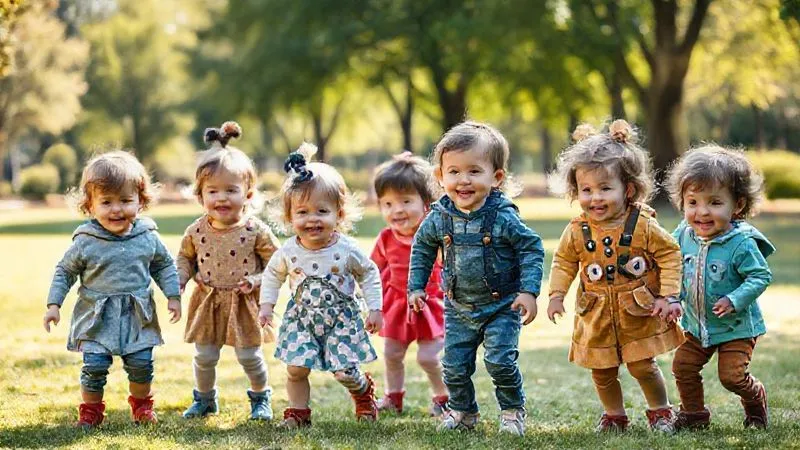
Once you've identified your niche, every design choice, marketing message, and customer interaction should be tailored to resonate specifically with that group. This focused approach naturally differentiates you from brands attempting to be everything to everyone.
| Differentiator Category | Example USP | Why it Matters |
|---|---|---|
| Material Innovation | Organic Pima Cotton, OEKO-TEX certified, naturally hypoallergenic and gentle on sensitive skin. | Addresses health and environmental concerns, offers superior comfort. |
| Design Philosophy | Gender-neutral, minimalist designs focusing on longevity and versatile layering. | Appeals to eco-conscious parents, offers ease of styling, extended wear. |
| Functionality & Features | Adaptive designs with magnetic closures and seamless construction for easy dressing and sensory comfort. | Solves specific pain points for parents and children with special needs or sensory issues. |
| Brand Ethos | Each purchase contributes to early childhood education programs in underserved communities. | Connects with values-driven consumers, creates emotional resonance beyond the product. |
| Community & Experience | Exclusive 'Parent Playdate' events and a members-only online forum for shared parenting tips. | Builds loyalty, fosters a sense of belonging, adds value beyond the physical product. |
The Power of Storytelling: Crafting an Irresistible Brand Narrative
In a market awash with products, stories are what truly connect. Your brand narrative isn't just about what you sell; it's about why you exist, what you believe in, and the journey you're on. A compelling story transforms a commodity into a cherished item.
From Inspiration to Collection: Your Brand's Journey
What's the origin story of your toddler outfit line? Was it a personal struggle finding suitable clothes for your own child? A passion for sustainable living that extended to fashion? Share this journey. People don't just buy products; they buy into the narrative and the person behind it. This human connection is incredibly potent for differentiation.
Engaging Your Audience Through Authentic Communication
Once you have your story, tell it everywhere. Use your website's 'About Us' page, social media captions, email newsletters, and even hang tags to weave your narrative. Show behind-the-scenes glimpses of your design process, your ethical sourcing, or the impact of your community initiatives. Authenticity builds trust, and trust is a powerful differentiator. As marketing guru Seth Godin often says, "People do not buy goods and services. They buy relations, stories, and magic."
For deeper insights into crafting a powerful brand narrative, I highly recommend exploring resources on brand identity and storytelling, such as articles from the Harvard Business Review.
Design Innovation That Speaks to Both Parents and Toddlers
Toddler outfits aren't just mini versions of adult clothes. They need to meet unique requirements for growth, activity, and sensory development. True differentiation in design goes beyond aesthetics to address these practical needs in innovative ways.
Functionality Meets Fashion: Practicality as a Differentiator
Think about the daily struggles of dressing a squirmy toddler. How can your designs alleviate those pain points? Consider:
- Easy Dressing Features: Magnetic closures, envelope necklines, expandable waistbands, two-way zippers. These small details can be a huge win for busy parents.
- Durability & Grow-With-Me Designs: Reinforced knees, adjustable cuffs, and fabrics that withstand countless washes and active play. Parents appreciate longevity.
- Comfort & Movement: Stretchy, breathable fabrics; thoughtful seam placement; generous cuts that allow for unrestricted movement during play and exploration.
- Safety First: Non-toxic dyes, no small detachable parts, appropriate fire safety standards (where applicable).
By intentionally designing for these practical elements, you're not just selling clothes; you're selling solutions and peace of mind.
Material Matters: Sustainability, Safety, and Sensory Comfort
The choice of materials is a significant differentiator. Many parents are increasingly scrutinizing labels, looking for transparency and ethical choices.
- Sustainability: Organic cotton, bamboo, Tencel, recycled polyesters. Highlight certifications like GOTS (Global Organic Textile Standard) or OEKO-TEX Standard 100.
- Safety: Hypoallergenic fabrics, dyes free from harmful chemicals.
- Sensory Comfort: Super-soft textures, tagless designs, flat seams. For children with sensory sensitivities, these aren't preferences; they're necessities.
"In toddler fashion, material choices aren't just about luxury; they're about health, comfort, and a commitment to a better future."
Case Study: How 'Little Explorers Co.' Conquered the Sensory Niche
Little Explorers Co., a fictional startup, initially struggled to gain traction despite beautiful designs. Their breakthrough came when the founder, a parent of a child with sensory processing disorder, realized the desperate need for truly sensory-friendly toddler wear. They pivoted to focus exclusively on ultra-soft, seamless, tagless garments made from certified organic bamboo. Their marketing highlighted the science behind sensory comfort and featured testimonials from grateful parents whose children finally felt comfortable in clothes. This hyper-niche focus, combined with their authentic story, allowed them to command premium pricing and build a fiercely loyal community, achieving differentiation in a highly personal and impactful way.
Building a Community, Not Just a Customer Base
In today's digital age, brands that foster a sense of community thrive. For toddler outfit lines, this means connecting parents with each other and with your brand on a deeper level. It's about creating a tribe, not just a transaction.
Leveraging User-Generated Content and Reviews
Encourage parents to share photos of their toddlers wearing your outfits. Run contests, feature their posts on your social media, and use their authentic reviews. User-generated content (UGC) is incredibly powerful social proof. It shows real kids, real parents, and real experiences, which is far more persuasive than polished professional photography alone. It also makes your customers feel seen and valued, transforming them into brand advocates.

Engaging Through Events and Collaborations
Consider hosting virtual 'playdates,' parenting workshops, or even local pop-up events that bring your community together. Collaborate with mommy bloggers, parenting influencers, or complementary brands (e.g., eco-friendly toy companies, children's book authors) that share your values and target audience. These partnerships extend your reach and reinforce your brand's commitment to supporting parents. A recent study by Forbes highlighted that influencer marketing, when done authentically, can yield significant ROI, especially in niche markets.
Strategic Marketing & Distribution: Reaching Your Ideal Parent
Even the most differentiated product needs a smart strategy to reach its audience. This isn't about spending a fortune; it's about smart, targeted marketing and distribution that aligns with your USP and speaks directly to your niche.
Content Marketing That Educates and Inspires
Go beyond simply showcasing your products. Create valuable content that solves parents' problems, offers advice, or inspires them. Blog posts like '5 Tips for Choosing Durable Play Clothes' or 'The Benefits of Organic Fabrics for Sensitive Skin' position you as an expert and a trusted resource. Use social media to share engaging stories, behind-the-scenes glimpses, and interactive polls. This builds trust and draws your ideal customer to you organically.
Diversifying Your Sales Channels Beyond the Expected
While an e-commerce store is essential, consider other channels that might better reach your niche:
- Curated Boutiques: Partner with independent children's boutiques that share your aesthetic and values.
- Subscription Boxes: Offer a curated seasonal box for busy parents who appreciate convenience and surprise.
- Pop-Up Shops: Participate in local markets, craft fairs, or collaborate with other businesses for temporary retail experiences.
- Direct-to-Consumer (DTC) Focus: Build a strong online presence and relationship with customers directly, cutting out middlemen and allowing for more personalized service.
| Channel | Pros | Cons | Best For Differentiation |
|---|---|---|---|
| Direct-to-Consumer (DTC) Website | Full control over branding, higher margins, direct customer relationship. | Requires significant marketing investment, managing logistics. | Storytelling, personalized experience, niche targeting. |
| Independent Boutiques | Curated audience, brand validation, reduced marketing burden. | Lower margins, less control over customer experience. | Premium positioning, local community engagement. |
| Subscription Box Services | Recurring revenue, brand discovery, convenience for parents. | Logistical complexity, requires unique product/packaging. | Surprise & delight, convenience, curated style. |
| Online Marketplaces (e.g., Etsy, Amazon Handmade) | Large existing audience, lower initial investment. | High competition, fee structures, difficult to stand out without strong branding. | Early stage brands, testing products, reaching broad audience with specific keywords. |
Operational Excellence: The Unsung Hero of Differentiation
Differentiation isn't just about what you say; it's about what you do, consistently and reliably. Operational excellence, though often overlooked in branding discussions, can be a powerful differentiator, especially in a market where quality and trust are paramount.
Supply Chain Transparency and Ethical Sourcing
Today's conscious consumer wants to know where and how their products are made. Providing transparency about your supply chain—from the farm where the cotton is grown to the factory where the garments are sewn—builds immense trust. Highlight your commitment to fair labor practices, safe working conditions, and environmental responsibility. This isn't just good business; it's a moral imperative that resonates deeply with your target market. For more on ethical sourcing, resources like the UN Sustainable Development Goals offer valuable frameworks.
Exceptional Customer Service and Post-Purchase Experience
In a saturated market, outstanding customer service can be the ultimate differentiator. A seamless shopping experience, prompt and helpful responses to inquiries, easy returns, and personalized thank-you notes all contribute to a positive brand perception. When a parent feels valued and supported, they become loyal advocates. Think beyond the sale; how can you continue to add value and delight your customers after they've received their order? This could include care guides, styling tips, or exclusive early access to new collections.

Embracing Agility and Continuous Innovation
The kids' fashion market, like all fashion, is constantly evolving. What differentiates you today might become table stakes tomorrow. To maintain your edge, your brand must embrace agility and commit to continuous innovation.
Listening to Your Customers: Feedback Loops
Your customers are your most valuable source of insight. Actively solicit feedback through surveys, social media polls, and direct conversations. What do they love? What frustrates them? What new needs are emerging? Use this feedback to refine your designs, improve your service, and identify new opportunities for differentiation. This iterative process shows that you value their input and are committed to meeting their evolving needs.
Trend Spotting vs. Trend Setting
While it's important to be aware of broader fashion trends, don't chase every fad. Instead, understand how macro trends (e.g., sustainability, gender fluidity, minimalism) might influence your niche. Can you interpret these trends through the lens of your unique brand identity? Aim to be a 'trend-setter' within your specific niche, rather than a follower of mass-market trends. This means staying true to your brand's aesthetic and values while subtly evolving to remain fresh and relevant.
"True innovation isn't always about inventing something entirely new; sometimes it's about applying existing solutions in a novel way that solves a specific problem for a specific audience."
Frequently Asked Questions (FAQ)
How important is pricing in differentiating a toddler outfit line? Pricing is a delicate balance. While it shouldn't be your primary differentiator in a saturated market (as it often leads to a race to the bottom), your pricing strategy must align with your USP and perceived value. If you offer premium organic materials and ethical production, your price point should reflect that. Trying to be the cheapest often undermines any other differentiation efforts. Focus on communicating the value that justifies your price.
Can a small, independent brand truly compete with large retailers in the toddler outfit market? Absolutely, and often with an advantage! Large retailers struggle with agility, personalization, and niche focus. Small brands can leverage their authenticity, direct connection with customers, unique design, and strong brand story to create a loyal following that big brands can't replicate. Your size allows for deeper relationships and a more specialized product offering.
What's the biggest mistake brands make when trying to differentiate? The biggest mistake is a lack of authenticity and consistency. Brands often try to adopt too many differentiators or jump on every trend, resulting in a muddled brand identity. True differentiation comes from a deep understanding of your core values and niche, and then consistently communicating and delivering on those promises across all touchpoints. Inconsistency erodes trust and makes your brand forgettable.
How do I measure the success of my differentiation efforts? Success can be measured through various metrics beyond just sales. Look at customer loyalty (repeat purchases, subscription rates), brand recall, customer feedback (positive reviews mentioning your unique aspects), social media engagement, and brand sentiment. Are customers talking about your specific differentiators? Are they recommending you for those reasons? These qualitative and quantitative indicators will tell you if your efforts are resonating.
Is 'sustainability' just a buzzword, or can it genuinely differentiate a toddler outfit line? Sustainability is far more than a buzzword; it's a growing imperative and a powerful differentiator. Modern parents are increasingly concerned about the environmental and social impact of their purchases. Brands that genuinely commit to sustainable practices—from organic materials and ethical production to circular economy initiatives—and transparently communicate these efforts, can build significant trust and loyalty. However, it must be authentic and verifiable, not just greenwashing.
Key Takeaways and Final Thoughts
- Define Your Authentic USP: Don't be another 'me too' brand. Find your unique angle rooted in your values and a specific niche.
- Tell a Compelling Story: Connect emotionally with your audience through an authentic brand narrative.
- Innovate Beyond Aesthetics: Focus on functionality, safety, and material choices that solve real parent and toddler needs.
- Build a Community: Foster loyalty by engaging your customers and making them part of your brand journey.
- Market Smartly: Target your efforts and diversify channels to reach your ideal customer effectively.
- Prioritize Operational Excellence: Transparency and exceptional service build unwavering trust.
- Embrace Agility: Continuously listen, learn, and evolve while staying true to your core identity.
The toddler outfit market may be saturated, but it is by no means impenetrable. By focusing on genuine differentiation, building deep connections, and consistently delivering on your promises, your brand can not only survive but truly thrive. It requires courage, clarity, and an unwavering commitment to your unique vision. Go forth, innovate, and dress the next generation with purpose!
Recommended Reading
- Mastering Minimalist Fashion Photography: 7 Steps to a Distinctive Aesthetic
- Unveiling Scars: How One Costume Reveals Hidden Character Trauma
- Unlock Your Vision: Solving Creative Blocks in Fashion Shoot Direction Once and For All
- The Secret to Soothing Comfort: How to Choose Newborn Clothes for Sensitive Skin
- Unlock Sustainable Style: How to Buy Fashion Without Greenwashing Lies




Your email address will not be published. Required fields are marked *