

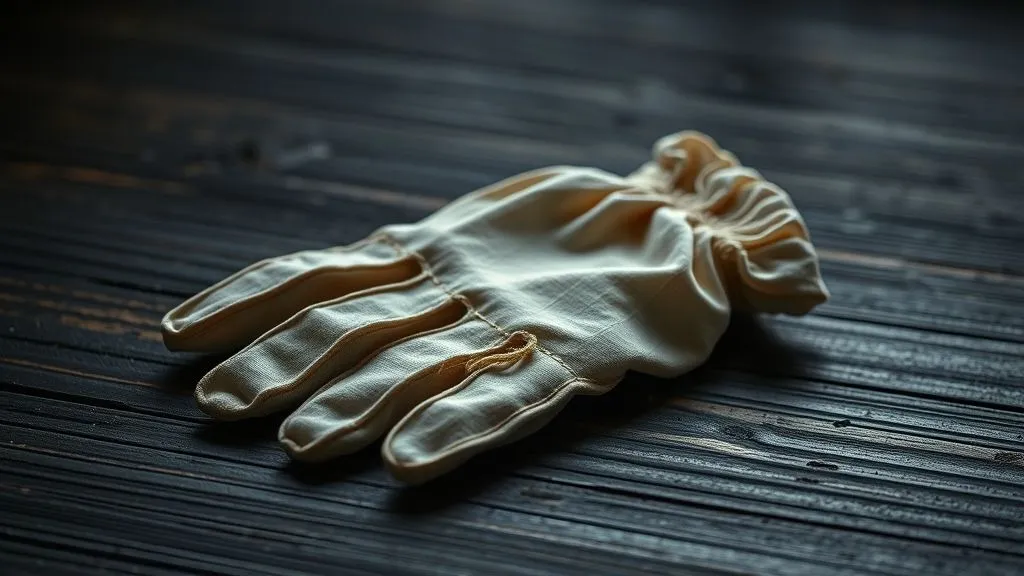
How to Convey Hidden Character Trauma with One Costume?
For over two decades in the demanding world of costume design, I've witnessed the profound impact a single garment can have on a character's journey. It's more than just fabric and stitches; it's a silent language, an unspoken narrative that can reveal depths of personality, history, and emotion. The real challenge, however, often lies not in showcasing what's obvious, but in hinting at the unseen – the hidden traumas that shape a character long before they utter a word.
Many designers, understandably, might gravitate towards more overt visual cues or rely on the script to do the heavy lifting. Yet, the truly masterful approach is to embed a character's past pain, their psychological wounds, into the very fibers of their attire, making the costume a living testament to their experiences without resorting to cliché. This isn't about slapping a 'distressed' label on a jacket; it's about thoughtful, psychological design.
In this comprehensive guide, I'll share my insights and actionable frameworks for tackling this intricate challenge. We'll delve into the nuanced art of using fabric, color, fit, and detail to tell a story of trauma, exploring how to craft a single costume that resonates with a character's hidden scars, providing both depth and authenticity to their portrayal on screen or stage.
The Silent Language of Fabric: Beyond Abrasions and Tears
Fabric isn't just a material choice; it's a fundamental storytelling element. The tactile and visual qualities of a textile can profoundly influence how an audience perceives a character's inner state, especially when dealing with hidden trauma. It's about much more than simply distressing a garment to show hardship.
The Psychology of Texture and Drape
Consider the psychological impact of different textures. A character grappling with past abuse might subconsciously gravitate towards heavy, protective fabrics like thick wools or stiff denim, creating a physical barrier between themselves and the world. Conversely, someone who feels exposed or vulnerable might wear thin, clinging materials that offer no physical or emotional solace, almost as if their skin is too sensitive for anything else.
The drape of a fabric also speaks volumes. A stiff, unyielding fabric can suggest rigidity, a character's inability to adapt or move past a traumatic event, holding themselves together with sheer force of will. In contrast, a fabric that drapes heavily and lifelessly might symbolize a character weighed down by their past, their spirit crushed. The goal is to choose a fabric that inherently embodies a facet of their trauma, creating a visceral connection for the audience.
The true genius of costume design for trauma lies in selecting fabrics that don't just 'look' the part, but 'feel' the part, resonating with the character's internal landscape on a subconscious level. It's a dance between the physical and the psychological.
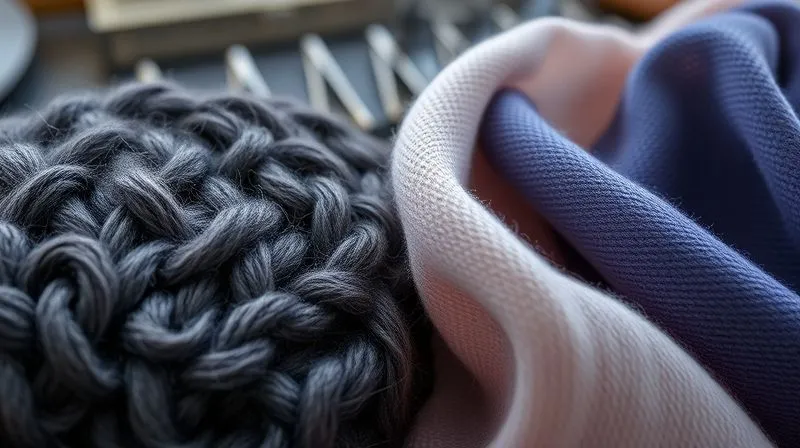
Color as a Subconscious Scar: Muted Palettes and Hidden Hues
Color is arguably one of the most potent non-verbal communicators in costume design. For conveying hidden trauma, it's not always about bold statements, but rather the subtle shifts, the absence, or the unexpected presence of color.
Symbolism of Desaturated Tones and Isolated Brights
A character haunted by trauma often lives in a world that feels muted, their emotional spectrum dulled. This can be powerfully reflected in a desaturated color palette – grays, muted blues, faded browns, and off-whites. These colors aren't just drab; they represent a life where vibrancy has been drained, a spirit that has lost its luster. It's a visual metaphor for their inner emptiness or the suppression of emotion.
However, an isolated splash of color can be equally, if not more, impactful. Imagine a character predominantly dressed in grays and blacks, but they wear a single, almost imperceptible accessory – a faded red ribbon, a small, chipped green button – that hints at a moment of past joy, a connection severed, or a memory they desperately cling to. This 'pop' of color becomes a poignant symbol of what was lost or what little hope remains. According to a study published in the Journal of Consumer Research on color psychology, certain hues can evoke specific emotional responses, which designers can leverage.
- Establish a Base Palette: Begin with a predominantly desaturated or neutral palette that reflects the general emotional state post-trauma.
- Identify Emotional Anchors: Pinpoint specific emotions or memories tied to the trauma – loss, love, fear, a specific place.
- Select a 'Ghost' Color: Choose a color that symbolically represents these anchors. It might be a color from a happier past, or one associated with the traumatic event itself.
- Integrate Subtly: Introduce this 'ghost' color in a small, often overlooked detail: a lining, a faint embroidery, a discolored patch, a single thread.
- Control Saturation: Ensure this accent color is also somewhat muted or faded, indicating that its vibrancy has been diminished by time or trauma.
The Weight of the Past: Fit, Form, and the Body Language of Clothing
The way a costume fits a character is a direct extension of their relationship with their own body and their place in the world. For those carrying hidden trauma, this relationship is often fraught with discomfort, detachment, or a desperate need for concealment.
Over-sized, Under-sized, or Ill-fitting: Visualizing Discomfort
An over-sized garment can be a metaphorical shield, a way for a character to disappear, to make themselves smaller and less noticeable. It speaks to a desire to hide, to avoid confrontation, or a profound sense of insecurity. Conversely, a character who has experienced trauma might wear clothes that are slightly too small, perhaps from a time when they were different, or as a symbol of feeling trapped and constrained by their past.
Ill-fitting clothes, whether too tight, too loose, or simply mismatched in style and era, can visually represent a character who is not comfortable in their own skin, who feels out of place, or who has been forced into circumstances that don't suit them. This deliberate awkwardness in fit is a powerful, non-verbal cue that something is fundamentally amiss in their life. As costume designer Edith Head famously said, "What a costume designer does is a cross between magic and camouflage." We are camouflaging the trauma, yet revealing it through subtle choices.
The fit of a costume is rarely just about aesthetics; it's a profound statement on a character's sense of self-worth, their need for protection, or their struggle to inhabit their own life post-trauma. Every seam, every drape, tells a story of their inner world.
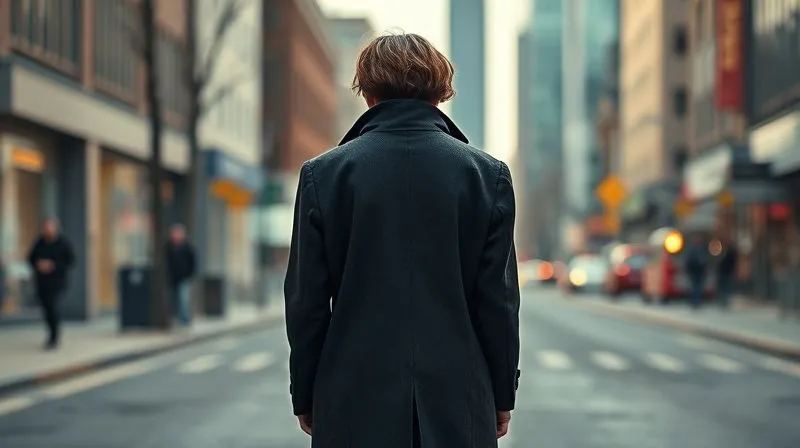
Details That Whisper: Accessories, Repairs, and Personal Touches
It's often in the minutiae, the small, seemingly insignificant details, where the most profound stories of hidden trauma reside. These are the whispers, not the shouts, that reveal a character's past.
The Significance of Worn Items and Mismatched Elements
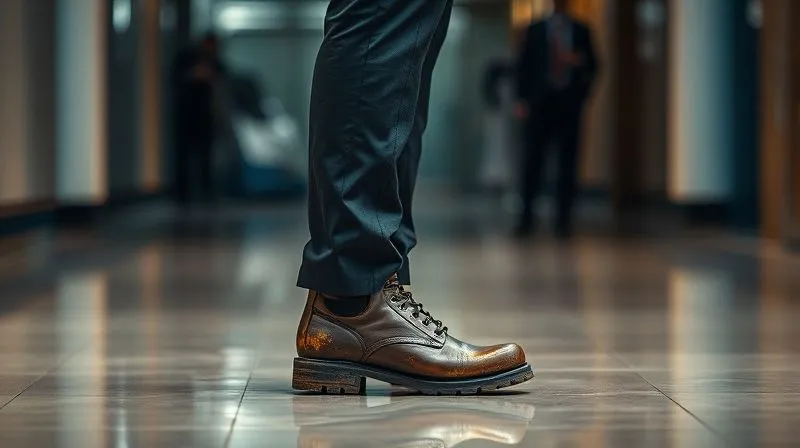
Consider an accessory that is clearly out of place or excessively worn. A character might wear a perfectly tailored suit, but on their wrist is a child's faded friendship bracelet, or a watch with a cracked face that they refuse to replace. These items aren't just sentimental; they are anchors to a past event, a lost loved one, or a moment of profound change. Their worn state suggests time, endurance, and the weight of memory.
Repairs, too, can be incredibly telling. A meticulously mended tear on an otherwise pristine garment, or a patch that is clearly not original but has been carefully sewn, speaks volumes. It can symbolize a character's attempt to 'fix' themselves, to hold together what was broken, or to carry on despite damage. Conversely, a neglected, unraveling seam might show a character who has given up on mending their own wounds. These details invite the audience to ask 'why?'
Case Study: The Mended Coat of Elena
Elena, a successful but emotionally distant architect in a fictional drama, always wore impeccably tailored, modern clothing. However, one specific trench coat, her favorite, had a small, almost invisible patch on the inside of the left cuff. This patch was made from a scrap of plaid fabric, completely incongruous with the coat's sleek design. Throughout the film, Elena would occasionally absentmindedly touch this spot. It was later revealed in a flashback that the coat was a gift from her younger sister, who had died tragically in a childhood accident. The patch was from a favorite blanket her sister had made, and Elena had mended a tear in the coat with it shortly after the accident, a silent ritual of grief and a constant, hidden reminder of her loss. This single, discreet detail conveyed her enduring trauma far more powerfully than any dialogue could.
Layering and Concealment: The Metaphor of Protection
The act of layering clothing is inherently about protection, both physical and psychological. For a character with hidden trauma, excessive or strategic layering can be a powerful visual metaphor for emotional walls and a desperate need for safety.
Physical Barriers vs. Emotional Walls
A character might wear multiple layers even in warm weather, not for comfort, but as a physical barrier. High collars, long sleeves, gloves, scarves, and even hoods can serve to obscure, to hide parts of the body or face that might feel vulnerable or exposed due to past experiences. This isn't necessarily about hiding physical scars, but about creating a sense of being encased, protected from external threats or even from their own memories.
The layers can also represent the complexity of their trauma – different facets of their past, each contributing to their current guarded state. Peeling back these layers, both literally and figuratively, can signify a breakthrough or a moment of vulnerability for the character. It’s a subtle yet profound way to communicate their struggle for self-preservation. As fashion theorist Valerie Steele notes, clothing is often a 'second skin' that mediates our relationship with the world.
| Layering Strategy | Emotional State Conveyed |
|---|---|
| Excessive, bulky layers | Desire for concealment, feeling exposed, self-protection, emotional numbness |
| High collars, long sleeves, gloves | Guardedness, aversion to touch, hiding vulnerability, literal or metaphorical scars |
| Disheveled or mismatched layers | Internal chaos, neglect of self, loss of identity, emotional disarray |
| One distinct, unchanging inner layer | Clinging to a past identity, core trauma, refusal to move on, comfort object |
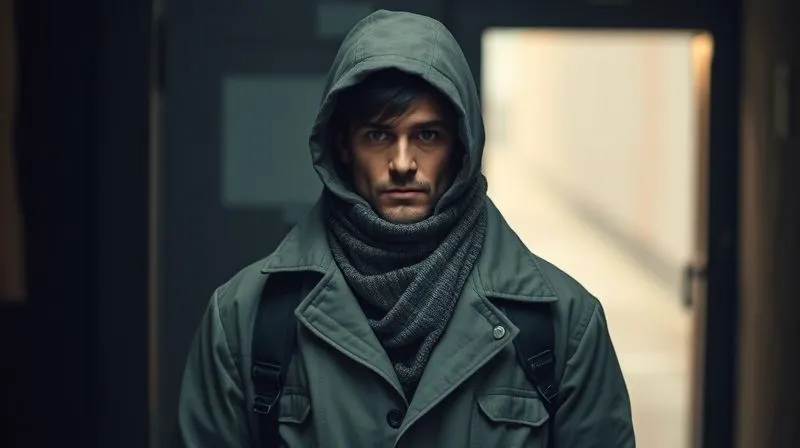
The Echo of Time: Age, Wear, and Preservation
Costumes aren't static; they age, they wear, they tell stories of journeys taken and battles fought. The way a costume shows its age, or paradoxically, doesn't, can be a profound indicator of hidden trauma.
Distress and Patina: Telling a Story of Survival or Stagnation
Beyond simple 'distressing' to make a garment look old, consider the specific *kind* of wear. A meticulously preserved item that is clearly decades old might belong to a character clinging desperately to a past era, unable to move forward from a traumatic event that occurred then. The garment is a relic, a time capsule of their unresolved grief or loss. This isn't just about nostalgia; it's about stagnation, a refusal to embrace the present.
Conversely, a garment that shows specific, unusual wear patterns – perhaps a perpetually frayed cuff from nervous fidgeting, or a stained patch over the heart that won't come clean – can hint at repetitive behaviors born from anxiety or a deeply ingrained emotional wound. The patina of a costume, the way dirt or fading settles into its fibers, can narrate a history of hardship, neglect, or even a forced resilience. It's about making the wear *meaningful*, not just aesthetic.
Understanding the historical context of clothing and its typical wear patterns can also add authenticity to these choices. Resources like the Metropolitan Museum of Art's Costume Institute provide invaluable insights into how garments age and change over time.
The Power of Anomaly: A Single Element Out of Place
Sometimes, the most striking way to convey hidden trauma is through an element that simply doesn't belong. It disrupts the visual harmony, hinting at an internal discord that the character tries to keep hidden.
Disrupting the Visual Harmony to Hint at Internal Discord
An anomaly in costume design is like a dissonant note in a melody – it grabs attention precisely because it's unexpected. This could be a single item that is completely out of character with the rest of the ensemble or the character's perceived persona. Imagine a character who always dresses in pristine, expensive attire, yet wears one sock that is subtly mismatched, or has a small, almost imperceptible tear in the lining of their otherwise perfect jacket. It's a crack in the facade, a tiny glimpse into the disarray beneath the polished exterior.
This anomaly can symbolize a lingering fragment of a past self, a break from reality, or a compulsion born from trauma. It's a visual 'tell' that invites the audience to dig deeper, to question the surface presentation. The key is subtlety; it should be noticeable enough to spark curiosity but not so obvious that it becomes a caricature. It's a quiet scream in a silent world.
- Define the Character's Baseline: Establish what the character *should* look like without the trauma. What's their aspirational or everyday aesthetic?
- Identify the Disruption: Pinpoint what aspect of their trauma would most likely manifest as a visual 'break' in this baseline. Is it a loss of self-care? A lingering connection to a past event? A psychological compulsion?
- Choose a Single, Subtle Element: Select one item – an accessory, a specific garment, a detail – that can carry this disruption.
- Integrate with Intention: Ensure the anomaly isn't random. It must have a clear, albeit hidden, narrative reason for its existence, linked directly to the character's trauma.
- Maintain Subtlety: The anomaly should whisper, not shout. It's a detail for the observant viewer, deepening the character's mystery rather than overtly explaining it.
Collaboration is Key: Working with Directors and Actors
While the costume designer is the architect of a character's visual identity, the true power of a trauma-infused costume is unlocked through deep collaboration. The costume doesn't exist in a vacuum; it interacts with performance and direction.
Translating Subtext into Visual Cues
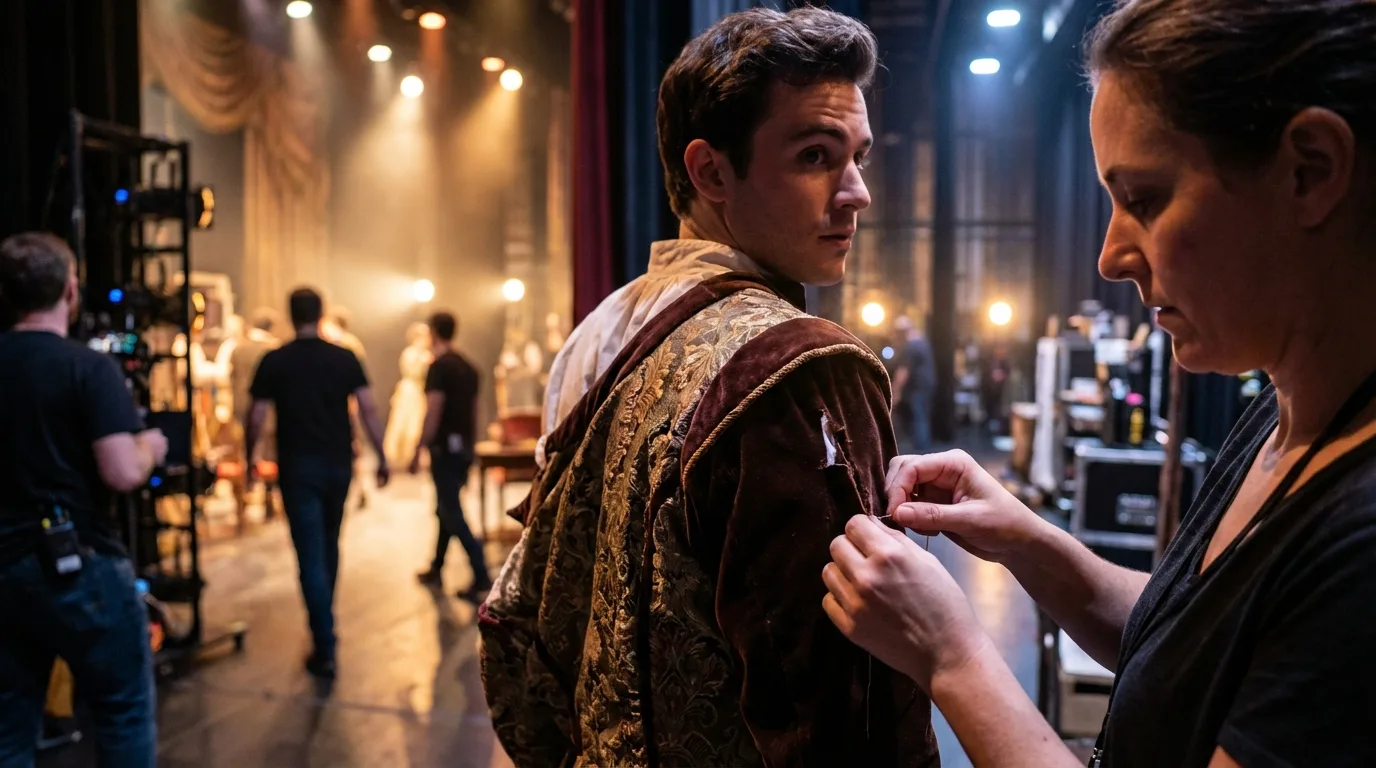
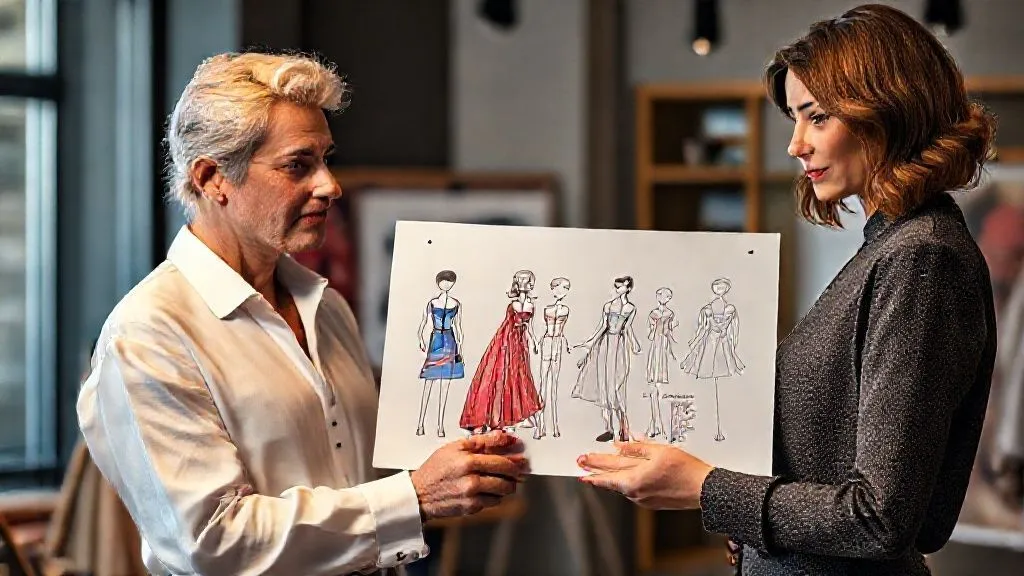
I always emphasize the importance of early and ongoing discussions with the director and the actor. The script provides the blueprint, but the nuances of hidden trauma often reside in the subtext. By engaging in dialogue about the character's psychological journey, their coping mechanisms, and their deepest fears, we can collectively translate these invisible elements into tangible costume choices. The director might have a specific vision for a scene that the costume can enhance, and the actor’s personal interpretation of the trauma can inform how they interact with the garment, giving it even more life.
For instance, an actor might discover that clutching a particular button on an old coat helps them access a character’s grief. This feedback is invaluable. It’s a symbiotic relationship where the costume informs the performance, and the performance, in turn, imbues the costume with deeper meaning. This collaborative spirit ensures that the costume isn't just a prop, but an integral part of the character's emotional landscape.
| Stakeholder | Contribution to Trauma Costume |
|---|---|
| Director | Overall vision, character arc emphasis, scene blocking considerations, desired emotional impact |
| Actor | Personal interpretation of trauma, physical interaction with costume, feedback on comfort and symbolic resonance |
| Costume Designer | Translating psychological subtext into fabric, color, fit, and detail choices; presenting options; ensuring authenticity |
| Writer (if available) | Deep character backstory, specific textual clues, historical/cultural context of trauma |
Frequently Asked Questions (FAQ)
How can I avoid making trauma costumes too obvious or cliché? The key is subtlety and specificity. Instead of broad strokes like 'torn clothes for poverty,' think about *why* the clothes are torn – is it from a struggle, neglect, or a desperate attempt to mend? Focus on unique details, unusual wear patterns, or a single, out-of-place item rather than generic distress. The goal is to hint, not to declare.
What if the character is actively trying to hide their trauma? How does that affect the costume? This is a brilliant challenge! The costume then becomes a meticulously crafted facade. Think about impeccable tailoring that is almost *too* perfect, or layers that are designed to conceal rather than protect. The anomaly might be a single, almost imperceptible flaw that slips through, a tiny crack in their perfect armor. It's about what they *want* to project versus what the costume *subtly reveals*.
Can a single accessory truly convey deep trauma? Absolutely. A single, well-chosen accessory can be incredibly powerful. It could be a memento, a protective charm, or an item that symbolizes a specific, unresolved moment. The significance often comes from its contrast with the rest of the costume, its worn state, or the character's specific interaction with it. Think of it as a concentrated symbol, an emotional anchor.
How do you balance character arc with trauma portrayal in costume? This requires thoughtful planning. The initial costume might heavily feature trauma cues. As the character heals or confronts their past, the costume can subtly evolve – perhaps layers are shed, colors become less muted, or the ill-fitting nature of garments lessens. The trauma cues don't disappear entirely, but they transform, showing growth and resilience while acknowledging the indelible mark of their past. It's a visual journey.
What's the difference between showing trauma and just being 'grungy' or 'dirty'? The primary difference lies in intention and specificity. 'Grungy' can be a generic aesthetic. Trauma-infused costumes, however, have a *reason* for every stain, every tear, every choice of fabric. Is the dirt from a specific event? Is the wear from a nervous habit? Is the lack of cleanliness a symptom of depression or self-neglect? Each element should point to a specific aspect of the character's internal struggle, making it psychologically resonant rather than just aesthetically unkempt.
Key Takeaways and Final Thoughts
- Subtlety is Paramount: Avoid overt symbols; instead, focus on nuanced details that whisper rather than shout about a character's past.
- Fabric Tells a Story: Choose textures and drapes that psychologically align with the character's emotional state, offering protection or revealing vulnerability.
- Color as an Echo: Utilize desaturated palettes to reflect inner emptiness, or isolated, faded hues to hint at lost joy or lingering memories.
- Fit Reflects Self-Perception: Ill-fitting, oversized, or undersized garments can powerfully convey discomfort, a need to hide, or a struggle with identity post-trauma.
- Details are Deep: Worn accessories, specific repairs, or even a single anomalous item can serve as potent, silent anchors to a traumatic past.
- Collaborate for Authenticity: Work closely with directors and actors to ensure the costume's narrative aligns with and enhances the overall portrayal of trauma.
Conveying hidden character trauma with just one costume is one of the most challenging, yet rewarding, aspects of costume design. It demands not just an eye for aesthetics but a deep understanding of human psychology and the power of non-verbal communication. By approaching each design with empathy, intention, and a commitment to subtle storytelling, you can craft costumes that don't just dress a character, but truly define them, allowing their unseen wounds to resonate profoundly with the audience. Embrace the challenge, and let your costumes become the silent, powerful storytellers of the human experience.
Recommended Reading
- Stunning Nail Art Ideas for Short Nails at Home: Your Ultimate Guide!
- 7 Proven Ways to Keep Your Daily Fashion Blog Outfits Fresh & Engaging
- Unveiling the Science: How Performance Fabrics Master Body Temperature Control
- Authenticating Pre-1900 Garments: 7 Expert Steps to Resolve Disputes
- Achieving High-Performance Fabrics: 7 Eco-Friendly Material Strategies

Your email address will not be published. Required fields are marked *