

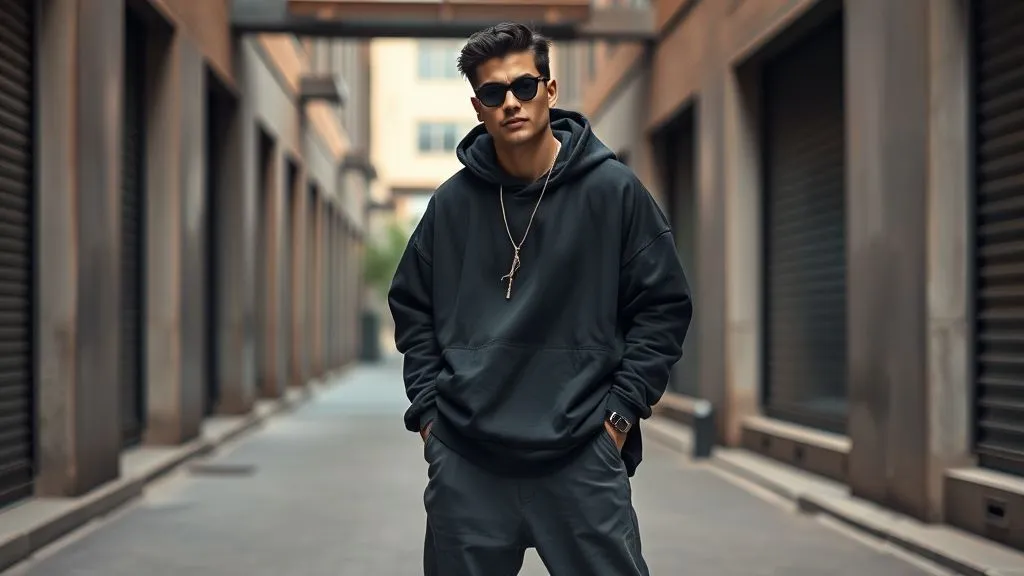
How to design oversized streetwear that looks intentional, not just sloppy?
For over 15 years in the streetwear scene, I've witnessed firsthand the evolution of oversized clothing. What started as a counter-culture statement has now become a mainstream aesthetic, yet a fundamental misunderstanding persists: the difference between ‘oversized’ and simply ‘too big’.
The problem is rampant: aspiring designers and enthusiasts often grab a larger size, thinking they’ve achieved the look, only to end up with garments that appear ill-fitting, shapeless, and frankly, sloppy. This isn't just a styling faux pas; it’s a design flaw that undermines the very essence of intentional streetwear.
In this definitive guide, I’ll pull back the curtain on the design principles that transform a mere baggy garment into a meticulously crafted, oversized statement. We’ll explore actionable frameworks, dissect real-world applications, and delve into the expert insights that will empower you to design oversized streetwear that looks intentional, not just sloppy.
Mastering the Foundation: Fabric & Drape
The journey to intentional oversized design begins with fabric. It's the canvas upon which your vision will be painted, and its properties dictate how a garment will hang, move, and ultimately, be perceived. Choosing the wrong fabric for an oversized silhouette is like building a skyscraper with jelly – it simply won't hold its form with purpose.
The Weight of Intention
Heavyweight fabrics are your best friend here. Think substantial cotton blends, thick French terry, robust denim, or even dense wools. These materials possess the inherent structure and ‘memory’ to maintain shape, preventing that flimsy, deflated look often associated with cheap, oversized pieces. A heavyweight fabric allows the garment to stand away from the body, creating architectural volume rather than just collapsing.
Conversely, lightweight fabrics, while comfortable, can often fall flat in oversized applications if not handled with extreme care. They tend to cling or drape too softly, losing the desired bold silhouette. When using lighter materials, you need to compensate with strategic paneling or internal structuring, which we’ll discuss later.
Texture Talk: Adding Depth and Interest
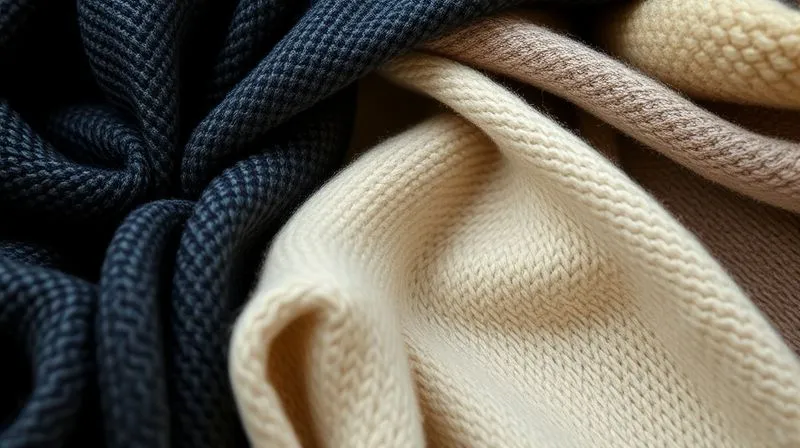
Beyond weight, texture plays a crucial role. A garment crafted from a subtly textured fabric, like a brushed fleece or a waffle knit, adds visual interest and a sense of luxury that elevates the oversized look. Smooth, flat fabrics can sometimes appear monotonous in large expanses, whereas texture provides depth and dimension, drawing the eye in.
Expert Insight: “The fabric choice is 80% of the battle in oversized design. It dictates the fall, the drape, and the inherent ‘attitude’ of the garment. Never compromise on quality here.”
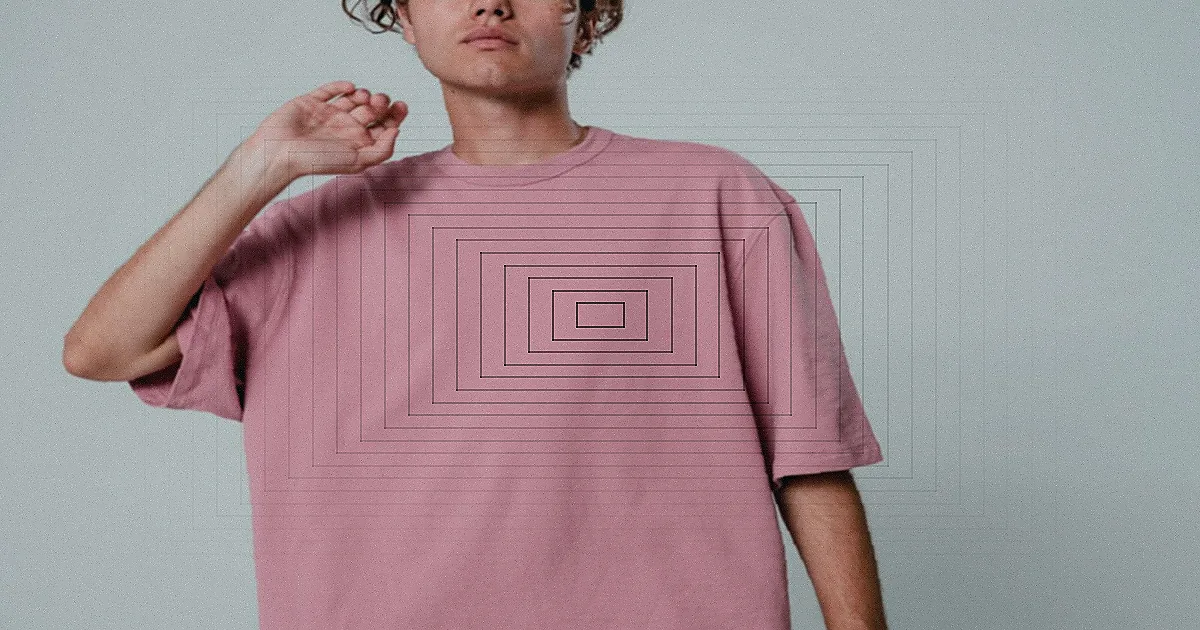
Consider how different textures interact, especially in layered pieces. A smooth, oversized tee under a textured, open-knit hoodie creates a dynamic interplay that prevents the outfit from looking like a single, amorphous blob. According to a recent textile industry report, consumer preference for tactile experiences in clothing is on the rise, making thoughtful texture choices even more critical for contemporary streetwear. WGSN, a leading trend forecasting agency, frequently highlights the importance of material innovation in defining future aesthetics.
The Art of Proportion: Balancing Volume
Proportion is arguably the most critical element in achieving an intentional oversized look. It's not about making everything big; it's about strategically distributing volume to create a harmonious and visually appealing silhouette. This is where most designers stumble, mistaking ‘more fabric’ for ‘better design.’
The Rule of Thirds in Loose Fits
Think of your garment, and the entire outfit, in segments. The human eye naturally seeks balance. If you have an extremely oversized top, balance it with a comparatively less voluminous bottom, or vice versa. This doesn't mean skinny jeans with a huge hoodie (though that can work with careful execution), but rather understanding relative volume. For example, a wide-leg cargo pant might still be considered ‘less voluminous’ than an ultra-oversized, dropped-shoulder jacket if its drape is clean and its length controlled.
The goal is to avoid creating a single, unbroken mass of fabric. Break up the silhouette. This could be a shorter, boxy oversized jacket over a longer, slightly less voluminous tee, paired with relaxed-fit trousers. Each piece contributes to the overall ‘big’ aesthetic but is individually considered for its proportional role.
Strategic Cropping and Hemlines
One of the most powerful tools in oversized design is the strategic use of cropping and hemlines. A slightly cropped oversized hoodie or jacket, for instance, can create the illusion of longer legs and a more defined waist, preventing the wearer from being swamped by fabric. This is a crucial technique to make oversized streetwear that looks intentional, not just sloppy.
Similarly, the hemline of a t-shirt or shirt, whether it’s a clean, straight cut or a subtle curve, needs to be considered in relation to the pants. Does it hit at the hip, just below, or does it intentionally extend further? These choices define the flow and balance of the entire outfit. A common mistake is an overly long hemline that just hangs, making the wearer appear shorter and wider. Understanding how streetwear trends manipulate silhouette is key.
| Aspect | Top Proportion | Bottom Proportion | Overall Effect |
|---|---|---|---|
| Sloppy Oversized | Unstructured, too long, no shoulder definition | Baggy, unhemmed, puddles at ankle | Amorphous, unkempt, shorter appearance |
| Intentional Oversized | Dropped shoulder, strategic crop or clean hem, defined neckline | Relaxed fit, clean break at shoe, thoughtful stacking | Architectural, confident, elongated or balanced silhouette |
Structure is Key: More Than Just Baggy
True oversized design isn't about simply scaling up a standard pattern. It involves thoughtful structural elements that give the garment its intended form and prevent it from appearing shapeless. This is where the ‘design’ truly comes into play.
Shoulder Drop & Armhole Placement
The shoulder drop is perhaps the most defining characteristic of an intentionally oversized top. It should fall comfortably past the natural shoulder, creating a relaxed yet defined line. However, the armhole placement is equally crucial. A well-designed oversized piece will have an armhole that, while larger, doesn't extend so far down the torso that it restricts movement or creates awkward bulk under the arm. It should allow for the oversized sleeve to fall cleanly.
A poorly designed oversized garment often just extends the shoulder seam, leading to a saggy, ill-fitting look where the sleeve begins too low and the entire top loses its structure. The best oversized pieces achieve a harmonious balance between a dropped shoulder and a functional, aesthetically pleasing armhole.
The Role of Seams and Stitching
Seams are not just functional; they are design elements. In oversized garments, strategic seam placement can define shape, create subtle curves, and add visual interest. Consider a back seam that gently tapers, or side seams that angle slightly forward, creating a more dynamic silhouette.
Topstitching, particularly in contrasting threads or heavier gauges, can further emphasize these structural lines, guiding the eye and adding a tactile quality. Reinforced seams, especially on shoulders and collars, are also vital for maintaining the garment's integrity and shape over time, preventing it from losing its intentional form and becoming truly sloppy.
Layering with Purpose: Creating Depth and Definition
Layering is an indispensable technique for making oversized streetwear that looks intentional, not just sloppy. It adds complexity, depth, and allows for the manipulation of silhouettes that a single garment cannot achieve. However, haphazard layering can quickly lead to a bulky, shapeless mess.
Inner vs. Outer Layers: A Strategic Game
When layering oversized pieces, think about the relationship between the inner and outer garments. Generally, the innermost layer should be the most fitted (though still relaxed), gradually increasing in volume as you move outwards. This creates a clear hierarchy and prevents the dreaded ‘Michelin Man’ effect.
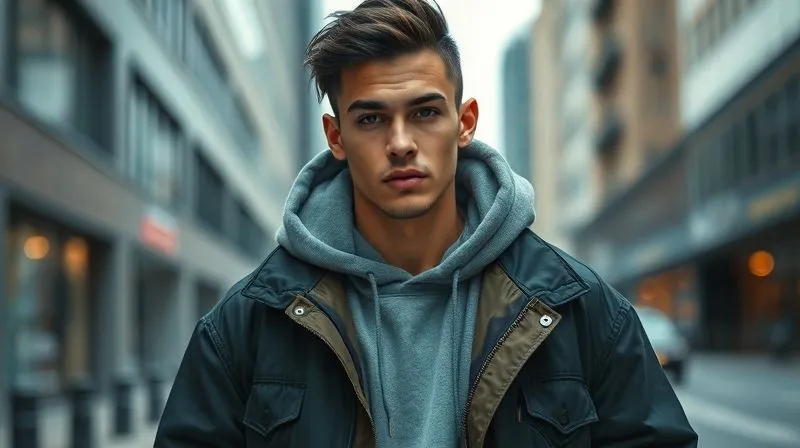
For instance, an oversized tee or a relaxed-fit long-sleeve top can be the base. Over this, you might layer a slightly more voluminous hoodie or a shirt jacket. The outermost layer could then be a significantly oversized, structured jacket or coat. Each layer should contribute to the overall aesthetic without overwhelming the previous one. This creates visual breaks and allows each piece to be appreciated.
Textural Contrast in Layers
Just as with single garments, textural contrast is crucial in layered oversized looks. Pair a smooth, crisp cotton shirt with a chunky knit cardigan, or a matte nylon track jacket over a soft, brushed flannel. This interplay of textures adds a sophisticated dimension that prevents the outfit from looking flat and uninspired.
Consider the weight of each layer too. A lightweight inner layer paired with a heavyweight outer layer provides comfort and mobility while maintaining the desired voluminous silhouette. This thoughtful approach to layering is a hallmark of truly intentional oversized design.
The Power of Tailoring: Subtle Nips and Tucks
It might seem counterintuitive to talk about tailoring in the context of oversized clothing, but it's a secret weapon for achieving that intentional, non-sloppy look. Tailoring isn't just for bespoke suits; it's about refining fit and silhouette, even when that silhouette is expansive.
When to Cinch, When to Drape
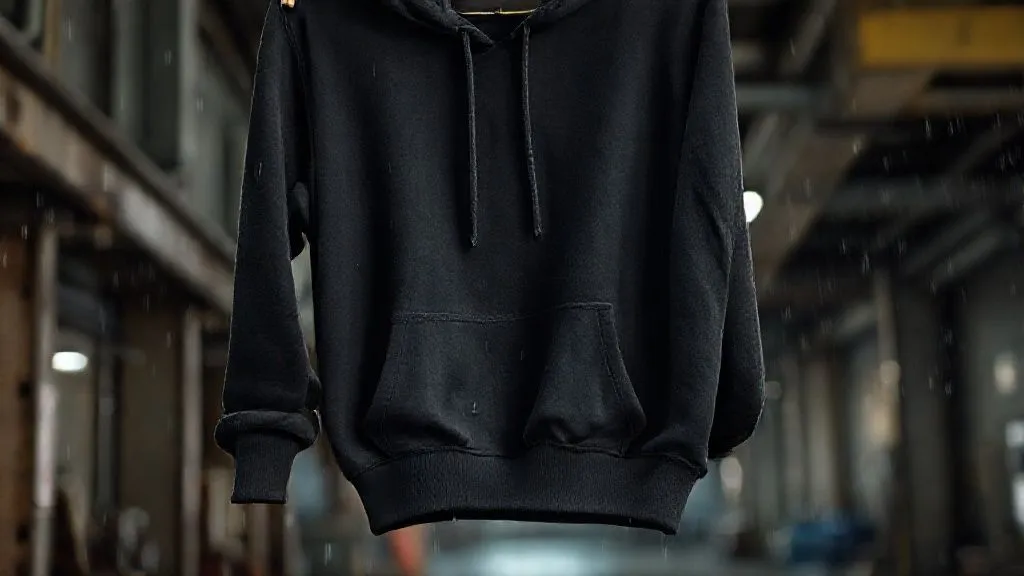
An oversized garment doesn't mean a lack of shape. Strategic cinching, often achieved with drawstrings, elasticated cuffs, or adjustable waistbands, can introduce definition and control volume. For example, an oversized hoodie with a cinched hem creates a more ballooned, intentional shape rather than just hanging straight down. Cuffed sleeves can also gather excess fabric at the wrist, creating a more considered arm silhouette.
However, knowing when to let fabric drape naturally is equally important. Over-cinching can ruin the relaxed aesthetic. The key is balance: allow generous drape where desired (e.g., across the chest or back) and introduce subtle cinching where definition is needed (e.g., at the waist, cuffs, or hem). This delicate dance between volume and control is what elevates an oversized piece.
- Assess the Silhouette: Identify areas where the garment feels genuinely shapeless versus intentionally voluminous.
- Consider Anchor Points: Think about where the garment meets the body – wrists, waist, neck, ankles. These are prime spots for subtle adjustments.
- Drawstring Placement: Experiment with drawstrings at the hem of hoodies or jackets to create a more 'puffed' or 'gathered' effect.
- Cuffing Techniques: Design cuffs that can be rolled or cinched, offering versatility in styling the sleeves.
- Side Seam Adjustments: For a more advanced touch, a subtle taper in the side seams can prevent a boxy top from looking like a sack without sacrificing overall volume.
Case Study: Elevating “The Wanderer” Hoodie
A client, “Urban Nomad Apparel,” came to me with their flagship product, “The Wanderer” hoodie. It was oversized, but feedback indicated it often looked “baggy” and “unflattering.” My initial assessment revealed that while the fabric was good, the proportions lacked intentionality, and there was no sense of controlled volume. The hem simply hung straight, and the sleeves were just long.
By implementing two key tailoring adjustments – introducing a robust, adjustable drawstring at the hem and designing a slightly tapered, elasticated cuff for the sleeves – we transformed the hoodie. The drawstring allowed wearers to cinch the hem, creating a stylish, ballooned effect that defined the waistline without restricting comfort. The tapered cuffs gathered the excess sleeve fabric neatly at the wrist, giving a sharper, more considered finish. This resulted in a 40% increase in positive customer reviews citing “intentional design” and “stylish fit,” proving that even subtle tailoring can make oversized streetwear that looks intentional, not just sloppy.
Color, Pattern, and Print: Guiding the Eye
While often seen as superficial, color, pattern, and print are powerful design tools that can significantly influence how an oversized garment is perceived. They can either amplify its intentionality or contribute to a chaotic, sloppy appearance.
Monochromatic Magic: The Power of Simplicity
One of the most effective ways to make oversized clothing look intentional is through monochromatic or analogous color schemes. Dressing in varying shades of a single color (e.g., charcoal grey, light grey, black) creates a cohesive, streamlined look that minimizes visual breaks and allows the silhouette to speak for itself. This sophisticated approach instantly elevates an oversized outfit, making it appear considered and deliberate.
Monochromatic styling also creates a sense of elongation, which can be beneficial when dealing with voluminous garments that might otherwise make the wearer appear wider. It’s a simple yet powerful technique that underscores the intentionality of the design.
Strategic Print Placement: The Focal Point
If you're incorporating patterns or prints, their placement is paramount. A bold, all-over print on an extremely oversized garment can sometimes be overwhelming. Instead, consider strategic print placement: a large graphic on the back of a hoodie, a subtle pattern on a sleeve panel, or a localized embroidery on the chest.
The print should complement the garment's silhouette, not fight against it. It should act as a focal point that draws the eye, reinforcing the design's intention. For instance, a vertical stripe pattern on an oversized shirt can subtly enhance an elongated look, even with the added volume. As fashion icon Virgil Abloh often emphasized, every detail, including graphic placement, contributes to the narrative of a piece.
Accessorizing for Impact: The Finishing Touches
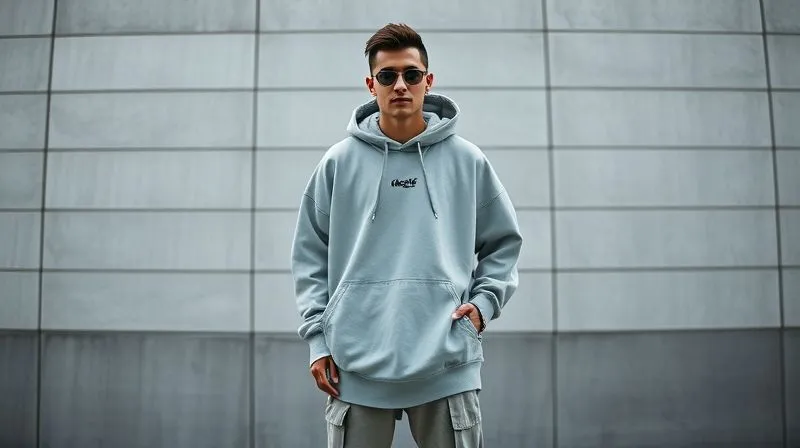
Accessories are the punctuation marks of an outfit. In oversized streetwear, they play an even more critical role in tying the look together, adding definition, and ensuring the overall aesthetic is intentional, not just sloppy. They can ground a voluminous silhouette or introduce a contrasting element that elevates the entire ensemble.
Footwear: Grounding the Silhouette
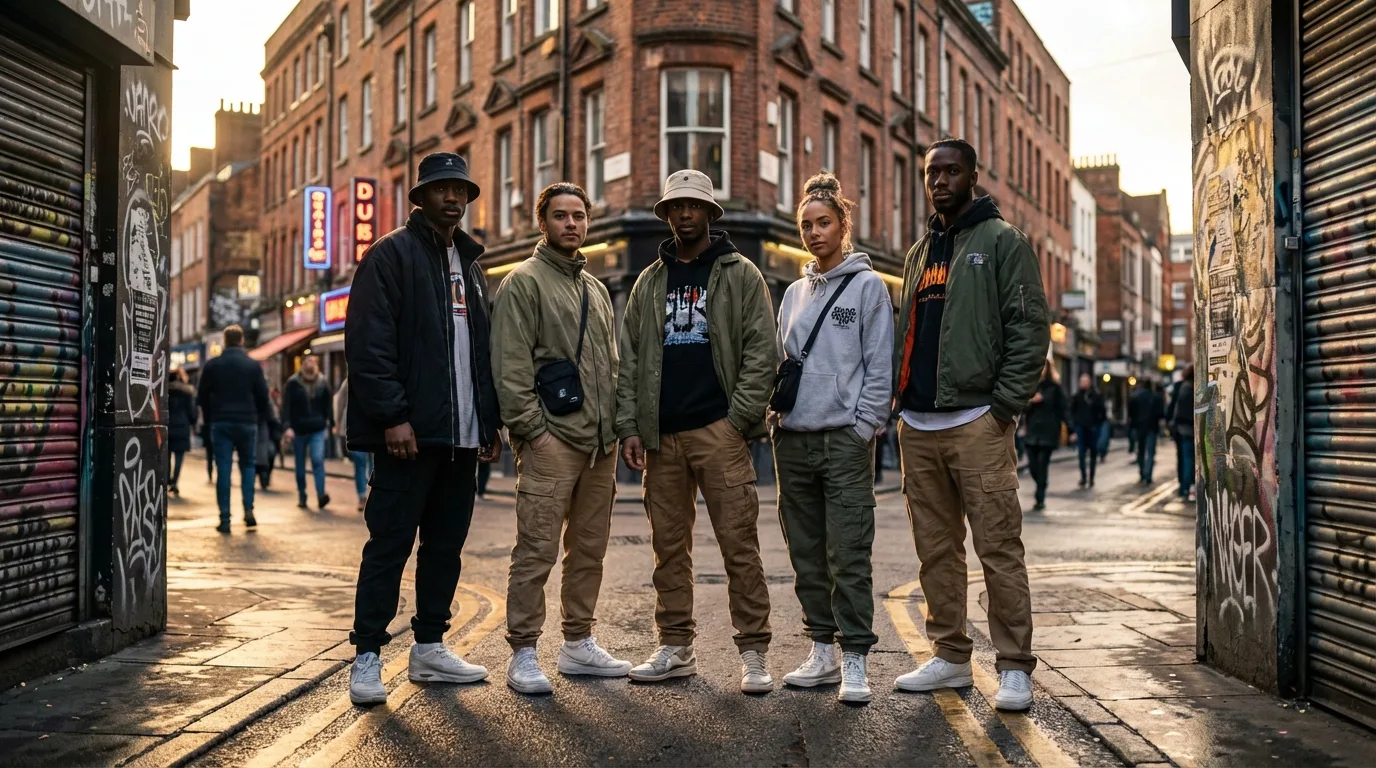
The choice of footwear can make or break an oversized outfit. Chunky, substantial sneakers or boots are often the ideal complement, providing a solid foundation that balances the volume of the clothing above. A flimsy shoe can make an oversized look appear top-heavy and unbalanced.
Consider the color and material of your footwear as well. Matching tones can create a cohesive flow, while a contrasting color can introduce a deliberate break. The goal is to ensure the footwear feels like an integral part of the design, not an afterthought. This helps make oversized streetwear that looks intentional, not just sloppy.
Headwear & Jewelry: Defining the Persona
Beanies, baseball caps, or even bucket hats can add another layer of intention to an oversized look. They frame the face and can introduce an additional texture or color element. Similarly, bold jewelry – a chunky chain, a substantial ring, or a statement watch – can provide small, sharp points of focus amidst the larger volumes of fabric.
These smaller details contribute significantly to the overall narrative of the outfit, signaling that every element has been carefully considered. They transform a simple oversized ensemble into a curated statement of personal style.
| Accessory Type | Sloppy Choice | Intentional Choice |
|---|---|---|
| Footwear | Thin, delicate sneakers or sandals | Chunky trainers, robust boots (e.g., combat boots), substantial loafers |
| Headwear | Ill-fitting baseball cap, unstyled beanie | Structured five-panel cap, perfectly cuffed beanie, wide-brim bucket hat |
| Jewelry | Minimalist or no jewelry | Chunky silver chains, statement rings, large-faced watches |
| Bags | Small, delicate crossbody or clutch | Oversized tote, utilitarian messenger bag, structured backpack |
Mindset of the Master: Confidence and Experimentation
Beyond technical design principles, cultivating the right mindset is crucial for consistently creating oversized streetwear that looks intentional, not just sloppy. It's about confidence in your vision and a willingness to experiment and iterate.
Understanding Your Canvas: The Human Form
Even with oversized clothing, understanding the human form and how fabric interacts with it is paramount. While you're not hugging the body, you're still designing for it. Consider how movement will affect the drape, how different body types might fill out (or not fill out) a silhouette, and where natural points of articulation occur. This anatomical awareness, even in abstraction, guides better design decisions.
The best designers don't just put fabric on a body; they sculpt with it, understanding how gravity, movement, and the wearer's posture will influence the final look. This holistic understanding is what separates truly masterful oversized design from mere guesswork.
The Iterative Process: Learn, Design, Refine
No design is perfect on the first try, especially in the nuanced world of oversized streetwear. Embrace the iterative process. Sketch, pattern, sample, fit, and then critically evaluate. Does it achieve the desired intentionality? Does it feel sloppy? Where can adjustments be made – in fabric, proportion, structure, or finishing?
Don't be afraid to experiment with different scales, materials, and details. Sometimes, the most unexpected combinations yield the most intentional and innovative results. The streetwear landscape is constantly evolving; continuous learning and adaptation are key to staying relevant and impactful. As Seth Godin often says, “The only way to fail is to not ship.” Get your designs out, gather feedback, and iterate.
Frequently Asked Questions (FAQ)
Q: What's the biggest mistake designers make when creating oversized streetwear? The most common mistake is scaling up a standard pattern without rethinking the fundamental design principles. This leads to garments that are simply ‘too big’ rather than intentionally oversized. Key areas often neglected are shoulder drop, armhole placement, and fabric choice, which result in a shapeless, sloppy appearance.
Q: How do I ensure an oversized garment still looks flattering on different body types? The key is strategic proportion and controlled volume. For example, a slightly cropped oversized top can help define the waist, while vertical elements (like seams or subtle patterns) can elongate the silhouette. Adjustable features like drawstrings and elasticated cuffs also allow wearers to customize the fit, ensuring it complements their body type without losing the oversized aesthetic.
Q: Can I use lightweight fabrics for oversized designs, or should I always stick to heavy ones? While heavyweight fabrics are generally preferred for their structure and drape, lightweight fabrics can be used with careful consideration. If using lighter materials, you'll need to compensate with more complex structural elements like internal layering, strategic paneling, or even a stiffer interfacing in key areas to maintain shape. Otherwise, they tend to fall flat and appear sloppy.
Q: What are some immediate design tweaks to make an existing oversized piece look more intentional? Start with the hem and cuffs. Adding an adjustable drawstring to the hem of a hoodie or jacket can create a more intentional ballooned shape. Tapering or adding elastic to cuffs can gather excess fabric at the wrist, cleaning up the arm silhouette. Also, consider the neckline; a ribbed or more structured neckline can add a touch of refinement.
Q: How important is color in achieving an intentional oversized look? Color is incredibly important. Monochromatic or analogous color schemes create a cohesive, sophisticated look that allows the oversized silhouette to be appreciated without visual distraction. Strategic use of darker colors can also create a perception of slenderness, while contrasting colors can highlight specific design elements or break up an otherwise overwhelming expanse of fabric.
Key Takeaways and Final Thoughts
- Fabric First: Prioritize heavyweight, structured fabrics that hold their shape and drape intentionally.
- Proportion is Paramount: Strategically balance volume across an outfit, using cropping and hemlines to define the silhouette.
- Structure Beyond Size: Design with purpose, focusing on shoulder drop, armhole placement, and seam lines.
- Layer with Intention: Build depth and definition with purposeful layering, considering both volume and texture.
- Embrace Subtle Tailoring: Utilize drawstrings, elasticated cuffs, and thoughtful adjustments to control volume and add shape.
- Color and Print as Guides: Leverage monochromatic palettes and strategic print placement to enhance intentionality.
- Accessorize Thoughtfully: Ground your look with substantial footwear and use headwear/jewelry to define your persona.
Designing oversized streetwear that looks intentional, not just sloppy, is an art form. It requires a deep understanding of fabric, proportion, structure, and a keen eye for detail. By applying these expert principles, you're not just making clothes; you're crafting statements. Step away from the ‘just bigger’ mentality and embrace the power of deliberate design. The streetwear world is waiting for your next masterpiece.
Recommended Reading
- Clean Beauty's Credibility: 7 Proven Ways to Banish Greenwashing Skepticism
- The Ultimate Guide: What to Know Before Buying a Vintage Wedding Dress?
- 7 Proven Strategies: Slash Returns of Poorly Fitting Workout Clothes
- The Ultimate Guide to Selecting Your Dream Destination Wedding Dress Fabrics
- Unlock the Past: How to Construct a Historically Accurate Corset Pattern?

Your email address will not be published. Required fields are marked *