

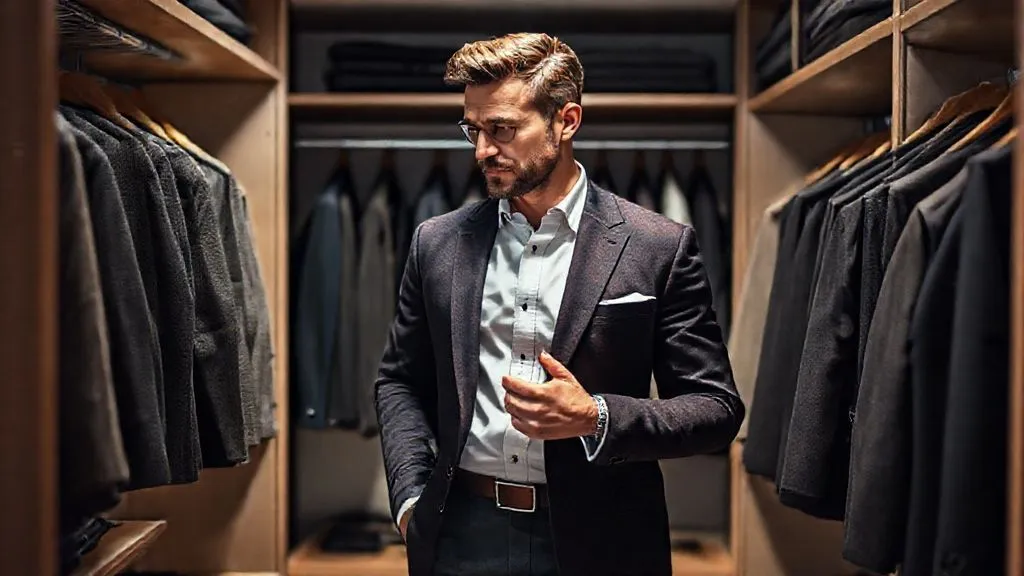
How to Curate a Professional Men's Capsule for Diverse Client Roles?
For over 15 years in the menswear industry, I've seen countless professionals struggle with a wardrobe that simply doesn't adapt. They invest in expensive pieces, yet still find themselves staring blankly into a closet, wondering what to wear for a high-stakes meeting with a conservative financial client, only to face a completely different dilemma before a creative pitch with a tech startup.
The problem isn't a lack of clothes; it's a lack of strategic versatility. Many professionals fall into the trap of buying individual items without considering their synergy, leading to an overflowing closet that still feels inadequate when faced with the nuanced dress codes and unspoken expectations of diverse client roles. This inconsistency can subtly undermine your professional image, creating unnecessary stress and potentially costing you valuable opportunities.
This article will provide you with a definitive framework on how to curate a professional men's capsule for diverse client roles. You'll learn not just what to buy, but how to think about your wardrobe as a strategic asset, enabling you to project confidence and competence, no matter the client or context. We'll dive into actionable strategies, real-world insights, and expert advice to build a truly adaptable and impactful professional presence.
Understanding Your Client Archetypes & Their Unspoken Dress Codes
Before you even consider fabric or cut, the first step in curating an effective professional capsule is understanding who you're dressing for. Different industries and corporate cultures have distinct, often unspoken, dress codes. I always advise my clients to think of their clients in archetypes.
The Corporate Traditionalist
These are your clients in finance, law, or established corporate sectors. They value formality, precision, and a classic aesthetic. Think crisp suits, polished leather shoes, and conservative ties. Deviating too far from this can be perceived as a lack of seriousness.
The Creative Innovator
Agencies, design firms, or certain marketing roles often prefer a more relaxed yet stylish approach. Here, smart casual is king. Think tailored blazers, well-fitting chinos, premium knitwear, and perhaps a subtle pattern or texture. They appreciate personal style but still expect polish.
The Tech Maverick
The tech industry, especially startups, often embraces a highly casual environment. However, 'casual' doesn't mean 'sloppy.' It means comfortable, functional, and often minimalist. Dark wash jeans, premium t-shirts, smart sneakers, and a casual blazer or overshirt can fit perfectly, but always with an emphasis on fit and quality.
The Casual Professional
This archetype spans various fields where client interaction might occur in less formal settings, like site visits, workshops, or casual lunch meetings. Here, versatility is paramount – items that can be dressed up or down with ease.
Expert Insight: "Your wardrobe is a non-verbal handshake. It communicates respect for the client and understanding of their culture before you even speak a word."
Observing and researching your client's typical attire is crucial. Look at their website, social media, and industry events. Pay attention to:
- Formality Level: Suits, blazers, or smart casual?
- Color Palette: Conservative neutrals or more expressive tones?
- Material Preference: Classic wools, modern technical fabrics, or casual cottons?

The Core Pillars: Building Your Foundational Capsule
Once you understand the spectrum of your client interactions, you can begin building the foundational pieces of your capsule. The goal here is versatility – each item should be able to combine with multiple others to create varied outfits.
Investment in Quality Basics
Start with items that form the backbone of your professional wardrobe. Quality over quantity is paramount. These pieces will be the workhorses, so they need to withstand frequent wear and maintain their aesthetic appeal.
- Two Suits (Navy & Charcoal Grey): These are non-negotiable. They serve as your most formal option and can be broken down into individual blazers and trousers for smart casual looks. Look for high-quality wool blends that are wrinkle-resistant.
- Two Blazers (Navy & Light Grey/Tan): Beyond the suit jackets, standalone blazers in versatile colors are essential. A navy hopsack blazer is incredibly adaptable, pairing with everything from dress trousers to jeans. A lighter grey or tan offers a seasonal alternative.
- Three Pairs of Trousers (Wool Dress Trousers, Chinos, Dark Jeans): A pair of charcoal or navy wool trousers, well-fitting khaki or stone chinos, and dark, un-distressed denim will cover most bases. Ensure the fit is impeccable for each.
- Five Shirts (White, Light Blue, Striped, Gingham, Chambray): Two solid classics (white, light blue) are crucial. Add a subtle stripe, a small gingham check, and a refined chambray shirt for more relaxed professional settings. Focus on natural fibers like cotton or linen blends.
- Two Knitwear Items (Merino Wool V-neck/Crew-neck): A fine-gauge merino wool sweater in navy or grey can be worn over a shirt, under a blazer, or on its own for smart casual warmth. Cashmere is a luxurious upgrade.
According to a study published by Harvard Business Review, investing in a high-quality, adaptable professional wardrobe can significantly boost self-confidence and perceived competence in the workplace. This isn't just about looking good; it's about feeling good and performing better.
| Item | Versatility Rating | Client Archetypes |
|---|---|---|
| Navy Suit Jacket | 5/5 | All |
| Charcoal Suit Jacket | 5/5 | All |
| Navy Hopsack Blazer | 5/5 | Creative, Tech, Casual |
| Light Grey Chinos | 4/5 | Creative, Tech, Casual |
| White Dress Shirt | 5/5 | All |
| Dark Wash Jeans | 3/5 | Tech, Casual |
The Art of Layering and Accessory Adaptation
Layering and strategic use of accessories are where your capsule truly transforms. These elements allow you to dial up or down the formality, adapting on the fly without needing an entirely new outfit.
Versatile Outerwear
A classic trench coat or a sleek wool topcoat offers a sophisticated layer for colder weather or more formal occasions. For a more relaxed professional look, a well-structured field jacket or a clean bomber can be excellent choices, provided they are in neutral colors and made from quality materials.
Ties, Pocket Squares & Belts: The Quick Transform
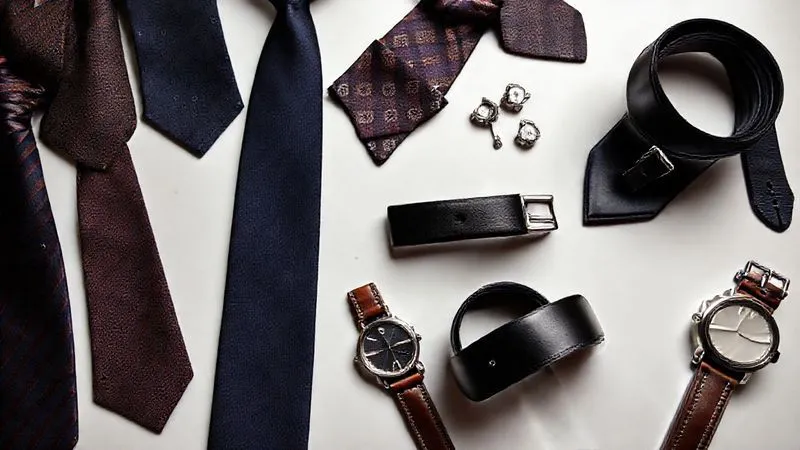
These small details wield immense power. A silk tie with a classic pattern instantly elevates a suit or blazer for a traditional client. Remove the tie, unbutton the top button, and you transition to smart casual. A pocket square can add a pop of personality for creative clients, while a simple, high-quality leather belt is a non-negotiable staple.
- Ties: 2-3 versatile options (solid navy, subtle stripe, textured knit).
- Pocket Squares: 2-3 in different patterns or solid colors.
- Belts: Black and brown leather, matching your shoes.
Footwear: Bridging Formal & Casual
Your shoes can dramatically alter an outfit's perceived formality. A capsule should include:
- Black Oxford or Derby Shoes: For the most formal settings.
- Brown Brogues or Loafers: Versatile for suits, blazers, and smart casual.
- Clean, Minimalist Sneakers: For tech or creative clients, ensuring they are pristine.
Case Study: John's Journey from Boardroom to Brewery
John, a marketing consultant, faced the challenge of meeting a conservative banking client in the morning and a trendy craft brewery owner in the afternoon. His capsule allowed for seamless transitions. For the bank, he wore his charcoal suit with a white shirt, a navy silk tie, and black Oxfords. Post-meeting, he swapped his tie for a patterned pocket square, changed into dark jeans and brown Chelsea boots, and unbuttoned his shirt, leaving the charcoal blazer on. The core blazer remained, but accessories and lower-half changes completely shifted his persona, maintaining professionalism while adapting to the context. This adaptability is key to building trust across diverse client roles.
Strategic Color Palettes for Professional Versatility
The colors you choose form the foundation of your professional image. A strategic palette ensures that your capsule pieces are interchangeable and that you always project the right message.
The Power of Neutrals
Your primary colors should be timeless neutrals: navy, charcoal grey, black, white, and various shades of blue. These colors are universally accepted in professional settings and serve as excellent canvases for subtle variations. They also ensure maximum interchangeability between garments.
Thoughtful Accent Colors
While neutrals dominate, carefully chosen accent colors can add personality and flair without compromising professionalism. Think about muted greens, burgundy, or subtle earth tones for knitwear, shirts, or accessories. These should complement your core neutrals, not clash with them.
Understanding Color Psychology in Business
Different colors evoke different psychological responses. Navy conveys trust and authority, making it ideal for formal business. Grey suggests sophistication and balance. Blue is often associated with reliability and calmness. Understanding these nuances helps you make intentional choices. As marketing expert Seth Godin often emphasizes, every detail, including color, contributes to the story you're telling.
Key Insight: "Your color palette should be a strategic decision, not a random collection. It's about creating harmony and sending the right non-verbal cues to your clients."
For more insights into the psychological impact of color in business, explore resources like Forbes' articles on business psychology.
Maintenance, Organization, and Travel Efficiency
A pristine appearance is as important as the clothes themselves. Even the most expensive suit looks poor if it's wrinkled, stained, or ill-fitting. Maintenance and organization are integral parts of your professional capsule strategy.
The Importance of Impeccable Grooming
Your grooming is the ultimate accessory. A clean haircut, neatly trimmed facial hair, clean nails, and a subtle cologne all contribute to a polished and professional image. These elements communicate attention to detail and self-respect, reinforcing the message of competence your wardrobe conveys.
Smart Storage Solutions
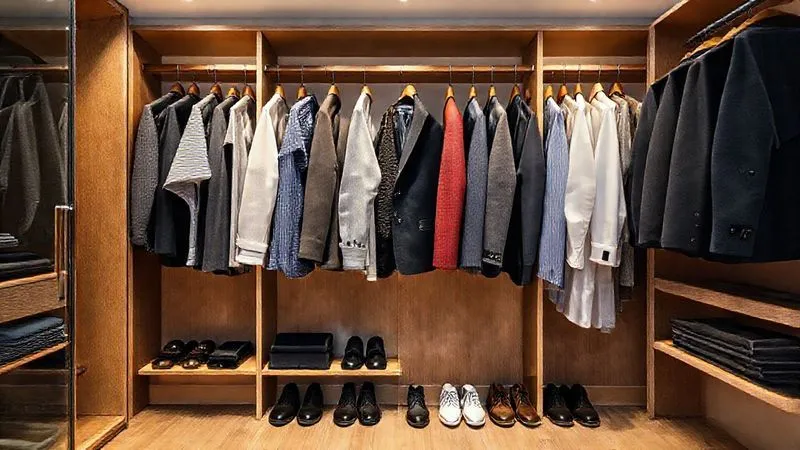
An organized wardrobe saves time and preserves your garments. Invest in quality hangers (wooden for jackets, velvet for shirts), shoe trees for your leather footwear, and a good steamer. Keeping your capsule organized allows you to quickly assemble outfits and ensures your clothes are always ready to wear.
Packing Your Professional Capsule for Travel
Business travel demands a highly efficient and adaptable wardrobe. Your capsule approach is perfect for this. Here’s a simple packing strategy:
- Roll Soft Items: T-shirts, knitwear, and casual shirts can be rolled tightly to save space and reduce wrinkles.
- Fold Structured Items: Blazers and suits should be folded carefully (e.g., inside-out folding method) or placed in a garment bag.
- Utilize Packing Cubes: These help compartmentalize outfits and accessories, making it easier to find what you need without unpacking everything.
- Wear Your Heaviest Items: Wear your blazer, heaviest shoes, and perhaps a jacket on the plane to save luggage space.
- Bring a Portable Steamer: Essential for quick wrinkle removal upon arrival.
Beyond the Garment: Confidence, Authenticity, and Personal Branding
While the physical garments are crucial, the true power of your professional capsule wardrobe lies in how it empowers you. It's not just about clothes; it's about confidence, authenticity, and effective personal branding.
Dressing for Confidence
When you know your wardrobe is strategically curated to handle any client scenario, a significant mental burden is lifted. This confidence translates into your demeanor, your interactions, and your overall executive presence. You're no longer distracted by wardrobe worries, allowing you to focus entirely on your client and your message.
Authenticity in Style
A capsule doesn't mean sacrificing your personal style. In fact, it encourages you to define it. By focusing on quality and versatility, you select pieces that genuinely reflect who you are, but within a professional framework. This authenticity resonates with clients and builds genuine rapport.
Your Wardrobe as a Non-Verbal Communication Tool
Your clothing is a powerful form of non-verbal communication. It signals respect, professionalism, and an understanding of cultural norms. A well-curated capsule ensures that this communication is always on-point, adapting seamlessly to the diverse messages required by different client roles. It solidifies your personal brand.
For more insights into the power of personal branding, explore resources from reputable sources like McKinsey & Company's insights on leadership and image.
Common Pitfalls and How to Avoid Them
Even with the best intentions, some common mistakes can derail your efforts to create an effective professional men's capsule for diverse client roles. Being aware of these pitfalls can help you navigate around them.
The "One-Size-Fits-All" Trap
Believing that one style or one suit will work for every client is a common misconception. While your core capsule provides a foundation, the key is knowing how to adapt it. A financial advisor meeting a tech client in a full three-piece suit might come across as overly formal and out of touch, just as a creative director in jeans and a t-shirt might struggle to command respect in a boardroom setting.
Neglecting Fit and Tailoring
This is perhaps the most significant mistake. An expensive, high-quality garment will look cheap and unprofessional if it doesn't fit correctly. Conversely, a moderately priced item, perfectly tailored, can look incredibly sharp. Always factor tailoring into your budget. Sleeves, trouser length, and jacket waist are common areas needing adjustment.
Overlooking Contextual Nuances
It’s not just about the industry; it's about the specific meeting, the time of day, and even the location. A casual coffee meeting with a client might warrant different attire than a formal dinner, even if it's the same client. Always consider the full context.
| Mistake | Solution |
|---|---|
| Buying for trends, not versatility | Focus on timeless basics and classic silhouettes. |
| Ignoring tailoring | Always budget for professional alterations to ensure perfect fit. |
| Underestimating accessory impact | Invest in versatile shoes, belts, and ties for quick outfit transformations. |
| Not researching client culture | Observe and inquire about typical dress codes before meetings. |
Frequently Asked Questions (FAQ)
How do I incorporate my personal style without compromising professionalism? The key is to use subtle touches. Your core capsule should be neutral and classic. Personal style can shine through in your choice of watch, a unique pocket square, the texture of a knit tie, or even a distinctive but subtle pattern on a shirt. Ensure these elements align with the client's context – a bold pattern might be fine for a creative client but too distracting for a traditional one.
What's the minimum number of items for a truly versatile capsule? While it varies slightly, a robust professional men's capsule for diverse client roles can be built with around 2 suits (navy, charcoal), 2 standalone blazers (navy, grey), 3-4 pairs of trousers (wool, chino, dark denim), 5-7 dress/smart casual shirts, 2-3 knitwear items, 2-3 pairs of shoes (black Oxford, brown loafer/brogue, smart sneaker), and a selection of ties, belts, and pocket squares. This provides enough permutations for a full week of diverse client interactions.
How do I handle sudden, unexpected client meetings with different dress codes? This is where your capsule truly shines. By having a core of highly versatile pieces, you can quickly adapt. Always keep a clean, pressed white or light blue shirt, a navy blazer, and a pair of dark trousers or chinos readily accessible. With a change of shirt and potentially swapping out a tie for a pocket square, you can pivot from casual to smart casual or business formal in minutes.
Is it okay to wear the same blazer multiple times a week? Absolutely, as long as it's well-maintained and paired with different shirts, trousers, and accessories. A good quality navy blazer, for instance, is designed to be a workhorse. Ensure it's clean, pressed, and aired out between wears. Rotating your blazers and other core items also extends their lifespan.
How often should I update my professional capsule? Your core foundational pieces (suits, blazers, classic shirts) should last for years with proper care. You might update your capsule annually with a few new shirts, a fresh pair of trousers, or seasonal accessories to keep it feeling current. The goal is evolution, not constant revolution. Focus on replacing items as they wear out or no longer fit, rather than chasing fleeting trends.
Key Takeaways and Final Thoughts
Curating a professional men's capsule for diverse client roles is not just about having a collection of clothes; it's about building a strategic tool that empowers your professional journey. It demands thoughtful planning, a focus on versatility, and an understanding of the subtle cues your attire sends.
- Understand Your Audience: Tailor your approach to specific client archetypes.
- Invest in Quality Basics: Build a strong foundation with versatile, durable garments.
- Master Adaptation: Use layering and accessories to effortlessly shift formality.
- Strategic Color Choices: Leverage neutrals and smart accents for impact.
- Prioritize Maintenance: A well-kept wardrobe and impeccable grooming are non-negotiable.
- Embrace Confidence: Let your wardrobe empower your presence, not hinder it.
By applying these principles, you'll move beyond wardrobe stress and embrace a powerful, adaptable executive presence. Your clothing will become an asset, consistently communicating competence, respect, and confidence to every client, every time. Start building your strategic capsule today, and watch your professional impact grow.
Recommended Reading
- Unveiling the Secrets: What Techniques Elevate Haute Couture Craftsmanship?
- 7 Proven Strategies to Optimize Jewelry Design for Efficient Manufacturing
- Mastering Theatrical Quick Changes: 7 Solutions for Seamless Costume Transitions
- 7 Proven Strategies: Differentiating Luxury Fitness Fashion in a Crowded Market
- Unveiled: Why Haute Couture Heritage Techniques Are Vital for Fashion's Future




Your email address will not be published. Required fields are marked *