

How to Create Unique Fashion Magazine Editorial Concepts Consistently?
For over two decades in the dynamic world of fashion photography and editorial development, I've witnessed firsthand the relentless pressure on creative teams to continuously innovate. I've seen countless brilliant ideas emerge, but the true challenge, and often the downfall, lies in maintaining that creative momentum consistently, issue after issue, season after season.
The fashion industry, by its very nature, thrives on novelty and fresh perspectives. Yet, the constant demand for groundbreaking visuals can often lead to creative fatigue, repetitive themes, and a sense of 'been there, done that'. Many struggle to move beyond superficial trends, failing to unearth the deeper narratives that truly captivate an audience and define a magazine's unique voice.
This article isn't just another collection of tips; it's a robust framework forged from years of experience in the trenches of high-fashion editorial. I will share actionable strategies, proven methodologies, and crucial insights to help you not only generate unique fashion magazine editorial concepts but sustain that level of originality consistently, turning your creative process into a well-oiled machine for innovation.
Deconstructing the Essence of Uniqueness: Beyond the Trend Cycle
True uniqueness in fashion editorial isn't merely about being different; it's about developing a distinct voice and vision that resonates deeply with your audience while pushing creative boundaries. It goes far beyond simply reacting to the latest runway trends. In my experience, it's about foresight, cultural understanding, and a willingness to explore narratives that haven't been overplayed.
Understanding Your Audience & Brand DNA
Before you can craft truly unique concepts, you must intimately understand who you're speaking to and what your magazine fundamentally represents. What are your readers' aspirations, values, and cultural touchpoints? What is the core ethos of your publication? A luxury magazine targeting affluent, globally-minded individuals will require a vastly different conceptual approach than an indie publication focused on sustainable fashion for Gen Z.
I always advise my teams to create detailed reader personas and to articulate the magazine's brand DNA in a single, compelling statement. This foundational clarity acts as a filter for all creative ideas, ensuring that even the most avant-garde concepts remain true to your core identity and resonate with your intended demographic. Without this anchor, concepts can easily become disjointed or irrelevant.
The Power of Cross-Pollination: Drawing Inspiration from Unlikely Sources
One of the most potent ways to generate truly unique concepts is by looking outside the immediate fashion sphere. Fashion, at its heart, is a reflection of culture, art, politics, and society. Limiting your inspiration to other fashion magazines is a sure path to creative stagnation.
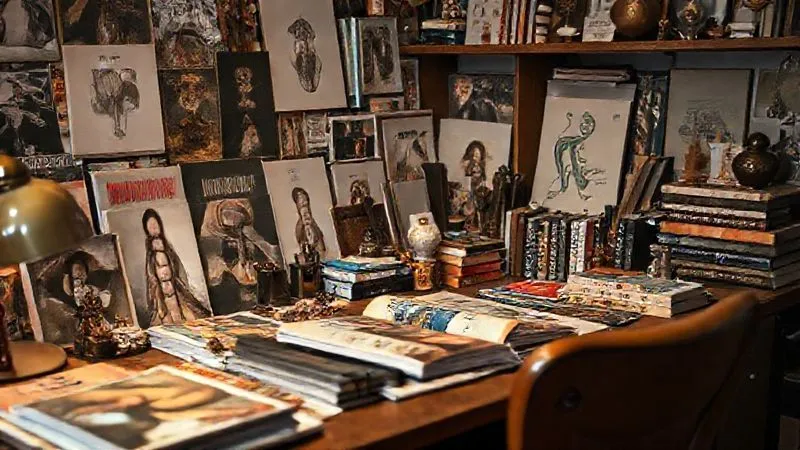
I've seen some of the most groundbreaking editorials emerge from cross-pollinating ideas from art history, cinema, literature, scientific discoveries, philosophical movements, or even obscure historical events. Imagine a fashion story inspired by quantum physics, or a beauty editorial drawing from ancient mythology. The unexpected juxtaposition creates intrigue and originality. This requires a broad cultural literacy and a disciplined approach to research, constantly feeding your creative mind with diverse stimuli.
According to a study published in the Harvard Business Review, diverse inputs and interdisciplinary thinking are key drivers of innovation across all industries. This principle is exceptionally applicable to fashion editorial, where fresh perspectives are paramount for standing out. Read more on the power of diverse teams here.
The Iterative Conceptualization Framework: From Idea to Execution
Consistency in uniqueness doesn't happen by accident; it's the result of a structured, iterative process. I've developed a framework over the years that ensures a steady pipeline of fresh ideas, moving from broad inspiration to finely tuned editorial concepts.
Step 1: Deep Dive Research & Trend Forecasting
This is where the groundwork is laid. It’s not just about what’s on the runway, but what’s bubbling up in culture. My team and I dedicate significant time to this phase.
- Macro Trend Analysis: Look at societal shifts – economic changes, technological advancements, political climates, environmental concerns, and shifts in consumer psychology. These macro trends often dictate future aesthetic and narrative directions.
- Micro Trend Spotting: Analyze emerging aesthetics, color palettes, silhouettes, and styling cues from niche designers, street style, art exhibitions, and social media subcultures. Don't just follow the big brands; find the innovators.
- Historical & Archival Exploration: Delve into fashion history, art history, and cultural archives. Often, a 'new' idea is a brilliant reinterpretation of something old, given a contemporary twist.
- Competitor & Industry Analysis: Understand what other major fashion publications and brands are doing. Not to copy, but to identify gaps, areas of saturation, and opportunities for differentiation. The Business of Fashion is an excellent resource for industry insights.
Step 2: Brainstorming & Mind Mapping with a Purpose
Once the research is complete, it's time for collaborative brainstorming. This isn't a free-for-all; it's a guided session focused on connecting disparate ideas from the research phase. We use mind mapping extensively.
- Keyword Association: Start with a central theme or a compelling image, then branch out with associated words, emotions, locations, historical periods, and cultural references.
- 'What If' Scenarios: Challenge assumptions. What if fashion had no gender? What if we shot an editorial entirely underwater? What if clothes could tell a story of their own?
- Role-Playing: Sometimes, I ask team members to embody a specific persona – a rebellious artist, a futuristic explorer, a forgotten muse – and brainstorm concepts from that perspective.
Step 3: Visual Storyboarding & Mood Boarding
Abstract ideas need to be translated into tangible visuals. This is where the concept starts to take shape.
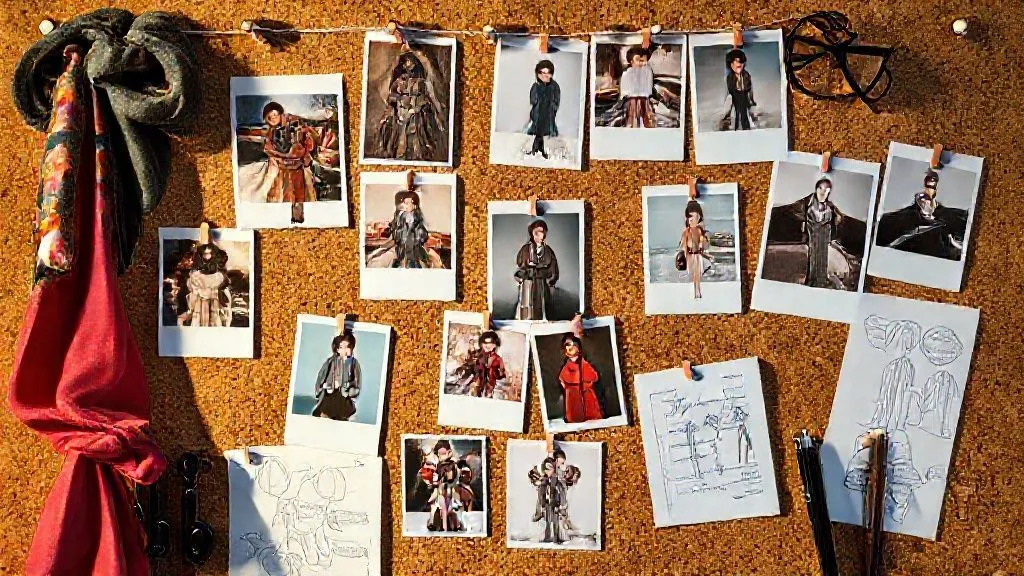
- Digital & Physical Mood Boards: Combine tear sheets, fabric swatches, color palettes, location references, hair/makeup ideas, and photography styles. Ensure the mood board tells a coherent visual story.
- Shot Lists & Storyboards: For key looks or sequences, create rough sketches or detailed descriptions of each shot. This helps visualize the flow and narrative arc of the editorial.
- Casting Considerations: Think about the model's persona and how they embody the concept. Sometimes, the right face can elevate a good idea to a great one.
| Phase | Key Activities | Output |
|---|---|---|
| Research & Forecast | Macro/Micro Trend Analysis, Historical Exploration | Trend Reports, Inspiration Bank |
| Conceptualization | Brainstorming, Mind Mapping, 'What If' Scenarios | Core Concepts, Narrative Ideas |
| Visualization | Mood Boarding, Storyboarding, Casting | Visual Plan, Shot List, Model Selection |
| Execution | Shoot Production, Styling, Photography | Raw Imagery |
| Post-Production | Editing, Retouching, Layout | Final Editorial |
Injecting Narrative: Storytelling as the Core of Editorial Concepts
A truly unique fashion editorial isn't just a collection of pretty pictures; it's a meticulously crafted visual narrative that evokes emotion and leaves a lasting impression. In my years, I've seen that the most memorable editorials are those that tell a compelling story, inviting the reader into a world rather than just presenting clothes.
Developing a Compelling Theme and Plot
Every great story has a theme – a central idea or message. For an editorial, this theme could be anything from 'rebellion against conformity' to 'the quiet beauty of solitude' or 'a celebration of cultural fusion'. Once you have a theme, consider the plot: what journey is the editorial taking the viewer on? Is there a beginning, middle, and end? Does it evolve through different locations, moods, or styling changes?
Think of it like directing a short film. Each image is a frame, contributing to the overarching story. The styling, location, lighting, and model's expression all serve to advance this narrative. For instance, an editorial about transformation might show the model in increasingly bold or different looks across various settings, culminating in a powerful, evolved image.
Character Arcs for Fashion: The Model as a Protagonist
In fashion photography, the model isn't just a hanger for clothes; they are often the protagonist of your visual story. Give them a character arc. Are they a mysterious wanderer, a powerful executive, a whimsical dreamer, or a rebellious spirit? How does their character evolve or express itself through the clothes and settings?
"A truly unique editorial isn't just a collection of pretty pictures; it's a meticulously crafted visual narrative that evokes emotion and leaves a lasting impression. It’s about creating a world the reader wants to step into, even if just for a few pages."
I always encourage photographers and stylists to work closely with the model, discussing the character and story beforehand. A model who understands their role can bring an incredible depth of emotion and authenticity to the images, making the editorial far more engaging and unique.
Leveraging Technology & Innovation for Fresh Perspectives
The fashion photography landscape is constantly evolving, and embracing new technologies can unlock entirely new avenues for unique editorial concepts. Staying current with these advancements is crucial for sustained innovation.
Exploring AI, VR, and Digital Art in Editorial Photography
We are just scratching the surface of how artificial intelligence, virtual reality, and advanced digital art can redefine fashion editorial. Imagine an editorial shot in a completely AI-generated dreamscape, or a VR experience that allows readers to 'walk through' a fashion story. While these might seem futuristic, elements of them are already being integrated.
For example, using AI to generate unique textures, backgrounds, or even entire garments can create visuals that are impossible to achieve with traditional methods. Digital artists can augment photographs with fantastical elements, blurring the line between reality and imagination. This allows for a level of conceptual freedom that was previously unimaginable, offering a truly unique selling proposition for magazines willing to experiment. Vogue Business often covers these emerging technologies in fashion.
Sustainable Fashion & Ethical Storytelling
Beyond technology, conceptual innovation also lies in addressing pressing societal issues. Sustainable fashion, ethical production, and diversity are not just trends; they are fundamental shifts in consumer values. Editorials that authentically explore these themes, showcasing eco-friendly designs, diverse body types, or culturally sensitive narratives, inherently stand out.
Creating unique concepts around sustainability could involve shooting in natural, untouched landscapes to highlight environmental concerns, using upcycled materials for styling, or featuring designers who champion ethical practices. This approach not only generates unique visuals but also positions the magazine as a thought leader, building trust and resonance with a conscious audience.
Building a Consistent Creative Muscle: The Power of Process
The biggest hurdle to consistent uniqueness is often the lack of a repeatable, reliable creative process. Talent is essential, but process ensures that talent can be deployed effectively, time and again. I've found that embedding certain rituals and structures into the workflow makes all the difference.
Case Study: "Evolve Magazine's" Creative Renaissance
"Evolve Magazine," a mid-tier fashion publication, faced a significant challenge: their editorials were becoming predictable, leading to declining readership. Their creative team felt constantly burnt out, struggling to generate fresh ideas under tight deadlines. After implementing a structured 'Concept Incubation Cycle' that I helped them develop, things began to shift.
The cycle involved dedicating one full day each month solely to interdisciplinary inspiration and brainstorming, completely separate from production deadlines. They invited guest speakers from diverse fields – a botanist, an architect, a documentary filmmaker – to spark new ideas. They also mandated individual 'inspiration logs' where team members had to record five non-fashion-related sources of inspiration each week.
Within six months, "Evolve Magazine" saw a remarkable transformation. Their editorials became visually distinct, tackling themes like 'Urban Nomads' (inspired by minimalist architecture) and 'Botanical Alchemy' (drawing from rare plant species). Readership increased by 15%, and their social media engagement soared. This success wasn't due to a sudden influx of new talent, but the implementation of a consistent, intentional creative process.
Establishing a 'Creative Well' Routine
Just as an athlete needs to train, a creative needs to consistently replenish their 'creative well'. This means consciously scheduling time for inspiration and learning, outside of project deadlines. For me, this involves:
- Regular Museum Visits: Art, history, science – anything that sparks curiosity.
- Reading Widely: Beyond fashion, dive into fiction, non-fiction, philosophy.
- Travel & Exploration: Experiencing new cultures, landscapes, and perspectives.
- Mentorship & Collaboration: Engaging with other creatives, both within and outside your field.
These activities are not luxuries; they are essential investments in your long-term ability to generate unique concepts. They provide the raw material for innovation.

Overcoming Creative Blocks and Maintaining Momentum
Even with the best process, creative blocks are inevitable. The key to consistency is not avoiding them, but having strategies to navigate them quickly and effectively. I've learned that a fresh perspective or a slight shift in approach can often unlock a stalled idea.
The 'Palette Cleanser' Technique
When stuck on a concept, sometimes the best thing to do is step away entirely. I call this the 'palette cleanser'. Work on something completely different, even if it's a minor administrative task or a personal creative project. This mental break allows your subconscious to process the problem without the pressure of direct engagement. When you return, you often see the concept with new eyes, identifying solutions or alternative directions you hadn't considered before.
Seeking External Feedback and Collaboration
Creative work can be isolating, leading to tunnel vision. Actively seeking feedback from trusted colleagues, mentors, or even non-industry friends can provide invaluable external perspectives. They might spot a flaw, suggest an unexpected angle, or simply ask a question that forces you to re-evaluate your assumptions. Collaboration, too, is a powerful antidote to creative stagnation. Working with a stylist, photographer, or art director whose vision complements yours can elevate a concept beyond what any single individual could achieve.
| Challenge | Solution Strategy | Expected Outcome |
|---|---|---|
| Creative Block | 'Palette Cleanser' - Step away for a non-related task | Fresh perspective, renewed energy |
| Repetitive Ideas | Cross-Pollination - Seek inspiration outside fashion | Novel juxtapositions, truly unique concepts |
| Lack of Cohesion | Revisit Brand DNA & Audience Personas | Concepts aligned with magazine identity |
| Burnout | Implement 'Creative Well' Routine | Sustained inspiration, long-term innovation |
Measuring Impact and Refining Your Approach
The journey to consistent uniqueness doesn't end with the publication of an editorial. To truly refine your approach and ensure ongoing success, you must measure the impact of your work and be willing to adapt.
Analyzing Reader Engagement and Industry Feedback
Pay close attention to how your unique concepts are received. Track metrics like website traffic to editorial pages, social media engagement (likes, shares, comments), and subscriber feedback. Does a particular type of concept resonate more strongly? Are there consistent themes in the comments? Beyond quantitative data, solicit qualitative feedback from industry peers, stylists, photographers, and even models you work with. Their insights can be invaluable.
Adapting and Evolving Your Editorial Vision
The creative landscape is ever-changing. What was unique five years ago might be commonplace today. Be prepared to adapt your strategies, embrace new technologies, and evolve your editorial vision based on what you learn from your audience and the broader industry. This doesn't mean chasing every fleeting trend, but rather understanding the underlying shifts and incorporating them into your unique conceptual framework. This continuous cycle of creation, measurement, and adaptation is how you ensure your magazine remains at the forefront of innovation, consistently delivering unique fashion magazine editorial concepts.
Frequently Asked Questions (FAQ)
How do I balance commercial viability with artistic uniqueness in fashion editorials? This is a classic dilemma. My approach is to find the intersection. Commercial viability often comes from resonance and engagement. If a unique concept truly captivates an audience, it can become commercially viable. The trick is to integrate brand messaging or product placement seamlessly within the narrative, rather than forcing it. A unique concept can elevate a brand, making it more desirable. It's about smart collaboration and creative problem-solving to ensure the artistic vision enhances, rather than detracts from, commercial goals.
What's the role of a strong creative director in ensuring consistent unique concepts? The creative director is the visionary, the anchor, and the facilitator. They are responsible for setting the overall aesthetic and narrative direction, curating the team, and fostering an environment where bold ideas can flourish. A strong creative director doesn't just approve ideas; they inspire them, challenge them, and provide the strategic oversight to ensure every concept aligns with the magazine's identity while pushing creative boundaries. Their leadership is paramount in maintaining consistency in quality and originality.
How can smaller magazines with limited budgets still create unique editorials? Uniqueness isn't about budget; it's about ingenuity and vision. Smaller magazines can leverage their agility and niche focus. Instead of grand, elaborate shoots, focus on compelling storytelling, unexpected locations (even local, overlooked spots), innovative styling with accessible pieces, or working with emerging talent (photographers, models, designers) who bring fresh perspectives. Collaboration with local artists or businesses can also provide unique resources. A strong concept can shine through even with minimal resources.
How often should a magazine completely overhaul its editorial concept approach? A complete overhaul isn't usually necessary or advisable, as it can alienate your existing readership. Instead, think of it as continuous evolution. I recommend a strategic review of your conceptual approach annually, or when significant shifts in industry trends or reader demographics occur. Small, iterative adjustments to your framework, combined with a willingness to experiment with individual concepts, will ensure you stay fresh without losing your core identity.
What are common pitfalls to avoid when striving for uniqueness? One major pitfall is trying too hard to be 'different' for difference's sake, resulting in concepts that lack substance or coherence. Another is falling into the trap of 'trend-hopping' without adding your own unique interpretation. Also, fear of failure can stifle true innovation; not every experimental concept will be a runaway success, but each one is a learning opportunity. Finally, neglecting your brand identity or audience can lead to unique concepts that simply don't resonate.
Key Takeaways and Final Thoughts
- Embrace a Structured Framework: Uniqueness isn't accidental; it's the result of a disciplined, iterative process from research to execution.
- Look Beyond Fashion: Cross-pollinate ideas from diverse cultural, artistic, and scientific realms to spark truly original concepts.
- Prioritize Storytelling: Treat your editorials as visual narratives, giving models character arcs and locations a sense of purpose.
- Leverage Technology & Values: Explore AI, VR, and themes like sustainability to create forward-thinking and resonant content.
- Invest in Your Creative Well: Actively seek inspiration outside of deadlines to consistently replenish your creative resources.
- Embrace Feedback & Adaptation: Measure impact, learn from successes and failures, and continuously refine your approach.
The journey to consistently creating unique fashion magazine editorial concepts is an ongoing one, demanding both discipline and daring. As someone who has navigated these waters for years, I can assure you that by integrating these strategies into your workflow, you won't just generate fleeting moments of brilliance, but cultivate a sustainable engine for innovation. Your magazine will not only stand out but truly resonate, leaving an indelible mark on the ever-evolving canvas of fashion photography.
Recommended Reading
- Sold a Fake Vintage Luxury Item? 7 Steps to Recover & Rebuild Trust
- 7 Strategies: Innovating Haute Couture While Respecting Brand Heritage?
- 7 Proven Steps: Mitigate Infant Clothing Recall Risks in Manufacturing
- Scaling Vintage: 7 Strategies to Preserve Authenticity & Grow Your Brand
- Stylish Frames for Dry Eye: 5 Expert Tips for Fashion Clients

Your email address will not be published. Required fields are marked *