

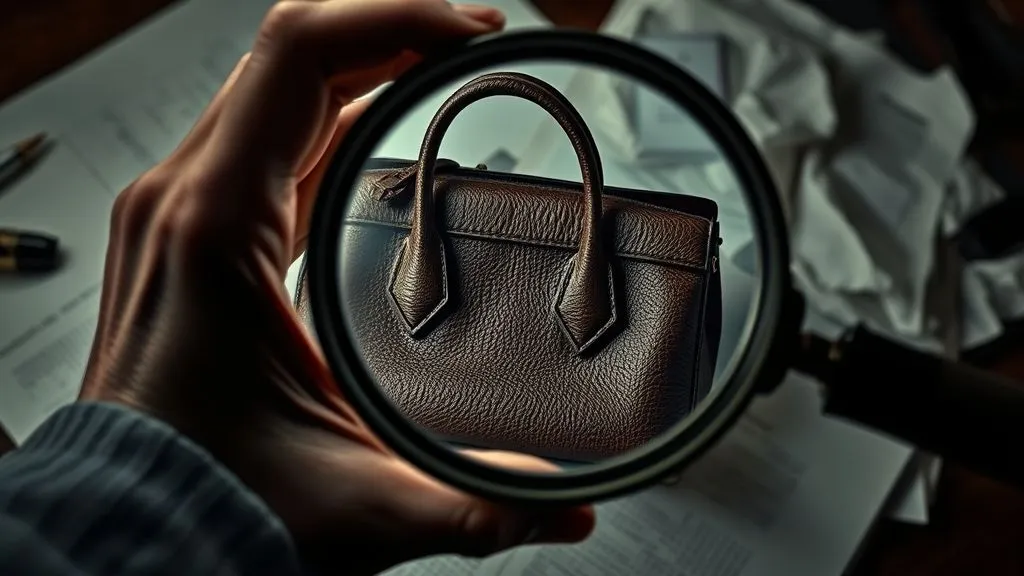
Crisis: unknowingly sold fake vintage luxury; how to recover?
In my two decades navigating the intricate world of vintage luxury, I've witnessed the exhilarating highs of discovering a rare gem and the devastating lows when authenticity comes into question. The vintage market, while brimming with opportunity, is also a minefield of potential pitfalls, and none is more perilous than unknowingly selling a counterfeit.
The moment you realize you’ve unknowingly sold a fake vintage luxury item, a cold dread sets in. Your reputation, painstakingly built over years, feels like it's crumbling. The trust of your customers, the integrity of your brand, and even your financial stability hang in the balance. It’s a crisis that can feel overwhelming, isolating, and deeply personal.
But here’s the crucial insight: this isn't an insurmountable disaster. It's a critical moment that, handled correctly, can actually strengthen your brand and deepen customer loyalty. In this definitive guide, I’ll share an actionable, step-by-step framework, drawn from my extensive experience, to not only recover from this crisis but also to fortify your business against future threats. We’ll explore immediate damage control, robust authentication strategies, legal considerations, and the art of transparent communication.
The Immediate Aftermath: Damage Control & First Steps
The instant you suspect or confirm you’ve sold a counterfeit, panic is a natural reaction. However, decisive and swift action is paramount. Your immediate goal is to contain the damage and protect your reputation.
- Pause All Related Sales & Listings: If you have similar items from the same source, or even other items from your inventory, temporarily remove them from sale. This prevents further potential incidents and buys you time to conduct a thorough internal review.
- Contact the Buyer Immediately & Discreetly: Reach out to the customer who purchased the item. Transparency, while daunting, is your strongest ally here. Express your profound regret, explain the situation (without placing blame), and offer a full refund, including shipping.
- Preserve All Evidence: Document everything related to the sale: original listing, communication with the buyer, sourcing details, payment records, and any information about the item itself. If the item is returned, do not alter it in any way. This evidence will be crucial for your investigation and any potential claims.
- Consult Legal Counsel (If Necessary): Depending on the value of the item, your location, and the buyer's reaction, it might be prudent to seek legal advice early. An attorney specializing in consumer law or intellectual property can guide you through potential liabilities and obligations.
“In the vintage luxury market, transparency isn't just a virtue; it's a non-negotiable business strategy. When a crisis hits, silence is a death knell; open communication is your lifeline.”
Authenticity Verification: The Non-Negotiable Foundation
The core of recovering from unknowingly selling a fake vintage luxury item lies in establishing irrefutable authenticity. This is where your expertise, combined with specialized tools and services, becomes indispensable.
Engaging Expert Authenticators
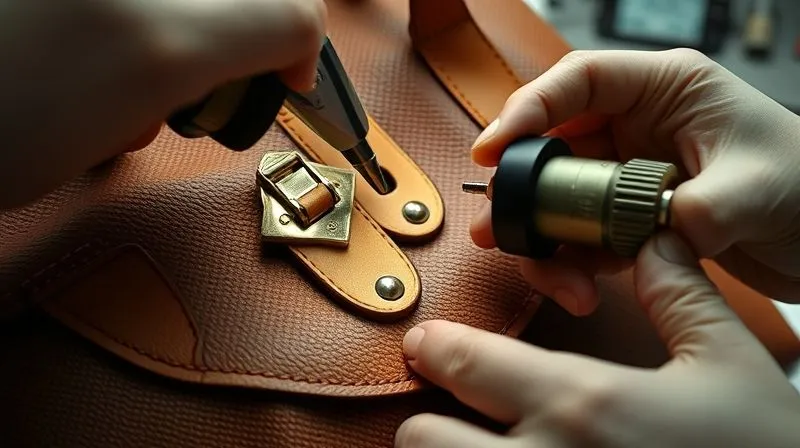
For high-value or highly-replicated items, relying solely on your own judgment, no matter how seasoned, may not be enough. Professional authenticators possess a level of expertise, access to proprietary databases, and forensic tools that are beyond the reach of most individual resellers.
- Independent Third-Party Services: Companies like Entrupy, Real Authentication, or Authenticate First offer services for a wide range of luxury brands. They provide certificates of authenticity, which can be invaluable for refunds and for demonstrating due diligence.
- Brand-Specific Experts: Some brands have their own authentication services or recognized independent experts. Researching these can provide an even higher level of assurance.
Leveraging Technology for Verification
The authentication landscape is rapidly evolving, with technology playing an increasingly vital role. From AI-powered analysis to microchip verification, these tools add layers of security.
- AI-Powered Authentication: Services like Entrupy utilize microscopic imaging and AI algorithms to compare an item's materials, stitching, and hardware against vast databases of genuine and counterfeit items.
- NFC/RFID Tags: While more common in newer luxury items, some high-end vintage pieces might have embedded chips. Familiarize yourself with how to scan and verify these.
- Blockchain Technology: Emerging as a powerful tool for provenance tracking, blockchain can provide an immutable record of an item's journey, from manufacturer to reseller.
Understanding the strengths and limitations of various authentication methods is key:
| Method | Pros | Cons |
|---|---|---|
| Visual Inspection (Expert) | Cost-effective, quick for obvious fakes, leverages experience | Subjective, prone to error with super fakes, not legally defensible |
| AI/Microscopic Analysis (e.g., Entrupy) | Highly accurate, objective, provides certificate, fast | Subscription/per-item cost, limited to supported brands, requires specific hardware |
| Brand-Specific Expert | Highest authority, deep knowledge base | Can be expensive, slow, access may be limited, brand might not offer public service |
| Provenance Documentation | Strongest evidence of authenticity, builds trust | Difficult to obtain for all vintage items, relies on previous owner's honesty |
Legal & Ethical Obligations: Navigating the Red Tape
Selling counterfeit goods, even unknowingly, carries significant legal and ethical ramifications. Understanding these is crucial for a smooth recovery and to prevent future issues.
Understanding Consumer Protection Laws
Consumer protection laws in most jurisdictions are designed to protect buyers from misrepresentation and faulty goods. Unknowingly selling a fake can fall under these statutes, potentially leading to demands for refunds, damages, or even legal action.
- Full Refund Requirement: Legally, you are almost always obligated to offer a full refund for a counterfeit item, regardless of your intent. This includes original shipping costs and potentially return shipping.
- Fair Trade Practices: Many countries have fair trade acts that prohibit misleading consumers. Your actions in the aftermath of the discovery will demonstrate your commitment to these principles.
- Intellectual Property Rights: Counterfeiting infringes on the intellectual property rights of the original brand. While you may not be the manufacturer, being part of the distribution chain can still carry risks.
Handling Refunds and Returns
Approach the refund and return process with professionalism and empathy. Make it as easy as possible for the buyer. This demonstrates goodwill and can significantly mitigate negative sentiment.
- Expedite the Refund: Process the refund immediately upon confirmation of the fake item, or upon receiving the returned item, as agreed with the buyer.
- Cover All Costs: Ensure the refund includes the full purchase price, original shipping, and return shipping.
- Provide Clear Instructions: Give the buyer clear, simple instructions for returning the item, including preferred shipping methods and tracking requirements.
- Maintain Communication: Keep the buyer informed at every step of the process – from refund initiation to confirmation of return receipt.
According to the Federal Trade Commission (FTC), businesses have a responsibility to ensure the accuracy of their product claims. Misrepresenting a product, even unintentionally, can lead to enforcement actions.
Rebuilding Trust: Communication & Transparency as Your Allies
Once the immediate logistical and legal aspects are being managed, the long-term work of rebuilding trust begins. This is where authentic, transparent communication becomes your most powerful tool.
Crafting Your Apology
A sincere, humble, and professional apology can go a long way. It should acknowledge the mistake, express regret, and outline the steps you are taking to rectify it.
- Personalized: Address the buyer by name.
- Unreserved: Avoid excuses or blaming others. Take full responsibility.
- Action-Oriented: Explain what you are doing to make it right and prevent recurrence.
- Forward-Looking: Reiterate your commitment to authenticity and customer satisfaction.
Proactive Communication Strategy
Consider whether to make a broader public statement. For a single incident, a direct communication with the affected buyer is usually sufficient. However, if the incident points to a systemic issue or gains public attention, a more public statement might be necessary.
- Website/Social Media Update: If you decide to go public, post a statement on your website and social media channels. Explain what happened, what you've learned, and the new measures you're implementing.
- Email to Customer List: For your loyal customer base, a direct email can be a powerful way to reinforce your commitment to them.
- Be Prepared for Questions: Ensure your customer service team is fully briefed and ready to answer questions honestly and empathetically.
Case Study: How 'Vintage Vault' Rebounded from a Faux Pas
Vintage Vault, a prominent online vintage luxury boutique, faced a similar crisis when a high-value Birkin bag sold for $15,000 was identified by the buyer as a super-fake. Instead of hiding, the owner, Sarah, immediately contacted the buyer, offered a full refund plus a store credit, and arranged for immediate authentication by Entrupy. Upon confirmation, she issued a public statement on her blog and social media, detailing the incident, apologizing sincerely, and outlining her new, stricter 3-step authentication protocol (internal review, third-party expert, and a new technology integration). She even offered a discount code to her entire customer base as a gesture of goodwill. This transparent approach, though initially painful, was lauded by her community. Within six months, Vintage Vault not only recovered but saw a 20% increase in sales, as customers appreciated her honesty and renewed commitment to authenticity.
Strengthening Your Sourcing & Vetting Process
The best way to recover from unknowingly selling a fake vintage luxury item is to ensure it never happens again. This requires a forensic examination and overhaul of your sourcing and vetting procedures.
Due Diligence Best Practices
Every item that enters your inventory must undergo rigorous scrutiny. This process should be systematic and documented.
- Know Your Sources: Prioritize reputable dealers, trusted consignors, and direct owners with clear provenance. Be wary of 'too good to be true' deals or anonymous sellers.
- Detailed Documentation: For every item, record its source, date of purchase, any existing authentication documents, and detailed photos upon acquisition.
- Cross-Reference & Research: Before purchasing, extensively research the item. Compare it against known authentic examples, study brand-specific tells (stitching, hardware, serial codes, date stamps), and check for common counterfeit indicators.
- Physical Inspection: Conduct a thorough physical inspection. Pay attention to materials, craftsmanship, weight, scent, and any inconsistencies that might suggest a replica.
Supplier Relationships & Contracts
For recurring suppliers, establish clear agreements that protect you from counterfeit goods. This builds a layer of legal protection and accountability.
- Authenticity Guarantees: Include clauses in your contracts that guarantee the authenticity of goods supplied.
- Indemnification: Seek indemnification clauses, which would hold your supplier responsible for any damages or losses incurred if they supply a counterfeit.
- Regular Audits: For high-volume suppliers, consider periodic audits or random checks of their inventory and processes.
Implementing Robust Internal Authentication Protocols
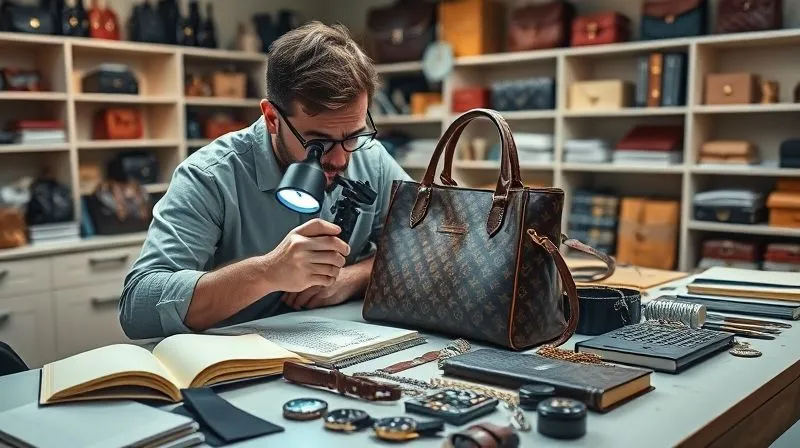
Beyond external services, developing strong internal protocols is essential for consistency and reliability. This is where your team's expertise and your operational procedures truly shine.
Training Your Team
Your team members are your first line of defense. Invest in their education and provide them with the resources they need to identify fakes.
- Regular Workshops: Conduct workshops focused on specific brands, common counterfeit tells, and new authentication technologies.
- Reference Materials: Create a comprehensive internal library of brand-specific authentication guides, high-resolution images of genuine items, and documented counterfeit comparisons.
- Shadowing & Mentorship: Pair less experienced team members with seasoned authenticators for hands-on learning.
Documenting Provenance
Provenance, the history of ownership for a valuable object, is a powerful indicator of authenticity. While often challenging for vintage items, any documentation you can gather adds significant value.
- Certificates of Authenticity: Always request or generate these for every item where possible.
- Purchase Records: Keep meticulous records of where and when each item was acquired.
- Owner History: If an item comes with a verifiable history of previous owners (e.g., original receipts, gift letters), document this carefully.
To ensure a consistent and thorough internal review, I advise implementing a checklist for every item:
| Step | Action | Status |
|---|---|---|
| Initial Visual Scan | Check for obvious red flags, general craftsmanship, brand consistency. | Pass/Fail |
| Hardware & Stamping Analysis | Examine zippers, clasps, logos, serial numbers for quality, font, and placement. | Pass/Fail |
| Material & Scent Test | Assess leather quality, stitching consistency, and any unusual chemical odors. | Pass/Fail |
| Weight & Structure Check | Evaluate the item's overall feel, balance, and structural integrity. | Pass/Fail |
| Internal Tag/Lining Review | Inspect interior tags, lining fabric, and any hidden details. | Pass/Fail |
| Cross-Reference with Database | Compare item against internal reference library and known authentic examples. | Pass/Fail |
| Second Opinion (Internal) | Have another trained team member conduct an independent review. | Pass/Fail |
| External Authentication (If Needed) | Submit to a third-party service for high-value or questionable items. | Pass/Fail |
Long-Term Reputation Management & Brand Resilience
A crisis, once managed, can become a testament to your brand's integrity. The goal isn't just to recover, but to emerge stronger, with a more resilient reputation.
Monitoring Your Online Presence
After a crisis, actively monitor what is being said about your brand online. This allows you to address misinformation and engage with customers proactively.
- Social Listening Tools: Utilize tools to track mentions of your brand across social media, forums, and review sites.
- Engage Constructively: Respond to comments, positive or negative, with professionalism and a continued commitment to authenticity.
- Showcase Your New Protocols: Share updates on your enhanced authentication processes. This demonstrates action and continuous improvement.
Becoming an Advocate for Authenticity
Transform your negative experience into a positive by becoming a vocal advocate for authenticity within the vintage luxury community. Share your insights, educate your audience, and partner with other reputable businesses.
- Content Creation: Write blog posts, create videos, or host webinars on identifying fakes, the importance of authentication, and ethical sourcing.
- Industry Collaboration: Join or initiate discussions within industry groups to promote best practices and collective vigilance against counterfeits.
- Certifications & Partnerships: Explore opportunities to gain certifications or partner with organizations that champion ethical practices and authenticity in luxury resale.
As Seth Godin, the renowned marketing guru, often emphasizes, trust is the scarcest resource. Rebuilding it requires consistent, transparent effort and a genuine commitment to your values. For further reading on building brand trust, I recommend exploring resources from Harvard Business Review.
Preventing Future Incidents: A Proactive Approach
The lessons learned from a crisis like unknowingly sold fake vintage luxury items are invaluable. They should fuel a proactive strategy to prevent any recurrence, making your business more robust and reliable than ever before.
Continuous Education
The world of luxury counterfeits is constantly evolving. Staying ahead requires a commitment to ongoing learning.
- Stay Informed: Subscribe to industry newsletters, follow authentication experts, and monitor news on new counterfeit trends and technologies.
- Attend Workshops & Seminars: Participate in events focused on luxury authentication, intellectual property, and ethical sourcing.
- Brand Updates: Keep up-to-date with genuine brand releases, changes in manufacturing, and new security features, as these can impact authentication methods for vintage pieces.
Investing in Advanced Tools
Consider authentication tools not as an expense, but as an essential investment in your brand's integrity and long-term viability.
- Microscopic Cameras: For detailed examination of materials, stitching, and hardware.
- UV Lights: Essential for checking security features on tags, date codes, and material reactions.
- Proprietary Databases: Access to comprehensive databases of genuine and counterfeit items is critical for informed decisions.
Frequently Asked Questions (FAQ)
How do I identify a truly fake item vs. a highly convincing replica? Identifying a 'super fake' often requires more than visual inspection. While obvious fakes have glaring errors in stitching, hardware, or logos, super fakes mimic genuine items very closely. This is where expert authenticators, AI-powered tools (like Entrupy), and forensic analysis become essential. They can detect microscopic differences in materials, specific manufacturing techniques, or inconsistencies in serial codes that are almost impossible for the untrained eye to spot. It's about looking beyond the surface.
What if the buyer refuses a refund or demands more than the purchase price? While rare, this can happen. Your primary obligation is to offer a full refund for the item and associated shipping costs. If the buyer demands additional compensation (e.g., for 'emotional distress' or 'time wasted'), it's crucial to consult your legal counsel. Do not agree to unreasonable demands without legal advice. Maintain clear, documented communication, focusing on your commitment to rectify the original transaction fairly. Your prompt and transparent actions in offering a full refund often mitigate such escalations.
Can I be sued for unknowingly selling a counterfeit? Yes, it is possible, though the likelihood and outcome depend on various factors including jurisdiction, the value of the item, and the specific circumstances. While you may not have intended to sell a fake, consumer protection laws and intellectual property laws can still hold you liable. This is why immediate action, transparent communication, offering a full refund, and consulting legal counsel are paramount. Demonstrating due diligence and a proactive approach to rectifying the situation can significantly reduce your legal exposure.
How can I protect myself from future scams when buying inventory? Protection starts with meticulous due diligence on your sourcing. Prioritize trusted suppliers with proven track records. Always request detailed provenance, if available. Utilize a multi-layered authentication process for every incoming item: your own expert eye, cross-referencing with extensive databases, and employing third-party authentication services for high-risk or high-value pieces. Never compromise on authentication to save costs or time. Building strong, direct relationships with reputable consignors and dealers also reduces risk.
What's the role of blockchain in luxury authentication? Blockchain technology offers a revolutionary way to track the entire lifecycle of a luxury item, creating an immutable and transparent record of its authenticity and ownership history. Each transaction or authentication event can be recorded as a 'block' in a chain, making it nearly impossible to alter or forge. While still evolving, several luxury brands and authentication services are integrating blockchain to provide digital certificates of authenticity and verify an item's provenance. This adds a powerful layer of trust and traceability, especially for high-value pre-owned items.
Key Takeaways and Final Thoughts
The 'Crisis: unknowingly sold fake vintage luxury; how to recover?' is a formidable challenge, but it is also a powerful opportunity for growth and resilience. By embracing transparency, implementing rigorous authentication protocols, and communicating with integrity, you can not only navigate this difficult situation but emerge stronger, more trusted, and more reputable.
- Act Swiftly & Transparently: Your initial response sets the tone for recovery.
- Prioritize Authenticity: Invest in expert and technological authentication.
- Understand Your Obligations: Be aware of legal and ethical responsibilities.
- Communicate with Empathy: Rebuild trust through honest and proactive dialogue.
- Fortify Your Processes: Overhaul sourcing and internal vetting for prevention.
- Commit to Continuous Learning: Stay ahead of counterfeit trends and technologies.
Remember, every challenge in the vintage luxury market is a lesson in disguise. By applying these strategies, you’re not just recovering from a mistake; you’re building a more robust, trustworthy, and enduring brand that stands as a beacon of authenticity in a complex marketplace. Your dedication to integrity will ultimately be your greatest asset.
Recommended Reading
- 7 Steps: Authenticating Vintage Luxury Bags Lacking Provenance
- Gen Z & 90s Nostalgia: 7 Ways to Market Your Retro Brand Effectively
- Scaling Couture: 7 Pillars to Preserve Uncompromising Atelier Quality
- 7 Keys: How to Make Sportswear Streetwear Truly Authentic?
- Timeless Elegance: How to Build Your Dream Wardrobe Now!

Your email address will not be published. Required fields are marked *