

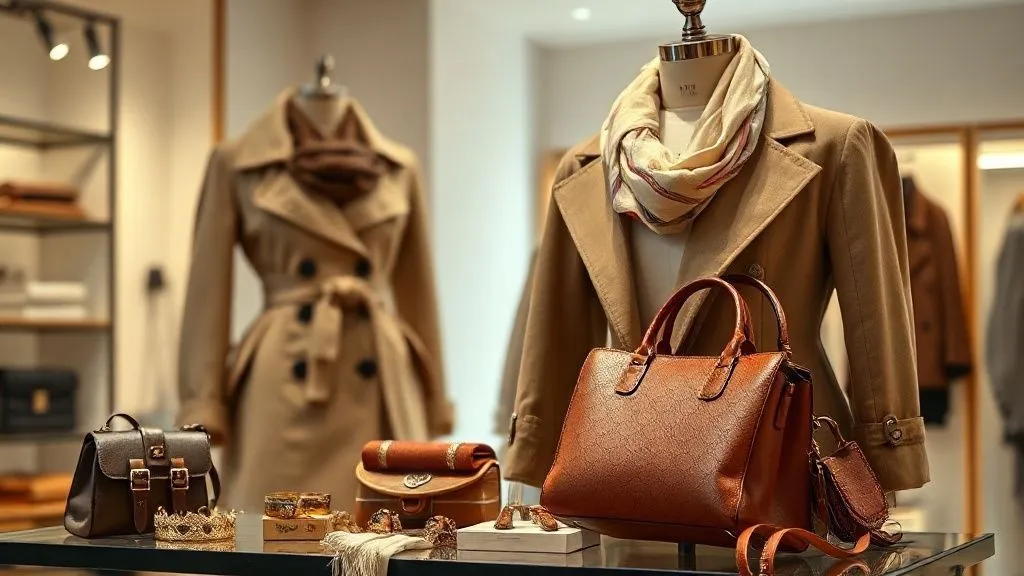
How to convince clients vintage is a timeless style investment?
For over two decades in the dynamic world of fashion, I've had the privilege of witnessing countless trends come and go, yet a select few endure. What I've also seen, time and again, is the hesitation some clients have when it comes to embracing vintage fashion, often viewing it as merely 'used' or 'outdated' rather than the profound style investment it truly is.
This skepticism isn't born of malice, but a lack of understanding. Clients are often conditioned by fast fashion cycles and perceive newness as the ultimate luxury, overlooking the inherent value, craftsmanship, and sustainability that vintage pieces offer. It's a common pain point for many consultants: how do you shift this perception and highlight the enduring appeal and financial wisdom of integrating vintage into a modern wardrobe?
This guide is designed to equip you, the discerning fashion professional, with a robust framework. I'll share actionable strategies, real-world insights, and expert perspectives to not only convince your clients but empower them to see vintage fashion as a truly timeless style investment, enriching their personal brand and contributing to a more sustainable future.
Understanding the Core Objection: Why Clients Hesitate
Before we can effectively advocate for vintage, we must first understand the underlying reasons for client resistance. Often, it boils down to a few deeply ingrained perceptions, fueled by modern consumerism and a lack of historical context. These objections, while common, are easily addressed with the right information and approach.
Myth 1: Vintage is Just 'Used Clothes'
This is perhaps the most prevalent misconception. Clients often associate 'used' with 'inferior' or 'unhygienic,' projecting the fast-fashion discard mentality onto high-quality, pre-loved garments. They might envision dusty thrift store racks rather than curated, authenticated treasures.
Myth 2: Vintage Lacks Modern Relevance
Another significant hurdle is the idea that vintage pieces are inherently 'outdated' or difficult to integrate into contemporary styling. Clients fear looking like they're wearing a costume or being unable to find pieces that complement their current wardrobe.
Myth 3: Vintage Quality is Inferior or Inconsistent
While some vintage items may show wear, many clients mistakenly believe that all vintage items are fragile or poorly made compared to new garments. They might worry about durability, fit, or the overall condition, especially if their only exposure to vintage has been lower-quality items.
The biggest barrier to embracing vintage isn't the clothes themselves, but the stories we tell ourselves about them. Our role is to rewrite that narrative, transforming 'old' into 'enduring' and 'used' into 'cherished'.
Strategy 1: Educate on Craftsmanship and Material Superiority
One of the most compelling arguments for vintage is its often superior quality. In an era dominated by mass production and cost-cutting, the craftsmanship and materials used in garments from past decades frequently surpass those found in contemporary fast fashion.
The Lost Art of Garment Construction
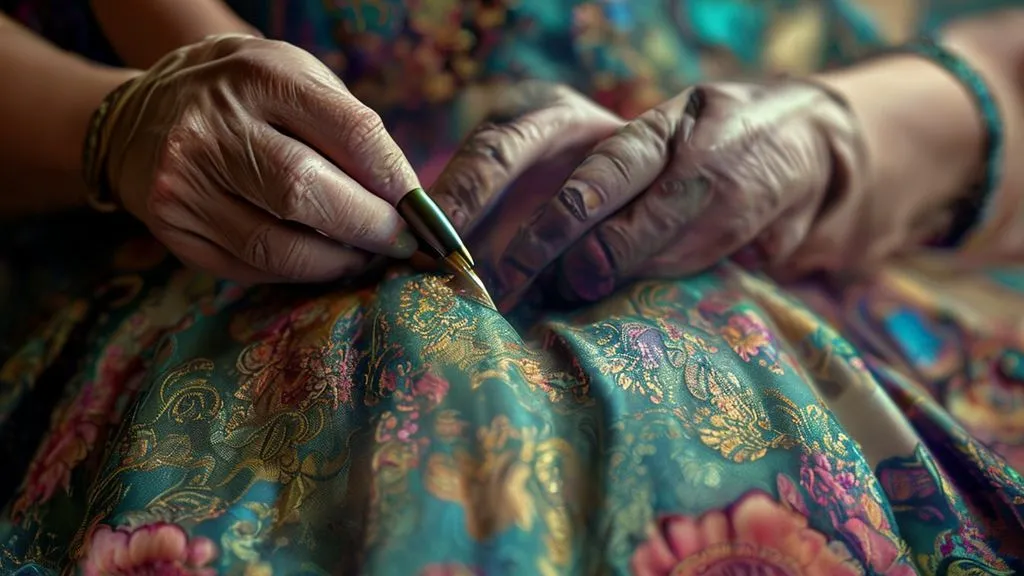
Many vintage pieces, especially those from the mid-20th century, were made with a level of attention to detail that is rare today. Think of hand-finished seams, meticulously set sleeves, robust linings, and thoughtful tailoring. These aren't just details; they are indicators of durability and a garment designed to last.
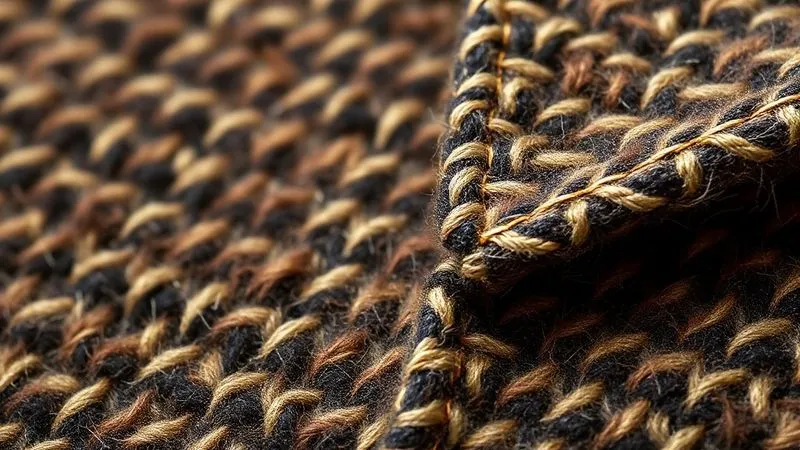
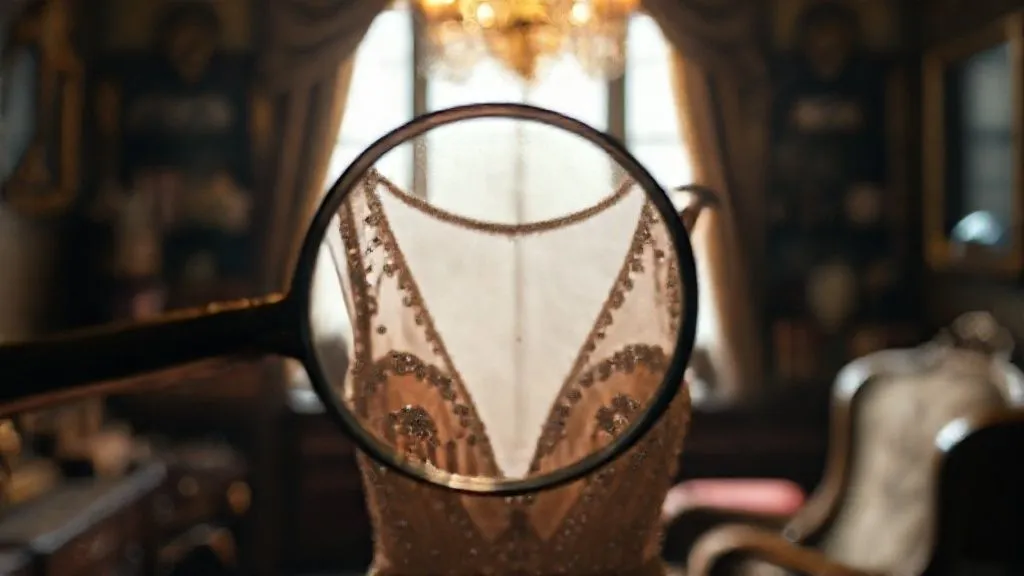
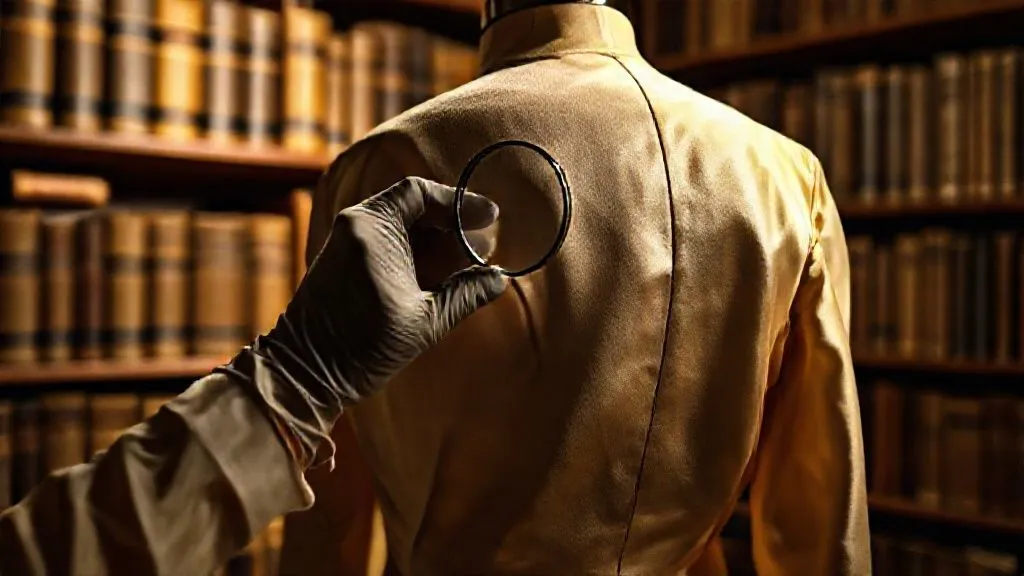
I often show clients examples of internal construction – a perfectly aligned plaid, a weighty zipper, reinforced buttonholes. These small but significant elements speak volumes about the garment's integrity. For instance, a vintage tweed jacket often boasts a structure and weight that simply isn't replicated in modern equivalents without a significant luxury price tag.
Premium Natural Fibers and Dyes
Prior to the widespread use of synthetic fabrics, natural fibers like wool, silk, linen, and high-quality cotton were the norm. These materials not only feel luxurious but also age beautifully, developing a unique patina over time. Furthermore, dyes used in earlier eras often held their color with remarkable resilience.
Consider a vintage silk blouse; its drape and luster are often unmatched by modern polyester blends. Explaining how these natural fibers breathe better, regulate temperature, and possess inherent strength can be a powerful differentiator. It's about shifting the focus from 'new' to 'quality of origin'.
Strategy 2: Showcase Proven Longevity and Durability
The very existence of vintage clothing is proof of its enduring quality. These garments have already withstood the test of time, often outliving multiple generations of fast-fashion items. This is a tangible, undeniable benefit that resonates deeply with clients looking for value.
The Test of Time: A Living Proof
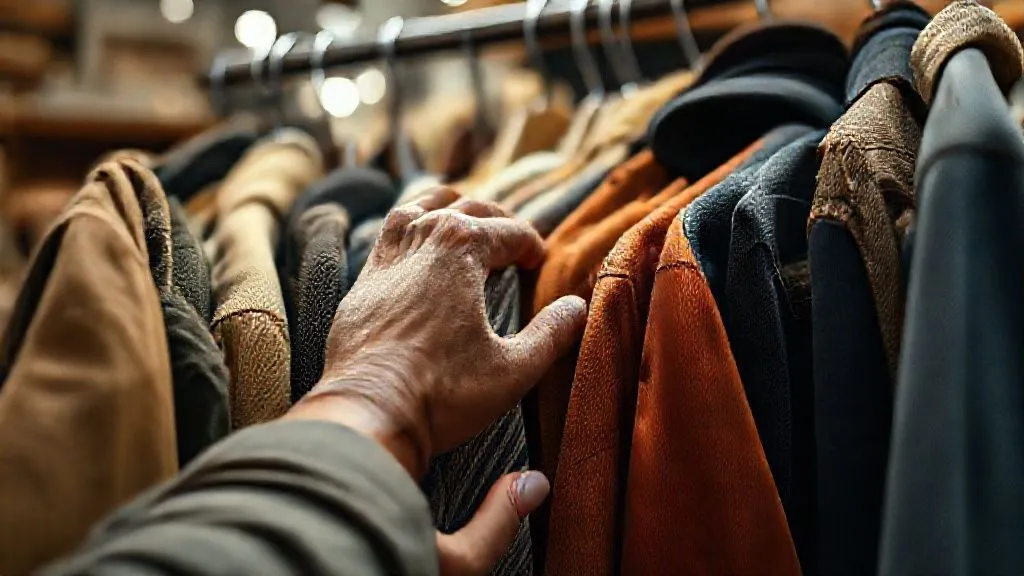
When a client handles a vintage leather handbag from the 1960s or a wool coat from the 1980s that is still in excellent condition, it's a powerful statement. These items aren't just surviving; they are thriving, often with minor wear that only adds to their character. This demonstrates an inherent durability that modern, mass-produced items rarely possess.
I explain that a vintage piece has already passed a real-world stress test. It's been worn, cared for, and preserved, proving its resilience. This contrasts sharply with new items whose longevity is an unknown variable, often disappointing after just a few washes.
Maintenance and Care: Extending Lifespan Further
While vintage items are durable, proper care ensures their continued longevity. This is an excellent opportunity to educate clients on sustainable fashion practices, like gentle washing, proper storage, and professional cleaning when necessary. This empowers them to be custodians of their investment.
According to a report by Deloitte and Circular Fashion, extending the active life of clothing by just nine months can reduce carbon, water, and waste footprints by 20-30%. Vintage items inherently contribute to this extension, and proper care multiplies that benefit.
| Garment Type | Typical Lifespan | Key Durability Factors |
|---|---|---|
| Vintage Trench Coat (Wool) | 30+ years | High-quality wool, robust stitching, classic design, repairable |
| Modern Fast Fashion Coat (Polyester) | 1-3 years | Low-grade synthetics, weak seams, trend-driven design, often not repairable |
| Vintage Leather Handbag | 40+ years | Full-grain leather, solid hardware, expert construction, ages beautifully |
| Modern PU Leather Handbag | 1-2 years | Plastic-based material, peels quickly, flimsy hardware, disposable |
Strategy 3: Highlight Uniqueness and Exclusivity as a Value Proposition
In a world of fast fashion where everyone can own the same trending item, true individuality is a rare commodity. Vintage fashion offers an unparalleled sense of uniqueness and exclusivity, allowing clients to cultivate a distinct personal style that stands out from the crowd.
Standing Out in a Sea of Sameness
When you buy a vintage piece, you're not just acquiring clothing; you're acquiring a piece of history, often one-of-a-kind or part of a very limited production run. This scarcity is a powerful draw for clients who wish to express their individuality and avoid the 'uniform' look of mass-market fashion.
I often tell clients, 'You won't walk into a room and see someone else wearing the exact same dress.' This resonates with those who are tired of fleeting trends and desire a wardrobe that truly reflects their unique personality and taste. It's about curating a style, not just consuming fashion.
The Story Behind Each Piece
Every vintage garment has a story. It has lived a life, witnessed events, and embodies a particular era's aesthetic. Sharing these narratives – whether it's the design influences of the 1970s or the sartorial elegance of the 1950s – adds an emotional and intellectual layer to the garment's appeal. This storytelling transforms an item from 'used' to 'cherished artifact'.
Case Study: How Sarah Built Her Brand with Vintage
Sarah, a budding entrepreneur in digital marketing, struggled to create a distinctive personal brand. Her wardrobe consisted mainly of high-street fashion, which, while current, felt generic. She wanted to project creativity, confidence, and a unique perspective. By integrating carefully selected vintage pieces – a structured 1960s shift dress, a vibrant 1970s silk scarf, and a timeless 1980s blazer – into her professional attire, Sarah transformed her image.
She found that these pieces sparked conversations, conveyed an air of authenticity, and made her memorable. Clients often commented on her 'impeccable and unique style,' reinforcing her brand as innovative and thoughtful. This resulted in increased confidence in networking events and, ultimately, a noticeable uptick in client inquiries, proving that vintage can be a powerful tool for personal and professional branding.
Strategy 4: Position Vintage as a Sustainable and Ethical Choice
With growing awareness about environmental impact and ethical labor practices, sustainability has become a key driver for many consumers. Vintage fashion inherently champions both, making it a powerful argument for the conscious client.
Reducing Fashion's Environmental Footprint
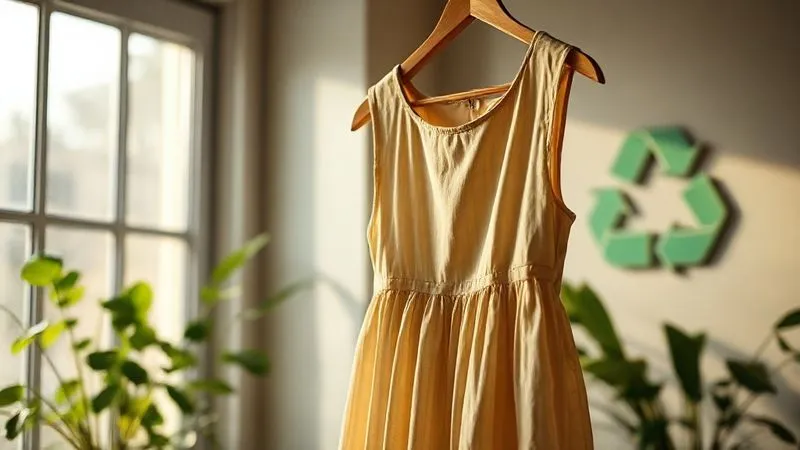
The fashion industry is notoriously resource-intensive, contributing significantly to pollution, waste, and carbon emissions. By choosing vintage, clients participate in a circular economy, extending the life of existing garments and reducing the demand for new production. This 're-commerce' model is one of the most effective ways to lower one's fashion footprint.
I emphasize that every vintage purchase is a vote for the planet. It's about embracing a 'reduce, reuse, recycle' philosophy in a tangible, stylish way. This resonates particularly well with younger generations and clients who prioritize ethical consumption.
Ethical Production: A Bygone Era's Advantage
Many vintage items predate the era of widespread fast fashion and exploitative labor practices. While not all historical production was perfect, a significant portion of vintage clothing was made under conditions that are often more ethical than those found in some modern supply chains. This provides an added layer of peace of mind for clients concerned about the human cost of fashion.
As fashion guru Seth Godin often says, "People do not buy goods and services. They buy relations, stories and magic." The story of a vintage garment often includes a more transparent, albeit historical, production narrative that aligns with modern ethical values. You can learn more about the environmental impact of fashion from sources like the Global Fashion Agenda's Pulse of the Fashion Industry report.
Strategy 5: Frame Vintage as a Financial and Stylistic Investment
Beyond quality, uniqueness, and sustainability, vintage fashion can also be presented as a shrewd financial and stylistic investment. Certain pieces, particularly designer vintage, can appreciate in value, while all well-chosen vintage items offer excellent 'cost per wear' value.
Appreciation Potential: More Than Just Clothes
For some high-end vintage items, particularly designer handbags, jewelry, or couture pieces, the value can actually increase over time. These are not merely garments but collectible assets. Educating clients on which brands, eras, or specific items hold investment potential can be a game-changer.
Think of iconic Chanel bags, Hermès scarves, or certain pieces of mid-century fine jewelry. These are often seen as alternative investments, much like art or antiques. They offer a tangible return that far surpasses the fleeting trend cycle of fast fashion.
According to The RealReal's Luxury Resale Report, certain luxury brands and specific vintage models consistently retain or increase their value, making them smart long-term purchases.
Building a Curated, Enduring Wardrobe
Even for everyday vintage, the concept of 'cost per wear' is incredibly powerful. A well-made vintage coat, though perhaps initially more expensive than a fast-fashion alternative, will last for decades, spreading its cost over hundreds of wears. A cheap coat, worn only a few times before falling apart, represents a much higher cost per wear.
The true cost of fashion isn't the price tag; it's the cost per wear. Vintage, with its longevity and timeless appeal, offers unparalleled value in the long run.
By investing in a few key vintage pieces, clients can build a foundational wardrobe that is timeless, versatile, and reflects a sophisticated understanding of style. This approach prioritizes quality over quantity, leading to a more functional and satisfying closet.
Actionable Framework: The "Vintage Value Proposition" Pitch
Now that we've explored the core strategies, let's put them into a practical, step-by-step framework you can use to confidently pitch vintage as a timeless style investment to your clients.
Step 1: Understand Client's Style & Needs
Begin with a thorough consultation. What are their current style preferences? What gaps do they have in their wardrobe? What are their budget, lifestyle, and values (e.g., sustainability)? Knowing this allows you to tailor your vintage recommendations and arguments specifically to them.
Step 2: Curate Relevant Vintage Options
Don't overwhelm them. Present a small, highly curated selection of vintage pieces that directly address their needs and complement their existing style. Show them how these pieces can integrate seamlessly, not stand out as 'old' additions.
Step 3: Tell the Story & Highlight Benefits (CRAFTS)
This is where you bring the strategies to life. Use the 'CRAFTS' acronym as a guide:
- Craftsmanship: Point out the quality of stitching, fabric, and construction.
- Resilience: Emphasize the item's proven longevity and durability.
- Authenticity: Highlight its uniqueness and the story it carries.
- Financial Investment: Discuss its potential for appreciation or excellent cost per wear.
- Timelessness: Explain how its design transcends fleeting trends.
- Sustainability: Connect it to ethical and environmental benefits.
Step 4: Address Objections Proactively
Anticipate common concerns (e.g., fit, hygiene, condition) and have ready answers. Explain your sourcing process, cleaning protocols, and alteration options. Emphasize that you've already vetted these pieces for quality.
Step 5: Follow-Up & Build Trust
After a purchase, follow up to ensure satisfaction. Offer styling tips for integrating the vintage piece. Share resources on vintage care. Building a trusting relationship positions you as a knowledgeable and reliable expert, encouraging future vintage investments.
Frequently Asked Questions (FAQ)
Question: How do I address concerns about hygiene and cleanliness with vintage items? Detailed answer: This is a very valid and common concern. I always explain my meticulous sourcing and cleaning protocols. Reputable vintage dealers and stylists ensure all items are professionally cleaned, steamed, or laundered before being offered to clients. For delicate items, specialized dry cleaning or hand-washing is employed. I emphasize that the goal is to present items that are not only beautiful but also fresh and ready to wear, often exceeding the cleanliness standards of mass-produced new garments that might have been handled by many people and stored in warehouses for extended periods. Providing transparency about your specific cleaning processes can build significant trust.
Question: What if the vintage item doesn't fit perfectly? Are alterations difficult or costly? Detailed answer: Fit is crucial, and it's true that vintage sizing can differ from modern standards. I always advise clients that minor alterations are often a worthwhile investment, especially for a unique, high-quality piece. Many vintage garments, particularly those with good construction, are designed with generous seam allowances, making adjustments easier for a skilled tailor. I can recommend trusted local tailors who specialize in vintage garments, ensuring the alterations are done sympathetically to the original design. The cost of alteration, when factored into the garment's longevity and unique value, often becomes negligible.
Question: How can I convince a client that a vintage piece, even if it's not a designer label, holds significant value? Detailed answer: The value of vintage isn't solely in the label. For non-designer pieces, focus on the 'CRAFTS' framework we discussed. Highlight the exceptional craftsmanship (e.g., hand-finishing, unique embroidery), the superior quality of the natural fibers, the garment's proven resilience over decades, and its inherent uniqueness. Emphasize the story it tells and its contribution to sustainable fashion. The value lies in its enduring quality, distinctive style, and ethical footprint, which often far outweighs the fleeting appeal of a mass-produced, trend-driven item, regardless of its label.
Question: What are some common pitfalls to avoid when guiding clients toward vintage purchases? Detailed answer: Several pitfalls can derail a successful vintage consultation. Firstly, avoid pushing clients into styles they're uncomfortable with; vintage should enhance, not dictate, their personal style. Secondly, be transparent about any minor imperfections – honesty builds trust. Never overstate the condition. Thirdly, don't overwhelm them with too many options; curation is key. Finally, be prepared for objections and address them empathetically with factual information and solutions, rather than dismissing their concerns. Focus on education and empowerment, not just sales.
Question: How do I ensure the vintage pieces I recommend are truly 'timeless' and not just 'old'? Detailed answer: Identifying 'timeless' vintage requires a keen eye for classic silhouettes, quality materials, and enduring design principles. Look for pieces that transcend specific eras and can be easily integrated into a modern wardrobe without looking dated. Think trench coats, perfectly tailored blazers, classic shift dresses, high-quality leather goods, and simple, elegant jewelry. Avoid overly trendy or costume-like pieces unless that's specifically what the client is looking for for a particular event. Focus on versatility and the ability of the piece to be dressed up or down, ensuring it remains relevant for years to come.
Key Takeaways and Final Thoughts
- **Educate on Quality:** Emphasize the superior craftsmanship and natural materials often found in vintage garments compared to modern fast fashion.
- **Prove Longevity:** Highlight that vintage items have already stood the test of time, offering inherent durability and excellent 'cost per wear.'
- **Champion Uniqueness:** Position vintage as a way for clients to cultivate a distinctive, individual style that stands out from mass-produced trends.
- **Advocate Sustainability:** Frame vintage as an ethical and environmentally responsible choice, contributing to a circular fashion economy.
- **Frame as Investment:** Explain the potential for appreciation in certain luxury vintage items and the long-term value of a curated, enduring wardrobe.
- **Use the CRAFTS Framework:** Employ a structured approach to your pitch, focusing on Craftsmanship, Resilience, Authenticity, Financial Investment, Timelessness, and Sustainability.
Convincing clients that vintage is a timeless style investment isn't just about selling clothes; it's about educating them on value, sustainability, and personal expression. As an industry specialist, your role is to be an empathetic guide, transforming skepticism into appreciation. By applying these strategies, you empower your clients to make informed, stylish, and sustainable choices that will enrich their wardrobes and personal brands for years to come. Embrace this opportunity to reshape perceptions and champion the enduring beauty of vintage fashion.
Recommended Reading
- 5 Expert Strategies: Resolving Unique Bridal Gown Neckline Jewelry Mismatches
- 7 Proven Strategies: Halting Fast Fashion's Replication of Couture Designs
- 7 Proactive Ways: Preventing Membrane Failure in Waterproof Breathable Textiles
- Mastering Remote Haute Couture: 7 Steps for Perfect Client Fit & Satisfaction
- Mastering Expressive Poses: 7 Techniques for High-End Fashion Models

Your email address will not be published. Required fields are marked *