


How to Consistently Generate Fresh Outfit Ideas Without Burnout?
For over 15 years in the fashion blogging space, I’ve seen countless passionate creators start with a spark, only to find their flame dimming under the relentless pressure to produce. The joy of styling can quickly turn into a chore when you’re constantly battling the dreaded 'what to wear' or 'what to post' dilemma, leading straight to creative burnout.
This isn't just about finding new clothes; it's about a deeper, more insidious problem: the mental fatigue that comes from feeling like you've exhausted every possible combination in your wardrobe. The pressure to always be unique, visually appealing, and relevant can be overwhelming, leaving many feeling uninspired and questioning their passion.
But what if there was a systematic way to tap into an endless wellspring of creativity? In this definitive guide, I’ll share proven frameworks, mindset shifts, and actionable strategies that I and many successful fashion bloggers use to consistently generate fresh outfit ideas without burnout, ensuring your style remains vibrant and your passion intact.
The Core Problem: Why Creative Burnout Happens in Fashion Blogging
Understanding the enemy is the first step to defeating it. Creative burnout in fashion blogging isn't just about running out of clothes; it's a complex interplay of internal and external pressures.
The Endless Content Cycle
The digital age demands constant content. Whether you're posting daily, thrice weekly, or even just once a week, the need for 'newness' is relentless. This perpetual cycle can quickly deplete your creative reserves if you don't have a sustainable system in place.
The Pressure for Uniqueness and Perfection
In a saturated market, every blogger strives for a unique voice and aesthetic. This quest for originality, coupled with the desire for visually perfect content, can become an immense psychological burden. It often leads to overthinking, comparison, and ultimately, paralysis.
“The paradox of endless inspiration is that it often leads to creative paralysis. When every option is available, choosing one becomes the hardest task.”
Building Your Personal Style Foundation: The Non-Negotiable First Step
Before you can generate fresh ideas, you need a solid understanding of your core. This foundation acts as your North Star, guiding your choices and preventing aimless wandering.
Define Your Style Pillars
What truly defines your personal style? Is it minimalist, bohemian, edgy, classic, or a mix? Identifying 3-5 keywords or themes that resonate with you will simplify decision-making and ensure authenticity.
- Minimalist Chic: Clean lines, neutral palette, sophisticated silhouettes.
- Boho Wanderer: Flowy fabrics, earthy tones, artisanal accessories.
- Urban Edge: Leather, denim, graphic tees, a touch of grunge.
- Classic Refined: Tailored pieces, timeless patterns, polished accessories.
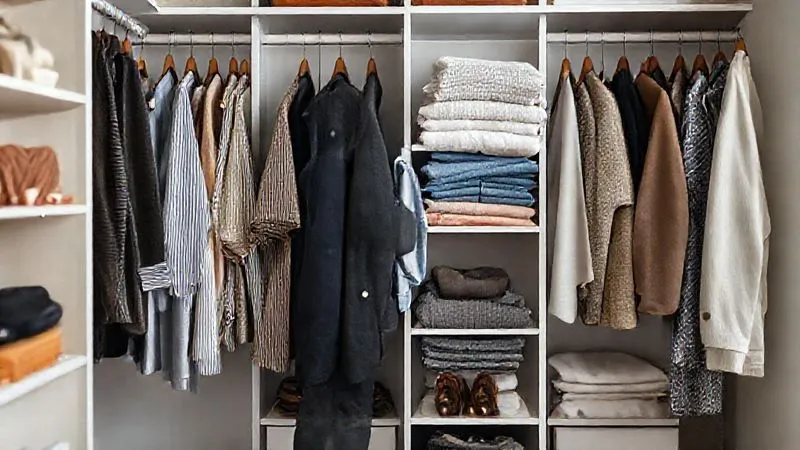
Curate Your Core Wardrobe
A well-edited wardrobe is a powerful tool. It’s not about having fewer clothes, but having the right clothes – versatile, high-quality pieces that align with your style pillars.
- Inventory & Declutter: Go through every item. Ask yourself: “Does this truly reflect my style? Is it worn regularly? Is it in good condition?” Be ruthless.
- Identify Gaps: Once you know what you have, identify what's missing to create complete, cohesive outfits within your style pillars. Focus on versatile basics.
- Invest Wisely: Prioritize quality over quantity. A few well-made pieces will outlast many trendy, fast-fashion items and provide a better return on investment for your styling efforts.
The 'Style Matrix' Method: Deconstructing & Reconstructing Outfits
This is where the magic happens – a systematic approach to breaking down and building new looks from existing pieces. It’s a game-changer for how to consistently generate fresh outfit ideas without burnout.
Component Breakdown: Tops, Bottoms, Layers, Accessories
Think of your wardrobe not as complete outfits, but as individual components. Every item has multiple potential partners. List out your key categories:
- Tops: T-shirts, blouses, sweaters, camisoles.
- Bottoms: Jeans, skirts, trousers, shorts.
- Layers: Jackets, blazers, cardigans, vests.
- Accessories: Shoes, bags, jewelry, scarves, belts.
The 3-Item Rule: Base + Accent + Accessory
Start with a core 'base' (e.g., jeans and a simple tee). Then, add an 'accent' (e.g., a statement blazer or a brightly colored skirt). Finally, layer on an 'accessory' (e.g., a chunky necklace or unique shoes). This simple formula provides endless combinations.
“Creativity isn't always about inventing something entirely new. Often, it's about taking existing elements and combining them in novel, unexpected ways. The Style Matrix is your blueprint for this.”
| Base Item | Top | Layer/Accent | Accessory | Vibe |
|---|---|---|---|---|
| Denim Jeans | White T-shirt | Red Blazer | Gold Hoops, Black Loafers | Smart Casual |
| Black Midi Skirt | Striped Knit Sweater | Denim Jacket | White Sneakers, Crossbody Bag | Effortless Chic |
| Tailored Trousers | Silk Cami | Oversized Cardigan | Layered Necklaces, Ankle Boots | Sophisticated Comfort |
| Floral Dress | (worn as skirt) White Tee over | Leather Moto Jacket | Combat Boots, Mini Backpack | Edgy Feminine |
Leveraging External Inspiration Without Copying: The 'Mood Board Remix'
Inspiration is everywhere, but the trick is to absorb it, process it, and then make it uniquely yours. Avoid direct copying; instead, aim for adaptation and personalization.
Digital vs. Physical Mood Boards
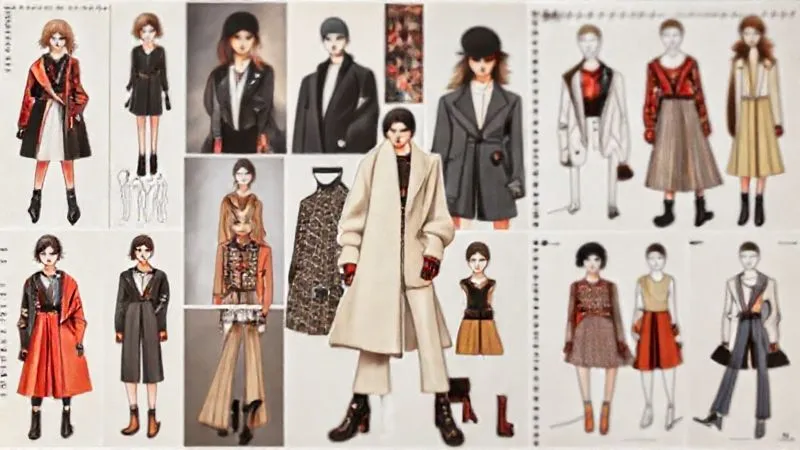
Whether you prefer Pinterest boards, Instagram saves, or physical clippings, a mood board is a visual repository of what catches your eye. Don't limit it to just outfits; include colors, textures, art, travel, and architecture that inspire you.
- Digital Tools: Pinterest, Milanote, PureRef.
- Physical Tools: Cork board, magazines, fabric swatches, paint chips.
The 3-Element Transformation Rule
When you find an inspiring image, apply this rule to translate it into your own style without imitation:
- Identify Key Elements: What are the 2-3 most striking features? Is it a color palette, a silhouette, a specific texture, or a mood?
- Adapt to Your Wardrobe: How can you replicate these elements using pieces you already own or similar items that fit your personal style? Don't buy a new outfit; find the essence.
- Personalize with a Twist: Add one unique item or styling choice that makes the outfit distinctly 'you'. This could be a signature accessory, a different layering piece, or an unexpected shoe choice.
For current trends and high-fashion inspiration that can fuel your mood boards, I often turn to publications like Vogue. Their runway coverage and trend reports offer a wealth of ideas to deconstruct.
The Power of Themed Challenges & Micro-Trends
Sometimes, creative constraints are the most liberating. Themed challenges and exploring micro-trends can provide a fresh lens through which to view your wardrobe.
Seasonal Capsule Challenges
Commit to a capsule wardrobe for a season (e.g., 30 items for 30 days). This forces you to get incredibly creative with mixing and matching, discovering new combinations you never thought possible. It’s an excellent exercise in how to consistently generate fresh outfit ideas without burnout by working with limits.
Exploring Niche Aesthetics
Dive into a specific aesthetic for a week or a month: dark academia, cottagecore, preppy, grunge, minimalist, maximalist, etc. You don't have to fully adopt it, but using it as a styling prompt can unlock entirely new looks from your existing clothes.
“Constraints breed creativity. When you limit your options, your mind is forced to work harder and smarter, often resulting in the most innovative solutions.”
Mindset Shifts: Embracing Imperfection and Iteration
Burnout often stems from the pursuit of unattainable perfection. Shifting your mindset can be as impactful as any styling technique.
The 'Good Enough' Philosophy
Not every outfit needs to be a showstopper. Sometimes, 'good enough' is truly good enough. This frees you from the pressure of constant innovation and allows for more consistent, manageable output. It’s about progress, not perfection.
Documenting Your Style Journey
Keep a visual diary of your outfits, even the simple ones. This isn't just for content; it's a personal archive. You'll start to see patterns, identify favorite combinations, and track your style evolution. It also prevents repeating outfits too frequently if that's a concern, or helps you iterate on successful looks. As Psychology Today often discusses, documenting progress can be a powerful motivator against creative blocks.
The 'Accessory Amplifier' Strategy: Revitalizing Old Outfits
Accessories are the unsung heroes of a versatile wardrobe. They have the power to completely transform an outfit without requiring a single new clothing item, making them crucial for how to consistently generate fresh outfit ideas without burnout.
Jewelry & Scarves: Small Changes, Big Impact
A simple black dress can go from casual to elegant with a statement necklace, or from minimalist to bohemian with a printed scarf. Experiment with different lengths, textures, and colors.
Belts, Bags, & Shoes: Redefining Silhouettes
A belt can cinch a loose dress, creating an entirely new silhouette. Swapping sneakers for heels changes the formality instantly. A structured bag versus a slouchy one shifts the overall vibe. These elements are powerful tools for reinvention.
“An outfit is a canvas, and accessories are your brushstrokes. They allow for infinite reinterpretations of the same base, unlocking incredible versatility.”
| Accessory Type | Impact on Outfit | Example Transformation |
|---|---|---|
| Statement Necklace | Elevates a basic top, adds focal point | Plain white tee + jeans becomes dinner-ready |
| Wide Belt | Defines waist, changes silhouette | Flowy dress becomes structured and chic |
| Printed Scarf | Adds color, texture, and personality | Monochrome outfit gains artistic flair |
| Combat Boots | Adds edge, grounds feminine pieces | Floral maxi dress becomes street-style cool |
| Structured Handbag | Polishes and refines the look | Casual denim outfit becomes sophisticated |
Streamlining Your Content Workflow: Batching & Scheduling
Creative inspiration is one thing; consistent execution is another. Optimizing your workflow prevents last-minute panic and ensures a steady stream of content without burning out.
Outfit Planning Sessions
Dedicate a specific block of time each week or month solely to planning outfits. This isn't about shooting, but about conceptualizing, trying on, and documenting combinations. Treat it like a creative brainstorming session.
- Review Your Wardrobe: Look at your Style Matrix and recent acquisitions.
- Consult Your Mood Board: Identify themes or color palettes you want to explore.
- Mix & Match Marathon: Spend 1-2 hours trying on different combinations. Take quick mirror selfies of successful looks.
- Plan for Specific Occasions: Do you have events? Travel? Plan outfits for those.
Batch Shooting & Editing
Instead of shooting one outfit at a time, plan to shoot 3-5 outfits in a single session. This saves time on setup, lighting, and makeup. Similarly, batch your editing process. This efficiency allows you to focus more on the creative aspect of styling, rather than the logistics.
Case Study: How 'StyleSavvy Blog' Maintained Freshness
Anna, the founder of 'StyleSavvy Blog,' a mid-sized fashion platform, struggled with the constant demand for fresh content. Her solution: implementing a strict weekly batching schedule. Every Monday, she'd dedicate 2 hours to planning 5 outfits for the week, drawing from her 'Style Matrix' and a rotating themed challenge. On Wednesdays, she'd shoot all 5 looks in a single 3-hour session, often in different locations to add variety. This systematic approach, as championed by content strategy experts like HubSpot, allowed her to reduce her content creation time by 40%, freeing up mental space for genuine creativity and engagement with her audience. Her burnout vanished, and her content quality soared.

Staying Ahead: Trend Forecasting & Personal Interpretation
While authenticity is key, ignoring trends entirely can leave you feeling out of touch. The goal is to understand trends and adapt them to your unique style, rather than blindly following them.
Monitoring Fashion Weeks & Industry Reports
Keep an eye on major fashion weeks (NYFW, PFW, MFW, LFW) and read industry reports from trend forecasting agencies. This gives you a macro view of what's coming, allowing you to anticipate and prepare.
Translating Trends to Personal Style
Don't feel pressured to buy into every trend. Instead, identify elements that resonate with your style pillars. Is it a color, a fabric, a silhouette, or a styling trick? Incorporate these subtly into your existing wardrobe, giving a nod to current fashion without compromising your identity.
“Trends are whispers, not shouts. Listen to them, understand their direction, and then speak in your own authentic voice.”
Frequently Asked Questions (FAQ)
How do I avoid buying new clothes constantly to generate fresh ideas? The core of avoiding constant new purchases lies in mastering the 'Style Matrix' and 'Accessory Amplifier' methods. Focus on remixing your existing wardrobe. Invest in versatile basics and quality accessories that can transform multiple outfits. Consider clothing swaps with friends or exploring rental services for special occasions to satisfy the 'newness' craving without ownership.
What if my personal style feels too niche or not broad enough for blogging? A niche style is often a strength, not a weakness! It helps you stand out and attract a dedicated audience. Instead of broadening your style, focus on deepening it. Explore different facets of your niche, experiment with styling variations within that aesthetic, and show how it can be adapted for various occasions. Authenticity trumps broad appeal every time.
How often should I post new outfit ideas to stay relevant without burning out? There's no magic number, but consistency is more important than frequency. If daily posts lead to burnout, scale back to 2-3 times a week. If that's still too much, try once a week with exceptionally high-quality, well-thought-out content. Use your content planning and batching to make the schedule sustainable. Listen to your body and mind; burnout is a serious creative blocker.
Can AI tools help in generating outfit ideas, and how trustworthy are they? AI tools can be fantastic for brainstorming and inspiration, especially for color palettes, pattern mixing, or suggesting items based on a theme. They can act as a creative spark. However, they lack human intuition, understanding of fit, personal style nuances, and the emotional connection to fashion. Use them as a starting point, a 'virtual assistant' to throw ideas at you, but always apply your expert judgment and personal touch to ensure authenticity and relatability. They are a tool, not a replacement for your expertise.
How do I handle negative feedback or feeling uninspired by my own content? Negative feedback can be tough. Remember that not every style resonates with everyone. Focus on constructive criticism and disregard purely mean-spirited comments. When you feel uninspired by your own content, it's often a sign of impending burnout. Step away, take a break, revisit your mood boards, or try a themed challenge. Sometimes, a fresh perspective comes from stepping away from the screen and engaging with fashion in a different way, like visiting an art gallery or reading a fashion history book.
Key Takeaways and Final Thoughts
Generating fresh outfit ideas consistently without burnout is entirely achievable when you approach it strategically. It's about working smarter, not harder, and nurturing your creative well-being.
- Build a Strong Foundation: Define your personal style and curate a versatile core wardrobe.
- Systematize Creativity: Utilize methods like the 'Style Matrix' to deconstruct and reconstruct outfits.
- Leverage Inspiration Wisely: Adapt external trends and mood boards, don't just copy them.
- Embrace Constraints: Themed challenges can spark unexpected creativity.
- Prioritize Mindset: Accept imperfection and document your journey.
- Amplify with Accessories: Transform outfits with thoughtful styling details.
- Optimize Workflow: Batching and planning prevent last-minute stress and creative drain.
Remember, your unique perspective is your most valuable asset. By implementing these strategies, you're not just creating outfits; you're building a sustainable, joyful, and deeply authentic relationship with your style and your audience. Stay curious, stay creative, and let your passion for fashion shine without fear of the well running dry.
Recommended Reading
- The Ultimate Guide: Best Strategies for Copping Streetwear Drops
- 7 Pro Fixes: What's Stopping Your Fashion Photography from Being Magazine-Ready?
- 5 Casual Menswear Rules: Look Sharp, Not Sloppy, at Networking Events
- Crafting Visual Stories: 7 Steps for Compelling Fashion Lookbooks
- Elevating Couture: 7 Proven Strategies for Fine Art Gallery Recognition




Your email address will not be published. Required fields are marked *