

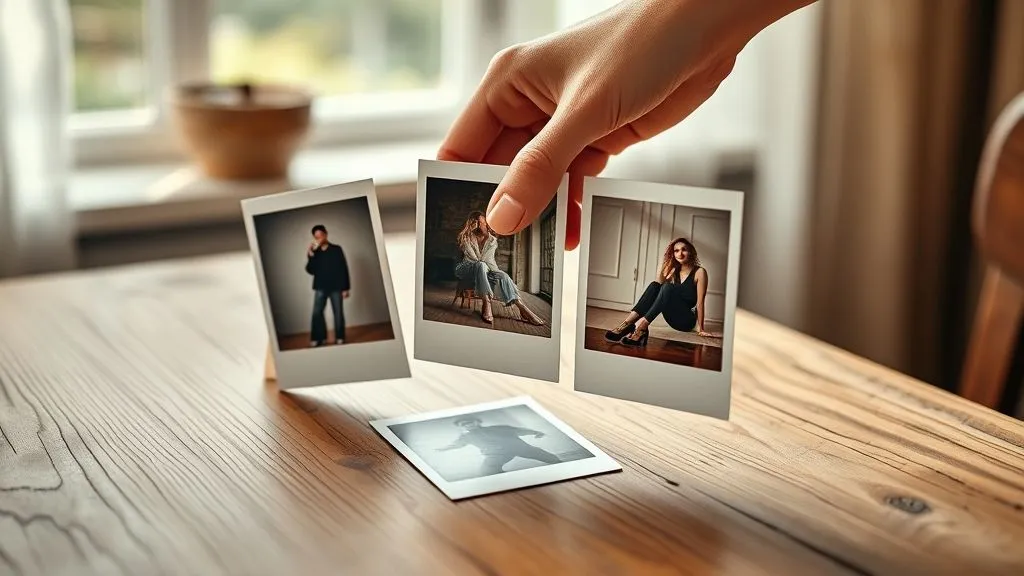
Crafting Visual Stories: How to Develop Compelling Visual Narratives for Fashion Lookbooks?
For over 15 years immersed in the vibrant, ever-evolving world of fashion photography, I've witnessed countless brands pour immense resources into collections, only to fall flat where it matters most: their lookbooks. The common mistake? Treating a lookbook as a mere catalog of garments rather than a compelling visual story.
This oversight is a significant pain point for many. In a crowded market, a lookbook that simply showcases clothes, devoid of emotion, context, or a captivating narrative, quickly gets lost in the digital noise. It fails to connect, to inspire, and ultimately, to convert a browsing viewer into a loyal customer.
Today, I want to share the actionable frameworks and expert insights I've honed over years of working with both emerging designers and established houses. You'll learn not just the 'what,' but the 'how' to transform your fashion lookbooks into powerful storytelling instruments that resonate deeply with your target audience, elevate your brand, and drive genuine engagement.
Beyond the Garment: Understanding the Power of Narrative in Fashion
A lookbook's primary function isn't just to display clothing; it's to sell a dream, an aspiration, a lifestyle. This is where narrative steps in. A compelling visual narrative transforms static images into a dynamic experience, inviting the viewer into your brand's world.
What exactly constitutes a narrative in this context? It's the cohesive thread that links every image, every styling choice, every location decision. It's the underlying story that gives meaning to the garments, making them more than just fabric and stitches – they become props in a larger, evocative tale.
This narrative is intrinsically linked to your brand's identity and values. It communicates who your customer is, what they believe in, and how your clothes empower them. Without it, your lookbook is just a collection of pretty pictures; with it, it becomes an unforgettable experience that reinforces your brand's unique voice.
Step 1: Unearthing Your Brand's Core Story & Persona
Before a single camera click or a styling decision, the true work begins with introspection. You cannot tell a compelling story if you don't know what story you're trying to tell.
Defining Your Brand's "Why"
Every successful brand has a "why" – a purpose beyond profit. Is your brand about sustainable living, empowering women, celebrating cultural heritage, or pushing the boundaries of avant-garde design? Your lookbook narrative must emerge directly from this core identity. I always advise clients to sit down and articulate their brand's mission, values, and unique selling proposition in a single, clear statement.
Crafting Your Muse/Persona
Who is the ideal person wearing your clothes? Go beyond demographics. What are their aspirations, their daily routines, their hidden desires? Develop a detailed persona, giving them a name, a backstory, and even a fictional life. This muse will guide every creative decision, ensuring authenticity and resonance.
- Brainstorming Session: Gather your team and dedicate time to free-form brainstorming around your brand's "why" and target persona. Use sticky notes, whiteboards, and open dialogue.
- Mood Board Creation: Translate abstract ideas into tangible visuals. Collect images, textures, colors, sounds, and even words that evoke the essence of your brand and muse. This isn't just for aesthetics; it's for narrative direction.
- Narrative Questioning: Ask "What if?" questions. "What if our muse embarks on a journey?" "What if they discover something profound?" This helps sketch out potential story arcs.
In my experience, the most impactful lookbooks are those where the brand has an unwavering clarity about its own story. It's not about selling a product; it's about inviting someone into a world they want to be a part of.
Step 2: Conceptualizing the Narrative Arc for Your Lookbook
Once your brand's core story and muse are firmly established, it's time to build the narrative arc for your specific lookbook. Think of it like a mini-movie or a short story, with a beginning, middle, and end, even if it's implied.
From Concept to Theme
Each collection often has its own unique inspiration. This inspiration becomes your lookbook's theme. Is it "Urban Wanderlust," "Rustic Elegance," "Future Retro," or "Rebellious Romance"? This theme will dictate the mood, color palette, locations, and overall aesthetic that supports your overarching brand narrative.
The Journey of the Garment
How do the clothes tell a story as they are presented? Consider a progression. Perhaps the lookbook starts with a sense of awakening, moves through exploration and self-discovery, and concludes with confidence or transformation. This journey should ideally reflect an emotional arc that your target audience can connect with.
- Develop a Storyboard: Visually map out the key moments and emotions you want to convey. This doesn't need to be professional-grade art; stick figures and rough sketches are fine. The goal is to outline the sequence of events and shots.
- Scene Mapping: For each "chapter" or key moment in your narrative, define the specific scene. What's happening? What is the mood? What garments are featured?
- Shot List Integration: Translate your storyboard and scene map into a detailed shot list. This list should include specific poses, angles, focal points, and how each shot contributes to the narrative progression.
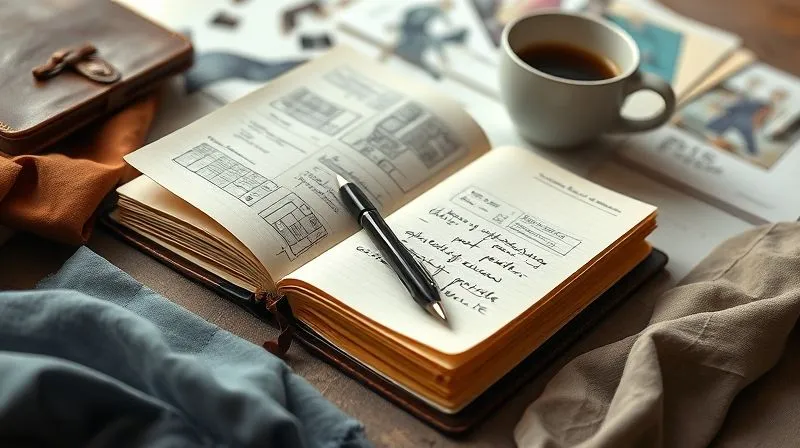
Step 3: Location, Styling, and Model Selection: The Visual Pillars
These three elements are the tangible building blocks of your visual narrative. They are where your conceptual ideas begin to take physical form.
The Environment as a Character
The chosen location isn't just a backdrop; it's an active character in your story. Does it evoke history, modernity, nature, or urban grit? A bustling city street tells a different story than a serene countryside estate, or a minimalist studio. The environment should amplify the narrative, not detract from it. For instance, a collection inspired by travel might feature diverse, evocative locales.
Styling as Storytelling
Styling goes far beyond simply pairing clothes. It's about creating a complete look that tells a mini-story within each frame. Accessories, hair, makeup, and even props should all align with the lookbook's overarching narrative and character persona. A carefully chosen vintage watch or a specific hairstyle can subtly reinforce the story's era or mood.
Models as Embodiments
Your models are the actors in your visual play. Their expressions, poses, and overall demeanor must embody the persona you've crafted. Look for models who not only fit the aesthetic but can also convey the emotions and attitudes central to your narrative. Diversity in models can also enrich your story, making it more relatable and inclusive.
Case Study: "The Wanderer's Journal" Collection
A burgeoning sustainable fashion brand, "Terra Threads," faced the challenge of conveying its eco-conscious ethos and adventurous spirit through its new collection, "The Wanderer's Journal." Instead of a sterile studio shoot, I advised them to shoot across various natural landscapes – a misty forest, a windswept coastline, and a sun-drenched desert. The models were chosen for their natural, un-posed look, embodying a sense of freedom and connection to nature. Each styling choice, from rugged boots to organic cotton scarves, reinforced the narrative. This approach resulted in a lookbook that not only showcased the garments but also deeply communicated the brand's values, leading to a 25% increase in engagement on social media and a significant boost in brand recognition among their target demographic.
| Element | Narrative Impact | Example |
|---|---|---|
| Location Type | Evokes mood, context, and environment. | Urban vs. Nature vs. Studio |
| Styling Choices | Defines character, era, and lifestyle. | Minimalist vs. Bohemian vs. Avant-garde |
| Model Selection | Conveys emotion, personality, and relatability. | Energetic vs. Serene vs. Edgy |
Step 4: Mastering Photography & Art Direction for Emotional Impact
This is where the magic truly happens. The technical execution of your photography and the overarching art direction are paramount in translating your narrative into compelling visuals.
Lighting the Narrative
Lighting is perhaps the most powerful tool in a photographer's arsenal for setting mood and tone. Soft, diffused natural light can evoke a sense of calm and authenticity, while dramatic, high-contrast lighting can create tension or sophistication. Understanding how to sculpt light to match your narrative's emotional beats is crucial. Think about the time of day, the direction of light, and whether you need artificial augmentation to achieve your desired effect.
Composition and Angles
Every frame should be meticulously composed to guide the viewer's eye and reinforce the story. Rule of thirds, leading lines, negative space – these aren't just technical jargon; they are narrative devices. A low-angle shot can convey power, while a wide shot can emphasize the environment. The angles you choose should enhance the emotional resonance of the narrative.
Post-Production's Role
Editing is the final brushstroke on your visual narrative. Color grading, retouching, and overall image manipulation should be consistent with the lookbook's theme and mood. A warm, desaturated palette might suit a vintage-inspired story, while crisp, vibrant colors could enhance a modern, energetic collection. Consistency in editing ensures a cohesive visual flow.
As marketing guru Seth Godin often says, "People don't buy goods and services. They buy relations, stories, and magic." Your photography should be the magic that brings your fashion story to life.
For deeper insights into how professional photographers use lighting to tell stories, I highly recommend exploring resources on Vogue's photography archives or articles on professional photography techniques.
Step 5: Sequencing and Pacing: Guiding the Viewer's Eye
Once you have a collection of stunning images, the next critical step is arranging them into a cohesive sequence. This is where the narrative truly unfolds, guiding the viewer through your story.
The Flow of Images
Think of your lookbook as a book or a film. There needs to be a logical progression from one image to the next. Avoid jarring transitions. Consider how each image builds upon the last, deepening the narrative and revealing new aspects of the collection and the story.
Introducing Variety and Rhythm
While consistency is key, monotony is the enemy of engagement. Vary your shot types – full body, close-ups, environmental shots, detail shots – to maintain visual interest. Introduce a rhythm to your sequence, perhaps alternating between high-energy shots and more contemplative ones. This keeps the viewer engaged and prevents their eyes from glazing over.
The "Hero" Shot
Every lookbook needs a "hero" shot – an image that encapsulates the essence of the collection and the narrative. This is often the cover image or a double-page spread. Strategically place these impactful images to create memorable moments and anchor your story.
- Layout Planning: Whether for print or digital, plan your layout meticulously. Use software to create mock-ups of page spreads or scrollable digital layouts.
- Narrative Arcs per Spread: Consider each two-page spread (or two consecutive digital frames) as a mini-narrative. How do these images interact? What story do they tell together?
- User Testing (Optional but Recommended): Show your sequenced lookbook to a fresh pair of eyes. Ask them to describe the story they perceive. This can reveal unintentional gaps or misinterpretations in your narrative flow.
Step 6: Integrating Text and Multimedia: Enhancing the Story
While the visual is paramount, supporting text and judicious use of multimedia can significantly enhance your lookbook's narrative depth, especially in a digital format.
Subtlety in Copywriting
Any accompanying text should complement, not overpower, the visuals. Think of it as the narrator's voice – subtle, evocative, and adding context or emotion that the images alone might not fully convey. Use concise, poetic language that reinforces your brand's tone. Product descriptions should be informative but also weave into the narrative where appropriate.
The Role of Video & Behind-the-Scenes
Digital lookbooks offer the incredible opportunity to integrate video. A short, cinematic clip can bring movement and sound to your story, deepening the immersion. Behind-the-scenes footage, while not always part of the main lookbook, can be a powerful supplementary tool, offering a glimpse into the creative process and the passion behind the brand, fostering a stronger connection with your audience.
Interactive Elements
For digital lookbooks, consider interactive elements. Hotspots on garments that link to product pages, embedded music, or even subtle animations can make the experience more dynamic and engaging. These elements should always serve the narrative, enhancing the journey rather than distracting from it.
According to a recent study published by Harvard Business Review, consumers are far more likely to engage with and remember brands that tell compelling stories, especially when those stories are delivered through rich media experiences.
Step 7: Distribution and Amplification: Getting Your Story Seen
A beautifully crafted lookbook with a compelling narrative is only effective if it reaches your intended audience. Strategic distribution and amplification are crucial for maximizing its impact.
Digital Platforms
Your website is the primary home for your digital lookbook. Ensure it's optimized for mobile viewing and offers a seamless user experience. Leverage social media platforms (Instagram, Pinterest, TikTok) for teasers, behind-the-scenes content, and direct links. Consider email marketing campaigns to your subscriber base, highlighting key looks and the story behind the collection.
Print Editions & Experiential Marketing
While digital is king, a high-quality print lookbook can offer a tactile, luxurious experience that digital cannot replicate. These are often distributed to key buyers, press, and VIP clients. For select launches, consider experiential events where the lookbook's narrative comes to life through installations, fashion presentations, or exclusive previews.
Measuring Impact
Don't just launch and forget. Track key metrics for your digital lookbook: page views, time spent on page, click-through rates to product pages, social shares, and conversion rates. This data provides invaluable insights into what aspects of your narrative resonate most and where there might be opportunities for improvement in future campaigns.
Case Study: "Aether Apparel's Mountain Pursuit"
Aether Apparel, known for its high-performance outerwear, wanted to launch a collection focused on rugged mountain exploration. They developed a lookbook narrative around a solo climber's ascent. Beyond stunning photography, they released a short film that expanded on the narrative, showing the gear in action. They distributed print lookbooks to high-end outdoor retailers and created interactive digital versions with clickable product tags. The campaign was amplified through partnerships with adventure influencers and a dedicated social media push. This multi-channel approach resulted in a 40% increase in website traffic during the launch month and a significant uplift in sales for the featured collection, proving the power of a cohesive narrative across diverse platforms.
| Channel | Pros | Cons | |
|---|---|---|---|
| Website | Full control, direct sales link, comprehensive content. | Requires active driving of traffic. | |
| Social Media | High reach, visual discovery, direct engagement. | Short attention spans, algorithm dependency. | |
| Email Marketing | Targeted audience, high conversion potential. | Requires existing subscriber base, risk of spam. | |
| Print (Physical) | Premium feel, memorable, good for B2B/VIPs. | High cost, limited distribution, environmental impact. | |
| Experiential Events | Immersive, high brand recall, media buzz. | Very high cost, complex logistics, limited audience. | Buyers, Press, VIPs, Local Community |
For further reading on effective fashion marketing strategies in the digital age, I recommend resources from The Business of Fashion (BoF), which often covers innovative lookbook distribution tactics.
Common Pitfalls and How to Avoid Them
Even with the best intentions, missteps can happen. Here are some common pitfalls I've seen and how to navigate them:
Inconsistent Vision
One of the biggest mistakes is a lack of continuity. If your brand message, styling, photography, and text aren't all singing from the same hymn sheet, your narrative will feel disjointed and confusing. Ensure a strong creative director oversees all elements.
Over-Complication
Sometimes, brands try to cram too many ideas or too complex a story into a single lookbook. Simplicity often reigns supreme. A clear, singular narrative thread is more impactful than a convoluted one.
Neglecting the Audience
Remember who you're speaking to. A narrative that resonates with a luxury client may fall flat with a Gen Z audience. Always keep your target persona at the forefront of every creative decision.
Your lookbook is a conversation starter, not a monologue. Make it engaging, make it authentic, and above all, make it tell a story that your audience genuinely wants to hear.
Frequently Asked Questions (FAQ)
How do I balance showing clothes with telling a story? This is a delicate balance. The key is to integrate the garments seamlessly into the narrative. The clothes shouldn't just be displayed; they should be worn by your character (the model) as they live out the story. Each shot should ideally serve both the purpose of showcasing the garment and advancing the narrative or mood. Close-ups can highlight garment details, while wider shots place the garment within its storytelling context. Think of the clothing as essential props that enable the character's journey.
What's the ideal length for a fashion lookbook narrative? There's no one-size-fits-all answer, as it depends on your collection's size, budget, and distribution strategy. However, most compelling narratives for lookbooks tend to be concise. For digital, aim for 20-40 strong images that flow well. For print, perhaps 30-50 pages. The goal is impact, not exhaustive coverage. A shorter, more impactful narrative is always better than a long, meandering one. Focus on key looks and moments that truly advance your story.
Can small brands create compelling narratives without huge budgets? Absolutely. Creativity often thrives under constraints. Instead of elaborate sets or exotic locations, focus on strong conceptual ideas, clever styling, and excellent photography. A compelling narrative can be built around a single powerful idea, a unique model, or even a specific local environment. Leverage natural light, collaborate with emerging talent, and focus on authenticity over extravagance. The story itself is the most valuable asset, not necessarily the production cost.
How do I ensure my lookbook aligns with my overall brand identity? This starts with Step 1: clearly defining your brand's core story and persona. Every decision, from the choice of model to the color grade of the images, should be filtered through your brand's established identity and values. Your lookbook is a direct extension of your brand. If your brand is playful, your lookbook should convey that playfulness. If it's minimalist, the lookbook should reflect that simplicity. Consistent visual language and tone across all brand touchpoints are crucial.
What are the key metrics to measure a lookbook's success? For digital lookbooks, key metrics include: page views, average time spent on page (indicating engagement), bounce rate (if visitors leave quickly), click-through rates (CTR) to product pages, social media shares and comments, and ultimately, conversion rates (sales directly attributable to the lookbook). For print, while harder to track directly, feedback from buyers, press mentions, and overall brand perception shifts can indicate success. Qualitative feedback, like testimonials, is also invaluable.
Key Takeaways and Final Thoughts
Developing compelling visual narratives for fashion lookbooks is an art form, a strategic endeavor that elevates your brand beyond mere garments. It's about connecting with your audience on an emotional level, inviting them into a world they aspire to be a part of.
- Start with Your "Why": Anchor your narrative in your brand's core identity and a well-defined muse.
- Craft a Clear Arc: Treat your lookbook like a story with a beginning, middle, and end.
- Leverage Visual Pillars: Use location, styling, and models to embody your narrative.
- Master the Craft: Employ expert photography and art direction for emotional impact.
- Sequence with Purpose: Guide the viewer's eye with intentional flow and pacing.
- Enhance with Text & Media: Use subtle copywriting and digital elements to deepen the story.
- Distribute Strategically: Ensure your compelling story reaches the right audience through diverse channels.
The fashion industry is a realm of dreams and aspirations. By embracing the power of storytelling, you're not just selling clothes; you're selling an experience, a vision, and a piece of a larger narrative that your audience will cherish. Invest in your story, and watch your brand truly thrive.
Recommended Reading
- Unlock Profit: 7 Strategies for Niche Outdoor Wear Brands
- 7 Crucial Steps: How to Verify Ethical Labor in Slow Fashion Supply Chains
- Authentic Natural Beauty: 7 Steps to Marketing Without Greenwashing
- Unveiling the Hidden Truth: What Ethical Sourcing Challenges Face Haute Couture Designers?
- Scale Your Unique Kids Fashion Brand: 5 Strategies to Avoid Design Dilution

Your email address will not be published. Required fields are marked *