


How to boost eyewear accessory sales without seeming pushy to clients?
For over 15 years in the dynamic world of eyewear fashion, I've witnessed a recurring dilemma among even the most passionate optical retailers: the struggle to effectively sell eyewear accessories without crossing that invisible line into 'pushy' territory. It's a fine balance, and one that often leaves store owners and their teams feeling frustrated, convinced that their clients simply aren't interested in anything beyond the frames themselves.
The root of this problem often lies in a misunderstanding of modern consumer psychology. Clients today are savvier, more value-driven, and highly sensitive to sales tactics that feel disingenuous or purely transactional. They don't want to be 'sold to'; they want to be advised, inspired, and understood. When accessories are treated as mere add-ons, rather than integral components of a complete eyewear experience, they inevitably languish on the shelves.
In this definitive guide, I'll share actionable frameworks, real-world insights, and expert strategies developed from years of industry experience. You'll learn how to seamlessly integrate eyewear accessories into your client journey, transforming your team into trusted style advisors, and significantly boosting your accessory sales, all while fostering deeper client relationships and enhancing their overall satisfaction. This isn't about hard selling; it's about smart, empathetic engagement.
Understanding the Modern Eyewear Client's Mindset
Before we delve into specific tactics, it's crucial to grasp the evolving mindset of today's eyewear client. They are not just seeking vision correction; they are looking for a statement, an extension of their personal style, and a reflection of their identity. This shift presents a tremendous opportunity for accessories, but only if we approach it with the right understanding.
Beyond Vision Correction: The Fashion Statement
Eyeglasses have transcended their utilitarian purpose to become prominent fashion accessories. Clients often own multiple pairs, matching them to outfits, moods, or occasions. This fashion-forward perspective means they are already primed to appreciate how a well-chosen accessory, such as a stylish chain, a premium cleaning kit, or a bespoke case, can elevate their entire look and protect their investment.
The Fear of Being Upsold: Why Clients Resist
Despite their interest in fashion, many clients harbor a subconscious fear of being 'upsold.' They worry about hidden costs, unnecessary purchases, or feeling pressured into buying something they don't truly need. This fear can create a barrier, making them shut down when they perceive a sales pitch. Our goal is to dismantle this barrier by reframing accessories as essential enhancements rather than optional extras.
"In my experience, trust is the most valuable currency in retail. Clients will open their wallets when they feel genuinely understood and believe you have their best interests at heart, not just your sales targets."
The Art of Subtle Recommendation: Educate, Don't Sell
The most effective way to boost eyewear accessory sales without seeming pushy is to shift your team's focus from selling to educating and advising. When clients understand the value, utility, and aesthetic appeal of an accessory, the decision to purchase becomes their own, driven by desire rather than pressure.
Curating a 'Solution-Oriented' Accessory Display
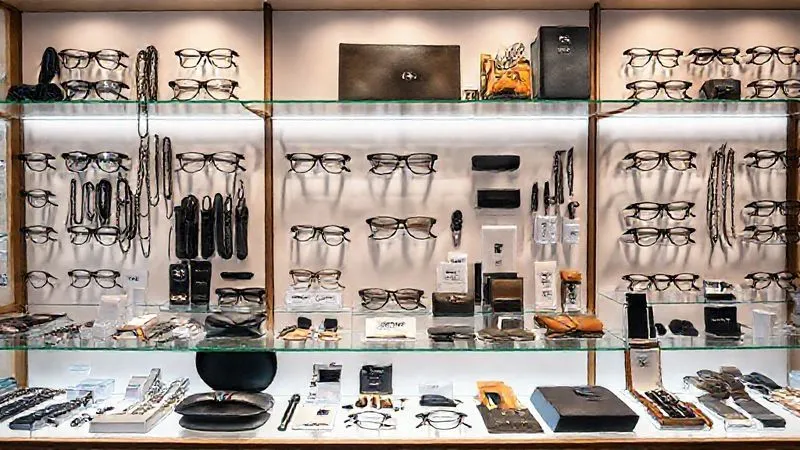
Your display isn't just about showcasing products; it's about telling a story and solving problems. Instead of grouping all chains together and all cases together, consider creating themed vignettes. Pair specific frames with complementary accessories, demonstrating how they work together to create a complete look or address a common client need (e.g., 'Never Lose Your Glasses Again' featuring stylish chains, or 'Maintain Pristine Lenses' with premium cleaning solutions).
Empowering Staff with Product Knowledge and Storytelling
Your team members are your most powerful advocates. They need to be more than just order-takers; they must be knowledgeable style advisors. This means deep understanding of each accessory's features, benefits, and the lifestyle it supports. Encourage them to share personal anecdotes or client success stories about how an accessory made a difference.
- Feature-Benefit Training: Beyond 'it's a chain,' explain 'this lightweight, hypoallergenic chain ensures your designer frames are always within reach, preventing drops and scratches.'
- Lifestyle Integration: Discuss how different accessories fit various client lifestyles (e.g., active, professional, fashion-forward).
- Problem-Solving Focus: Train staff to identify client pain points and present accessories as elegant solutions.
- Storytelling: Encourage staff to share how a client found the perfect chain for their active lifestyle or how a premium spray keeps their anti-reflective coating pristine.
Integrating Accessories Naturally into the Consultation Process
The eyewear consultation is a prime opportunity to introduce accessories, but it must be done organically, not as a jarring interruption. Think of it as completing a puzzle, where accessories are the final, essential pieces.
The 'Complete Look' Approach: Frame + Accessory Pairing
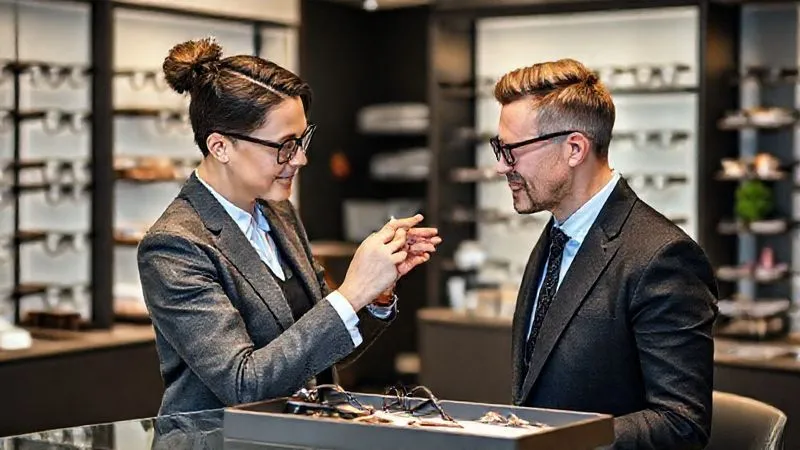
From the moment a client tries on frames, your team should be thinking about the 'complete look.' Instead of waiting until checkout, subtly suggest accessories during the frame selection process. For example, 'These frames would look stunning with a delicate gold chain, adding an extra touch of sophistication,' or 'For your active lifestyle, a sport band would secure these perfectly.' This positions accessories as an integral part of their style decision.
Offering Value-Add Services, Not Just Products
Consider offering complimentary services that naturally lead to accessory sales. A 'style consultation' for frames could include a section on 'accessorizing your eyewear.' Or, offer a 'premium lens care demonstration' where you showcase the benefits of high-quality cleaning sprays and cloths, allowing the product to sell itself through its superior performance. According to a Harvard Business Review article on customer engagement, focusing on value and experience over mere transactions is key to building lasting relationships.
- Initial Greeting & Needs Assessment: "Welcome! Are you looking for a specific style or need any help today? Tell me about your lifestyle and what you're hoping to achieve with your new eyewear."
- Frame Selection & Styling: As frames are tried on, gently introduce complementary accessories. "This frame beautifully complements your face shape. Have you considered how a subtle chain could elevate this look for evenings out?"
- Lens Discussion: While discussing lens treatments, mention premium cleaning kits. "To protect your investment in these advanced lenses, our anti-fog spray and microfiber cloths are essential."
- Fitting & Adjustments: During the final fit, suggest practical accessories. "To ensure these stay perfectly in place during your activities, a comfortable sport band could be a great addition."
- Checkout & Education: Review all selections, reinforce value, and offer care tips, potentially leading to a last-minute accessory purchase.
| Frame Style | Suggested Accessory | Benefit |
|---|---|---|
| Classic Aviator | Leather Eyeglass Strap | Adds rugged elegance, prevents drops during outdoor activities. |
| Cat-Eye Fashion | Pearl Eyeglass Chain | Elevates evening wear, keeps frames accessible with a touch of glamour. |
| Minimalist Round | Sleek Aluminum Case | Protects delicate frames, complements modern aesthetic. |
| Sport Performance | Anti-Fog Lens Spray & Microfiber Cloth | Ensures clear vision during intense activity, extends lens life. |
| Kids' Durable | Silicone Ear Hooks & Retainer | Keeps glasses securely in place, prevents loss during play. |
Leveraging Digital Touchpoints for Soft Selling
Your physical store is just one part of the client journey. Digital platforms offer powerful, non-intrusive ways to showcase accessories, educate clients, and drive sales without direct pressure.
Engaging Content: Blogs, Social Media, and Email Marketing
Create content that highlights accessories in a lifestyle context. Blog posts like '5 Ways to Style Your Eyewear for Fall' or 'The Ultimate Guide to Protecting Your Designer Frames' can naturally feature chains, cases, and cleaning kits. Use Instagram and TikTok to showcase influencers or staff modeling frames with different accessories. Email campaigns can offer 'accessory spotlights' or 'care tips' that subtly promote products.
Virtual Try-Ons and Accessory Previews
Many clients enjoy exploring options online before visiting the store. If your website offers virtual try-on for frames, consider extending this to select accessories. Allowing clients to visualize how a chain or a specific case pairs with their chosen frames can significantly increase their perceived value and purchase intent. This self-discovery process feels empowering, not pushy.
Case Study: How LensLux Opticals Boosted Accessory Engagement
LensLux Opticals, a regional chain, struggled with accessory sales, often seeing them as an afterthought. By implementing a 'Style Your Sight' digital campaign, they created short video tutorials featuring their staff demonstrating how different chains, cases, and cleaning products complemented various frame styles and client lifestyles. They integrated these videos into their blog, social media, and even played them on in-store screens. This educational approach, combined with a 'shop the look' feature on their website, led to a 28% increase in online accessory inquiries and a 15% uplift in in-store accessory sales within six months, all without a single aggressive sales pitch. They focused on inspiring, not insisting.
Building Loyalty Through Post-Purchase Engagement
The sale doesn't end when the client leaves the store. Post-purchase engagement is a golden opportunity to reinforce value, build loyalty, and subtly encourage future accessory purchases.
The Unboxing Experience and Accessory Care Tips
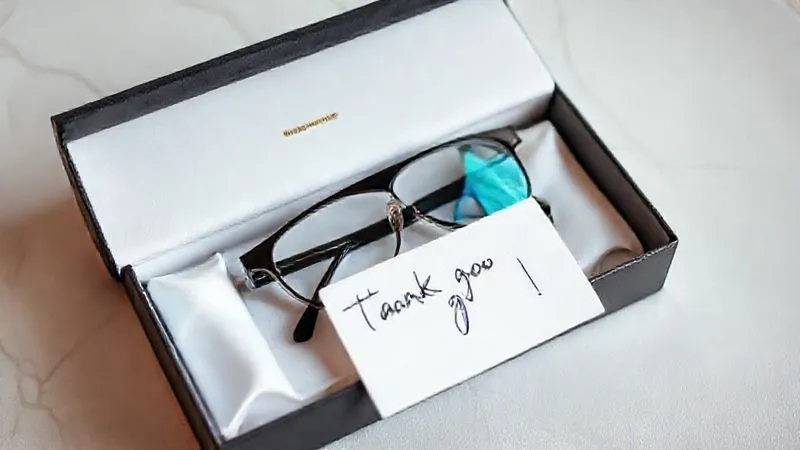
Make the unboxing of new eyewear special. Include a beautifully designed card with care instructions for their new frames and lenses, subtly mentioning specific accessories that can help maintain them. A small, branded microfiber cloth or a sample of a premium lens cleaner can be a delightful, value-added touch that introduces them to an accessory they might purchase later.
Personalized Follow-Ups and Exclusive Offers
A few weeks after a purchase, a personalized email or text can check in on their satisfaction. This can include a gentle reminder about accessory care or an exclusive offer on a complementary item. For example, 'Enjoying your new frames? We're offering 15% off all designer eyeglass chains this month to complete your look!' This feels like a thoughtful gesture, not a sales push, especially if it's based on their previous purchase or expressed interests.
- Personalized 'Thank You' Notes: Include a handwritten note with every eyewear purchase, mentioning specific accessories that would complement their chosen frames.
- Digital Care Guides: Email a link to a comprehensive guide on eyewear maintenance, subtly featuring recommended cleaning kits and protective cases.
- Birthday/Anniversary Offers: Send personalized discounts on accessories as a gift during client birthdays or purchase anniversaries.
- 'Complete Your Look' Campaigns: Based on past purchases, suggest complementary accessories via email, showing how they enhance their existing eyewear.
Data-Driven Insights: What Sells and Why?
Gut feelings are good, but data is better. To effectively boost eyewear accessory sales, you need to understand what your clients are actually buying, when, and why. This insight allows you to optimize your inventory, merchandising, and sales strategies.
Analyzing Sales Trends and Client Preferences
Regularly review your point-of-sale data to identify best-selling accessories, understand seasonal trends, and pinpoint which accessories are most often purchased with specific frame types. Are clients buying more sport bands in the summer? Are high-end chains popular with luxury frame purchases? This data informs your buying decisions and promotional efforts. According to a Deloitte report on retail trends, data analytics is crucial for understanding evolving consumer behavior and optimizing retail strategies.
A/B Testing Accessory Placements and Promotions
Don't guess; test. Experiment with different display locations for accessories, vary your pricing strategies, or try different promotional messages. For example, test whether placing cleaning kits next to the fitting mirrors leads to more sales than placing them at the checkout counter. A/B test email subject lines for accessory promotions to see which ones generate higher open rates and conversions. Document your results, learn from them, and continuously refine your approach.
| Test Variable | Scenario A | Scenario B | Result |
|---|---|---|---|
| Accessory Placement | Cleaning kits at checkout | Cleaning kits at fitting mirrors | Scenario B increased sales by 18% |
| Promotional Message | 'Buy a chain, get 10% off' | 'Elevate your look: 10% off chains' | Scenario B increased conversion by 5% |
| Bundling Strategy | Frame + Case bundle | Frame + Case + Cleaning Kit bundle | Scenario B increased average transaction value by 12% |
Training Your Team: From Salespeople to Style Advisors
Ultimately, the success of your accessory sales strategy hinges on your team. They are the frontline ambassadors of your brand and the facilitators of the client experience. Investing in their training is paramount.
Role-Playing and Scenario-Based Training
Traditional product training isn't enough. Conduct regular role-playing sessions where team members practice introducing accessories in various client scenarios. Focus on open-ended questions, active listening, and empathetic responses. For instance, role-play how to suggest a chain to a client who's expressed a fear of losing their glasses, or how to introduce a premium cleaning kit to someone investing in high-end lenses.
Incentivizing Value, Not Just Volume
If your team's compensation is solely tied to the number of accessories sold, it can inadvertently encourage pushy behavior. Instead, consider incentives that reward the quality of the client interaction, client satisfaction scores, or the average transaction value (which naturally includes accessories). This shifts the focus from 'making a sale' to 'providing exceptional value' and 'building relationships.'
"Empowering your team to be genuine style advisors, rather than just sales associates, transforms the entire retail experience. When they feel valued and trusted, they naturally become more effective and authentic in their interactions."
Expanding Your Accessory Portfolio Strategically
To keep clients engaged and excited, your accessory offerings should evolve. Staying ahead of trends and understanding market gaps can drive continuous interest and sales.
Identifying Emerging Trends and Niche Markets
Regularly research eyewear fashion trends, not just in frames but also in accessories. Are beaded chains making a comeback? Is there a demand for sustainable or eco-friendly cases? Explore niche markets – perhaps accessories specifically designed for children, athletes, or professionals. Being the first to offer unique, on-trend accessories can position you as a thought leader and attract new clientele. Resources like Forbes often feature insights into spotting retail trends that can be applied to eyewear.
Partnering with Complementary Brands
Consider collaborations with local artisans or small businesses that create unique, high-quality accessories. This could be bespoke leather cases, handcrafted chains, or innovative cleaning solutions. Such partnerships not only diversify your product range but also allow you to tell compelling stories about local craftsmanship and unique offerings, distinguishing your store from larger competitors.
Frequently Asked Questions (FAQ)
How do I introduce accessories without sounding like I'm just trying to make more money? The key is to focus on value and problem-solving. Instead of saying, 'Do you want a chain with that?' try, 'Many of my clients find that a stylish chain not only adds to their look but also prevents them from misplacing their new frames. Would you like to see some options that complement your chosen style?' Frame it as a benefit to them, not a benefit to your bottom line. Integrate it into the styling process, not as an afterthought at checkout.
What are the most popular eyewear accessories to stock? While trends vary, universally popular accessories include premium lens cleaning sprays and microfiber cloths, stylish eyeglass chains (both delicate and bolder styles), protective cases (especially hard cases for expensive frames), and sport bands or retainers for active individuals. Don't forget anti-fog solutions, especially in colder climates or for those who wear masks frequently. Always check your sales data to see what resonates most with your specific clientele.
Should I offer discounts on accessories? Discounts can be effective, but use them strategically to avoid devaluing your products. Instead of constant blanket discounts, consider bundling (e.g., 'frame + case + cleaning kit' package), offering a small discount on an accessory when purchased with a high-value frame, or exclusive offers for loyal customers. The goal is to make the client feel they are getting added value, not just a cheaper price.
How can small independent opticians compete with larger chains on accessories? Independent opticians have a unique advantage: personalized service and curation. Focus on stocking unique, high-quality, or locally sourced accessories that large chains might not carry. Emphasize the story behind the products and the expertise of your staff in helping clients choose the perfect match. Build strong relationships, offer exceptional post-purchase care, and create a boutique experience that larger retailers often struggle to replicate.
What's the role of online reviews in boosting accessory sales? Online reviews are incredibly powerful for building trust and social proof. Encourage satisfied clients to share their positive experiences, especially if an accessory has solved a problem for them or enhanced their style. Positive reviews, particularly those mentioning specific accessories, can significantly influence potential buyers who are researching your store or products online. Regularly monitor and respond to reviews, both positive and negative, to show you value client feedback.
Key Takeaways and Final Thoughts
- **Shift from Selling to Advising:** Position your team as style consultants who offer solutions and enhance the client's eyewear experience.
- **Integrate Subtly:** Weave accessory suggestions naturally into the frame selection and consultation process, rather than presenting them as an abrupt upsell.
- **Educate and Inspire:** Use engaging content and well-curated displays to demonstrate the value, utility, and aesthetic appeal of each accessory.
- **Leverage Data:** Utilize sales analytics and A/B testing to understand client preferences and optimize your merchandising and promotional strategies.
- **Build Relationships:** Foster loyalty through thoughtful post-purchase engagement and personalized offers, making clients feel valued, not just transactional.
- **Empower Your Team:** Provide thorough training and incentivize value-driven interactions to cultivate a team of confident, non-pushy advisors.
Boosting eyewear accessory sales without seeming pushy isn't about mastering aggressive sales tactics; it's about mastering the art of empathetic engagement. It's about understanding your client's needs, anticipating their desires, and offering solutions that genuinely enhance their eyewear journey. By adopting a client-centric, value-driven approach, you'll not only see a significant uplift in your accessory revenue but also cultivate deeper, more meaningful relationships with your clientele. Remember, true expertise lies in guiding, not pushing. Go forth and inspire!
Recommended Reading
- Boost Textile Recycling: 7 Proven Ways to Incentivize Garment Returns
- Warmest Kids Winter Hat Material? Ultimate Guide for Parents
- 7 Essential Formal Shoes for Your High-Stakes Interview Success
- Find Your Perfect Fit: Best Luxury Eyewear Brands for Oval Faces
- 7 Proven Strategies: Stocking Womenswear for All Ages Without Alienation



Your email address will not be published. Required fields are marked *