

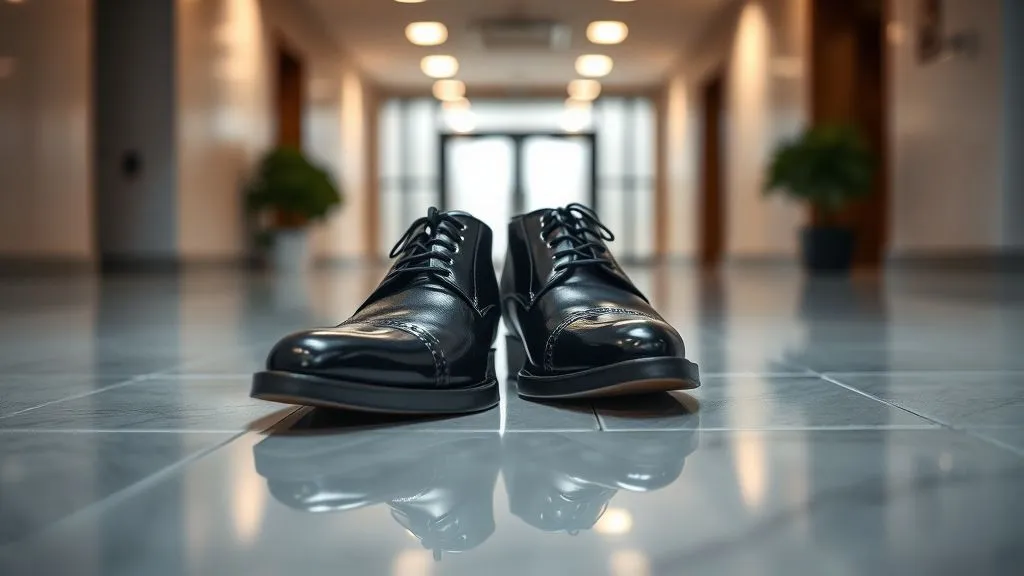
What Formal Shoes Are Suitable for a High-Stakes Interview?
Having spent over two decades observing the subtle cues that define success in high-pressure professional environments, especially within the fashion and corporate world, I've seen firsthand how every detail, right down to your footwear, can speak volumes before you even utter a word. It's not just about looking good; it's about projecting confidence, respect, and meticulous attention to detail that can make or break a crucial first impression.
The challenge for many isn't a lack of effort, but a lack of precise knowledge. In a high-stakes interview, where careers are shaped and opportunities seized, the wrong pair of shoes can inadvertently send a message of unpreparedness or a misunderstanding of professional decorum. It’s a silent misstep that can undermine your otherwise stellar qualifications, leaving you wondering why you didn't quite connect with your interviewers.
This isn't just a guide; it's a deep dive into the psychology and practicality of interview footwear. I'll share the definitive frameworks, illustrate with real-world scenarios, and provide actionable steps to ensure your shoes are an asset, not a liability. You'll learn to select, maintain, and present formal shoes that elevate your presence and reinforce your readiness for any high-stakes professional encounter, definitively answering what formal shoes are suitable for a high-stakes interview.
The Silent Language of Footwear: Why It Matters So Much
In any high-stakes interaction, particularly an interview, non-verbal cues often carry more weight than words. Your attire, grooming, and even your posture contribute to a holistic impression. Shoes, often overlooked, are a critical component of this visual narrative. They can convey professionalism, attention to detail, and respect for the occasion.
Think about it: when you meet someone new, your eyes quickly scan from head to toe. Scuffed, unpolished, or inappropriate footwear can instantly detract from an otherwise polished ensemble. It suggests a lack of thoroughness, a detail missed, or perhaps even a casual approach to a serious opportunity. According to a study published in the Journal of Research in Personality, people make surprisingly accurate judgments about others based solely on their shoes, inferring personality traits and even economic status. This research highlights the profound impact of footwear on perception.
On the flip side, impeccably maintained, appropriate formal shoes signal diligence, self-respect, and an understanding of professional standards. They complete your look, reinforcing your message of competence and readiness. This subtle yet powerful communication can give you a psychological edge, both in how you're perceived and how you feel about yourself.
"Your shoes are the foundation of your professional image. They ground your outfit and, metaphorically, your confidence. Never underestimate their power to affirm your readiness for success." - Industry Expert's Insight

Decoding Dress Codes: Beyond "Business Formal"
Understanding the nuances of dress codes is paramount. While a high-stakes interview generally implies a 'business formal' or 'business professional' environment, the specific industry and company culture can subtly shift expectations. A tech startup will likely have a different interpretation than a traditional law firm or investment bank.
Business formal typically demands the highest level of professionalism: a dark suit, crisp shirt, and highly polished formal shoes. Business professional allows for slightly more flexibility, perhaps a blazer with tailored trousers or a skirt, but still requires polished, classic footwear. Business casual, while rarely appropriate for a high-stakes interview, leans towards smart trousers, button-down shirts, and smart casual shoes, which are generally not what formal shoes are suitable for a high-stakes interview.
To navigate this, I always advise candidates to do their homework. Research the company's website, social media, and even LinkedIn profiles of employees. Look for visual cues. When in doubt, it's always safer to err on the side of being slightly overdressed than underdressed. It shows respect for the opportunity.
- Research the Company: What's their general aesthetic?
- Industry Standards: Is it a conservative or creative field?
- Ask HR (if appropriate): A polite inquiry about the typical dress code can save you stress.
- Observe on Site: If possible, visit the location beforehand to gauge the atmosphere.
The Definitive Guide to Men's Formal Interview Shoes
For men, the choice of footwear for a high-stakes interview is less about extensive variety and more about precision and perfection. The goal is to project unwavering confidence and a meticulous approach to detail. Here's a breakdown of what formal shoes are suitable for a high-stakes interview for men:
The Oxford: The Unquestioned Champion
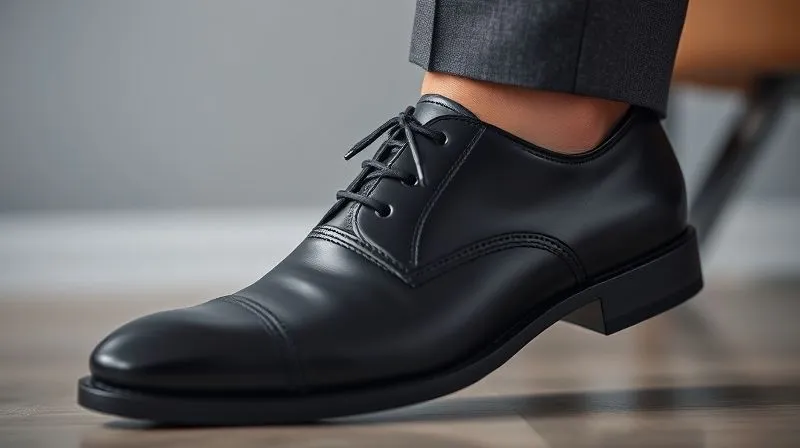
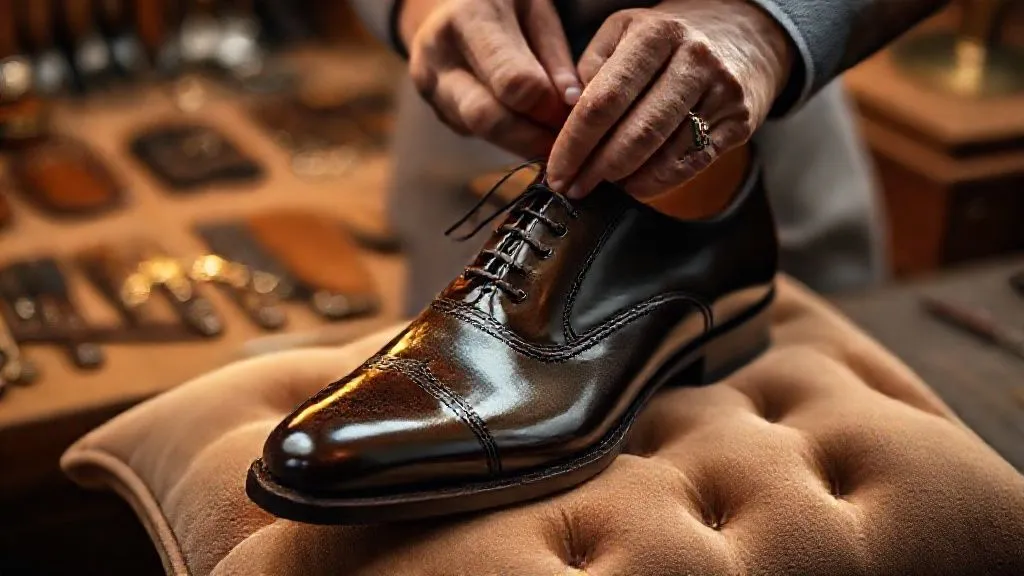
The Oxford shoe is, without a doubt, the gold standard for formal business attire and high-stakes interviews. Its defining characteristic is its 'closed lacing' system, where the eyelet tabs are sewn underneath the vamp, creating a sleek, streamlined, and highly formal appearance. This shoe exudes sophistication and serious intent.
- Plain-Toe Oxford: The most formal and minimalist option, perfect for the most conservative environments.
- Cap-Toe Oxford: Features a horizontal stitch line across the toe, adding a touch of subtle detail without compromising formality. This is arguably the most versatile and safest choice.
- Color: Always opt for black. Dark brown can be acceptable in some less conservative industries, but black is universally recognized as the pinnacle of formal footwear.
- Material: High-quality, polished full-grain leather is non-negotiable. Avoid suede, patent leather (unless specifically for a tuxedo event, which an interview is not), or anything with excessive broguing.
Actionable Steps for Oxford Perfection:
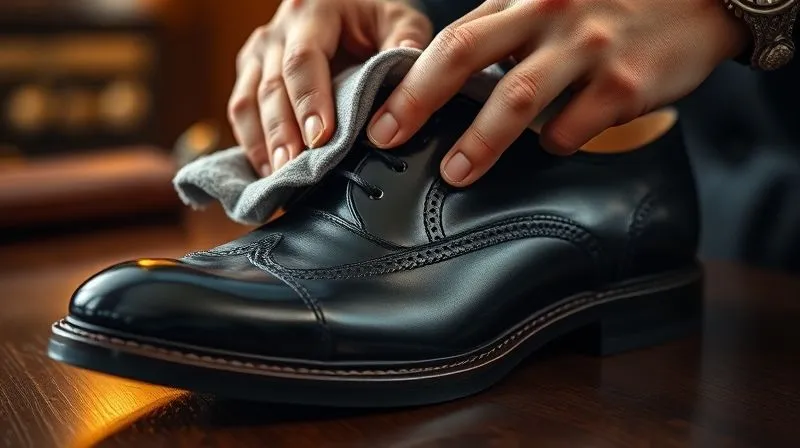
- Polish Religiously: A mirror shine on your Oxfords is a clear indicator of discipline and attention to detail. Invest in a good shoe polish, brushes, and a cloth.
- Ensure a Perfect Fit: Ill-fitting shoes can be uncomfortable and affect your posture, distracting you during the interview. Break them in well before the big day.
- Match Your Belt: Always match your shoe color to your belt color. Black shoes, black belt. Dark brown shoes, dark brown belt.
The Derby: A Versatile Contender
The Derby shoe, sometimes confused with the Oxford, features an 'open lacing' system, where the eyelet tabs are sewn on top of the vamp. This gives it a slightly less formal, but still highly professional, appearance. While an Oxford is preferred for the most high-stakes, conservative settings, a plain-toe Derby in black or dark brown can be an excellent alternative, especially in industries that are slightly less rigid.
I recommend the Derby if your interview is for a role in a creative industry, a tech company, or a firm known for a more relaxed 'business professional' dress code. However, for investment banking, law, or consulting, stick to the Oxford. The key is knowing your audience and tailoring your choice accordingly.
The Loafer: Approach with Caution
While elegant and comfortable, men's loafers (penny, tassel, or horsebit) are generally considered a step down in formality from Oxfords and Derbies. For a truly high-stakes interview, I strongly advise against them. They can convey a sense of casualness that might be misinterpreted. If, and only if, you are interviewing for a highly creative role in a known casual-yet-chic environment, a very polished, dark, minimalist loafer might pass. But this is a significant risk.
| Shoe Type | Formality Level | Best For | Key Feature |
|---|---|---|---|
| Oxford (Cap-Toe/Plain-Toe) | Highest | All high-stakes, conservative interviews (finance, law, consulting) | Closed Lacing, Sleek Profile |
| Derby (Plain-Toe) | High | Slightly less conservative industries (tech, marketing, some creative roles) | Open Lacing, Versatile |
| Loafer (Penny/Tassel) | Moderate | Generally NOT for high-stakes interviews; only for very specific, casual creative fields (high risk) | Slip-on, Casual Edge |
The Definitive Guide to Women's Formal Interview Shoes
For women, the landscape of formal interview shoes offers a bit more stylistic range, but the core principles of professionalism, polish, and comfort remain paramount. What formal shoes are suitable for a high-stakes interview for women often boils down to classic, understated elegance.
The Classic Pump: Elegance and Authority
The classic pump is the undisputed queen of women's professional footwear for high-stakes interviews. It's elegant, authoritative, and universally appropriate. A pump is a closed-toe, low-cut shoe, typically with a heel.
- Heel Height: Aim for a heel height between 2 to 3 inches. Anything higher can be distracting or appear less professional. A comfortable block heel or a refined stiletto is acceptable.
- Toe Shape: A classic pointed toe or a slightly rounded toe are both excellent choices. Avoid overly trendy or extremely pointed styles.
- Color: Black is always the safest and most formal choice. Nude (matching your skin tone) or dark navy can also be appropriate, especially if they complement your suit.
- Material: High-quality, polished leather is ideal. Suede can be acceptable in certain creative fields, but leather is generally more formal and durable.
Actionable Steps for Pump Confidence:
- Practice Walking: Ensure you can walk confidently and comfortably in your chosen pumps. Wobbly steps detract from your presence.
- Check for Scuffs: Pumps are prone to scuffs. Inspect them meticulously before the interview and clean/polish as needed.
- Comfort Inserts: Don't hesitate to use gel inserts for added comfort, especially if you anticipate a long day or a walk to the interview location.
The Loafer (Women's): Modern Professionalism
Women's loafers have evolved significantly and can now be a strong contender for professional interviews, particularly in industries leaning towards 'business professional' rather than strictly 'business formal'. Look for structured, refined loafers in black or dark brown, often with a subtle metal detail (like a horsebit) or a classic penny slot. They offer comfort without sacrificing professionalism, but ensure they are sleek and polished, not chunky or overly casual.
The Ballet Flat: Strategic Use
While comfortable, ballet flats generally lack the gravitas required for a high-stakes interview. They can appear too casual. The only exceptions might be for specific roles in highly creative or fashion-forward industries where a minimalist, chic flat is part of the brand aesthetic, or if you have a medical reason preventing you from wearing heels. Even then, opt for a very structured, high-quality leather flat in a neutral color.
Boots and Sandals: Absolute No-Go
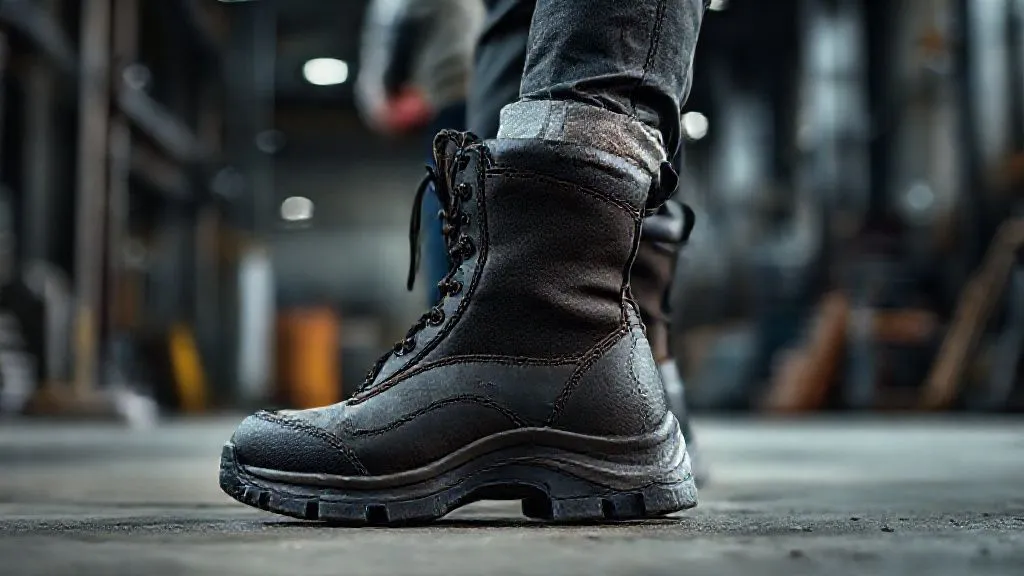
For a high-stakes interview, boots of any kind (ankle, knee-high, riding) are generally inappropriate, as are open-toed shoes or sandals. These choices undermine the formality of the occasion and can be perceived as unprofessional. Your goal is to project a serious, polished image, and these styles simply do not align with that objective.
| Shoe Type | Formality Level | Best For | Key Feature |
|---|---|---|---|
| Classic Pump (2-3 inch heel) | Highest | All high-stakes, conservative interviews (finance, law, consulting) | Closed-toe, refined heel |
| Structured Loafer | High | Business professional settings (tech, marketing, some creative roles) | Sleek, polished, comfortable |
| Ballet Flat (Structured) | Moderate | Generally NOT for high-stakes; only specific creative fields or medical reasons (high risk) | Closed-toe, low profile |
The Unspoken Rules: Color, Material, and Condition
Beyond the specific shoe style, the color, material, and impeccable condition of your footwear are critical differentiators in a high-stakes interview. These elements are what truly elevate your choice of what formal shoes are suitable for a high-stakes interview from merely acceptable to truly impressive.
Color Palette: Black, Brown, and Beyond
- Black: This is your safest and most formal bet. Black shoes are universally appropriate for any business formal or professional interview, regardless of industry. They convey seriousness and classic elegance.
- Dark Brown: A deep, rich dark brown (e.g., espresso, dark chocolate) can be an excellent alternative, particularly if your suit is navy or charcoal grey. However, ensure it's a very dark shade, and crucially, match your belt to your shoes perfectly. Avoid lighter browns for high-stakes interviews.
- Navy/Burgundy: These colors are generally too niche or fashion-forward for a high-stakes interview. They can work in very specific creative industries if styled impeccably, but the risk of misjudgment is high. Stick to black or dark brown.
Material Matters: Leather is King
For formal interview shoes, high-quality leather is the undisputed champion. Full-grain leather, with its smooth finish and ability to take a brilliant shine, is ideal. It speaks to quality and durability. Avoid:
- Patent Leather: Too glossy and typically reserved for formal evening wear (tuxedos) or specific fashion statements.
- Suede: While stylish, suede is generally too casual and less durable for an interview setting. It can also appear worn or dirty easily.
- Canvas or Fabric: Absolutely not appropriate for a high-stakes interview. These materials belong in casual settings.
Impeccable Condition: The Non-Negotiable
This is where attention to detail truly shines. Even the most expensive shoes will fail to impress if they are scuffed, unpolished, or worn. Your shoes must be spotless, polished to a gleam, and in excellent repair. This includes:
- Cleanliness: No dust, dirt, or smudges.
- Polish: A deep, even shine.
- Heels and Soles: Ensure heels aren't worn down and soles aren't flapping. Get them repaired if needed.
- Laces: Clean, tied neatly, and in good condition.
Case Study: The Polished Path to Partnership
I recall a candidate, 'Eleanor,' interviewing for a highly competitive partnership track at a prestigious law firm. Her resume was stellar, her answers articulate. But what truly set her apart, as the senior partner later confessed, was her meticulous presentation. During a coffee break, as she crossed her legs, the senior partner noticed her pumps. Not only were they classic black leather, but they were polished to an almost mirror-like finish, the heels showed no sign of wear, and the leather was supple. This small detail, combined with her strong performance, reinforced her image as someone who leaves no stone unturned, who respects the institution, and who is ready for the responsibilities of partnership. It was a silent testament to her thoroughness and professionalism, demonstrating exactly what formal shoes are suitable for a high-stakes interview.
Your Essential Shoe Care Routine:
- Clean: Wipe down your shoes with a damp cloth to remove surface dirt.
- Condition: Apply a leather conditioner to keep the leather supple and prevent cracking.
- Polish: Use a high-quality shoe polish matching your shoe color. Apply with a cloth, let dry, then buff to a shine with a brush.
- Buff: Finish with a soft cloth (like an old t-shirt) for an extra gleam.
- Shoe Trees: Use cedar shoe trees to absorb moisture and maintain the shoe's shape when not in use.
"A truly polished professional understands that the impression starts from the ground up. Your shoes are not just an accessory; they are a statement of your personal standards." - My Personal Mantra
Common Footwear Faux Pas to Avoid
Knowing what formal shoes are suitable for a high-stakes interview is half the battle; the other half is knowing what to absolutely avoid. These missteps can be costly:
- Scuffed or Dirty Shoes: As emphasized, this is a cardinal sin. It suggests carelessness.
- Overly Trendy or Flashy Shoes: Avoid shoes with excessive embellishments, bright colors, or avant-garde designs. The goal is professionalism, not fashion statement.
- Open-Toed Shoes/Sandals: Never appropriate for a formal interview, regardless of the weather.
- Sneakers or Casual Shoes: Even 'smart' sneakers are a no-go for high-stakes interviews.
- Uncomfortable Shoes: If you're wincing with every step or constantly shifting your weight, it will distract you and your interviewer. Comfort is key to confidence.
- Mismatched Colors: Black shoes with a brown belt, or vice-versa, is a common error that undermines your polished look.
- Worn-Down Heels or Soles: These not only look bad but can also affect your gait and posture.
For more insights on general professional etiquette, a resource like Harvard Business Review's guide to first impressions can be invaluable.
The Fit and Comfort Factor: Don't Underestimate It
While aesthetics and formality are crucial, the fit and comfort of your shoes cannot be overlooked. An uncomfortable pair of shoes can severely impact your performance during an interview. You don't want to be distracted by pinching toes or aching arches when you should be focusing on answering complex questions.
Always ensure your shoes are well-fitting and, if new, broken in prior to the interview day. Walk around in them at home for a few hours. This prevents blisters, discomfort, and any awkward shuffling. Correct sizing is vital; too loose and your foot slides, too tight and it pinches. Your shoes should feel supportive and secure, allowing you to stand and walk with confidence and ease. Remember, your posture and demeanor are part of your non-verbal communication, and uncomfortable shoes can compromise both.
Investing in quality shoes often means better construction and materials that conform to your foot over time, offering superior comfort. For those who spend a lot of time on their feet, the ergonomic design of footwear can be a significant factor, as explored in various studies on workplace comfort and productivity. Research on ergonomic footwear highlights its importance for overall well-being and focus.
Frequently Asked Questions (FAQ)
Question? Can I wear suede shoes for an interview?
Generally, no. Suede is considered less formal than polished leather and can appear too casual for a high-stakes interview. It also tends to show wear and dirt more easily. There might be rare exceptions in highly creative industries with a very specific aesthetic, but it's a significant risk I advise against.
Question? Is it ever okay to wear brown shoes with a black suit?
In most traditional business formal settings, wearing brown shoes with a black suit is considered a style faux pas. Black suits demand black shoes for the highest level of formality. Brown shoes are best paired with navy, grey, or charcoal suits. For a high-stakes interview, stick to black shoes with a black suit to avoid any misjudgment.
Question? What about hosiery for women's interview shoes?
For women, wearing sheer, nude-colored hosiery (pantyhose) is still the most traditional and safest choice for a high-stakes interview, especially in conservative fields. It provides a polished, finished look. Avoid opaque tights unless part of a specific uniform, and never go bare-legged with formal shoes in such a setting.
Question? Should I buy new shoes specifically for an interview?
If your current formal shoes are not in impeccable condition or are not suitable for the interview's formality level, then yes, investing in a new pair is highly recommended. However, ensure you buy them well in advance to break them in and confirm they are comfortable. A pristine, appropriate pair of shoes is an investment in your career.
Question? How much heel is too much for women's pumps?
For a high-stakes interview, I recommend a heel height between 2 to 3 inches. Anything significantly higher (e.g., 4+ inches) can be perceived as overly fashionable or distracting, and often compromises comfort and stability. The goal is professional elegance, not a runway look.
Question? Are boat shoes acceptable for any interview?
Absolutely not. Boat shoes are inherently casual footwear, designed for leisure and nautical activities. They are entirely inappropriate for any professional interview, let alone a high-stakes one. They send a clear message of casualness that will undermine your professional aspirations.
For further guidance on professional styling, consider resources from reputable fashion and career experts, such as those found on Forbes' fashion section.
Key Takeaways and Final Thoughts
Navigating the subtle yet impactful world of interview footwear can feel daunting, but with the right knowledge, it becomes a powerful asset. What formal shoes are suitable for a high-stakes interview is not just a question of style, but of strategy.
- Prioritize the Classics: For men, the black Cap-Toe Oxford is king. For women, the classic black or nude pump (2-3 inch heel) reigns supreme.
- Impeccable Condition is Non-Negotiable: Polish, cleanliness, and good repair speak volumes about your attention to detail.
- Understand the Dress Code: Research the company and industry to tailor your choice, always erring on the side of formality.
- Comfort Fuels Confidence: Well-fitting, broken-in shoes allow you to focus entirely on the interview, not your feet.
- Avoid Faux Pas: Steer clear of casual styles, open-toes, scuffs, and overly trendy options.
Remember, every detail contributes to the overall impression you make. Your shoes are not just an afterthought; they are a fundamental component of your professional persona, a silent testament to your preparedness and respect for the opportunity. By meticulously selecting and maintaining the right formal shoes, you're not just dressing for the interview; you're dressing for the role, projecting an image of competence, confidence, and unwavering professionalism that will help you step confidently into your next big opportunity.
Recommended Reading
- Unlock Your Vision: The Ultimate Steps to Innovative Fashion Photography Styling
- 5 Rapid Methods: Urgent Costume Breakdown to Age Denim Fast Realistically
- 7 Proven Strategies to Optimize Production Costs for Extendable Kids' Clothing
- Unlock Profit: 9 Ways to Scale Your Personal Style Blog into a Thriving Business
- Authenticating Vintage Chanel: 7 Expert Steps Without Original Papers

Your email address will not be published. Required fields are marked *