

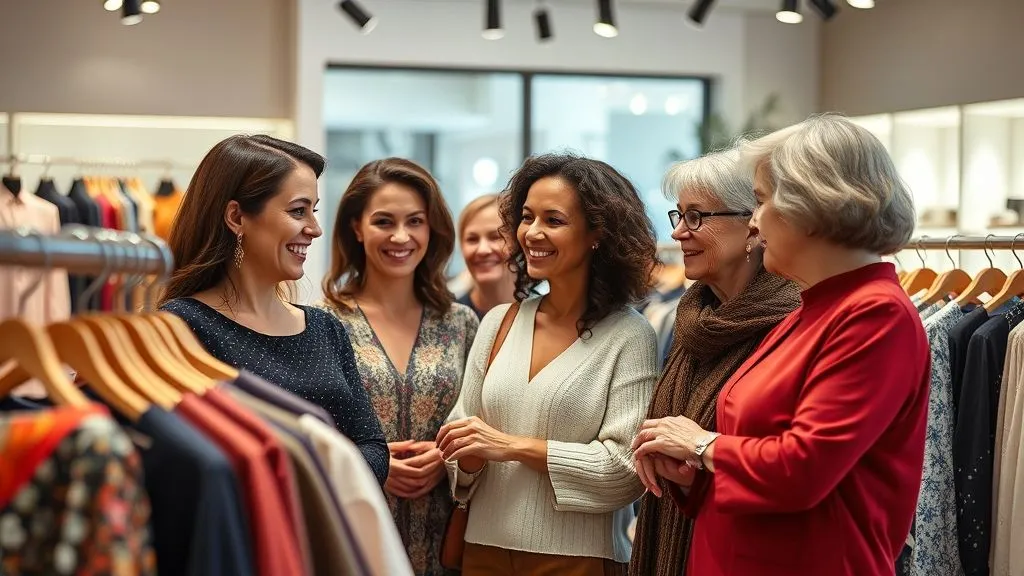
How to Stock Womenswear Appealing to Diverse Ages Without Alienating Any?
For over two decades in the dynamic world of womenswear, I've witnessed countless brands grapple with a fundamental challenge: how to broaden their appeal without diluting their core identity or, worse, alienating the very customers they aim to attract. The idea of catering to 'everyone' often feels like a trap, leading to bland collections that speak to no one.
The pain point is real: you want your boutique or brand to be a welcoming space for a mother and her daughter, a grandmother and her granddaughter, yet the fear of stocking items that are 'too young' or 'too old' for certain demographics can lead to conservative, uninspired buying. This struggle to bridge generational style gaps without resorting to overly generic offerings is a common pitfall for many retailers.
This isn't about creating a 'one-size-fits-all' wardrobe; it's about crafting a cohesive, versatile collection that offers 'something for everyone' within a unified brand vision. In this definitive guide, I'll share actionable frameworks, real-world insights, and expert strategies to help you navigate the complexities of age-inclusive inventory, leveraging smart sourcing, design principles, and empathetic merchandising to foster brand loyalty across generations.
Understanding the Multi-Generational Consumer Landscape
Before we delve into stocking strategies, it's crucial to understand the modern womenswear consumer. The days of rigid, age-segregated fashion are behind us. Today's women, regardless of age, are more style-conscious, informed, and individualistic than ever. They seek authenticity, quality, and pieces that resonate with their personal style and values, not just their birth year.
Beyond Stereotypes: Deconstructing Age-Based Fashion Needs
While generational cohorts (Gen Z, Millennials, Gen X, Boomers) exhibit some distinct purchasing behaviors, their fashion preferences often overlap significantly. Gen Z values individuality and sustainability; Millennials seek comfort, versatility, and ethical sourcing; Gen X appreciates quality and timeless pieces; and Boomers prioritize comfort, elegance, and practicality. However, these are broad strokes. A 60-year-old might love a vibrant, on-trend accessory, while a 25-year-old might gravitate towards a classic trench coat.
“The modern fashion consumer defies simple categorization. Age is merely a number; personal style, values, and lifestyle are the true drivers of purchase decisions.”
The key is to identify common threads – the desire for well-made garments, comfortable fabrics, flattering fits, and items that express their personality – rather than focusing solely on perceived age-appropriate styles. This shift in perspective is foundational to age-inclusive stocking.
| Generation | Key Fashion Drivers | Overlap with Others |
|---|---|---|
| Gen Z (18-26) | Individuality, Sustainability, Trend-conscious, Digital influence, Comfort | Comfort, Versatility, Ethical sourcing (Millennials); Individuality (Gen X) |
| Millennials (27-42) | Versatility, Comfort, Ethical production, Quality, Personal expression, Work-life balance | Sustainability (Gen Z); Quality, Timelessness (Gen X, Boomers) |
| Gen X (43-58) | Quality, Timelessness, Investment pieces, Practicality, Understated elegance | Quality, Practicality (Boomers); Versatility, Comfort (Millennials) |
| Boomers (59-77) | Comfort, Elegance, Flattering silhouettes, Quality materials, Ease of wear | Timelessness, Quality (Gen X); Comfort, Practicality (all generations) |
The Core Principle: Curated Versatility, Not Compromise
The secret to age-inclusive stocking isn't about compromising your brand's aesthetic; it's about embracing curated versatility. Think of it as building a wardrobe where individual pieces can be styled in countless ways, transcending age boundaries through their inherent design and quality. This approach ensures your collection feels cohesive yet offers options for everyone.
- Classic Silhouettes with Modern Twists: A well-cut blazer, a tailored pant, a classic A-line skirt, or a simple shift dress are inherently versatile. Update them with contemporary colors, interesting textures, or subtle design details that appeal across generations.
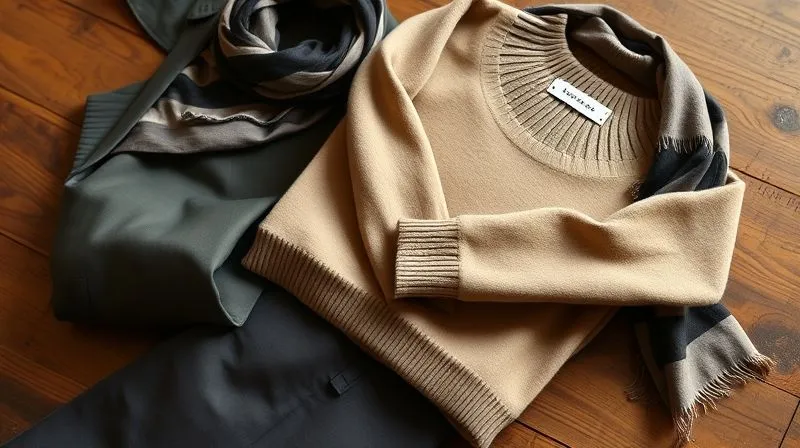
- Adaptable Fabrics: Prioritize fabrics that offer comfort, drape beautifully, and are easy to care for. Think premium knits, breathable cottons, luxurious silks, or modern blends with a touch of stretch. These materials feel good against the skin for anyone, regardless of age.
- Layering Potential: Stock items that are excellent for layering. A simple camisole can be worn under a blazer for work or over a t-shirt for a casual look. Cardigans, vests, and lightweight jackets add warmth and style without being age-specific.
Strategic Sourcing & Design: Building an Age-Agnostic Collection
Your sourcing and design decisions are the bedrock of an age-inclusive collection. It requires a thoughtful, deliberate approach that prioritizes universal appeal without sacrificing style or brand identity.
Fabric & Fit: The Universal Comfort Factor
In my experience, comfort and fit are non-negotiable for women of all ages. No one wants to wear ill-fitting or uncomfortable clothes. Focus on:
- Quality Materials: Invest in fabrics that feel good, last long, and maintain their shape. This is appreciated by every customer. Consider natural fibers like cotton, linen, wool, and silk, or high-quality synthetics known for their performance.
- Thoughtful Construction: Pay attention to seams, linings, and finishes. Well-constructed garments drape better and offer a more flattering fit.
- Inclusive Sizing: This goes beyond just offering a wide range of sizes. It means designing patterns that genuinely flatter diverse body shapes, not just scaling up or down a single template. Partner with manufacturers who understand diverse body proportions. According to a McKinsey report on the State of Fashion, inclusivity in sizing is a growing consumer expectation.
- Subtle Stretch: A small percentage of elastane or spandex in fabrics can make a huge difference in comfort and fit, allowing garments to move with the body without clinging uncomfortably.
Silhouette & Style: Timelessness Over Trends
While it's important to stay current, chasing every fleeting trend is a recipe for alienating segments of your audience. Instead, focus on:
- Elevated Basics: These are your workhorses. Think perfect white shirts, well-fitting jeans (in various cuts), classic knitwear, and simple, elegant dresses. These form the foundation of any wardrobe and can be styled endlessly.
- Curated Trend Integration: Instead of full-blown trendy pieces, integrate trends through accessories, color palettes, or subtle design details. A classic blazer in a seasonal color, or a timeless dress with a contemporary neckline, can feel fresh without being overly 'trendy'.
- Flattering Cuts: Opt for silhouettes that generally flatter a wide range of body types. A-line, straight-leg, and relaxed-fit garments often have broader appeal than highly specific, body-con styles.
- Versatile Color Palettes: Build your core collection around neutral tones (black, white, navy, grey, beige) and introduce seasonal accent colors that can be mixed and matched easily.
Merchandising for Inclusivity: Visual Storytelling Across Ages
How you present your collection, both in-store and online, is just as critical as the garments themselves. Your merchandising strategy must actively promote an age-inclusive message.
In-Store Layout & Visual Merchandising
Avoid creating 'age zones' within your store. This can inadvertently signal exclusion. Instead:
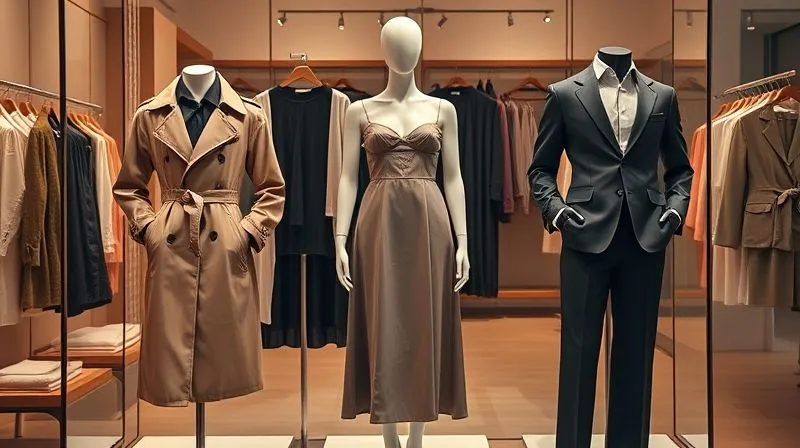
- Integrated Displays: Mix and match items on mannequins and displays that showcase how different pieces can be styled for various occasions and personal aesthetics, rather than for specific age groups. A chic midi skirt could be paired with a graphic tee on one mannequin and a silk blouse on another.
- Lifestyle Storytelling: Create vignettes that tell a story of a woman's life, not her age. A display showing a versatile dress styled for both a weekend brunch and an evening event, for example.
- Accessible Layouts: Ensure your store is easy to navigate, with clear signage and comfortable fitting rooms. Good lighting and spacious aisles are universally appreciated.
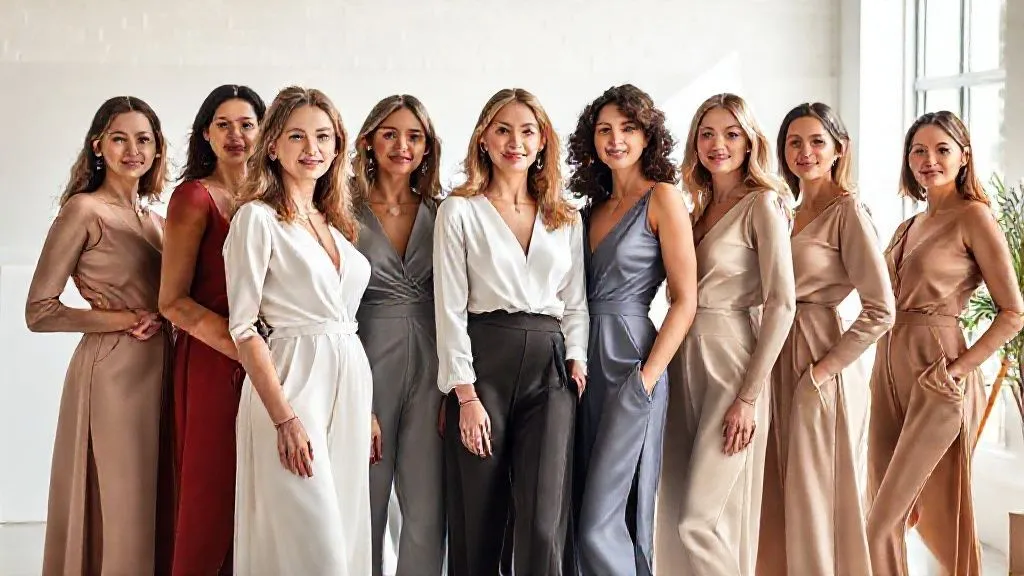
- Diverse Imagery: Use in-store photography or posters that feature models of different ages, ethnicities, and body types wearing your garments. This sends a powerful message of welcome.
Digital Presence & Marketing: Authentic Representation
Your online presence is often the first impression. Make it count:
- Diverse Model Casting: This is non-negotiable. Feature models who represent the true diversity of your potential customer base – different ages, body shapes, and ethnicities. Show how garments look on real women, not just a single demographic ideal.
- Lifestyle Photography: Use imagery that depicts women living their lives, not just posing. Show them working, socializing, relaxing – demonstrating the versatility and real-world applicability of your clothing.
- User-Generated Content: Encourage customers to share photos of themselves wearing your brand. This authentic content, especially if it showcases diverse ages, is incredibly powerful.
- Inclusive Language: Ensure your product descriptions and marketing copy avoid age-specific terms. Focus on style, fit, fabric, and occasion.
For more insights on crafting inclusive marketing, consider resources like Forbes' advice on inclusive marketing strategies, which emphasizes authenticity and representation.
The Power of Styling: Bridging Generational Gaps
The magic often happens in the styling. A single garment can transform its appeal with different accessories, layering, or pairings. This is where your team and your brand's guidance become invaluable.
Expert Styling Guides & Personal Shopping
Empower your customers to see the versatility in your collection:
- In-Store Styling Advice: Train your sales associates to be skilled stylists who can offer personalized advice across age groups. They should be able to show a younger customer how to make a classic piece edgy, and an older customer how to incorporate a contemporary item gracefully.
- Online Styling Inspiration: Create blog posts, social media content, or dedicated sections on your website showcasing 'How to style this piece for X occasions' or '5 ways to wear a classic shirt'. Feature different models for each look.
- Capsule Wardrobe Concepts: Promote the idea of building a versatile capsule wardrobe from your collection, demonstrating how a few key pieces can create numerous outfits suitable for various ages and lifestyles.
Case Study: How 'Elegance Redefined Boutique' Mastered Cross-Generational Appeal
Elegance Redefined Boutique, a mid-sized independent store, initially struggled with a perception of being 'too formal' for younger customers and 'too trendy' for older ones. Their inventory was high-quality but lacked perceived versatility. Recognizing this, I advised them to implement a three-pronged strategy:
- Versatility Focus in Buying: They shifted their buying to prioritize pieces that could be easily dressed up or down, and styled for different body types. For instance, they introduced a line of high-quality jersey separates that could be worn individually or layered.
- Styling Workshops: They began hosting monthly 'Style for Every Age' workshops, inviting customers of all generations. These interactive sessions demonstrated how to mix new pieces with existing wardrobe staples and how to adapt trends gracefully.
- Visual Merchandising Overhaul: Their in-store displays were redesigned to feature diverse mannequins showcasing the same key pieces styled in distinct ways (e.g., a blazer with jeans and sneakers versus a blazer with tailored trousers and heels). Their social media campaigns also featured multi-generational models.
This resulted in a remarkable 25% increase in foot traffic from previously underserved demographics within 12 months, a 15% rise in average transaction value as customers bought more versatile pieces, and a noticeable boost in positive customer feedback regarding inclusivity. Their brand perception shifted from niche to universally elegant.
Feedback Loops & Data-Driven Adjustments
The fashion landscape is ever-evolving, and consumer preferences are fluid. To maintain age-inclusive appeal, you must continuously listen, learn, and adapt.
Listening to Your Customers: Surveys, Social Media, In-Store Dialogue
Your customers are your best resource. Actively solicit feedback:
- Customer Surveys: Regularly conduct surveys (online and in-store) asking about preferences, sizing, comfort, and perceived age-appropriateness of your collection.
- Social Media Engagement: Monitor comments, DMs, and mentions. What are people saying about your brand? What styles are being requested?
- Direct Dialogue: Train your sales team to engage in meaningful conversations with customers, gathering qualitative feedback on what they like, dislike, and what they're looking for.
Sales Data Analysis: Identifying Cross-Generational Best Sellers
Numbers don't lie. Analyze your sales data with an age-inclusive lens:
- Track Best Sellers Across Demographics: Identify which items are consistently purchased by a wide range of age groups. These are your 'universal appeal' heroes.
- Monitor Returns and Feedback: High return rates for certain items, especially when accompanied by feedback about fit or style, can signal a disconnect with your target demographics.
- Analyze Online Behavior: Use website analytics to understand which products different age segments are browsing, adding to carts, and purchasing.
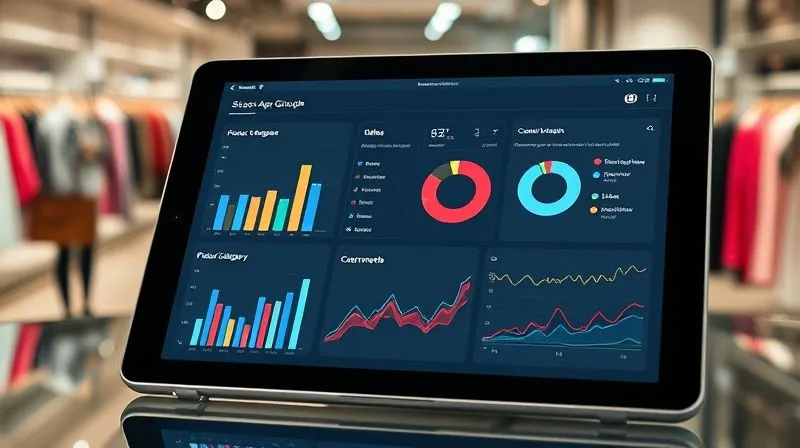
Leveraging retail analytics can provide invaluable insights into customer behavior and product performance. Resources like Deloitte's Global Powers of Retailing report often highlight the importance of data-driven decision-making in retail.
| Feedback Channel | Key Insights | Actionable Outcome |
|---|---|---|
| Customer Surveys | Product satisfaction, sizing preferences, style suggestions, perceived age-appropriateness | Adjust buying based on preference trends, refine size charts, address specific style gaps |
| Social Media Engagement | Brand sentiment, trend relevance, styling ideas, direct product requests | Inform marketing campaigns, identify emerging trends, address customer service issues proactively |
| In-Store Dialogue | Real-time fit issues, fabric preferences, styling challenges, unmet needs | Staff training on product knowledge, immediate merchandising adjustments, inform future design choices |
Empowering Your Team: Training for Age-Inclusive Service
Your sales associates are the frontline ambassadors of your brand. Their ability to connect with and style customers of all ages is paramount to your success in age-inclusive stocking.
I've seen firsthand how a well-trained team can transform a customer's experience. Invest in comprehensive training that covers:
- Product Knowledge: Deep understanding of fabrics, fits, and the versatility of each garment.
- Styling Techniques: How to adapt pieces for different body types, occasions, and personal styles, demonstrating options for both younger and older customers.
- Empathy and Communication: The ability to listen actively, understand a customer's needs without making assumptions based on age, and offer respectful, helpful advice.
- Body Positivity and Inclusivity: Fostering an environment where every customer feels seen, valued, and beautiful, regardless of their age or body shape.
“Exceptional customer service, delivered with empathy and expert styling advice, is the ultimate differentiator in age-inclusive retail. Your team is your most powerful tool for building cross-generational loyalty.”
Frequently Asked Questions (FAQ)
Isn't trying to appeal to everyone diluting my brand? No, it's about defining your brand through versatility and quality rather than a narrow age demographic. A strong brand identity can be broad enough to encompass diverse styles without losing its essence. Think of iconic brands that are loved by multiple generations – their strength lies in timeless design and quality, not age-specific trends.
How do I avoid making my store look 'mumsy' or too 'young'? The key is balance and curation. Avoid extremes. Focus on modern classics, elevated basics, and thoughtful integration of trends. Use merchandising to show how pieces can be styled for different aesthetics, rather than segmenting by perceived age. Lighting, music, and store ambiance also play a huge role in creating a sophisticated, welcoming atmosphere.
What role does price point play in age-inclusive stocking? Price point is less about age and more about perceived value and budget. Different generations have varying disposable incomes, but all appreciate quality for their money. Offer a range of price points within your brand's ethos, ensuring that even entry-level items meet a high standard of quality and design. This allows customers to mix and match across price tiers.
How important is sustainable fashion for different age groups? Sustainability is increasingly important across all demographics, particularly Gen Z and Millennials, but also resonates with older generations concerned about environmental impact and quality. Incorporating ethical sourcing and sustainable practices can enhance your brand's appeal universally, signaling responsible business practices that build trust.
Can I still feature trendy items without alienating older customers? Absolutely. The trick is to integrate trends thoughtfully. Instead of stocking overtly 'fast fashion' trendy pieces, focus on how current trends can be expressed through accessories, color palettes, or subtle design details on classic silhouettes. For example, a classic sweater in a trending color, or a timeless dress with a contemporary print. This allows older customers to feel current without feeling like they're trying too hard, while still appealing to younger demographics.
Key Takeaways and Final Thoughts
Building a womenswear collection that truly appeals to diverse ages without alienating any segment is not just a marketing challenge; it's a strategic imperative for long-term success. It's about empathy, understanding, and a commitment to quality and versatility.
- Embrace Curated Versatility: Focus on pieces that can be styled in multiple ways, appealing to different personal aesthetics rather than specific age groups.
- Prioritize Quality, Comfort, and Fit: These are universal desires across all generations and form the foundation of an appealing collection.
- Merchandise Inclusively: Let your visual displays and marketing imagery tell a story of diverse women, showcasing how your brand fits into various lifestyles.
- Empower Your Team: Equip your sales associates with the knowledge and empathy to guide every customer, regardless of age, to pieces they'll love.
- Listen and Adapt: Use customer feedback and data analytics to continuously refine your offerings and stay attuned to evolving preferences.
By adopting these strategies, you're not just selling clothes; you're building a brand that celebrates individuality, fosters confidence, and creates a welcoming space for every woman. This isn't just good business; it's the future of fashion. Go forth and create collections that resonate deeply and broadly, securing your place as a leader in truly inclusive womenswear.
Recommended Reading
- Most Flattering Denim Wash for Men: Look Your Best!
- 7 Expert Strategies: Luxury Fashion Art Direction on a Tight Budget
- 5 Steps to Resolve Custom Engagement Ring Appraisal Disputes Fairly
- 7 Pillars: How to Select Contemporary Menswear for Professional Authority
- The Ultimate Guide: How to Authenticate a Pre-Owned Luxury Watch Before Buying


Your email address will not be published. Required fields are marked *