

How to avoid luxury designer eyewear inventory becoming outdated?
For over two decades in the luxury fashion and eyewear industry, I've witnessed firsthand the exhilarating highs of a perfectly curated collection and the silent, insidious drain of stagnant inventory. The problem of outdated stock isn't just about lost sales; it erodes brand perception, ties up crucial capital, and can significantly impact the long-term viability of even the most prestigious optical businesses.
The exquisite craftsmanship, the innovative designs, the premium materials – they all lose their luster, and their value, when they sit on a shelf, slowly gathering dust as trends shift and seasons pass. This isn't just a challenge; it's a critical vulnerability for any high-end optical boutique or brand. Many fall into the trap of over-ordering based on past successes, or underestimating the fickle nature of fashion, even at the luxury tier.
But it's also a solvable one. In this comprehensive guide, I'll share the frameworks, insights, and actionable strategies I've developed and observed over my career to help you not just manage, but master your luxury eyewear inventory, ensuring it remains fresh, desirable, and profitable. We'll delve into precisely how to avoid luxury designer eyewear inventory becoming outdated, transforming potential liabilities into enduring assets and reinforcing your position in the exclusive world of designer eyewear.
Understanding the Dynamics of Luxury Eyewear Obsolescence
Before we can tackle the solution, we must truly understand the problem. Luxury eyewear, unlike some other luxury goods, operates at the intersection of fashion and utility. This dual nature makes its obsolescence cycle particularly complex. It's not just about a frame becoming unfashionable; it's also about technological advancements in lenses, new material innovations, or even evolving ergonomic preferences.
The Unique Challenges of High-End Fashion Eyewear
The high price point of luxury eyewear means that each piece represents a significant investment. This magnifies the impact of obsolescence. When a mass-market frame becomes outdated, the loss per unit is relatively small. For a designer piece, the capital tied up is substantial. Furthermore, the luxury consumer expects exclusivity and novelty. They are not looking for last season's styles; they seek the latest, the most innovative, and the most current expressions of design.
- Rapid Trend Cycles: Even in luxury, micro-trends can emerge and fade quickly, especially with the influence of social media and celebrity culture.
- Brand Perception Risk: A store filled with outdated stock signals a lack of market understanding, potentially damaging the brand's luxury image.
- Capital Lock-up: Funds are tied up in inventory that isn't moving, preventing investment in new, desirable collections.
- Devaluation Pressure: The longer an item sits, the more likely it is to require significant markdowns, eroding profit margins and brand value.
My experience has shown that ignoring these fundamental dynamics is the first step towards an inventory crisis. Acknowledging them, however, is the bedrock of a robust, future-proof inventory strategy.
Proactive Trend Forecasting: Your Crystal Ball for Eyewear
In the world of designer eyewear, predicting what's next isn't magic; it's a sophisticated blend of art and science. Proactive trend forecasting is paramount to avoiding obsolescence. It allows you to anticipate demand, rather than react to it, ensuring your inventory is always aligned with consumer desires.
Leveraging Data Analytics and AI in Fashion
Modern technology offers powerful tools for forecasting. Beyond traditional fashion trend reports, we now have access to big data analytics and artificial intelligence that can process vast amounts of information – from social media sentiment and celebrity endorsements to global search queries and sales data from adjacent luxury sectors. This data can reveal emerging patterns long before they become mainstream.
- Monitor Social Listening: Utilize tools to track mentions of eyewear styles, brands, and designers across platforms like Instagram, TikTok, and Pinterest. Look for spikes in engagement around specific aesthetics.
- Analyze Search Trends: Use Google Trends and similar platforms to identify rising search queries related to eyewear shapes, colors, materials, and specific designer names.
- Study Adjacent Industries: Keep an eye on broader fashion, jewelry, and even automotive design trends. Often, color palettes, material innovations, and aesthetic movements in these areas foreshadow what's coming to eyewear.
- Engage with Industry Experts: Participate in global eyewear fairs (e.g., MIDO, SILMO) and network with designers, manufacturers, and fashion journalists to gain qualitative insights into future directions.
This proactive approach helps you make informed purchasing decisions, reducing the risk of investing in styles that will quickly become obsolete.
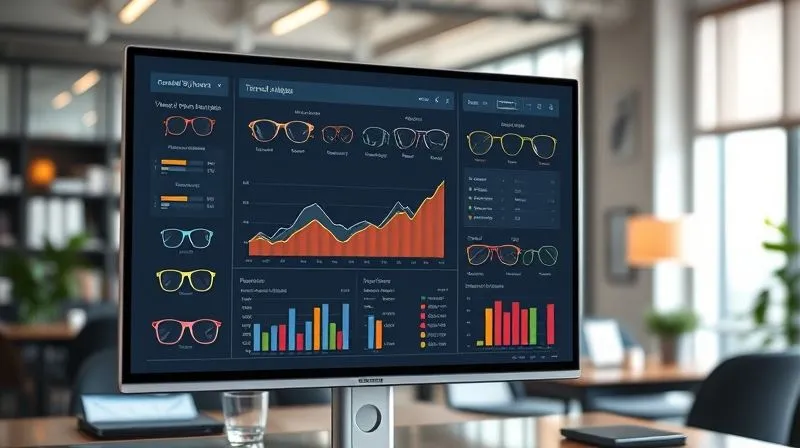
"The future of luxury eyewear inventory management isn't about guessing; it's about intelligent anticipation. Data is your most powerful ally in predicting what your discerning customers will crave next." - Industry Expert Quote
Strategic Sourcing and Supplier Relationships
Your relationships with suppliers are more than just transactional; they are strategic partnerships that can significantly impact your inventory's freshness. Working closely with designer brands and manufacturers allows for better insights, more flexible ordering, and potentially, faster replenishment of best-sellers.
Collaborating for Longevity, Not Just Novelty
In my experience, the most successful luxury eyewear retailers build deep relationships with their key designer partners. This involves open communication about market feedback, sales performance, and even collaborative forecasting. It's about moving beyond the standard order-and-receive model to a more integrated supply chain approach.
| Supplier Criterion | Impact | Action |
|---|---|---|
| Trend Alignment & Innovation | High | Regular joint reviews of collections; provide detailed market feedback. |
| Flexibility in Orders & Returns | Medium-High | Negotiate favorable minimum order quantities and potential return policies for slow-moving items. |
| Lead Times & Replenishment | High | Prioritize suppliers with efficient production and logistics to minimize stockouts and overstock. |
| Marketing Support & Brand Story | Medium | Leverage supplier's marketing assets and collaborate on in-store storytelling to boost desirability. |
Negotiating advantageous terms, such as lower minimum order quantities for new collections or a limited return policy for underperforming styles, can significantly mitigate the risk of accumulating outdated stock. Furthermore, strong relationships can grant you early access to new collections, giving you a competitive edge.
Agile Inventory Management: The Lean Luxury Approach
Adopting an agile, lean inventory management philosophy is crucial for luxury eyewear. This isn't about cutting corners; it's about optimizing efficiency and responsiveness. The goal is to carry just enough stock to meet demand without over-committing to styles that might quickly lose favor.
Implementing Just-In-Time (JIT) for High-Value Items
While a pure Just-In-Time (JIT) system, common in manufacturing, might be challenging for retail, its principles are highly applicable. For high-value, fast-moving luxury eyewear, the aim is to minimize holding costs and obsolescence risk by receiving goods only as they are needed, or very close to the point of sale. This requires robust demand forecasting and strong supplier relationships, as discussed.
- Segment Your Inventory: Categorize your eyewear by sales velocity and value (e.g., A, B, C categories). Apply stricter JIT principles to high-value, high-fashion items (A-category) that are most susceptible to trends.
- Regular Inventory Audits: Conduct frequent, detailed reviews of your stock. Identify slow-moving items early and take immediate action. Don't let them linger.
- Leverage Technology: Implement an advanced inventory management system that provides real-time data on sales, returns, and stock levels. This is non-negotiable for informed decision-making.
- Optimize Reorder Points: Set dynamic reorder points based on current sales velocity, lead times, and anticipated demand, rather than static historical data.
By focusing on agility, you ensure capital is constantly rotating, invested in what's current and desirable. This is a fundamental answer to how to avoid luxury designer eyewear inventory becoming outdated.
Case Study: Visionary Optic's Inventory Turnaround
Visionary Optic, a high-end boutique with three locations, faced a growing problem of stagnant stock, particularly in their avant-garde designer collections. Their inventory turnover rate was declining, and capital was increasingly tied up in last season's frames. By implementing a lean luxury approach, they began segmenting their inventory and adopted a stricter JIT model for their top-tier designer lines.
They invested in a new inventory management system that provided real-time sales data and integrated with their POS. This allowed them to reduce their safety stock for trend-sensitive items by 40% and increase their order frequency with key suppliers. Within 18 months, Visionary Optic saw a 25% improvement in inventory turnover, a 15% reduction in carrying costs, and a significant boost in customer satisfaction due to consistently fresh collections. Their ability to quickly introduce new styles, rather than clearing old ones, became a key competitive differentiator.
Dynamic Pricing and Promotional Strategies
Even with the best forecasting and management, some items will inevitably underperform. The key is to address them swiftly and strategically, without resorting to tactics that devalue your brand. Dynamic pricing and carefully planned promotions are vital tools in this process.
Smart Discounts Without Devaluing Your Brand
Luxury brands must navigate promotions with extreme care. A blanket '50% off everything' sale can be catastrophic for brand perception. Instead, focus on targeted, value-added strategies.
- Exclusive Client Previews: Offer loyal, high-value customers early access to discounted older stock, perhaps bundled with a new purchase or a complimentary styling session. This maintains exclusivity.
- Seasonal Capsules: Group older frames into 'archive collections' or 'timeless classics' and offer a modest, limited-time discount during specific off-peak periods.
- Value-Added Bundles: Pair a slower-moving designer frame with a premium lens upgrade, a high-end cleaning kit, or a designer case at a slightly reduced overall price. The perceived value increases without a drastic price cut on the frame itself.
- Staff Incentives: Motivate your sales team to move specific older stock by offering higher commissions on those items. Their expertise in styling can help clients discover unexpected gems.
- Pop-Up Experiences: Create temporary, exclusive pop-up sales events, perhaps in partnership with a charity, where older collections are offered at a discreet discount. This creates a sense of urgency and uniqueness.
As Harvard Business Review often highlights, smart pricing in luxury is about understanding perceived value and protecting brand equity, not just moving units. These strategies help you recover capital while preserving your brand's prestige.
Elevating the Customer Experience: Curation and Storytelling
In luxury retail, the product is only part of the equation; the experience is paramount. A compelling in-store and online experience, coupled with expert curation and storytelling, can significantly extend the desirability and perceived freshness of your eyewear collections, even for items that aren't brand new.
Curating Collections and Storytelling
Your sales associates are not just salespeople; they are stylists, storytellers, and brand ambassadors. Their ability to articulate the unique design philosophy, the craftsmanship, and the heritage behind each designer frame can transform an 'older' model into a 'timeless classic' or a 'rare find.'
- Visual Merchandising: Regularly refresh your displays. Group frames by aesthetic, designer, or even by a 'mood' or 'inspiration' rather than just by newness. Highlight unique features and craftsmanship.
- Personalized Styling Sessions: Offer one-on-one appointments where experts guide clients through collections, helping them discover frames that complement their style and personality, regardless of the collection's launch date.
- Digital Storytelling: On your website and social media, create rich content around the designers, the materials, and the inspiration behind your frames. Feature 'Editor's Picks' or 'Archival Finds' that highlight the enduring appeal of certain designs.
- Training Your Team: Invest in comprehensive product knowledge training. Your team should be able to share compelling narratives about each piece, turning a simple purchase into an emotional connection.
"In luxury, the narrative sells as much as the product. An outdated frame with a compelling story of timeless design or iconic heritage can outsell a new one without a soul." - Industry Expert Insight
By focusing on the experience and the narrative, you create a perceived value that transcends mere newness, making your inventory more resilient to the ebb and flow of trends.
Building a Robust After-Sales Ecosystem: Returns, Repairs, and Resale
A comprehensive after-sales strategy is not just about customer service; it's an integral part of how to avoid luxury designer eyewear inventory becoming outdated, extending the lifecycle of products and fostering loyalty. This includes streamlined returns, expert repair services, and even exploring secondary market opportunities.
Extending Product Lifecycle and Customer Loyalty
When a customer returns a frame, or needs a repair, it’s an opportunity to reinforce your brand's commitment to quality and service. A well-managed returns process can bring back nearly new inventory, while robust repair services can extend the life of a product for the customer, reducing the perceived need for a new purchase and fostering brand loyalty.
- Efficient Returns Processing: Ensure returned items are inspected, re-packaged, and returned to saleable stock quickly, provided they meet quality standards. Delays mean lost sales opportunities.
- In-House or Partnered Repair Services: Offer expert repair services for broken frames or lens replacements. This adds value for the customer and positions your brand as a long-term partner in their eyewear journey.
- Explore Resale Channels: For truly outdated or slow-moving luxury frames, consider partnering with reputable luxury consignment platforms or creating your own 'archive sale' section. This allows you to recover some capital and caters to a secondary market that values sustainable luxury.
- Warranty and Care Programs: Offer extended warranties or premium care programs that include free adjustments and minor repairs. This encourages customers to maintain their existing eyewear, reducing the pressure to constantly buy new.
These initiatives not only enhance customer loyalty but also create new revenue streams and minimize the 'dead stock' burden, effectively extending the economic life of your inventory.
Continuous Learning and Adaptation: Staying Ahead of the Curve
The luxury eyewear market is dynamic, influenced by global fashion, technological advancements, and evolving consumer values. To consistently avoid outdated inventory, a mindset of continuous learning and adaptation is absolutely essential. Sticking to old ways of doing business in a rapidly changing world is a recipe for obsolescence.
Staying Ahead in a Fast-Paced Market
As an industry veteran, I can tell you that the businesses that thrive are those that are perpetually curious and willing to evolve. This means not just reacting to changes, but actively seeking out new information, experimenting with new strategies, and being prepared to pivot when necessary.
| Strategy | Frequency | Outcome |
|---|---|---|
| Market Research & Competitive Analysis | Quarterly | Identify emerging styles, pricing strategies, and service gaps. |
| Staff Training & Development | Bi-annually | Ensure team has expert product knowledge, sales skills, and trend awareness. |
| Technology Adoption | Ongoing | Integrate new POS, inventory, and CRM systems for efficiency. |
| Customer Feedback Loops | Continuously | Understand evolving preferences, pain points, and desires directly from your clientele. |
Regularly review your inventory performance metrics – turnover rates, sell-through percentages, gross margins by category – and be honest about what's working and what isn't. Don't be afraid to discontinue underperforming lines or reallocate budget to emerging trends. This agile approach is critical for long-term success. According to a Deloitte report on the Global Powers of Luxury Goods, adaptability and digital transformation are key drivers for growth and resilience in the luxury sector.

Embrace innovation, listen to your customers, and empower your team. This creates a culture of foresight that inherently resists obsolescence.
Frequently Asked Questions (FAQ)
Q: How often should I conduct a full inventory audit for luxury eyewear? A: For luxury eyewear, I recommend a full, physical inventory audit at least quarterly, if not more frequently for your highest-value, trend-sensitive items. Daily or weekly digital checks through your inventory management system are essential, but nothing replaces a thorough physical count to catch discrepancies and identify slow-moving stock before it becomes a major problem. This proactive approach allows for quick adjustments to purchasing and promotional strategies.
Q: Is it ever acceptable to deeply discount luxury designer eyewear? A: Deep discounting of luxury eyewear should be a last resort and handled with extreme caution. It can severely damage brand perception and train your customers to wait for sales. Instead, focus on the 'smart discount' strategies discussed, such as value-added bundles, exclusive client events, or discreet seasonal capsule sales. If a deep discount is unavoidable for a very limited number of items, consider using a private sale model or partnering with an exclusive luxury outlet to protect your main brand image.
Q: How can small luxury eyewear boutiques compete with larger retailers on inventory management? A: Small boutiques can actually have an advantage through agility and personalization. Focus on hyper-curated collections based on deep understanding of your local clientele. Leverage your strong client relationships for personalized recommendations and pre-orders, reducing speculative buying. Invest in a robust, yet affordable, cloud-based inventory system. Your strength lies in bespoke service and unique selection, which larger retailers often struggle to replicate.
Q: What role do customer returns play in inventory becoming outdated? A: Customer returns can significantly impact inventory freshness if not managed efficiently. Unsaleable returns (damaged, worn) become immediate dead stock. Saleable returns, if not quickly re-integrated into inventory and promoted, can quickly become outdated. An efficient returns process ensures that nearly-new items are promptly available for sale, minimizing their time off the shelf and reducing the risk of them becoming obsolete before they can be re-sold.
Q: Should I completely avoid stocking classic or timeless designer eyewear styles? A: Absolutely not! Timeless classics are the backbone of any luxury eyewear collection. They are less susceptible to rapid trend cycles and provide a stable revenue stream. The key is to differentiate between 'timeless' and 'outdated.' A classic Wayfarer or Aviator design, for example, might be timeless, but a frame from a specific designer's collection from five years ago that didn't achieve iconic status might be outdated. Balance your inventory with a mix of evergreen classics, current best-sellers, and a carefully selected portion of avant-garde or trend-driven pieces.
Key Takeaways and Final Thoughts
Navigating the complexities of luxury designer eyewear inventory requires foresight, agility, and a deep understanding of both fashion dynamics and consumer psychology. The goal isn't just to sell frames; it's to cultivate a perpetually desirable collection that reflects your brand's prestige and innovation.
- Embrace Proactive Forecasting: Utilize data and industry insights to anticipate trends, not just react to them.
- Forge Strategic Partnerships: Collaborate closely with designers and suppliers for flexible terms and early access.
- Adopt Agile Management: Implement lean principles and JIT strategies for high-value, trend-sensitive items.
- Strategize Promotions: Use dynamic, value-added pricing to move stock without devaluing your brand.
- Elevate Experience & Storytelling: Create compelling narratives and a superior customer experience to enhance perceived value.
- Build a Robust After-Sales Ecosystem: Streamline returns, offer expert repairs, and explore resale to extend product lifecycle.
- Commit to Continuous Learning: Stay adaptable, review performance metrics, and foster a culture of innovation.
By integrating these expert strategies, you won't just learn how to avoid luxury designer eyewear inventory becoming outdated; you'll transform your inventory from a potential liability into a powerful asset that fuels growth, reinforces your brand's luxury status, and ensures your boutique remains at the forefront of eyewear fashion. The future of your luxury eyewear business depends on your ability to not just stock, but to curate and continuously refresh with purpose and precision.
Recommended Reading
- 5 Actionable Ways: Revamp Stale Streetwear for New Buyers Now
- Quantify ROI: 5 Steps for Predictive Analytics in Fashion Retail
- Unveiling the Secrets: What Materials Are Best for Fantasy Costume Durability?
- Unlock the Past: How to Construct a Historically Accurate Corset Pattern?
- 7 Secrets: How to Maintain Structural Integrity in Heavy Beadwork Couture



Your email address will not be published. Required fields are marked *