


How to Advise Clients on Glasses for Their Personal Brand?
For over 15 years in the dynamic world of eyewear fashion, I've witnessed a common oversight that can subtly but significantly undermine a personal brand: the disconnect between an individual's professional identity and their chosen spectacles. It's not just about seeing clearly; it's about being seen authentically.
Many clients come to me feeling overwhelmed, unsure how to translate their unique essence into a pair of frames. They often default to what's comfortable or trendy, missing a crucial opportunity to reinforce their personal brand narrative, whether it's one of innovation, trustworthiness, creativity, or power. This misalignment can lead to a visual dissonance that subtly erodes confidence and impact.
In this definitive guide, I'll share my proven framework on how to advise clients on glasses for their personal brand, offering actionable strategies, psychological insights, and practical tips. You'll learn how to move beyond basic aesthetics to craft eyewear recommendations that are deeply resonant, strategically impactful, and genuinely empowering for your clients, transforming their glasses into a powerful brand asset.
Understanding the Client's Core Personal Brand Identity
Before even glancing at a frame, the first, most crucial step is to deeply understand who your client is, what they stand for, and how they want to be perceived. This isn't a superficial chat; it's an in-depth brand excavation.
The Foundation: Beyond Aesthetics
I always begin by asking probing questions that go far beyond their current style preferences. We delve into their career aspirations, their industry, their values, their ideal client or audience, and the three words they want people to associate with them. This forms the bedrock of our eyewear strategy.
- Identify Core Values: Ask, "What principles define your work and life?" (e.g., innovation, integrity, creativity, tradition).
- Define Professional Persona: Inquire, "How do you want to be perceived in your professional sphere?" (e.g., authoritative, approachable, cutting-edge, reliable).
- Clarify Target Audience Perception: Explore, "What message should your eyewear send to your clients, colleagues, or partners?"
- Uncover Aspirational Image: Discuss, "If your personal brand had a visual identity, what would its key elements be?"
"Eyewear is not merely an accessory; it's a silent spokesperson for your personal brand. It's the first detail many people notice, and it instantly communicates a facet of your identity before you even utter a word."
Once we have a clear picture of their brand identity, we can begin to translate these abstract concepts into tangible visual cues that eyewear can embody. This initial phase is where the most profound connections are forged, moving beyond a simple sale to a truly strategic partnership.
The Psychology of Frame Shapes and Face Morphology
Matching frames to facial features is an art and a science. It's about creating balance, enhancing natural contours, and strategically guiding the eye, all while aligning with the client's desired brand message.
Matching Frames to Facial Geometry: A Strategic Approach
The goal is to choose a frame shape that contrasts with the client's dominant facial features, creating harmony. For instance, an angular face benefits from softer, rounder frames, while a round face can be sharpened by more geometric styles. However, the 'rules' are always secondary to the brand message. A creative client with a round face might deliberately choose an oversized, bold round frame to emphasize their artistic flair, despite traditional advice.
I educate my clients on their face shape and the optical illusions different frames can create. This empowers them to make informed choices that are both flattering and brand-aligned. According to a study published in the Journal of Personality and Social Psychology, facial features play a significant role in first impressions, and eyewear can dramatically alter these perceptions, from intelligence to trustworthiness.
| Face Shape | Characteristics | Recommended Frames for Versatility |
|---|---|---|
| Oval | Balanced proportions | Almost any shape; experiment with bold and unique styles for brand impact. |
| Round | Soft curves, equal width/length | Angular, rectangular, cat-eye frames to add definition. |
| Square | Strong jawline, broad forehead | Round, oval, or softened cat-eye frames to balance angles. |
| Heart | Broad forehead, narrow chin | Bottom-heavy frames, rimless, or light-colored frames to minimize forehead. |
| Oblong/Long | Longer than it is wide | Tall, oversized, or decorative temple frames to add width and shorten the face. |
Understanding these basic principles allows us to make strategic deviations when necessary to reinforce a specific brand message. A CEO aiming for an approachable yet authoritative image might opt for a classic rectangular frame with softened edges, avoiding anything too severe or overtly trendy.
Color Theory and Material Selection for Brand Alignment
The color and material of glasses are potent non-verbal communicators. They can convey warmth, power, creativity, seriousness, or playfulness, all contributing to the client's personal brand.
Leveraging Color Psychology for Impact
Color choices should align with the client's brand palette and the emotions they wish to evoke. A client in a creative field might embrace vibrant hues or unique patterns, while a financial advisor might opt for classic neutrals like deep blues, grays, or tortoiseshell, which convey stability and trustworthiness. I often refer to general principles of color psychology, like those outlined by experts such as Pantone's Color Institute, to guide these discussions.
- Assess Skin Tone and Hair Color: Determine if the client has warm or cool undertones, as this dictates which colors will be most flattering and harmonious.
- Match to Brand Palette: Does the client have a personal brand color scheme? Incorporate complementary or accent colors into their eyewear.
- Consider Emotional Impact: Discuss what emotions the client wants their glasses to evoke (e.g., red for passion, blue for trust, green for growth).
The Tactile Story: Materials that Speak Volumes
Just as important as color is the material. Acetate offers endless possibilities in terms of color and pattern, making it ideal for expressive or creative brands. Metal frames, particularly titanium or stainless steel, convey a sense of precision, modernity, and minimalism, perfect for tech professionals or those in highly structured fields. Natural materials like wood or horn speak of authenticity, craftsmanship, and a connection to nature.
I encourage clients to touch and feel different materials, explaining how each one contributes to the overall message. A lightweight, minimalist titanium frame might suit a forward-thinking innovator, while a substantial, textured acetate frame could be perfect for a charismatic public speaker.
Lifestyle, Profession, and Occasion: The Contextual Fit
A client's eyewear should not only reflect their brand but also seamlessly integrate into their daily life, adapting to various professional and social contexts.
From Boardroom to Brunch: Versatility vs. Specialization
For some clients, a single versatile pair of glasses that transitions effortlessly between different settings is ideal. For others, a curated 'eyewear wardrobe' that includes specialized frames for specific occasions – perhaps a more formal pair for client meetings and a more relaxed, creative pair for casual networking events – is more appropriate. This is where the concept of an eyewear portfolio becomes crucial.
Case Study: How 'Innovate & Inspire' CEO Refined Her Image
Dr. Anya Sharma, CEO of 'Innovate & Inspire,' a future-forward consulting firm, approached me feeling her current glasses were too 'safe' and didn't convey the dynamic, cutting-edge image her company embodied. She needed to project both authority and approachability, often speaking at large conferences and meeting with high-profile tech founders. By implementing a two-tier eyewear strategy, we selected a sleek, minimalist titanium frame in a deep charcoal for her formal engagements, which subtly communicated precision and forward-thinking design. For her more creative workshops and team interactions, we chose a bolder, architectural acetate frame in a muted blue, reflecting her innovative spirit and approachable leadership style. This deliberate choice resulted in a noticeable shift in how she was perceived; her team felt she was more aligned with the company's ethos, and her conference feedback often included comments on her 'distinctive and confident style'.
Understanding the client's typical day, their key interactions, and the environments they frequent is paramount. A lawyer needs frames that exude gravitas and reliability, while a graphic designer might benefit from frames that showcase their artistic sensibility.

The 'Signature Style' Factor: Creating Memorability
In a world saturated with visual information, helping a client develop a 'signature eyewear style' can be a powerful differentiator, making them instantly recognizable and memorable.
Beyond Trends: Cultivating a Timeless Eyewear Persona
A signature style isn't about chasing fleeting trends; it's about identifying an eyewear aesthetic that is uniquely 'them' and consistently reinforces their personal brand. This might mean a specific frame shape they always gravitate towards, a distinctive color, or a particular material finish that becomes synonymous with their image.
"Your glasses can be more than just vision correction; they can be a distinctive brand mark. Think of iconic figures whose eyewear is inseparable from their persona – that's the power of a signature style."
For example, a client known for their unconventional thinking might find their signature in an avant-garde frame shape or an unexpected color combination. A minimalist consultant might opt for ultra-thin, almost invisible frames that speak to clarity and efficiency. The key is consistency and authenticity. I encourage clients to consider how their eyewear integrates with their broader wardrobe and overall aesthetic, ensuring a cohesive and impactful personal brand.
Overcoming Common Client Objections and Misconceptions
Advising clients on eyewear for their personal brand often involves navigating their existing beliefs, budget concerns, and comfort preferences. This requires empathy, education, and strategic communication.
Addressing Budget, Comfort, and Perceived Limitations
Clients often have preconceived notions about what they can wear or afford. It's my role to gently challenge these, offering solutions that align with their brand while respecting their boundaries. As Harvard Business Review often highlights, effective communication and understanding client psychology are critical for successful consultations.
- Budget Concerns: Frame selection isn't just about price point. Explain the value of quality materials and craftsmanship that align with a premium brand image. Offer options across different price ranges, emphasizing that a strategic choice doesn't always mean the most expensive.
- Comfort and Fit: This is non-negotiable. Ensure frames are properly fitted and comfortable. Explain how a well-fitting frame enhances confidence and reduces distractions, allowing their brand to shine through.
- "I can't wear that": Clients often limit themselves. Encourage them to try on a variety of styles, even those they initially dismiss. Often, seeing a frame on their face, especially when framed by their brand story, completely changes their perception. Use mirrors and photos to help them visualize the impact.
- Fear of Change: Some clients are comfortable with their current, perhaps outdated, look. Frame the new eyewear as an evolution, an enhancement of their existing brand, rather than a radical departure.
My approach is always to educate and empower, not to push. By addressing their concerns head-on with logical explanations and visual demonstrations, I build trust and help them see the tangible benefits of a thoughtfully chosen pair of glasses.
Building Trust and Empowering Client Confidence
The consultation process is as much about building a relationship as it is about selecting frames. Trust is the currency that allows you to truly influence and guide a client towards their best personal brand expression.
The Art of the Consult: Listening, Educating, and Guiding
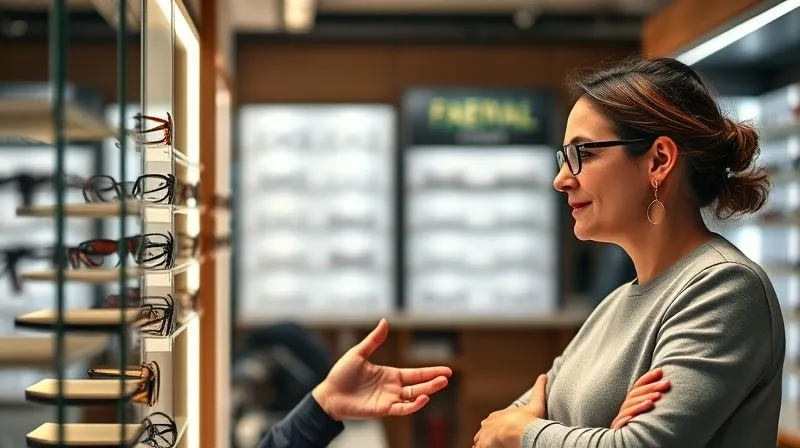
I begin by actively listening to their needs, concerns, and aspirations. This isn't just a formality; it's how I gather the nuanced information necessary to make truly personalized recommendations. I educate them about frame construction, lens options, and the impact of different styles, demystifying the process.
My role is to be a trusted advisor, not just a salesperson. I present options with clear justifications rooted in their personal brand identity. For instance, I might say, "Given your role as a thought leader in sustainability, these frames, crafted from recycled materials with their earthy tones, truly reinforce your commitment to ethical practices and environmental stewardship." This narrative approach resonates deeply.
Post-Consultation: Ensuring Lasting Brand Impact
My work doesn't end when the client walks out with their new glasses. Ongoing support and guidance are crucial for ensuring the eyewear continues to serve their personal brand effectively.
Follow-Up Strategies and Evolution of Style
I believe in fostering long-term relationships. This means following up, checking in, and being available for future consultations as their brand evolves. A client's personal brand is not static; it grows and changes, and their eyewear should reflect that evolution.
- Initial Check-in: A week or two after they receive their glasses, a quick call or email to ensure comfort and satisfaction.
- Seasonal Style Updates: Offer advice on how to integrate their new eyewear with seasonal fashion trends without compromising their core brand.
- Brand Evolution Consults: Encourage clients to return for a fresh look if their career path or personal brand narrative shifts significantly.
- Maintenance Tips: Provide guidance on caring for their frames and lenses to ensure longevity and pristine appearance, which reflects positively on their attention to detail.
By offering this continued support, you solidify your position as an invaluable partner in their personal branding journey, ensuring their glasses remain a powerful, consistent, and evolving extension of who they are.
Frequently Asked Questions (FAQ)
Question: How do I handle a client who insists on a frame style that clashes with their personal brand? This is a common challenge. My approach is to gently educate rather than dictate. I'd start by acknowledging their preference and asking them what they like about that specific style. Then, I'd present a few alternatives that incorporate elements of what they like (e.g., color, material) but in a shape or size that better aligns with their brand message and facial features. I'd use visual examples, showing them how the 'clashing' frame might send a mixed message, while the alternative enhances their desired perception. The goal is to empower them to see the strategic value of the alternative, not to tell them their taste is wrong.
Question: What if a client has multiple 'brands' or roles (e.g., a creative professional who also consults for corporate clients)? For clients with multifaceted roles, I often recommend an 'eyewear wardrobe.' This involves selecting 2-3 distinct pairs of glasses, each tailored to a specific facet of their personal brand. For instance, a bold, artistic frame for their creative work, a classic, authoritative frame for corporate consultations, and perhaps a more relaxed, approachable frame for casual networking. This allows them to strategically shift their visual identity to match the context, ensuring they always present their most effective self.
Question: How do I integrate sustainability or ethical sourcing into eyewear advice for brand-conscious clients? For clients whose personal brand emphasizes sustainability or ethical values, this is a fantastic opportunity to align their eyewear choices with their core principles. I would research and present options from brands known for using recycled materials, biodegradable acetates, or ethical manufacturing practices. Highlighting these aspects not only provides a suitable frame but also reinforces their brand story, turning their eyewear into a statement of their values. Many luxury and independent brands are now prioritizing these factors, offering stylish and responsible choices.
Question: Beyond shape and color, what subtle elements of a frame can influence a personal brand? Beyond the obvious, subtle details can make a huge difference. Consider the thickness of the frame's rim – a thicker rim can convey boldness and intellectualism, while a thinner one suggests subtlety and sophistication. The temple design (the arms of the glasses) can also add character, from minimalist lines to intricate patterns. The bridge design affects how the frames sit on the nose and can alter the perception of the nose's length. Even the hinge mechanism can speak to quality and craftsmanship. These nuanced details, when chosen intentionally, contribute significantly to the overall brand message.
Question: Is there a way to advise clients on glasses for their personal brand without making it seem like a prescriptive 'uniform'? Absolutely. The goal is never to create a uniform, but to unlock authentic self-expression. I frame the advice as a strategic enhancement of their existing identity, not a transformation into someone else. I emphasize that eyewear should feel like a natural extension of who they are, simply amplifying their desired brand attributes. By involving them deeply in the discovery process and always prioritizing their comfort and genuine preferences, we ensure the final selection is something they own and feel confident in, rather than something imposed upon them. It’s about guiding, not dictating.
Key Takeaways and Final Thoughts
Advising clients on glasses for their personal brand is a nuanced, deeply rewarding process that extends far beyond simple aesthetics. It's about understanding identity, psychology, and strategic communication. By following a structured approach, you can transform eyewear from a mere necessity into a powerful branding tool.
- Deep Dive into Brand Identity: Start by truly understanding your client's core values, professional persona, and desired perception.
- Master Face Morphology & Psychology: Use frame shapes to create harmony and strategically convey messages.
- Leverage Color & Material: Choose hues and textures that resonate with brand values and emotional impact.
- Consider Context: Align eyewear with lifestyle, profession, and specific occasions for maximum impact.
- Cultivate Signature Style: Help clients develop memorable eyewear that becomes synonymous with their personal brand.
- Educate & Empower: Address objections with empathy and provide clear, value-driven explanations.
- Build Lasting Relationships: Offer ongoing support to ensure eyewear evolves with their brand journey.
Remember, your expertise in how to advise clients on glasses for their personal brand positions you as an invaluable partner in their success. By approaching each consultation with a blend of artistry, psychology, and strategic thinking, you empower your clients to not just see the world more clearly, but to be seen exactly as they intend – confident, authentic, and undeniably on-brand. This is the true legacy of an eyewear specialist.
Recommended Reading
- Unlock Camera Confidence: The Ultimate Guide to Posing for Fashion Bloggers
- Narrow Faces? 7 Expert Steps to Flawless Optical Frame Fit
- 7 Proven Strategies: Preventing Smart Clothing Sensor Failure During Repeated Washing
- Fashion Affiliate Slump? 7 Steps to Recover Commissions Post-Update
- 5 Proven Methods: Reinforcing Delicate Wearable Art for Dynamic Stage Performance




Your email address will not be published. Required fields are marked *