

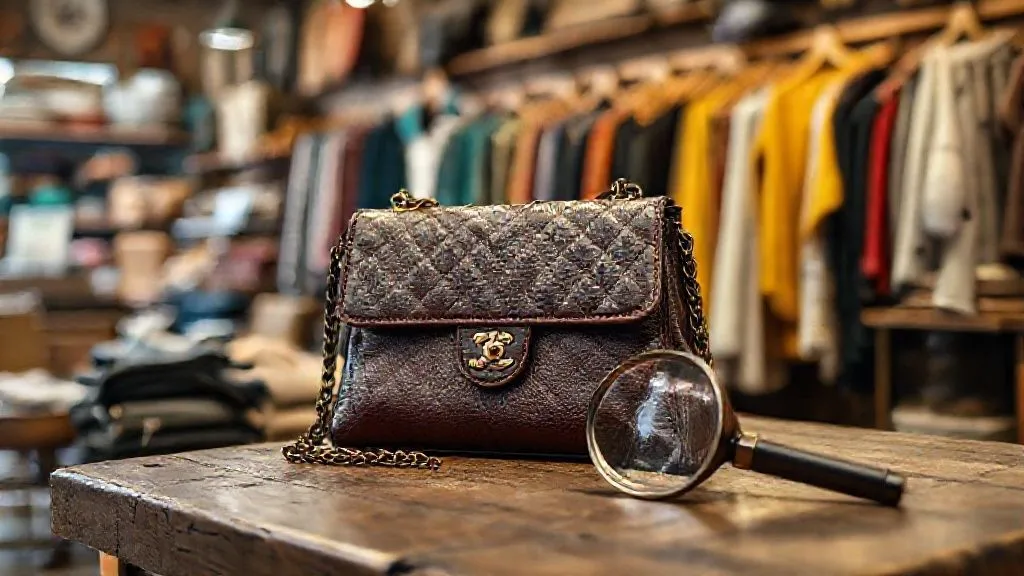
How to Accurately Price Unique Thrifted Vintage Designer Pieces?
For over 15 years immersed in the vibrant, ever-evolving world of vintage fashion, I’ve witnessed countless thrilling discoveries – a forgotten Dior scarf, a pristine Hermès belt, a rare Chanel jacket tucked away on a dusty rack. The thrill of the find is undeniable, a treasure hunter’s dream. Yet, I’ve also seen the frustration, the lost potential, and even the damaged reputations that stem from one critical mistake: mispricing these unique thrifted vintage designer pieces.
The challenge isn't just about slapping a price tag on a beautiful item; it’s about understanding its intricate history, its current market pulse, and its future potential. Many enthusiastic thrifters either undervalue their finds, leaving significant profit on the table, or overprice them, leading to prolonged inventory, missed sales, and a dwindling customer base. Both scenarios are disheartening, turning what should be a profitable passion into a perplexing problem.
This definitive guide is designed to transform that perplexity into precision. I will walk you through a robust, multi-faceted framework, honed over years of experience, that will empower you to accurately price unique thrifted vintage designer pieces every single time. We’ll delve into the nuances of authentication, market analysis, condition assessment, and strategic pricing models, equipping you with the actionable insights and expert tools needed to maximize your vintage finds.
Understanding the Intrinsic Value: Beyond the Label
Before you even think about a price tag, you must first understand the true, inherent value of the piece you hold. This goes far beyond the designer's name; it's about authenticity, craftsmanship, materials, and condition.
Authentication: The First Hurdle
The foundation of accurate pricing for any designer item, especially vintage, is absolute certainty of its authenticity. A fake, no matter how convincing, holds no real value in the resale market, and attempting to sell one can severely damage your credibility. I've seen promising ventures collapse because of a single unverified item.
Start by scrutinizing all hallmarks, serial numbers, date codes, and brand tags. Research the specific branding practices of the designer during the suspected era of the piece. For example, a vintage Chanel bag will have very specific serial number formats and placement depending on its production year. Examine the quality of stitching, hardware, and materials. Luxury brands are known for impeccable craftsmanship; inconsistencies are red flags.
"Authenticity is non-negotiable. It's the bedrock upon which all vintage designer valuation stands. Without it, you're building on sand."
For high-value items, consider professional authentication services like Entrupy or Authenticate First, which use AI and expert review to verify legitimacy. The small investment in authentication can prevent a costly mistake and provide peace of mind for both you and your buyer. This is a crucial step in understanding how to accurately price unique thrifted vintage designer pieces.
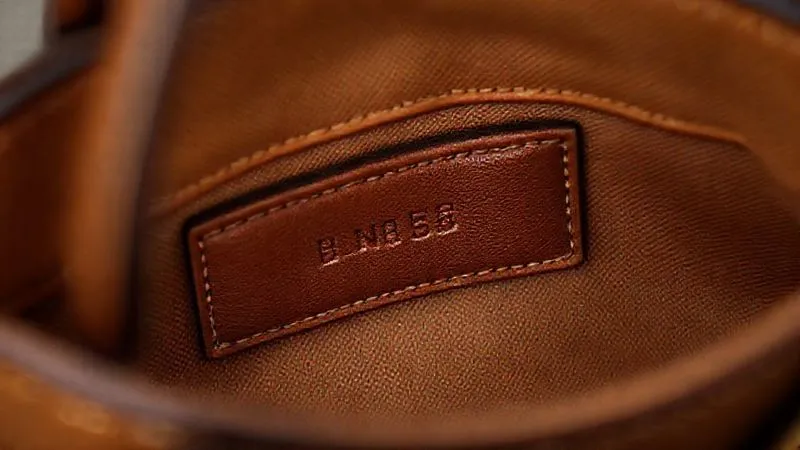
Condition Assessment: A Detailed Eye
Once authenticated, the condition of the piece is the next most significant factor in its valuation. Even a rare designer item can lose substantial value if it's in poor shape. Be brutally honest in your assessment, as buyers will be.
I typically use a grading system similar to industry standards:
- Mint: As new, never worn or used, with original tags. Extremely rare for thrifted vintage.
- Excellent: Minor signs of wear, possibly stored, no visible flaws or damage.
- Very Good: Light wear consistent with age, minor imperfections not affecting aesthetic or function.
- Good: Visible wear, some minor flaws (e.g., slight discoloration, small scuff), but still fully functional and presentable.
- Fair: Significant wear, noticeable flaws (e.g., larger stains, tears, missing hardware), may require repair.
Document every flaw meticulously with clear, well-lit photographs. Transparency builds trust. Consider the cost and feasibility of repairs. A small tear in a lining might be an easy fix, but extensive damage to delicate fabric or intricate hardware can significantly devalue a piece, potentially making it not worth the effort.
- Inspect all seams: Look for loose threads, tears, or stretching.
- Examine hardware: Check zippers, buckles, clasps for functionality, tarnishing, or missing parts.
- Assess fabric/leather: Look for stains, fading, pilling, holes, cracks, or scuffs.
- Check interior: Note any lining damage, odors, or internal stains.
- Evaluate structural integrity: For bags, check handles, corners, and overall shape retention.
Market Dynamics: Who, What, When, Where?
The intrinsic value of a piece is just one side of the coin. The other is its extrinsic value, dictated by the market. Understanding market dynamics is crucial for how to accurately price unique thrifted vintage designer pieces.
Researching Comparable Sales
This is where the detective work truly begins. The best indicator of what someone will pay for your item is what someone has *recently paid* for a similar item. I spend hours trawling through 'sold listings' on various platforms.
- eBay Sold Listings: Invaluable for seeing actual transaction prices for a vast array of vintage items.
- Luxury Consignment Sites: Platforms like Vestiaire Collective, The RealReal, and 1stDibs offer insights into higher-end vintage pricing and current inventory.
- Specialized Vintage Marketplaces: Websites focusing solely on vintage fashion can provide more niche insights.
When researching, filter by brand, item type (e.g., 'Chanel jacket,' 'Gucci loafers'), condition, and approximate era. Pay close attention to items that have sold, not just those listed. A high listing price means nothing if the item never moves. Look for trends: are similar items selling quickly or languishing? Are prices trending up or down?
Brand & Designer Pedigree
Certain designers and specific pieces hold an almost mythical status, commanding higher prices regardless of minor trends. Think iconic pieces from Hermès, Chanel, Louis Vuitton, or early collections from designers like Vivienne Westwood, Jean Paul Gaultier, or Elsa Schiaparelli.
Rarity plays a huge role here. Is it a limited edition? A runway piece? From a collection that marked a significant moment in fashion history? The historical significance and cult status of a piece can add a substantial premium. According to a report by Deloitte, the luxury resale market is growing rapidly, driven by sustainability and the allure of unique, rare items that tell a story, further emphasizing the importance of provenance and scarcity.
Current Fashion Trends & Demand
Fashion is cyclical, and what was 'out' last year might be 'in' today. The resurgence of Y2K fashion, for instance, has driven up prices for vintage pieces from designers like John Galliano for Dior, Tom Ford for Gucci, and early 2000s Fendi Baguettes. Celebrity endorsements or appearances in popular culture can also ignite demand overnight.
Staying abreast of current fashion trends, both mainstream and niche, is crucial. Follow fashion blogs, magazines, and social media influencers who focus on vintage. Sites like Vogue Runway can give you a glimpse into what designers are showing, which often trickles down to vintage revivals. Understanding these currents helps you position your items optimally, making it easier to accurately price unique thrifted vintage designer pieces when demand is high.
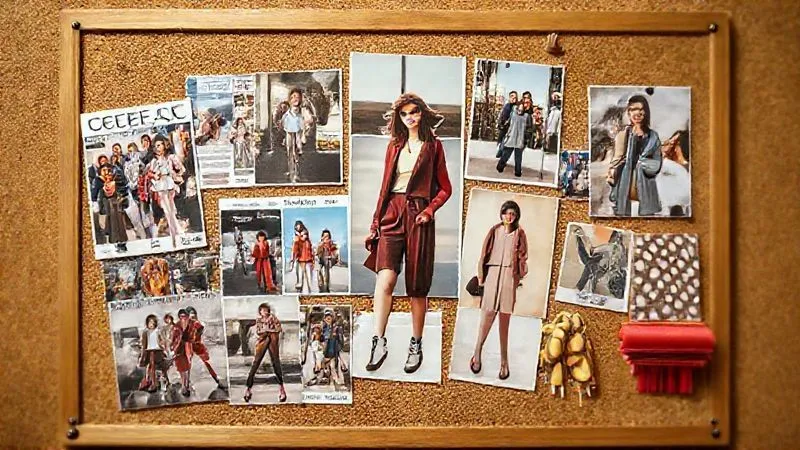
The Art of Valuation: A Multi-Factorial Approach
Now that you've assessed intrinsic value and market dynamics, it's time to synthesize this information into a concrete pricing strategy. This isn't just a formula; it's an art informed by data and experience.
Deconstructing the Cost Basis
Your pricing journey begins with understanding your investment. This isn't just the price you paid at the thrift store. It includes:
- Acquisition Cost: The initial purchase price.
- Cleaning & Restoration: Professional dry cleaning, leather conditioning, minor repairs.
- Authentication Fees: If you opted for professional verification.
- Photography & Listing Time: Your time is valuable.
- Shipping & Handling Supplies: Packaging materials, labels.
Keep meticulous records of all these expenses. This forms your true 'cost of goods sold' and helps you determine your minimum acceptable profit margin.
Applying the "Vintage Multiplier"
This is where the magic of vintage value truly comes in. I often use a 'vintage multiplier' which adjusts the market comparable price based on the item's unique vintage attributes. This isn't a fixed number but a dynamic range.
For example, a common vintage designer piece in good condition might have a multiplier of 1.0-1.5x its basic market comparable. However, a rare, historically significant piece in excellent condition from a highly desirable era could command a 2x, 3x, or even higher multiplier.
"The 'Vintage Multiplier' isn't just about scarcity; it's about the confluence of rarity, condition, historical significance, and current cultural relevance. It's the premium for a piece that truly tells a story."
Here's a simplified illustration of how different factors can influence this multiplier:
| Factor | Multiplier Impact |
|---|---|
| Condition (Mint/Excellent) | +0.5 to +1.0x |
| Rarity (Limited Edition/Runway) | +0.7 to +1.5x |
| Historical Significance/Cult Status | +0.6 to +1.2x |
| High Current Demand/Trend | +0.3 to +0.8x |
| Common/Abundant Piece | -0.2 to +0.2x |
You add these multipliers to your base comparable price. It’s a flexible model, allowing you to account for the unique characteristics of each item when determining how to accurately price unique thrifted vintage designer pieces.
The 'Story' Premium
Vintage items aren't just clothes; they're artifacts with a past. If you can uncover and articulate a compelling story – perhaps the original owner was a notable figure, or the item was worn at a famous event (with verifiable provenance, of course) – this can add an intangible but very real 'story premium' to your price. People connect with history and narrative, especially in the luxury market. While rare, discovering such provenance can elevate a piece from merely valuable to truly priceless.
Strategic Pricing Models for Profitability
With all your data gathered, it's time to set the price. This isn't a one-size-fits-all approach; different strategies suit different items and selling environments.
Cost-Plus vs. Market-Value Pricing
- Cost-Plus Pricing: This involves adding a desired profit margin to your total cost basis. It's straightforward and ensures profitability on each sale. I recommend this for more common vintage designer pieces where market fluctuations are less extreme, or when you need to quickly recoup investment.
- Market-Value Pricing: This strategy prioritizes what the market will bear. You set your price based primarily on comparable sold listings and current demand, even if it means a higher profit margin than a simple cost-plus calculation. This is ideal for rare, highly sought-after pieces where demand significantly outstrips supply.
Often, the most effective approach is a hybrid: calculate your cost-plus minimum, then research market comparables. If the market value is significantly higher, lean into that. If it's lower, re-evaluate your cost basis or adjust your profit expectations.
Dynamic Pricing & Negotiation
The vintage market is fluid. What sells for X today might sell for Y tomorrow. Be prepared to adjust your prices based on feedback, seasonality, and how quickly your item moves. If an item isn't selling after a reasonable period (e.g., 30-60 days), consider a slight reduction or a promotional sale. Conversely, if you notice a sudden surge in demand for similar items, you might have room to increase your price.
For high-value items, be open to respectful negotiation. Having a clear bottom line (derived from your cost basis and desired minimum profit) will empower you to negotiate confidently without underselling your piece. As Seth Godin often says, "The market doesn't care about your story; it cares about its story." Understand the buyer's perspective and what value they perceive.
Case Study: The Rescued YSL Rive Gauche Gown
A few years ago, I stumbled upon a stunning Yves Saint Laurent Rive Gauche silk gown at a local estate sale. It was from the late 1970s, a true collector's piece, but it had a significant wine stain on the skirt and a few missing beads. The seller was asking $150, clearly unaware of its potential.
My initial steps were:
- Authentication: Verified the YSL Rive Gauche label, zipper type, and stitching against known examples from the era. It was authentic.
- Condition Assessment: Noted the stain and missing beads. Estimated professional cleaning at $100 and bead replacement at $50.
- Comparable Research: Found similar YSL Rive Gauche gowns (in excellent condition) selling for $1,200-$2,500 on sites like 1stDibs and specialized vintage boutiques.
Cost Basis: $150 (purchase) + $100 (cleaning) + $50 (beads) = $300. Market Value (Excellent Condition): $1,200 - $2,500.
Applying a vintage multiplier, considering its rarity and historical significance (YSL Rive Gauche pieces from this era are highly sought after by collectors and fashion historians, as detailed by resources like the Metropolitan Museum of Art's costume institute), I decided to aim for the higher end of the market. After professional cleaning and meticulous bead replacement, the gown was restored to 'very good' condition, nearing 'excellent'.
I listed it at $1,800. After two weeks, a collector offered $1,650, which I accepted. My profit was $1,350 ($1,650 - $300). This case perfectly illustrates how to accurately price unique thrifted vintage designer pieces by combining detailed assessment, market research, and strategic valuation.
Leveraging Digital Tools and Communities
In today's interconnected world, you don't have to go it alone. A wealth of digital resources and communities can significantly aid your pricing efforts.
Online Appraisal Services
Beyond authentication, some services offer full appraisal reports. These can be particularly useful for extremely rare or high-value pieces where you need an official valuation for insurance purposes or to command top dollar. While they come with a fee, the peace of mind and authoritative pricing guidance can be invaluable.
Vintage Dealer Networks & Forums
Connect with other experienced vintage dealers and collectors. Online forums, Facebook groups dedicated to vintage fashion, and even Instagram communities are treasure troves of collective knowledge. Sharing photos of a piece and asking for insights on its value can yield surprisingly accurate estimates and unique perspectives. Just remember to always verify information independently.

Avoiding Common Pricing Pitfalls
Even with all the right tools, it's easy to stumble. I've seen these mistakes made time and again, and preventing them is key to consistent success.
Emotional Attachment vs. Market Reality
It's natural to fall in love with a beautiful vintage find. However, emotional attachment can blind you to its true market value. Just because *you* adore it doesn't mean the market will pay a premium based on your feelings. Separate your personal appreciation from the objective data. If you can't, perhaps that piece is a keeper, not a seller.
Overlooking Hidden Flaws
A quick glance might miss a small tear in the lining, a sticky zipper, or a faint odor. These 'hidden' flaws, when discovered by a buyer, can lead to returns, negative feedback, and a damaged reputation. Always conduct a thorough, honest condition assessment, and factor any discovered issues into your pricing. Transparency is your best friend.
Ignoring Authentication Costs
Don't skip authentication, especially for high-value items, to save a few dollars. The risk of selling a counterfeit, or even just the uncertainty, far outweighs the cost of professional verification. As I mentioned earlier, it's an investment in trust and accuracy, directly impacting how to accurately price unique thrifted vintage designer pieces.
"The biggest pricing mistakes often stem from a lack of objective data or an unwillingness to confront uncomfortable truths about an item's condition or market appeal. Detachment and diligence are your allies."
Frequently Asked Questions (FAQ)
How do I know if a piece is truly "designer" and not a replica? The best way is through meticulous research into the brand's specific authentication markers for the suspected era: serial numbers, date codes, hardware stamps, label fonts, and stitching quality. Compare these against known authentic examples. For high-value items, professional authentication services like Entrupy or Authenticate First are highly recommended and often necessary for buyer confidence.
What if my piece has significant damage? Can it still be valuable? Yes, but its value will be significantly impacted. For extremely rare or historically significant pieces, collectors might still be interested for restoration or archival purposes, even with damage. However, for most items, significant damage will drastically reduce the price. Always disclose all flaws transparently and factor in potential repair costs or sell it 'as is' at a much lower price.
Should I get my items professionally authenticated? For any item you suspect is high-value (typically $500+ resale value) or if you are unsure about its authenticity, absolutely. The cost of authentication is a small investment compared to the potential loss from selling a fake or the damage to your reputation. It also provides a strong selling point and builds buyer trust.
How much should I factor in for shipping and selling fees? This varies greatly by platform and shipping method. Online marketplaces like eBay, Etsy, Vestiaire Collective, or The RealReal all have different commission structures (e.g., 10-30% of the sale price). Shipping costs depend on the item's size, weight, destination, and chosen carrier. Always research these fees thoroughly for your chosen selling platform and factor them into your minimum acceptable price to ensure profitability.
Is it better to sell vintage designer items locally or online? Online platforms generally offer a wider audience, increasing the chances of finding the right buyer for a niche vintage piece, especially for high-value items. However, online selling incurs shipping costs and platform fees. Local selling (e.g., through consignment stores, pop-up markets, or private sales) can save on these fees but limits your buyer pool. The best approach often depends on the item's value, rarity, and your target market.
Key Takeaways and Final Thoughts
Successfully navigating the world of vintage designer resale requires a blend of passion, patience, and meticulous methodology. Pricing unique thrifted vintage designer pieces isn't guesswork; it's a skill built on a solid foundation of research, critical assessment, and strategic thinking.
- Authenticate Everything: This is your non-negotiable first step.
- Assess Condition Honestly: Detail every flaw to build trust.
- Master Market Research: Utilize sold listings and specialized platforms.
- Understand Your Costs: Factor in all expenses for true profitability.
- Employ a Multi-Factorial Approach: Combine intrinsic value with market dynamics and a 'vintage multiplier.'
- Be Flexible: Dynamic pricing and negotiation are crucial in a fluid market.
My journey in vintage fashion has taught me that every piece has a story, and every seller has the opportunity to become a trusted curator. By applying the frameworks and insights shared in this guide, you're not just setting a price; you're valuing history, craftsmanship, and the enduring appeal of timeless design. Approach each find with an expert eye and a strategic mind, and you'll not only maximize your profits but also contribute to the sustainable and vibrant future of fashion. Keep learning, keep exploring, and happy thrifting!
Recommended Reading
- Mastering Avant-Garde Haute Couture: 7 Steps to Precise Vision Execution
- 5 Proven Ways: How to Prevent Microplastic Shedding from New Synthetics
- 7 Ways Cultural Shifts Are Redefining Fashion Eyewear Design
- Cracking the Teen Code: 7 Steps to Forecast Volatile Fashion Trends
- 7 Steps: Ethically Sourcing Unique Materials for Bespoke Accessories

Your email address will not be published. Required fields are marked *