

How to Accelerate Bespoke Haute Couture Production Without Quality Loss?
For over two decades in the rarefied world of haute couture, I've witnessed firsthand the delicate dance between timeless artistry and the relentless ticking of the clock. The very essence of bespoke creation lies in its meticulous attention to detail, its unique narrative woven into every stitch, often demanding weeks, if not months, of dedicated craftsmanship. This inherent slowness, while a hallmark of luxury, can become a significant bottleneck in a world that increasingly values both exclusivity and efficiency.
Many ateliers grapple with this core dilemma: how do we meet the rising demand for unique, personalized garments without compromising the unparalleled quality that defines haute couture? The pressure to deliver exquisite pieces within more demanding timelines can lead to burnout, errors, and, ultimately, a diluted brand reputation. It's a tightrope walk where one misstep can jeopardize the very foundation of luxury.
Today, I'm sharing my accumulated wisdom and practical frameworks to address this crucial challenge head-on. This article isn't about cutting corners; it's about intelligent optimization, strategic foresight, and leveraging innovation to empower your artisans and elevate your processes. You'll discover actionable strategies, real-world insights, and expert advice on how to accelerate bespoke haute couture production without quality loss, ensuring your creations remain masterpieces, delivered with newfound efficiency.
The Bespoke Paradox: Balancing Artistry and Timeline
The term 'bespoke' itself implies a unique journey, a dialogue between client and creator that unfolds over time. Haute couture amplifies this, transforming garments into wearable art. Yet, the luxury market, while valuing exclusivity, is also influenced by broader consumer expectations for responsiveness. This creates what I call the 'Bespoke Paradox': the inherent conflict between the time-intensive nature of true craftsmanship and the desire for streamlined delivery.
Ignoring this paradox is no longer an option. Clients expect not just perfection, but also a seamless and relatively efficient experience. The challenge isn't to force speed upon a slow process, but to intelligently identify areas where bottlenecks occur and apply strategic interventions that enhance workflow without diminishing the artistry. As a recent McKinsey report on the state of fashion highlighted, agility and adaptability are becoming critical for even the most traditional segments of the industry.
My experience has shown that the solution lies not in sacrificing the bespoke spirit, but in refining the journey. It's about respecting the craft while embracing modern methodologies that support, rather than detract from, the creative process. It's about designing a system where every moment spent is purposeful, adding value, and moving the creation closer to its magnificent completion.
Strategic Client Onboarding: The Foundation of Efficiency
The journey to an accelerated, yet impeccable, bespoke creation begins long before the first stitch is sewn: it starts with client onboarding. In my atelier, I've learned that clarity and precision at this initial stage eliminate countless revisions and miscommunications down the line. A poorly defined vision or ambiguous expectations are absolute time sinks.
Transparency and detailed consultation are paramount. This phase is an opportunity to truly understand the client's vision, lifestyle, and timeline expectations. It's also where you educate them about the haute couture process, setting realistic expectations for both lead times and the iterative nature of bespoke design. Use visual aids, mood boards, and detailed questionnaires to capture every nuance.
Optimizing the Client Consultation Process
- Pre-Consultation Questionnaire: Send a detailed form covering preferences, occasion, budget, and desired timeline before the first meeting. This primes the client and allows your team to prepare.
- Structured First Consultation: Follow a clear agenda. Cover design aspirations, fabric options, measurement process, and a preliminary timeline. Use visual references extensively.
- Immediate Design Brief & Proposal: Within 24-48 hours, provide a comprehensive design brief, initial sketches, fabric swatches, and a detailed project timeline with key milestones and client approval points.
- Digital Communication Hub: Establish a secure online portal or dedicated communication channel for all client interactions, revisions, and approval processes. This centralizes information and minimizes delays.
By front-loading the information gathering and expectation setting, you prevent costly backtracking. A clear, mutually agreed-upon brief acts as a compass, guiding every subsequent step of the bespoke haute couture production.
| Stage | Characteristics | Impact on Timeline | Quality Risk |
|---|---|---|---|
| Traditional Onboarding | Ambiguous brief, multiple revisions, client indecision | Significant delays, scope creep | Misinterpretation of client vision |
| Optimized Onboarding | Structured consultation, clear brief, digital approvals | Reduced design iterations, predictable milestones | Minimized, shared understanding |
Mastering the Design & Prototyping Phase with Precision
The design and prototyping phase is where the client's dream takes tangible form. This is often an iterative process, but it doesn't have to be endlessly so. My approach is to combine artistic intuition with structured methodology to ensure precision and prevent unnecessary rework.
Digital tools are game-changers here. While the final garment is handcrafted, initial sketches, pattern drafting, and even 3D simulations can dramatically accelerate the design approval process. This allows clients to visualize the garment more accurately and request adjustments digitally, long before any fabric is cut. This is a critical step in how to accelerate bespoke haute couture production without quality loss.
Iterative Design with Controlled Feedback Loops
- Initial Sketch & Mood Board Approval: Present a refined concept based on onboarding. Seek explicit approval before moving to detailed design.
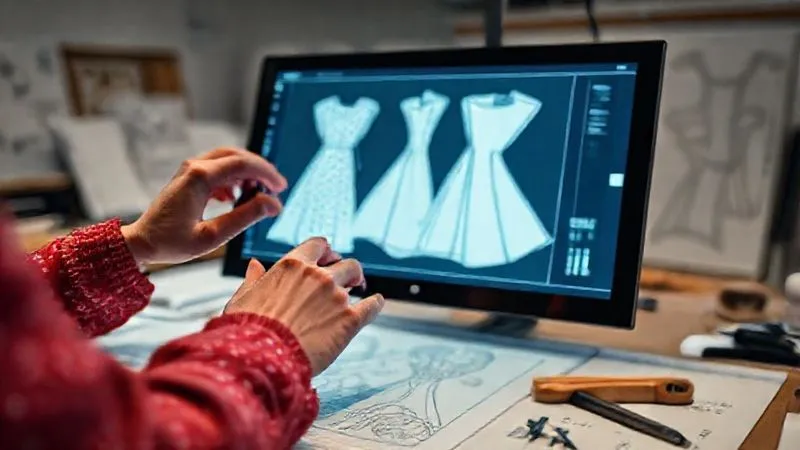
- Digital Pattern Drafting & 3D Visualization: Utilize CAD software to create precise patterns and even render the garment on a virtual avatar. This provides a realistic preview and allows for fit adjustments without physical samples.
- Toile Creation with Purpose: The toile (muslin prototype) is indispensable for haute couture fit. However, make it count. Focus on critical fit points and silhouette. Conduct fittings with clear objectives and document all adjustments meticulously using digital annotations or detailed photography.
- Limited Revision Cycles: Establish a clear understanding with the client regarding the number of revision cycles for each stage. This encourages decisive feedback and prevents endless tweaks.
By streamlining these creative steps, we preserve the artistry while gaining invaluable time. Each approval point acts as a gate, ensuring alignment before significant resources are committed.
Optimizing Material Sourcing and Supply Chain Logistics
In haute couture, the choice of materials is paramount. Exquisite silks, rare laces, and custom embroideries often come from specialized suppliers across the globe. Delays in sourcing can bring the entire production to a grinding halt. My strategy has always been about proactive relationship building and intelligent inventory management.
Forge strong, long-term relationships with trusted suppliers. This isn't just about price; it's about reliability, quality consistency, and communication. A strong relationship means priority access, faster lead times, and quicker resolution of any issues. Explore local sourcing where possible to reduce shipping times and carbon footprint, aligning with modern supply chain resilience principles.
Streamlining Your Material Flow
- Pre-Vetted Supplier Network: Maintain a curated list of approved suppliers for every material type, complete with lead times, minimum order quantities, and quality certifications.
- Strategic Inventory of Core Materials: For frequently used foundational fabrics or embellishments, maintain a small, carefully managed inventory. This reduces reliance on just-in-time orders for every bespoke piece.
- Automated Order Tracking: Implement a system to track all material orders from placement to delivery. Proactive monitoring allows for early intervention if delays are anticipated.
- Contingency Planning: Always have backup options for critical materials. What if a specific silk is out of stock? Knowing your alternatives beforehand saves precious time.
Effective supply chain management transforms a potential bottleneck into a smooth, predictable flow. It's about foresight and building a robust network that supports the demanding nature of haute couture.
Streamlining Atelier Workflow: The Art of Lean Craftsmanship
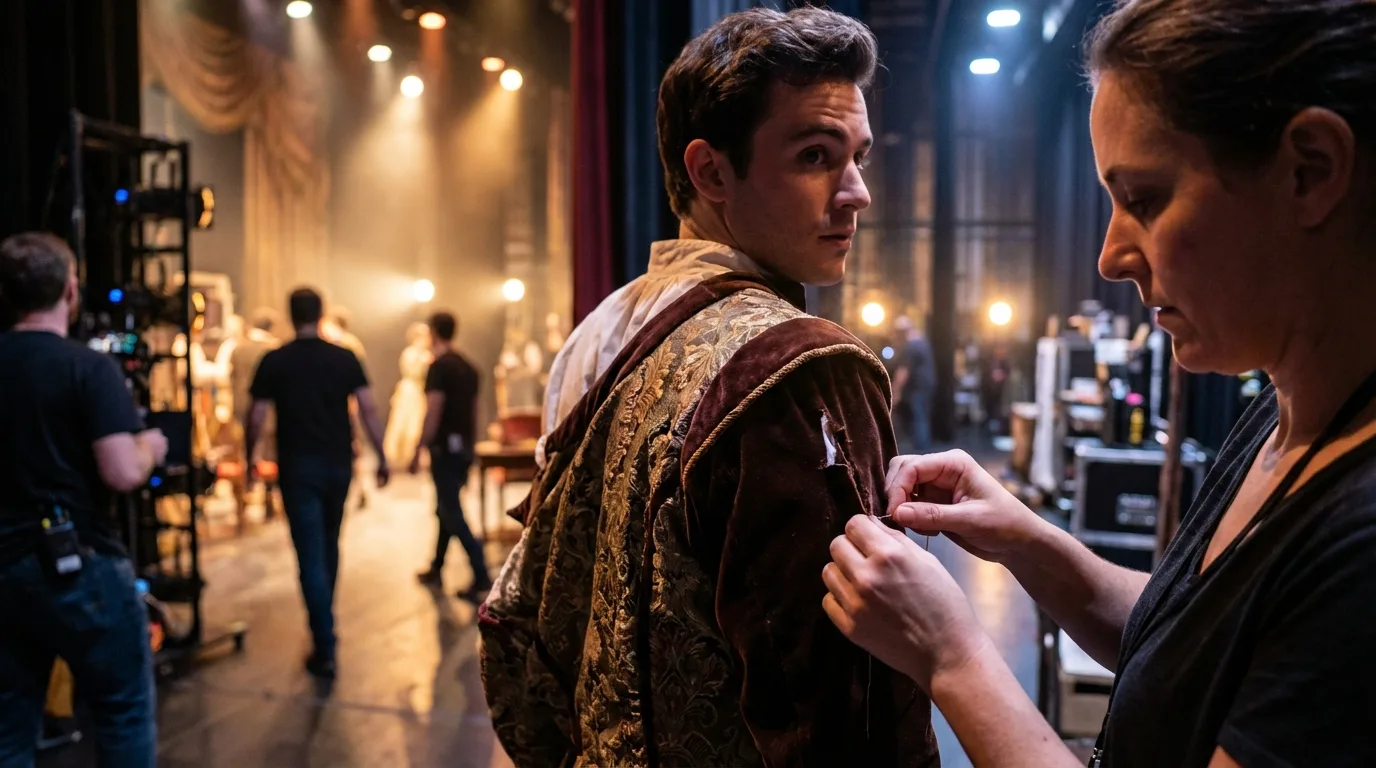
The atelier is the heart of haute couture, where skilled hands transform vision into reality. To accelerate bespoke haute couture production without quality loss, we must optimize the flow within this sacred space. This involves applying principles of lean manufacturing, adapted for the unique demands of artisanal craft.
Process mapping is incredibly insightful. I encourage my teams to map out every step of garment creation, from pattern cutting to final embellishment. This reveals redundancies, bottlenecks, and areas where tasks can be reordered or performed in parallel. It's not about rushing, but about eliminating wasted motion and waiting time.
Case Study: How Atelier Lumina Optimized Their Workflow
Atelier Lumina, a renowned house specializing in intricate evening wear, faced growing pressure to reduce their 10-month lead time. By implementing a process mapping exercise, they identified that their embellishment team often waited for the main garment construction to be 100% complete before starting. Their solution: parallelize tasks. They introduced a system where complex embellishments (e.g., bodice beading) began on pre-cut fabric panels while the main skirt construction was still underway. They also cross-trained their artisans in complementary skills, allowing for flexible resource allocation during peak periods. This resulted in a 25% reduction in overall production time for their most complex pieces, without any compromise on the exquisite detailing, simply by optimizing task sequencing and resource utilization.
"True efficiency in haute couture isn't about working faster, but about working smarter. It's about designing a workflow that respects the craft while maximizing the value of every artisan's time." - My personal mantra.
Embracing Technology: Digital Tools for Analog Artistry
For some, 'haute couture' and 'technology' might seem like opposing forces. In my experience, however, technology, when thoughtfully integrated, becomes a powerful ally in how to accelerate bespoke haute couture production without quality loss. It's not about replacing the human touch, but about enhancing precision, communication, and speed in supporting processes.
From 3D body scanning to advanced project management software, the tools are available. Imagine capturing precise measurements in minutes, eliminating multiple fitting sessions for basic adjustments. Or visualizing fabric drape and fit on a digital avatar, reducing the need for numerous physical toiles. These technologies free up artisans to focus on the intricate, irreplaceable handcraft.
Key Technologies and Their Impact
- 3D Body Scanning: Captures highly accurate measurements for initial pattern drafting, ensuring a superior starting point for bespoke fit. Reduces the need for multiple manual measurements.
- CAD/CAM Software: Computer-Aided Design for pattern making and grading, and Computer-Aided Manufacturing for precise fabric cutting (for non-delicate components). Enhances accuracy and speed.
- Virtual Prototyping & 3D Design Software: Allows designers to visualize garments on digital avatars, experiment with fabrics and silhouettes, and get client approval without physical samples.
- Project Management Platforms: Tools like Asana, Trello, or specialized fashion PLM (Product Lifecycle Management) systems track every stage of a bespoke project, assign tasks, manage timelines, and facilitate communication across the atelier.
By judiciously adopting these tools, ateliers can significantly cut down on the time spent on repetitive tasks, measurement errors, and communication gaps, allowing more time for the true artistry that defines haute couture.
| Technology | Benefit for Speed | Benefit for Quality |
|---|---|---|
| 3D Body Scanning | Rapid, accurate measurements; fewer initial fit adjustments | Superior initial fit accuracy; reduced human error |
| CAD/CAM Software | Automated pattern drafting; precise cutting of basic components | Enhanced pattern accuracy; consistent component sizing |
| Virtual Prototyping | Faster design approval; reduced physical sample creation | Better client visualization; fewer design misinterpretations |
| Project Management Platforms | Streamlined task tracking; improved team coordination | Reduced missed deadlines; clearer communication of requirements |
Quality Control as an Integrated Process, Not an Afterthought
In the pursuit of speed, the most common pitfall is the erosion of quality. For haute couture, this is unforgivable. My philosophy is that quality control isn't a final inspection; it's an intrinsic part of every single step. It's a continuous, integrated process that prevents defects rather than just catching them.
Empower every artisan to be a quality guardian. This means fostering a culture where stopping work to correct an issue early is celebrated, not penalized. It's far less costly and time-consuming to fix a flaw in the pattern stage than after the garment is fully constructed.
Implementing Continuous Quality Assurance
- Stage-Gate Reviews: After each major production stage (e.g., pattern cutting, initial construction, embellishment), conduct a formal quality review. This can be a peer review or a supervisor check.
- Standardized Checklists: Develop clear, comprehensive checklists for each stage, detailing expected standards for stitching, seam allowances, fabric alignment, and embellishment application.
- Documentation of Deviations: Any deviation from the design brief or quality standard must be immediately documented, addressed, and signed off. This creates a traceable quality history for each garment.
- Client Feedback Loops: Beyond formal fittings, maintain an open channel for client feedback at appropriate stages. Early client input on visual elements can prevent major rework later.
By embedding quality checks throughout the process, we not only uphold the highest standards but also prevent costly delays caused by last-minute corrections. This proactive approach is fundamental to how to accelerate bespoke haute couture production without quality loss.
Cultivating a Culture of Excellence and Continuous Improvement
Ultimately, the ability to accelerate bespoke haute couture production without quality loss rests on the shoulders of your team. A culture that values both meticulous craftsmanship and intelligent efficiency is your greatest asset. It's about empowering artisans, fostering collaboration, and embracing a mindset of constant learning.
Invest in your people. Regular training, cross-skilling opportunities, and open communication channels are not just 'nice-to-haves'; they are essential for long-term growth and efficiency. When artisans feel valued and heard, they become proactive problem-solvers, contributing to a more agile and harmonious atelier. As renowned management consultant Peter Drucker often emphasized, empowered employees are the engine of organizational success.
Fostering an Agile and Empowered Atelier
- Regular Skill Development: Organize workshops on new techniques, materials, or even digital tools. Continuous learning keeps skills sharp and adaptable.
- Cross-Training Initiatives: Encourage artisans to learn aspects of other roles. This creates flexibility in resource allocation and a deeper understanding of the entire production chain.
- Open Feedback Mechanisms: Implement regular team meetings where artisans can share insights, suggest improvements, and discuss challenges without fear of reprisal. Their on-the-ground experience is invaluable.
- Recognition and Reward: Acknowledge and celebrate efficiency gains that do not compromise quality. Positive reinforcement encourages proactive problem-solving and innovation.
An atelier where every member feels invested in the collective goal of creating beauty efficiently is an atelier poised for sustainable success. This human element is irreplaceable in balancing the demands of speed and the sanctity of haute couture quality.
Frequently Asked Questions (FAQ)
How can a small haute couture atelier afford advanced technology like 3D body scanners? While initial investment can be significant, consider partnerships with technology providers, leasing options, or even shared services with other local luxury businesses. The long-term savings in time, materials (due to fewer prototypes), and enhanced client satisfaction often justify the cost. Start with one key technology that addresses your biggest bottleneck, rather than trying to overhaul everything at once.
Won't standardizing processes diminish the unique, artistic nature of bespoke creations? Standardization in haute couture isn't about creating uniform garments; it's about standardizing the *support processes* that enable the artistry. Think of it like a musician practicing scales – the scales are standardized, but the performance is unique. Standardizing client onboarding, measurement protocols, quality checks, and material tracking frees up the artisan's time and mental energy to focus purely on the creative and intricate aspects that make each piece unique, ensuring how to accelerate bespoke haute couture production without quality loss is achieved.
Is it possible to truly reduce lead times without increasing staff? Yes, absolutely. The strategies outlined – from optimized onboarding and workflow mapping to technology integration – are designed to increase productivity per artisan, not necessarily to increase the number of artisans. By eliminating wasted time, reducing rework, and enabling parallel task execution, existing highly skilled teams can achieve more within the same timeframe, often leading to a more engaged and less stressed workforce.
How can I ensure clients are comfortable with a more 'streamlined' bespoke process? Transparency and education are key. Frame the changes as enhancements that lead to a smoother, more precise, and still profoundly personalized experience. Emphasize that these efficiencies allow your artisans to dedicate even more focused attention to the unique artistic elements, rather than administrative or logistical delays. Highlight the benefits to them: clearer communication, fewer unexpected delays, and a more predictable delivery schedule for their exquisite creation.
What's the first step an atelier should take to begin accelerating production? I always recommend starting with a comprehensive process audit. Map out your current bespoke production journey from initial client contact to final delivery. Identify every single step, the time it takes, and any recurring bottlenecks or points of friction. This diagnostic phase will provide clear, data-driven insights into where your most impactful improvements can be made, allowing you to prioritize your efforts effectively.
Key Takeaways and Final Thoughts
Navigating the intricate balance between the timeless artistry of haute couture and the contemporary demand for efficiency is undoubtedly complex, but it is far from impossible. My decades in this extraordinary industry have taught me that true innovation often lies not in radical reinvention, but in intelligent refinement and strategic integration.
- Front-load clarity: Precision in client onboarding and design definition prevents costly rework.
- Optimize every stage: From sourcing to sewing, identify and eliminate bottlenecks.
- Embrace technology wisely: Leverage digital tools to enhance, not replace, human craftsmanship.
- Embed quality: Make quality control an ongoing process, not a final check.
- Empower your team: A skilled, collaborative, and respected atelier is your greatest asset.
By adopting these strategies, you're not just finding how to accelerate bespoke haute couture production without quality loss; you're building a more resilient, responsive, and sustainably successful atelier. You're ensuring that each bespoke creation remains a testament to unparalleled artistry, delivered with a modern understanding of precision and efficiency, upholding the legacy of haute couture for generations to come.
Recommended Reading
- 7 Pillars: Justifying Premium Pricing for Unique Luxury Eyewear Frames
- 7 Ways to Prevent Scuffed Formal Shoes Ruining Your Client Meeting
- Stop Bot Attacks: 7 Proven Steps to Secure Your Streetwear Drop Website
- 7 Proven Pathways: Sourcing Rare Materials for Epic Fantasy Costume Authenticity
- Squat-Proof Seamless: 7 Engineering Secrets to Eliminate Activewear Transparency




Your email address will not be published. Required fields are marked *